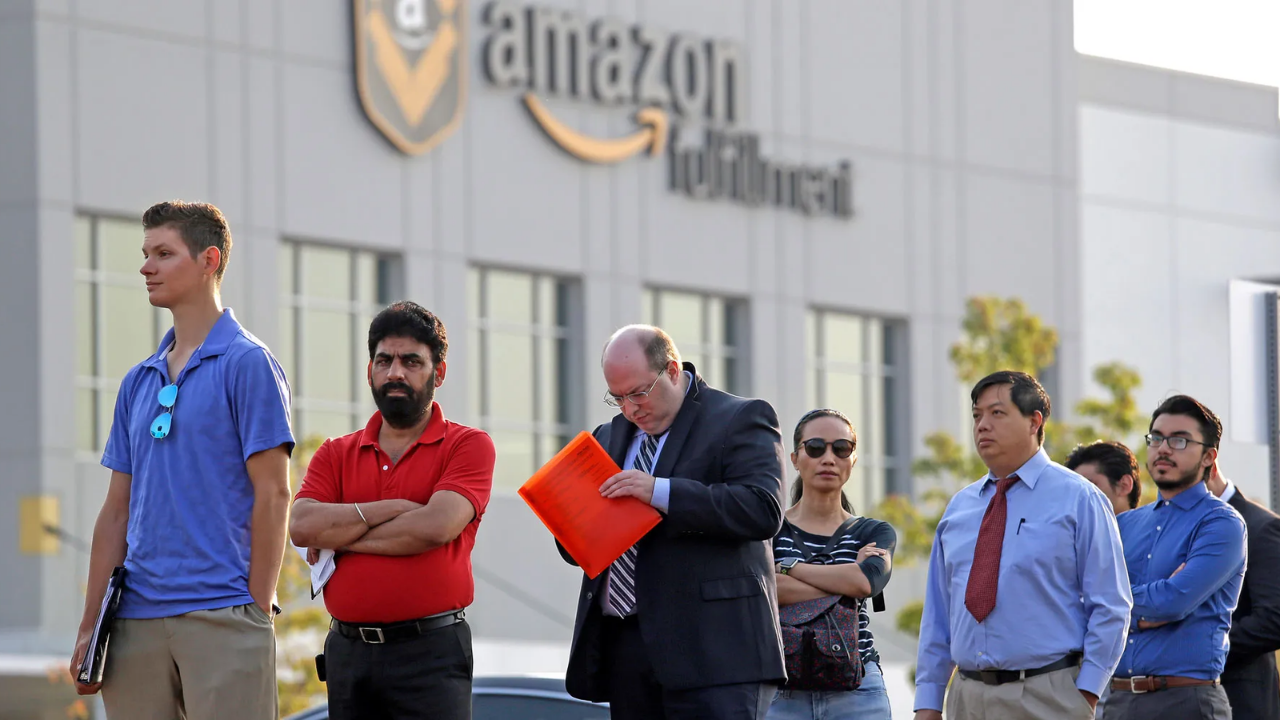
Self-checkout was meant to save money and speed up shopping. Now, stores like Target, Kroger, and Aldi are backing out fast. Theft rates are 16 times higher than with cashiers, and experts warn the market could lose $3 billion in value. It’s clear the experiment failed.
The Start of the Trouble
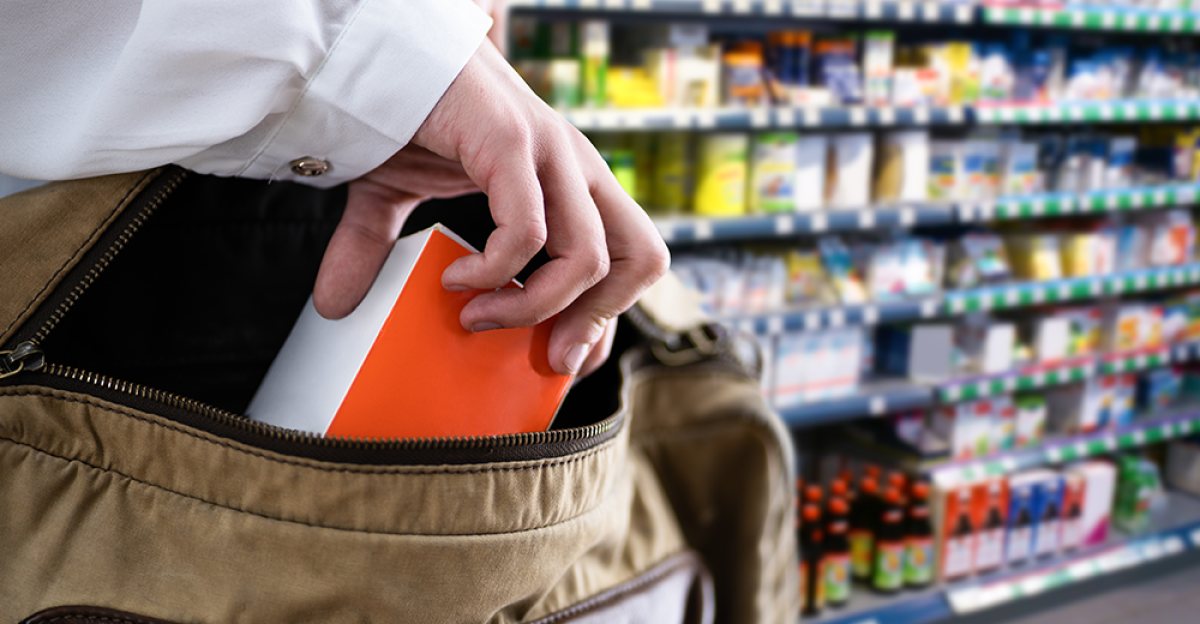
Shoplifting has surged 93% since 2019, according to the National Retail Federation’s 2024 “Impact of Retail Theft & Violence” report. Self-checkout has only made things worse. Grabango reports theft occurs in 6.7% of self-checkout transactions, compared to just 0.32% with cashiers. What began as a cost-saver is now a crisis.
Target Backs Off Fast
According to the company’s official communications, in March 2024, Target set a 10-item limit at nearly 2,000 stores. While the company denied theft was the reason, according to Business Insider, Target reported over $500 million in shrink-related losses in 2023. Some locations have removed self-checkout entirely, and other retailers are watching closely.
In its May corporate blog post, Target highlighted that checkout times have been 8% faster since the change.
Kroger Ends the Test
Kroger tested an all-self-checkout store in Dallas for three years. In January last year, it quietly shut the experiment down, according to the Dallas Morning News. Shoppers were frustrated by slow machines and frequent issues. Kroger said customer feedback led them to bring back staffed checkout lanes at that store.
Aldi Pulls the Plug Too
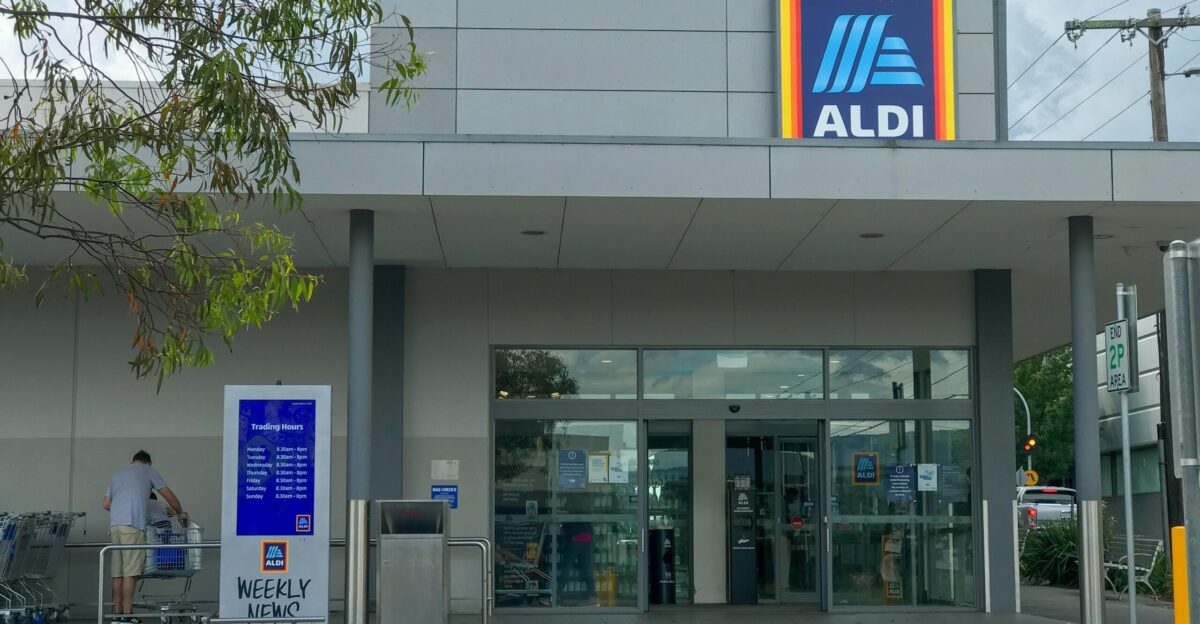
Aldi is also rethinking self-checkout. Reddit users have shared photos and stories of kiosks being removed from multiple stores. Long waits and limited lanes were common complaints. While Aldi hasn’t made a full statement, the move suggests self-checkout clashed with the chain’s fast, no-frills shopping style.
Dollar General Makes a Big U-Turn
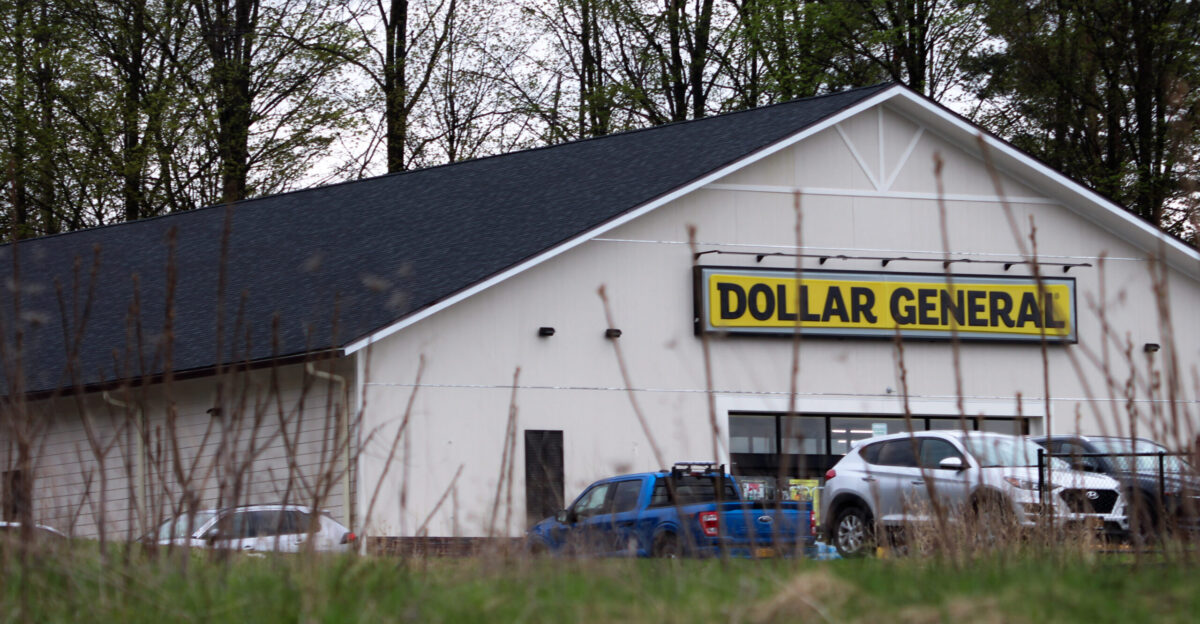
By May 2024, Dollar General had removed self-checkout kiosks from 12,000 stores, more than half its U.S. locations. CEO Todd Vasos called “shrink” the company’s biggest challenge. In just one month, 3,000 kiosks were removed. Only select stores with low shrink and high traffic will keep the machines.
Walmart Scales Back in Some Stores
Walmart has removed self-checkout in certain stores across Missouri, Ohio, and New Mexico. At a Supercenter in Shrewsbury, Missouri, police calls dropped 64% after kiosks were pulled, and arrests also declined. According to Walmart, this isn’t a national policy but a local decision based on feedback and safety concerns.
Theft Numbers Are Staggering

According to the National Retail Federation, shrinkage cost U.S. retailers $112.1 billion in 2022. Grabango found that self-checkout lanes have a 3.5% shrink rate, more than 16 times higher than staffed lanes. LendingTree reports that 31% of Gen Z shoppers admit to stealing at self-checkout, over twice the rate of others.
Big Chains Are Feeling It
Target’s shrink losses grew by over $500 million from 2022 to 2023. Walmart faced $6.5 billion in annual theft last year. Dollar General blamed shrink for cutting self-checkout. Five Below shifted to 75% associate-assisted checkouts. These rising losses are forcing major changes across the retail world.
Customers Are Fed Up
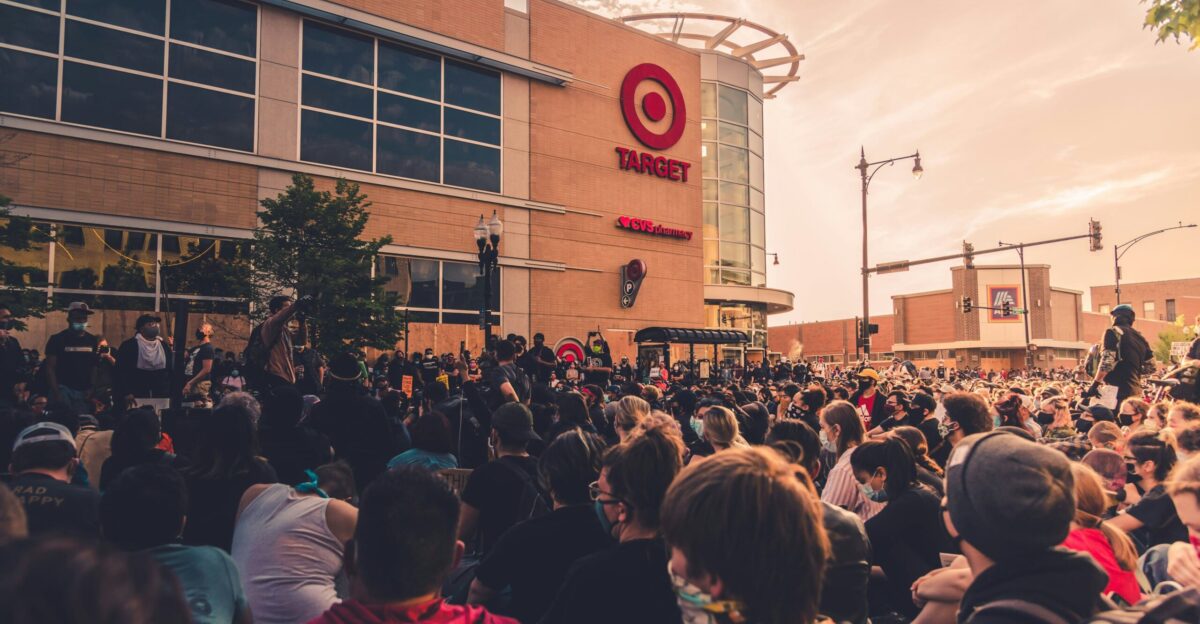
Customers are growing frustrated with self-checkout, say interviews, social media, and feedback. Common complaints include glitches, stress, and feeling forced to work without pay. The phrase “unexpected item in bagging area” has become a meme that sums up the irritation many shoppers feel.
Automation Didn’t Pay Off As Expected
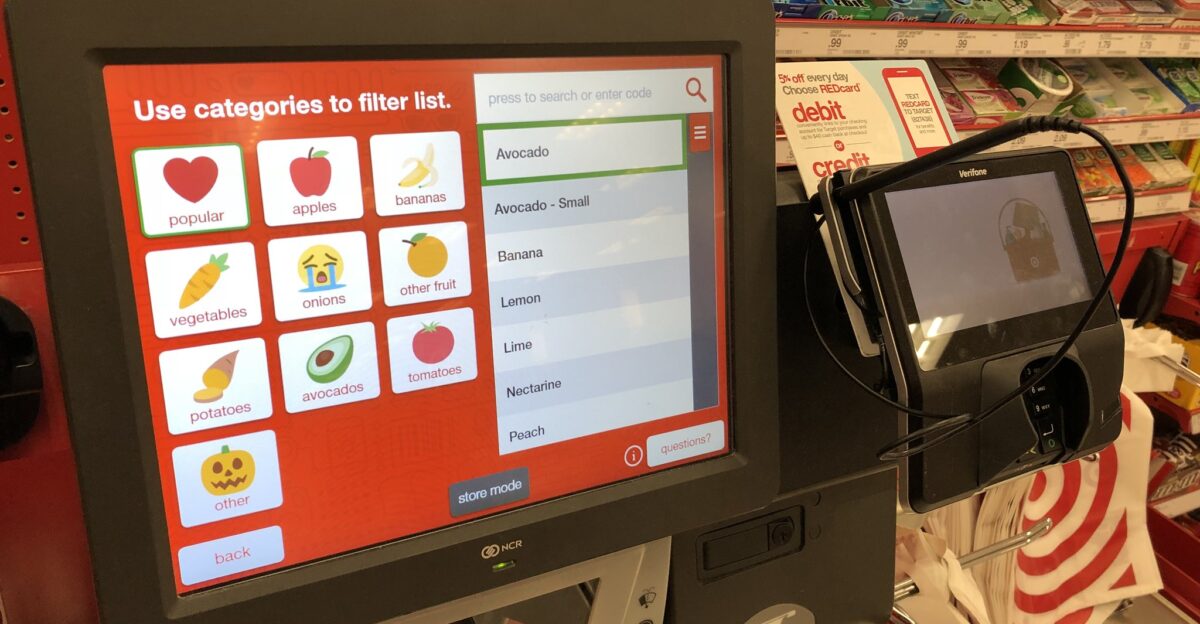
Retailers hoped self-checkout would cut costs, but rising theft, tech glitches, and the need for staff to monitor kiosks erased savings. Business Insider and BBC report losses average $3.50 per $100 at self-checkouts, versus $1 at staffed lanes. Many companies now spend more fixing these problems than they save.
The $3 Billion Challenge Within Growth
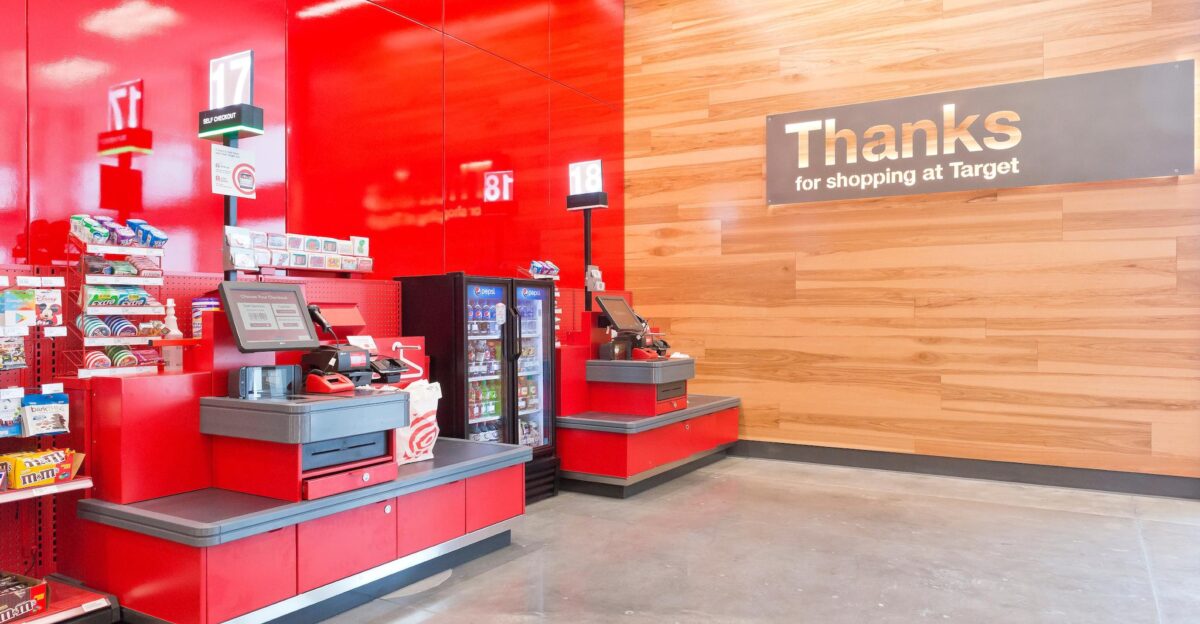
According to trusted sources like Persistence Market Research and Mordor Intelligence, the self-checkout market is worth $5.6 billion now and is expected to reach about $8.4 billion by 2028. However, retailers face a $3 billion challenge in lost revenue and costs tied to theft, tech failures, and customer frustration. Growth doesn’t mean there’s no crisis.
Cashiers Are Making a Comeback
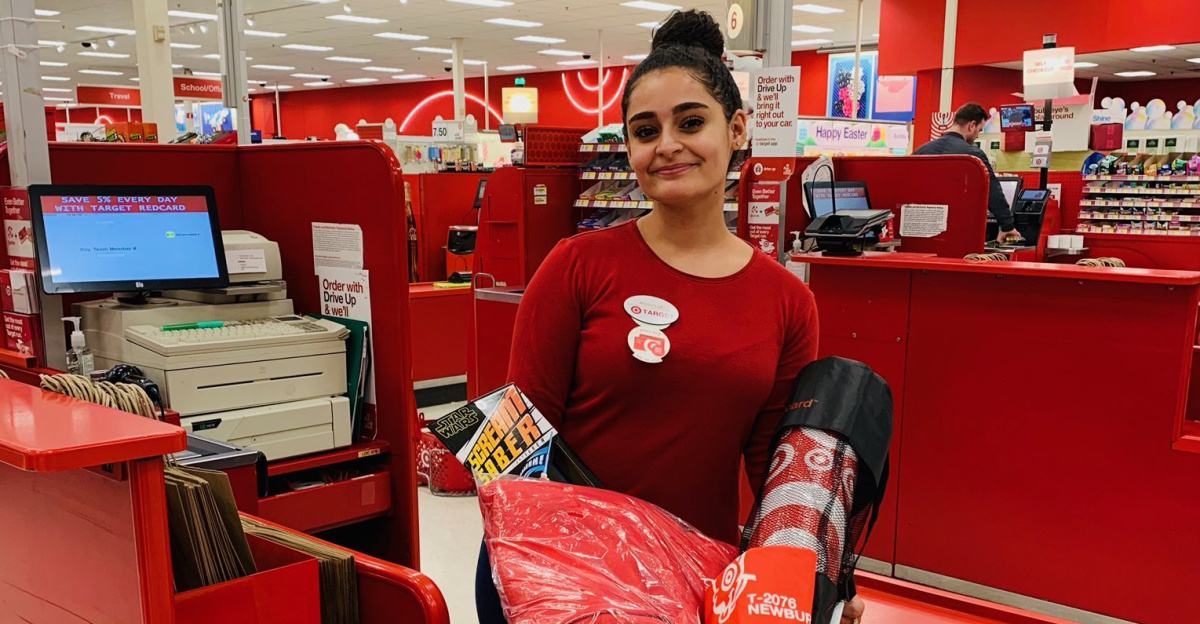
Retailers like Dollar General, Five Below, and Target are moving away from all self-checkout and bringing back human cashiers or hybrid lanes. Target added more staffed lanes and trained workers to improve service. Experts say shoppers want personal help to avoid tech issues and feel safer at checkout.
Not Just a U.S. Problem
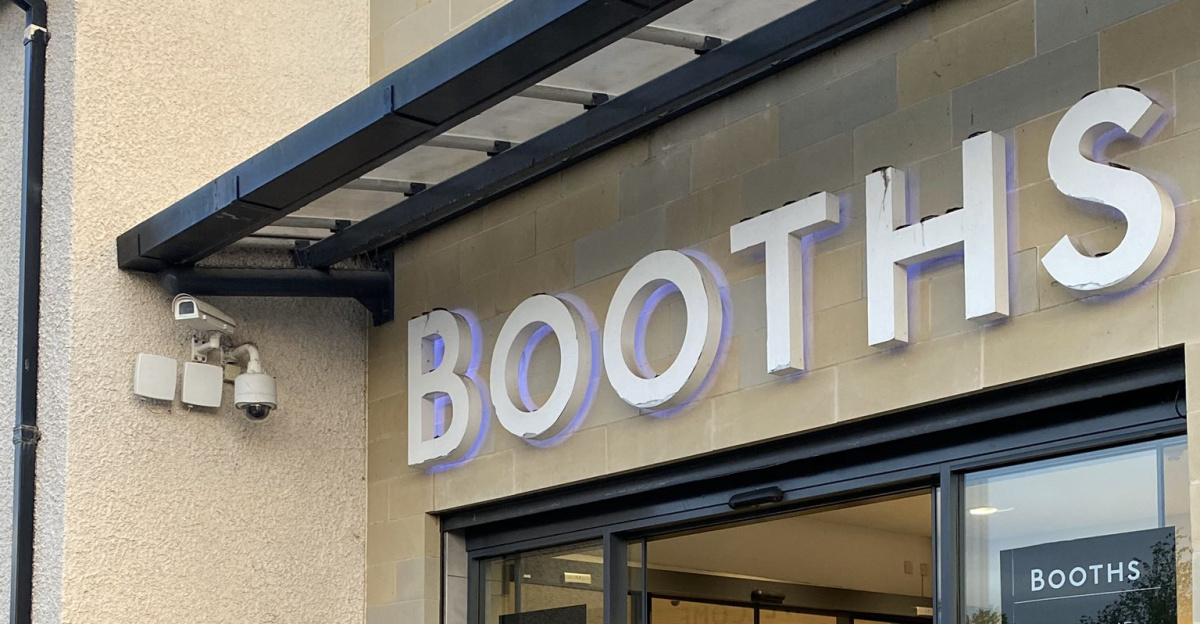
UK’s Booths supermarket removed self-checkout from 26 of 28 stores. The change cut theft, sped service, and raised customer satisfaction from 70 to 74. Reports show retailers worldwide are reconsidering the right balance of tech and people at checkout, signaling a global rethink of retail automation.
What This Means for Retail’s Future
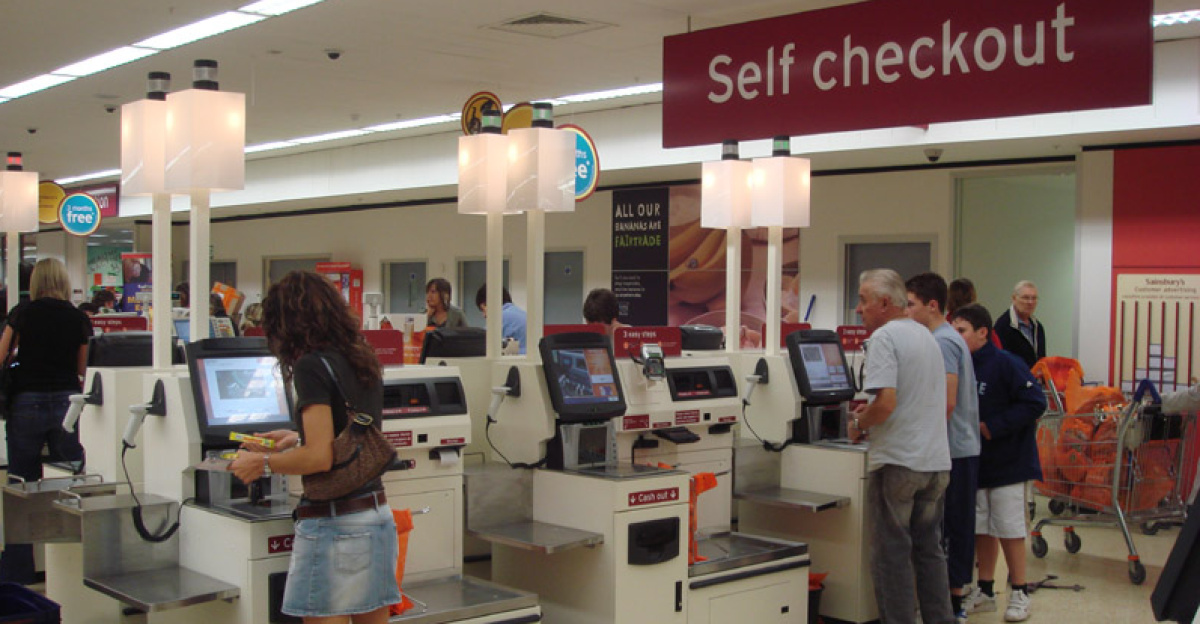
The self-checkout pullback proves that automation has limits. Technology can help, but it can’t replace real human help and problem-solving. Retailers are shifting back to investing in workers who connect with customers. The lesson is clear: the human touch is still what shoppers want and need most.