The boardroom at Amazon is quiet. On October 28, 2025, the company announced it would cut 14,000 corporate jobs.
But behind the press release is a deeper plan to eliminate as many as 30,000 roles across its corporate division. For a company that employs 1.56 million people globally, this feels like the calm before a storm. What prompted it? And what happens next?
Historic Scale

This job-reduction could mark the largest workforce pruning in Amazon’s 30-year history. The 14,000 confirmed cuts represent about 4% of its ~350,000-strong corporate workforce.
The rumored 30,000 total would push that to nearly 10%. Industry trackers say no tech player has executed such a rapid contraction since the dot-com crash. The magnitude alone signals a shift in how Amazon operates—and how corporate employment works.
Pandemic Reckoning
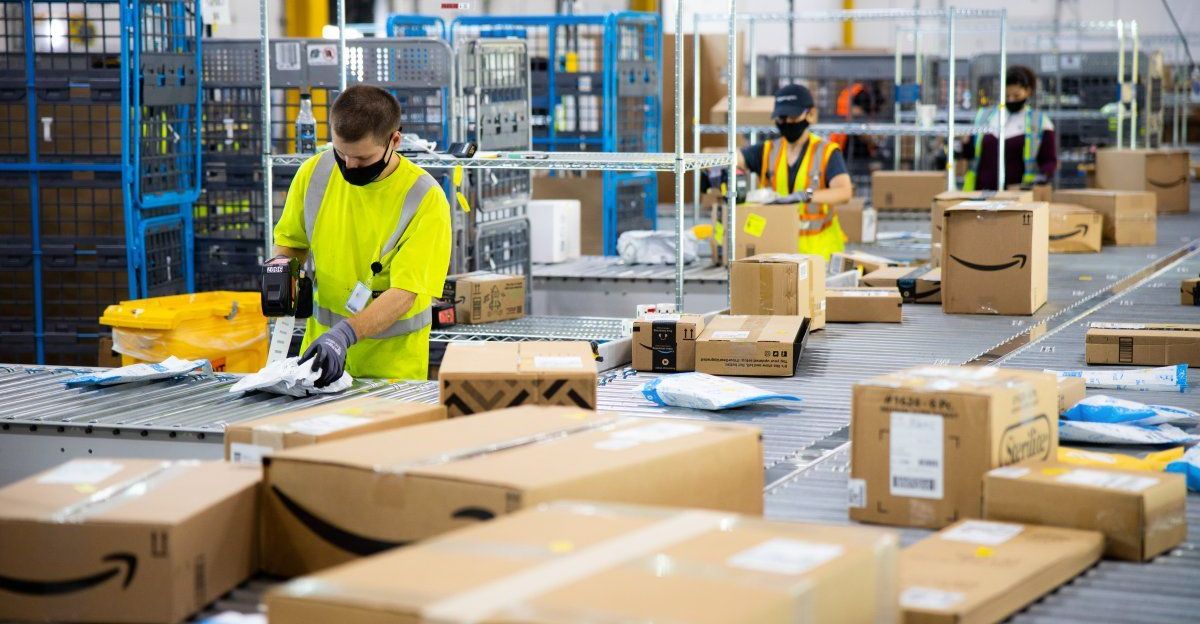
During the pandemic, Amazon’s employee base exploded—from roughly 798,000 in 2019 to across 1.6 million by late 2021—as demand for online shopping surged.
The company hired across warehouses, delivery networks, corporate operations—and doubled down on growth. But as pandemic-era spikes faded and the economy cooled, Amazon now confronts a reality it warned of: those plans were unsustainable. The hiring fever meets its correction.
AI’s Shadow
In June 2025, CEO Andy Jassy flagged a major pivot: “We will need fewer people doing some of the jobs that are being done today, and more people doing other types of jobs.” Amazon’s automation and AI-push isn’t theoretical—it’s already shaping its workforce strategy.
The era of cheap human labor in corporate offices is giving way to machines, and Amazon is leading the charge.
Reallocating Resources

On October 28, Amazon’s memo, authored by SVP Beth Galetti of People Experience & Technology, confirmed 14,000 corporate roles would be eliminated.
The memo framed the moves as reducing bureaucracy, thinning layers, reallocating resources. A day earlier, Reuters cited sources saying up to 30,000 jobs could go. The discrepancy raises questions: What jobs are still at risk, and why the phased disclosure?
U.S. Epicenter
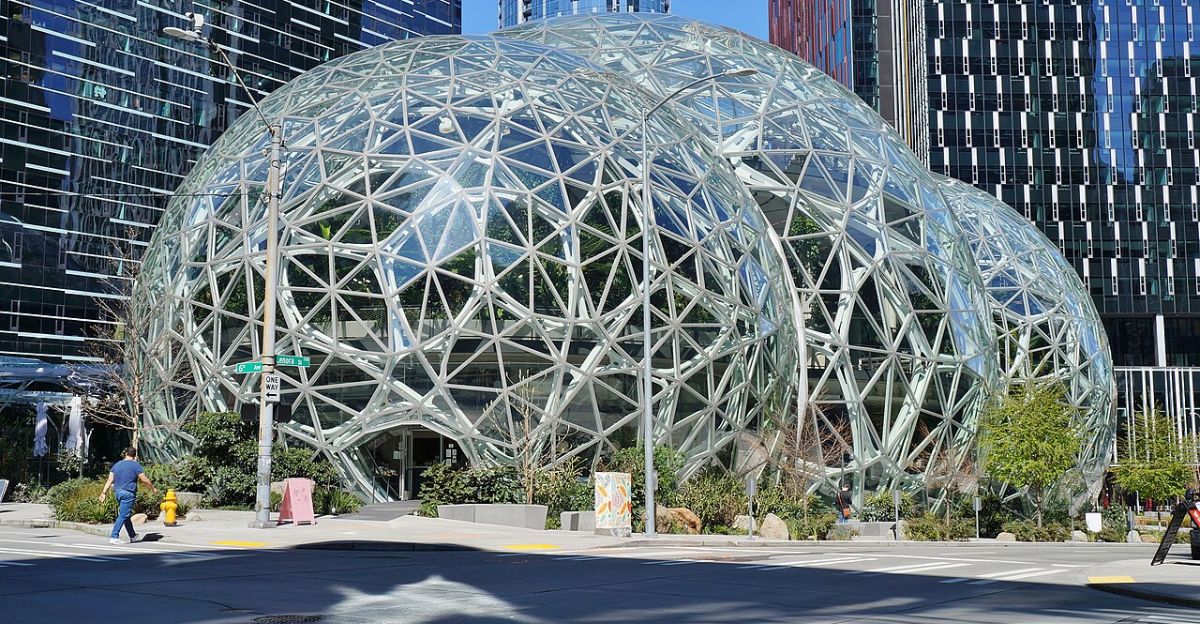
The bulk of the cuts target Amazon’s U.S. corporate operations—especially its Seattle headquarters and Arlington, Virginia offices—though some roles in the UK, Canada and Ireland (about 150) were also affected.
Those notified span divisions including HR (People Experience & Technology), Cloud (AWS), Devices & Services, Advertising and Retail Operations. Managers were instructed to deliver messages by email and meet individually with impacted staff.
Ninety-Day Countdown

Every affected employee receives a 90-day window to pursue an internal role before severance kicks in. Amazon is prioritizing displaced staff for open positions.
If no role fits, severance includes one to two weeks of salary per year of service (capped at 20-26 weeks), continued health coverage, outplacement services, and waiver of bonus-repayment obligations. The clock is ticking—and so is career security.
Biggest Single-Day Announcement

Amazon’s 14,000-job cut on October 28, 2025 marks the largest single-day corporate tech layoff announcement of the year. While chip-maker Intel eliminated 21,000-25,000 roles total in 2025 (15-24% of its workforce) and Microsoft cut roughly 15,000 across several rounds, both companies executed their reductions through multiple phased announcements spanning months.
Amazon’s consolidated announcement represents the most significant one-time workforce reduction in tech this year—if the rumored 30,000 total materializes through subsequent phases, it would match Intel’s overall downsizing.
180,000 and Counting

By October 1, 2025, more than 180,000 tech sector jobs had been eliminated across 413 companies worldwide. U.S. firms accounted for two-thirds of that total (~119,368 roles).
An estimated 28% of those cuts (about 50,184 jobs) were explicitly tied to AI implementation rather than purely cost-cutting. The trend is clear: this isn’t business as usual—it’s a new workforce reality.
The $118B Flip
While Amazon trims thousands of jobs, it is simultaneously committing over $118 billion in capital expenditures for 2025—mostly towards AI infrastructure, cloud data-centers, chips and networking.
If 30,000 jobs vanish, that averages out to nearly $3.9 million per job displaced being redirected into machines. It’s a dramatic redistribution of human capital into silicon and code.
Bureaucracy Battleground
Behind the scenes, Amazon’s internal push to streamline launched in 2024 with an anonymous complaint system that collected over 1,500 inefficiency reports.
The result: more than 450 procedural changes, a memo mandating in-office returns and requiring individual contributor/manager ratios to improve by 15%. The message was clear: restructure or risk redundancy. The current cuts are the visible culmination.
Jassy’s Inheritance
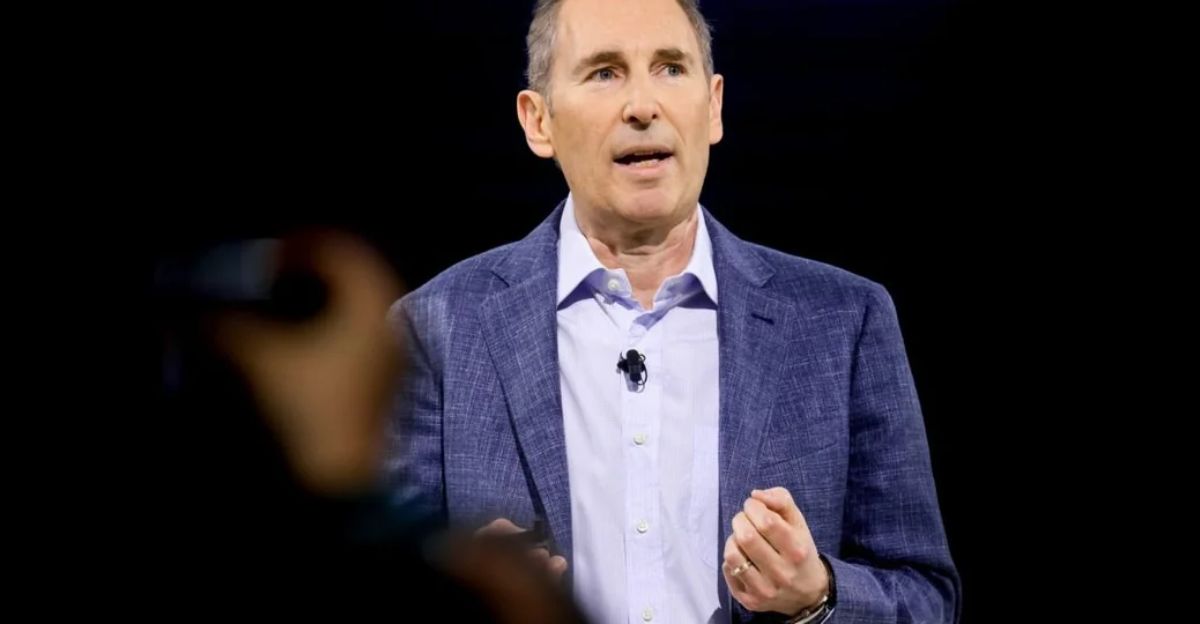
Andy Jassy became CEO on July 5, 2021, succeeding founder Jeff Bezos. Having co-founded AWS in 2006 and grown it into a multibillion-dollar engine, Jassy now faces the reverse challenge: how to shrink while maintaining growth.
Antitrust scrutiny, labor unrest, and this mass reduction in corporate staff mark a bold, risky new era under his watch.
Robot Replacement
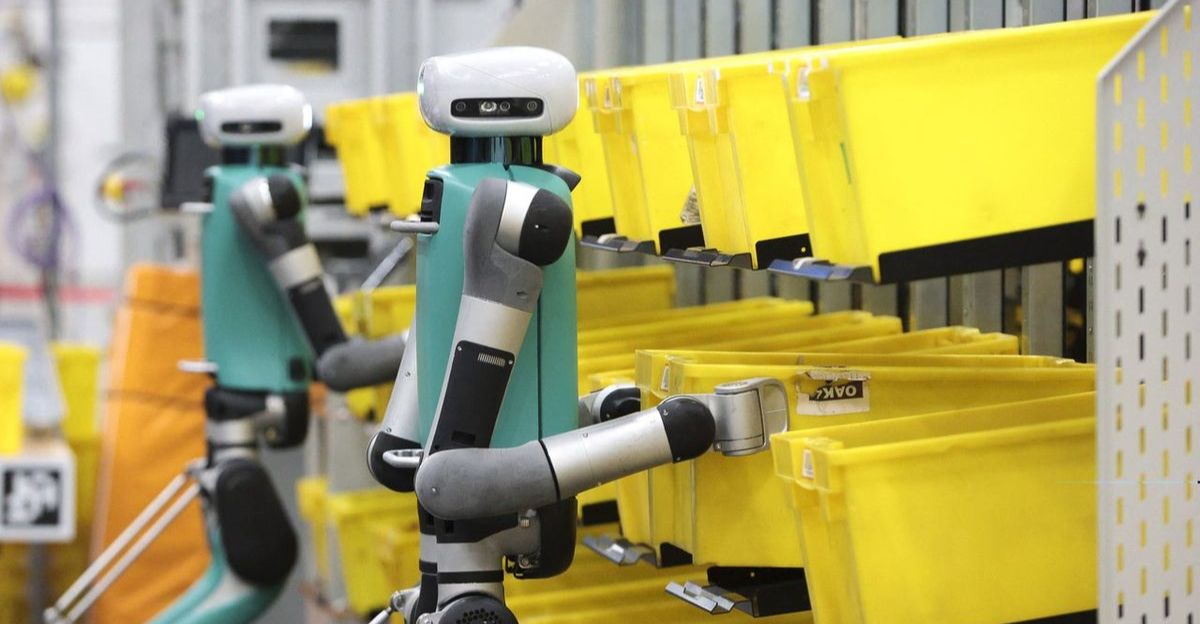
Amazon’s internal documents show future workforce designs: by 2027 it expects to avoid hiring 160,000 U.S. workers, and by 2033 some 600,000 roles simply won’t exist thanks to automation.
One facility in Shreveport, Louisiana already operates with 25% fewer workers via 1,000 deployed robots—and that figure is expected to hit 50% by 2026. The human-machine trade-off is under way.
Expert Warnings
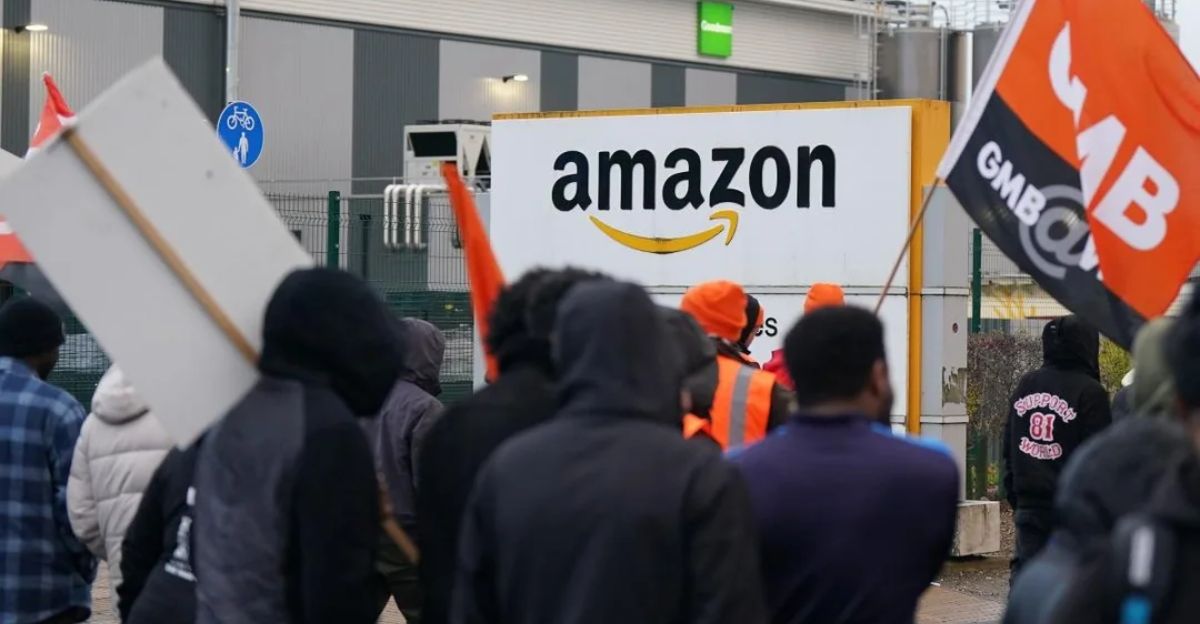
Labor economists, unions and tech analysts are sounding alarms. Alan Cohen of RationalFX warns that while AI may promise new jobs, the current reality is smaller workforces and faster automation.
The UK’s GMB Union called it “a broken system”—profitable firms discarding loyal employees while driving profit via technology. The human impact may outlast the headline numbers.
What’s Next
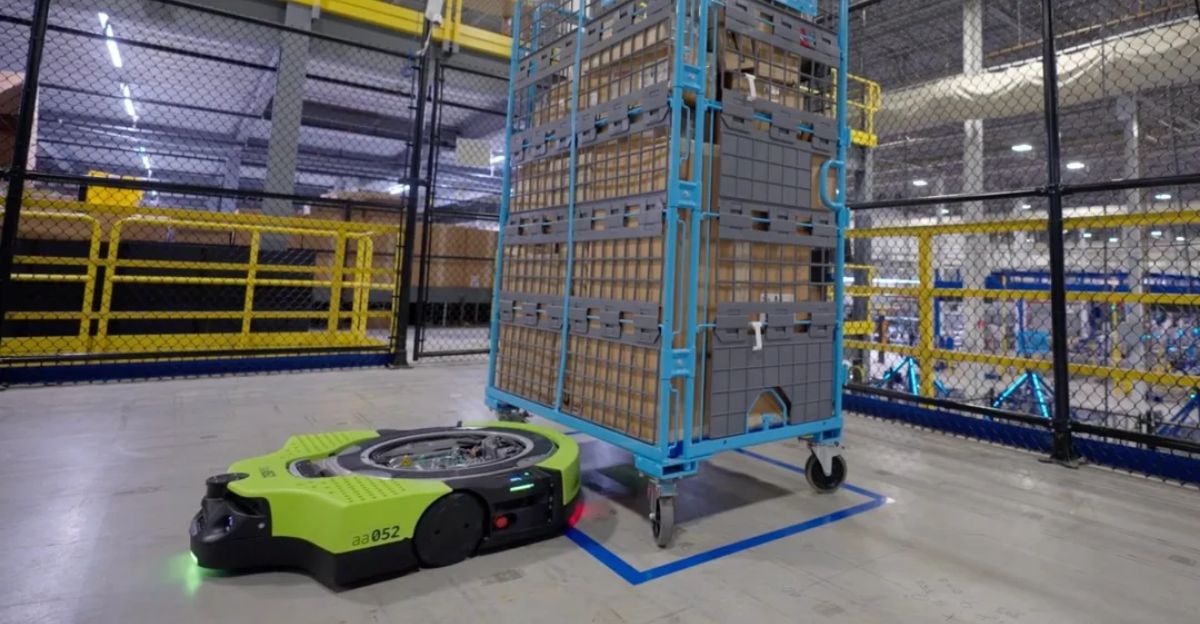
Amazon signals further job cuts will extend into 2026—even as it hires in “strategic areas” like generative AI, machine learning and cloud expansion.
Its pioneering robotic-warehouse model, first deployed in Shreveport, will roll out to 40 sites by the end of 2027, starting in Virginia Beach. The initial wave of 14,000 jobs may only be the beginning of a broader transformation.
Political Crosscurrents

These layoffs happen in the shadow of major tech regulation efforts. The Federal Trade Commission, Department of Justice and European regulators are scrutinizing Amazon’s dominance.
With mid-term elections looming in 2026, worker displacement, automation and tech power have become election-issues. Amazon’s labour strategy now intersects with public policy and politics.
Global Ripple
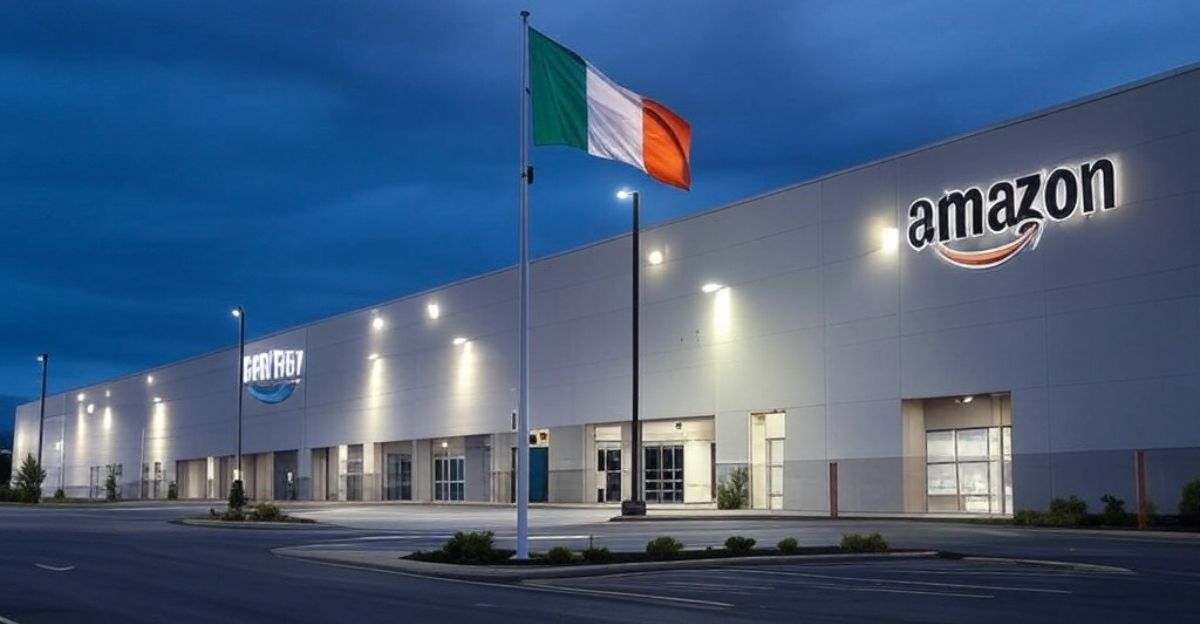
Though U.S. operations take the brunt, Amazon’s cuts hit globally too. In Ireland, around 150 positions were affected across its offices in Cork, Dublin and Drogheda.
Notifications also reached the UK and Canada. This is not a purely American story—Amazon’s global corporate footprint means ripple effects wherever it operates. Future international moves may arrive quietly but carry equal weight.
Precedent and Pattern
Amazon’s action isn’t isolated. Giants like Meta, Alphabet, Salesforce and Microsoft are spending hundreds of billions on AI infrastructure while trimming human workforces. This parallel trend creates a new blueprint: automation first, human capital second.
Legal experts warn of potential liability when layoffs hit protected classes disproportionally. The pattern is emerging.
Generational Divide

Many of the displaced workers were Millennials or Gen Xers who viewed tech careers as rock-solid—often relocating for Amazon roles, buying homes, building 10-15 year careers.
Now they face sudden termination as algorithms replace human judgment. For younger professionals entering the market, the message is stark: even “safe” white-collar tech jobs aren’t immune to automation. The social contract is shifting.
Inflection Point
Amazon’s restructuring signals more than simple cost-cutting—it may mark the beginning of large-scale replacement of knowledge workers by AI, akin to how manufacturing automation transformed blue-collar work in the 1980s.
As Beth Galetti wrote: “This generation of AI is the most transformative technology we’ve seen since the Internet.” Whether this vision is prescient or a pretext for profit-maximisation will determine the future of corporate labour, society and tech.