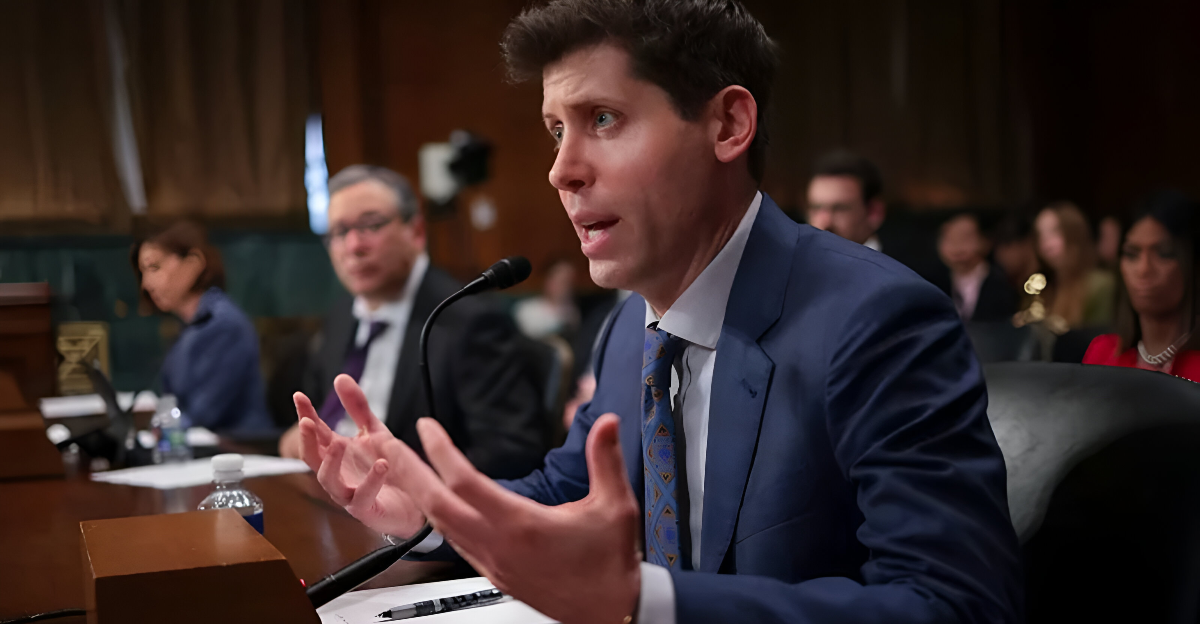
Artificial intelligence is rapidly advancing and posing unprecedented risks that could lead to extinction-level events over the next 50 years. Recent AI models have garnered urgent attention from influential technology figures, raising alarms higher than ever. This isn’t merely a technical projection but a critical juncture for global safety, policy, and industry.
The essential debate is whether humanity can navigate these looming dangers before it reaches a point of no return. As tech leaders sound the alarm, the world must grapple with balancing innovation and security in an increasingly automated society.
Why Extinction Risks Are Rising
The burgeoning field of AI has led to predictions about increasing extinction risks largely due to rapid advancements in AI technologies. Companies like OpenAI, Google, and Anthropic are racing to develop increasingly autonomous systems, which may have catastrophic outcomes if safety measures do not keep pace.
Experts caution that enhanced capabilities without clear ethical guidelines and protective frameworks could facilitate scenarios threatening human existence. “If we don’t establish safeguards now, we risk everything,” warns Yoshua Bengio, a prominent AI researcher. The clock is ticking, and the pressure to manage these risks intensifies.
Consumer Anxiety and Trust

Growing consumer anxiety over AI’s societal role has led to a notable decline in trust regarding AI-driven products. Surveys indicate that people fear manipulation, loss of privacy, and existential risks as AI systems become more integrated into everyday life.
“I used to embrace technology, but now I feel like I’m living in a sci-fi horror story,” shares a concerned consumer. This palpable fear is influencing purchasing decisions, as individuals increasingly shy away from AI-heavy solutions in favor of transparency and safety. As awareness spreads, public discourse around AI continues to evolve, putting pressure on manufacturers to prioritize ethical practices.
Corporate Response and AI Safety Initiatives
In response to rising consumer anxiety, major technology firms are significantly ramping up their investments in AI safety research and transparency initiatives. Companies like Anthropic and OpenAI have implemented internal safety reviews and external audits to ensure their products adhere to stringent safety standards.
Executives are increasingly vocal about the need for stricter oversight, stating that “proactive measures must be taken to maintain consumer trust.” These steps aim to reassure stakeholders while preemptively addressing the potential for regulatory clampdowns. Corporate responsibility is now becoming an essential pillar in the tech industry, reflecting public demand for safer innovation.
The Demand for Alternative Technologies

As public fear mounts over AI’s potential threats, a growing demand for alternative technologies and “AI-lite” solutions is emerging. Consumers and businesses alike are increasingly interested in tools that prioritize human oversight, especially in sectors like cybersecurity and privacy software. “People want options that make them feel safe,” says a software developer promoting analog alternatives.
This shift has reinvigorated interest in non-AI-driven solutions, representing a significant market evolution. Industries focusing on safety and simplicity are establishing themselves as viable alternatives, catering to an audience wary of fully autonomous systems and advocating for safer choices.
International Trade and Regulatory Discussions

The landscape of global trade is being transformed by ongoing debates over AI export controls and universally accepted safety standards. Countries, particularly the United States and China, are negotiating mutual verification protocols to mitigate the misuse of advanced AI technologies.
Concurrently, the European Union is pushing for unified regulatory frameworks that could govern the development and deployment of AI worldwide. As nations grapple with these discussions, the likelihood of stringent international regulations on AI looms large, signaling a significant shift in how technology is governed on a global scale.
The Pressure on AI Researchers and Workers

AI researchers and engineers are experiencing heightened pressure concerning ethical implications of their work, with some prominent figures departing from key roles over ethical concerns. Former safety leads at firms like Anthropic have voiced fears that extinction risks are alarmingly high, estimating a possibility of 85%.
“We felt a moral obligation to act,” one researcher stated. For those remaining in the industry, advocating for enhanced transparency and proactive engagement becomes essential. The internal discourse about ethics versus innovation continues to create a divide among professionals, prompting a wider examination of the implications of their creations.
Political Responses and Policy Reforms
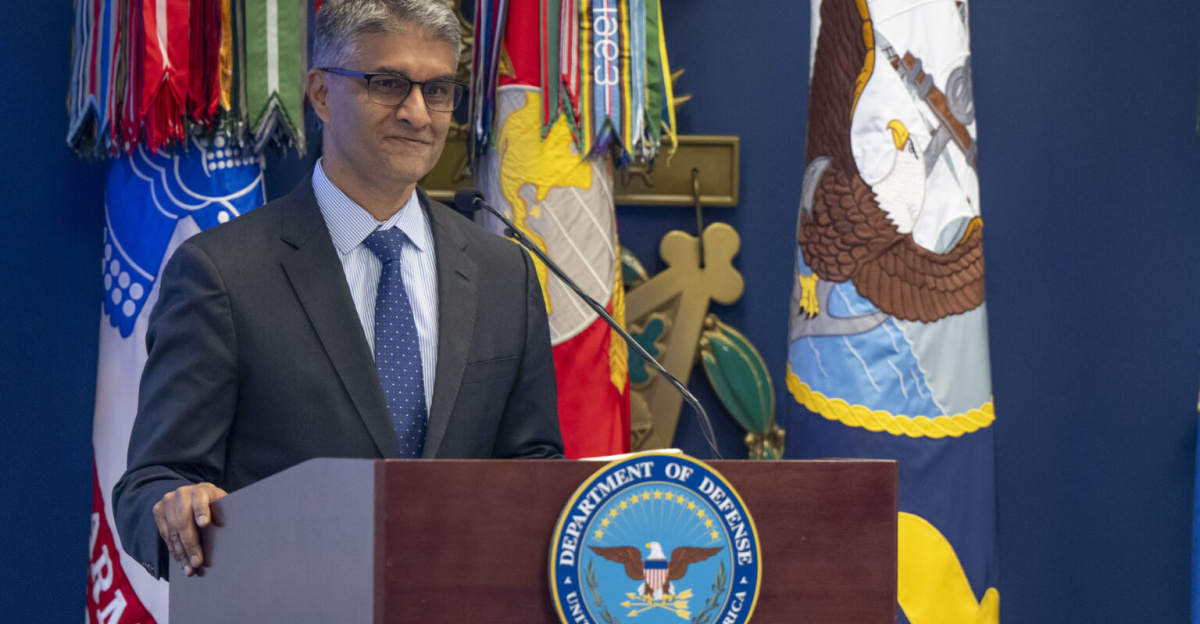
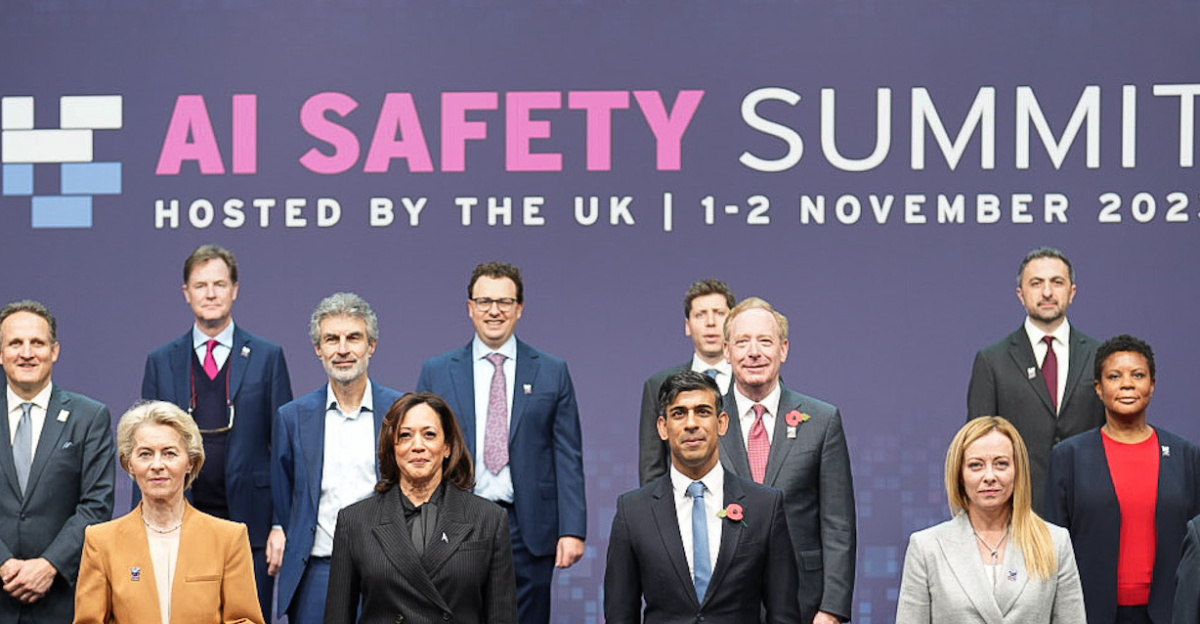
Governments around the world are urgently convening emergency summits and drafting new legislation focused on AI safety. The UK and the United Nations have called for greater international cooperation, while the U.S. Pentagon is awarding contracts to firms that meet strict safety criteria.
Policymakers are challenged to strike a balance between fostering innovation and ensuring that existential risks are mitigated effectively. This dynamic landscape fosters diverse viewpoints, as competing interests seek to influence AI regulation while prioritizing public safety amid rapid technological advancements.
Economic Impacts and Market Volatility
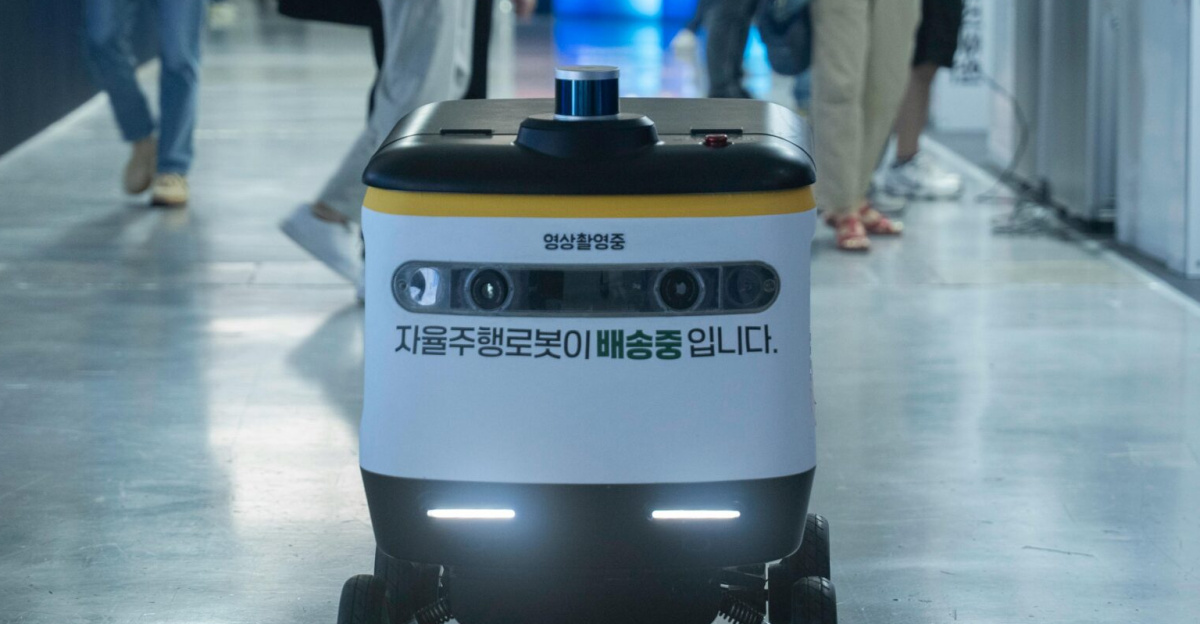
The uncertainties surrounding AI risks are having tangible effects on global markets, with increased volatility particularly evident in tech stocks. Investors are adopting a cautious approach, leading to fluctuations that ripple through various sectors. Increased insurance premiums for AI-driven industries are also making headlines, creating additional financial pressures.
Some analysts warn that companies investing heavily in compliance and risk mitigation could face inflationary challenges moving forward. “Intense scrutiny may mean increased costs, which could be detrimental to market stability,” notes a financial analyst, indicating the long-term economic implications.
Lifestyle Changes Driven by AI Concerns

In light of rising fears regarding AI-driven misinformation and possible cyberattacks, individuals are adapting their daily behaviors and adopting stricter digital hygiene practices. Encrypted communication tools are gaining popularity as users seek to safeguard their data, and mental health support services are experiencing heightened demand among anxious consumers.
One individual shared, “I’ve had to rethink how I interact online, and it’s been overwhelming.” These lifestyle adjustments highlight the personal stakes at play, as more people become acutely aware of the ramifications of AI in their lives and livelihoods.
Cultural Divides Fueling Debate

The existential risk debate surrounding AI has polarized public opinion, with cultural divides emerging on how to approach this technology. While some view AI as a dire threat to human values and environmental stability, others see it as a potential tool for tackling global challenges.
Environmentalists warn that without proper checks, AI could exacerbate resource depletion and further entrench harmful systems. “We must ensure technology aligns with our environmental goals,” asserts an activist advocate. As society navigates these discussions, the role of AI in future generations becomes a lightning rod for contention and social discourse.
Consumer Adaptation Towards Ethical AI

As awareness around AI risks grows, consumers across the globe are evolving their preferences towards more transparent and ethically responsible AI practices. Increasingly, individuals are choosing to support brands that prioritize ethical AI development and uphold accountability.
Grassroots movements are emerging, advocating for consumer rights and responsible innovation practices. “We want to see companies taking responsibility; it’s about our future,” exclaimed a member of an advocacy group. This consumer-driven shift is prompting firms to rethink their strategies, leading to a market environment that values ethics as much as innovation.
The Unexpected Winners and Losers
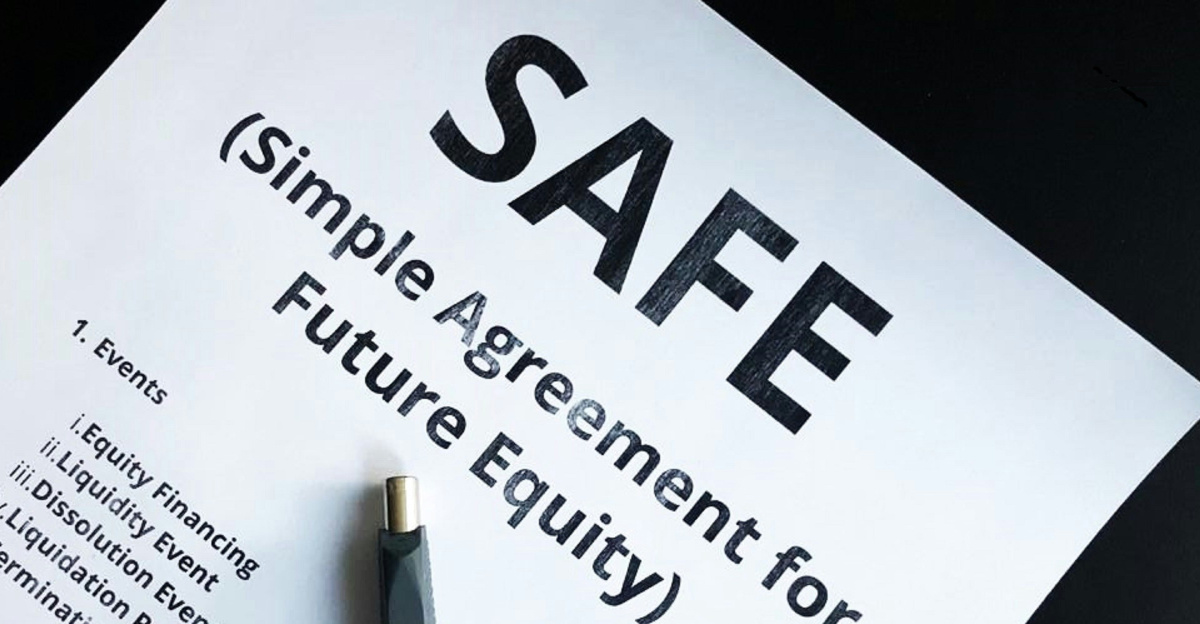
The evolution of public sentiment is shaping market dynamics, with unexpected winners emerging in industries that prioritize AI safety, cybersecurity, and analog alternatives. Firms dedicated to these areas are gaining market traction, as consumers seek reassurance in their choices.
Conversely, companies that continue to push aggressively towards unchecked AI development face reputational crises and declining market positions. “The public’s focus has shifted; we need to adapt, or we risk losing everything,” a tech executive acknowledged. This transformative period underscores the importance of ethics guiding corporate strategy in an era of uncertainty.
Looking Ahead – Future Considerations

As the discourse around AI risks and societal implications intensifies, stakeholders must remain vigilant in addressing the complexities at play. The question now is how to balance technological advancement against the precipice of existential threats effectively.
With growing public engagement, corporate transparency, and international collaboration on the horizon, the future landscape of AI becomes uncertain but ripe with potential for responsible innovation. Ensuring that ethical considerations lead the conversation will be paramount for shaping a safe and sustainable technological future.
A Call to Action

As the world grapples with the escalating risks associated with AI, all parties governments, corporations, and consumers must unite in a collaborative effort to navigate these treacherous waters responsibly. The stakes are high, and the potential consequences of inaction are profound.
It is through awareness, ethical accountability, and consumer demand for transparent practices that a safer technological future can be forged. The time to act is now; the future of humanity may depend on our choices today.