
On October 25, 2025, General Motors (GM) announced a significant restructuring initiative that involved layoffs of over 200 salaried engineers at its historic Warren, Michigan, plant. This unexpected move came shortly after GM’s impressive financial performance, which included record earnings and a notable 15% surge in stock prices.
Industry experts view this development as a critical inflection point for Detroit’s automotive landscape, signaling broader challenges ahead for the U.S. auto sector. As one local analyst commented, “This can’t be merely a corporate rethink; it reflects deeper issues affecting our industry and economy.”
Understanding the Layoff Strategy

The driving force behind GM’s unexpected layoffs can be traced to a $1.6 billion reduction in its electric vehicle (EV) investment plan and increasing tariff pressures. Executives pointed to an urgent need to reshape their design engineering teams to navigate these tumultuous “business conditions better.” This restructuring is designed to strengthen core capabilities while reducing operating costs.
A GM spokesperson stated, “We must adapt swiftly to changing market demands and challenges.” This paradigm shift has raised questions about the future of EV development at GM and the overall strategy for producing electric vehicles.
The Consumer Dilemma

For consumers, GM’s shift raises concerns over the availability of new electric vehicle models and potentially delayed product launches. As GM scales back its investments in EVs, buyers may be left with fewer options for cutting-edge vehicles that prioritize sustainability.
“I was eager to switch to an electric car this year, but now I’m not sure what will be available,” remarked a concerned customer in a regional survey. Such hesitations not only affect buyer sentiment but could also hinder progress toward nationwide adoption of eco-friendly transportation.
Industry-Wide Effects

The reverberations of GM’s layoffs quickly extended throughout the automotive industry. Rivian, another significant player in the electric vehicle market, responded by announcing its own job cuts, totaling approximately 600 positions, which is about 4.5% of its workforce.
This decision, made just days after GM’s layoff announcement, highlights the shared challenges across the sector, particularly in the face of market headwinds and the expiration of federal EV tax credits. “If GM is struggling, we know we need to be cautious,” Rivian’s CEO commented, emphasizing the intimate connection among competitors in the EV sector.
A Ripple Effect on Adjacent Markets
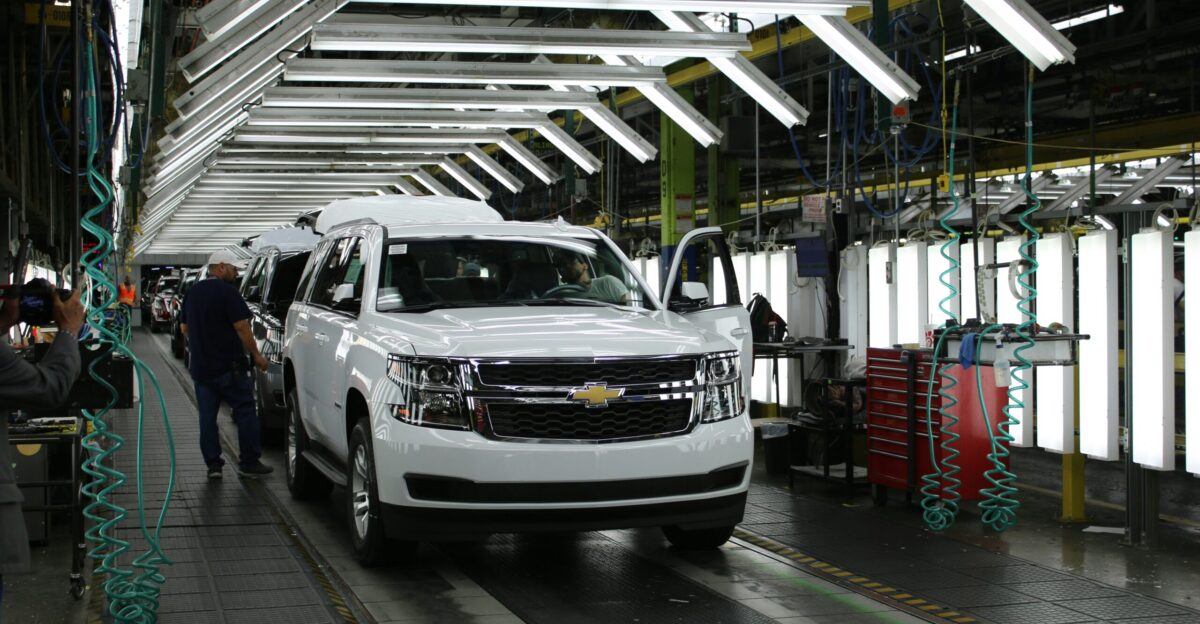
As GM reduces its engineering teams, suppliers, and adjacent sectors, including software and component manufacturers, brace for significant impacts. The scale-back in engineering could lead to fewer contracts and diminished demand for specialized parts, which will ripple through local economies closely tied to the automotive industry.
“Every job cut at GM affects us; we rely heavily on their orders,” noted a local supplier manager. With reduced activity at GM, the economic implications could extend far beyond the automotive sector, touching various industries that depend on automotive production.
Rising Trade Tensions
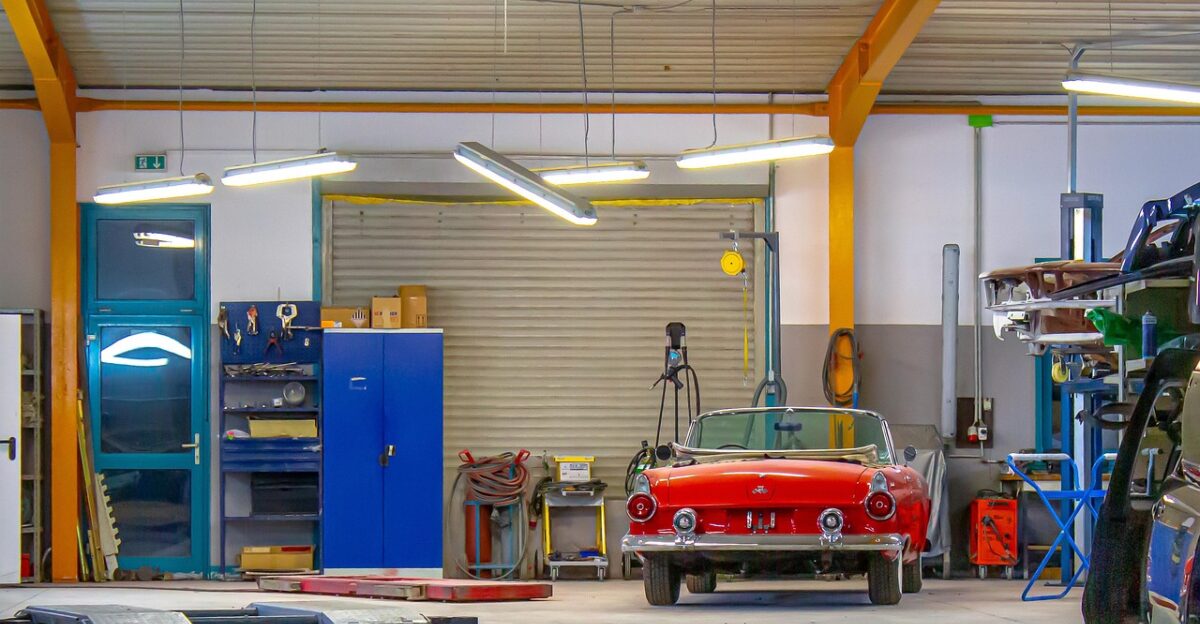
GM’s restructuring efforts are significantly influenced by economic shifts, notably the recent $1.1 billion impacts tied to tariff-related profit cuts. Ongoing trade barriers may prompt automakers to reassess their supply chains, potentially leading to a shift in sourcing and production to overseas locations.
These decisions are not only about cost but also about the long-term sustainability of the business. As one trade analyst suggested, “Keeping production local is becoming increasingly complex and costly in today’s tariff environment.” This trend raises concerns about the potential long-term implications for global supply chains.
Human Stories Behind the Layoffs

Among the engineers impacted by the layoffs were more than 200 CAD engineers at GM’s Warren Tech Center. Communication of these layoffs occurred via Microsoft Teams, an impersonal approach that left many feeling undervalued.
The layoffs were characterized as unrelated to employee performance, highlighting the precariousness of skilled jobs during corporate restructuring. “It’s heartbreaking to lose capable colleagues through corporate decisions beyond their control,” a former engineer shared, reflecting on the emotional toll of such unexpected news.
Political Repercussions and Scrutiny

GM’s layoffs and the corresponding cuts to its electric vehicle plans are drawing significant attention from lawmakers and policy influencers who are scrutinizing current incentives and regulations governing the electric vehicle landscape.
The expiration of federal EV tax credits has already contributed to noticeable slowdowns across the industry, prompting politicians to reassess financial support for automakers. “We need to reconsider how we foster innovation and growth in the EV sector,” stated a regional lawmaker, emphasizing the critical juncture at which the industry finds itself.
Economic Outlook: Job Market Impacts

The wave of layoffs affecting GM, along with similar actions in other sectors, adds another layer of complexity to the U.S. job market in 2025. Nearly 1 million job cuts have been reported across various industries, raising alarms about consumer confidence and potential setbacks in economic recovery.
“When mass layoffs begin, it creates a psychological impact that can deter spending,” cautioned a financial analyst. This trend reflects the cumulative impact of layoffs across industries, posing risks to an already fragile economy.
Retailers Adapt to Changing Demand

In response to GM’s production changes, dealerships and auto retailers are proactively adjusting their inventories and marketing strategies. Many are shifting focus away from new electric vehicles toward more conventional gasoline vehicles and used cars, driven by concerns over future EV availability.
“We’re bracing for a shift in consumer demand; it’s a sensible strategy,” remarked a local dealership owner, showcasing adaptive measures in a rapidly evolving market landscape. This segment of the industry must remain flexible to retain customer engagement amidst fluctuating vehicle offerings.
Local Economy at Risk

Local businesses, particularly restaurants and service providers near GM’s Warren campus, are preparing for a decrease in foot traffic following the mass layoffs. The departure of hundreds of engineers could harm the surrounding hospitality economy, with potential job losses and revenue declines on the horizon.
“This isn’t just bad for GM employees; it affects us all,” lamented a restaurant owner in the community. Such changes could fundamentally alter the local economic landscape, compounding the challenges brought on by layoffs.
Supply Chain Uncertainties

The ramifications of GM’s layoffs will cascade down through the supply chain, particularly affecting suppliers of materials, software, and logistics. Reduced engineering and production activity could lead to significant contract losses for companies engaged in sectors such as IT, logistics, and specialty manufacturing, many of which rely on steady contracts from large automakers.
“Every disruption at GM means uncertainty for us, and that translates into financial difficulty,” summarized one logistics manager, highlighting the shared vulnerability.
Global Reach of Price Changes

The global vehicle marketplace is likely to feel the repercussions of GM’s strategic decisions, as international buyers may face increased prices or a narrower selection of American-made cars. As GM and its competitors adapt to the pressures of tariffs and rising production costs, the fragmentation of the global auto market seems inevitable.
One international buyer noted, “When American products become scarce or expensive, it pushes us to consider alternatives from abroad,” illustrating the interconnectedness of the global marketplace.
Environmental Considerations
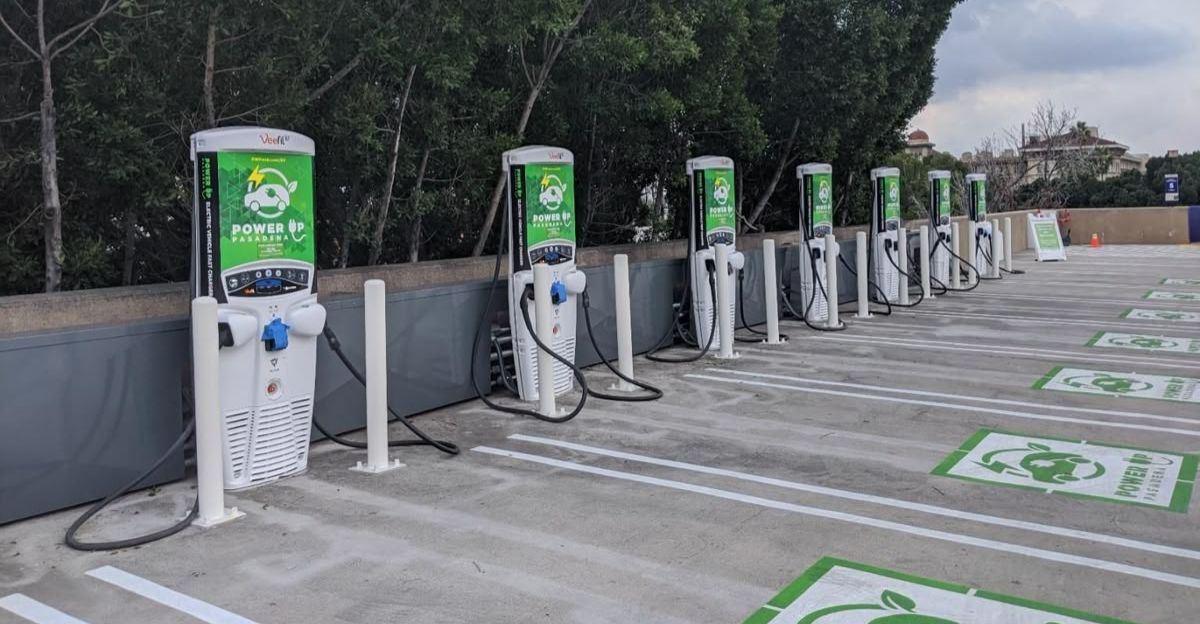
With fewer electric vehicles entering the market due to GM’s strategic shift, consumers may postpone their transition from gasoline-powered vehicles, subsequently delaying measurable improvements in air quality and public health objectives associated with emissions reductions.
Environmental advocates warn that steps backward in EV production could result in long-term damage to national and global sustainability goals. “We need commitment from automakers, not retrenchment,” stressed an environmental policy expert, underscoring the potential ecological ramifications.
Cultural Implications for Detroit

GM’s layoffs are reigniting debates about Detroit’s identity as the heart of America’s automotive industry. As legacy plants undertake restructuring, the city faces critical questions about its future, particularly survival in a rapidly changing landscape.
Workforce retraining and community resilience emerge as crucial factors in this transformation. “Detroit’s spirit is tied to the auto industry; we need to define what comes next,” noted a local historian, framing the city’s cultural narrative amidst economic transitions.
Unintended Consequences
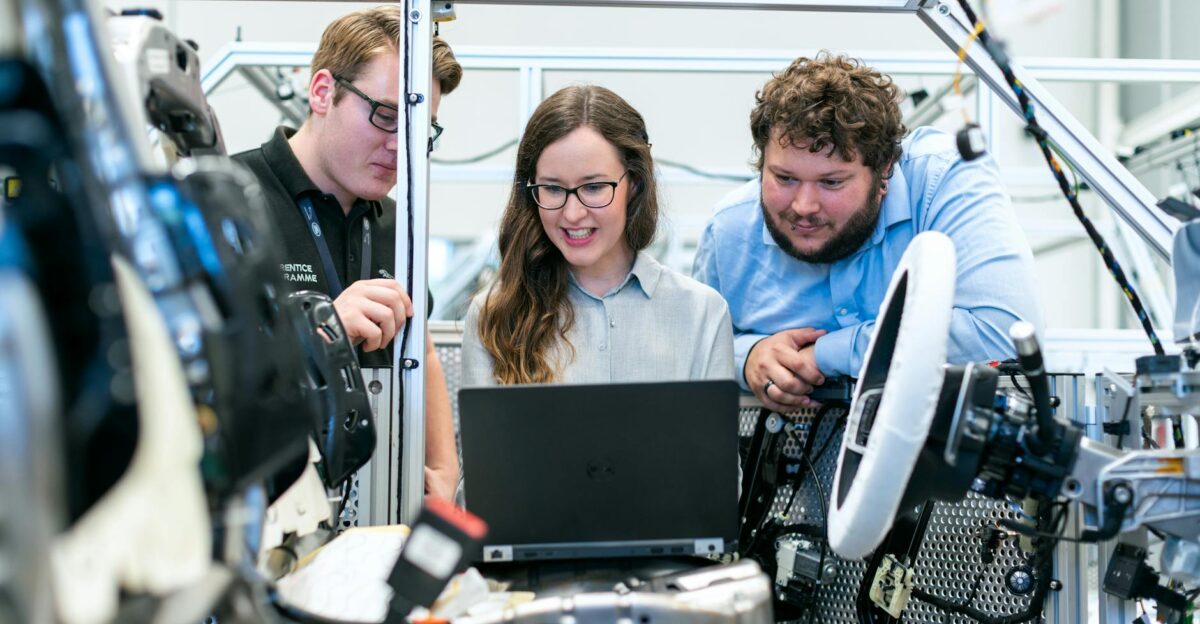
While GM’s layoffs certainly impact engineers and local businesses negatively, there’s been a surprising upside for GM’s shareholders, who benefited from a remarkable 15% stock surge following the announcement of strong earnings.
Conversely, competitors in the gas vehicle market may find new opportunities to gain market share as GM’s EV rollout slows. “Market dynamics are always shifting; businesses must quickly adapt to seize these moments,” suggested a financial analyst, advocating for keen insight in the face of adversity.
Market Reactions and Speculation
Financial markets responded promptly to GM’s announcement, with the company’s stock price climbing 29% year-to-date. Investors appear to be banking on a wave of restructuring across the automotive sector, as analysts speculate about how GM’s moves might inspire similar reactions from competitors.
“Investors are always one step ahead; they read between the lines for opportunities,” noted a market strategist, reinforcing the notion that rapid corporate shifts can reshape industry landscapes dramatically.
Community Resilience

Despite the uncertainty following the layoffs, the community surrounding GM remains resilient. Local organizations are beginning to mobilize support for displaced workers, providing job placement services and retraining programs to acquire new skill sets.
“We won’t let this define us; together, we’ll support those affected and rebuild,” declared a community leader, emphasizing local solidarity amidst economic shifts. This collective effort aims to mitigate the downsides as the city navigates a transforming employment landscape.
Looking Ahead: The Future of Auto Manufacturing
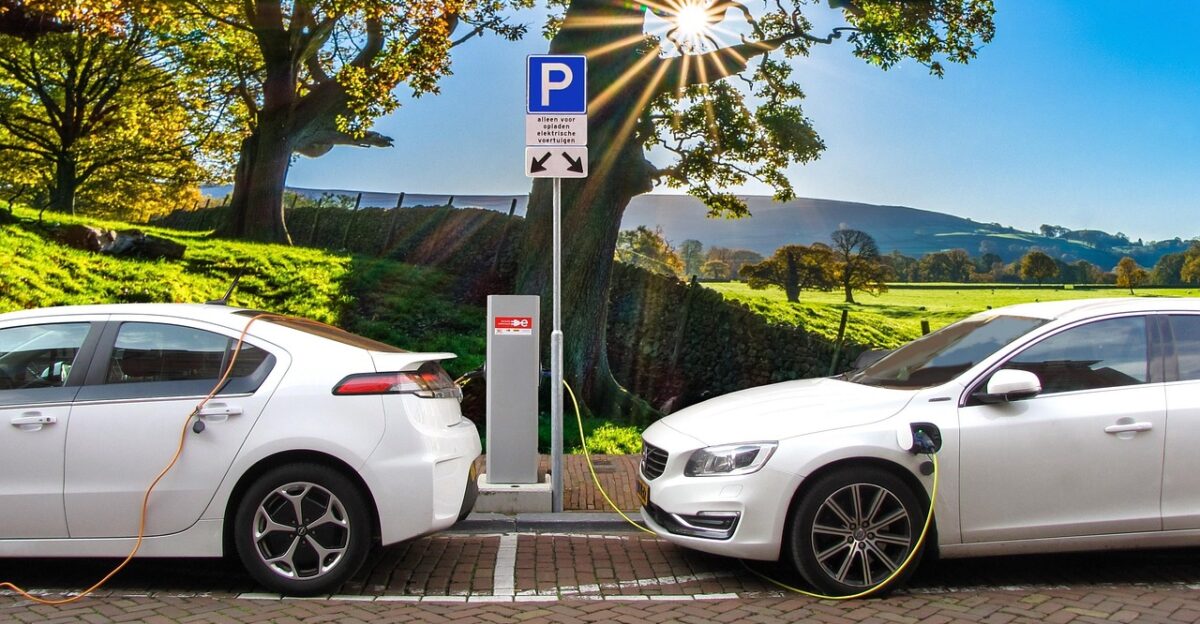
As GM and others navigate this turbulent period, the backdrop of change sets the stage for potential evolution in American auto manufacturing. The outcome of EV investments and supply chain adjustments may redefine industry standards and practices for years to come.
“Every challenge is an opportunity to innovate; that’s how we evolve,” reflected a forward-thinking industry analyst, hinting at the transformative possibilities within adversity. The future remains uncertain, yet essential for the industry’s growth and adaptation.
A Pivotal Moment

GM’s layoffs symbolize a pivotal moment for the automotive sector and for the workers and community involved. As the auto industry grapples with evolving technologies and economic pressures, the trajectory of electric vehicles, labor markets, and Detroit’s identity hangs in the balance.
“What happens next will define not just GM’s future, but the legacy of American manufacturing,” concluded a local economic expert, emphasizing the importance of this moment for the broader landscape of industry and labor.