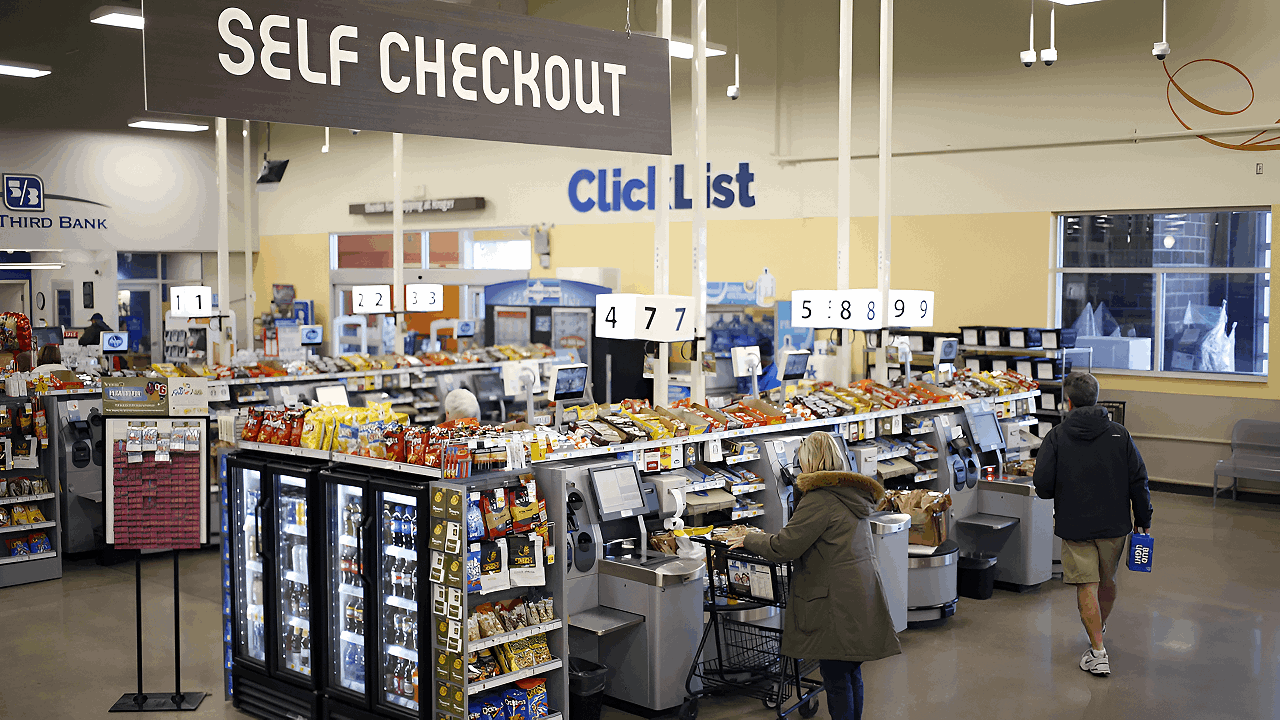
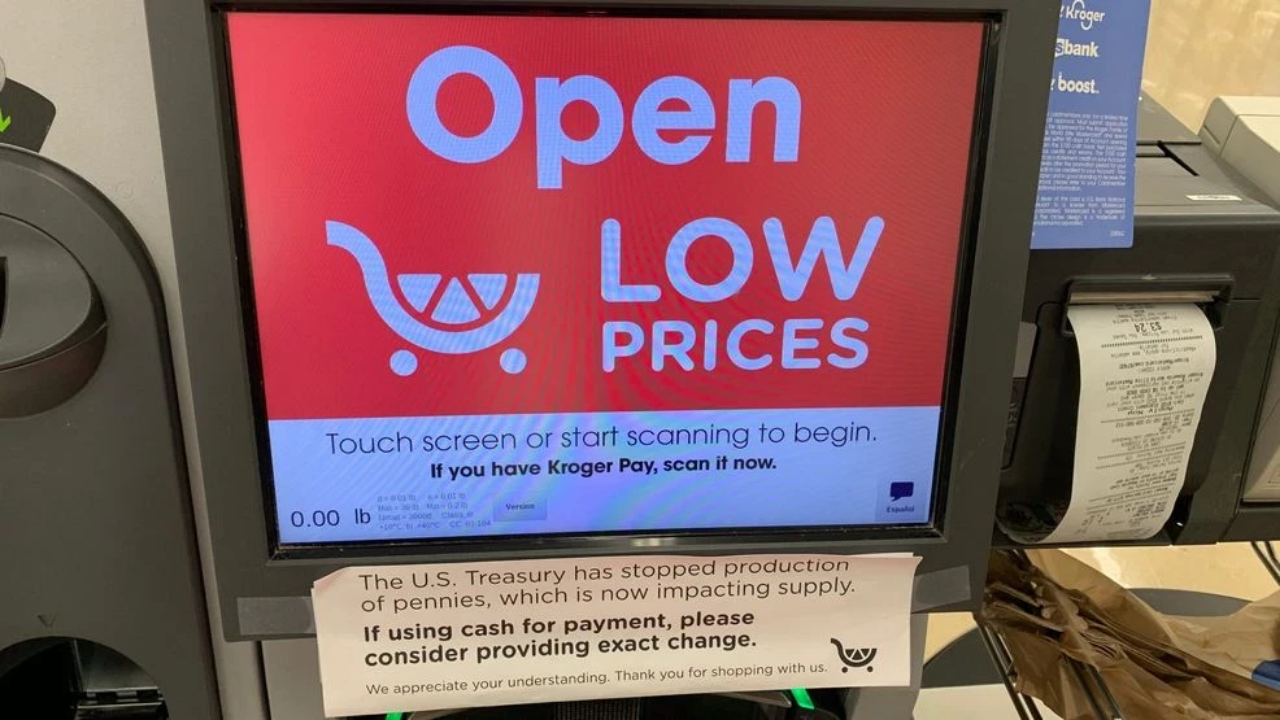
The U.S. Treasury’s decision to halt penny production, with the last batch ordered in May 2025 and a complete phase-out anticipated by early 2026, is the cause of the Kroger Checkout Chaos. In response to this shortage, Kroger has adopted a straightforward strategy: self-checkout kiosks now advise cash customers to “consider providing exact change.”
Because rounding decisions, how prices adjust without pennies, are ambiguous, consumers are concerned about unfair costs, which causes public outrage. In 2024, the U.S. Treasury lost $85.3 million while producing more than 3 billion pennies, each of which cost close to 4 cents. Retailers like Kroger must negotiate unfamiliar “rounding tax” territory despite the potential $56 million yearly savings from stopping penny production, which has caused confusion and resentment across the country.
The Silent Death of the Penny
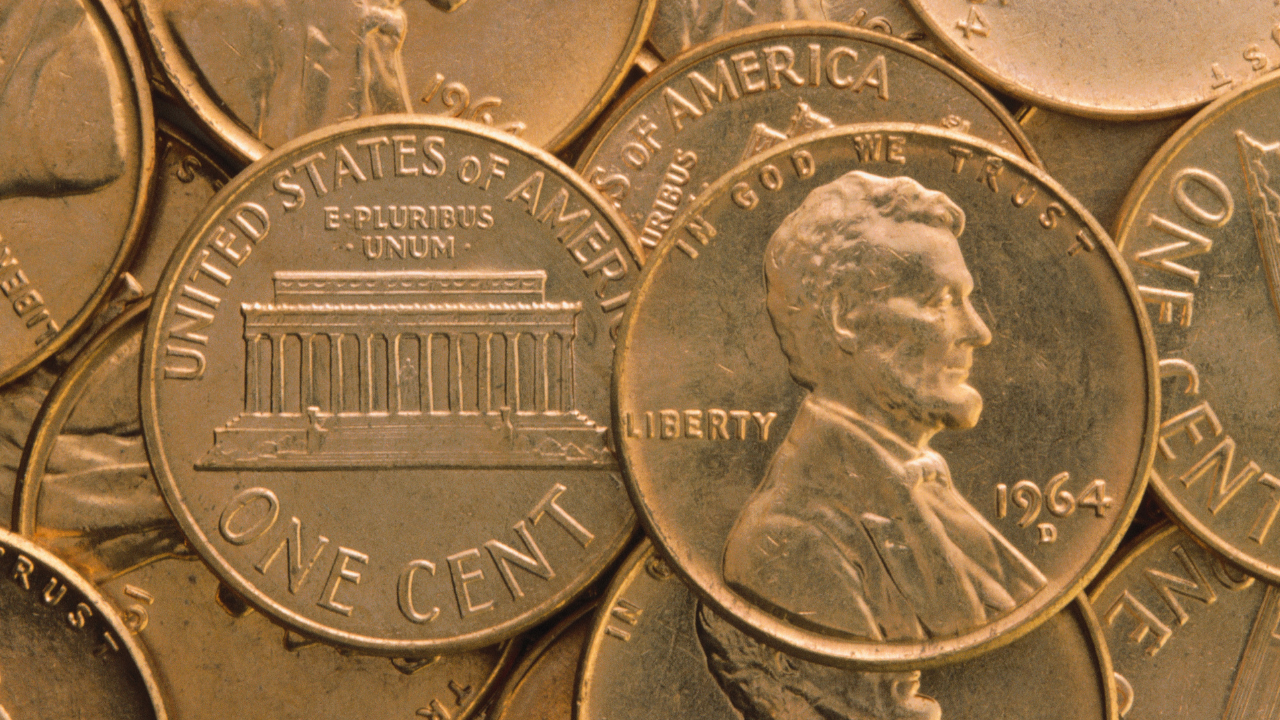
One of America’s oldest financial traditions is represented by the U.S. penny, which has been in continuous circulation since 1793. Its phase-out represents the first coin elimination in more than 200 years. Similar cost inefficiencies have led nations like Canada, Australia, and New Zealand to retire their pennies.
The penny is now the most expensive coin to make in relation to face value, losing more than three cents per unit, making it more than just an annoyance. The public is outraged by Kroger’s new policy because it upsets established routines and reveals retail systems that were unprepared for the change. Unlike previous transitions, businesses are not guided by federal guidelines, which increases uncertainty.
The Treasury’s Unsuccessful Struggle with Penny Production
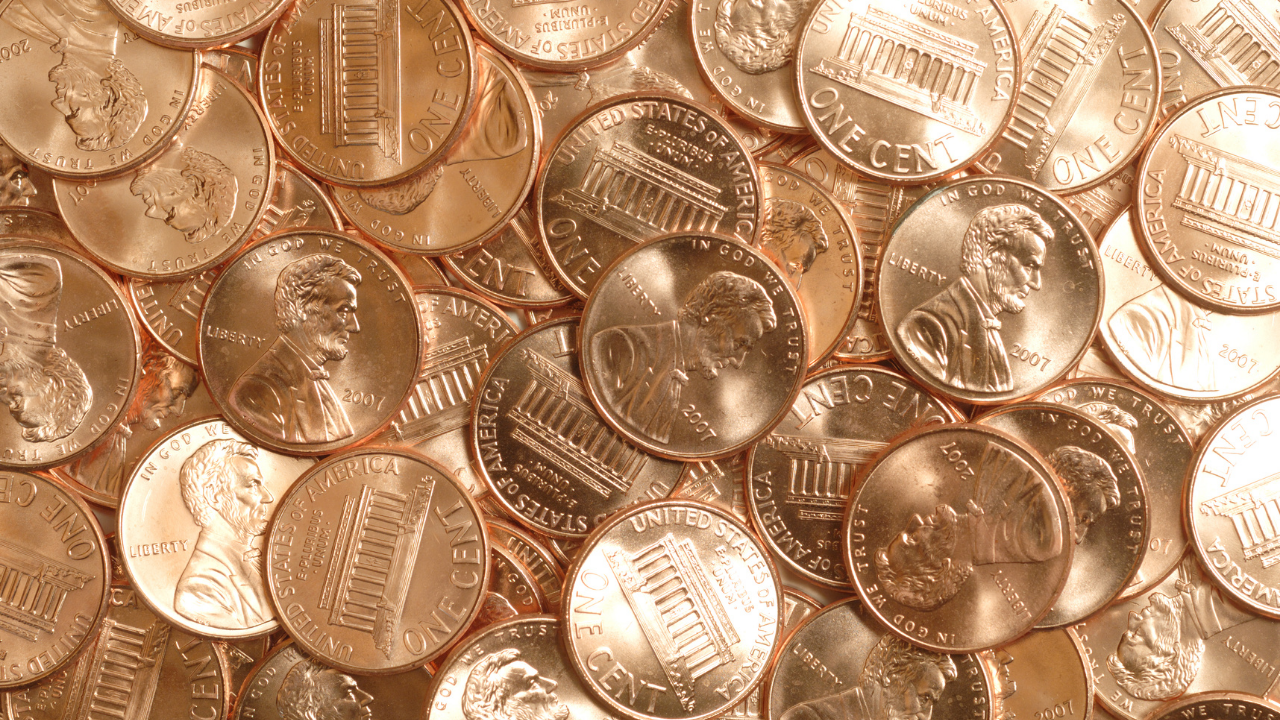
Making pennies is no longer a profitable endeavor. The Treasury produced over 3 billion pennies in 2024 alone, but because each penny costs almost 4 cents to make, it lost $85.3 million. The nickel, which costs 13.8 cents, more than 1,200% of its value, stands in stark contrast to this 300% production loss.
However, the government defies fiscal logic and fosters conspiracy theories by keeping the nickel while cutting the penny. As rounding becomes inevitable, Kroger’s checkout messaging accelerates a subtle shift in consumer prices while simultaneously attempting to alleviate supply strain. Customers are exposed to a “rounding tax” that benefits retailers.
Sheetz, Love’s, and Kwik Trip Models
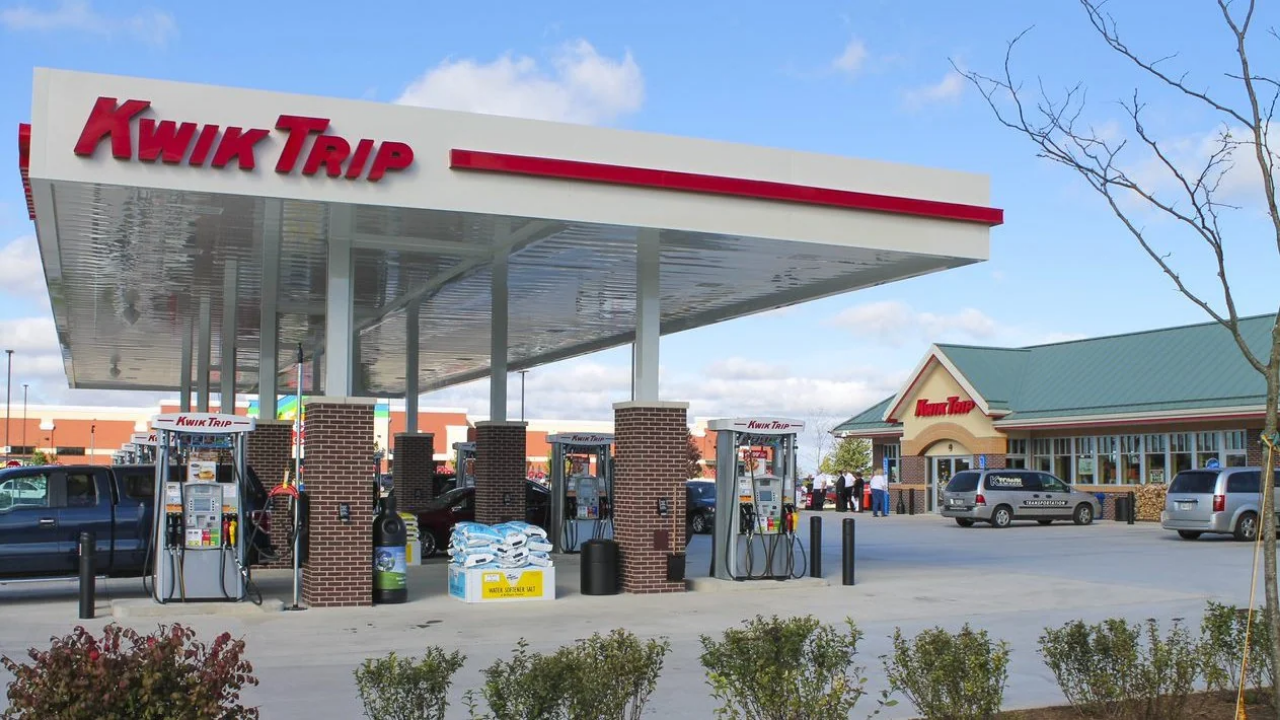
Retailers react to the phase-out of the penny in different ways, which affects market dynamics and public opinion. With more than 900 locations, Kwik Trip purports to benefit customers by rounding all cash transactions to the closest five cents.
Love’s Travel Stops (roughly 50 out of 660 locations) may add a few cents to each transaction. Sheetz encourages penny spend-down with a special incentive: customers who exchange $1 in pennies receive a free self-serve drink. In contrast to this disjointed environment, Kroger’s notice requesting exact change exposes a patchwork approach to rounding that perplexes customers and incites outrage.
A New Consumer Burden: The “Rounding Tax”

According to the Federal Reserve Bank of Richmond, there is a new “rounding tax” that could cost cash-paying customers an average of two to four cents per transaction because of rounding increments. Since 150 million Americans regularly use cash, which accounts for 20% of all transactions, the total loss could amount to $6 million per year.
This consumer disadvantage is highlighted by Kroger’s new rule, especially for low-income groups that depend largely on cash. This unseen, minor financial loss undermines confidence in routine business dealings, which fuels indignation and opposition to Kroger’s strategy of demanding precise change without formal procedures to guarantee equity.
Checkout Chaos’s Psychological Effects on Customers

Particularly for older consumers and those with poor numeracy abilities, the checkout confusion causes cognitive stress. Anxiety and frustration result from the requirement for precise change, which turns a straightforward transaction into a mental math problem. Kroger’s customer experience is weakened and loyalty is at risk due to the ensuing consumer uncertainty.
Outrage is also heightened by the public’s emotional attachment to the penny, a symbol of American heritage, nostalgia, and low direct value. This psychological component influences behavioral economics results, encouraging customers to either accept cashless transactions or oppose such new retail regulations.
The Penny Phase-Out’sWiderEconomic Consequences
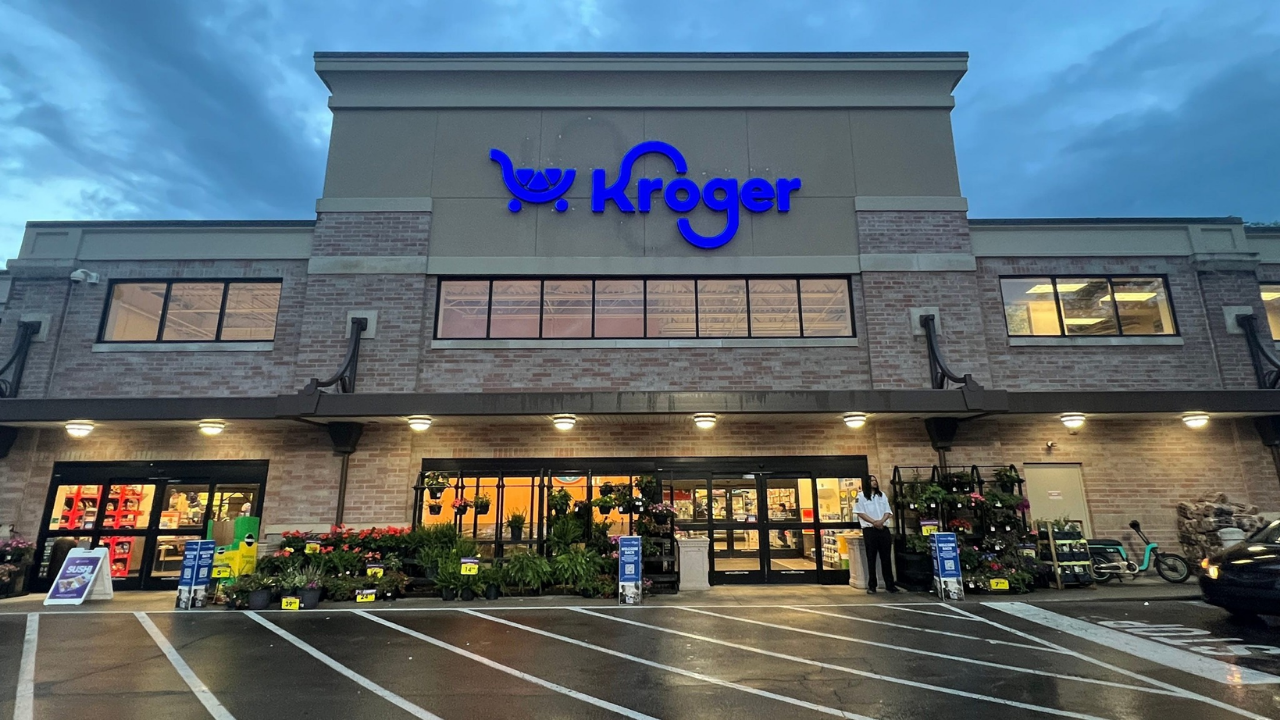
Kroger’s policy accelerates the transition to a cashless economy by signaling a broader shift away from physical cash to digital transactions. This change runs the risk of marginalizing populations without dependable access to electronic payments, even though it saves the Treasury $56 million a year from stopped penny production.
Retailers also have more control over rounding rules, which may lead to inequalities, mistrust, and inflationary pressures when minor overcharges build up. In the midst of this significant financial shift, Kroger is juggling operational difficulties and customer relations at the nexus of retail innovation and systemic uncertainty.
Penny Phase-Out’sEffecton Low-Income Communities
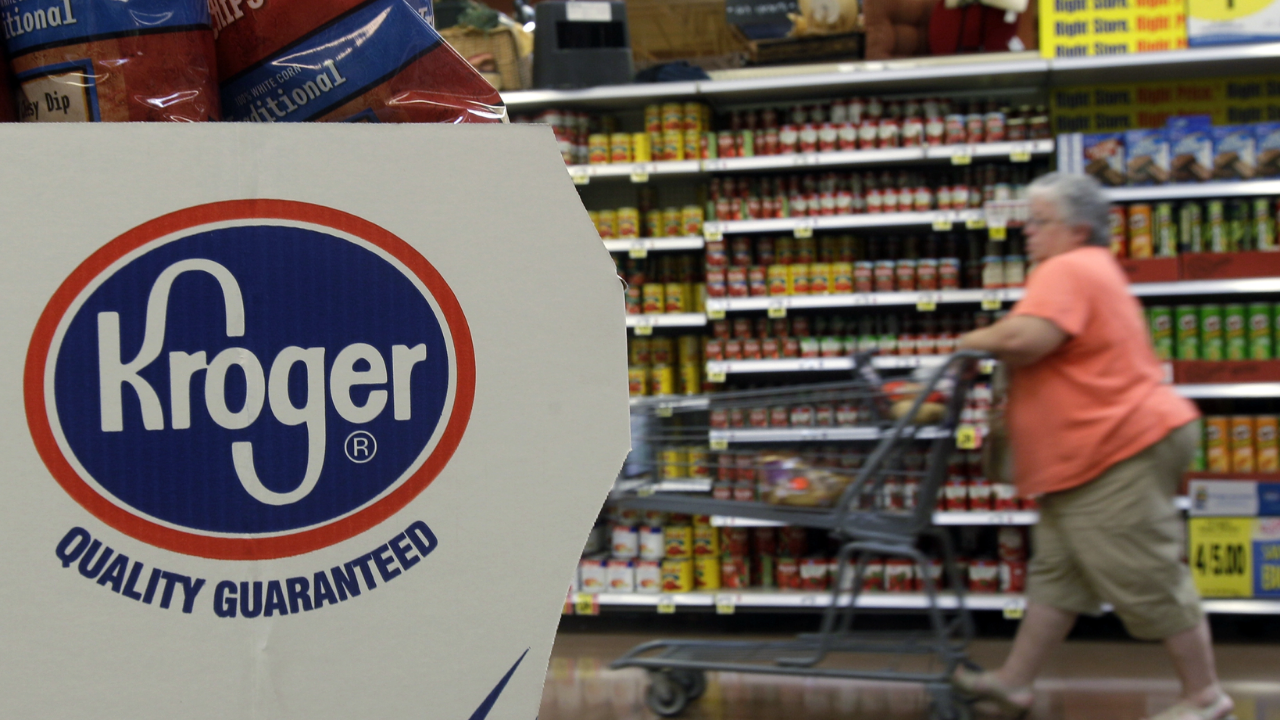
Due to their disproportionate reliance on cash, low-income communities are disproportionately at risk during this shift. Kroger caters to a lot of these groups, where even a few pennies lost on each transaction add up over time.
Depending on retailer rounding decisions, some consumers may profit while others may lose money due to the absence of a clear national rounding policy. This leads to consumer annoyance and economic injustice, which further explains why Kroger’s messaging incites public indignation rather than compliance. In order to avoid unintentional harm to vulnerable populations forced into rounding tax scenarios, policy solutions are urgently needed.
Kroger’s Public Relations and Strategic Communications Conundrum
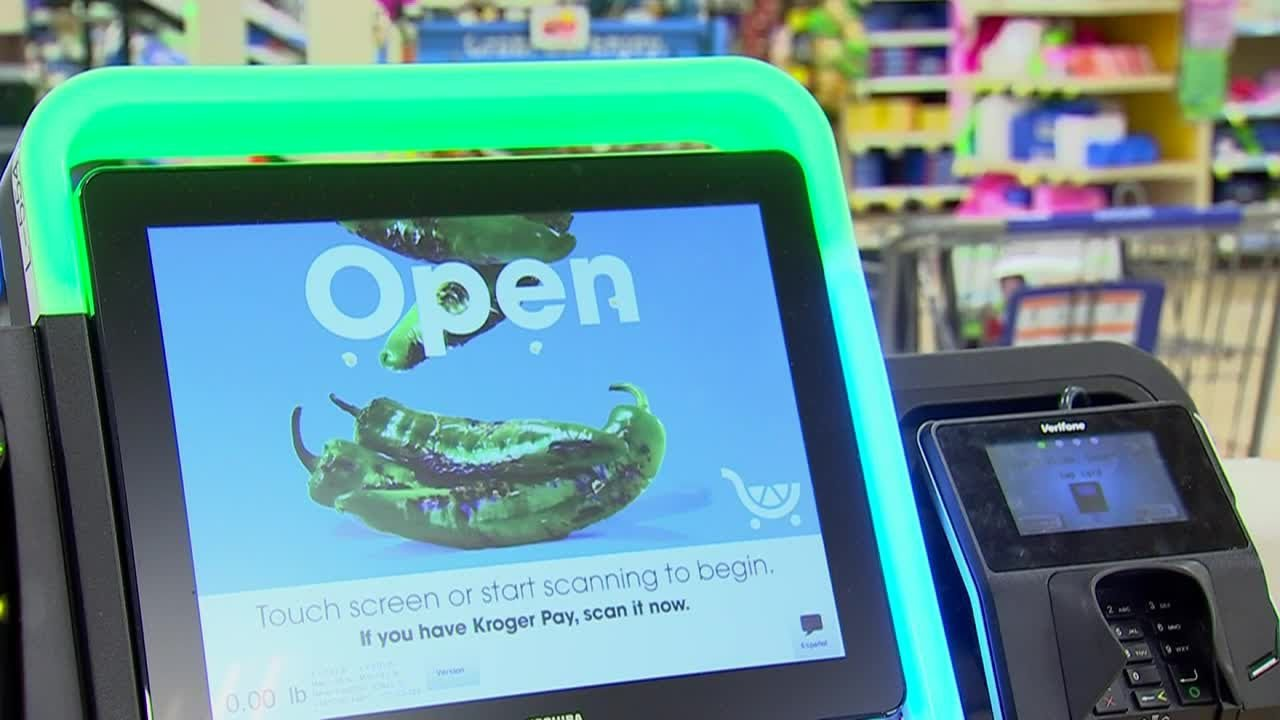
Although it was a practical reaction to the scarcity of pennies, Kroger’s decision to post signs at self-checkouts requesting exact change was a public relations blunder. Kroger lost control of the narrative and invited consumer backlash by neglecting proactive education and explicit rounding policies. The disorganized execution, coupled with persistent worries about inflation, gave the impression that businesses were insensitive.
However, Kroger’s openness about its limitations presents a chance to take the lead by developing fair, transparent rounding policies and engaging the community, repositioning itself as a customer ally navigating unavoidable financial shifts.
The Penny as a Treasure Trove for Collectors
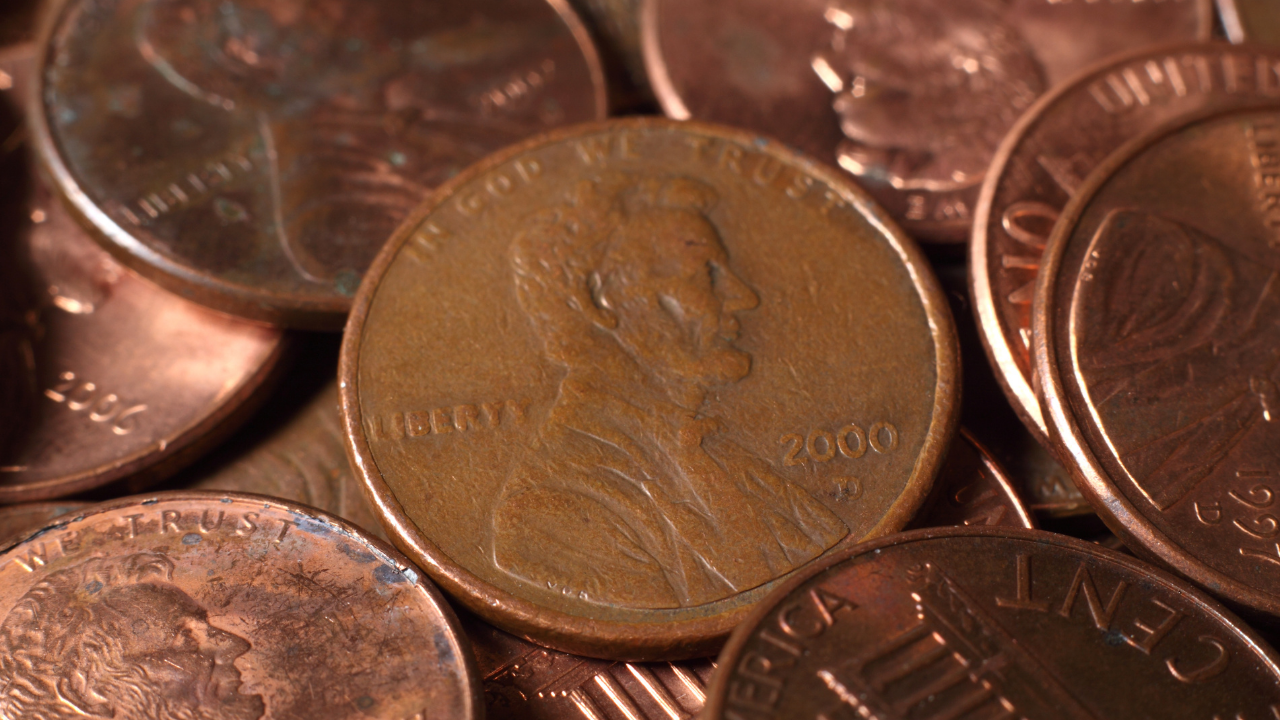
A hypothetical but conceivable result of the estimated 12 billion pennies in circulation becoming outdated is widespread hoarding that turns these coins into collectibles. History demonstrates that the nostalgic and monetary value of discontinued coins frequently rises.
Due to uncertainty, Kroger’s chaos indirectly encourages customers to hoard pennies rather than spend them, disrupting circulation and possibly creating a grey market. This phenomenon has the potential to change small-coin economics by removing resources from active commerce and exacerbating transactional issues in grocery stores across the country.
Why Hold on to the Nickels?
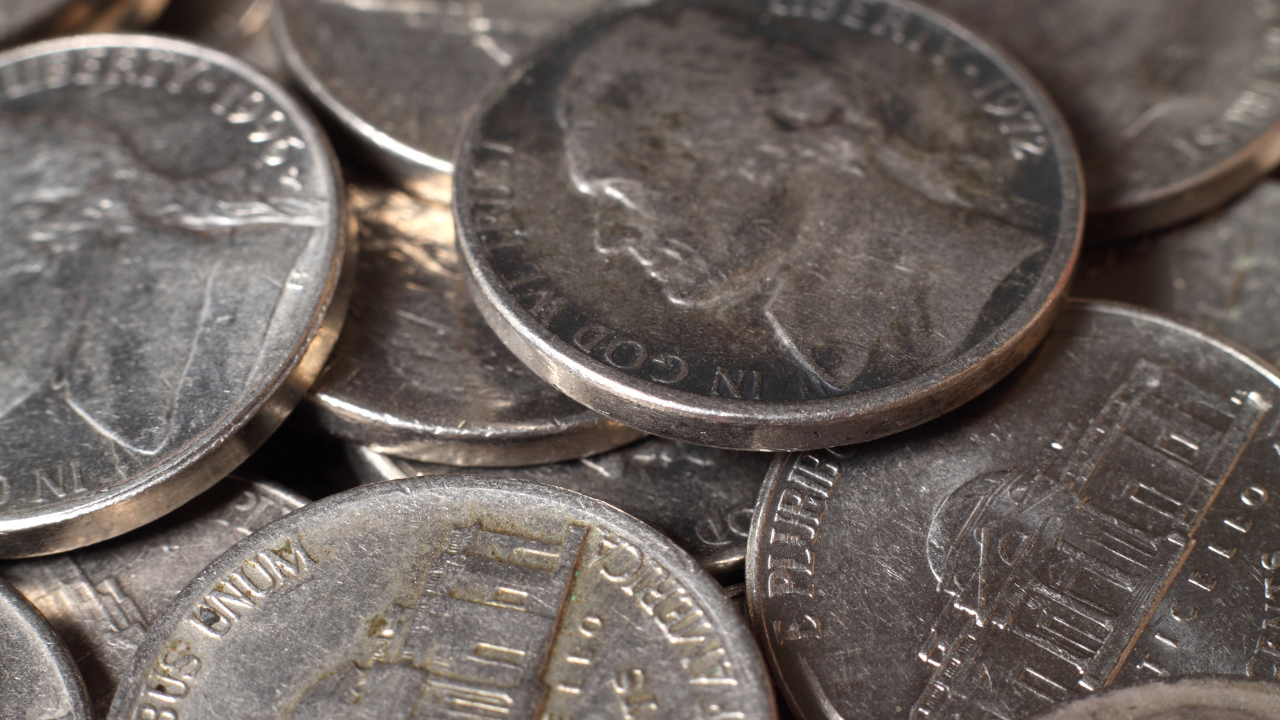
The Treasury’s reasoning for doing away with pennies while keeping nickels goes against sound fiscal principles because nickels have a lower production cost per coin ($0.138). Given that nickels are still essential for weighted coin operations and vending machines, some analysts contend that this is the result of political inertia or special interests.
This incoherence is reflected in Kroger’s chaos, which shows how legacy financial decisions have unpredictable effects on retail realities. Acknowledging this paradox encourages discussions about monetary reform that go beyond the static penny controversy and may steer future policy away from incremental “band-aid” fixes.
Rural vs. Urban Checkout Chaos
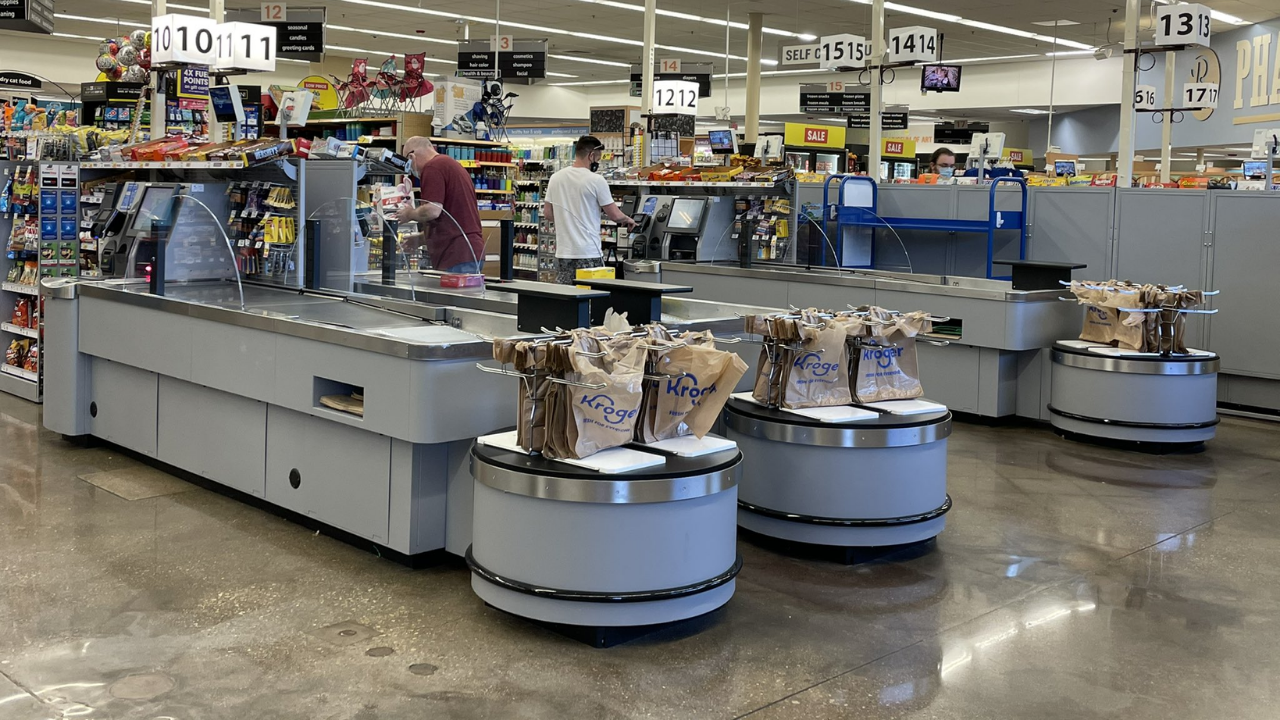
Compared to urban locations where mobile payments predominate, rural Kroger stores, which cater to older, lower-class customers who use more cash, experience more severe checkout chaos. This geographic difference exacerbates social injustices and leads to inconsistent consumer experiences.
In rural areas, the same Kroger policy feels like a barrier, but in cities, it’s just a small annoyance. This disparity illustrates how a national monetary shift has uneven local repercussions, making Kroger’s operational choices more difficult and adding to public annoyance at various scales and situations.
Tradition and Technology Collide
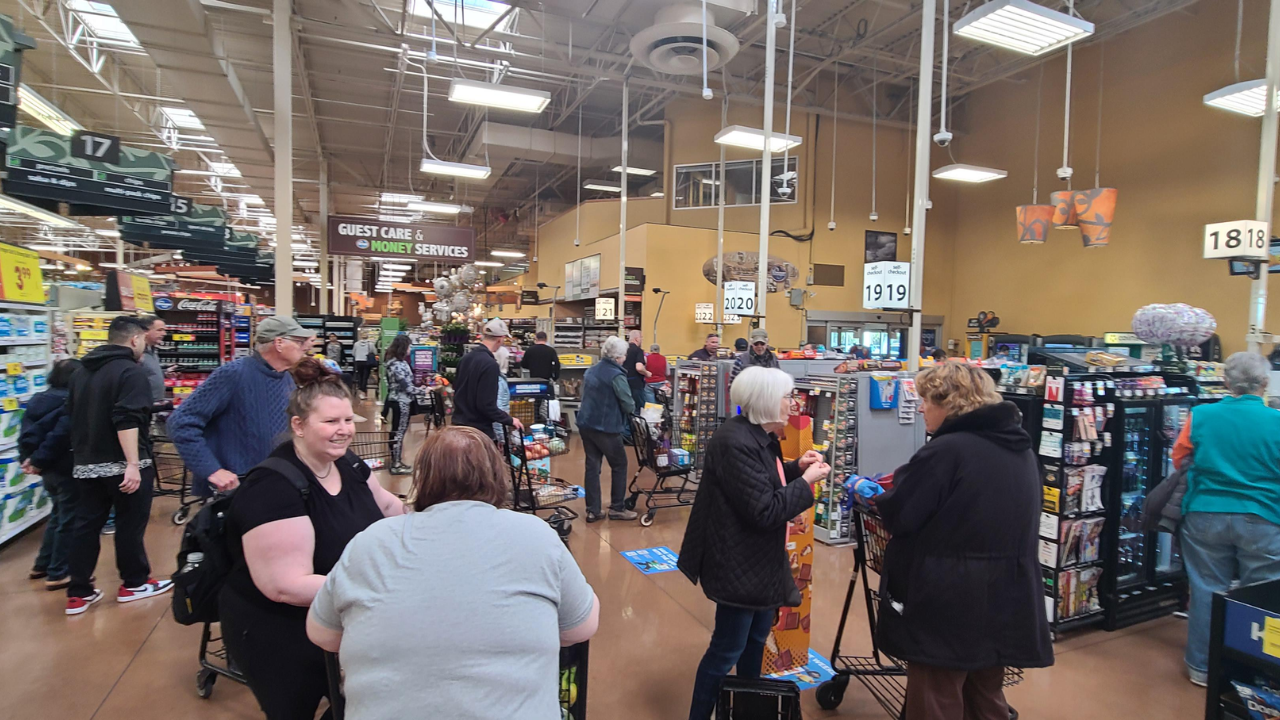
The checkout chaos at Kroger perfectly captures the paradox of contemporary retail: the gradual phase-out of traditional coins clashes with the advancement of self-checkouts and digitization. Self-checkout boosts productivity and lowers labor costs, but exact change requirements interfere with the user experience by combining outdated currency issues with modern technology.
It compels Kroger and other retailers to swiftly develop rounding algorithms, retail math solutions, and customer communication tactics or risk alienating customers. The conflict leads to a more general discussion about striking a balance between consumer usability and technological advancement in times of economic transition.
The Penny Phase-Out’sEconomicRepercussions
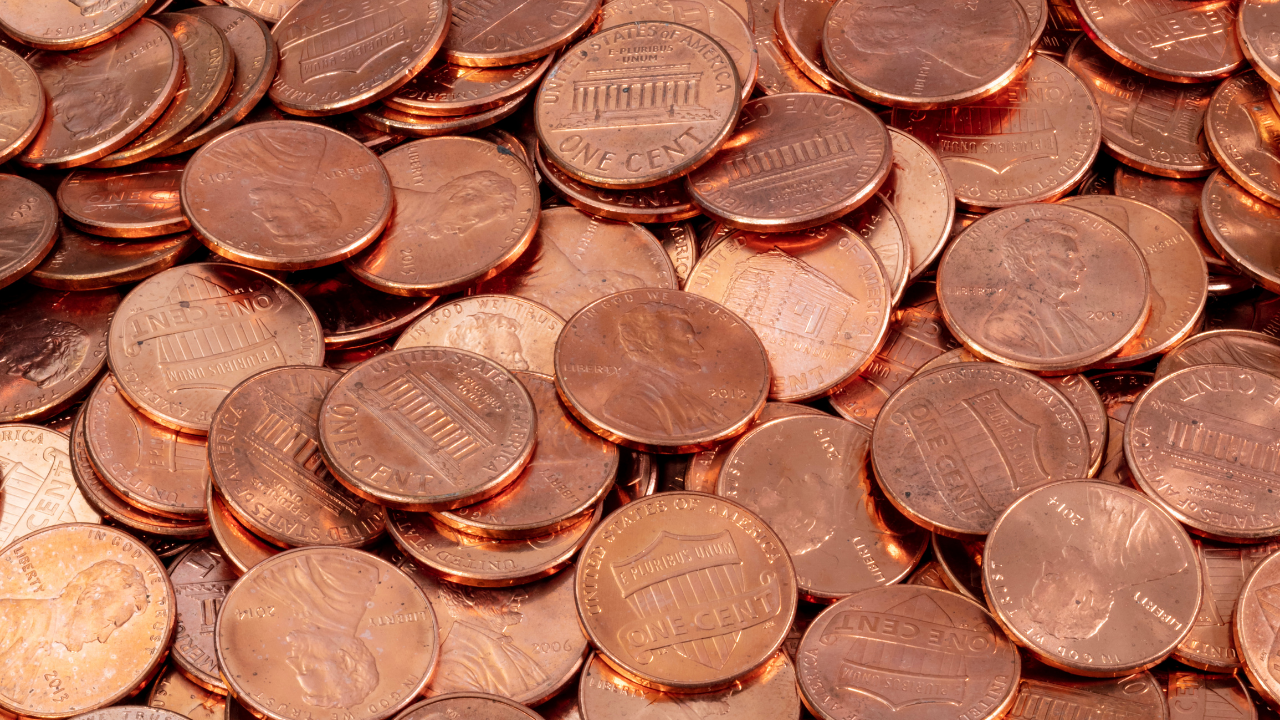
According to data, even a rounding effect of 2 to 4 cents per transaction can result in millions of dollars lost overall. If rounding favors sellers, this could result in a yearly redistribution of $6 million from customers to retailers. Kroger’s policy decision affects not only transactions but also the national retail economy by gently influencing consumer spending patterns and fairness perceptions.
Market behaviors have historically been altered by such minor, cumulative effects, such as consumer migration to cashless options or calls for legislative reform. Comprehending these figures emphasizes Kroger’s function as a microcosm for national economic discourse.
Moving Towards an Equitable and Open Future at Kroger Checkout
Penny phase-out and unclear rounding rules cause chaos, which exposes systemic issues at the nexus of psychology, economics, and retail strategy. Although it makes financial sense to stop producing pennies, doing so alters consumer behavior, raises concerns about unstated expenses, and strikes deep cultural and emotional chords.
The challenges faced by Kroger highlight the critical need for clear, federally guided rounding policies that safeguard customers while maintaining retail effectiveness. The turmoil portends a more significant transformation in American business, necessitating strategic communication, fair solutions, and striking a balance between tradition and innovation. Kroger and the country cannot proceed in a clear and equitable manner unless all effects are acknowledged.