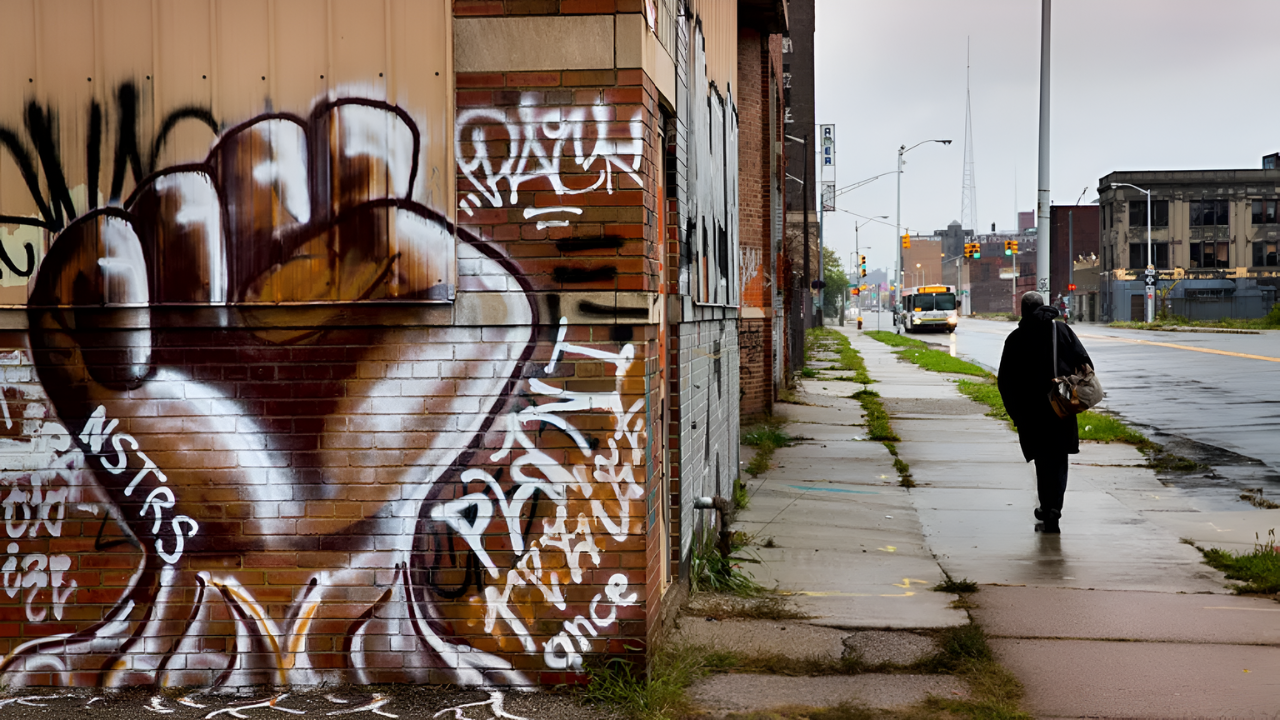
Where you live can quietly determine your financial future. Some cities reward discipline and opportunity; others make it much harder to stay financially secure.
In these nine U.S. cities, hidden costs, debt, and risk combine into perfect financial storms that could sink even the most responsible budgets. The more you know about these cities, the better equipped you’ll be to manage your finances.
Erode Savings
Even with a steady job, residents in these cities battle forces beyond their control. From rising rent to rampant fraud, geography alone can erode savings.
Before investing or planning your next move, it’s important to see the financial dangers lurking in America’s most financially precarious urban landscapes. Let’s look at the cities where money is always at risk.
1. New Orleans, Louisiana
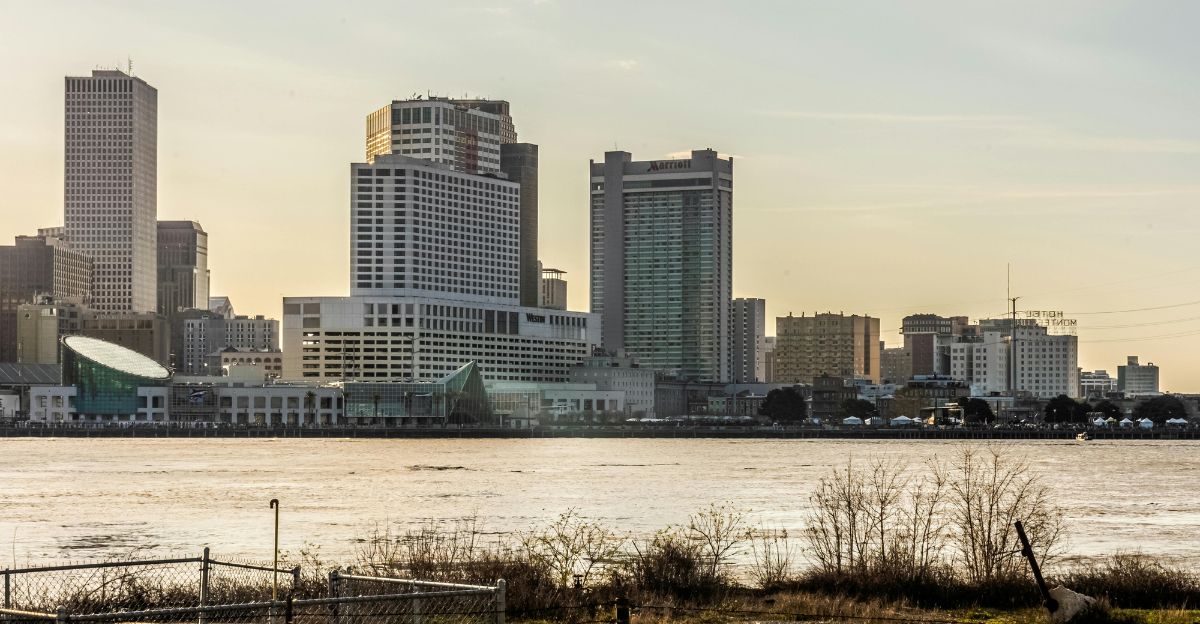
New Orleans isn’t just famous for its jazz and culture—it also hides a harsh financial reality. Behind the charm, residents face crushing insurance rates, low credit averages, and vulnerable housing zones.
Homeownership can feel like a gamble when hurricanes and poor infrastructure make recovery nearly impossible for even the most cautious locals.
Why It’s Risky
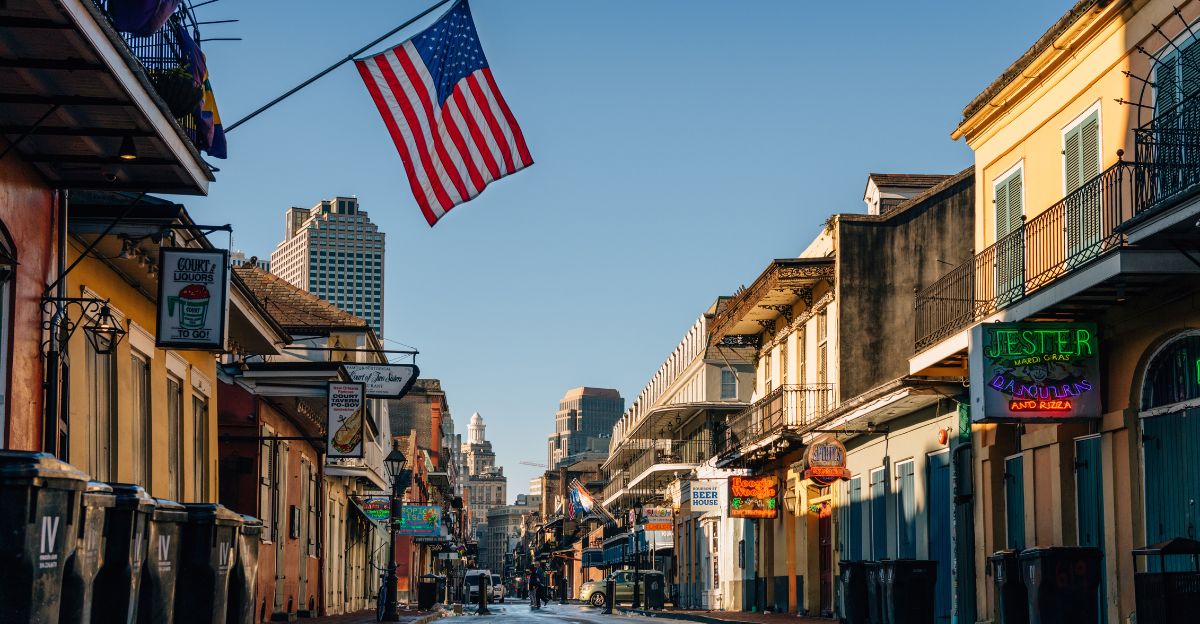
New Orleans’ homeowner’s insurance costs hit $2,955 per year—about $500 to $850 higher than the national average.
Add poor credit access and job volatility to the mix, and it’s no wonder many locals struggle to build emergency savings. Combine these issues with repeated storm recovery expenses, and it’s clear why this city is financially fragile.
2. Miami, Florida
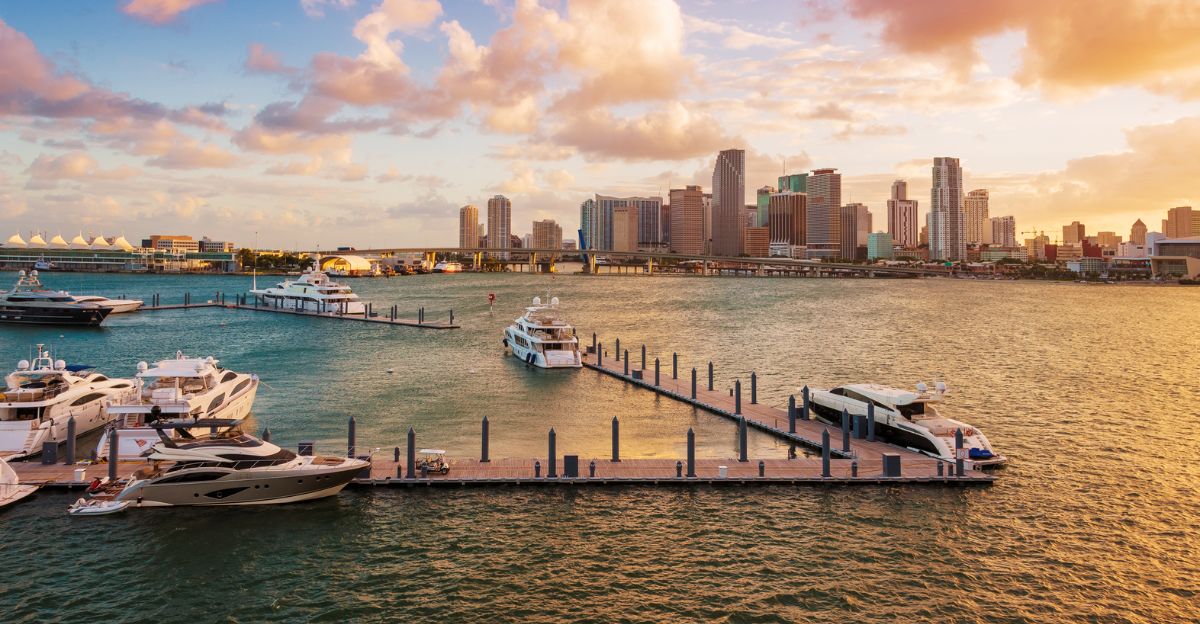
Miami may boast luxury condos and ocean views, but financial safety is hard to find here. Fraud runs rampant, with identity theft and scams running wild.
Add skyrocketing rents and high living costs, and it’s clear that paradise is more precarious than it looks. This is a city where even the well-off are at risk.
Why It’s Risky
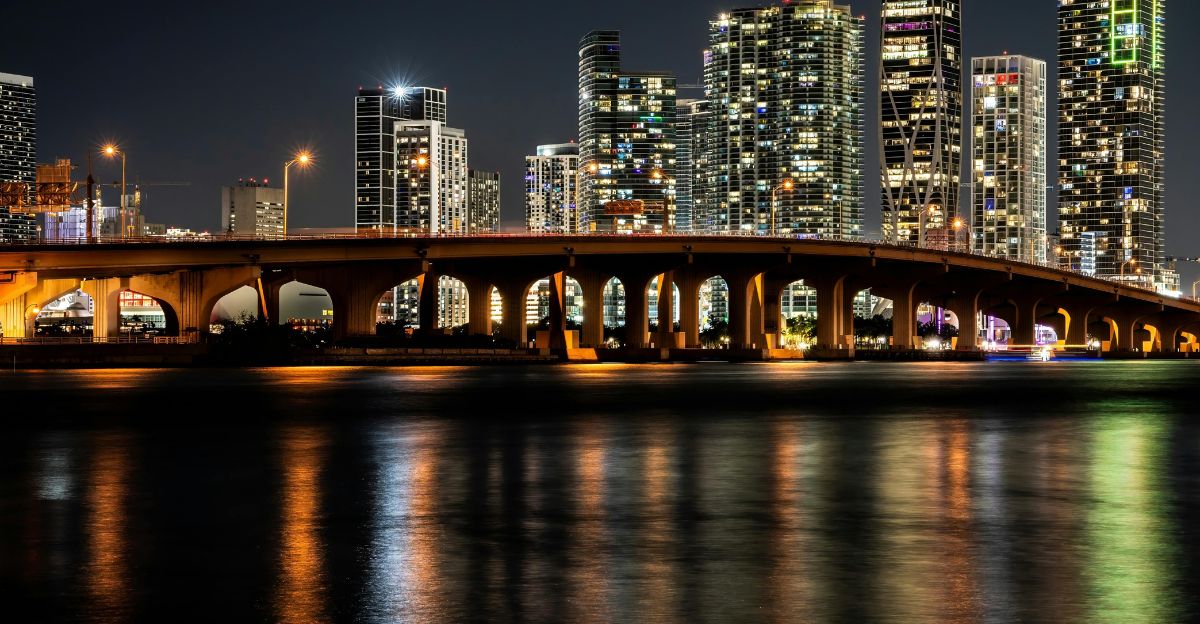
Miami ranks high for fraud, with 417 identity theft reports per 100,000 residents. From real estate scams to financial phishing, Miami is a hotbed for fraud.
Add to that one of the country’s most expensive housing markets and unpredictable weather-related costs, and it’s no surprise residents struggle to stay financially secure.
3. Memphis, Tennessee
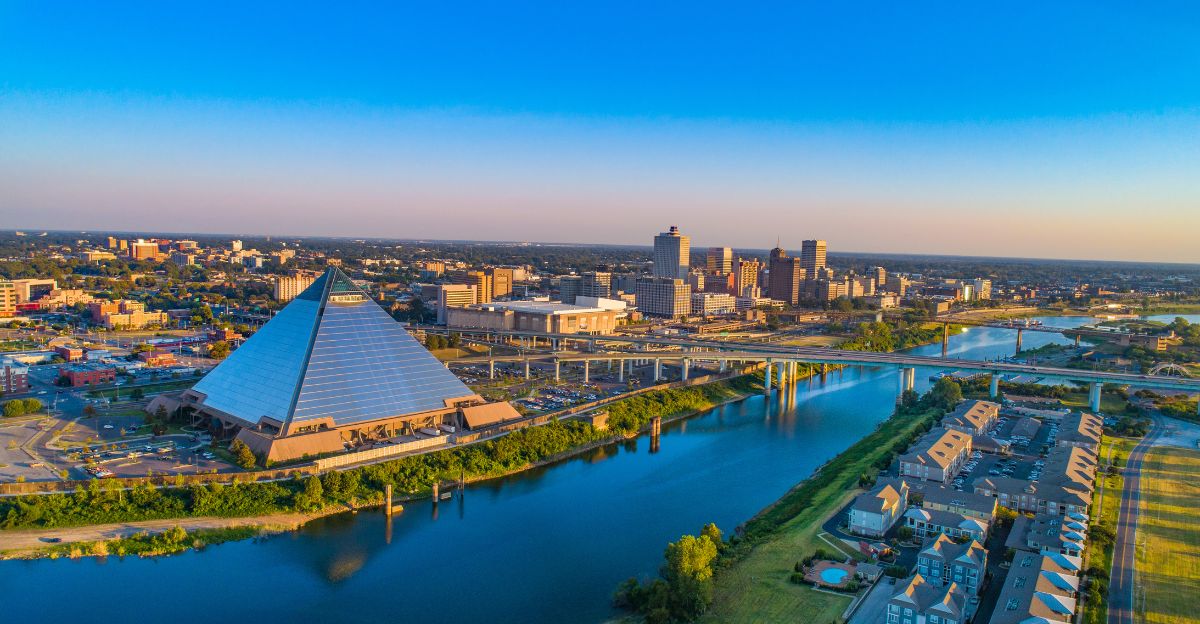
Low rent might attract young workers to Memphis, but financial safety stops there. Wage gaps, limited banking access, and high crime rates create a cycle that traps residents in debt.
Memphis ranks fifth for unbanked and underbanked households, and reliance on payday loans makes long-term security even harder to achieve.
Why It’s Risky
Memphis has 16.7% of households unbanked and 28.1% underbanked—far above the national average.
Many residents turn to payday loans with sky-high interest rates—up to 600%. Without financial education or structural reforms, the city’s most vulnerable residents stay trapped in a cycle of borrowing and debt.
4. Las Vegas, Nevada
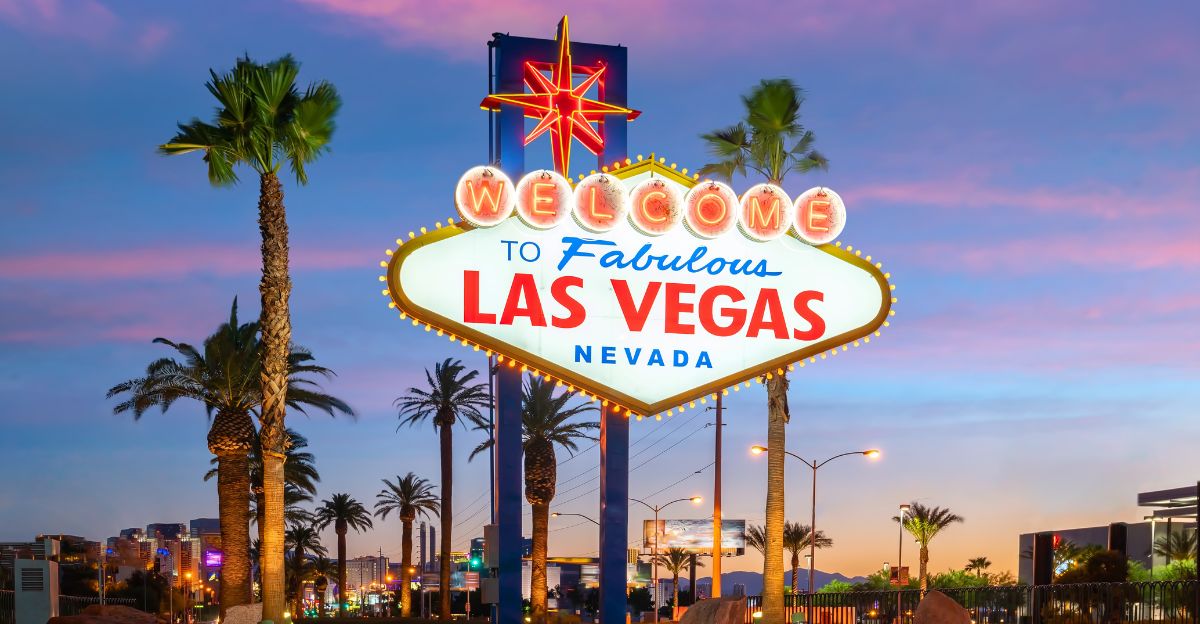
Las Vegas offers excitement, chance, and a world of opportunity—but that gamble extends beyond the casino floor. The city’s economy depends heavily on tourism, and when tourism drops, so does financial security.
A drop in tourism left thousands unemployed in 2025, revealing the fragile financial foundations beneath the neon lights.
Why It’s Risky
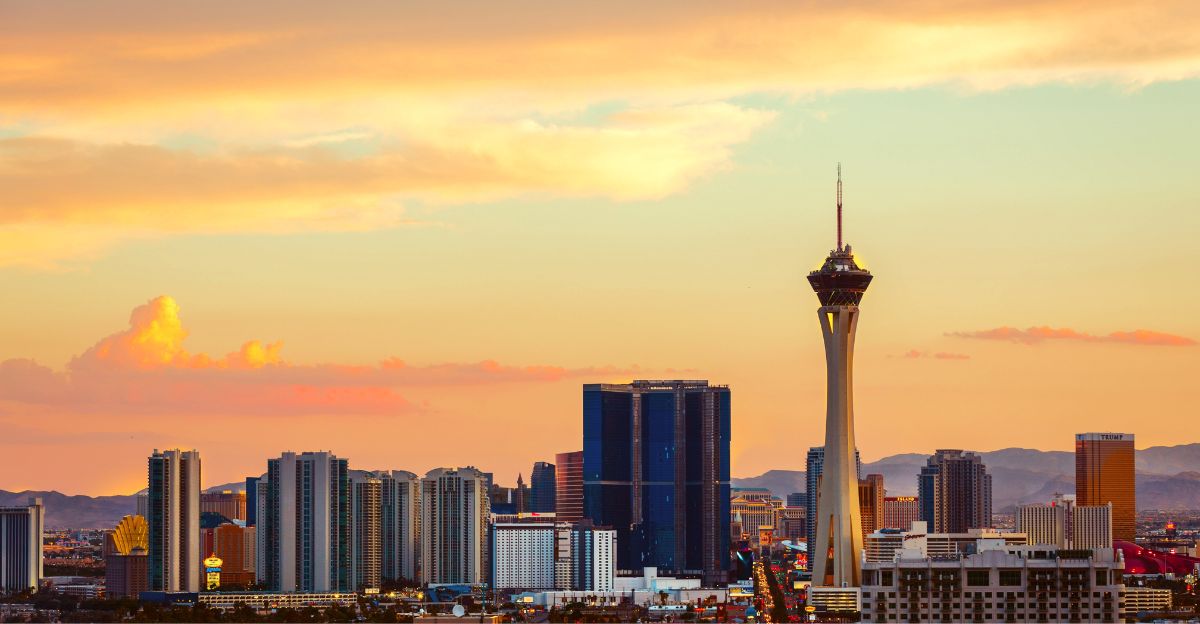
When tourism slows, so does the local economy. In 2025, tourism numbers dropped 11.3% from the previous year, leaving thousands vulnerable to layoffs.
Las Vegas residents struggle with chronic debt, and even middle-class families have trouble saving. The city’s economy is a gamble, and not everyone wins.
5. Detroit, Michigan
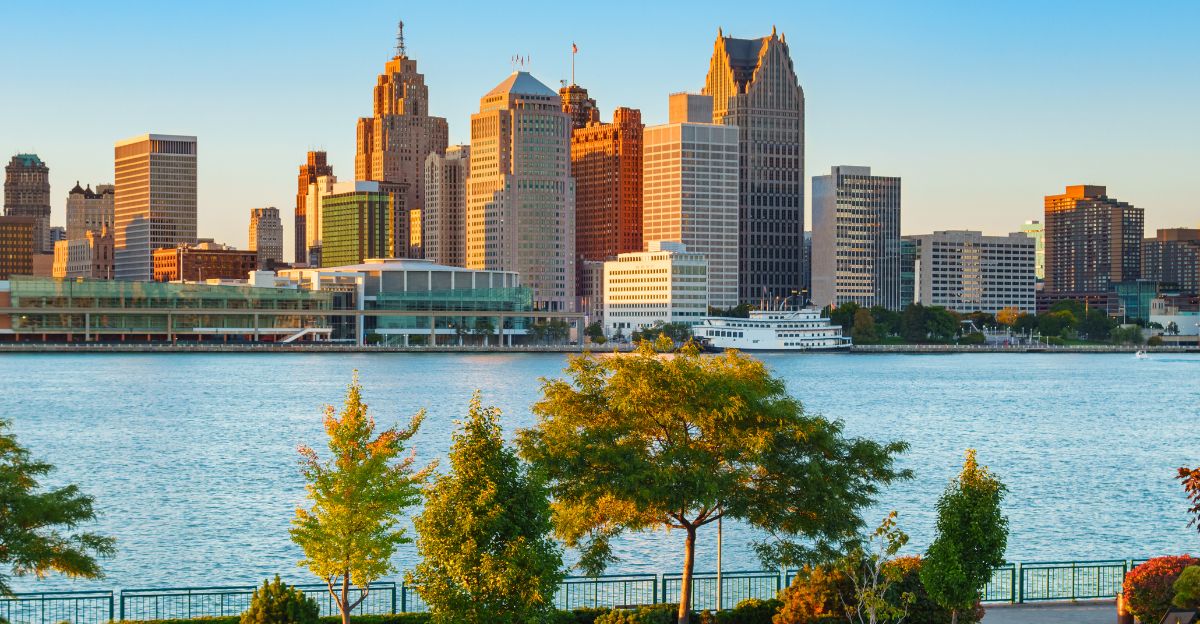
Detroit is rebuilding its economy, but instability still lingers. While low home prices may seem like an opportunity, high property taxes, poor infrastructure, and a lack of public services erode financial gains.
What seems like a bargain often becomes a costly commitment, making it tough for residents to stay financially afloat.
Why It’s Risky
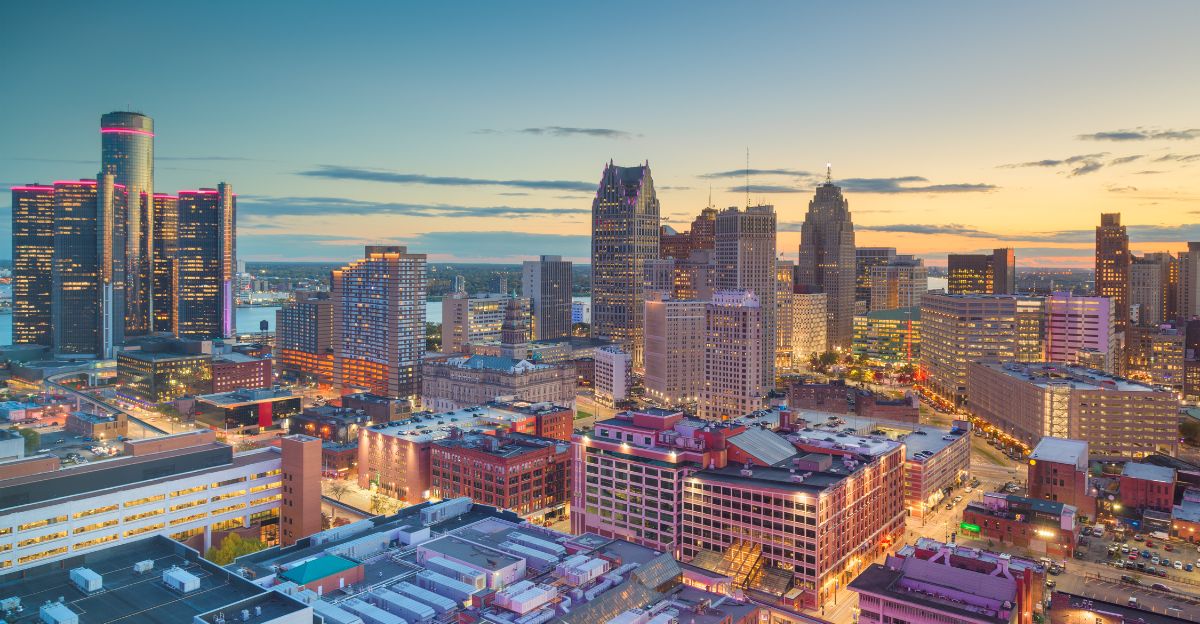
Detroit’s median household income is well below the national average, and while tax foreclosures have decreased, the city still saw nearly 1,800 bank repossessions in 2023.
High property taxes and limited job growth outside of manufacturing make financial stability difficult for Detroit’s residents, and many find themselves living paycheck to paycheck.
6. Houston, Texas
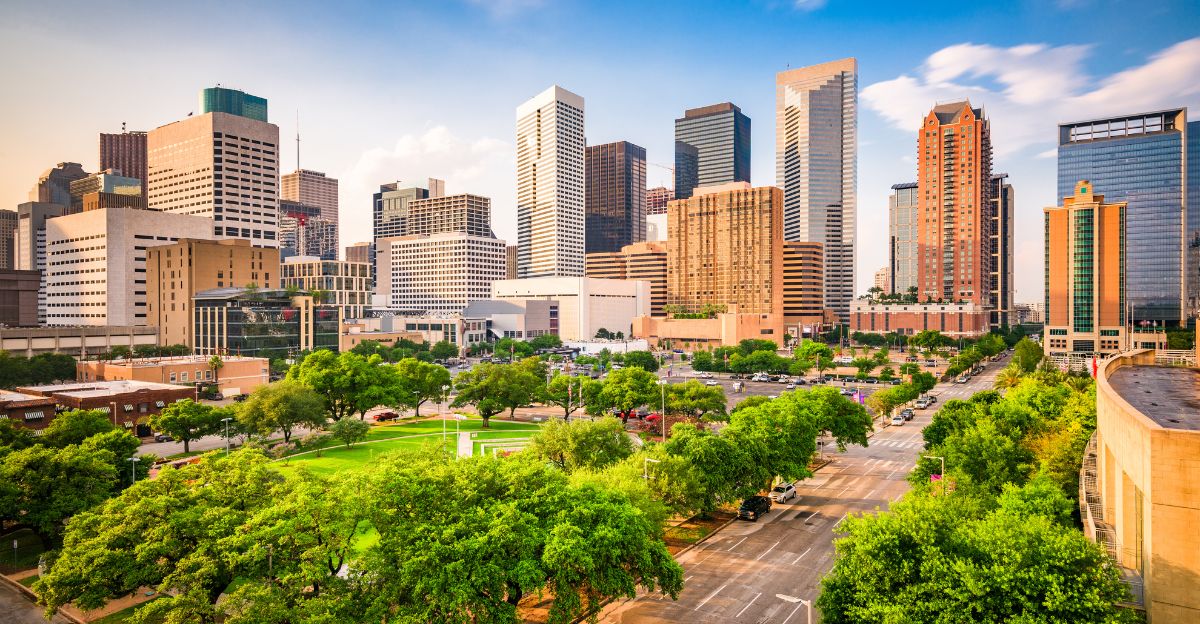
Houston offers plenty of opportunities, but its economy is highly vulnerable to fluctuations in the oil market.
When oil prices dip, jobs vanish, and with no state income tax to cushion the blow, residents often live paycheck to paycheck. Add natural disaster risks and the cost of rebuilding after hurricanes, and financial stability is hard to come by.
Why It’s Risky
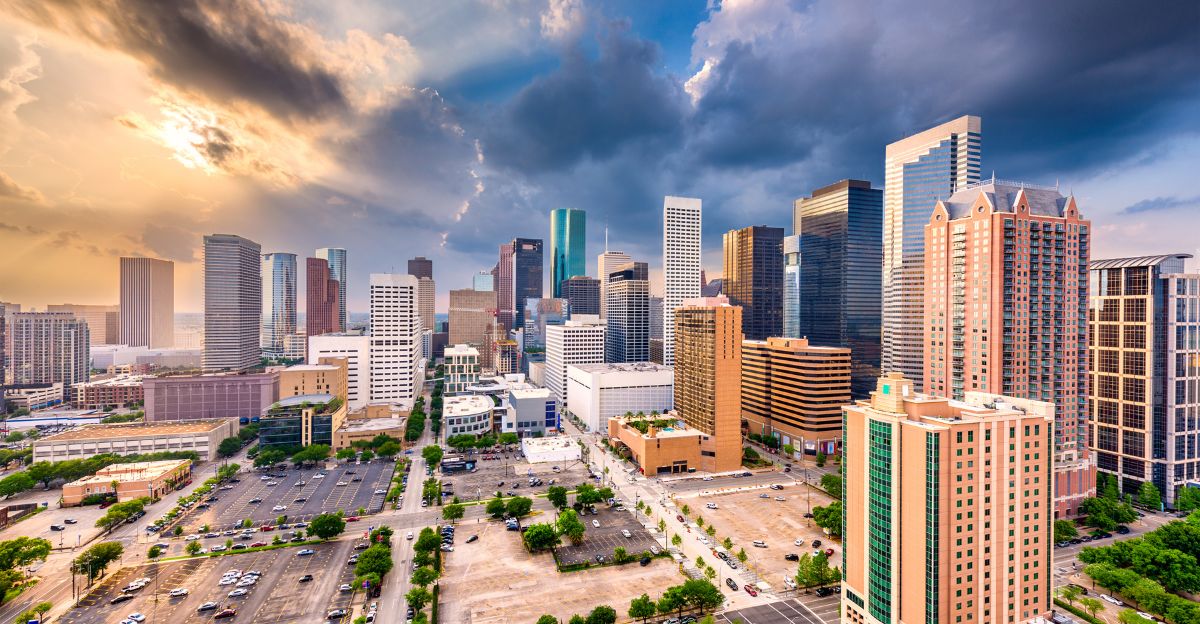
Houston’s economy is driven by energy, which is notoriously volatile. In 2025, oil price fluctuations led to thousands of layoffs, and many residents were forced to rely on credit to make ends meet.
With rising flood insurance costs and ongoing property damage risks, financial fragility is a major concern in Houston.
7. Atlanta, Georgia
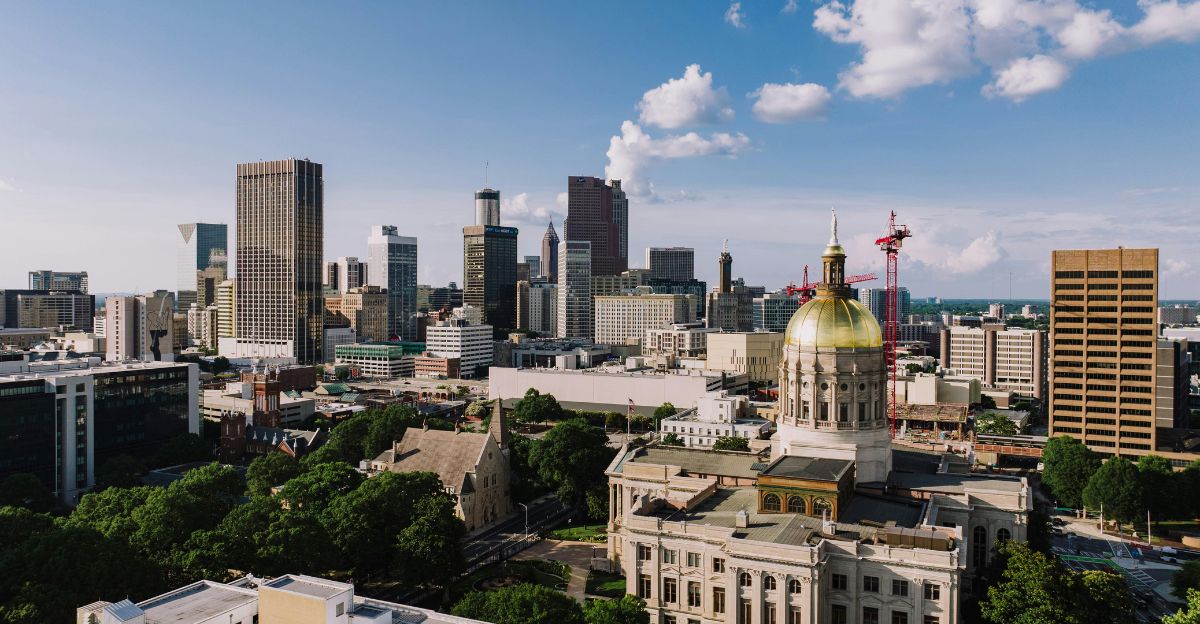
Atlanta is a hub for tech and entertainment, but it’s also a city with a growing financial divide. Rapid gentrification, rising rents, and expensive commutes leave many residents struggling.
Even those with professional salaries are finding it difficult to keep up, with widespread credit card debt and auto loan defaults becoming common.
Why It’s Risky
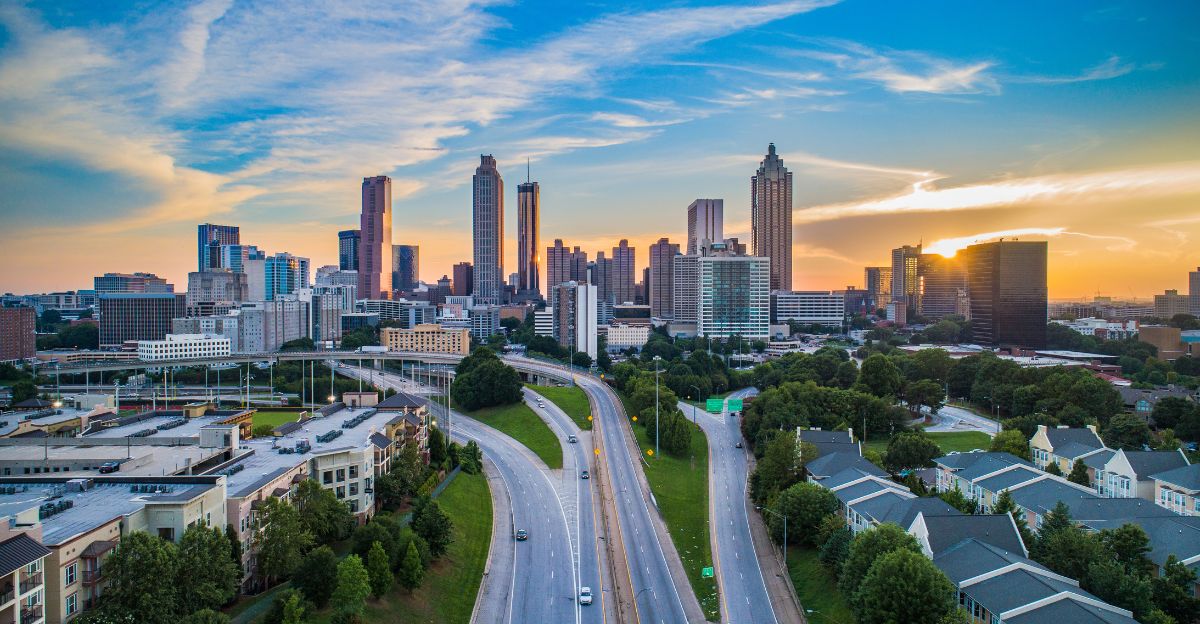
Atlanta’s identity theft rate is one of the highest in the country, and rising rents put a strain on budgets. Georgia also ranks 10th for the highest car insurance rates, adding to the financial burden.
The rapid influx of new residents only increases the financial strain, making it harder for long-term locals to thrive.
8. Baltimore, Maryland
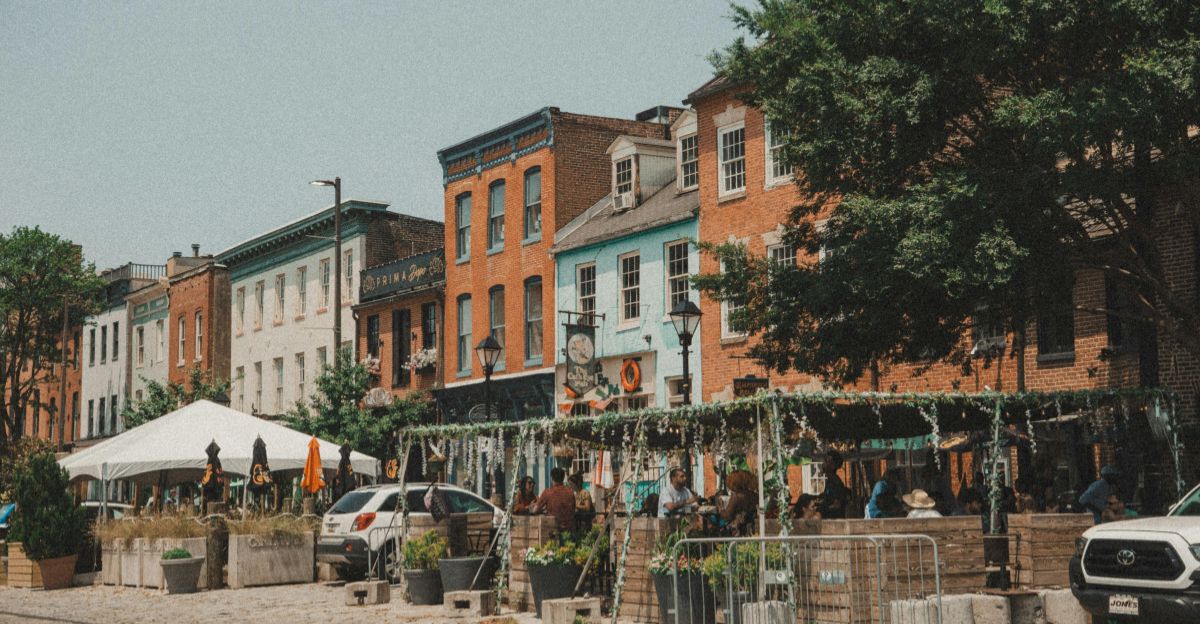
Baltimore is undergoing revitalization, but it still faces significant financial challenges. While crime has dropped, poverty remains a persistent issue.
With high utility costs, limited access to affordable credit, and rising rents, many residents are finding it harder to build wealth, even with stable jobs.
Why It’s Risky
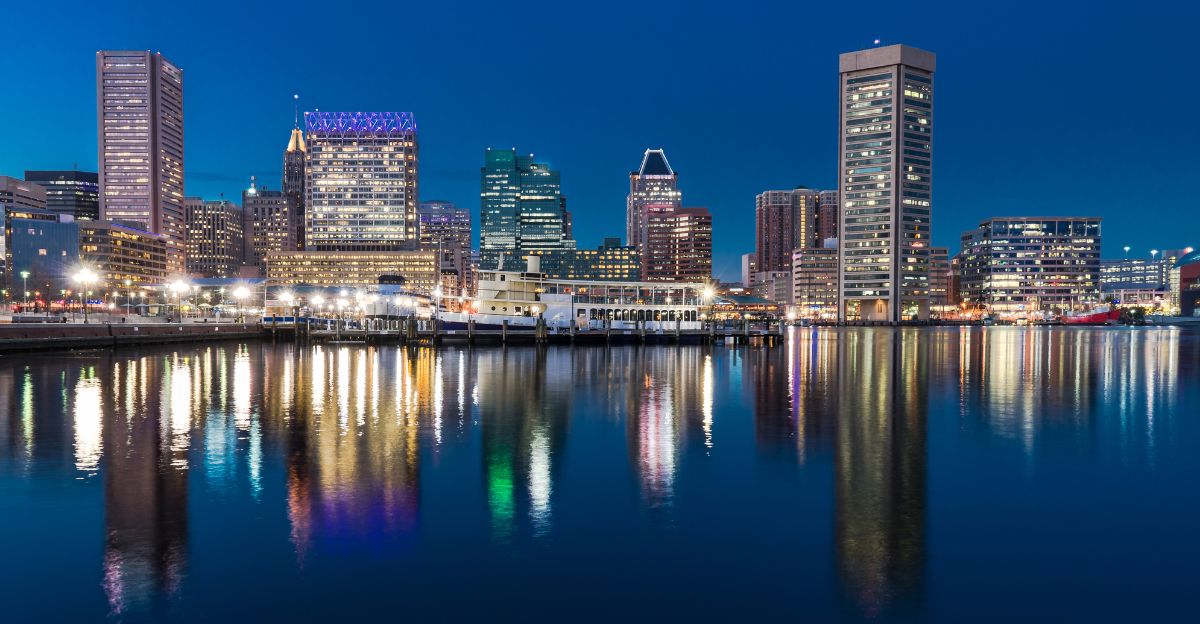
Baltimore’s poverty rate is 20%, and many residents are unbanked or underbanked. The cost of living is rising, and recent utility rate hikes have stretched budgets.
Even those with stable jobs find it difficult to save or invest for the future. Without major financial reforms, many Baltimore residents are stuck in financial limbo.
9. San Francisco, California
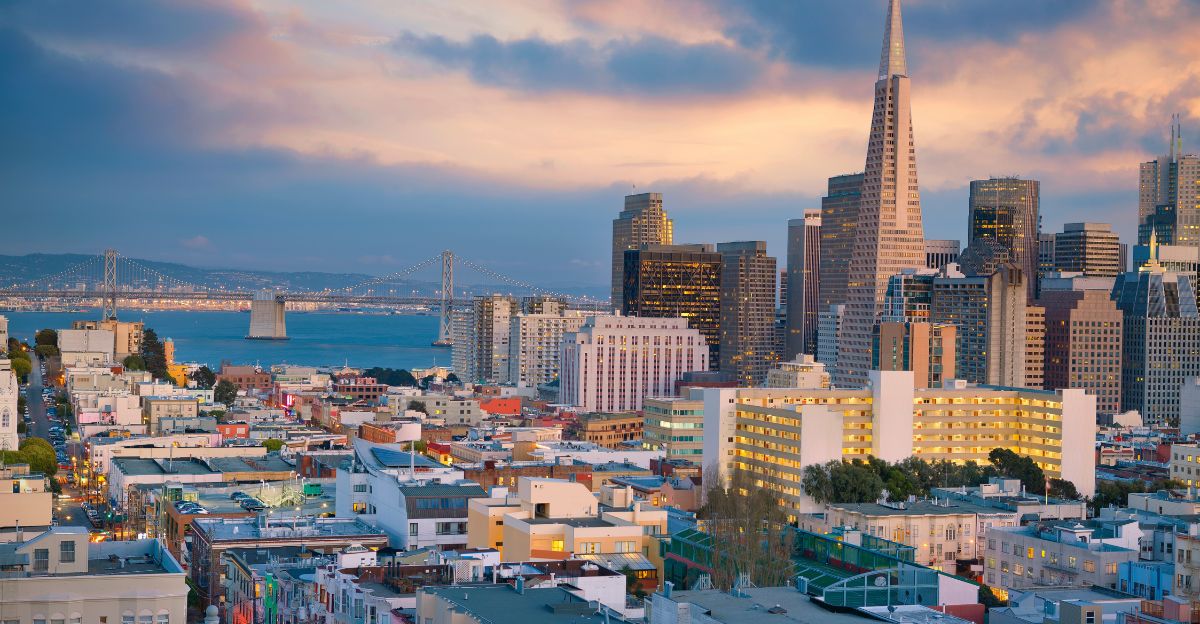
San Francisco is known for its tech wealth and innovation, but it also has one of the highest costs of living in the world.
Rent can exceed $3,000 per month, and even high earners often live paycheck to paycheck. Despite the city’s wealth, financial security remains elusive for many.
Why It’s Risky
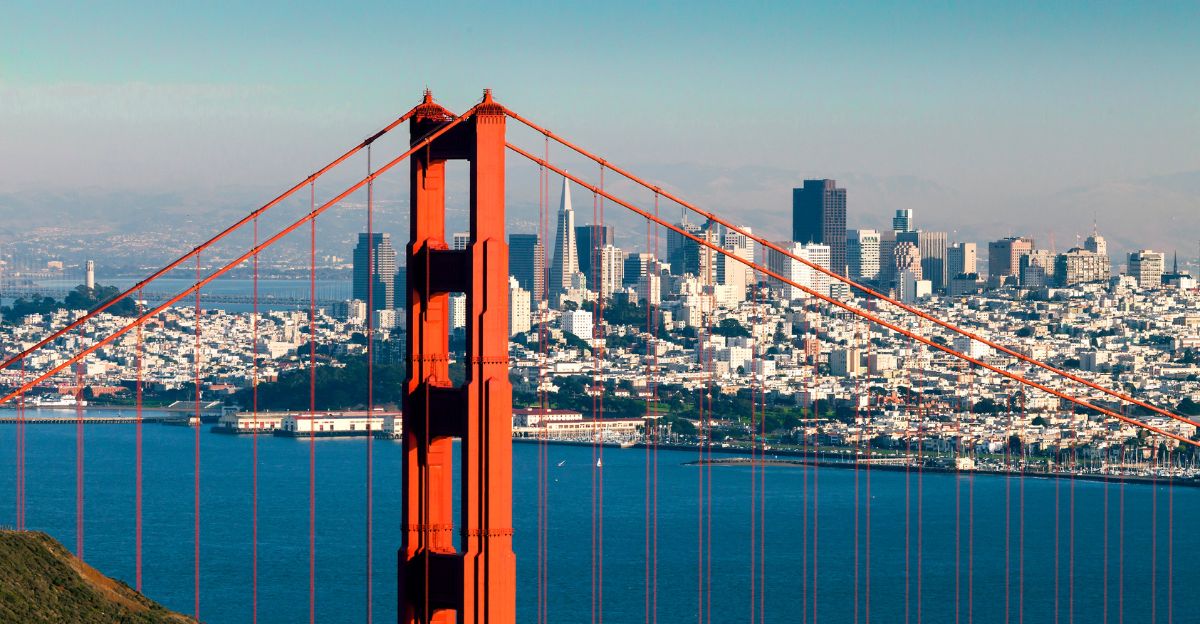
High salaries in San Francisco are often offset by exorbitant costs. Housing scarcity drives rent prices up, while taxes and transportation costs take a hefty chunk of income.
Even with a six-figure salary, many San Francisco residents struggle to keep up with living costs, making true financial security a rare achievement in the city.