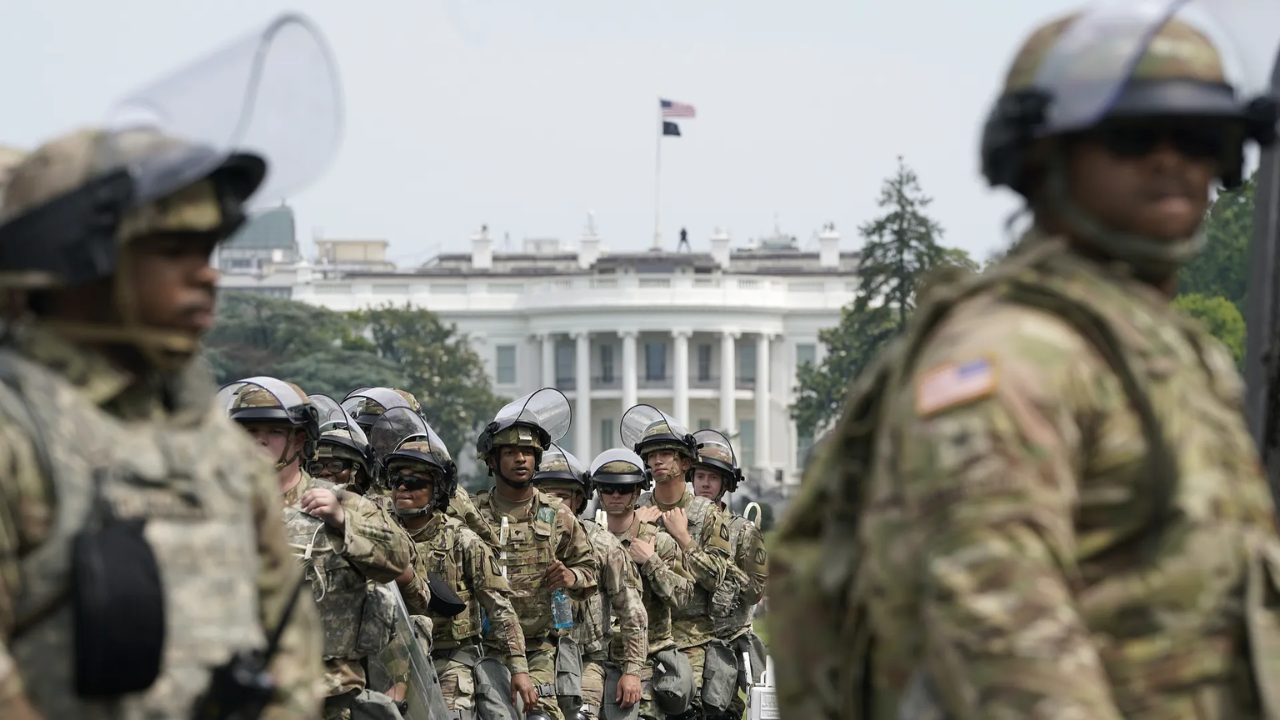
At dawn, as soldiers gather in formation, a new kind of uncertainty hangs in the air. Their paychecks have arrived—barely—thanks to an emergency diversion of $8 billion from Pentagon research funds. But with the government shutdown now stretching into its 26th day, the next payday is far from certain. In less than three weeks, 1.3 million U.S. service members could be asked to defend the nation without pay, a scenario unprecedented in modern American history.
A Historic Standoff
This shutdown, already among the longest in U.S. history, has pushed the military to the brink. Traditionally, Congress has passed stop-gap measures to ensure troops are paid, even during political deadlocks. This year, however, deep partisan divisions have blocked such action. Treasury Secretary Scott Bessent has issued a stark warning: without a funding bill, the government will be unable to meet the next military payroll by November 15. The Pentagon’s emergency funds are nearly depleted, and the prospect of troops working without compensation is now a real and immediate threat.
The situation has left military families in limbo. “We’re watching the news every hour,” says Staff Sergeant Maria Lopez, stationed at Fort Bragg. “If that paycheck doesn’t come, I don’t know how we’ll cover rent and groceries.” Her anxiety is echoed in commissaries and base housing across the country, where conversations have shifted from deployment schedules to contingency plans for missed bills.
Ripple Effects on Communities
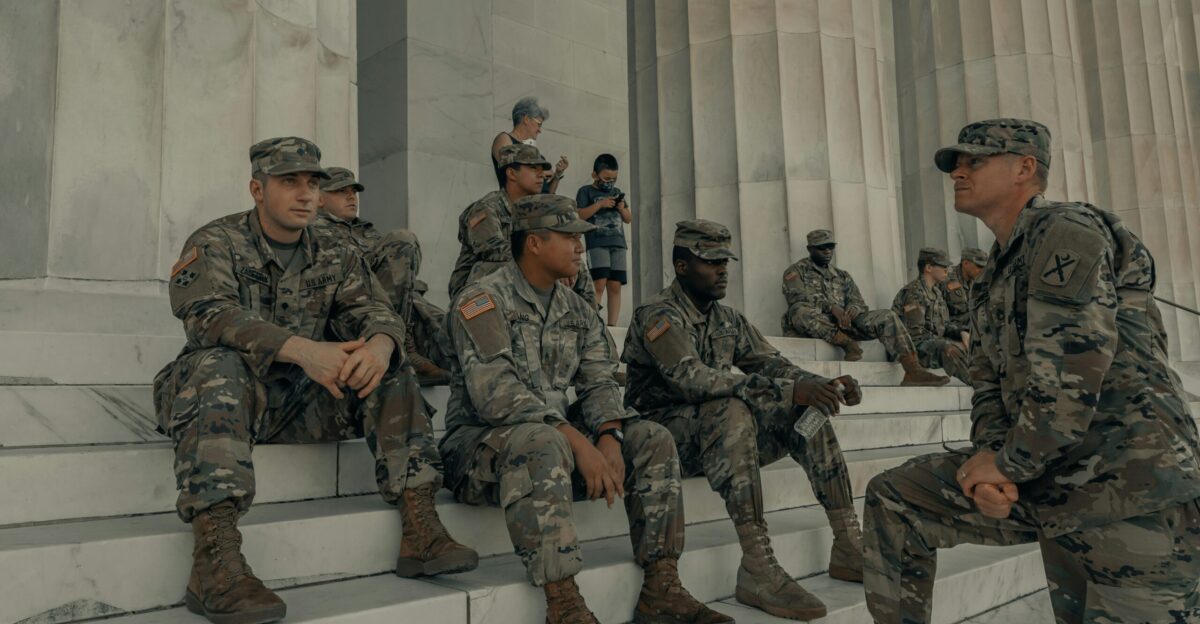
The impact of a missed military paycheck would extend far beyond the gates of U.S. bases. Cities like Norfolk, San Diego, and Fayetteville rely heavily on military spending to fuel their local economies. Restaurants, barbershops, and auto repair shops near bases are already reporting slower business as families tighten budgets. Food pantries from Virginia to Texas have seen an uptick in uniformed visitors, a sign of growing financial strain.
Overseas, the consequences are equally severe. Service members deployed abroad may struggle to support families back home, compounding the stress of separation. “If pay stops, it’s not just a Washington problem,” says Colonel James Whitaker, commander of a logistics unit in Germany. “It’s a global issue that affects readiness and morale everywhere we serve.”
The Pentagon’s decision to divert research funds to cover payroll has also come at a cost. Agencies like DARPA and the Office of Naval Research have been forced to delay projects in hypersonic propulsion, artificial intelligence, and cyber defense—technologies critical to maintaining the U.S. military’s edge. “Every dollar we move from research to payroll is a dollar not spent on the future security of our country,” notes Dr. Evelyn Carter, a defense analyst at the Center for Strategic Studies.
Personal Toll on Military Families

For many military families, the shutdown is more than a policy dispute—it’s a personal crisis. One mother, interviewed by C-SPAN, described her desperation: “I’m begging Congress to act. My husband is a combat veteran with PTSD, and his pay keeps our medically fragile children cared for.” Her plea is echoed by thousands of families who depend on steady pay to manage everything from medical bills to school supplies.
Commanders report rising frustration and anxiety among the ranks. “Our people are professionals—they’ll do their jobs regardless,” says Major General Thomas Reed, who oversees training at a major Army installation. “But the stress is real. Morale and retention are at risk when the government can’t guarantee pay.”
Global Perspective and Expert Insight
The U.S. is not alone in facing the challenges of political gridlock and its impact on military readiness. In 2019, a budget impasse in Belgium led to delayed pay for some service members, sparking protests and calls for reform. Similarly, Australia’s defense force has contingency plans to ensure pay continuity during government shutdowns, highlighting the importance of safeguarding military compensation even amid political turmoil.
Defense experts warn that the damage from repeated shutdowns goes beyond delayed paychecks. “Each crisis chips away at morale, readiness, and trust,” says David L. Norquist, former Pentagon comptroller. “There’s no way to make a shutdown easier. It’s not designed to be easy; it’s designed to be destructive.” His assessment is echoed by analysts who note that the long-term costs—lost talent, delayed innovation, and eroded public trust—are difficult to quantify but deeply consequential.
Uncertain Path Forward

As November 15 approaches, lawmakers are scrambling to find solutions. Proposals include retroactive pay guarantees, emergency appropriations, and measures to exempt defense payrolls from future shutdowns. Yet partisan distrust continues to stall progress. “Military families can’t remain hostages in budget battles,” says Lopez, the Fort Bragg staff sergeant. “We need certainty, not politics.”
The stakes are high. If the shutdown reaches 35 days, it will become the longest in U.S. history—and the first to leave active-duty troops unpaid in peacetime. For now, the countdown continues, and the nation waits to see whether its leaders will act to protect those who serve. The outcome will not only determine the financial security of military families but also test the resilience of the institutions that underpin national defense.