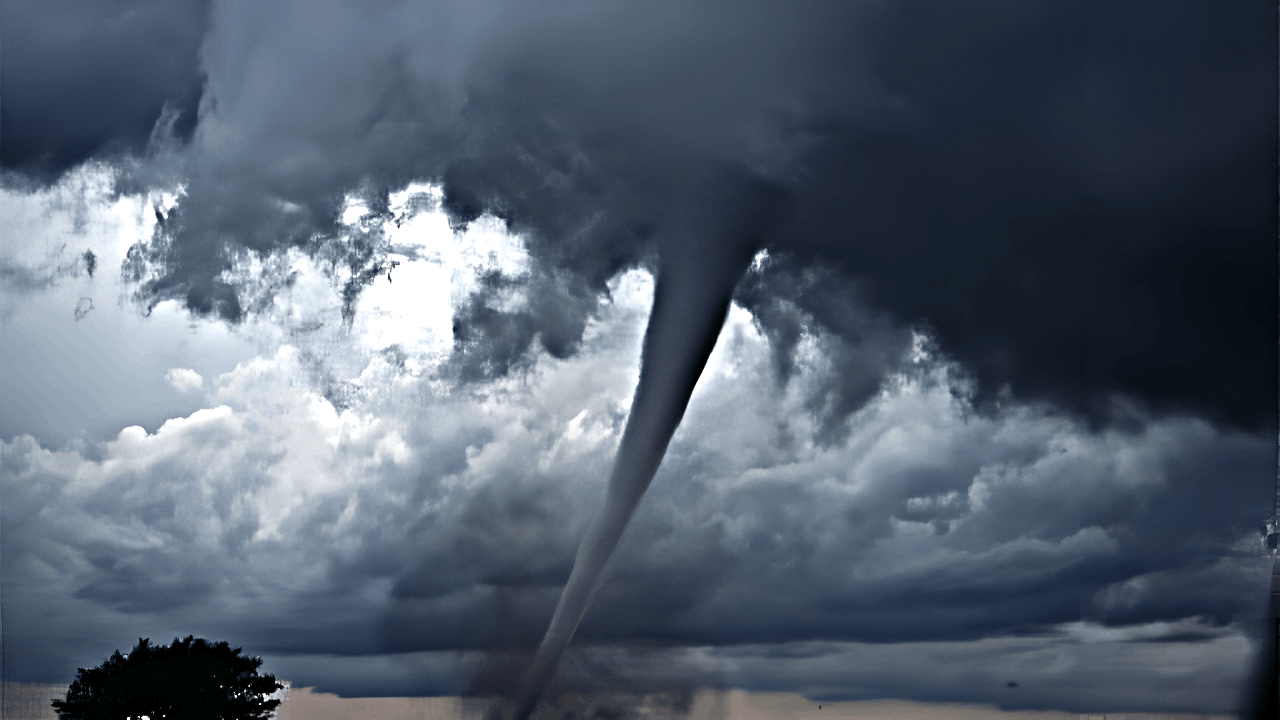
At 9:25 a.m. on October 26, 2025, the calm of a typical Sunday morning was shattered as tornadoes struck Pascagoula and Gautier, Mississippi. Power lines were ripped down, businesses demolished, and residents were thrown into chaos.
The storm system, moving swiftly across the Gulf Coast, created an eerie sense of urgency as it barreled through neighborhoods. What started as a localized event would soon turn into a multi-state disaster, leaving thousands in the path of its violent force.
But how did this sudden storm evolve into a deadly system that would continue its destruction across the East Coast? Keep reading to find out what happened next.
What Triggered the Tornado Outbreak
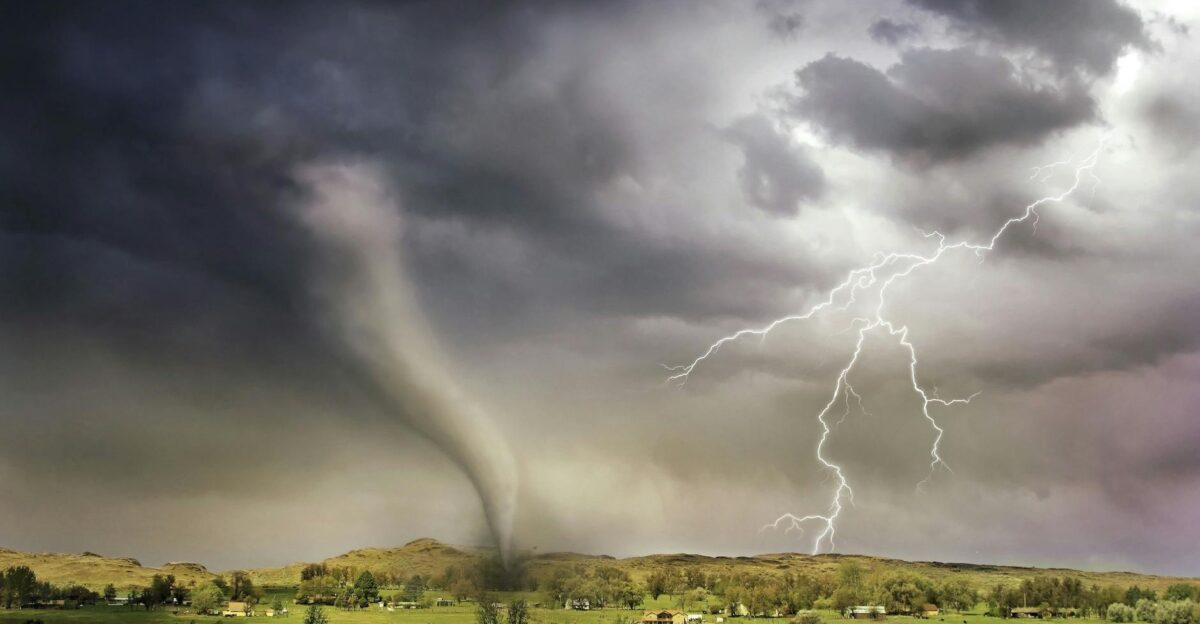
Meteorologists confirmed that a fast-moving cold front collided with warm, moist air from the Gulf of Mexico, triggering strong storms that spawned several tornadoes across Mississippi and Alabama.
The National Weather Service described the system as well-organized and capable of producing severe weather.
While tornadoes in late October are less common, they are not unprecedented in the Deep South, which experiences a secondary severe weather season during autumn.
Immediate Impact: Power Outages and Chaos
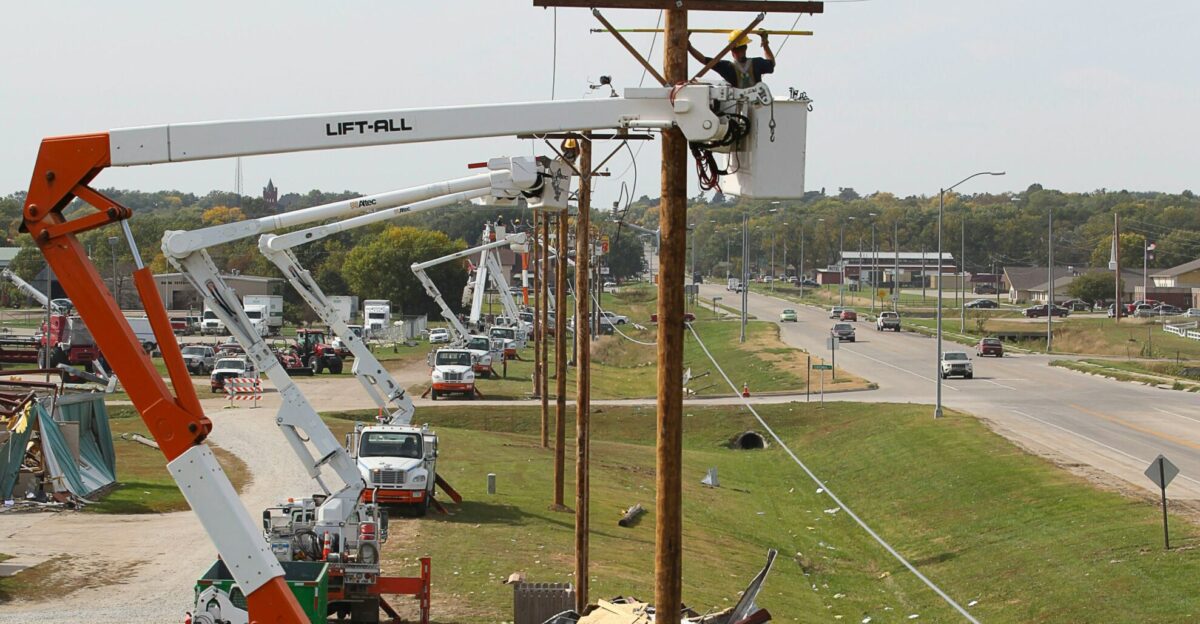
More than 2,000 Jackson County, Mississippi, residents lost power after tornadoes downed trees and electrical lines early Sunday. Emergency crews responded quickly to restore power and assist in the affected areas.
Families faced temporary blackouts, and officials opened shelters to provide relief and safety. The storm’s sudden intensity caused localized damage and disruption, prompting the community to rally together during the first phases of cleanup and recovery efforts.
Business Damage and Recovery Efforts
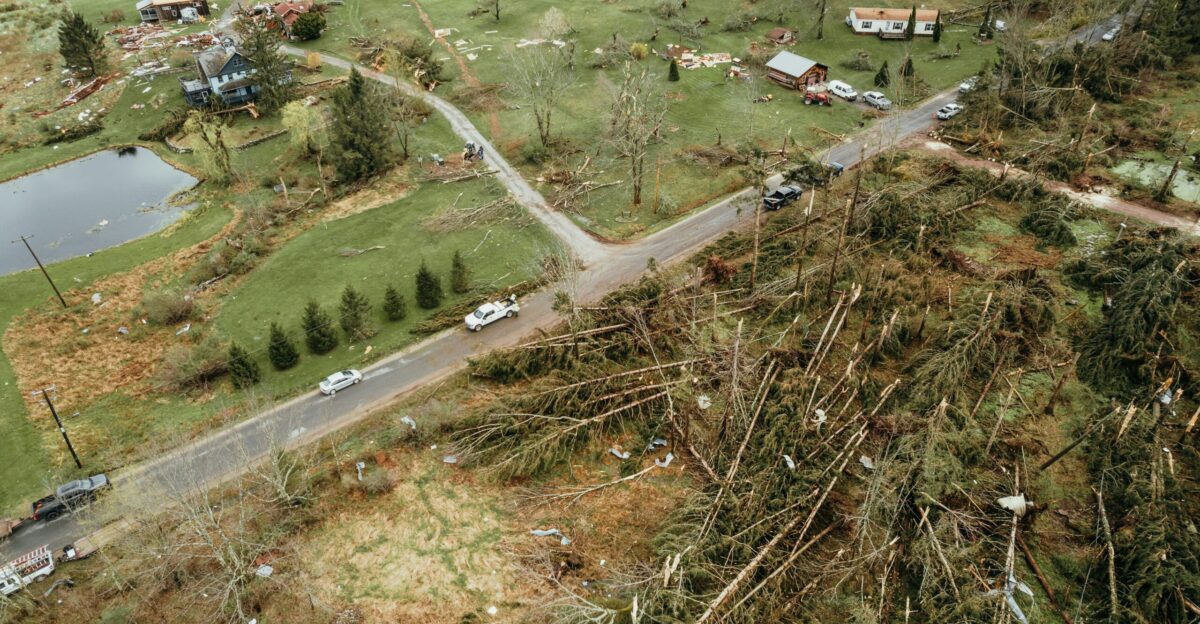
Businesses in Gautier, Mississippi, including Aztecas Restaurant & Cantina, sustained roof and vehicle damage during the tornado outbreak.
Owners began assessing losses as city officials offered support for temporary repairs and insurance coordination. Mayor Casey Vaughan commended residents for their resilience and cooperation in the recovery process.
Cleanup teams and volunteers initiated early restoration efforts to stabilize power, reopen roads, and ensure public safety in the damaged areas.
Insurance Claims and Construction Activity
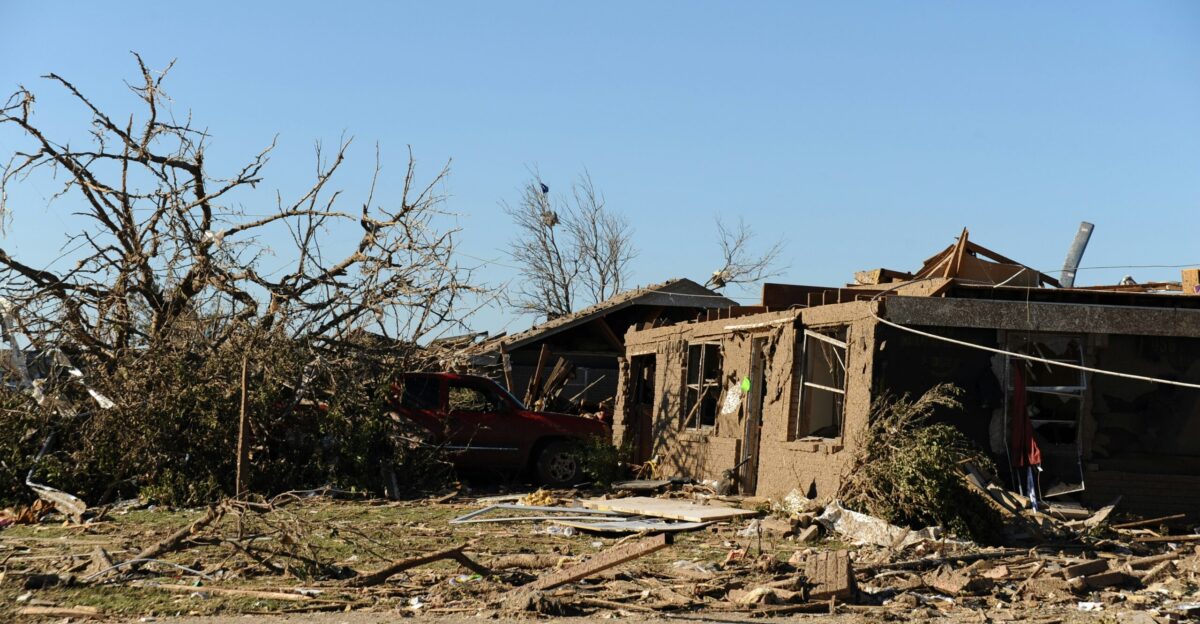
Following the tornadoes, insurance agents received a surge of claims from homeowners and businesses reporting damage to their roofs and structures.
Construction and roofing crews were mobilized to address urgent repairs as communities began rebuilding.
While this demand created a temporary rise in local contracting activity, economists noted the effect was limited to directly impacted areas. The recovery underscored both the economic cost and quick response typical of post-disaster rebuilding efforts.
East Coast Braces: Halloween Storm Threat Looms

As the storm system tracked eastward, meteorologists warned that it could bring heavy rain and wind to parts of the East Coast by October 30–31.
Officials advised residents from the Carolinas through the Northeast to monitor weather alerts and prepare for potential travel delays over Halloween weekend.
While the forecast did not confirm a repeat tornado outbreak, the system remained capable of producing localized severe weather.
Local Leaders and Volunteers Respond
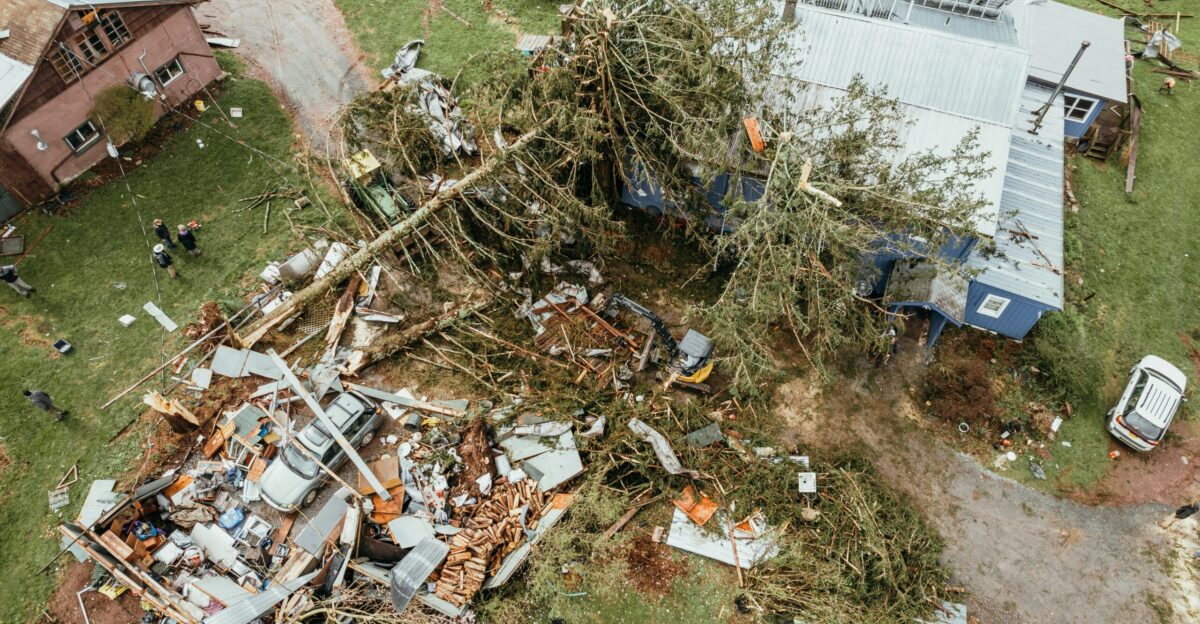
Mayor Casey Vaughan praised the residents of Gautier for their resilience and teamwork during the recovery efforts.
Volunteers, emergency agencies, and faith-based groups collaborated to distribute supplies, clear debris, and assist displaced families. Local police and fire departments worked around the clock to ensure public safety in areas affected by the storm.
The unified response showcased the community’s ability to adapt quickly and maintain morale despite extensive storm-related challenges.
Warnings, Surveys, and Damage Assessments

At 9:20 a.m., the National Weather Service issued a tornado warning for southern Mississippi as radar indicated rotation in the storm system. Emergency protocols were activated immediately, and residents were urged to take shelter.
Within hours, assessment teams began surveying affected neighborhoods to estimate damage and assist state agencies with recovery coordination. Early action by local officials helped limit casualties and expedite cleanup operations.
Repair Costs and Regional Strain
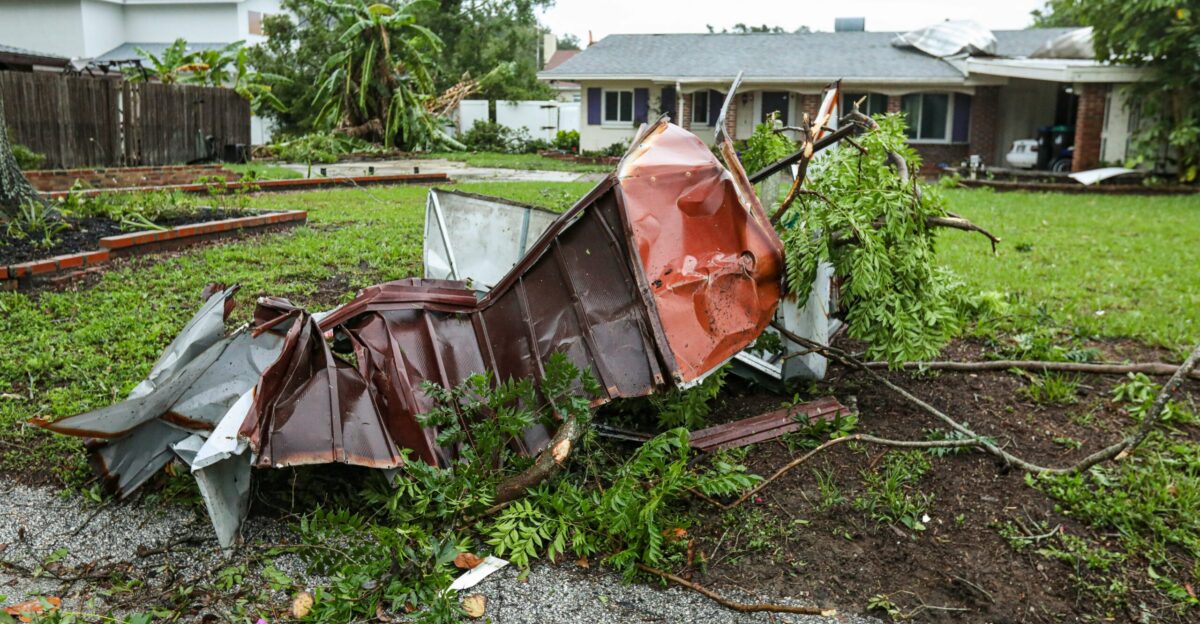
The tornadoes caused measurable financial strain on local businesses and households, with repair costs and supply shortages creating additional pressure.
Insurance payouts and reconstruction contributed to a short-term boost in specific sectors, but broader economic disruptions were largely confined.
Officials estimated cleanup and rebuilding efforts would continue for weeks, underscoring the economic vulnerability of smaller Gulf communities to severe weather.
Shifting Halloween Plans: Safety Over Celebration

With forecasts predicting more storms through Halloween, many families and event organizers postponed or relocated festivities indoors.
Schools and community groups prioritized safety while maintaining alternative holiday activities. Weather officials advised residents to keep updated on local warnings and avoid outdoor gatherings during severe conditions.
These safety adjustments affected local vendors and small businesses that typically rely on seasonal Halloween revenue.
Late-Season Tornadoes and Trends
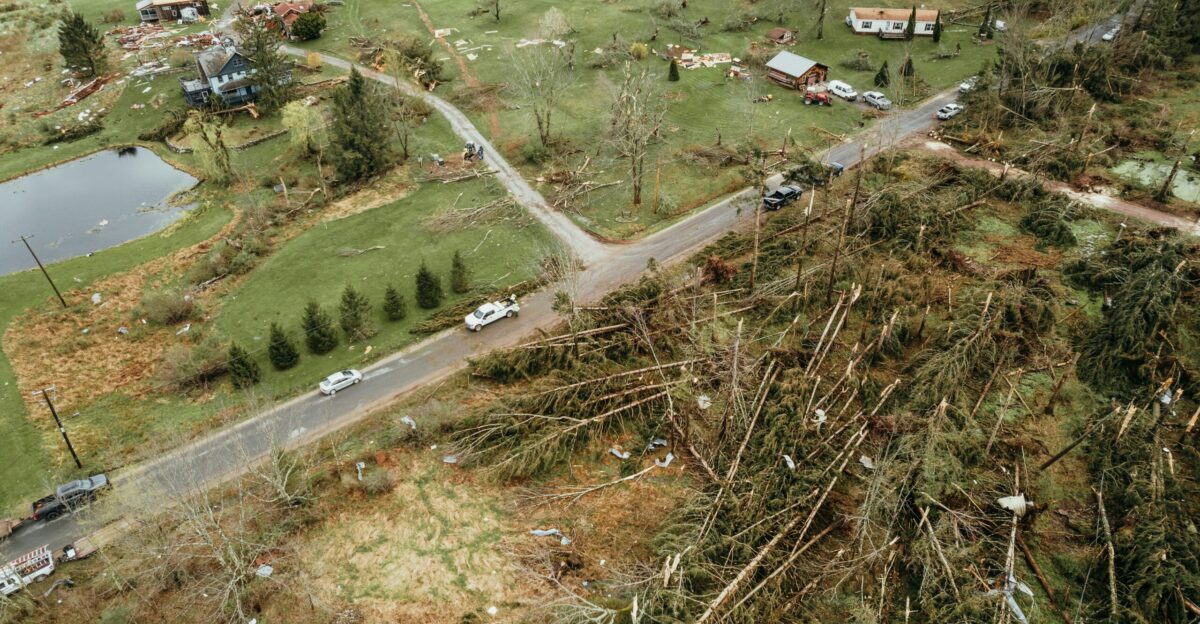
The timing of the late-October tornadoes renewed discussion among meteorologists about changing weather patterns in the Deep South.
While experts cautioned against directly linking one event to climate change, they observed an increasing variability in seasonal storm activity.
Research continues into how warmer Gulf temperatures may influence future storm intensity and timing across the region. The event reinforced interest in improved forecasting and preparedness modeling.
U.S. Storms at the Forefront
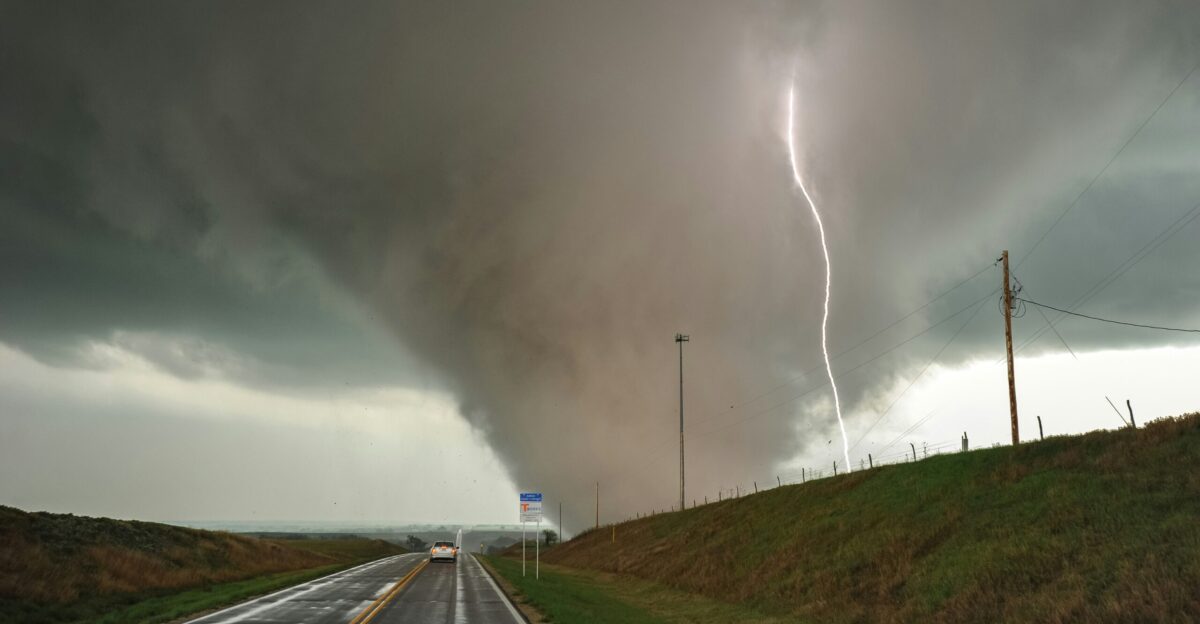
Regional and national outlets closely tracked coverage of the tornadoes and their aftermath, detailing the swift community response and the storm system’s projected eastward movement.
Broadcasts highlighted ongoing emergency coordination, with meteorologists offering guidance on household preparedness and travel advisories.
The event also reinvigorated discussions about infrastructure resilience and response planning amid increasingly variable weather across the United States.
Short-Term Losses and Recovery Strategies
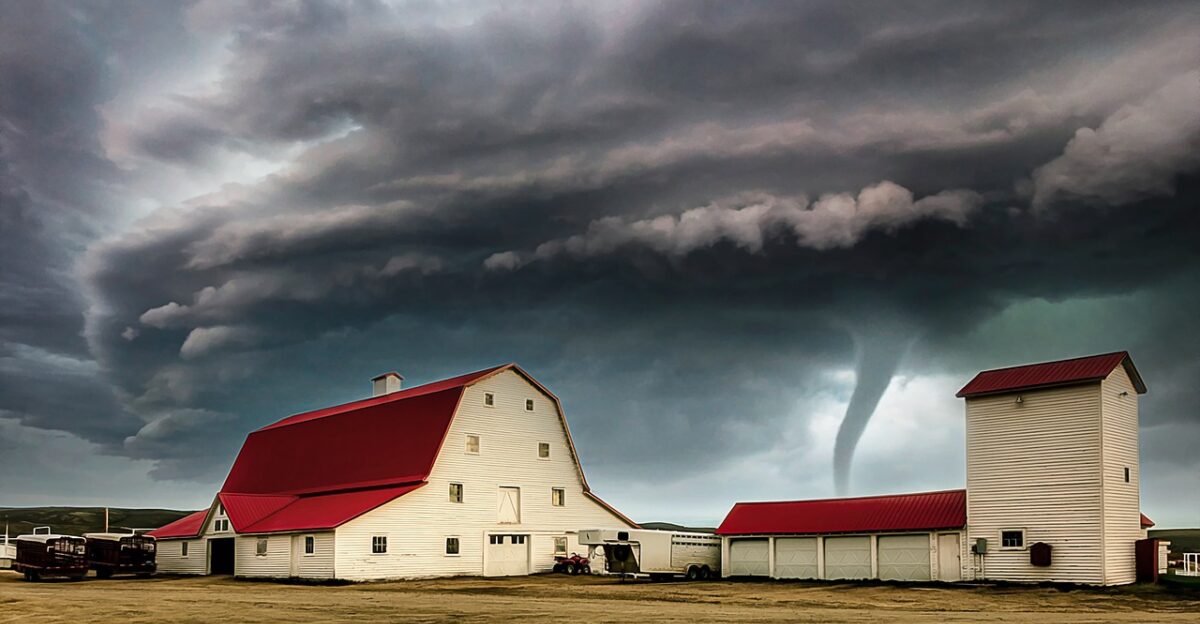
The insurance and construction sectors experienced a sharp but temporary rise in demand following the tornadoes, while hospitality and tourism faced cancellations and financial losses. Business owners revised their operational plans to accommodate repairs and staff shortages.
Economic analysts expect most affected industries to recover within months, supported by regional assistance programs and local rebuilding initiatives focused on faster community restoration.
Financial Markets: Watching for Volatility
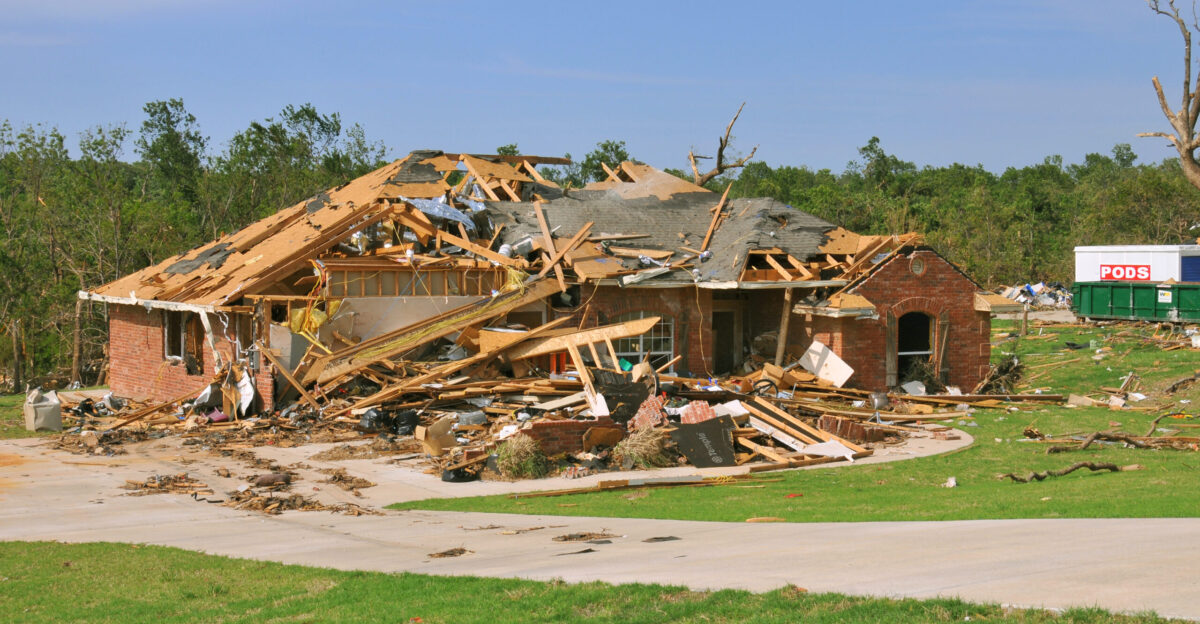
Financial analysts monitored construction and insurance companies for short-term volatility as investors reacted to potential regional losses.
Early estimates suggested contained financial exposure, with most claims limited to local markets. Consumers were advised to review policies, monitor insurance communications, and maintain emergency funds.
Market observers noted that events like these reinforce the importance of regional preparedness in mitigating long-term economic impact.
Preparing for the East Coast Storm
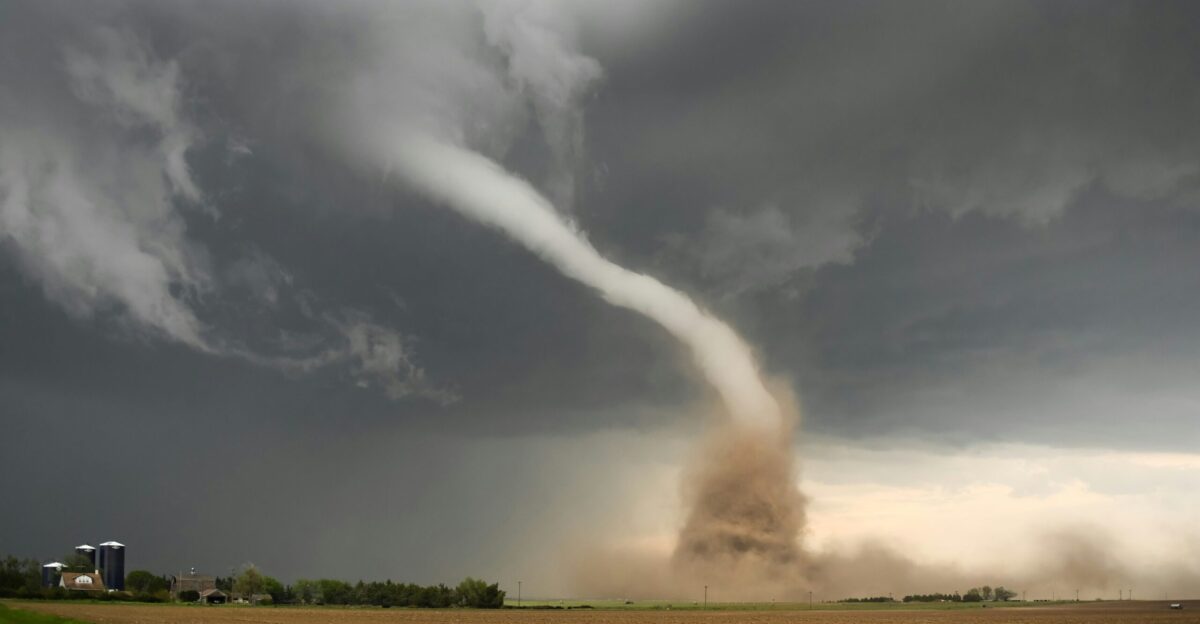
As the storm system approached the East Coast, meteorologists urged residents to remain alert, particularly in low-lying or flood-prone areas.
Emergency management offices advised securing outdoor items and preparing for potential power interruptions.
The Deep South’s experience served as a timely reminder of how quickly weather conditions can change and how coordination between agencies helps minimize the impact of severe storms.