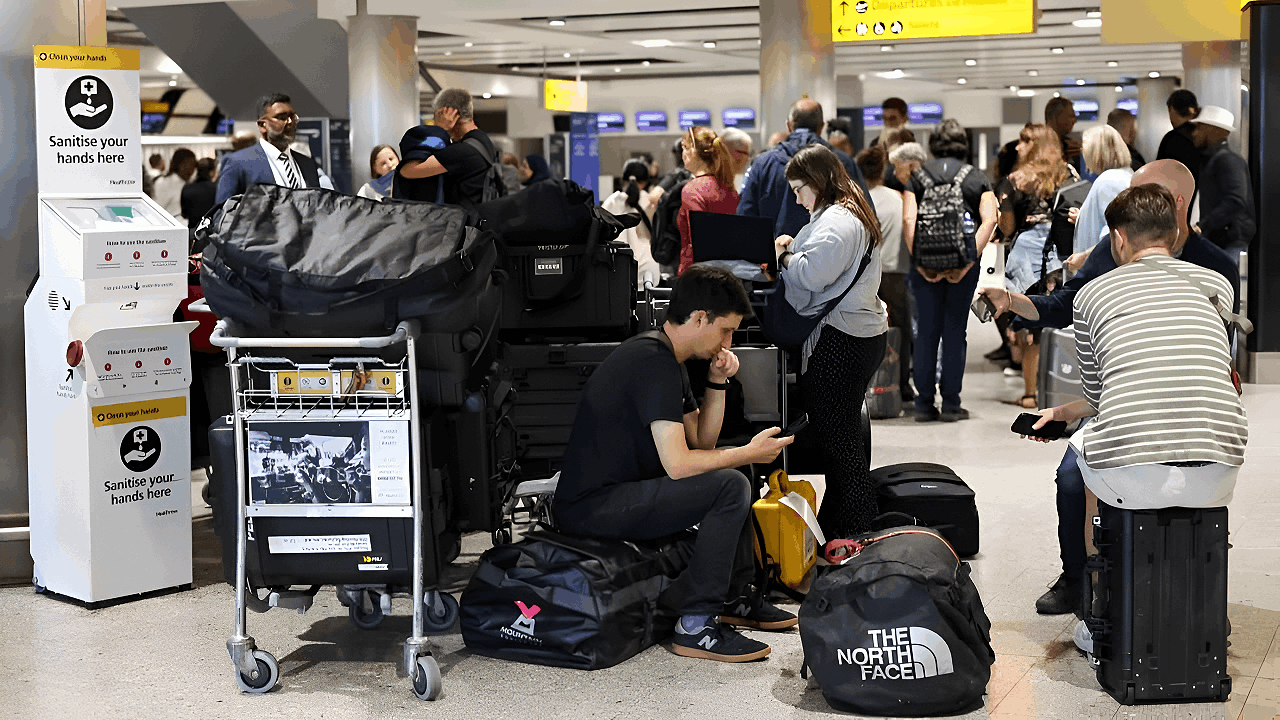
Air traffic controller shortages led to a significant increase in U.S. flight delays by late October 2025, with more than half of all flights running late on some days—far exceeding the usual 5% delay rate.
The reason: the government shutdown stretched into its fourth week, and air traffic controllers began missing their paychecks.
Since October began, there have been 264 reported staffing shortages—four times as many as last year. With no pay, controllers worked long shifts, and some took on second jobs to make ends meet.
System Strain
Staffing reached a “critical tipping point,” with 22 FAA “staffing triggers” recorded—a record for the shutdown.
This means too few controllers were available at key FAA sites, from control towers to major airspace centers.
By Sunday, six big U.S. airports faced delayed operations. The shortage quickly rippled across the country, stranding thousands and causing delays at many connecting hubs.
Historical Parallel
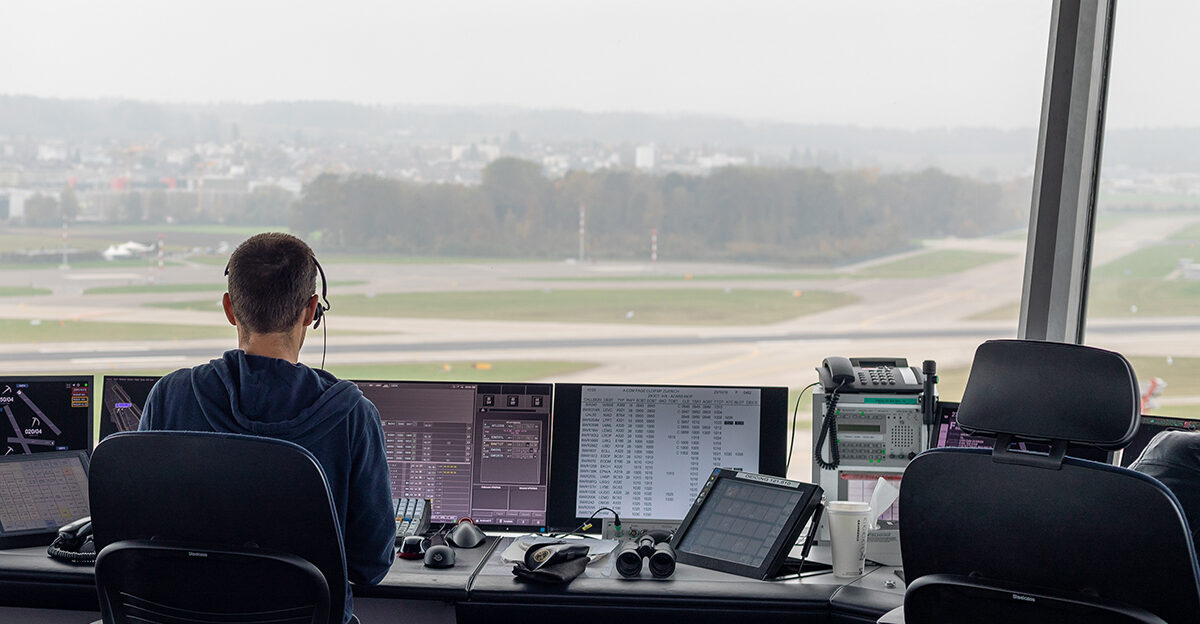
The last major crisis of this kind occurred in 2019, when just ten sick air traffic controllers led to the shutdown of New York’s LaGuardia and massive delays in other cities.
That day, the president quickly ended the shutdown after just a few hours of chaos.
In 2025, the situation looked even worse, as controllers had already gone 26 days without full pay, and missing paychecks became a reality on October 28.
Essential, Unpaid
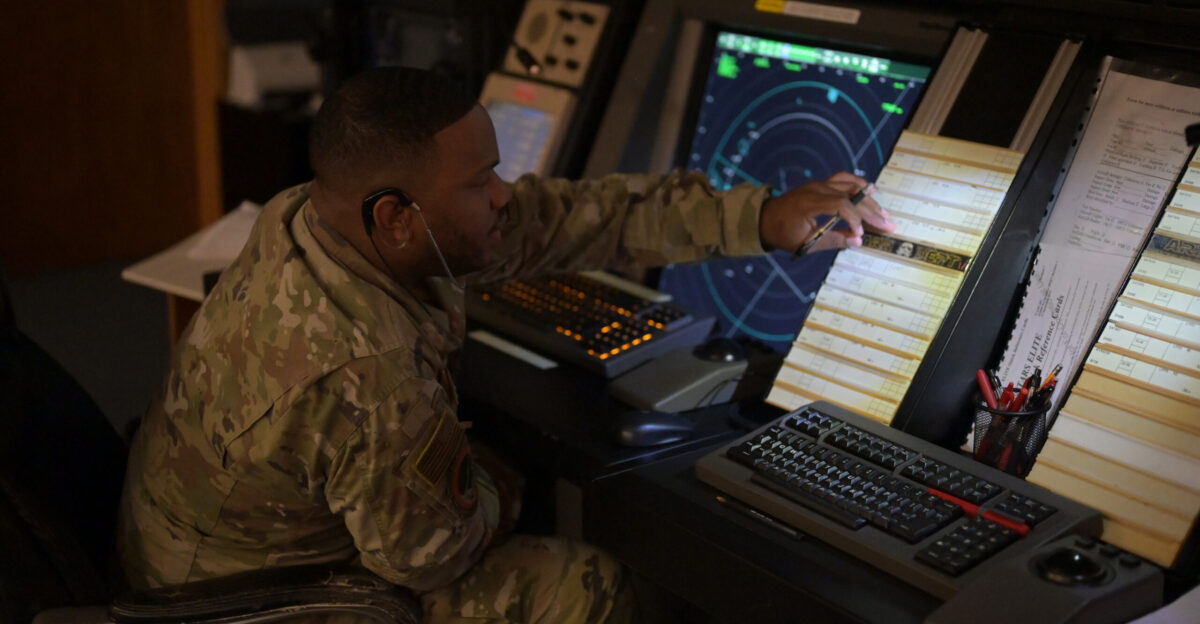
Government officials classify air traffic controllers as “essential,” so they direct controllers to keep performing their jobs through shutdowns, even when they are not being paid.
By law, they can’t strike. Air traffic controllers received a partial paycheck for their first two weeks of work after the shutdown began.
However, at the end of October, many received a $0 check for two weeks of duty and will only be paid after Congress resolves the shutdown.
LAX Halted
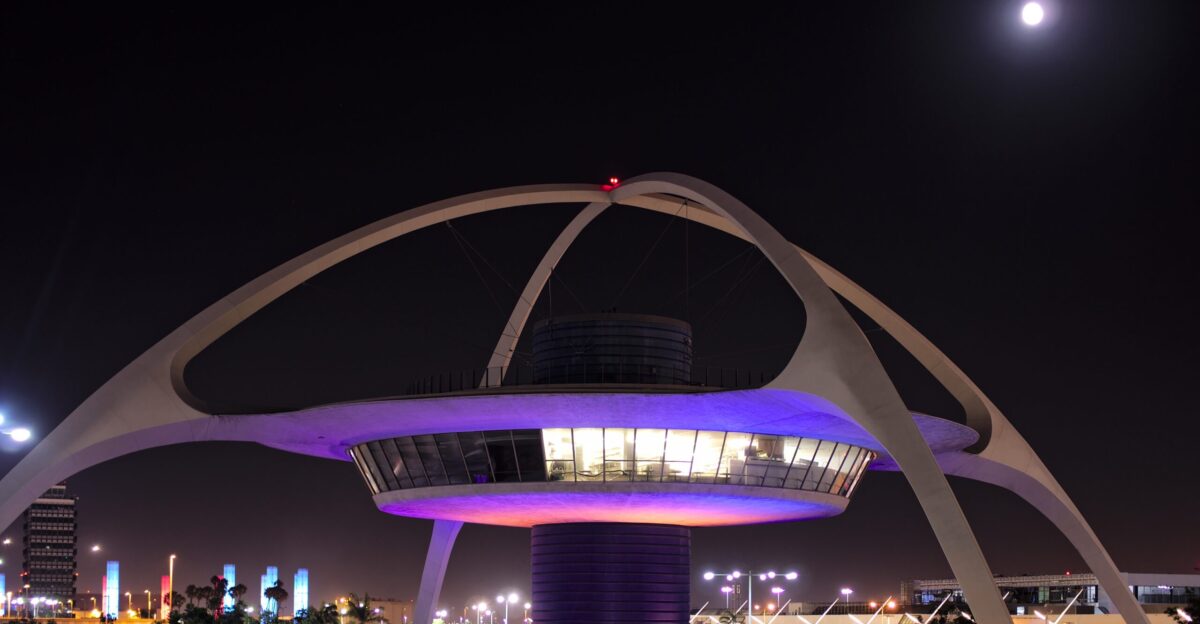
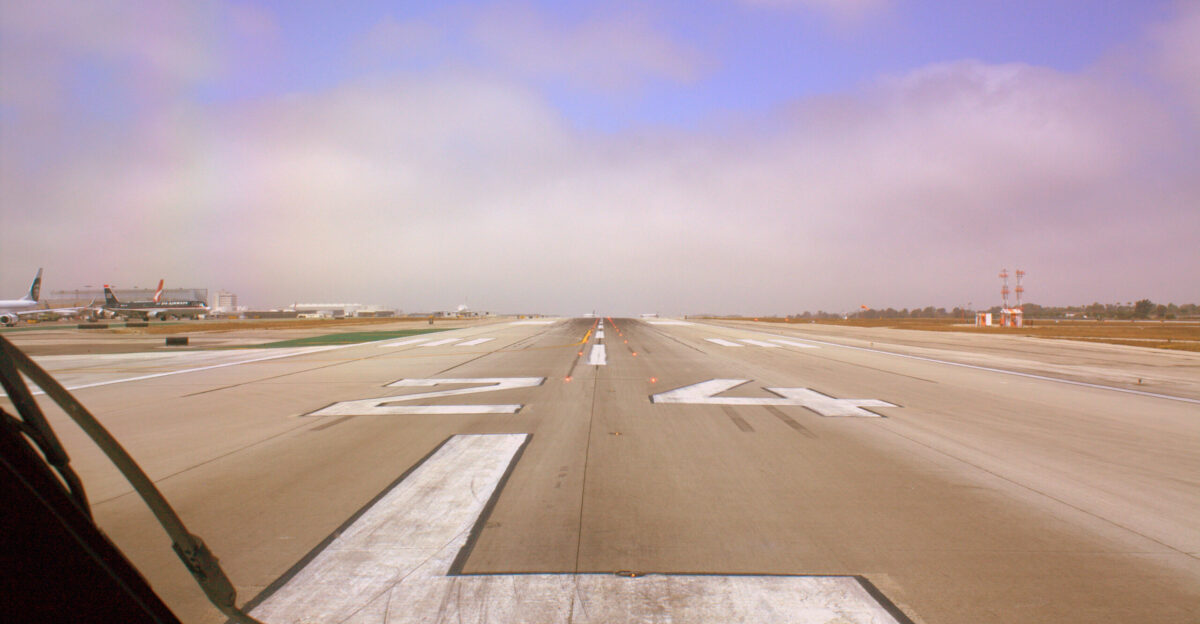
At 11:42 a.m. Eastern on October 26, the Federal Aviation Administration ordered all incoming flights bound for Los Angeles International Airport to hold at their origin, imposing a ground stop due to staffing shortages.
There weren’t enough controllers to manage the busy airspace. LAX was shut for nearly two hours, causing more than 900 minutes in total flight delays and forcing airlines to scramble nationwide.
Oakland airports saw similar delays due to the same controller shortages.
Ripple Effects
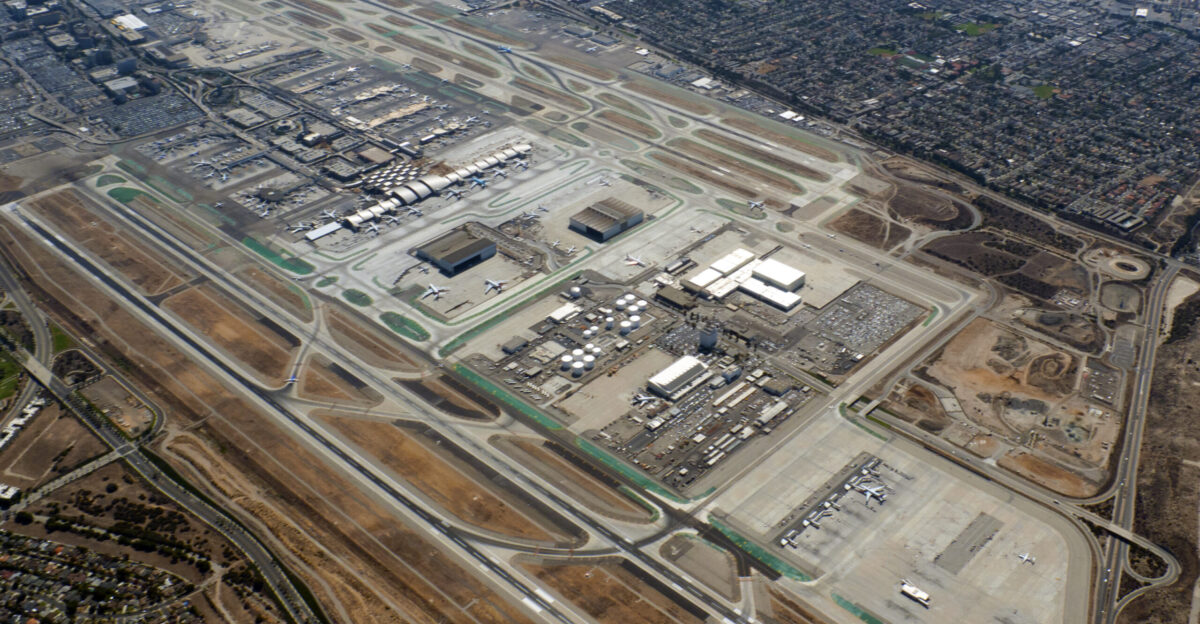
Shortages spread to major airports across the country. Newark, New Jersey, had long delays and ground stops.
The same happened at Reagan National (D.C.), San Francisco, Austin, Burbank, and Chicago O’Hare.
In each case, the shortage of controllers led to hours of delays and sometimes full closures for parts of the day, affecting both passengers and airline schedules.
Human Toll
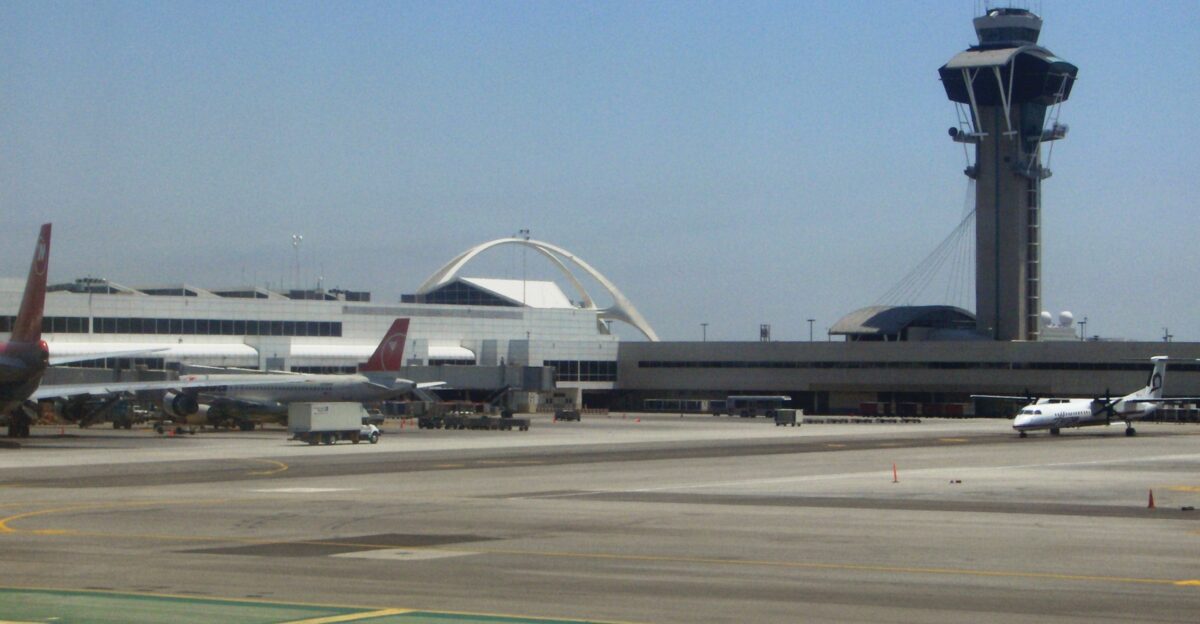
Some controllers, unable to pay their bills, took out personal loans, drove for ride-sharing services, or picked up food delivery jobs after working demanding shifts.
Union reps described how even basic bills became impossible to pay. In places like Newark, food banks opened to feed hundreds of federal employees.
Airline unions delivered food to control towers. The stress on families was sharp and widespread.
Industry Response
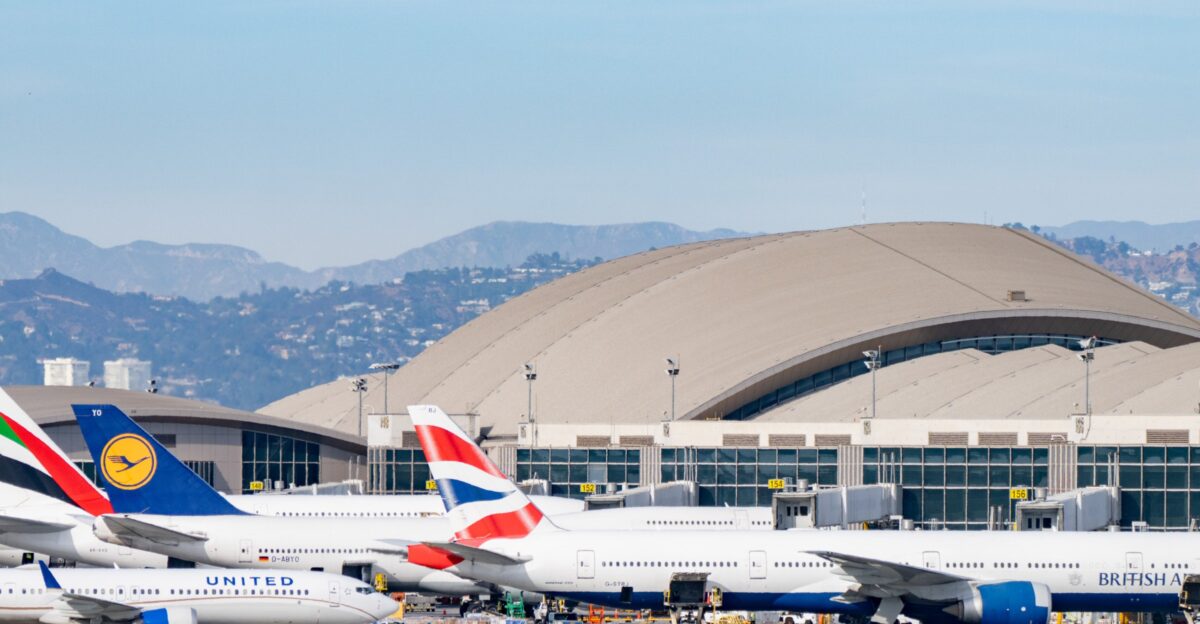
Airline and pilot unions stepped up, delivering meals and essentials to unpaid controllers and other essential airport workers.
Flight attendant unions and international air traffic control groups also sent their support.
Airports themselves opened food pantries for affected staff, but resources quickly ran out.
Transportation officials admitted airlines shouldn’t have to feed workers, but some workers had almost no other means of support during the shutdown.
Chronic Understaffing
Even before the shutdown, the FAA was 3,500 controllers short of its staffing goals.
That left about one in four shifts below safe staffing levels, with 41% of controllers already forced into 60-hour workweeks, under such heavy and constant pressure that controller concentration and performance dropped—especially without enough breaks.
The job is so demanding that replacing or training new staff takes years, not weeks.
Academy Exodus
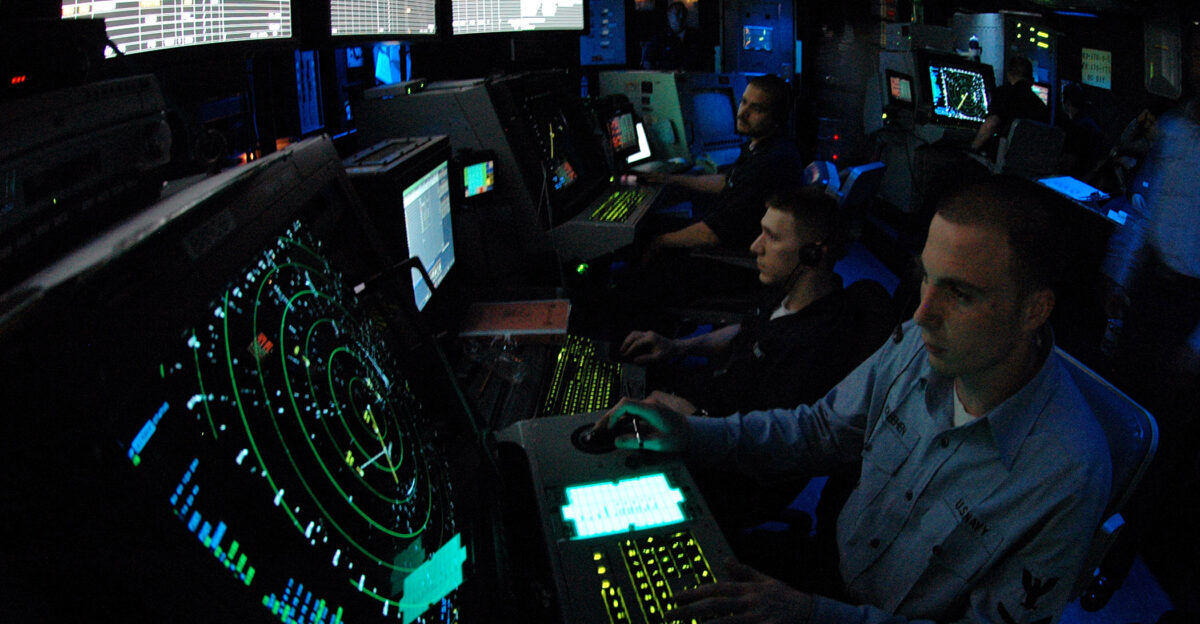
The controller shortage is worsening as more students now leave or refuse to attend the FAA’s only air traffic controller training center, fearing they will take jobs where pay remains uncertain.
The training center itself may run out of funds during the government stalemate.
The FAA assigns new air traffic controller graduates to positions across the country and requires them to relocate, even when the agency cannot guarantee that they will be paid upon arrival.
Safety Warnings
Union leaders warned that stress and financial hardship hurt safety. With each shutdown day, more controllers felt distracted or even physically ill at work.
At some sites, managers and controllers needed time off for health reasons—including heart palpitations and intense stress reactions.
Aviation officials said it’s becoming harder for workers to “maintain full concentration,” which could eventually compromise flight safety.
Political Deadlock
Politicians disagreed on who was to blame. House Republicans said they’d offered a “responsible” funding deal, blaming Democrats for holding up paychecks.
Democrats accused President Trump of refusing to negotiate on contested spending.
With no immediate solution in sight, the White House explored possible emergency funding, but the future remained unclear—and essential workers continued to go unpaid.
Duffy’s Mixed Message
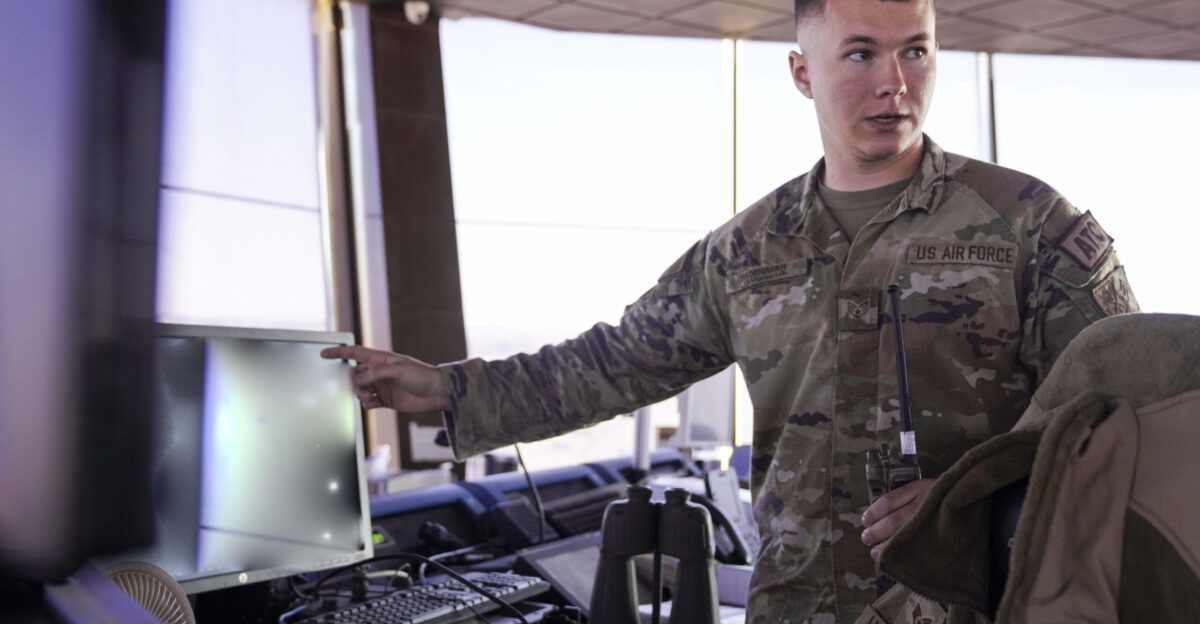
The Transportation Secretary publicly told controllers they shouldn’t take a second job, stating that the nation needs their “full attention” at work.
But he also admitted workers were facing impossible personal choices: pay bills or do their jobs.
At the same time, he threatened action against those calling in sick, confusing, and leaving workers feeling caught between financial ruin and professional expectations.
No Quick Fix
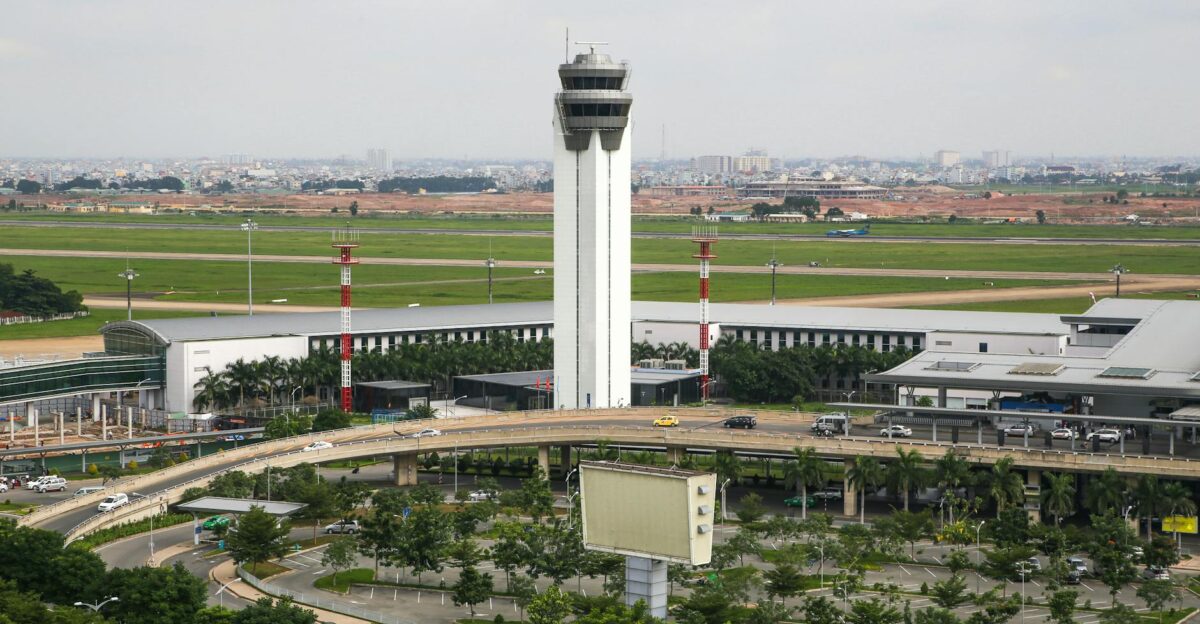
Experts say the aviation system is not yet unsafe, but it’s becoming severely strained. Only a few thousand controllers manage all daily U.S. air traffic.
A small number of people calling in sick or skipping a shift can quickly create massive delays.
More pay gaps or missed checks will likely exacerbate the situation much faster if the shutdown doesn’t end soon.
Breaking Point
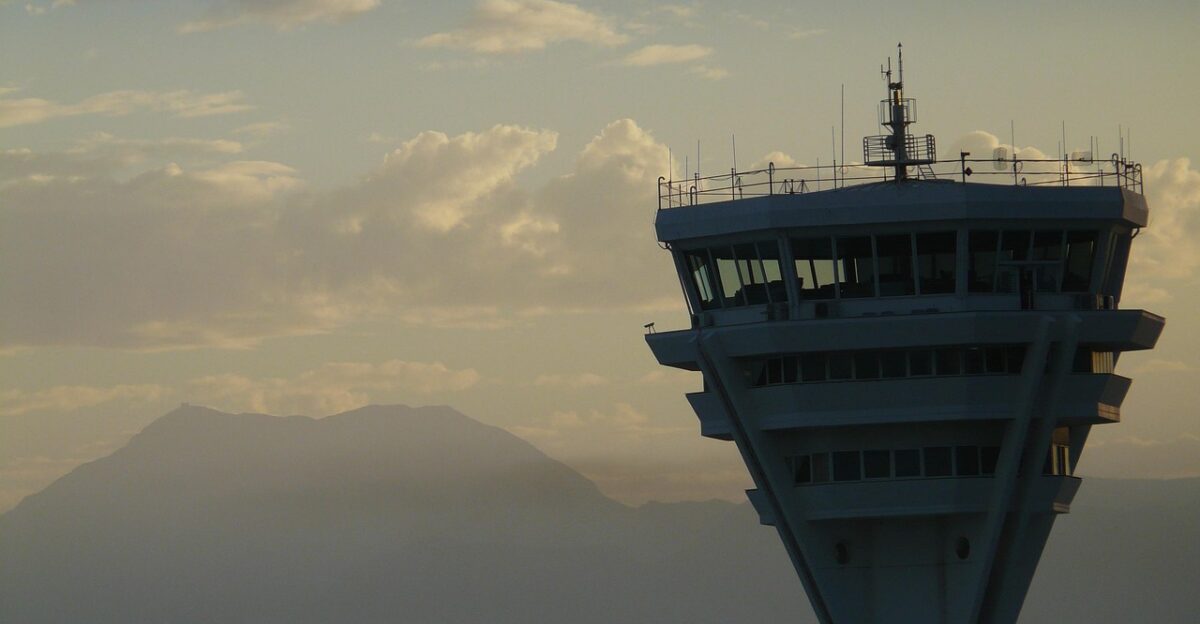
With the shutdown dragging into late October, the entire air system stood on the edge of collapse. In 2019, a similar episode ended the government closure in hours.
This time, the ranks of controllers are thinner, and political gridlock is deeper.
Passengers, airlines, and workers are waiting to see how long the system can last before total gridlock or public outcry finally forces a solution.