
In the predawn dark of September 7, 2025, three flashes split the sky above occupied Luhansk—then silence. When the smoke cleared, the “eyes” of a Russian Buk radar and its missile battery were gone.
Ukraine’s Omega Special Operations unit, working with Defence Intelligence, had just erased a cornerstone of Russia’s air shield. It was more than a strike; it was proof that even the most guarded weapons can be found, fixed, and finished.
A Coordinated Strike With Surgical Precision
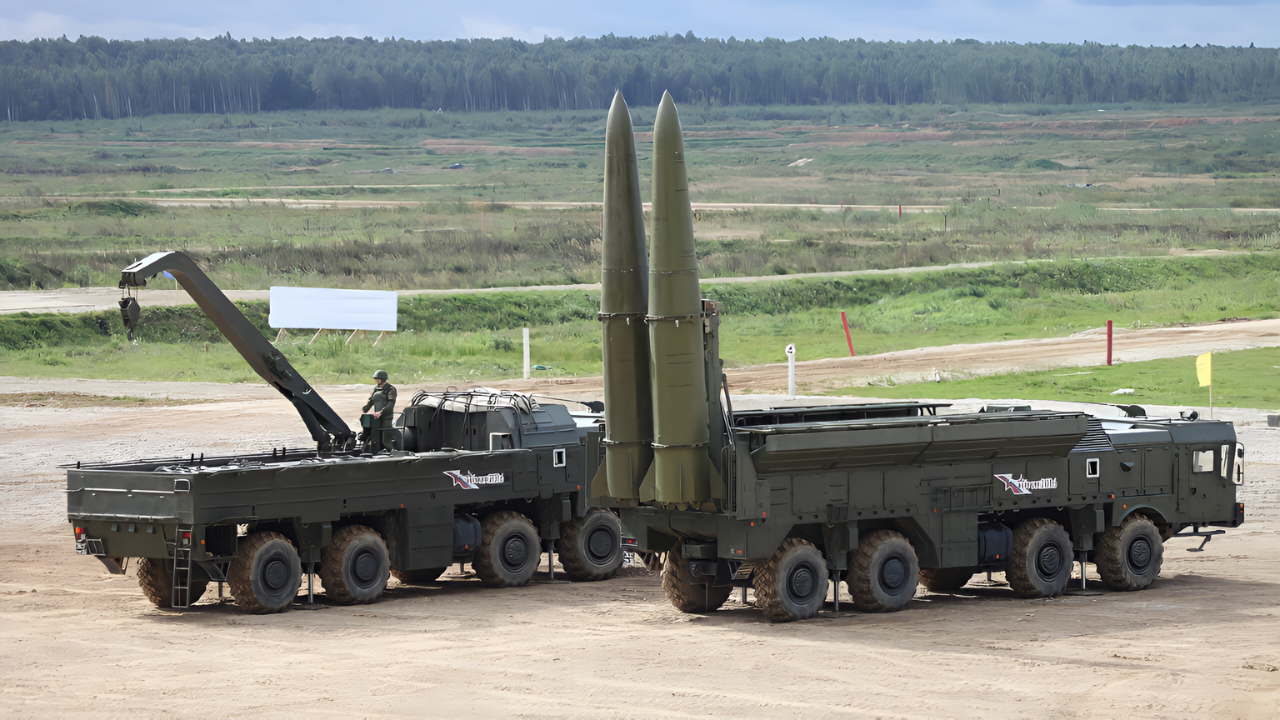
The operation, carried out by Ukraine’s Omega Special Purpose Center with the Main Directorate of Intelligence (GUR), destroyed three assets near Luhansk: a 9S18 Kupol radar, a Buk surface-to-air missile system, and a 9K37 launcher-loader vehicle.
Each piece played a critical role in Russia’s integrated air-defence network. Striking all three at once wasn’t luck—it was methodical planning, executed with near-perfect timing and real-time intelligence.
When the Eyes Go Dark
The 9S18 Kupol radar is the Buk’s target-acquisition system—its “eyes.” With an instrumented detection range of roughly 120 kilometres, it scans the skies for incoming threats. Its destruction effectively blinded a chunk of Russian airspace spanning about 45,000 square kilometres, about the size of Vermont and New Hampshire combined.
Without that radar, the Buk loses its reach, its reflexes, and much of its ability to protect Russian positions in eastern Ukraine.
The Buk’s Reach and the Sting of Losing It
Depending on the variant, the Buk can engage targets up to 50 kilometres away and at altitudes exceeding 24,000 metres. Losing a single launcher and its paired loader means an immediate loss of 12 interceptor missiles—enough to blunt a medium-sized drone or missile swarm.
For Ukraine, that’s one less threat in the skies. For Russia, it’s a sudden hole in what’s supposed to be an unbroken wall of protection.
A $30 Million Blow to Moscow
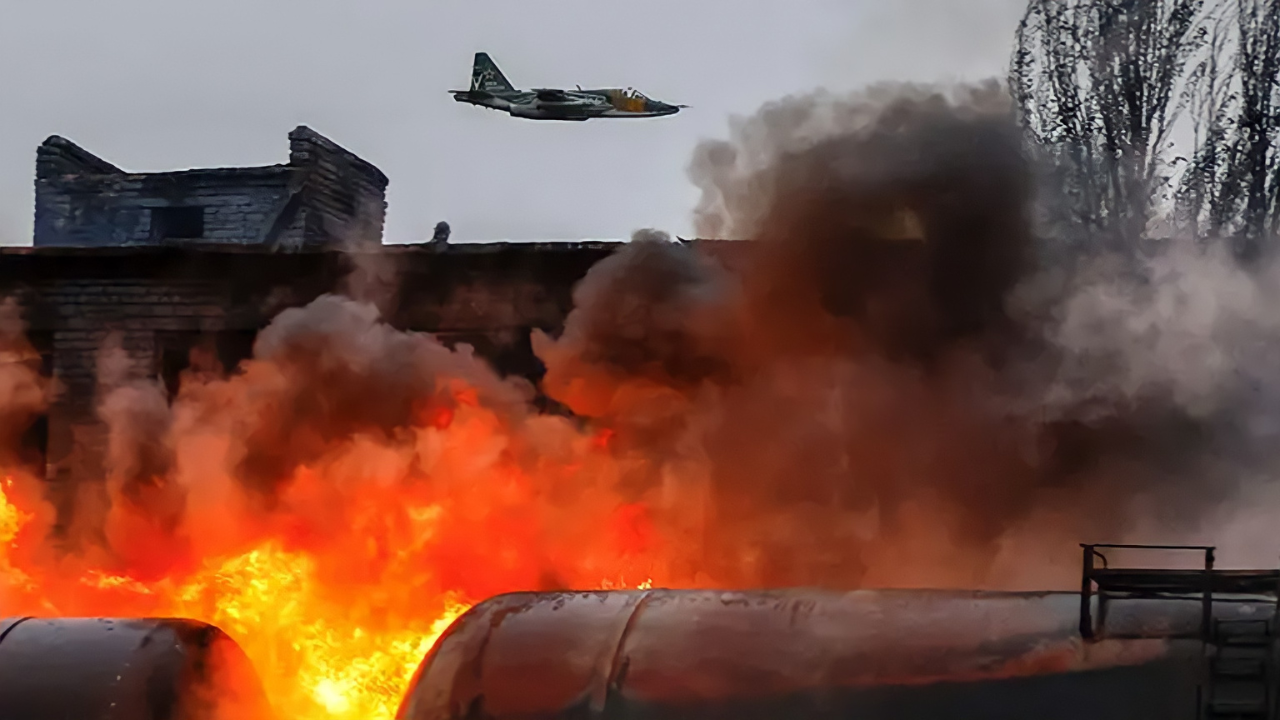
Depending on configuration, each Buk system is valued between $30 million and $40 million. Destroying one system and its radar means Russia loses not only hardware but also the capability it cannot easily replace under Western sanctions.
The strike inflicted both financial and tactical damage, turning a symbol of Moscow’s air dominance into a smouldering liability on the Luhansk front.
A Triple Kill That Redefined the Battlefield
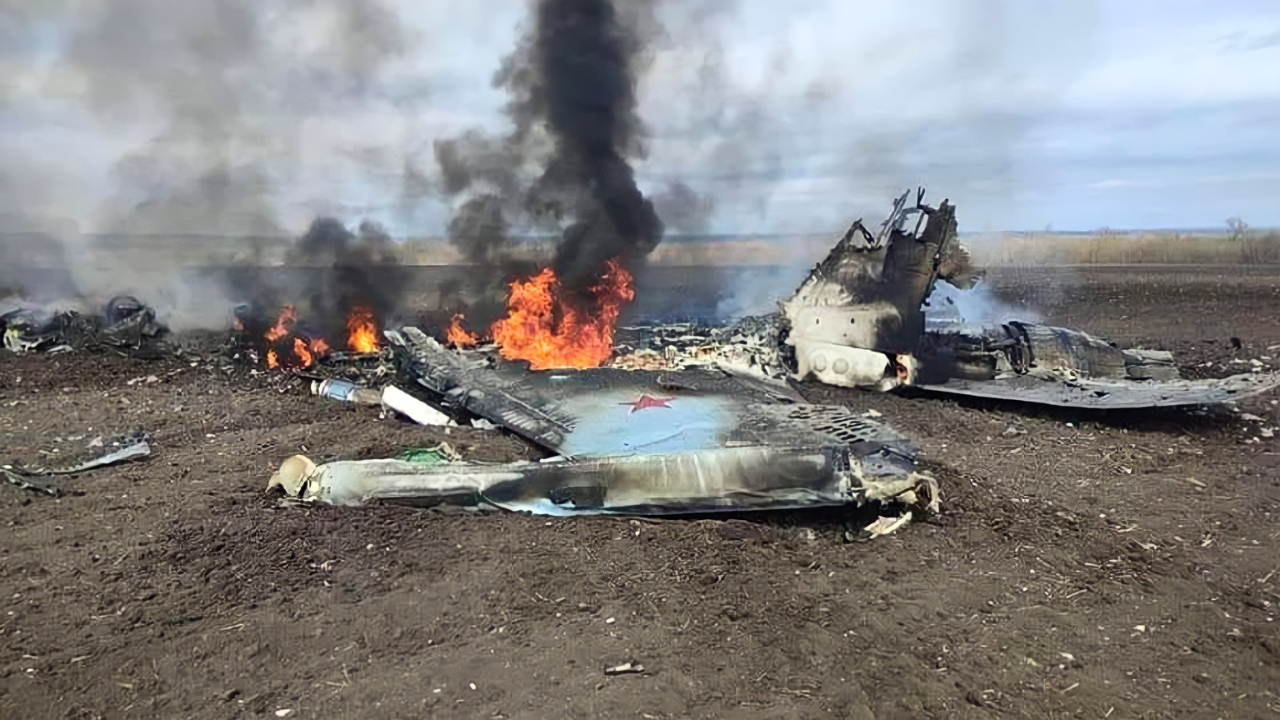
What made the operation remarkable wasn’t just the destruction itself, but the sequence. Ukraine neutralised the radar first, then the launcher, and finally the reload vehicle. In one coordinated blow, that combination stripped the Buk of its detection, engagement, and resupply capacity.
Few modern strikes achieve such layered effects in a single engagement, marking a milestone in Ukraine’s evolving air-defence suppression tactics.
The Evolution of Ukraine’s Deep-Strike Playbook
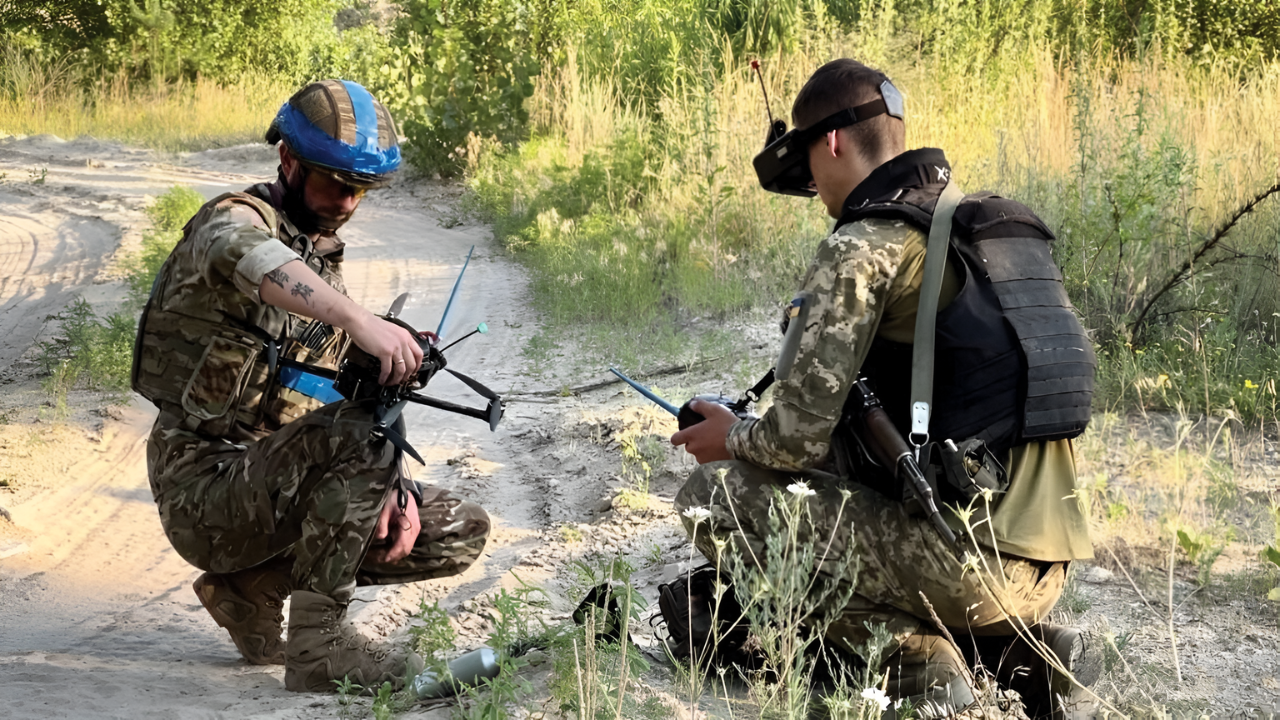
The Luhansk operation didn’t happen in isolation. Just days later, Ukrainian forces struck an S-400 radar and launcher in Russia’s Kaluga region—a deep strike against one of Moscow’s most advanced systems.
The pattern began months earlier, when an ATACMS missile destroyed a Nebo-M radar near Luhansk in May 2024. Ukraine’s message is consistent: no radar, no launcher, no safe zone.
The Art of Finding What Hides
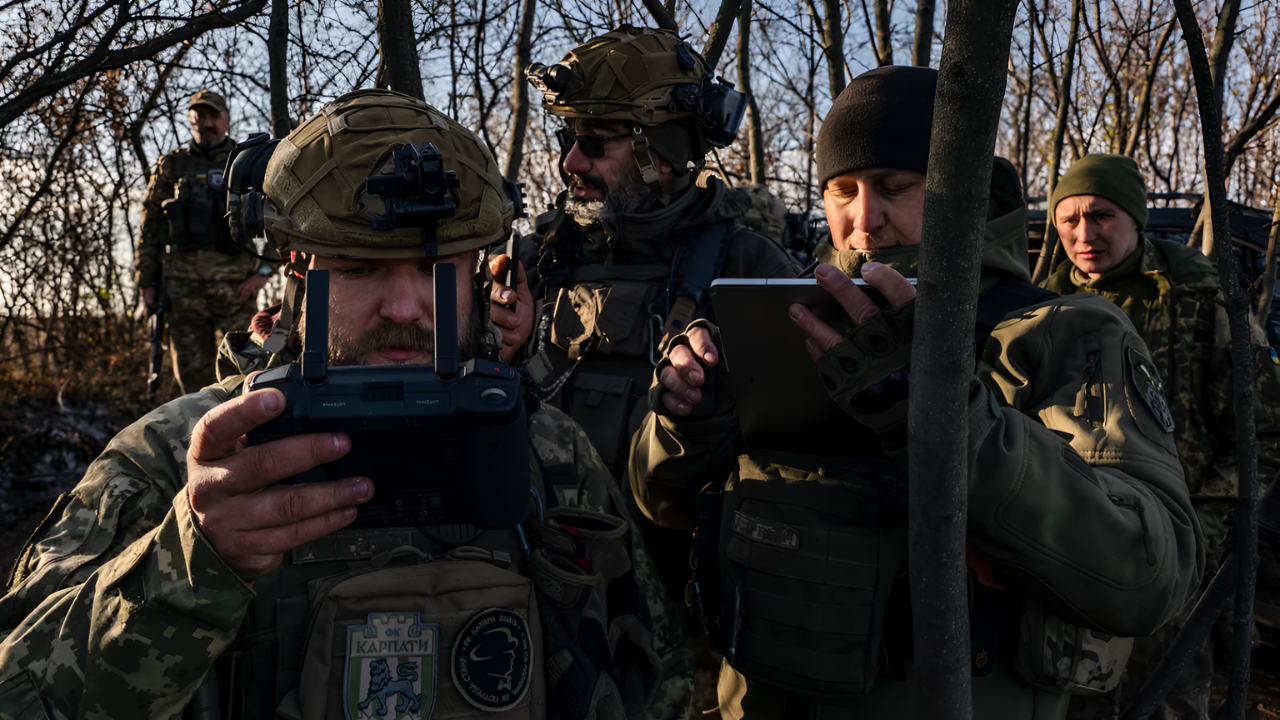
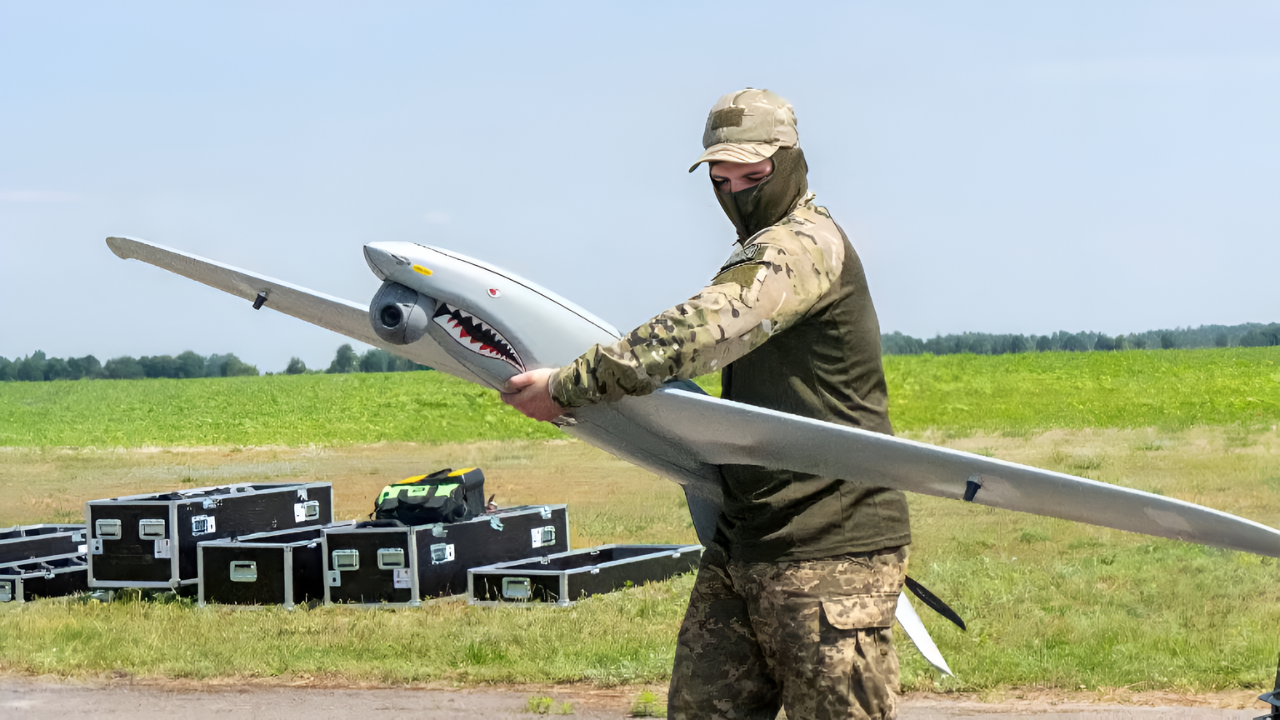
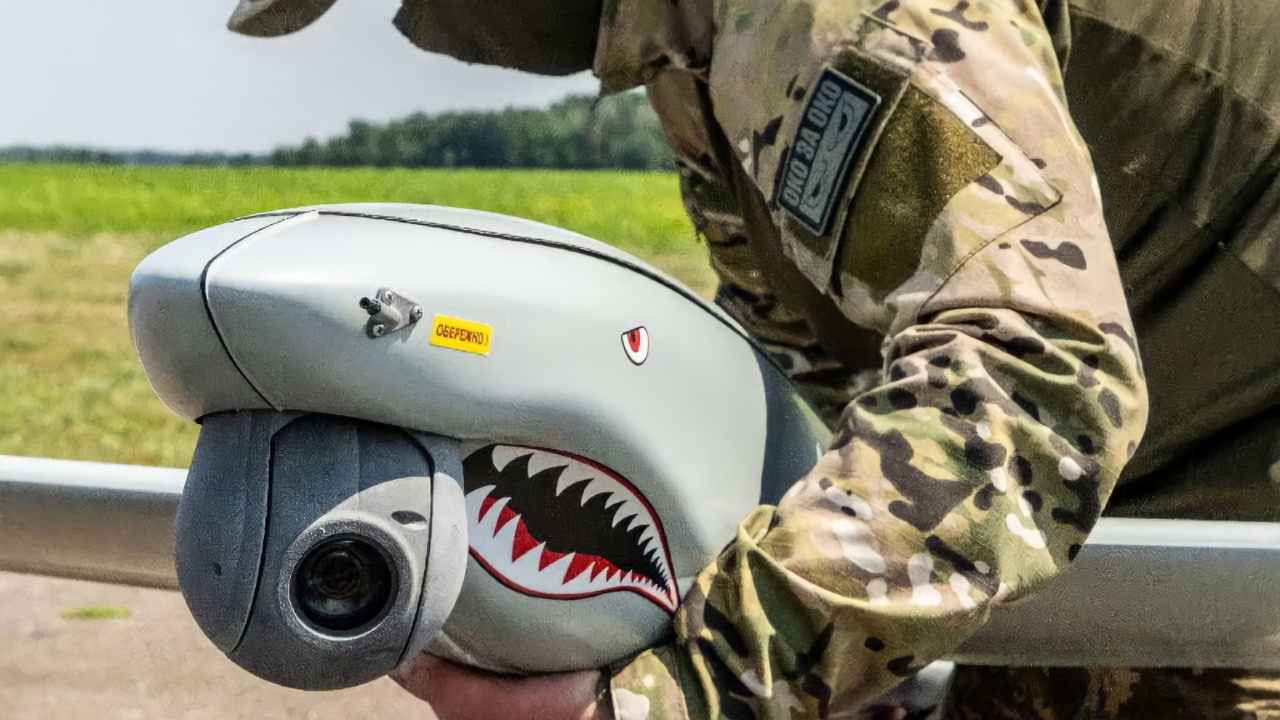
Buk batteries are designed to move often, hiding from detection and changing positions to avoid being targeted. How Omega found this one remains classified, but the success hints at precise coordination between reconnaissance drones, electronic-intelligence teams, and real-time data from the front.
Catching a mobile Buk battery in the open and hitting all its components is a feat of timing, patience, and technical skill.
The Chain Reaction of a Blinded Radar

Once the radar goes down, air-defence coverage collapses across a wide radius. That means Ukrainian drones and missiles can approach with less warning, forcing Russia to rely on nearby systems already stretched thin.
Each blinded radar doesn’t just reduce defence, it shifts the entire balance of situational awareness in that theatre, leaving other units scrambling to cover the gap.
Missiles Lost, Confidence Shaken
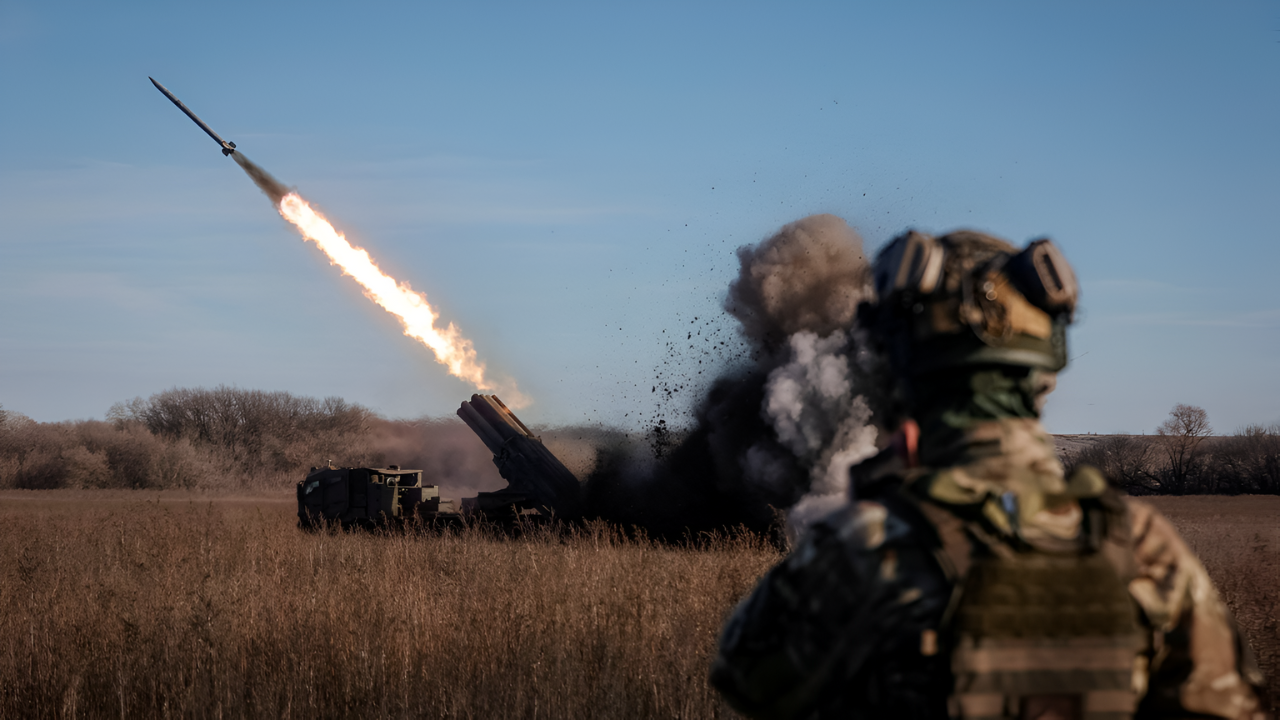
Eliminating a launcher and loader cuts the number of interceptors ready for launch by 12 in that area. That’s enough to leave gaps in defence against Ukrainian drone swarms or missile waves. Replacing those missiles isn’t quick or cheap.
Under sanctions, production bottlenecks, and battlefield attrition, every destroyed system erodes not only Russia’s defences but also the confidence of the crews operating them.
Cracks in the Myth of Invincibility

Russia’s air-defence network was once marketed as one of the world’s most impenetrable. Yet strike after strike has shown otherwise. The illusion of invulnerability fades with every radar blinded and every launcher destroyed.
The Luhansk operation demonstrated that even the most sophisticated systems can be isolated and destroyed and that the myth of a perfect shield is just that: a myth.
A Mounting Pressure on Russian Defences
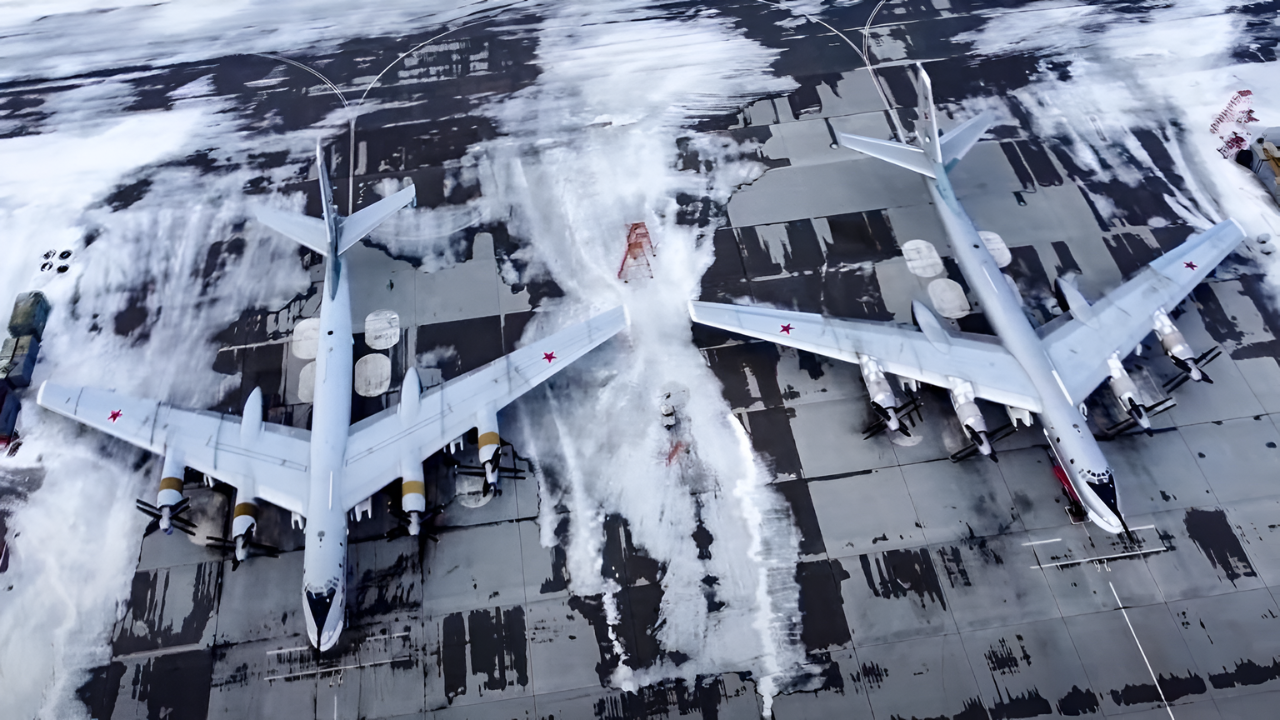
“Each destroyed air defence unit tightens the pressure on Russia’s overstretched front line,” Defense Express noted on September 7. Every missing system increases the workload for what remains, thinning radar coverage and forcing units to reposition constantly.
For commanders, the growing holes in the air-defence map are becoming impossible to ignore and costly to fill.
Ukraine’s Strategic Shift Takes Shape
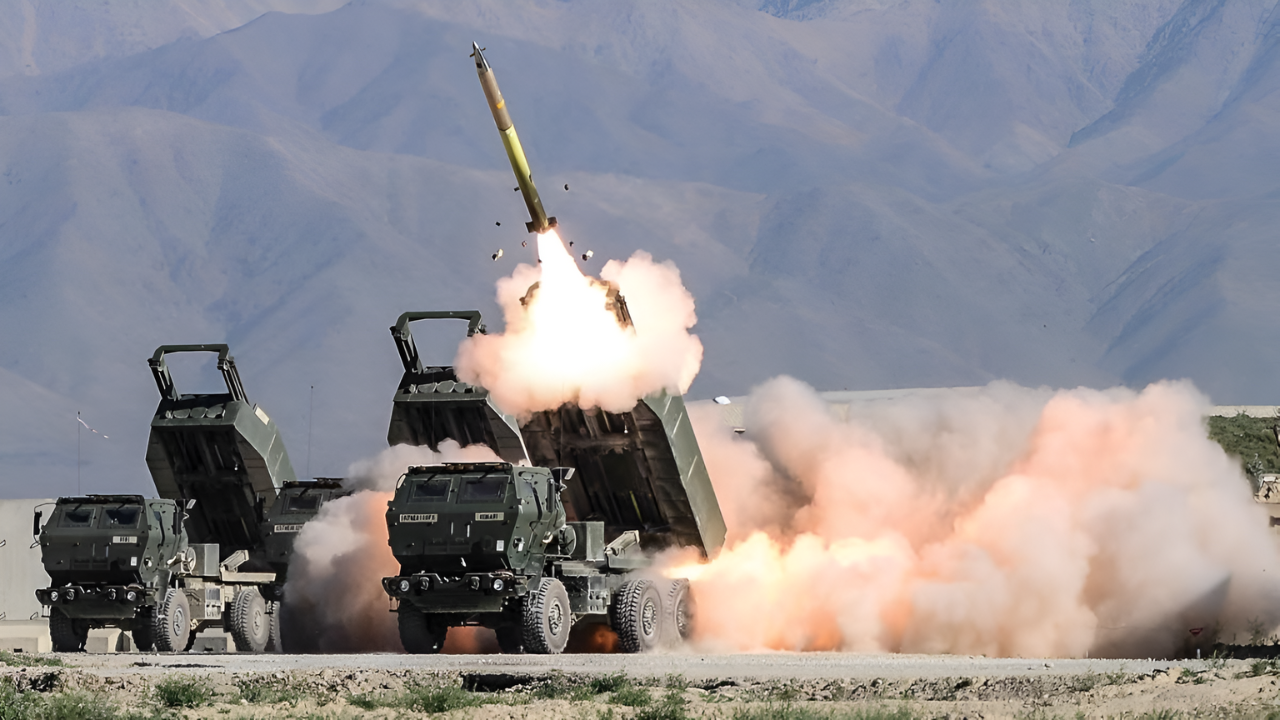
The Luhansk strike represents a broader Ukrainian strategy: dismantling Russia’s Integrated Air Defence System piece by piece. By targeting the sensors and launchers that anchor the network, Ukraine weakens Russia’s ability to spot and intercept incoming strikes.
It’s not just about destruction, it’s about freedom of manoeuvre. Each successful hit widens the corridor for future Ukrainian operations deeper into occupied territory.
The New Rhythm of Modern Warfare
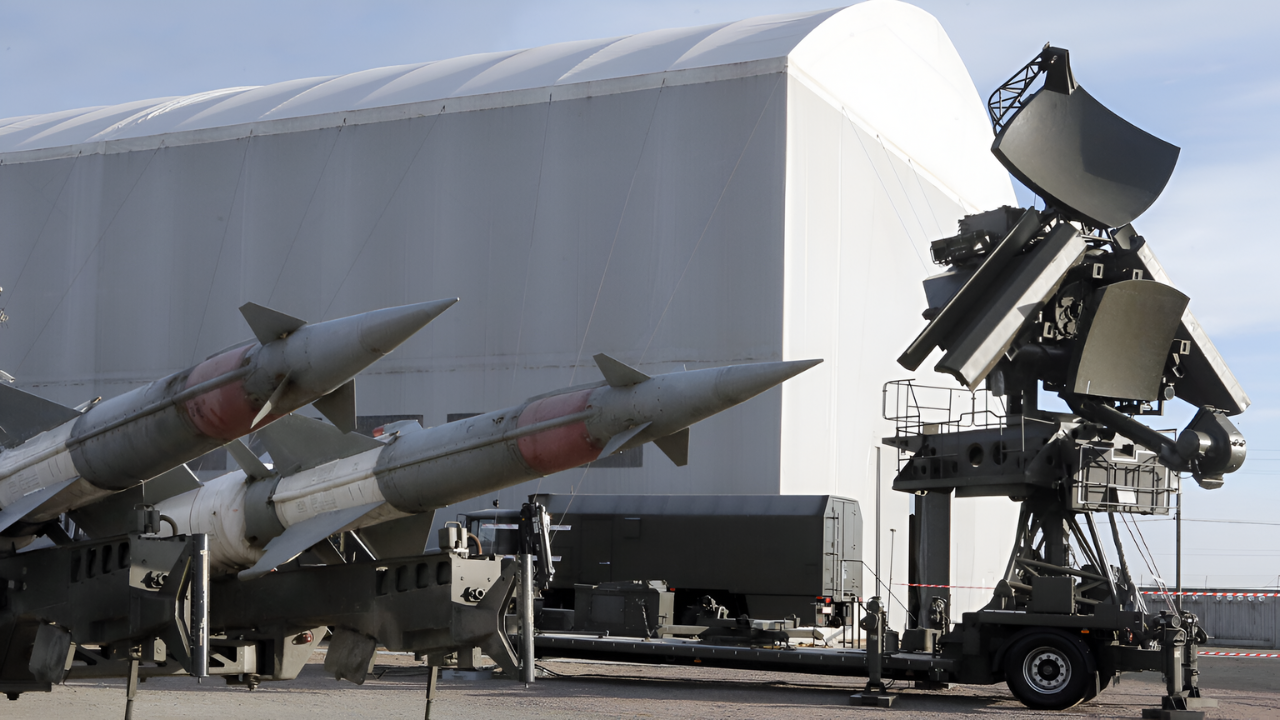
This conflict is increasingly defined not by massed assaults but by precision and data. Ukraine’s ability to fuse intelligence, drones, and timing shows how technology can outthink brute force.
It’s a contest of adaptation, not numbers, and Ukraine’s growing record of successful deep strikes proves it can adapt faster, smarter, and with greater precision than many expected.
The Sky Is Opening Over Ukraine

The September 7 strike near Luhansk wasn’t just a battlefield moment but a turning point in the air war. A radar blinded, a launcher gutted, a myth dismantled. With every hole punched into Russia’s once-dense air-defence web, Ukraine reclaims more of its own sky.
For the first time in months, the space above the front is beginning to tilt in Kyiv’s favour, and the message is clear: Russia’s shield is cracking, one precision strike at a time.