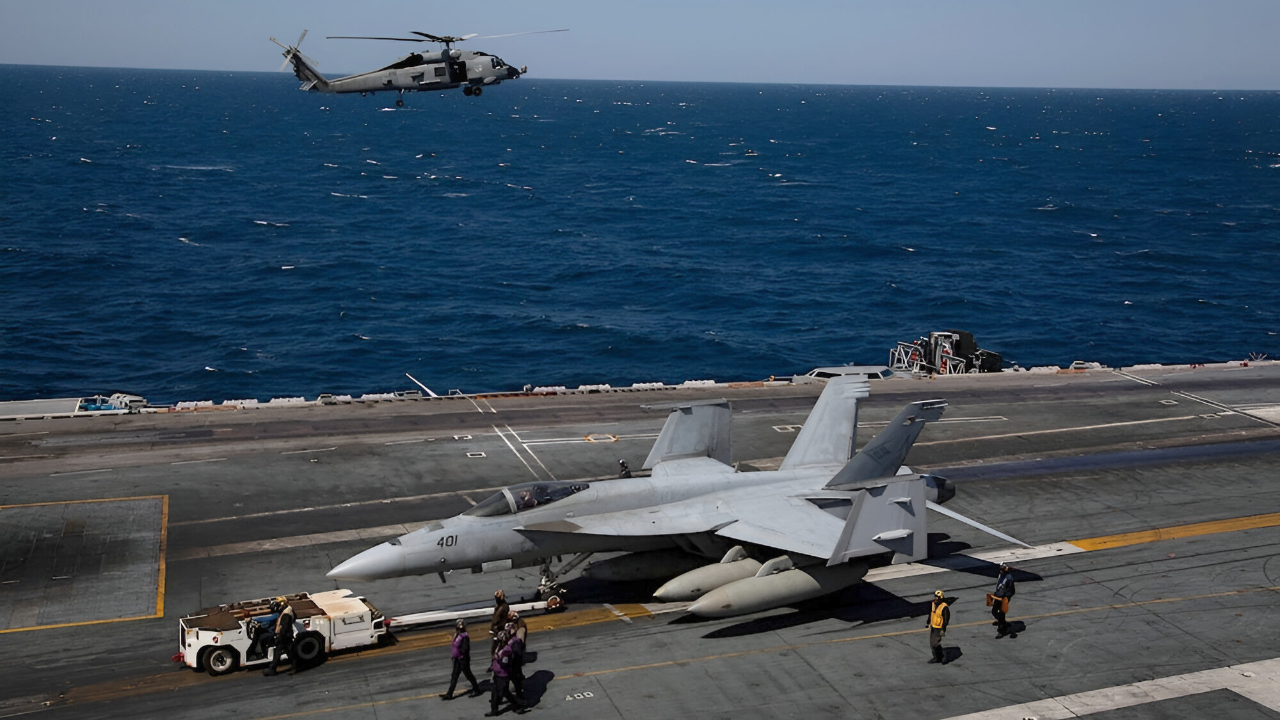
Smoke rose above the waves of the South China Sea as two aircraft plunged into the water within half an hour. First, an MH-60R Sea Hawk descended at 2:45 PM local time, spinning slowly before hitting the ocean.
Less than 30 minutes later, an F/A-18F Super Hornet followed, leaving a streak of spray behind its final dive. All five crew members ejected safely, rescued by nearby ships, but the Navy faces over $100 million in hardware loss on USS Nimitz’s final deployment.
Routine Missions, Sudden Disaster
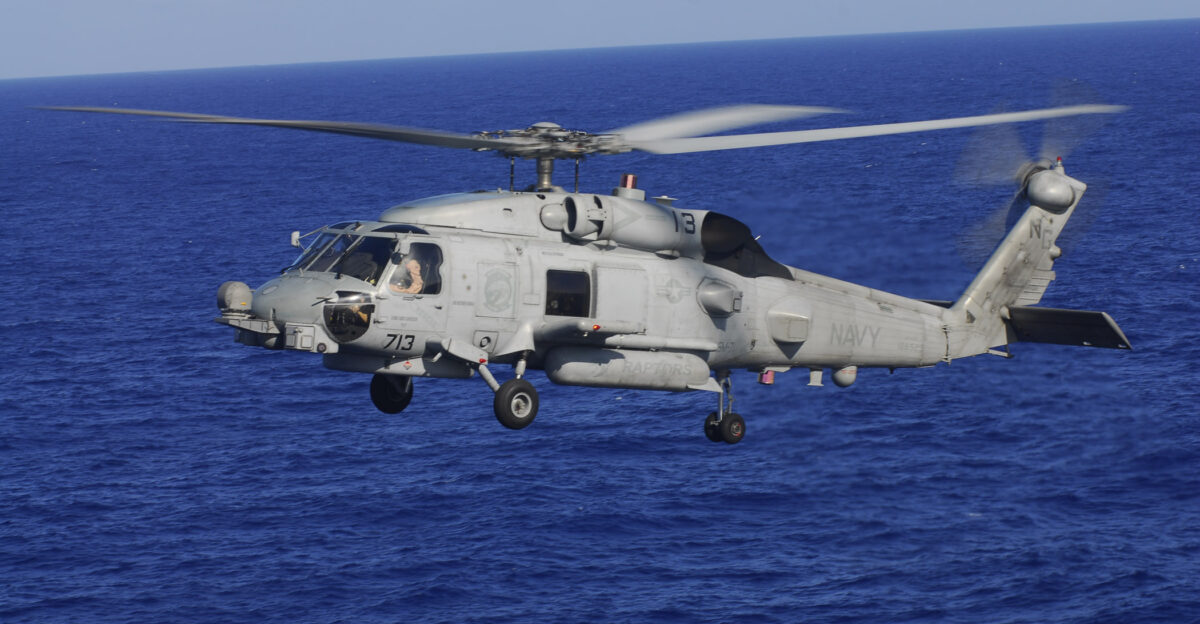
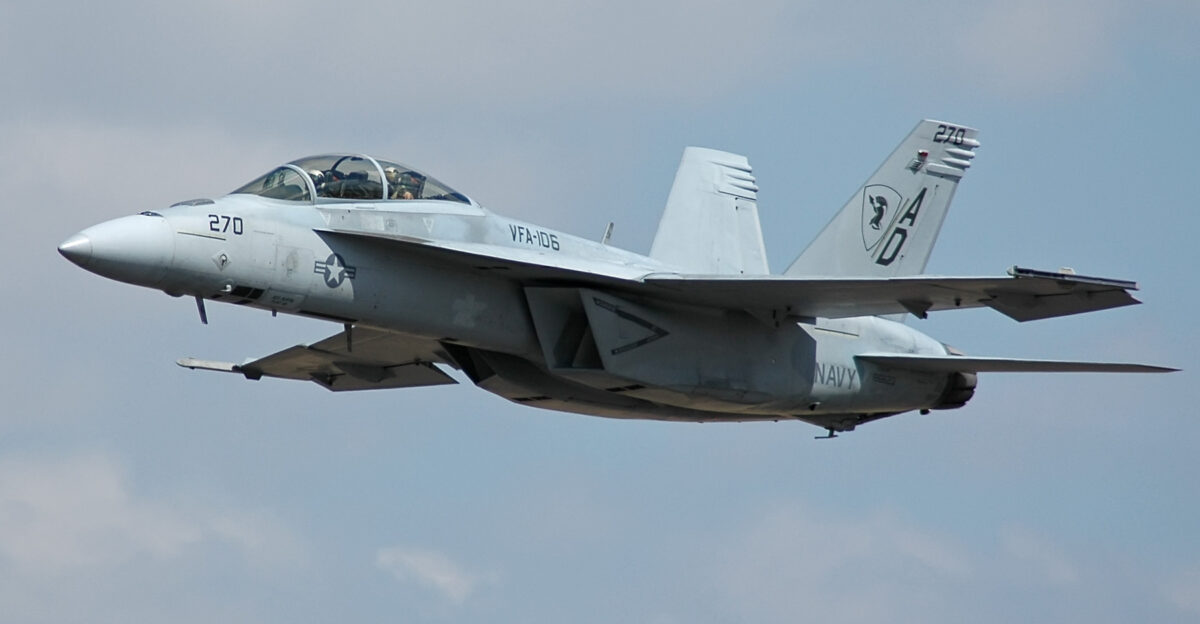
Both aircraft were on routine training flights when disaster struck. The MH-60R Sea Hawk from HSM-73 “Battle Cats” went down around 2:45 PM, followed by the F/A-18F Super Hornet from VFA-22 “Fighting Redcocks” at 3:15 PM.
Causes remain unconfirmed, with possibilities ranging from mechanical failure to human error. A formal Navy investigation is underway. President Trump mentioned “bad fuel” as a potential factor, though this has not been verified and remains speculation.
All Crew Rescued
All five personnel were rescued safely—three from the Sea Hawk and two from the Super Hornet. Families and naval communities from San Diego, California; and Lemoore, California breathed a sigh of relief.
While the human cost was avoided, the sudden loss of two sophisticated aircraft in half an hour puts strain on Navy resources, operational readiness, and future training schedules for Pacific Fleet units, particularly as aging carriers like Nimitz complete final deployments.
Part of a 2025 Mishap Trend
The Nimitz crashes follow a troubling pattern in 2025. Earlier, the USS Harry S. Truman suffered three separate incidents—including a friendly-fire shootdown and two aircraft overboard accidents—resulting in three carrier-based aircraft losses within five months.
Combined with Nimitz’s dual-loss, the Navy has lost five aircraft from just two carriers in under a year, suggesting an emerging risk trend and prompting concerns about carrier operations, maintenance, and training under heavy deployment pressures. No other recorded incident in the Pacific Fleet since 2015 has resulted in the simultaneous loss of two frontline aircraft (F/A-18F and MH-60R) during routine training operations within a 30-minute window, making this the costliest dual aircraft training mishap in Pacific Fleet history in over a decade.
USS Nimitz: A Legendary Carrier
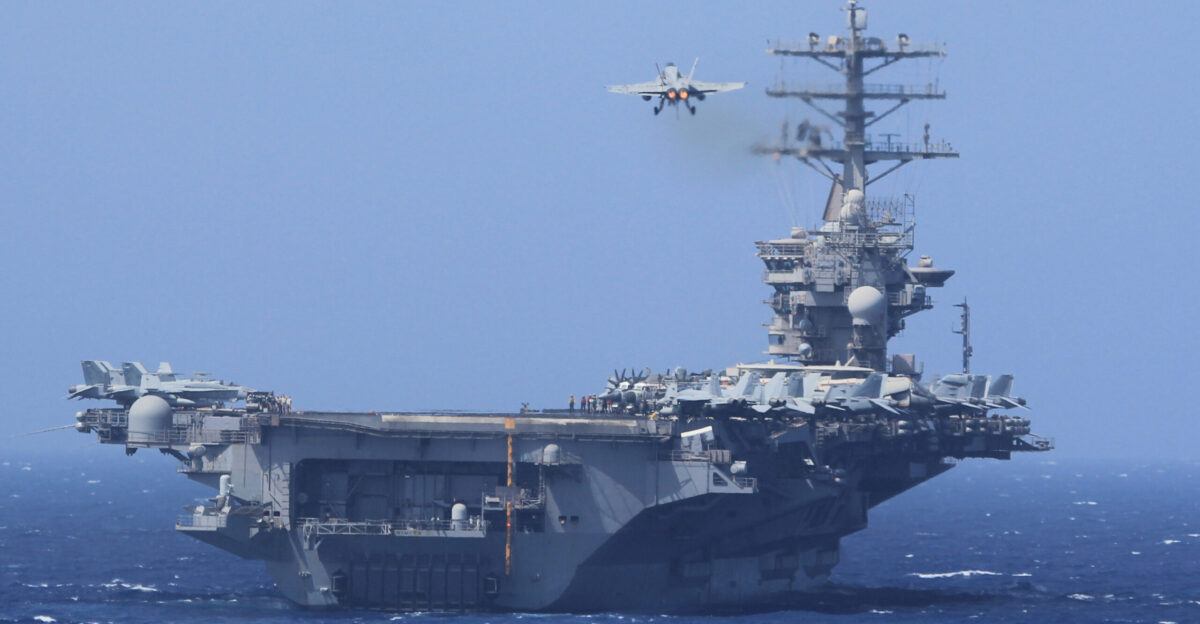
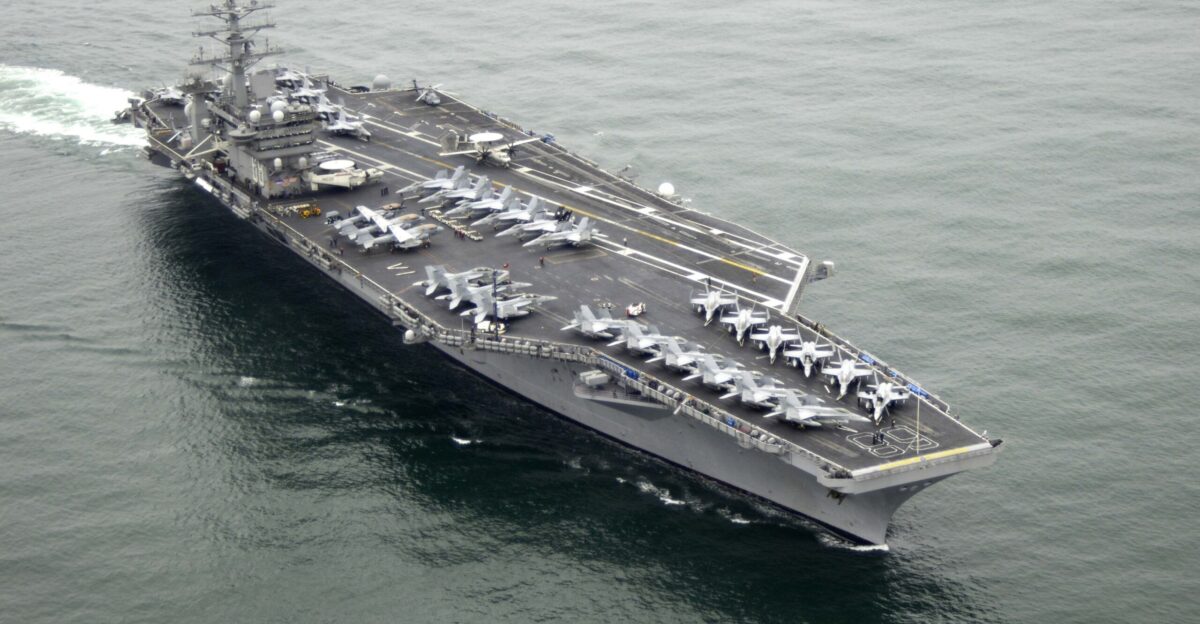
Commissioned in 1975, the USS Nimitz (CVN-68) is America’s oldest active aircraft carrier. At 50 years, it is on its final deployment and scheduled for decommissioning in 2026.
These recent crashes have cast a shadow over the Nimitz’s storied history, raising questions about whether operational demands and aging systems contributed. The incident highlights the challenges of sustaining high-tempo operations while preserving the legacy and safety of a carrier approaching retirement.
Investigations Begin
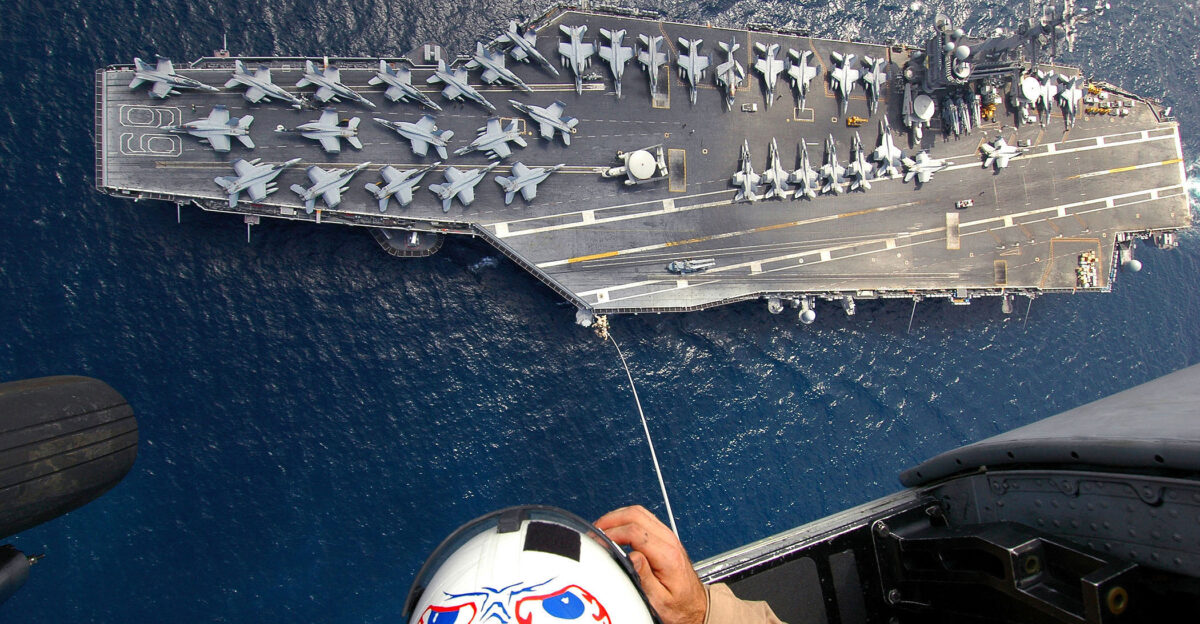
The Navy has launched formal investigations into both crashes. Standard protocols examine mechanical systems, maintenance records, pilot performance, operational procedures, and environmental conditions.
While results typically take months, these inquiries are essential to determine whether the accidents were isolated incidents or indicative of broader systemic risks. The Navy’s findings will also guide potential policy changes and fleet-wide operational adjustments.
Defense Contractors Under Scrutiny

Manufacturers Boeing (F/A-18F) and Sikorsky/Lockheed Martin (MH-60R) may face scrutiny depending on investigation outcomes. If mechanical issues are identified, fleet-wide inspections could be required, potentially affecting maintenance schedules and aircraft readiness.
However, crashes often result from multiple factors, including human error, operational tempo, or environmental conditions. Investigators must disentangle these elements before attributing blame to contractors, while maintaining fleet safety and performance.
Unmanned Systems and Safety Technology
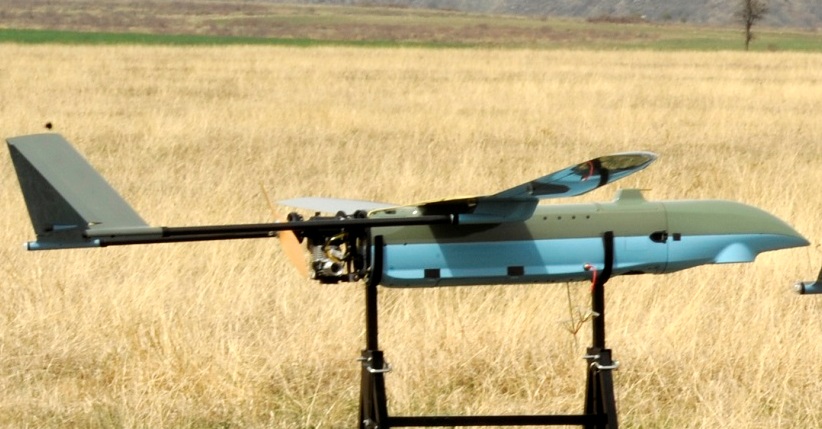
The Navy may accelerate investments in unmanned aerial systems (UAS) and advanced simulators. Risk-reduction measures such as remote operations or virtual reality training could reduce pilot exposure during hazardous conditions.
The dual loss reinforces the urgency for technological solutions that complement existing fleet capabilities, offering safer operational alternatives while maintaining readiness in contested or high-stress environments like the South China Sea.
Strategic Implications: South China Sea
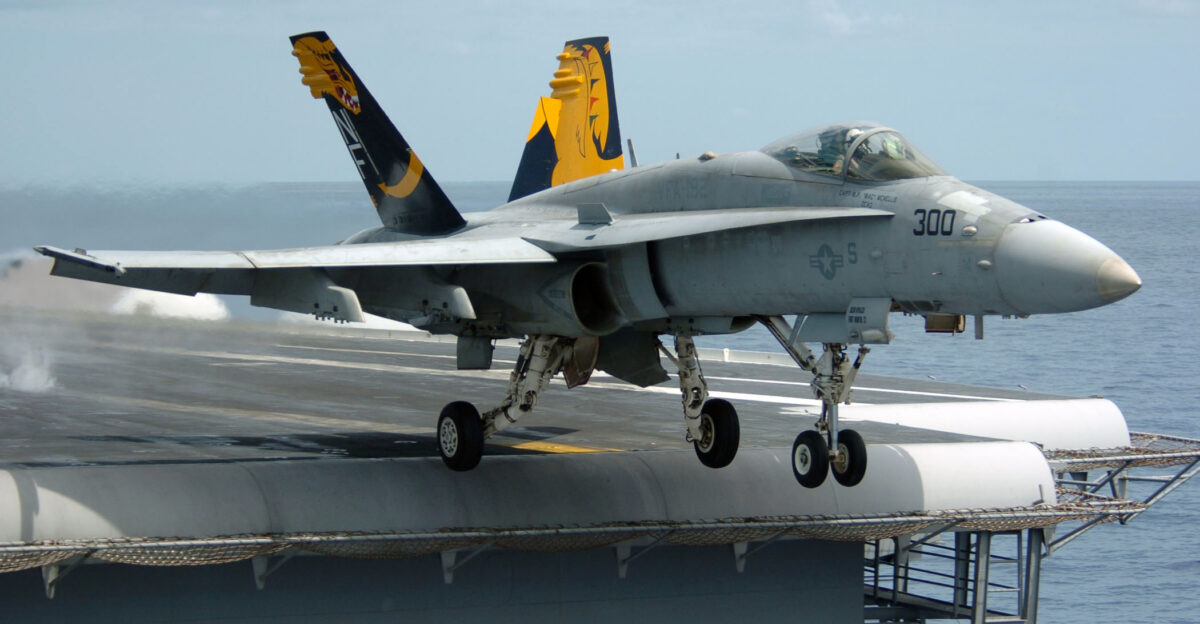
The crashes occurred in a geopolitically sensitive area, drawing attention from regional allies and potential adversaries. The U.S. Navy’s commitment to freedom of navigation operations continues despite setbacks, but questions about readiness and operational reliability may arise.
Maintaining presence in contested waters is critical to strategic objectives, yet such incidents underscore the risks of projecting power in high-stakes maritime theaters.
Human Dimension: Service and Sacrifice
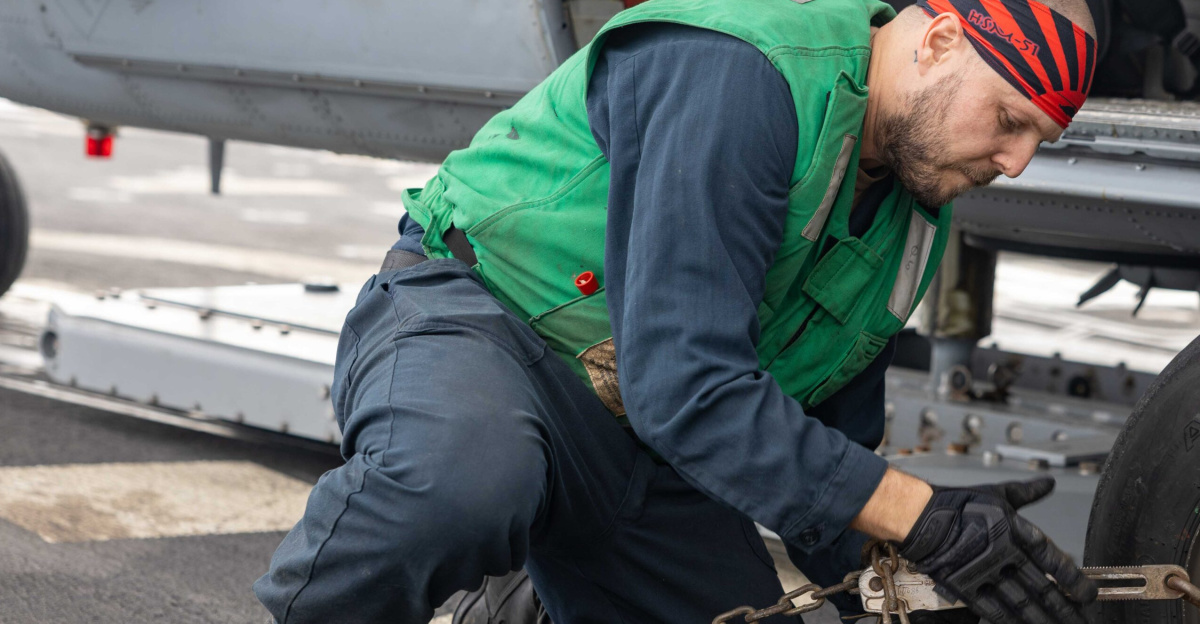
Beyond equipment costs, these incidents highlight the courage and professionalism of Navy personnel. The successful rescue of all five crew members reflects the effectiveness of search-and-rescue operations and training.
For families, these near-misses are deeply personal events that underscore the inherent risks of carrier aviation. Their experiences remind the public that military service involves daily hazards that go far beyond headlines or hardware losses.
Congressional Attention Likely
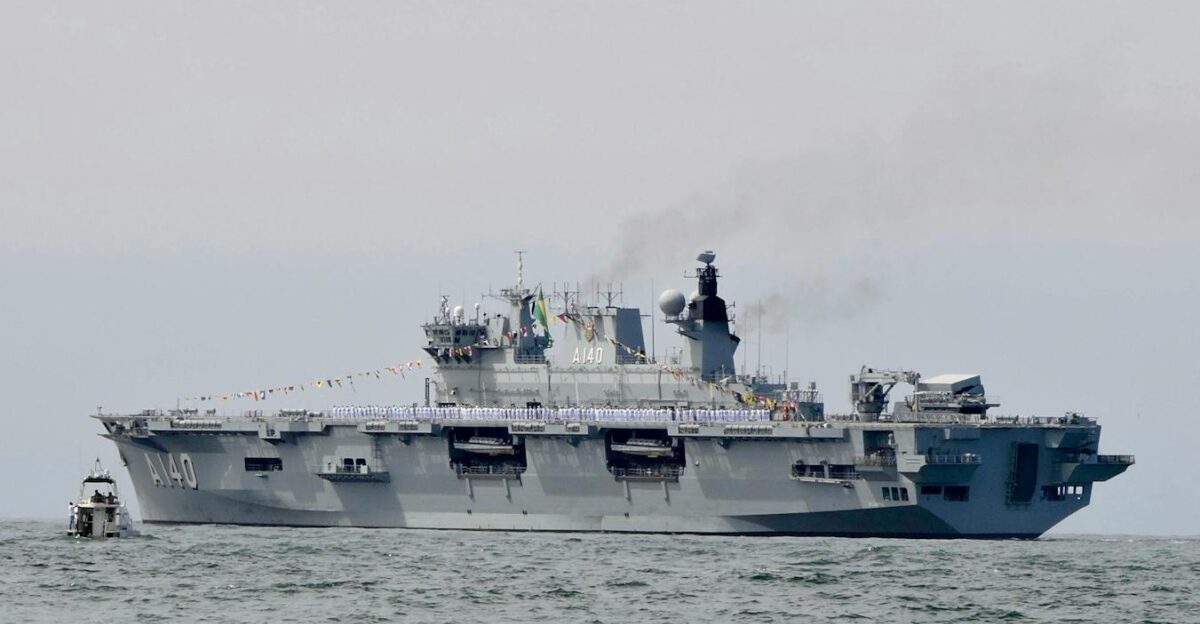
Members of the House and Senate Armed Services Committees are expected to seek briefings regarding the crashes. Questions will focus on carrier safety, maintenance backlogs, and fleet modernization priorities.
The Pentagon may face renewed scrutiny over balancing resources between sustaining older carriers and accelerating the transition to newer Ford-class carriers, with these incidents serving as a test of accountability and oversight for lawmakers.
Taxpayer Costs Soar
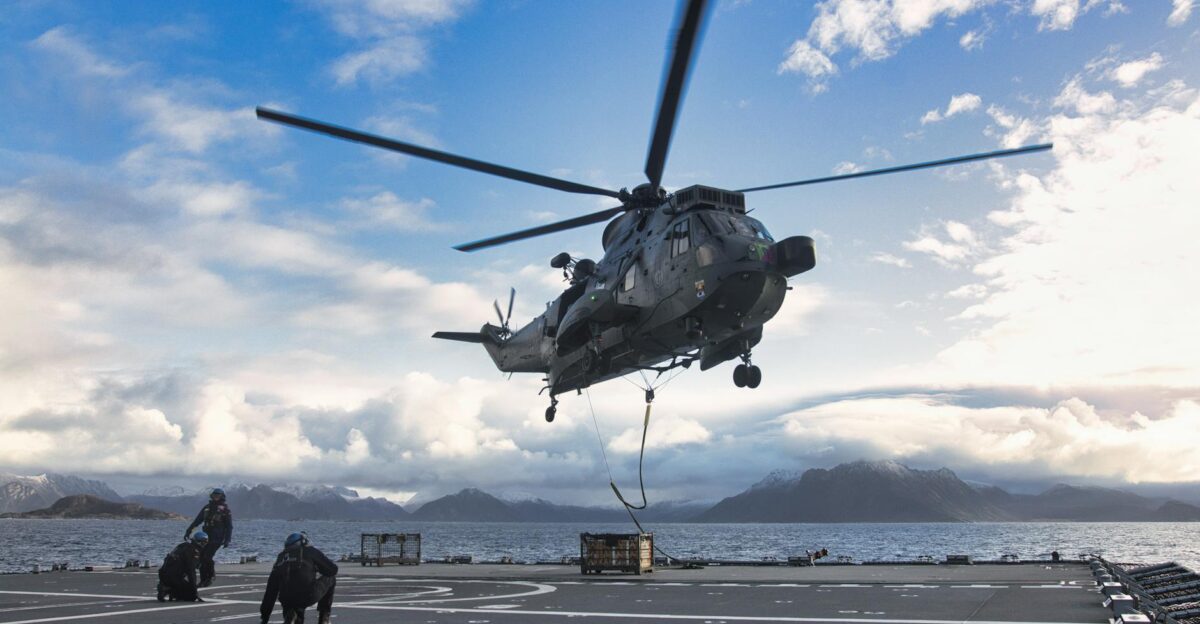
The dual crash represents over $100 million in lost hardware—roughly the cost of a new F-35 fighter jet. Maintaining aging carriers and aircraft carries enormous financial burdens.
Continued mishaps may spark difficult budgetary decisions, weighing investments in existing legacy systems against funding next-generation technologies, while taxpayers indirectly absorb the risks and losses associated with high-tempo operations.
Military Families and Psychological Toll
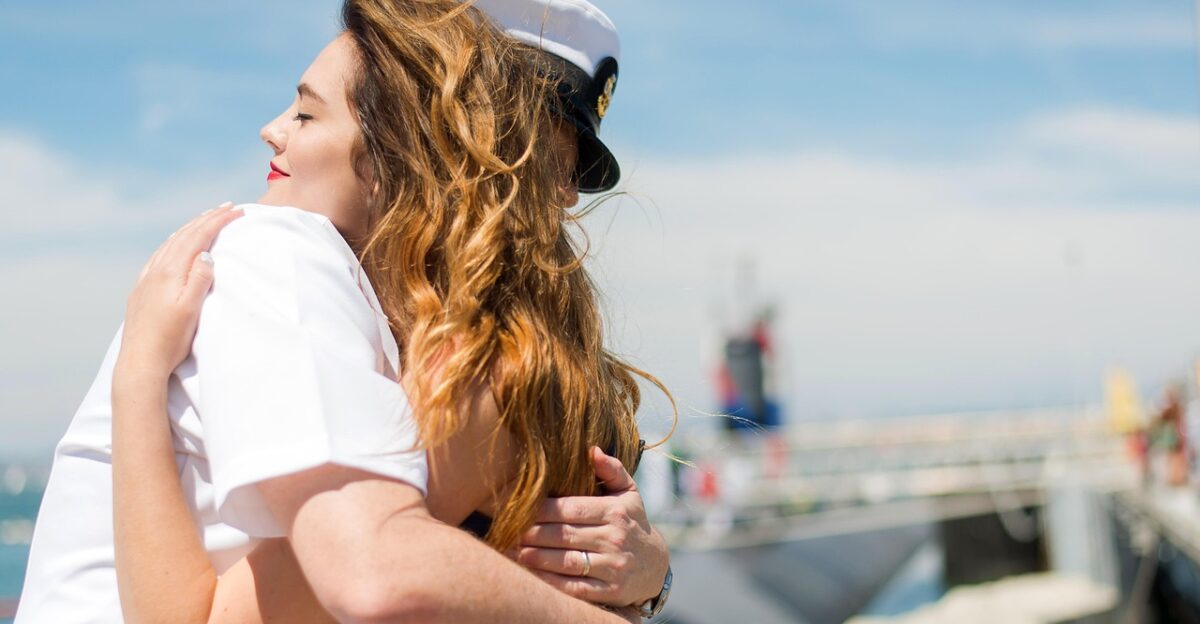
For families of the crew, the crashes were an intense, frightening experience. Even with successful rescues, near-miss events impose psychological stress, affecting military communities long after the immediate danger passes.
Mental health support, counseling, and strong social networks play a vital role in helping families process these incidents and sustain morale during deployments.
Operational Tempo vs. Safety Debate
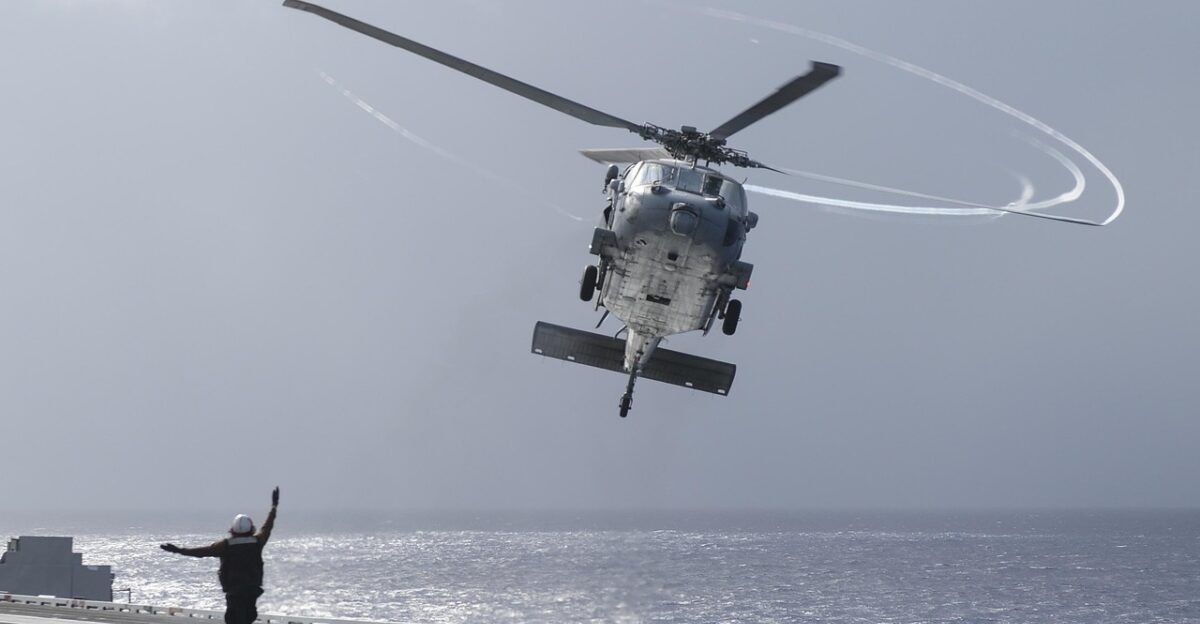
These incidents contribute to broader discussions about the balance between operational demands and safety. Critics argue that high deployment rates combined with aging equipment increase accident risk.
Others stress the necessity of maintaining a global naval presence. The Navy faces the challenge of reconciling these competing priorities while sustaining mission readiness and protecting lives.
Financial Losses in Perspective
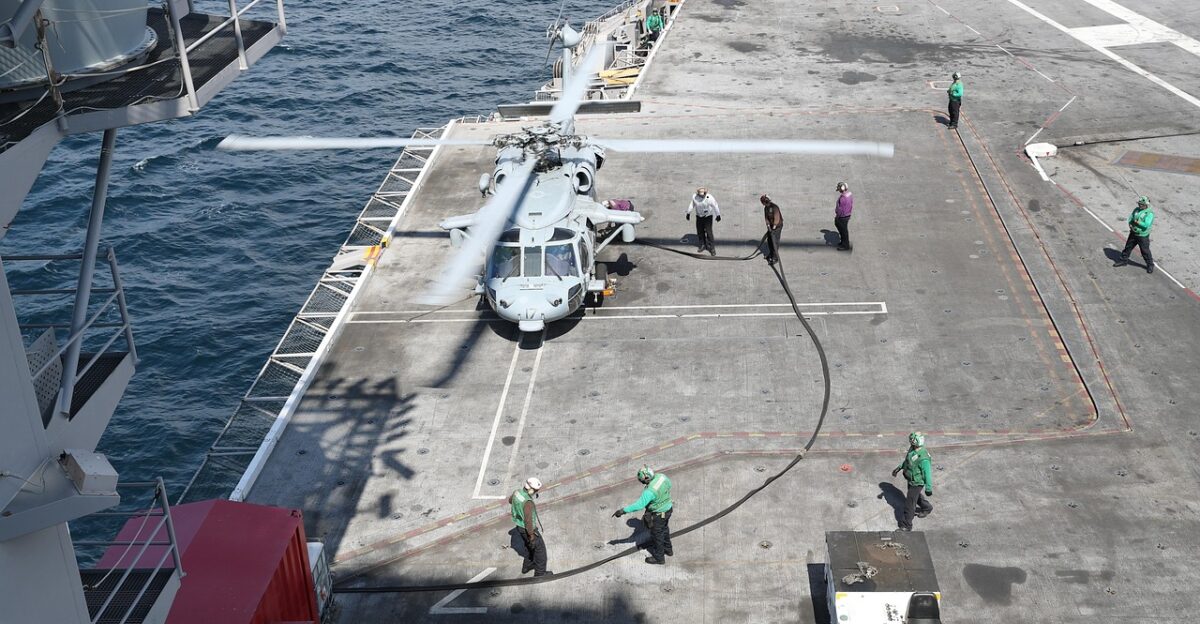
The combined loss of a $67-73 million Super Hornet and a $37-47 million Sea Hawk in just 30 minutes equates to a loss rate of more than $3 million per minute—a staggering rate for any military operation.
While lives were spared, the financial impact is immediate, emphasizing the high stakes of carrier aviation and the enormous cost of even brief operational windows gone wrong.
Historical Significance of the Dual Loss
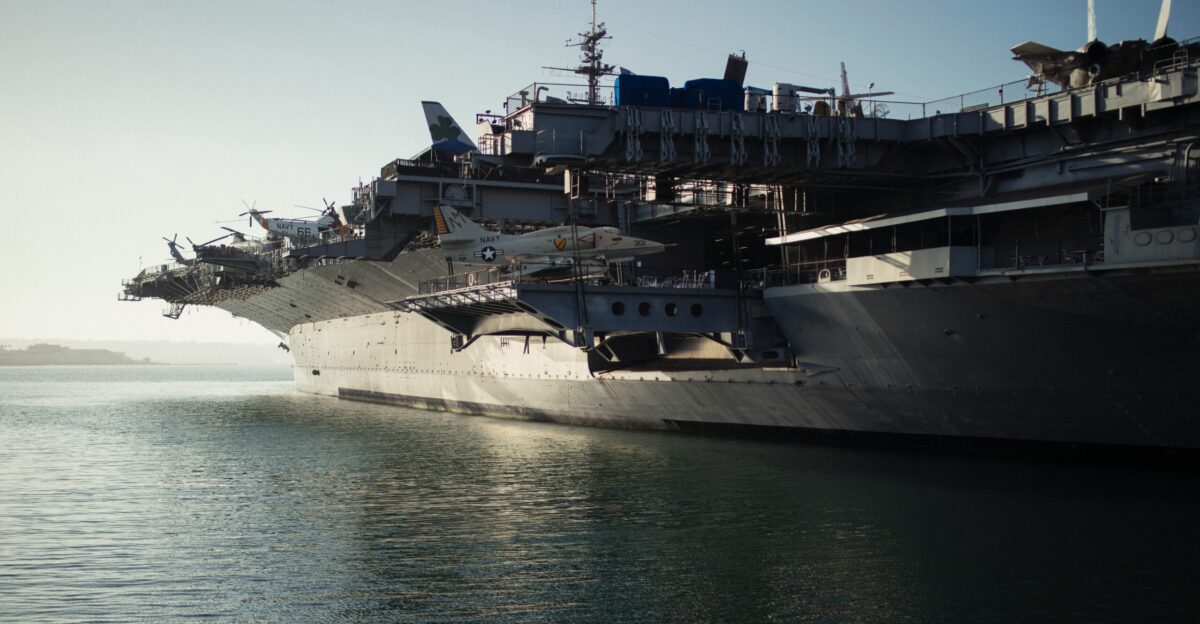
Two different aircraft types crashing from the same carrier within 30 minutes is exceptionally rare. For the Nimitz, this unprecedented event marks a dramatic close to half a century of service.
Alongside Truman’s prior mishaps, it highlights an unusually concentrated period of carrier losses, raising questions about systemic risks, maintenance, and operational safety during Middle East deployments.
The “Carrier Curse” Hypothesis
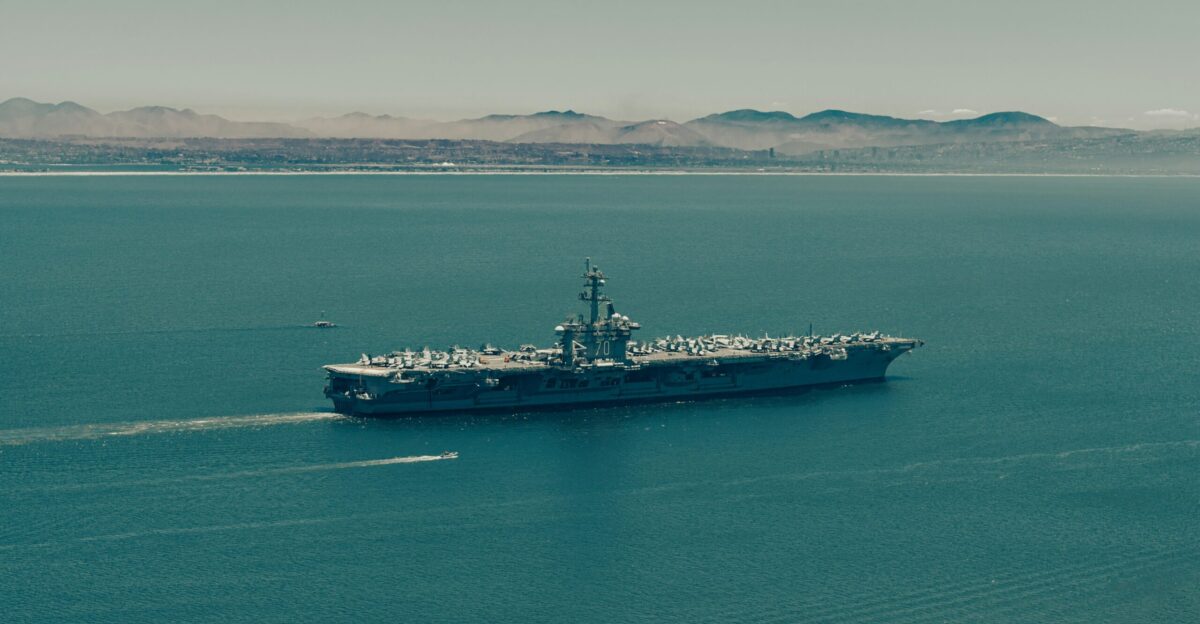
With both Nimitz and Truman experiencing mishaps during ongoing Middle East operations, speculation about a “carrier curse” has emerged.
While largely rhetorical, the pattern of multiple incidents in a short timeframe raises questions about environmental hazards, operational tempo, and human factors unique to deployments. Analysts and policymakers are paying close attention to prevent recurrence.
Lessons for the Navy
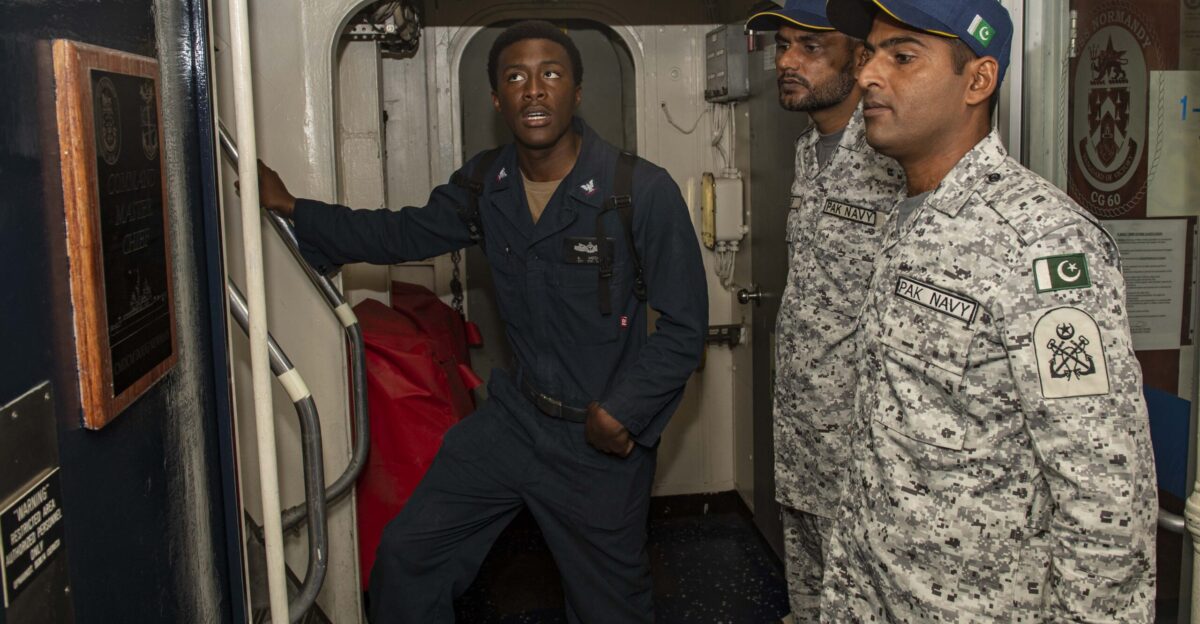
These crashes provide crucial insights for improving safety protocols, training, and maintenance. Lessons learned may influence design upgrades, pilot training enhancements, and fleet readiness procedures.
The dual-loss event underscores that even America’s most storied carriers are vulnerable and that proactive measures are essential to safeguard both personnel and equipment.
Looking Ahead: Investigations and Policy
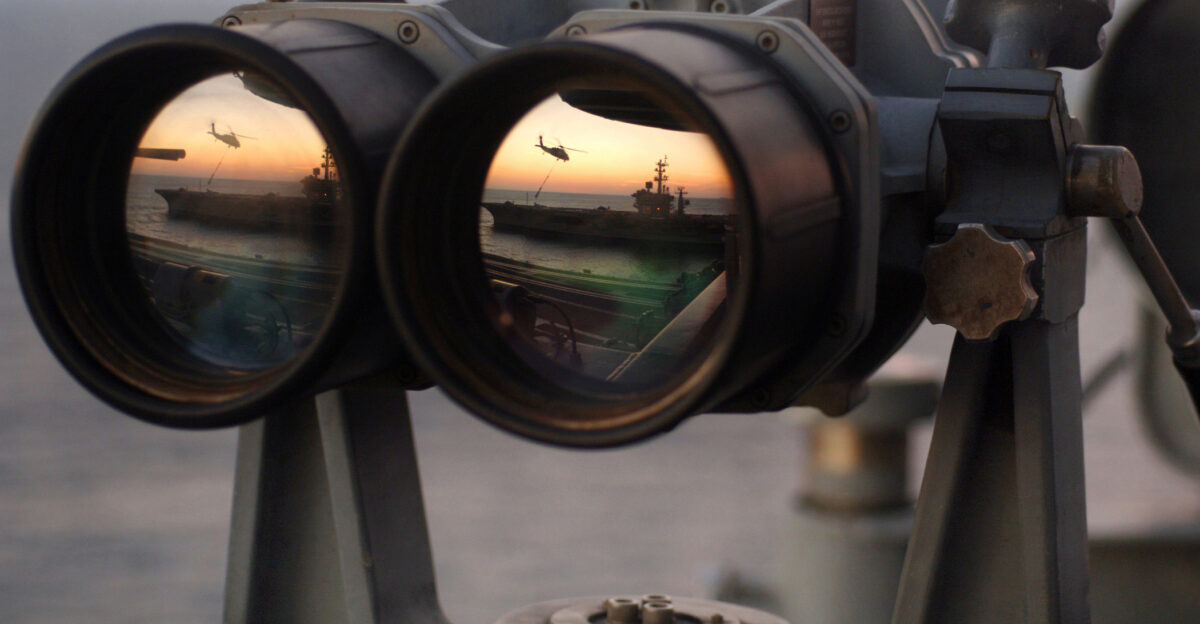
The Navy’s investigations will shape the future of carrier operations. Results could affect procurement strategies, maintenance scheduling, training programs, and overall operational doctrine.
Policymakers, military leadership, and defense contractors will analyze findings to prevent future losses, improve risk management, and maintain confidence in the Navy’s ability to project power worldwide.
The Final Chapter of Nimitz
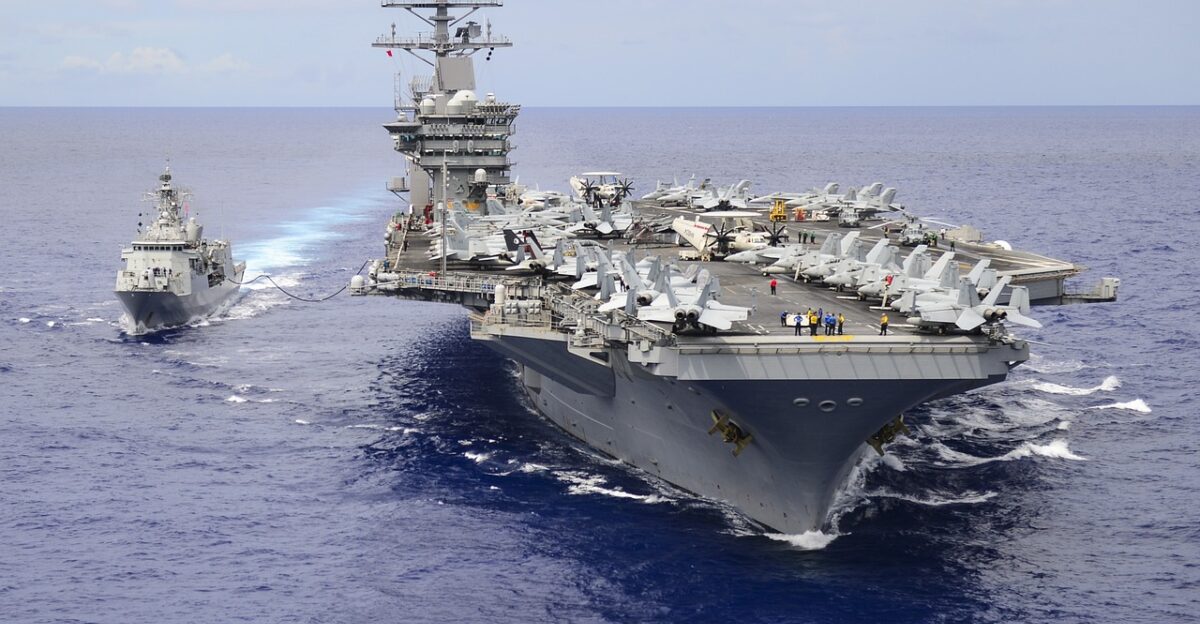
The USS Nimitz’s final deployment will now be remembered for both its historic legacy and its unprecedented dual crash. While all crew survived, the events underscore vulnerabilities in carrier aviation and the immense costs—financial, operational, and human—of modern naval operations.
As decommissioning approaches, Nimitz’s story serves as a cautionary tale for maintaining aging fleets amid ongoing global commitments.