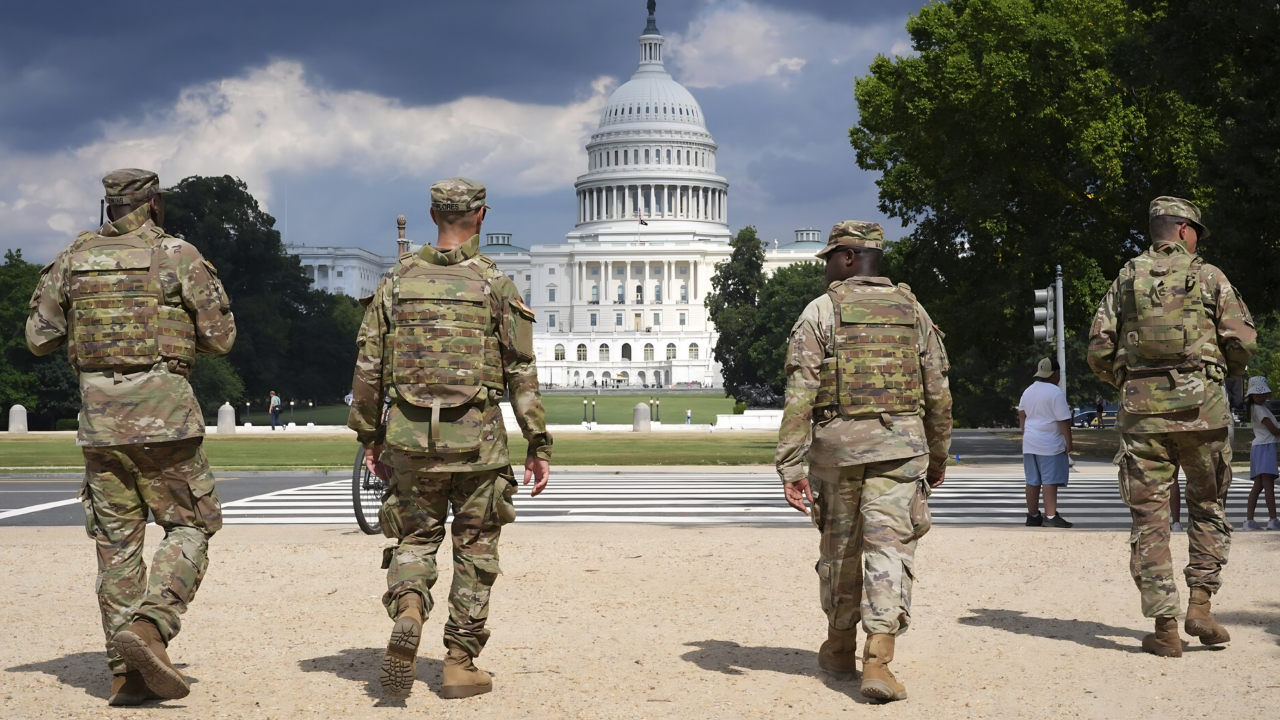
At dawn, rows of soldiers stand motionless, breath visible in the October chill. Their phones buzz with headlines: “Treasury Secretary warns troops may go unpaid by Nov. 15.” For now, their paychecks have arrived—but only because $8 billion was scraped from Pentagon research funds.
The next one may not. Twenty days remain before 1.3 million service members defend the nation with no guarantee they’ll be paid.
Deadline Approaches
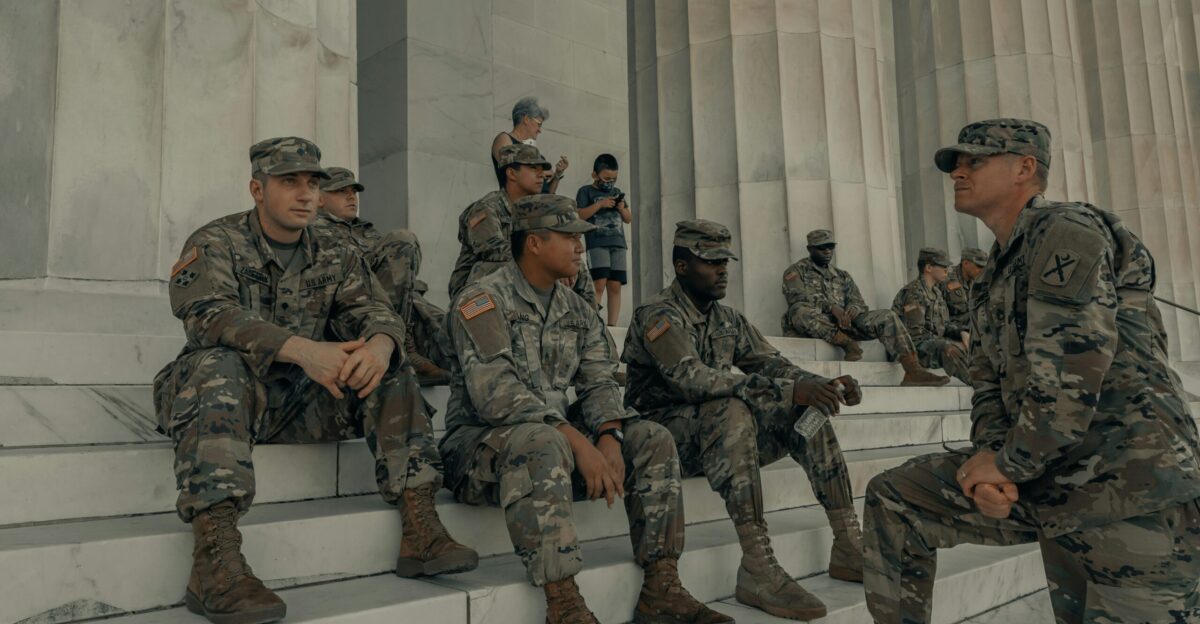
The shutdown has lasted 26 days and counting, placing it on track to become the second-longest in U.S. history. Roughly $8 billion from Pentagon research funds bought troops one more paycheck, but that pool is nearly empty.
Without a funding bill, the government will miss the next military payroll by mid-November—an unprecedented warning from the Treasury. Every passing day brings the armed forces closer to working without pay.
Shutdown History
Government shutdowns aren’t new—but few have come this close to halting military pay. Normally, Congress passes stop-gap bills to protect service compensation. This time, political gridlock has broken that pattern.
With the Treasury secretary’s explicit warning, the 2025 shutdown has crossed a historic line, reflecting deep divisions between Republicans and Democrats that have paralyzed the nation’s budget process.
Mounting Pressure

Military households are tightening budgets and scanning news alerts daily. Rent, groceries, car payments—all hinge on the next paycheck. The longer the shutdown drags on, the more anxious families become.
At base commissaries, conversations revolve around bills and backup plans. For many, November 15 isn’t just a date—it’s a deadline that could determine whether they keep up with everyday life.
Paychecks at Risk
By November 15, U.S. service members could lose their pay if the shutdown continues. Treasury Secretary Scott Bessent confirmed that the government’s cash flow can’t cover military salaries past that date. The Pentagon’s emergency diversion of funds was never meant as a long-term fix.
For the first time in modern history, the U.S. faces the real prospect of troops working without compensation.
Regional Fallout

Across the country and abroad, bases are bracing for ripple effects. Cities near large installations—Norfolk, San Diego, Fayetteville—depend heavily on military spending. If pay halts, local economies will feel it quickly.
Overseas, service members may struggle to support families back home. The consequences extend beyond Washington politics into neighborhoods and deployment zones worldwide.
Effect On Families

For military families, the shutdown has become painfully personal. One mother told C-SPAN she’s “begging Congress to act” because her husband, a combat veteran with PTSD, could lose pay that keeps their medically fragile children cared for.
Her plea mirrors thousands of similar fears echoing across the armed-forces community—families holding the line while Washington debates.
Policy Response
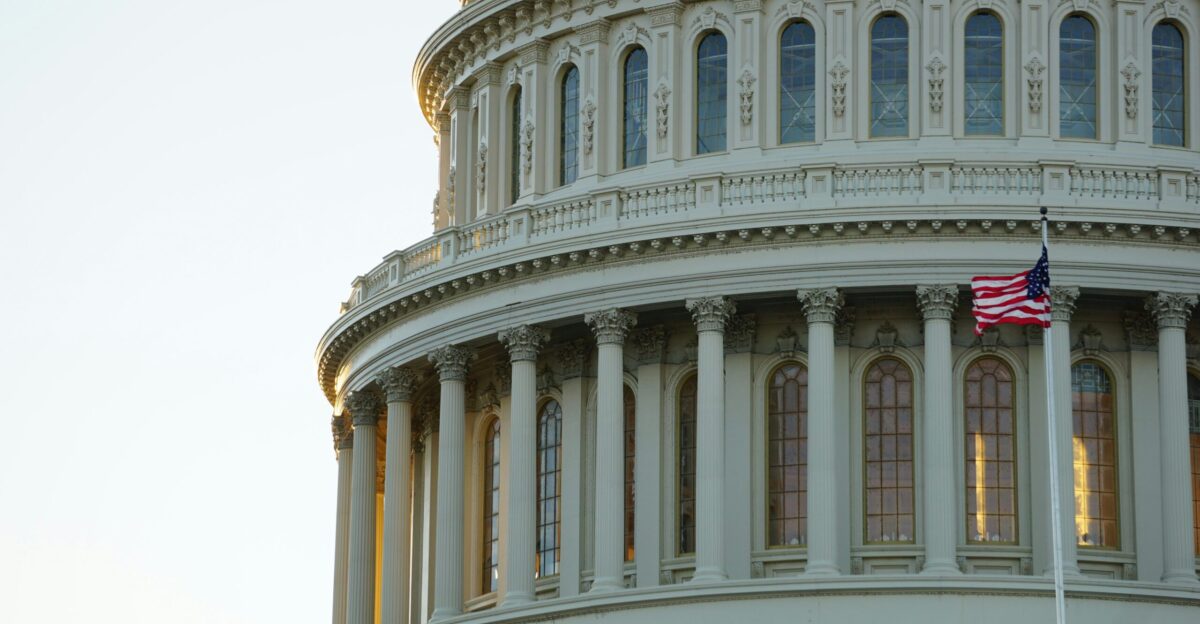
Congress remains at an impasse. The Senate has failed twelve times to advance a GOP funding bill, which requires 60 votes. Democrats demand extensions of health-insurance tax credits; Republicans insist negotiations wait until the government reopens.
The Pentagon’s $8 billion diversion merely delayed the inevitable. Without compromise, service pay will collapse within weeks.
Economic Ripple
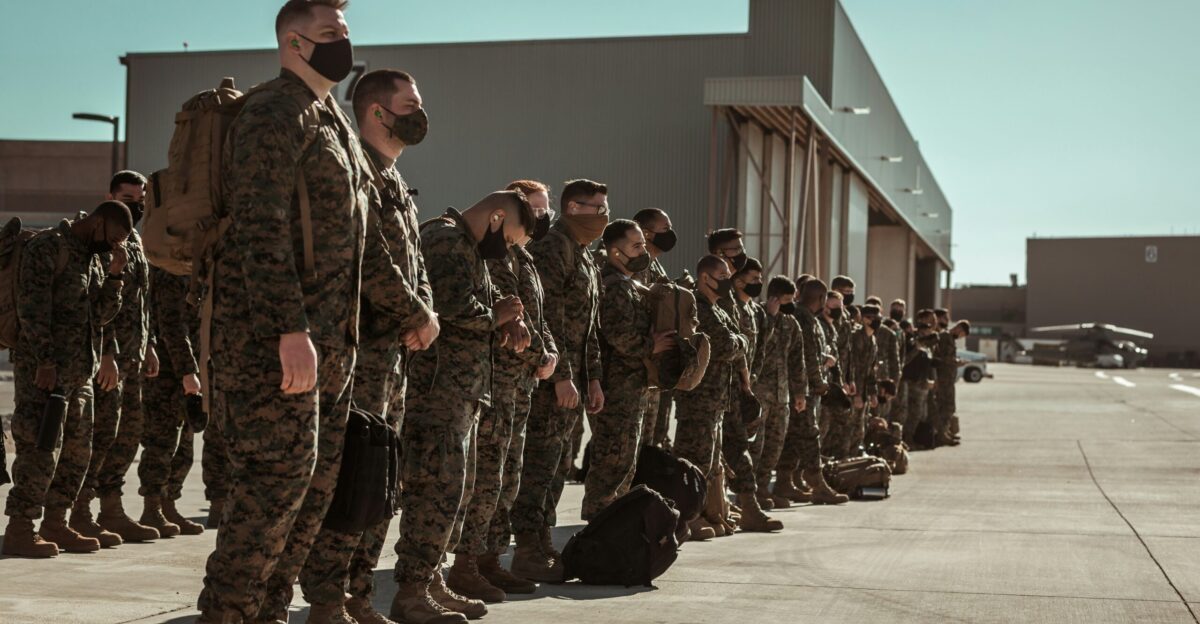
The impact is spreading beyond the gates. Restaurants, barbershops, and auto shops near bases report slower traffic. Food pantries from Virginia to Texas are seeing more uniformed visitors.
The trickle-down effect of a missing paycheck could stall local economies that rely on steady military spending—proving that the shutdown’s cost is measured not only in dollars but in livelihoods.
Collateral Impact
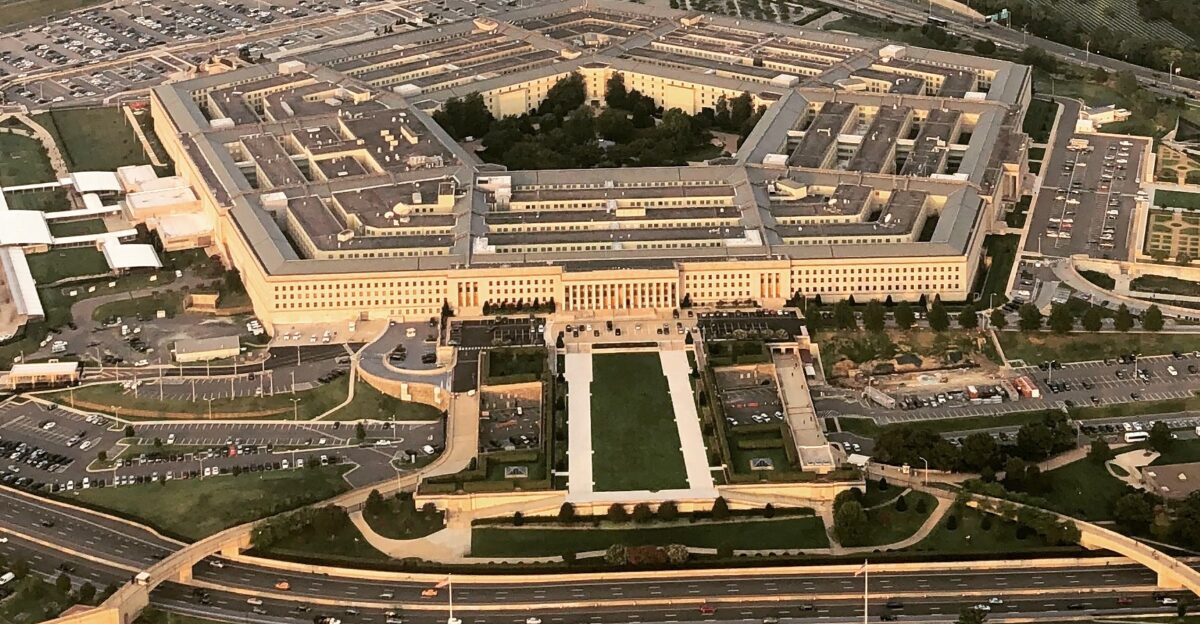
The Pentagon’s $8 billion funding shift wasn’t painless. Research agencies such as DARPA, the Office of Naval Research, and service laboratories are seeing delays.
Projects in hypersonic propulsion, artificial-intelligence logistics, and cyber defense—technologies critical to future security—are on hold. The cost of keeping troops paid, even briefly, may slow the innovations meant to protect them.
Internal Frustration

Inside the ranks, frustration is building. Soldiers continue training and deploying with professionalism, yet financial stress is mounting.
Commanders report growing concern over morale and retention. For service members accustomed to certainty and structure, the idea that the government can’t guarantee pay feels like a breach of trust.
Leadership Response

Senior military leaders are urging composure and focus. They remind troops that the mission endures, pay or no pay.
Behind closed doors, they’re pressing lawmakers for swift resolution. Their challenge is maintaining readiness while families face empty bank accounts—a test of leadership no training manual ever fully prepares them for.
Recovery Plans
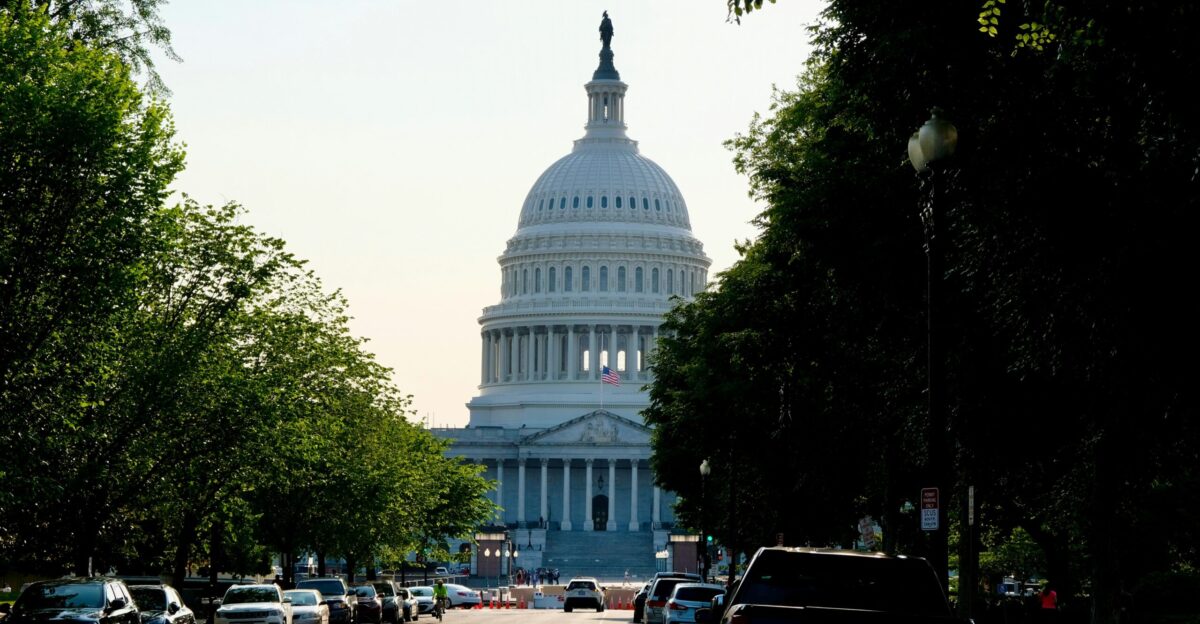
Lawmakers are drafting fallback plans: retroactive pay guarantees, emergency appropriations, and proposals to exempt defense payrolls from future shutdowns.
Yet these ideas stall amid partisan distrust. The consensus is clear but elusive—military families can’t remain hostages in budget battles. The urgency grows with every passing pay period.
Expert Analysis
Defense experts warn that the shutdown’s damage extends far beyond delayed paychecks. Each budget crisis chips away at morale, readiness, and trust.
Former Pentagon comptroller David L. Norquist once put it bluntly: “The challenge is there’s no way to make a shutdown easier. It’s not designed to be easy; it’s designed to be destructive.” That truth is now visible in every anxious base and every delayed project across the defense enterprise.
What’s Next?

As November 15 nears, the question grows louder: will Congress act in time? If the shutdown extends to Day 35, it will become the longest in U.S. history—and the first to leave active-duty troops unpaid in peacetime.
For now, the countdown continues, and the nation waits to see whether its leaders will protect those sworn to defend it.