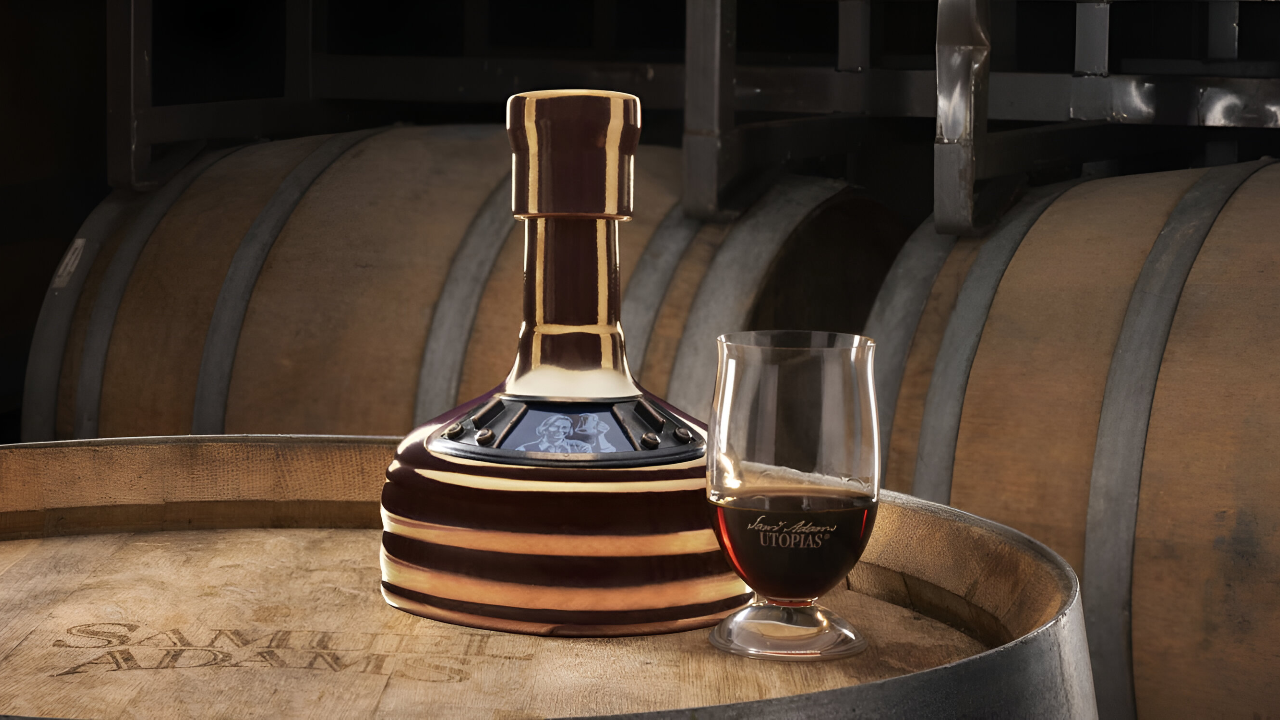
For over three decades, Samuel Adams founder Jim Koch chased what seemed impossible: brewing a beer that reached 30% alcohol by volume. In October 2025, that dream became reality with Utopias 2025, a barrel-aged masterpiece that defies conventional brewing wisdom.
At six times stronger than a standard lager, this extraordinary release blurs the line between beer and fine spirits, standing as one of the strongest beers ever brewed in America.
Outlawed Across Fifteen States
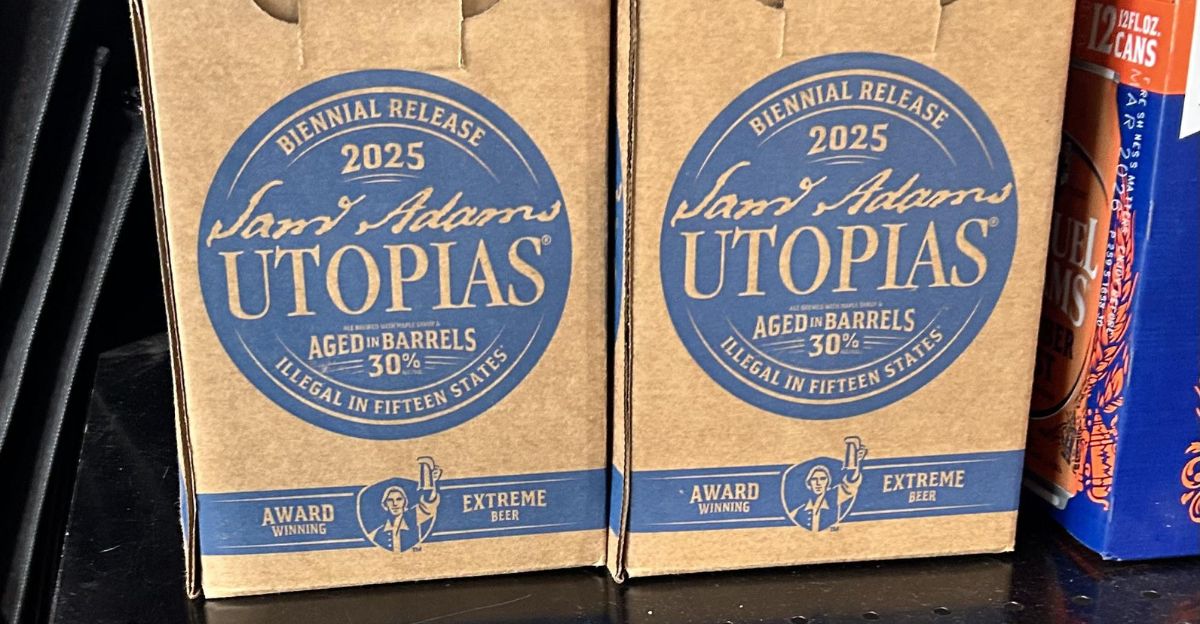
Despite its craftsmanship, Utopia’s exceptional strength has made it illegal in 15 states: Alabama, Arkansas, Georgia, Idaho, Missouri, Mississippi, Montana, New Hampshire, North Carolina, Oklahoma, Oregon, South Carolina, Utah, Vermont, and West Virginia.
These states enforce alcohol-by-volume limits between 12% and 15% for beer, caps that Utopias shatters by more than double. This legal patchwork creates a divided landscape where Massachusetts drinkers can legally purchase it while neighbors across state lines face potential violations.
A Bottle Worth More Than Gold Per Ounce
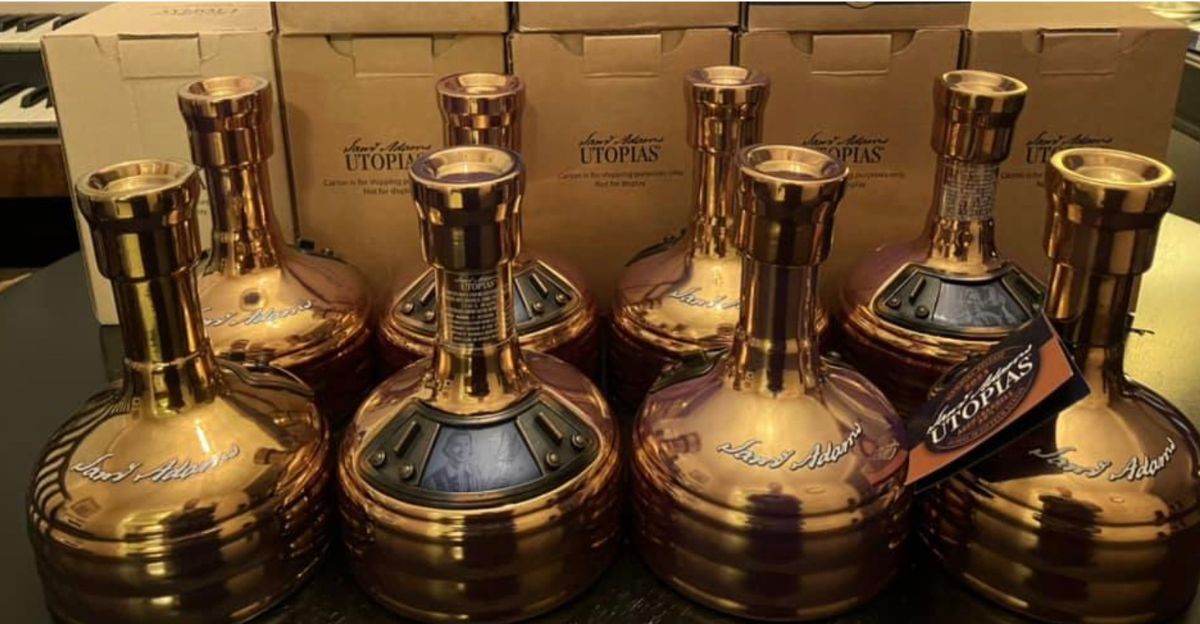
Each 24.5-ounce bottle commands a remarkable $240 retail price, translating to approximately $9.80 per ounce—pricing that positions Utopias among America’s most expensive beers. This cost reflects not just rarity but an intricate brewing and aging process spanning decades.
For collectors and connoisseurs, the price represents access to brewing history encased in a distinctive ceramic decanter shaped like a copper brewing kettle.
Three Decades of Vision and Persistence
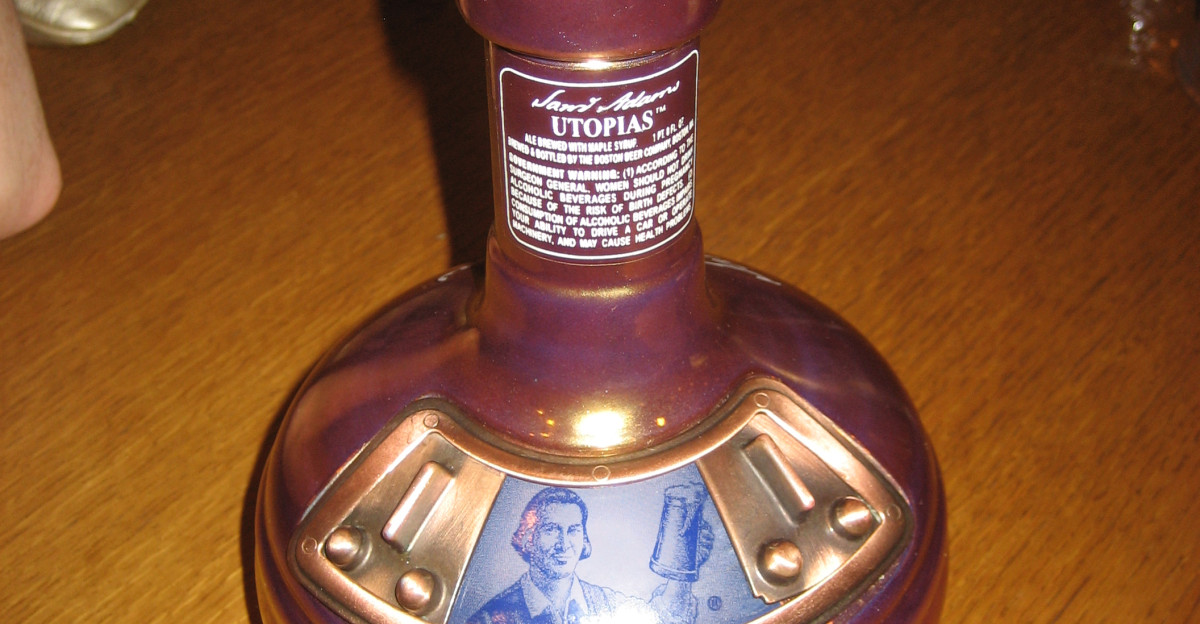
Jim Koch’s journey toward 30% ABV began in the 1990s when major breweries raced to create lighter beers. Koch went the opposite direction, crafting increasingly potent extreme brews—first Double Bock in 1988, then Triple Bock in 1994.
Each Utopias release since 2002 pushed boundaries through experimentation and innovation, building toward this milestone that Koch described as representing “the relentless pursuit of craft without compromise”.
Aging That Rivals the Finest Spirits
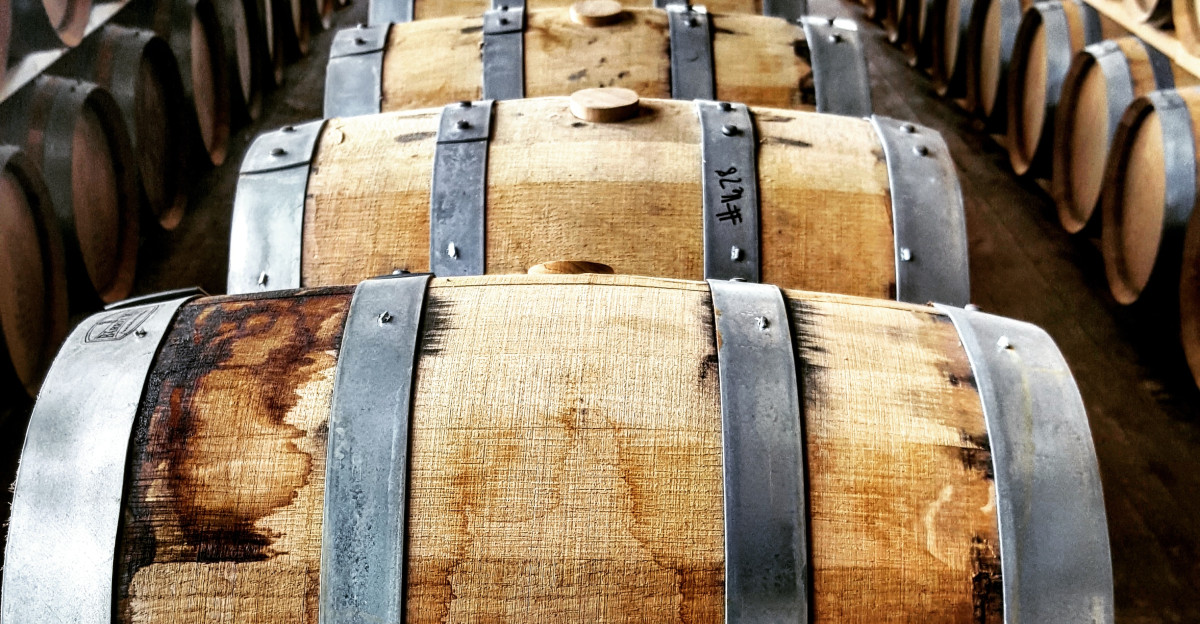
What truly distinguishes Utopias is time. Some components of the 2025 batch have been maturing for up to 30 years in bourbon barrels—an aging timeline that rivals fine cognacs and Scotch whiskies.
This extended maturation develops complexity and depth rarely found in beer, creating layers of flavor that evolve with every sip.
Seven Barrels, Infinite Complexity
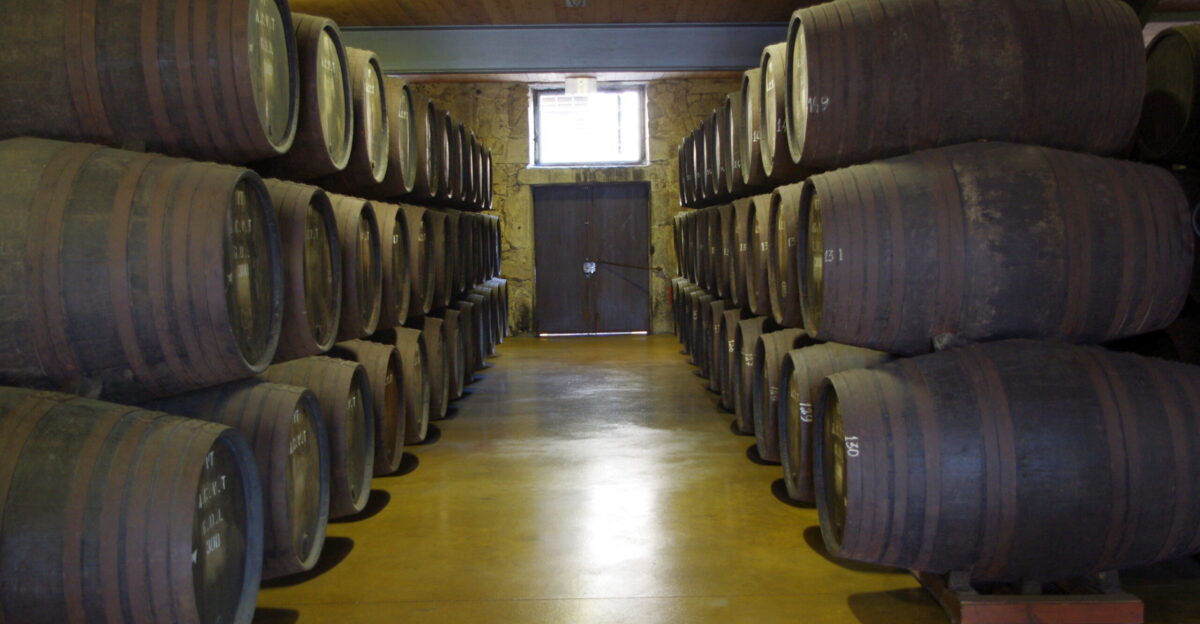
The 2025 Utopias undergoes finishing in seven distinct barrel types: Irish Whiskey, Amarone, White Port, Ruby Port, Carcavelos, Cognac, and Scotch casks. Each barrel imparts unique characteristics—sharper caramel from Irish Whiskey, high tannins from robust Amarone, and subtle citrus notes from White Port.
The result is a sensory profile layering oak, dried fruit, vanilla, and smoke more typical of fortified wines than traditional beer.
Challenging Traditional Alcohol Categories
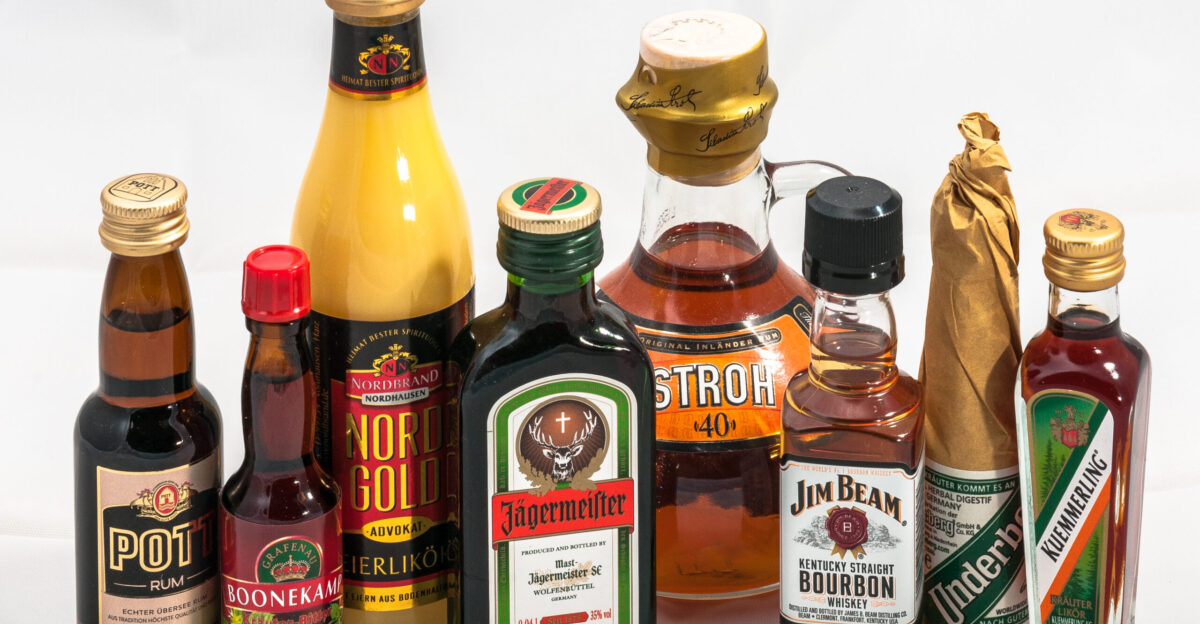
At 30% ABV, Utopias occupies a regulatory gray zone. Though it matches the strength of many spirits, it remains legally classified as beer because it’s brewed through fermentation rather than distilled. This unique status illustrates how alcohol laws haven’t caught up with innovative brewing techniques that push beyond traditional boundaries.
The classification has created confusion among regulators who traditionally view anything this strong as spirits territory.
A Geography of Legal Contradictions
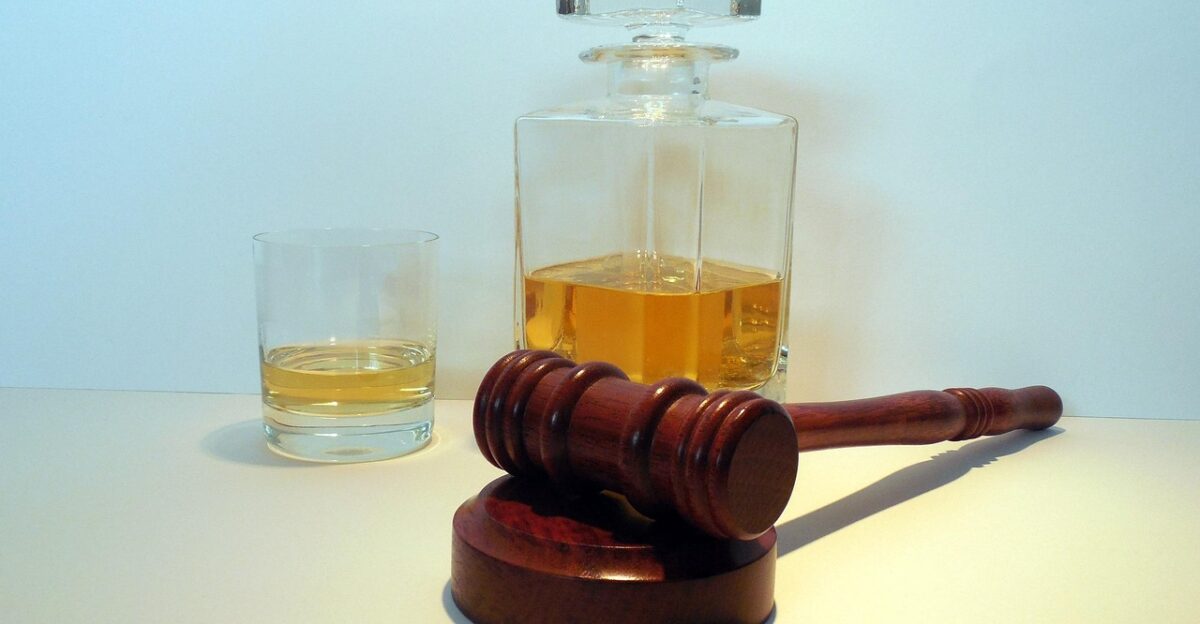
The stark contrast in Utopias’ legal status between neighboring states reveals America’s fragmented alcohol regulation. While drinkers in Massachusetts can legally sample alcohol at specialty stores, possession in New Hampshire—just miles away—violates state law.
Some alcohol laws treat interstate transport of prohibited beverages seriously, though enforcement varies widely across jurisdictions.
The Math Behind Each Precious Sip
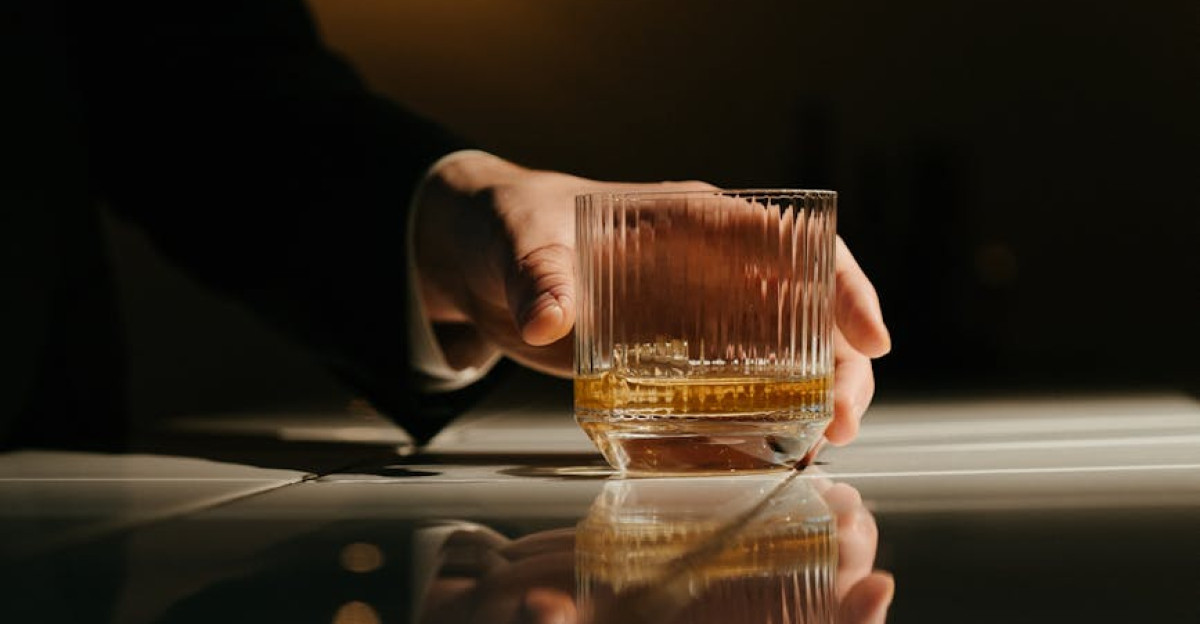
Given its extreme alcohol content, Samuel Adams recommends sipping just one to two ounces at a time—roughly what you’d pour of cognac or fine whiskey. This means each bottle yields approximately 12 to 24 servings.
At $240 per bottle, that breaks down to $10 to $20 per serving, positioning Utopias as both a luxurious indulgence and a meaningful investment for serious beer enthusiasts.
Beer That Drinks Like Fine Whiskey
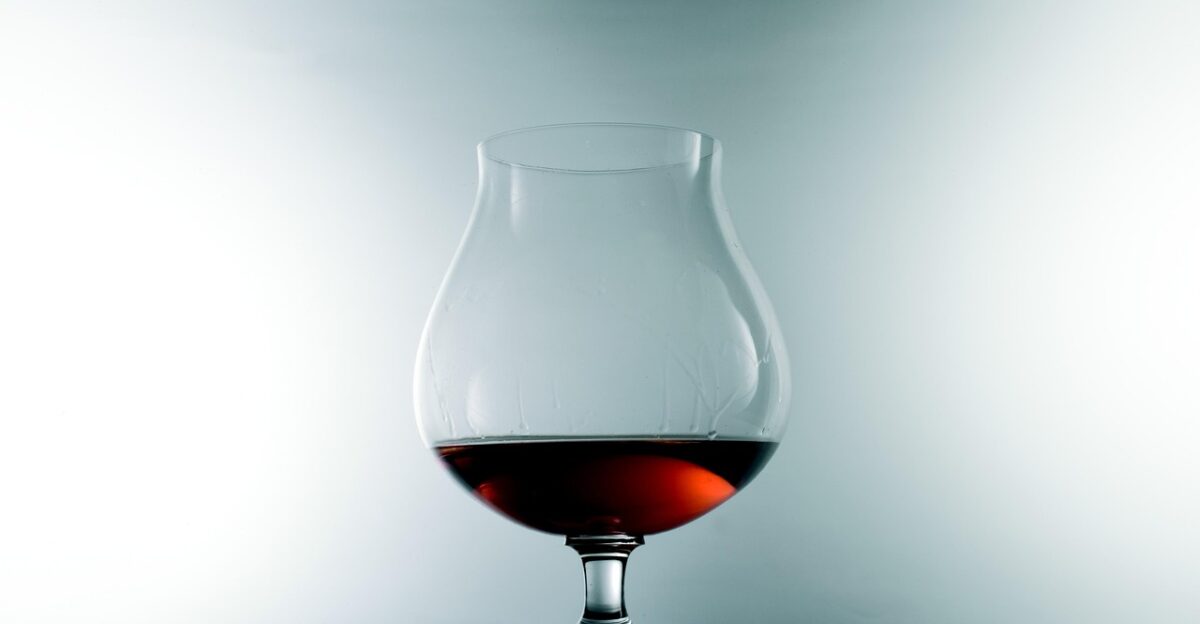
Despite reaching 30% ABV—aligning with bourbon and rum—Utopias retains its beer identity through traditional brewing methods and malt complexity. Critics and experts note this creates something extraordinary: a beer that tastes, smells, and drinks like a fine spirit yet remains fundamentally different.
It’s uncarbonated, served at room temperature in a brandy snifter, and meant for contemplative sipping rather than casual drinking.
Education Over Caution for High-Proof Beer
The extreme strength raises legitimate safety considerations. Consumers unfamiliar with Utopias might mistake it for standard beer and overconsume, leading to dangerous intoxication.
Samuel Adams addresses this through prominent labeling, recommended serving sizes, and educational materials emphasizing moderation. The brewery treats consumer safety as seriously as the brewing process itself.
Limited Availability Fuels Collector Demand
Utopias 2025 is available in specialty liquor outlets across just 35 states, only those where regulations permit its high ABV. Released biennially since 2002 in limited quantities, each batch sells out quickly.
Prospective buyers must confirm local laws before purchase, as possession in banned states can result in legal consequences. This scarcity intensifies demand among collectors hunting for numbered bottles.
From Functional Beer to Status Symbol
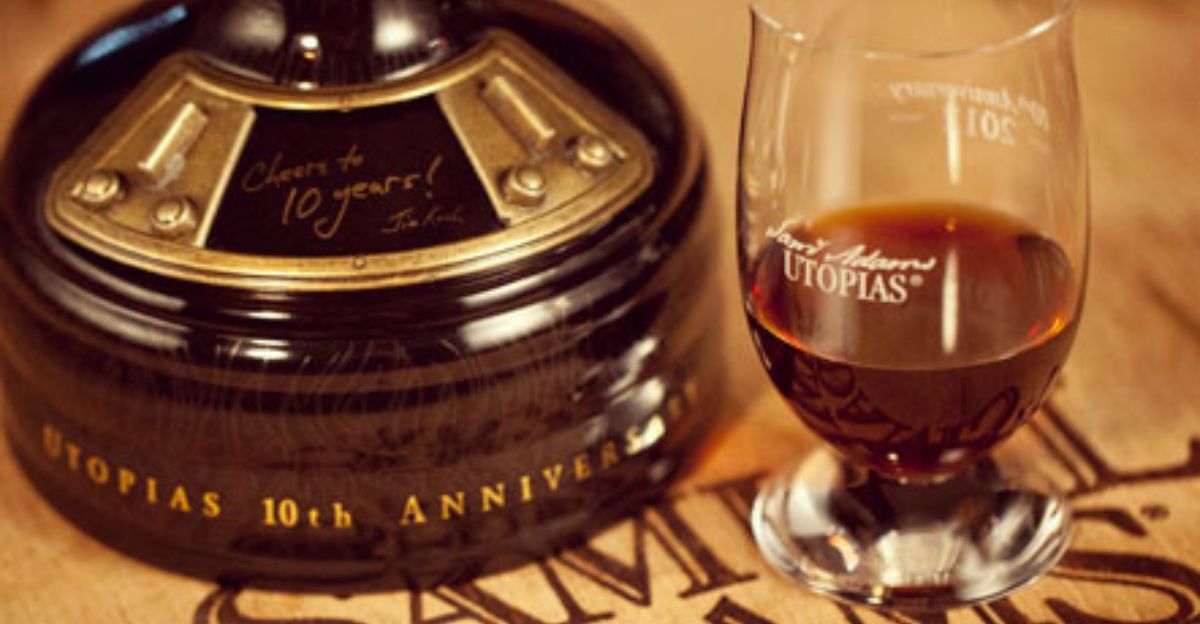
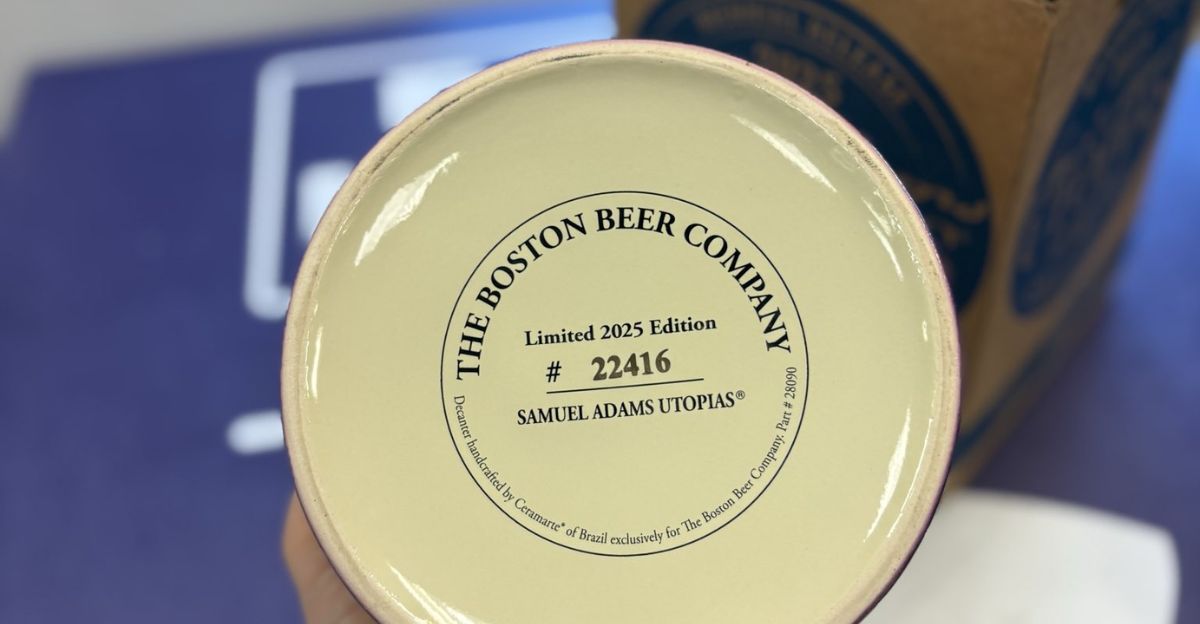
Each hand-numbered bottle arrives in a distinctive ceramic decanter that has become iconic among craft beer enthusiasts. Previous Utopias editions have appreciated significantly on secondary markets, with collectors viewing ownership not just as possessing beer but as holding a piece of brewing innovation.
The collectible nature transcends the liquid itself, making Utopias a conversation piece and investment.
Why Regulators Draw the Line
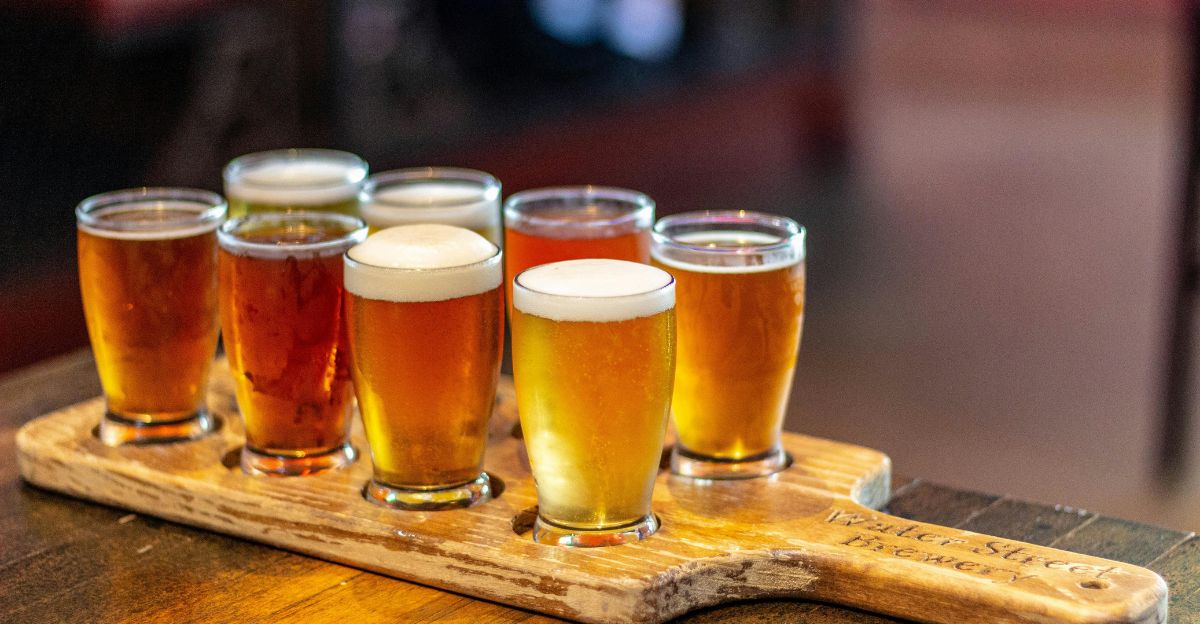
States banning Utopias cite public health concerns. They view beers exceeding 15% ABV as posing misuse risks due to their spirit-like strength. These caps aim to maintain clear distinctions between beer and spirits categories, ensuring consumers understand what they’re purchasing.
Utopias’ 30% ABV violates these limits, triggering automatic bans designed to protect communities from products that blur regulatory lines.
Advanced Fermentation Science at Work
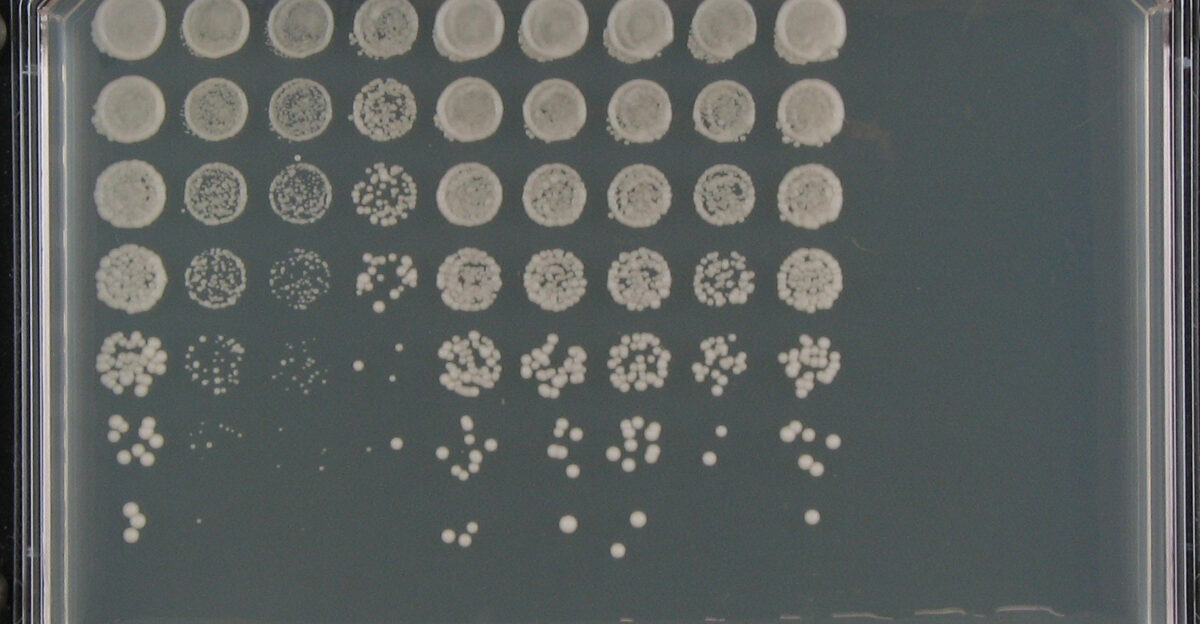
Creating 30% ABV without distillation requires specialized yeast strains, including those typically reserved for champagne and fortified wines. These yeasts ferment sugars far beyond typical beer limits, transforming malted barley and hops into an exceptionally alcoholic beverage through carefully managed fermentation processes.
This scientific approach represents decades of yeast selection and cultivation.
Luxury Positioning Sparks Industry Debate
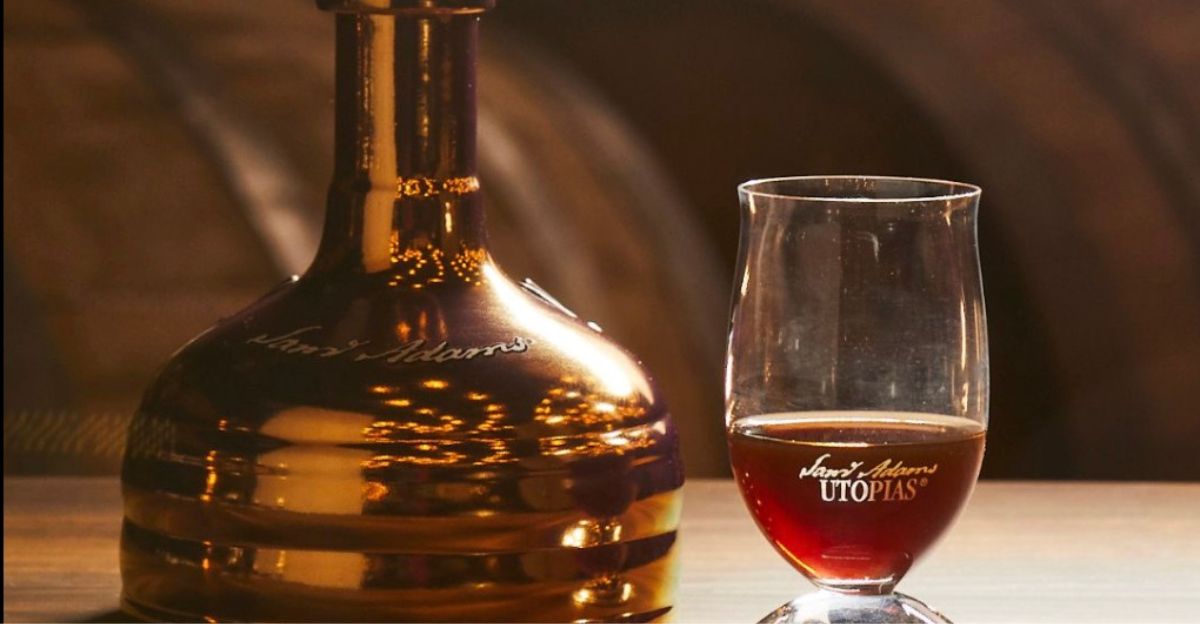
Utopias’ steep price firmly establishes it as a luxury product, prompting discussions about accessibility in craft beer culture. While the $240 price point may seem exclusionary, supporters argue it reflects genuine rarity and the brewer’s mastery.
The brewing process involves multiple facilities, decades of aging, and labor-intensive hand-bottling that justifies premium pricing for a truly unique experience.
Affecting Sixty-Four Million Americans
Approximately 64 million Americans—roughly 19% of the U.S. population—live in states where Utopias cannot be legally purchased. This geographic barrier channels consumption primarily to legal states and special tasting events, while some enthusiasts travel across state lines or seek bottles through collector networks.
The divided regulatory landscape underscores America’s complex relationship with alcohol regulation.
Standing Alone in an International Context
While some European breweries produce beers exceeding 30% ABV through freeze-distillation methods, these products are often legally classified as spirits when sold in the United States.
Samuel Adams’ Utopias stands apart as the strongest American beer maintaining legal beer classification in states where it’s permitted, setting a domestic benchmark for innovation without distillation.
The Biennial Release Tradition Continues
Unlike the 30-year aging period for the oldest components, new Utopias batches arrive every two years through masterful blending. Blend masters combine younger brews with aged vintages to produce each release, ensuring consistency while incorporating new innovations.
This biennial schedule means enthusiasts can anticipate the next edition in 2027, though each batch’s unique characteristics make every release a standalone treasure.
A Milestone Two Decades in the Making
The 2025 Utopias release marks a historic achievement by reaching a strength once considered impossible for beer. It represents the culmination of decades spent refining techniques and challenging traditional boundaries.
As Samuel Adams notes, “This year’s release combines vintages aged up to 30 years, finished in seven barrel types, blurring the line between beer and fine spirits”—a fitting description for brewing’s most ambitious experiment