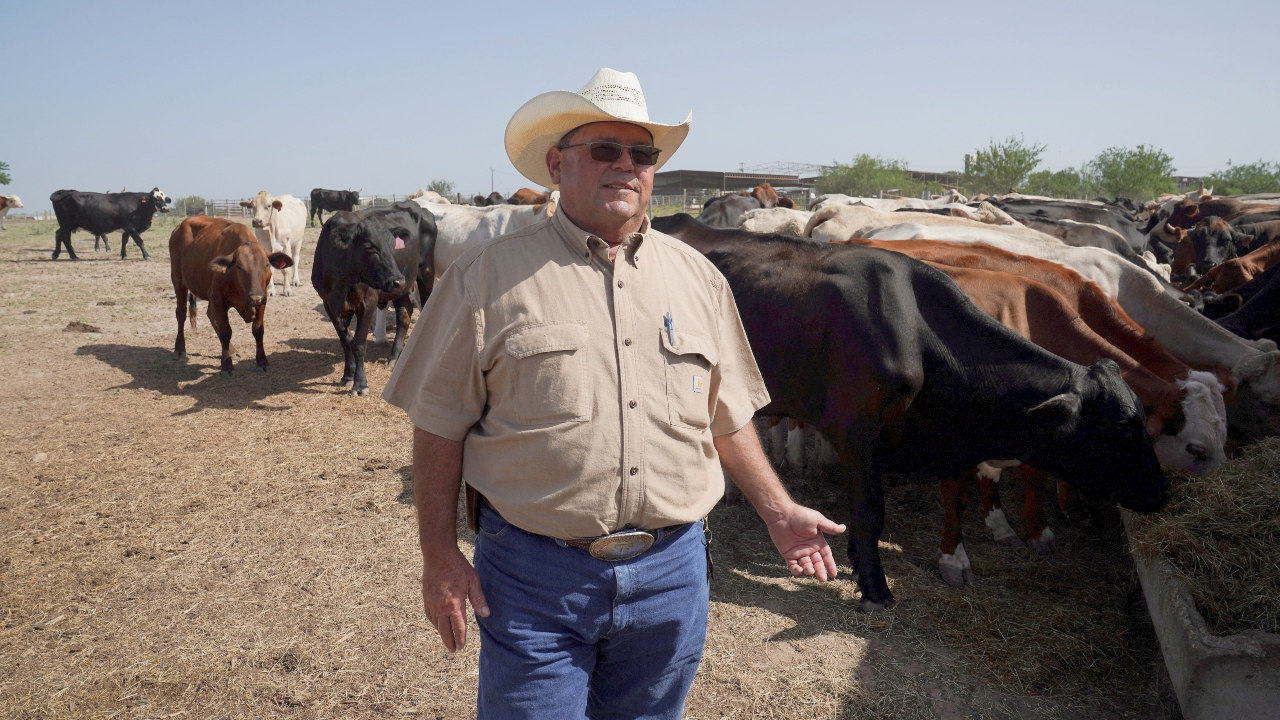
On October 19, 2025, President Trump announced a game-changing decision: to quadruple Argentina’s beef import quota at lower tariffs, setting off a firestorm of controversy.
This bold move, made as U.S. beef prices hit record highs, threw the cattle industry into turmoil. With the national herd at a 75-year low and prices soaring, ranchers and lawmakers alike are grappling with the potential fallout.
But what’s the real impact on about 583,000 American farmers—and how far will this policy ripple across global trade? Keep reading to uncover the surprising consequences that followed.
Why Did This Happen?
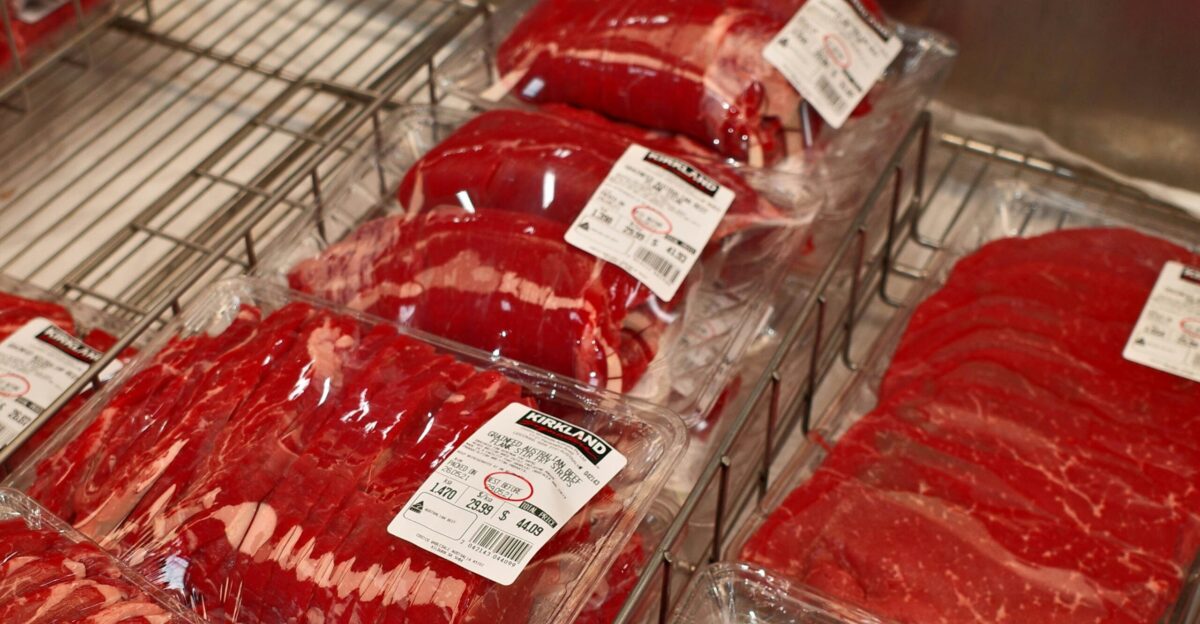
U.S. beef prices reached record highs in 2025, with ground chuck at $6.33 per pound in October. The national cattle herd fell to a 75-year low of 94.2 million head by July 2025, resulting in supply constraints.
The White House pursued cheaper Argentine imports to ease consumer costs. Critics, including the U.S. Cattlemen’s Association and National Cattlemen’s Beef Association, argued this approach sacrifices industry stability for temporary relief.
Consumers Bear the Brunt
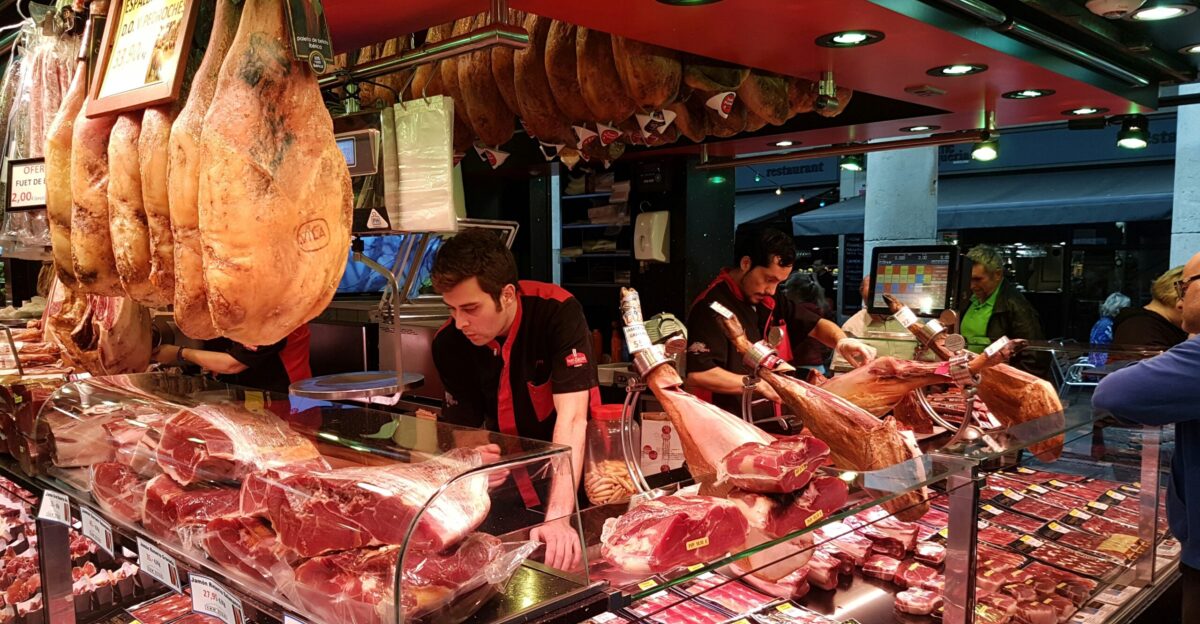
Despite the promise of increased Argentine beef imports, U.S. retail prices have not dropped as expected. Industry analysts note that while imports may reduce prices paid to ranchers, grocery store beef prices remain elevated.
The disconnect between wholesale import costs and retail pricing means families see little relief at checkout, highlighting gaps between trade policy intentions and consumer-level economic realities.
Fast Food and Retailers May Adjust Sourcing
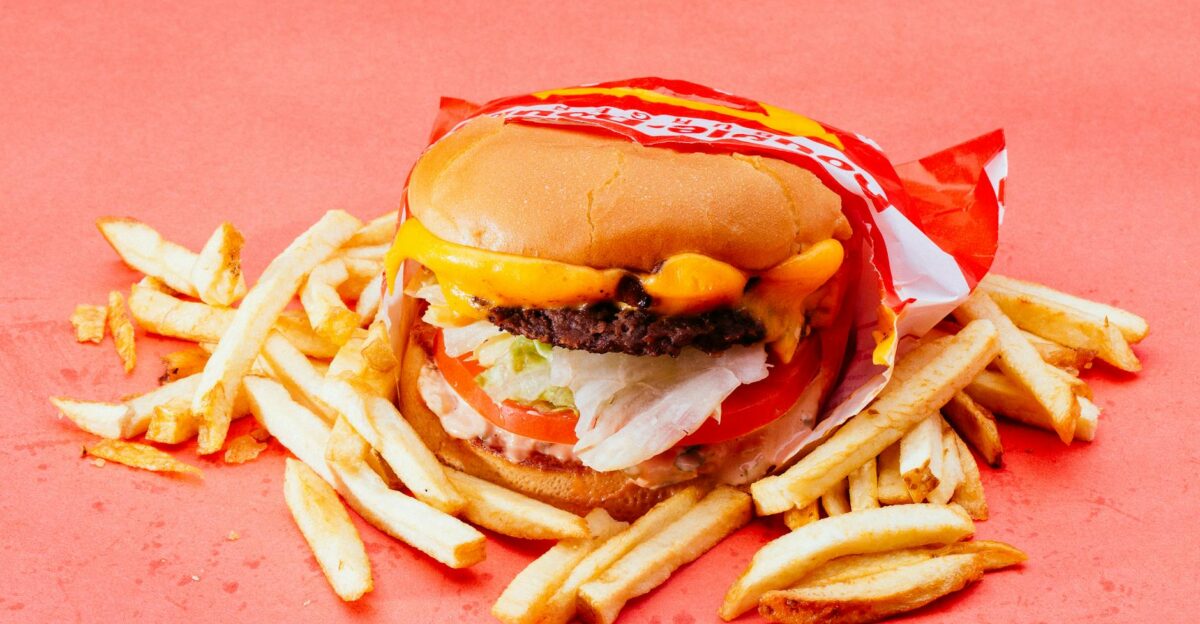
Major fast food chains and retailers could increasingly source imported beef to manage costs and maintain menu prices. This potential shift raises concerns about transparency in beef origin and sourcing practices.
Consumer trust in U.S. food systems may be tested as questions emerge about whether purchases support domestic ranchers or foreign imports, particularly given Argentina’s own reliance on Brazilian beef imports.
Alternative Proteins and Adjacent Markets Surge

As beef prices remain elevated and sourcing uncertainty grows, consumers are turning to chicken, pork, and plant-based proteins.
This shift, documented by Food Institute data from mid-2025, shows consumers seeking stable prices and clear labeling.
The trend threatens beef’s traditional dominance in American diets and is reshaping grocery store offerings, potentially accelerating longer-term changes in protein consumption patterns.
International Trade Tensions Escalate
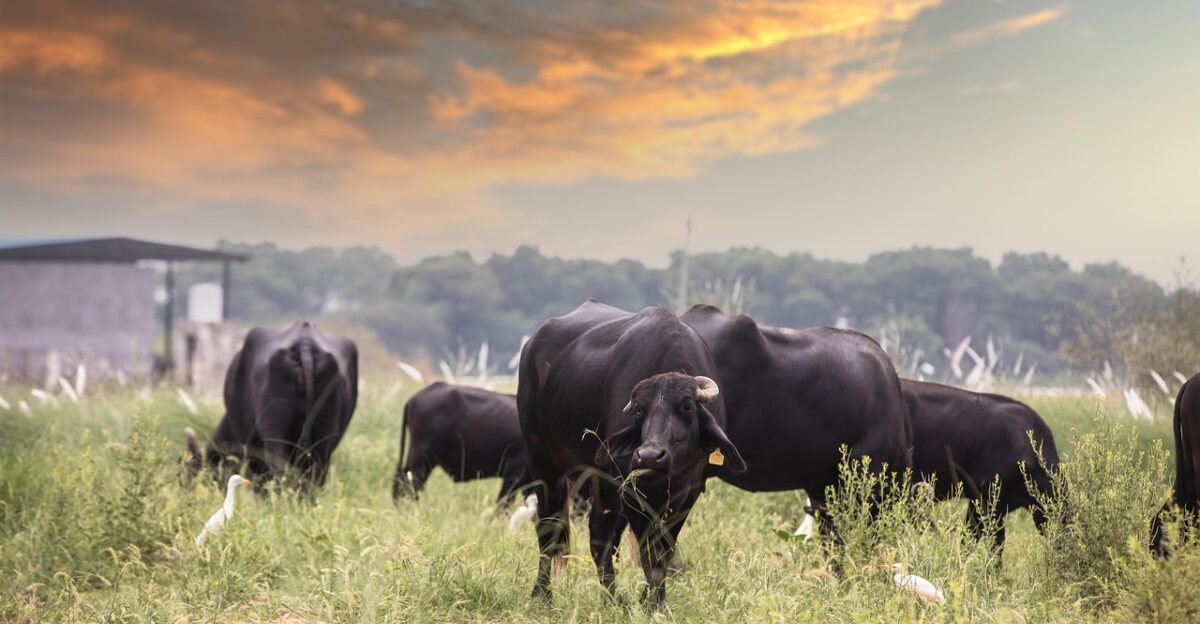
Argentina’s beef exports to the U.S. rose 15% year-to-date through October 2025, reaching 28,934 metric tons. However, Argentina’s cattle herd is shrinking due to drought and economic crisis.
Simultaneously, Argentina imported over 6,200 tons of Brazilian beef in the first half of 2025, up from 146 tons in 2024. This raises questions about the true origin of “Argentine” beef entering U.S. markets.
Ranchers Feel Betrayed and Vulnerable
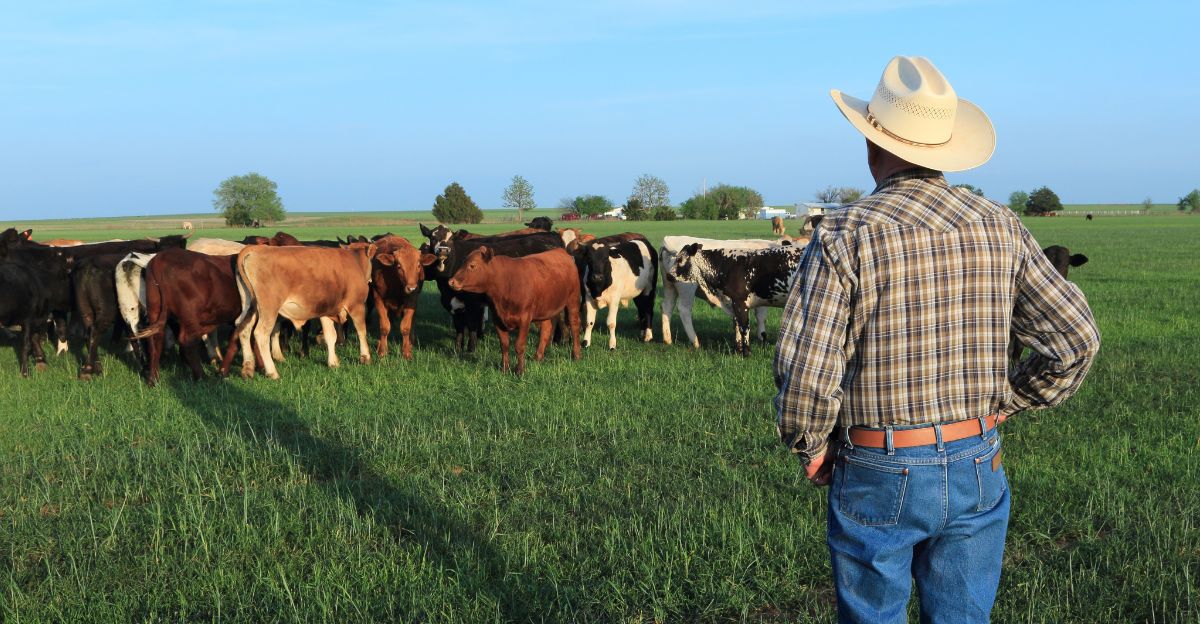
U.S. ranchers expressed frustration after finally achieving profitability following years of hardship. Craig Bieber, Vice President of the South Dakota Cattlemen’s Association, called the situation “ludicrous,” stating ranchers had “finally got prices that we can make some headway on.”
The sense of betrayal is widespread among producers who supported Trump, as they face renewed market uncertainty just as conditions improved.
Political Backlash and Policy Debate
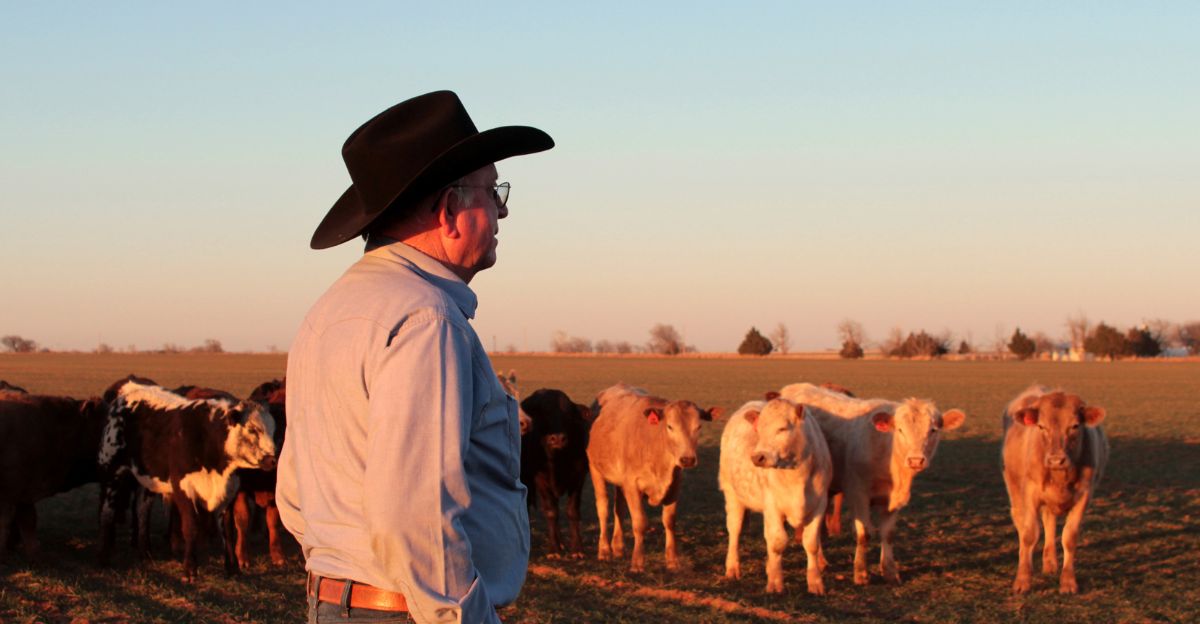
Eight House Republicans, led by Representative Julie Fedorchak (R-N.D.), publicly opposed Trump’s import plan, exposing internal GOP divisions over agricultural policy.
The U.S. Cattlemen’s Association sent a formal letter to President Trump on October 21, 2025, urging reconsideration and warning of risks to rural communities and food security. The backlash signals potential political challenges for the administration on agricultural issues.
Inflation and Economic Strain
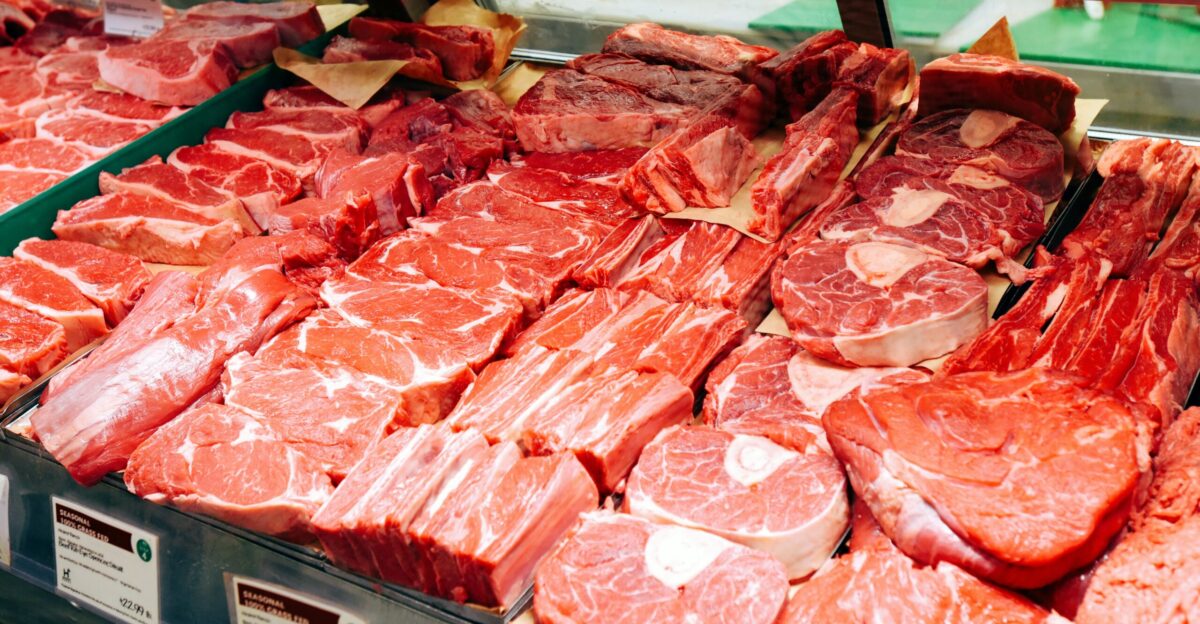
Despite increased import announcements, beef prices remain high, fueling concerns about inflation. The U.S., as the world’s largest beef importer, continues to experience elevated retail prices that haven’t responded to policy changes.
This disconnect between global supply chain adjustments and local affordability affects both consumers and the broader economy, highlighting complexities in using imports to control domestic food prices.
Retailers Rethink Strategies
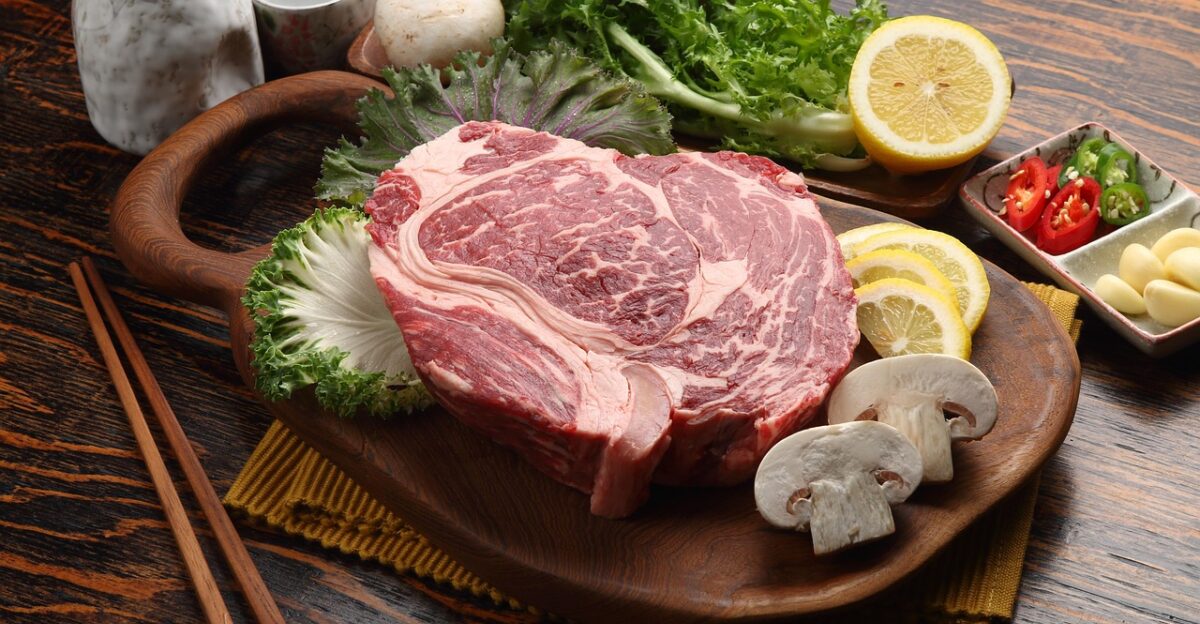
Supermarkets and independent butchers face pressure to manage beef supply while maintaining price competitiveness.
Small retailers may struggle competing with large chains that can more easily secure cheaper imports, potentially accelerating industry consolidation.
This threatens independent butchers and local businesses, which lack the purchasing power and infrastructure of major chains to navigate the complexities of volatile import markets and sourcing.
Restaurants and Hospitality Adapt Menus
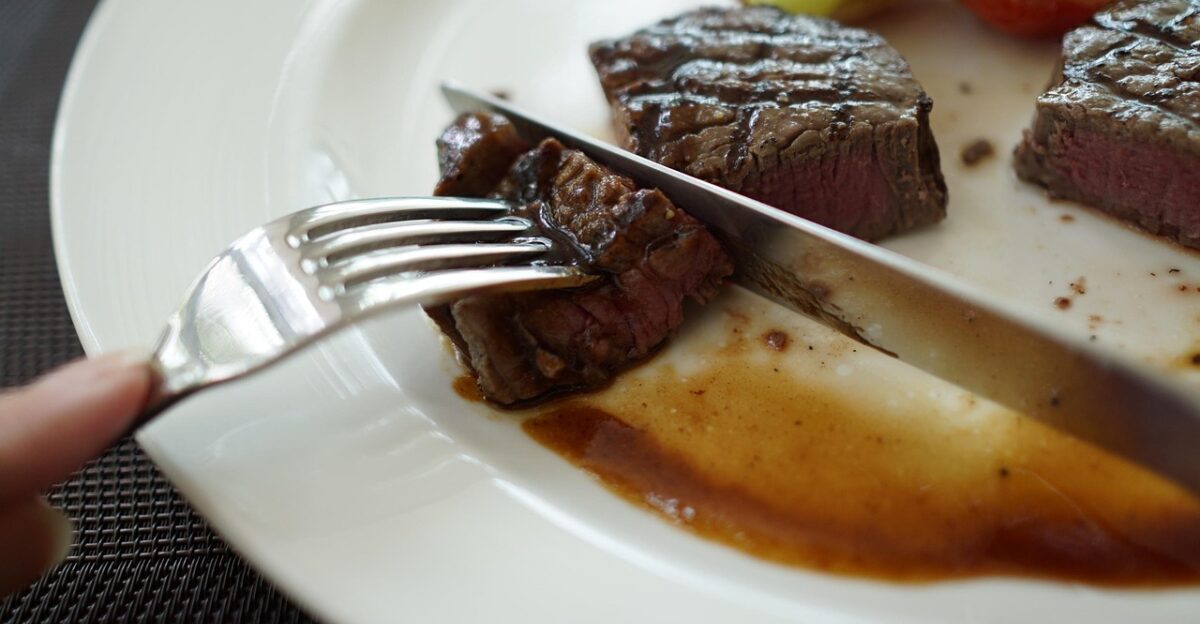
Restaurants, particularly steakhouses and burger establishments, may adjust menus and portion sizes to manage rising beef costs.
Some could advertise “100% U.S. beef” as a premium selling point, while others might quietly switch to imported products.
This creates transparency debates over consumer trust and ethical sourcing practices, as diners increasingly question the origin of their meals.
Knock-On Effects in Related Industries
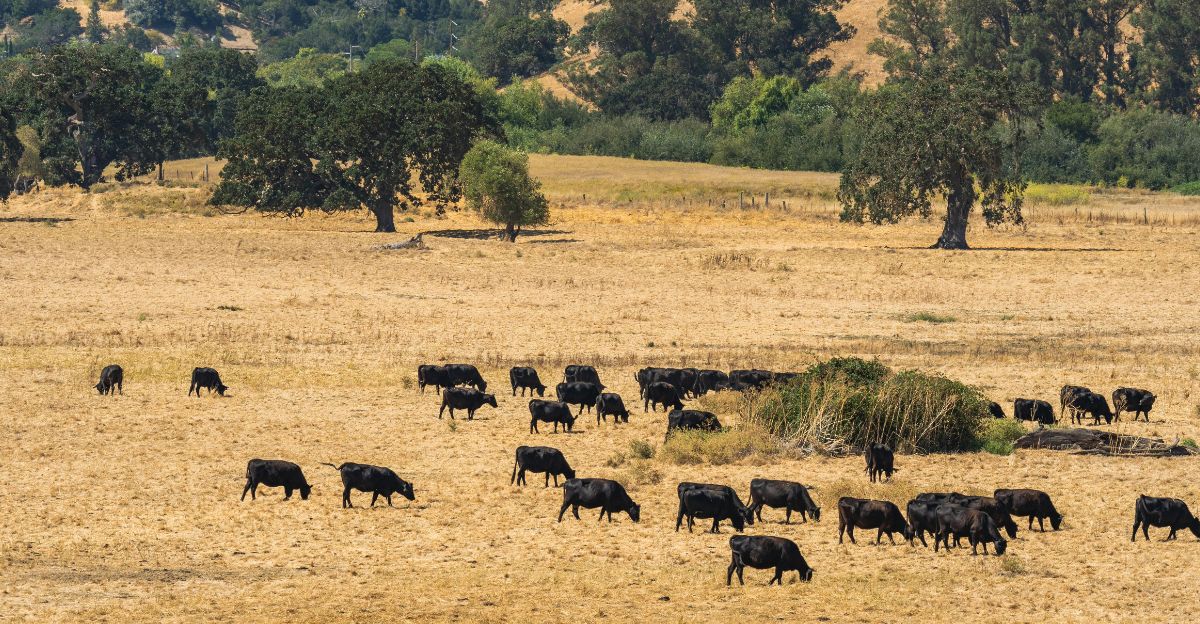
The shift in the beef trade impacts industries relying on U.S. cattle byproducts, including those involved in leather, pet food, and fertilizer manufacturing.
Reduced domestic cattle processing could threaten these supply chains, potentially raising costs for manufacturers and consumers in adjacent markets.
The U.S. Cattlemen’s Association highlighted these concerns in their letter to Trump, noting the interconnected nature of cattle-dependent industries.
Global Consumers Feel the Impact
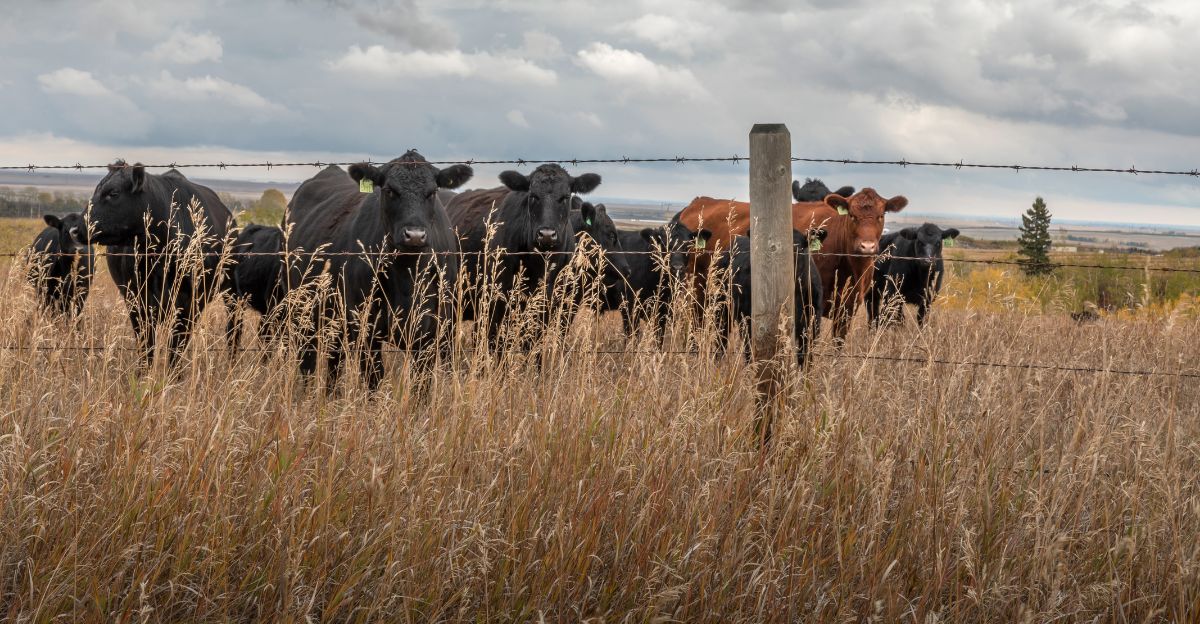
U.S. demand for increased beef imports affects global markets. Argentine consumers face higher domestic prices and reduced availability due to their country’s economic crisis and pressure on exports.
Meanwhile, Chinese demand for South American beef further strains international supplies. These dynamics create complex ripple effects across international beef markets, affecting pricing and availability beyond U.S. borders.
Health and Lifestyle Choices Shift

Nutrition advocates and industry groups have raised concerns about the safety and quality standards of imported beef compared to those of U.S. products.
Some consumers respond by seeking local, grass-fed, or organic options. Others reduce overall beef consumption for health or ethical reasons.
The USDA and industry groups specifically warned about disease risks, including foot-and-mouth disease, which could devastate U.S. cattle if introduced.
Cultural and Environmental Debate Intensifies
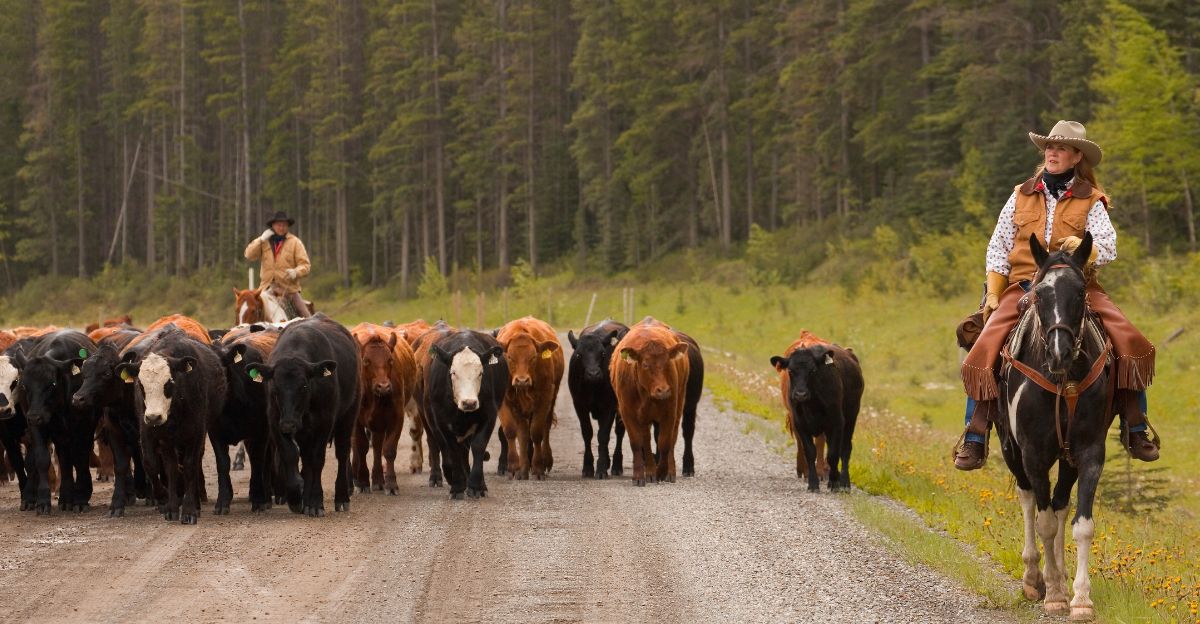
Trump’s policy reignited debates over food sovereignty, sustainability, and animal welfare. Critics argue that relying on foreign beef undermines American ranching traditions and agricultural independence.
The U.S. Cattlemen’s Association warned that increased imports risk introducing animal health crises, such as foot-and-mouth disease, which doesn’t currently exist in the U.S. but is present in South American cattle populations.
Winners and Losers Emerge
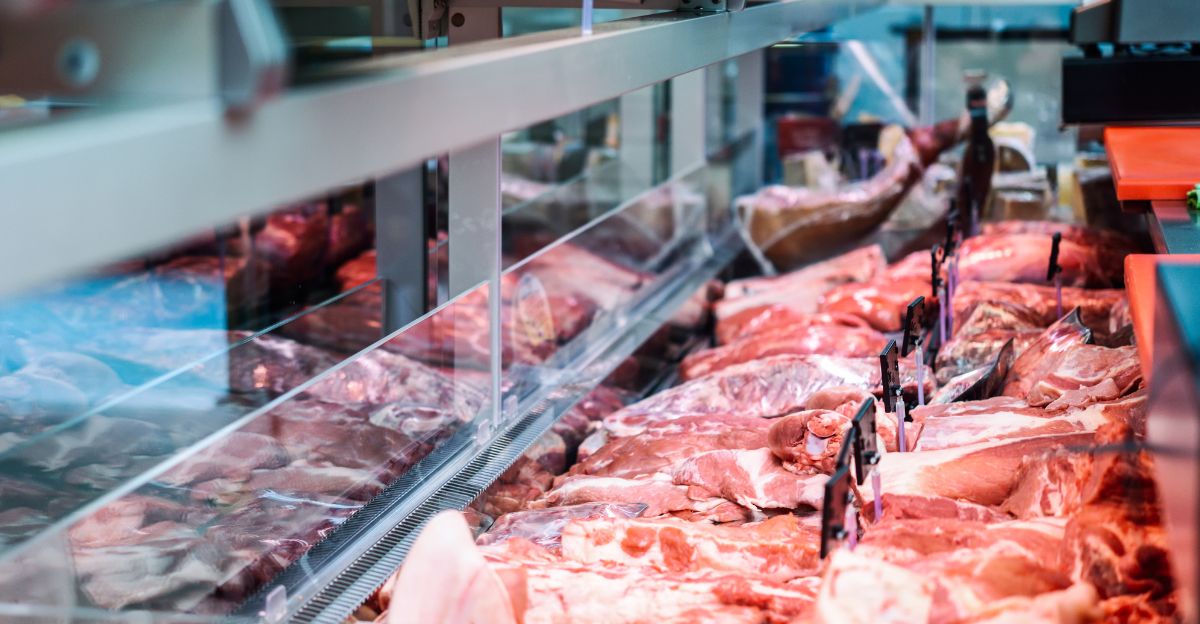
Multinational meatpackers and large retailers benefit from cheaper import access, potentially boosting their profit margins. In contrast, independent ranchers, small processors, and rural communities face financial pressure and economic uncertainty.
This dynamic exacerbates existing inequalities within the beef industry, threatening the viability of smaller operations while consolidating power among major corporations with global sourcing capabilities.
Financial Markets React

Commodity traders and investors responded to the policy announcement with beef futures experiencing volatility. MarketWatch reported cattle futures dropped from record highs following Trump’s import plans.
Speculation continues over long-term U.S. beef price stability and potential further trade disruptions. Market uncertainty reflects broader questions about how trade policy will reshape domestic cattle economics.
Navigating the New Beef Market
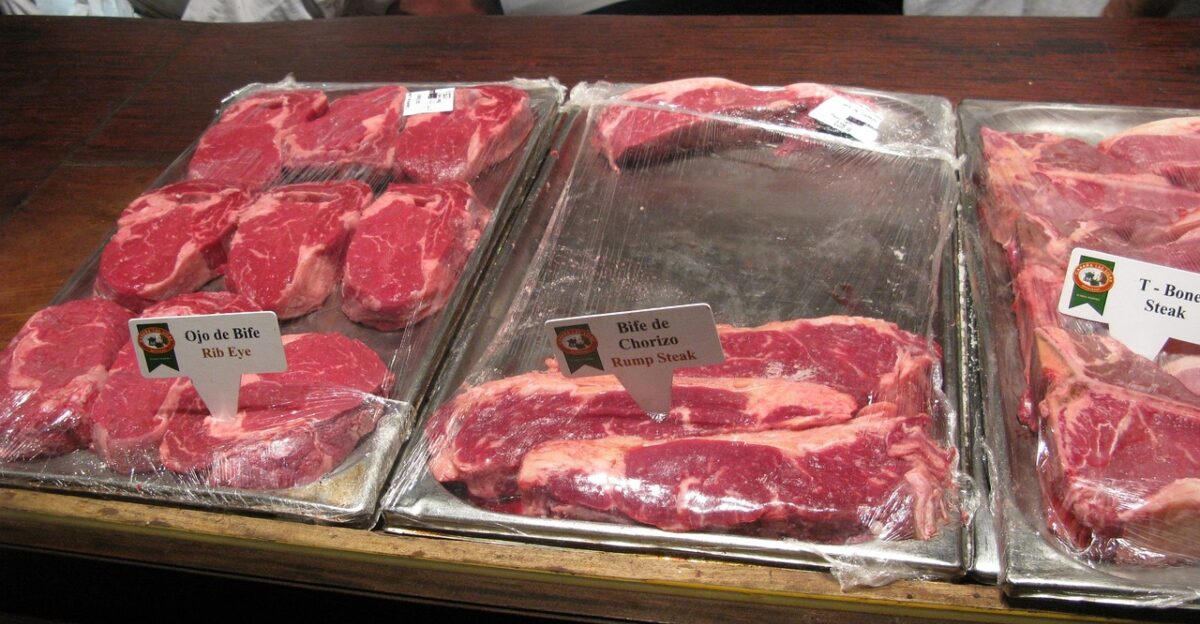
Consumers are advised to check labels for country-of-origin information and, when possible, seek local producers.
Supporting independent ranchers and retailers with transparent sourcing practices can help maintain quality and sustain domestic agriculture.
The U.S. Cattlemen’s Association encouraged consumers to prioritize verified U.S. beef products during this period of market uncertainty and potential sourcing confusion.
What’s Next for U.S. Beef?
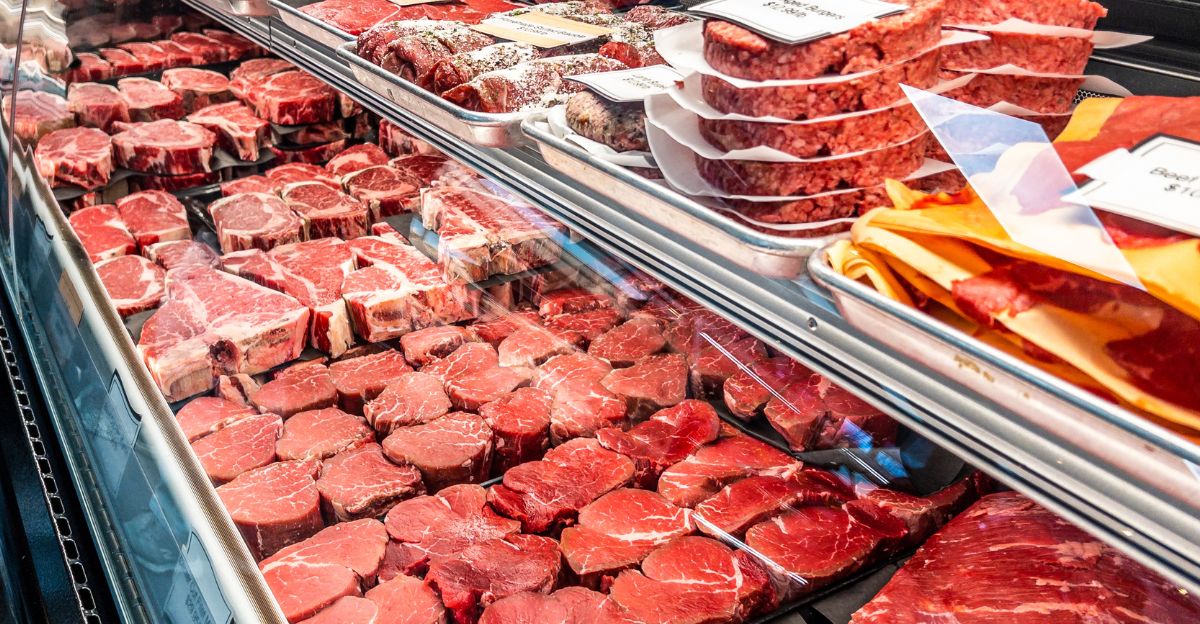
Industry leaders warn that continued reliance on imports could erode domestic production capacity over time. Policymakers face pressure to balance consumer affordability with food security, supply chain transparency, and support for American ranchers.
The debate centers on whether short-term price relief justifies potential long-term consequences for domestic cattle operations, rural economies, and agricultural independence.
The Far-Reaching Ripples of a Trade Gamble
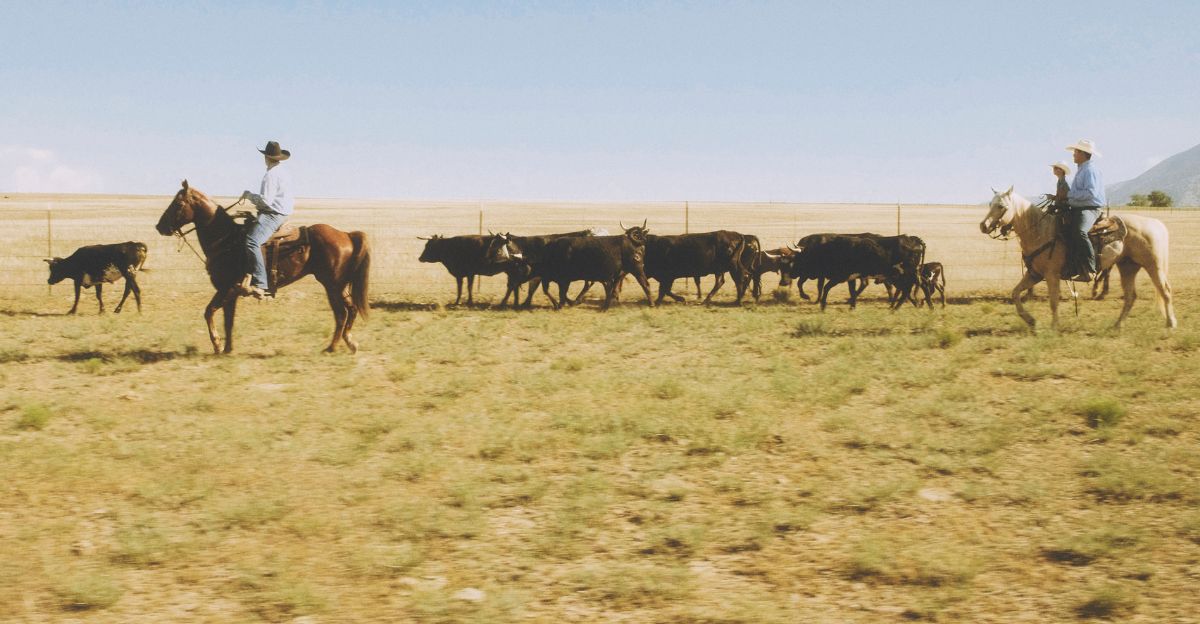
Trump’s October 2025 decision to dramatically increase Argentine beef imports—intended as a quick solution to high consumer prices—triggered complex consequences across industries, communities, and global markets.
The ongoing debate centers on creating a fair, resilient, and transparent food system that strikes a balance between consumer affordability and domestic agricultural viability, food security, and the economic well-being of America’s 583,000 beef cattle workers.