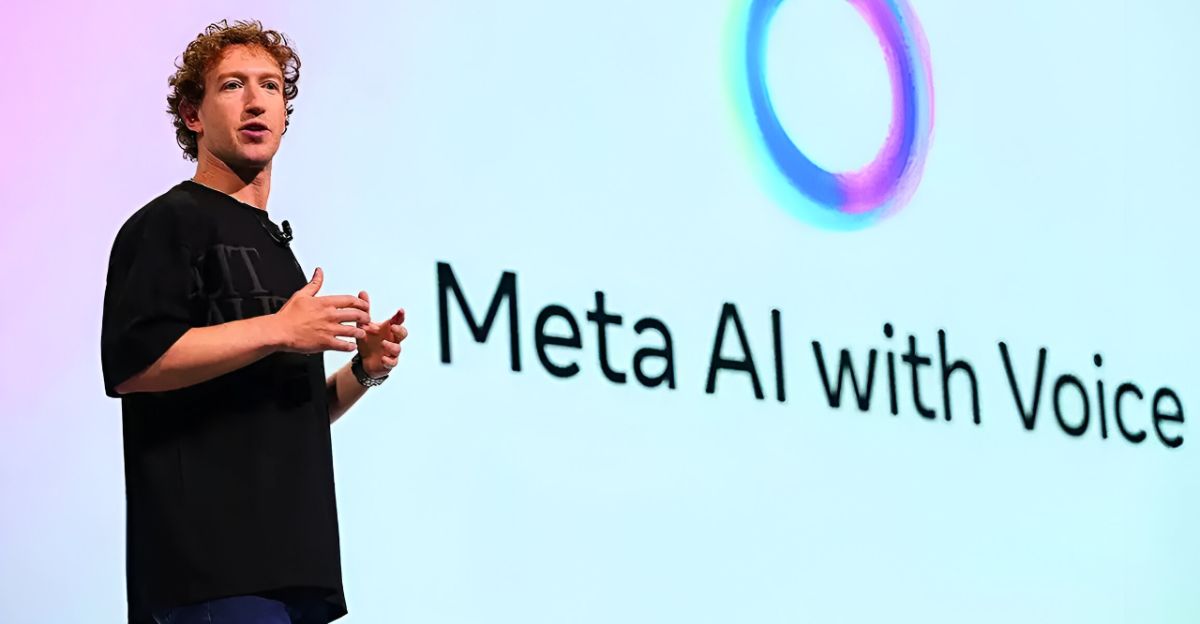
Meta sent a jarring email to hundreds of employees in its artificial intelligence division on a quiet Wednesday morning in October 2025, informing them that the company was cutting their jobs.
Meta informed around 600 workers across its respected Fundamental AI Research (FAIR), product, and infrastructure teams that their jobs would officially end on November 21.
This wasn’t a company-wide layoff—it hit specific groups that had built Meta’s AI foundation over the last decade. Only the company’s newly-formed and CEO-favored TBD Lab—a special group that Mark Zuckerberg personally recruited top scientists into this summer—was spared.
Paradox Unveiled

News of the layoffs baffled many in the industry. On the one hand, Meta is cutting 600 AI jobs.
On the other hand, the company is promising to spend a record $72 billion on AI infrastructure in 2025 (almost double from last year), reportedly building new data centers “big enough to cover a chunk of Manhattan.”
Just days before the layoffs, Meta announced a $27 billion financing deal to help fund this construction blitz. Chief AI Officer Alexandr Wang wrote in his memo that “this by no means signals any decrease in investment”—in fact, the company would keep hiring for key projects.
However, employees and observers alike pointed out the contradiction of investing billions in AI while laying off hundreds of experienced AI researchers.
Industry Context

Job cuts like Meta’s are now common in Silicon Valley. By October 2025, over 180,000 tech workers at more than 400 companies worldwide had lost their jobs—an average of nearly 500 layoffs every day.
Intel slashed over 35,000 jobs in two years.
Even Microsoft cut more than 15,000 positions in 2025. Often, companies claim that AI will drive growth and replace many traditional roles—a trend reinforced by the fact that over one-quarter of tech layoffs this year were directly linked to AI-based automation.
Meanwhile, these same companies ramp up spending on top-tier talent, custom chips, and cloud/AI infrastructure, hoping that a smaller and sharper workforce will accelerate innovation.
Zuckerberg’s Frustration
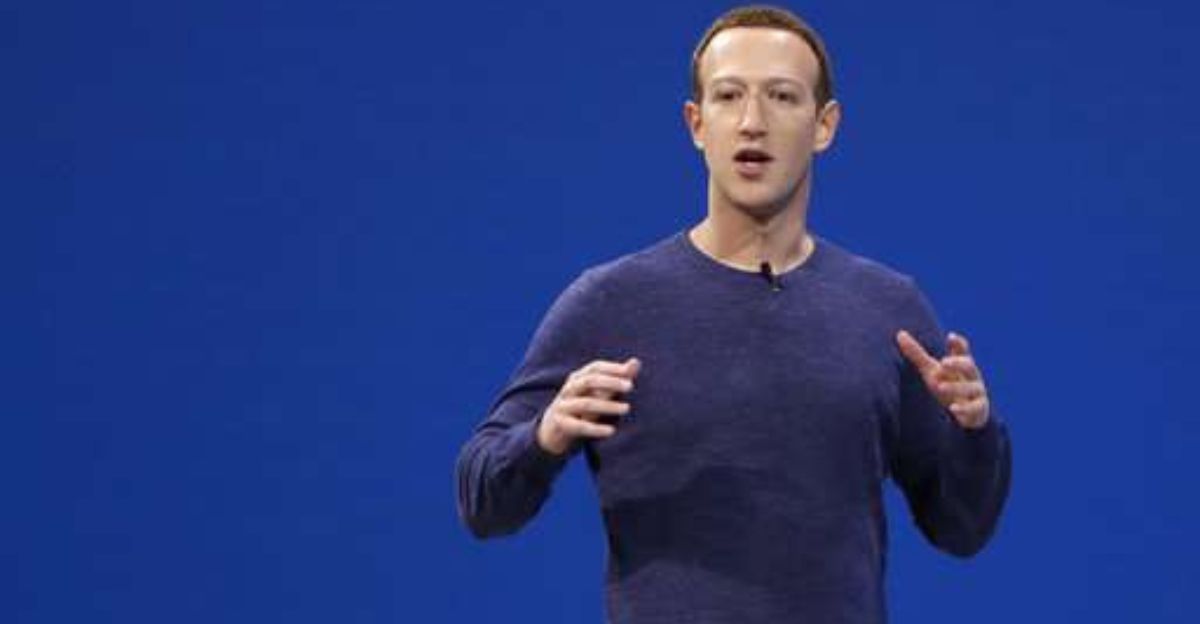
Inside Meta, these layoffs followed months of CEO Mark Zuckerberg losing patience with the company’s progress on AI. After a major release of its Llama 4 language models in April—meant to rival top AI platforms—Meta claimed superior performance on popular benchmarks.
Independent reviewers and industry observers determined that a special experimental version, not the public model, achieved the top scores. This sparked accusations of hyped-up claims, damaging Meta’s reputation.
Zuckerberg reportedly grew increasingly dissatisfied, especially as rivals like OpenAI, Google, and Anthropic made faster advances. This frustration led him to focus resources on a small, hand-picked team (the TBD Lab), hired personally from leading AI and academic institutions.
Major Announcement
The 600 layoffs affected much of Meta’s Superintelligence Labs, including the FAIR research group, which was founded in 2013, as well as numerous product-focused and infrastructure teams.
However, the newer TBD Lab, led by Wang and featuring high-profile, expensive hires, remained untouched. Meta placed those let go on a “non-working notice period” starting November 21, allowing them to apply for other roles within the company during that time.
The company provided generous severance (at least 16 weeks’ pay). Meta set up a “tiger team” of recruiters to help the departing scientists find new jobs within the company. Overall, Superintelligence Labs slimmed down by about 20%, now totaling about 3,000 employees.
Personal Consequences

For the affected workers, the experience was both shocking and personal. Many had helped build the company’s AI technology for years—FAIR, for instance, developed the widely used PyTorch tools and advanced language translation models.
Now, those same researchers faced a tough job market, with nearly 100,000 laid-off tech workers searching for new positions. Some shared on social media that the very AI models they’d built were now being used to automate away jobs around them.
The layoffs left many wondering if their work in AI was, ironically, making them obsolete.
Regional Impact
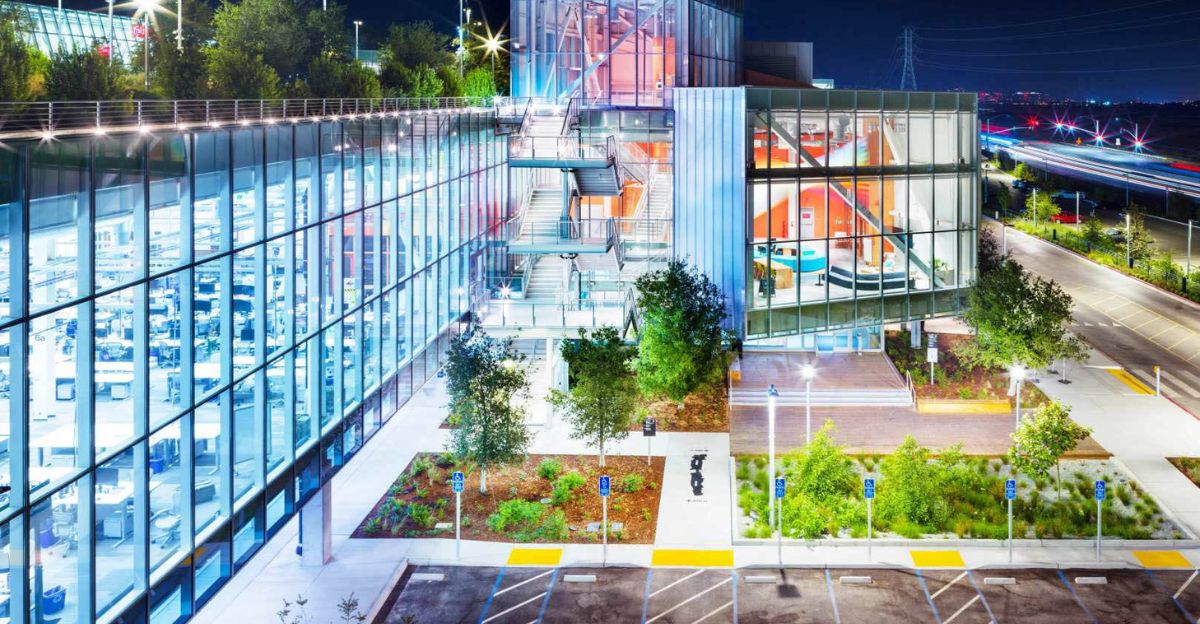
The layoffs affected every central Meta AI location, including Menlo Park, New York, Paris, Montreal, Tel Aviv, Seattle, Pittsburgh, and London. U.S. staff got immediate notice, while European workers began standard labor law “consultation” processes.
Especially hard hit were research centers in cities like Montreal and Paris, which had invested heavily in building vibrant AI communities in partnership with Meta.
For those places, the cuts raised new worries that tech giants may scale back support for open-ended research in favor of more profit-driven teams close to headquarters.
Expert Analysis
Analysts say Meta’s move shows a shift across Big Tech: companies are focusing less on open-ended, academic-style research and more on applied, product-driven development.
Speed and “impact per person” have become priorities, with top leaders believing smaller teams make decisions faster.
Research from Deloitte and Visual Workforce supports this: companies that offer good internal mobility tend to retain staff longer, and internal transfers can help absorb some layoffs—but only if new, relevant roles are available.
Some experts worry that cutting too many foundational researchers, however, could undermine breakthrough discoveries.
Market Reaction

Meta’s stock price fell only 0.6% on layoff day, suggesting that Wall Street supports smaller and efficient teams.
Investors reward companies that keep costs steady while investing in new technology—so long as AI advances seem possible.
Meta’s gamble, then, is that fewer, faster teams using immense infrastructure will outperform larger, slower organizations.
So far, markets have not punished the decision, reflecting broader confidence in the company’s AI direction despite the layoffs.
Timing Contrast

The day before Meta’s layoffs, OpenAI had released ChatGPT Atlas, a new AI-powered browser that immediately challenged Google’s dominant Chrome browser.
The news made clear that Meta’s 600 layoffs were just a footnote in a much bigger tech shakeup. Other recent headlines dwarf the Meta cuts: Intel’s significantly larger reductions, AI breakthroughs in areas such as quantum computing, the global rollout of new AI regulations, and a 2025 tally of over 180,000 tech layoffs.
Meta is trimming old teams while channeling money and headlines toward the platforms and infrastructure that will shape tomorrow’s industry, highlighting just how rapidly the field is evolving.
Internal Tension

Inside Meta, the layoffs exposed tension between older AI groups (like FAIR) and the new elite teams hand-picked by Wang and Zuckerberg.
Insiders report that legacy teams often “competed for resources” and struggled with slow decision-making. The reorganization gives greater power (and funding) to Wang’s TBD Lab, which continues developing Meta’s most cutting-edge AI models.
Veteran employees question whether this focus on outside hires and managerial consultants overlooks the value of institutional memory and the original builders of Meta’s AI success.
Wang’s Ascent

Alexandr Wang’s rapid rise exemplifies the new era at Meta. Just 28 years old, Wang joined Meta in June 2025 as part of a $14.3 billion investment in his company, Scale AI.
Nearly overnight, he became the chief AI officer and one of Silicon Valley’s most influential leaders. However, the move upset other tech giants—OpenAI, Google, and Anthropic all distanced themselves from Scale after the deal, citing concerns about potential loss of neutrality.
Wang’s first big move at Meta was to oversee the layoff of hundreds of long-serving AI employees, underscoring Zuckerberg’s trust in new leadership over old hierarchies.
Llama 4 Controversy

Meta’s credibility troubles worsened earlier in 2025 with the launch of the Llama 4 language models.
The company proclaimed state-of-the-art performance but achieved its best results not with the public model, but with a special, optimized “experimental” version.
Once caught, Meta faced accusations of manipulating benchmarks and undercutting trust in its research community.
While Llama 4 was still a technical leap—training on massive datasets with 100,000+ GPUs—the perception damage fed into fears that Meta was losing its creative and technical momentum.
Response Strategy
To recover, Meta is tripling down on infrastructure, elite hires, and process efficiency. Massive new data centers, nicknamed Prometheus and Hyperion, are under construction, aiming to provide unparalleled computing power.
Concurrently, Meta is developing its own custom AI chips to reduce its reliance on external suppliers, such as Nvidia.
The company insists laid-off workers will be able to apply for new roles, but the bar will be higher—Zuckerberg and Wang are looking to assemble the “most talent-dense” AI team in tech, even if that means further shrinkage.
Future Uncertainty
Will Meta’s AI reset work? The future is far from certain. The company is betting that leaner, more focused teams can achieve “superintelligence”—AI that matches or exceeds human abilities—faster than their sprawling predecessors.
History suggests, however, that disruptive breakthroughs tend to emerge from broad, diverse communities, where open exploration and accidental discoveries are common.
By narrowing its focus, Meta risks missing the next big idea, even as it positions itself to deliver new AI products more quickly than ever before.
Regulatory Implications

Layoffs are occurring as governments worldwide begin to regulate AI more forcefully. The EU AI Act began restricting generative AI in August; in the U.S., federal policy has shifted to encourage innovation but lags in concrete safety enforcement.
Meta, meanwhile, faces criticism for reducing ethical, safety, and compliance teams—precisely the roles government regulators increasingly want tech companies to strengthen.
Analysts warn that cutting too deeply could increase Meta’s risk of running afoul of new rules just as those rules get teeth.
Industry Ripples

Meta’s changes reflect an industry-wide transformation: companies outside of Big Tech—such as retailers, banks, and hospitals—now employ more engineers than Google or Facebook.
Employers now tie three-quarters of all new data scientists and software roles directly to AI, driving exceptionally high demand for AI skills.
The latest hiring pattern values deep technical specialization over broad problem-solving or open research, reinforcing Meta’s current headcount strategy.
Public Sentiment

Reactions on social media were divided. Some expressed bitterness—“Thanks for building the robots that replaced you!”—while others expressed anxiety, knowing layoffs elsewhere might be next.
Polls show a majority of workers now expect AI to erase more jobs than it creates in the next five years. Even optimistic observers, who still hope that AI will open up new career opportunities, say the pace of change is unsettling.
News sites corrected rumors that all Meta AI staff were being let go, clarifying that while the cuts were real, they narrowly affected specific legacy teams.
Historical Parallels
Meta’s changes recall big pivots at IBM in the 1990s and Microsoft’s missed mobile moment in the 2000s. Companies that moved fast, sometimes painfully, often survived and thrived, but sometimes lost key markets in the process.
AI’s pace moves faster—what took IBM a decade now plays out in a year for Meta.
The company must strike a balance between urgent, goal-driven execution and openness to research that yields genuine breakthroughs; whether Meta’s 2025 “great reshuffle” will be successful may only be clear in hindsight.
Final Assessment

Meta did not cut 600 AI researchers to leave AI behind. Instead, the company is making a bold, risky bet: that world-class infrastructure and fewer but stronger teams can out-compete bigger, slower organizations.
This gamble sacrifices years of open-ended research for focus and speed, hoping a smaller group within a better-funded, supercomputing environment will reach new AI milestones first. The layoffs are not just cost cuts—they’re a high-stakes experiment in how future technology gets built.
Meta’s decision sends a clear signal to the industry: in the race for AI superintelligence, focus and speed, not just size, may decide the winners.