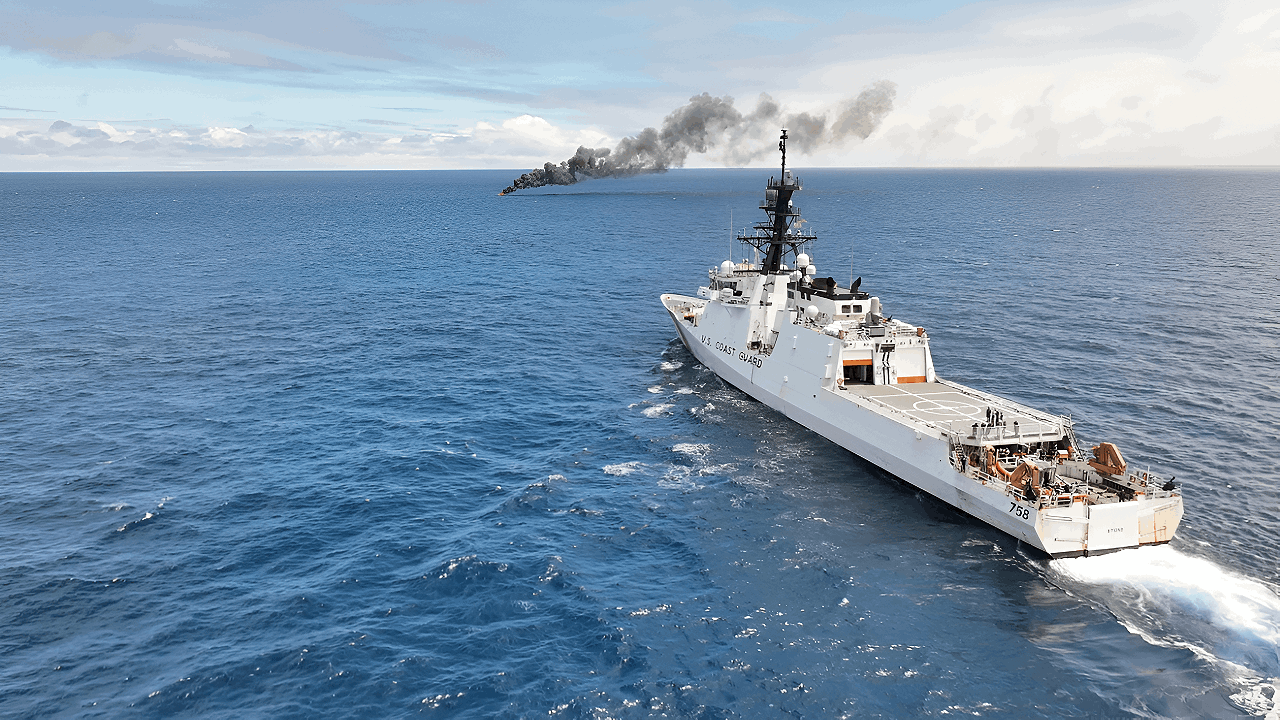
Since early September 2025, U.S. military strikes against alleged drug-trafficking boats have killed at least 43 people across 10 separate incidents.
Defense Secretary Pete Hegseth said the operation started on September 1, when U.S. forces destroyed a small speedboat in the Caribbean, killing all 11 aboard.
President Trump shared footage of the strike, calling the people on the boat members of Venezuela’s Tren de Aragua cartel—a criminal group he labeled “narco-terrorists.”
However, authorities have not presented any physical evidence of drugs publicly. Ecuador released one survivor from a later strike, saying it found “no proof he committed any crime.”
Expanding Theater
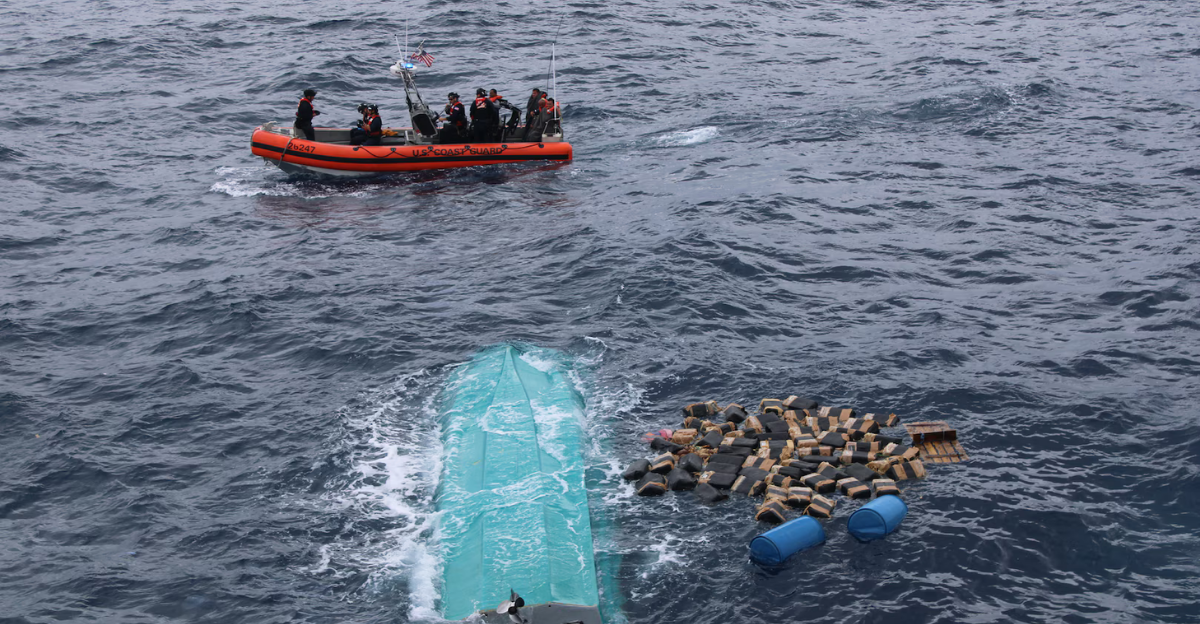
The campaign widened dramatically in late October. On October 21–22, American aircraft struck two more boats, killing five more people.
These were the first strikes conducted outside the Caribbean. Hegseth compared the campaign to the post-9/11 War on Terror, declaring, “Just as Al-Qaeda waged war on our homeland, cartels are waging war on our border and our people.”
The pace has increased rapidly—from one strike every few weeks in September to three in a single week by late October.
Trump claimed each strike “saves 25,000 American lives,” although analysts note most routes in that region move cocaine toward Europe, not the United States.
Legal Battleground
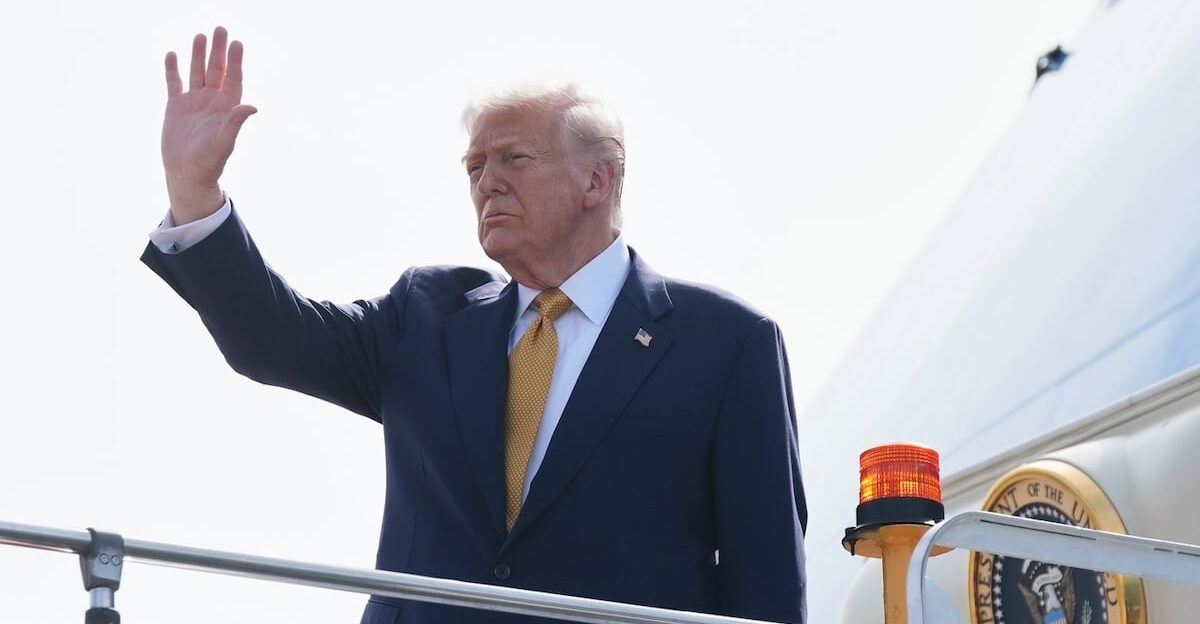
The administration formally told Congress that the United States is now in a “non-international armed conflict” with drug cartels, invoking post-9/11 wartime rules used against groups like al-Qaeda.
In February 2025, Trump designated several gangs as foreign terrorist organizations. In March, he used the centuries-old Alien Enemies Act to deport suspected cartel affiliates.
The White House insists the President has authority as Commander-in-Chief to use lethal force without congressional approval.
When asked if he’d seek a declaration of war, Trump responded: “We’re not going to ask. We’re going to kill the people bringing drugs to our country. Okay? We’re going to kill them.”
Diplomatic Rupture
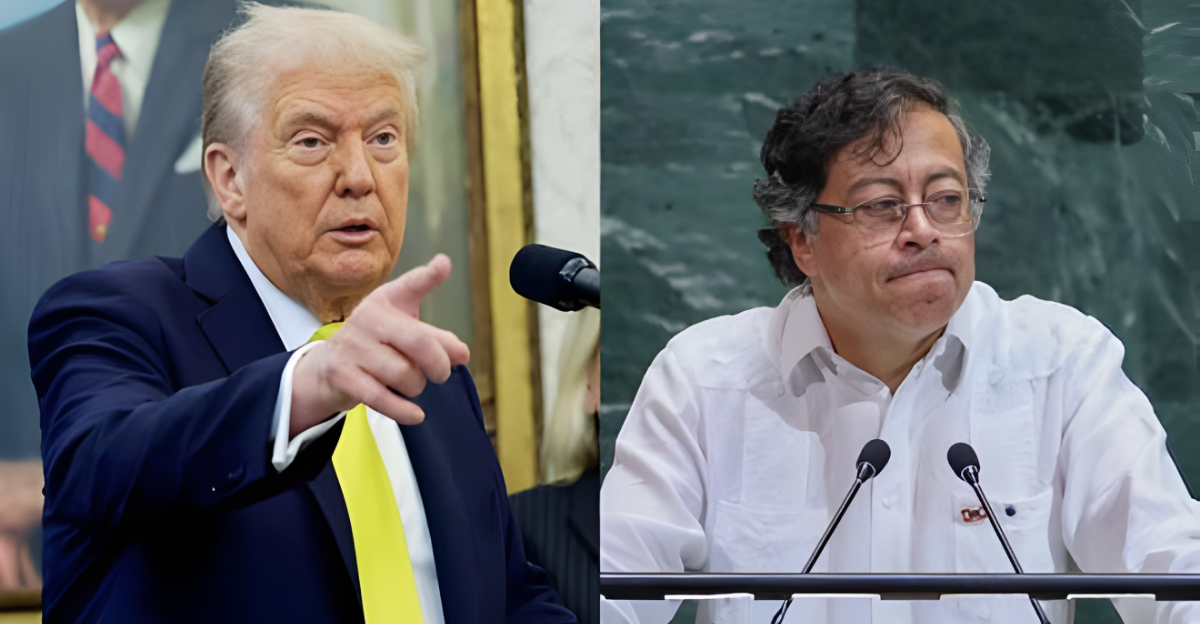
Relations between the U.S. and Colombia have collapsed. On October 19, Trump accused Colombian President Gustavo Petro of being “a drug kingpin encouraging mass production.”
Petro fired back, calling Trump’s claim “slander” and the strikes “extrajudicial executions.” Colombia suspended arms purchases from the U.S. and recalled its ambassador from Washington.
Trump then branded Petro a “thug” and halted all U.S. aid to Colombia.
Authorities have identified at least one Colombian fisherman among the dead. Petro admitted he may have “occasionally” worked with traffickers for income but condemned the killings as unlawful.
Two Separate Operations
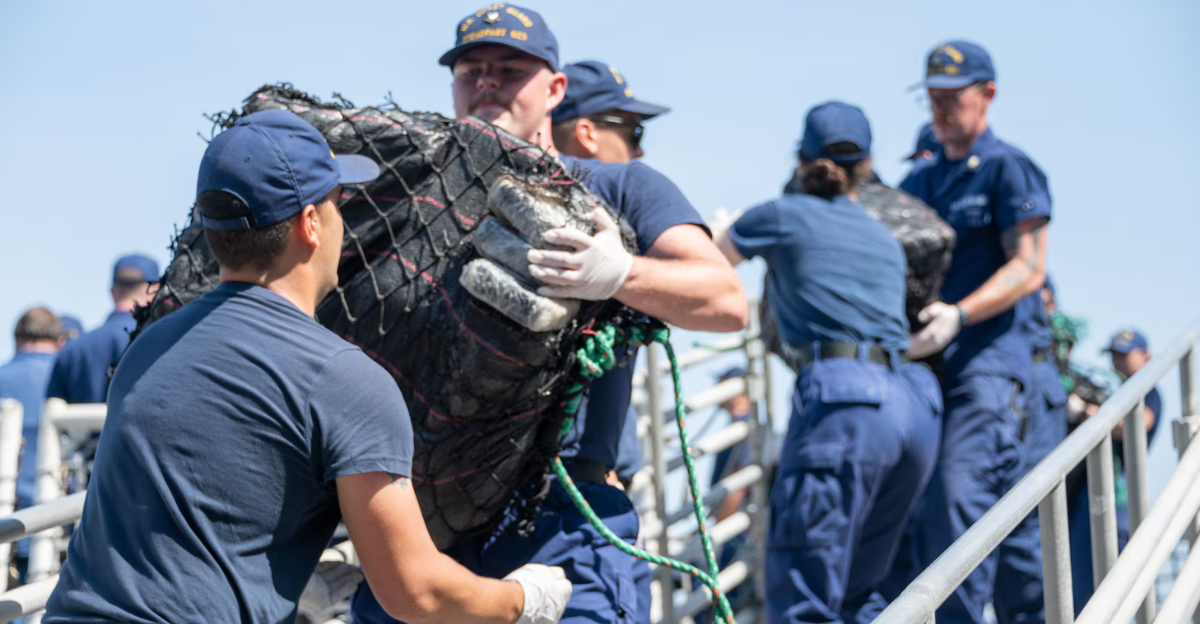
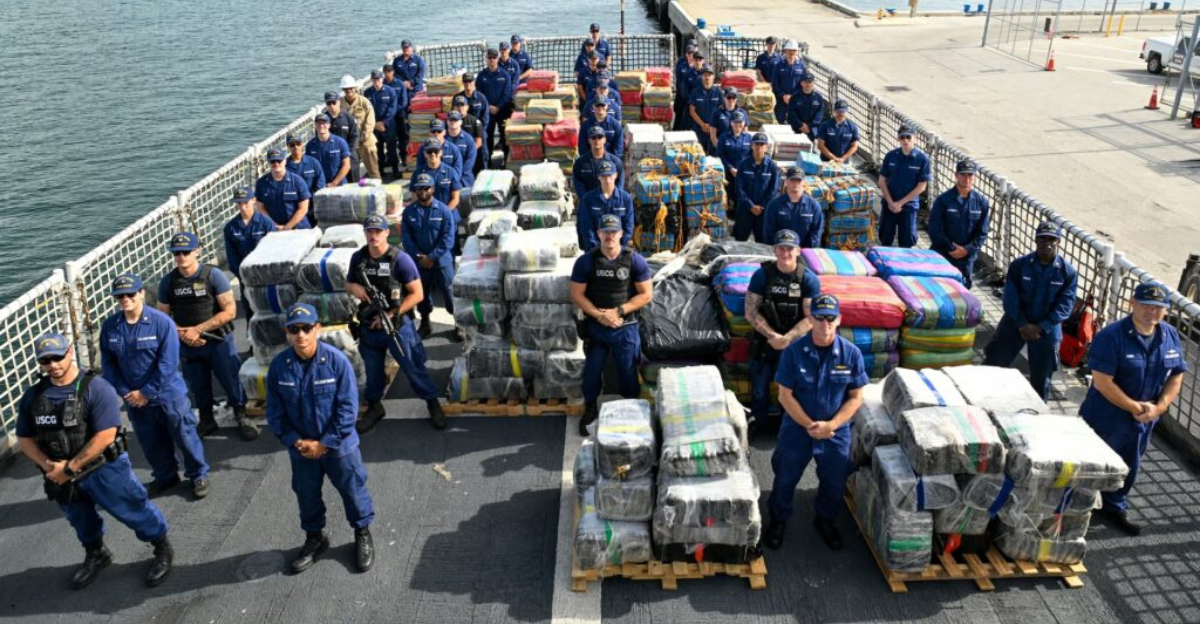
Some confusion stems from Trump conflating two unrelated events. On October 14, the U.S. Coast Guard said its Operation Pacific Viper had seized more than 100,000 pounds of cocaine in the Pacific since August, through traditional law enforcement tactics like boarding and arrests.
These interdictions resulted in the detention of 86 suspects and the recovery of large quantities of evidence.
Yet military strikes, which killed 43 people, have yielded no public proof of drugs or arrests.
Analysts emphasize that the Coast Guard’s approach involves gathering evidence and prosecuting offenders, whereas the Pentagon’s approach involves destroying vessels without conducting trials or collecting evidence.
Regional Fallout
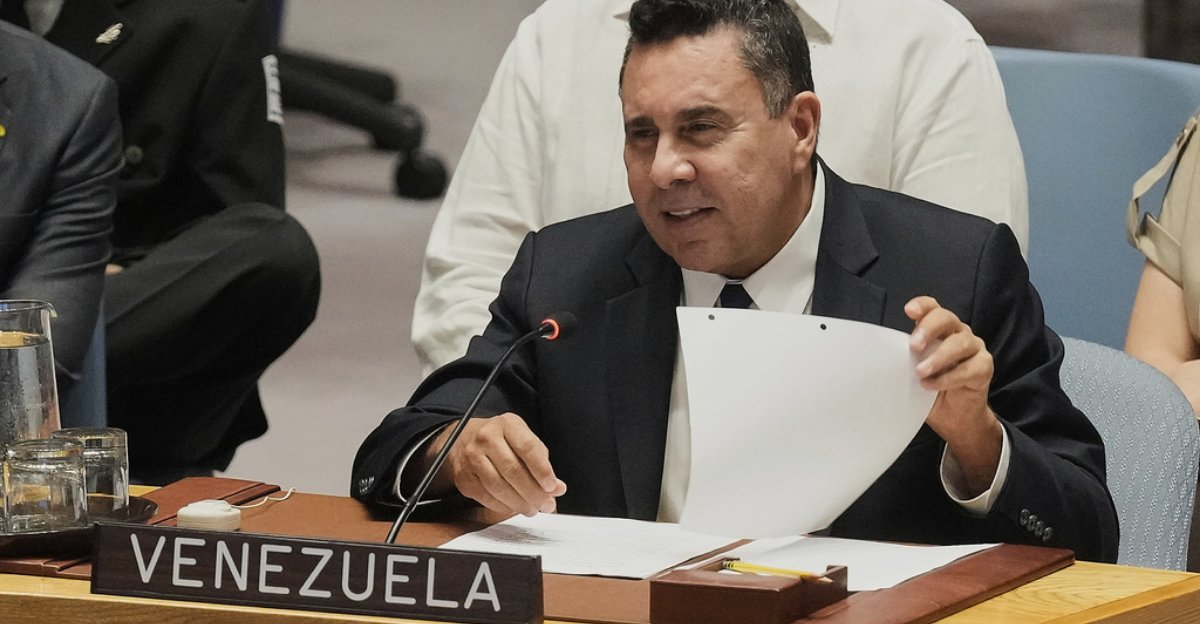
International outrage is mounting. Venezuela’s ambassador to the United Nations, Samuel Moncada, asked the UN Security Council to stop what he called “international crimes.”
A UN panel labeled the killings “extrajudicial executions.” Colombia confirmed one survivor, Jeison Obando Pérez, returned home with severe brain trauma; he was sedated and lacked any criminal record.
Ecuador also released survivor Andrés Tufiño, declaring “no evidence of a crime.”
Families of victims across the Caribbean and Latin America are now demanding accountability as foreign governments question Washington’s right to use lethal force in international waters.
Evidence Vacuum
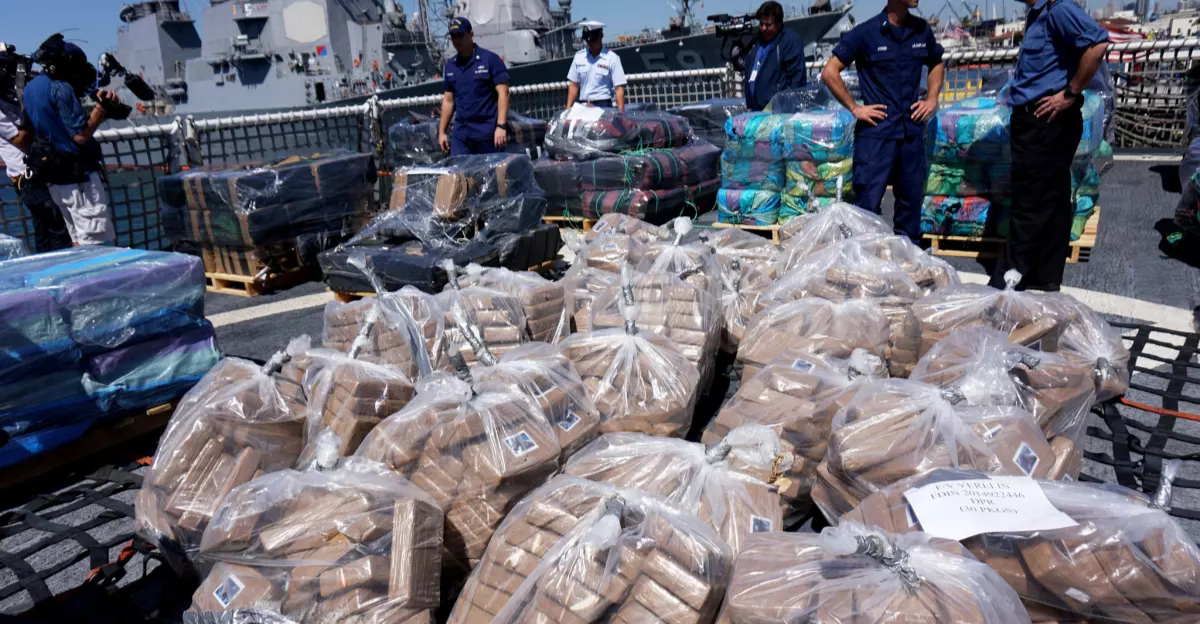
Despite numerous claims of “drug kingpins” killed and “tonnage destroyed,” the White House has not displayed a single kilogram of cocaine from any destroyed vessel.
NPR reported the administration “has yet to show any evidence supporting its accusations.” When pressed, Trump insisted: “We have proof. All you need to do is look at the boat.”
Senators Amy Klobuchar and Elissa Slotkin have urged transparency, asking the administration to release full videos of strikes and evidence of narcotics.
To date, the Pentagon has only shown explosion clips, with no evidence of contraband. Critics argue this weakens the case for legal self-defense under international law.
Military Escalation
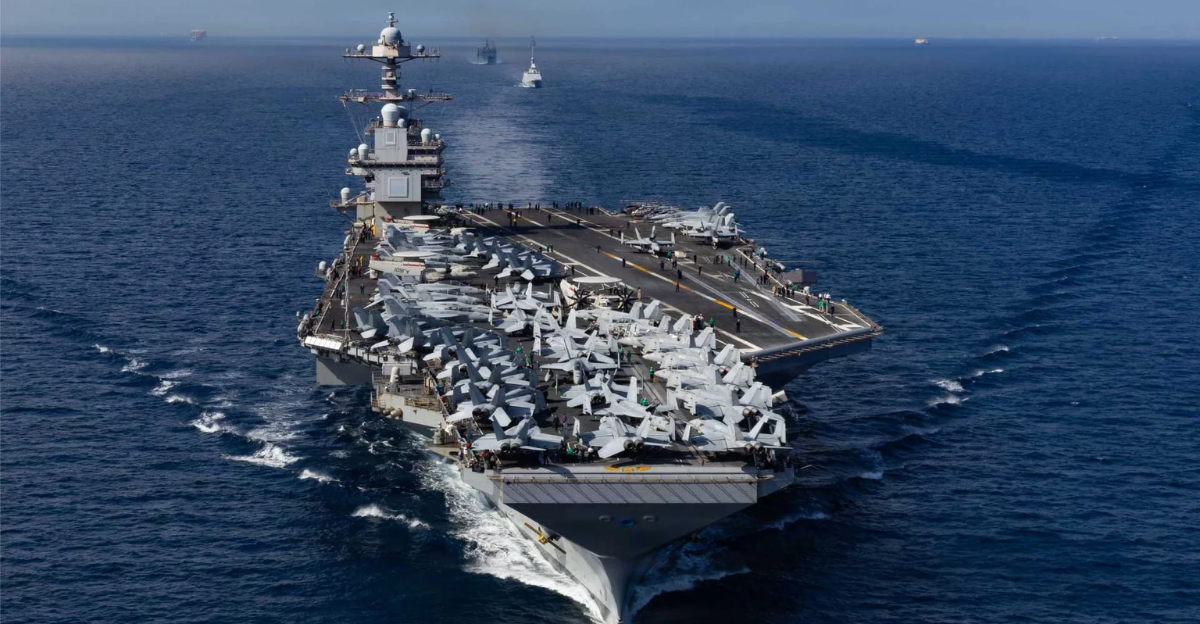
On October 24, the Pentagon sent the Navy’s nuclear-powered aircraft carrier USS Gerald R. Ford to the Caribbean, escorted by several destroyers, submarines, and nearly 10,000 sailors.
The deployment significantly enhances the operational war capacity. Earlier in October, U.S. B-52H and B-1 bombers flew near Venezuelan airspace as part of a “Bomber Attack Demonstration.”
Trump also authorized covert CIA operations inside Venezuela and hinted at possible land strikes, saying, “We’ve got the sea under control; we’re looking at land now.”
This escalation appears to go well beyond counter-drug enforcement, signaling a potential military confrontation with Venezuela itself.
Coast Guard Success
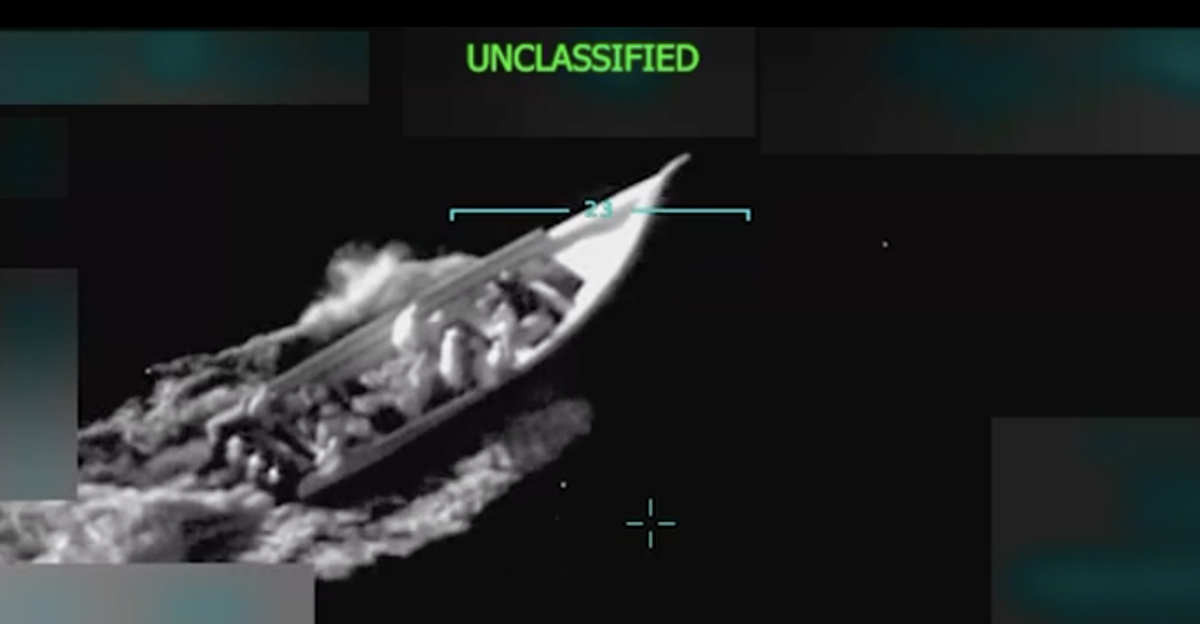
While the Pentagon boasts about “narco-terrorists destroyed,” the Coast Guard quietly continues an effective counter-drug mission.
Between August and October, its Operation Pacific Viper seized 100,000 pounds of cocaine and apprehended 86 suspects through lawful maritime interdictions. Rear Admiral Jeffrey Novak praised it as “an extraordinary achievement.”
Unlike the Department of Defense, the Coast Guard collects evidence, arrests offenders, and turns them over for prosecution, operating under the authority of the Department of Homeland Security.
Transparency Crisis
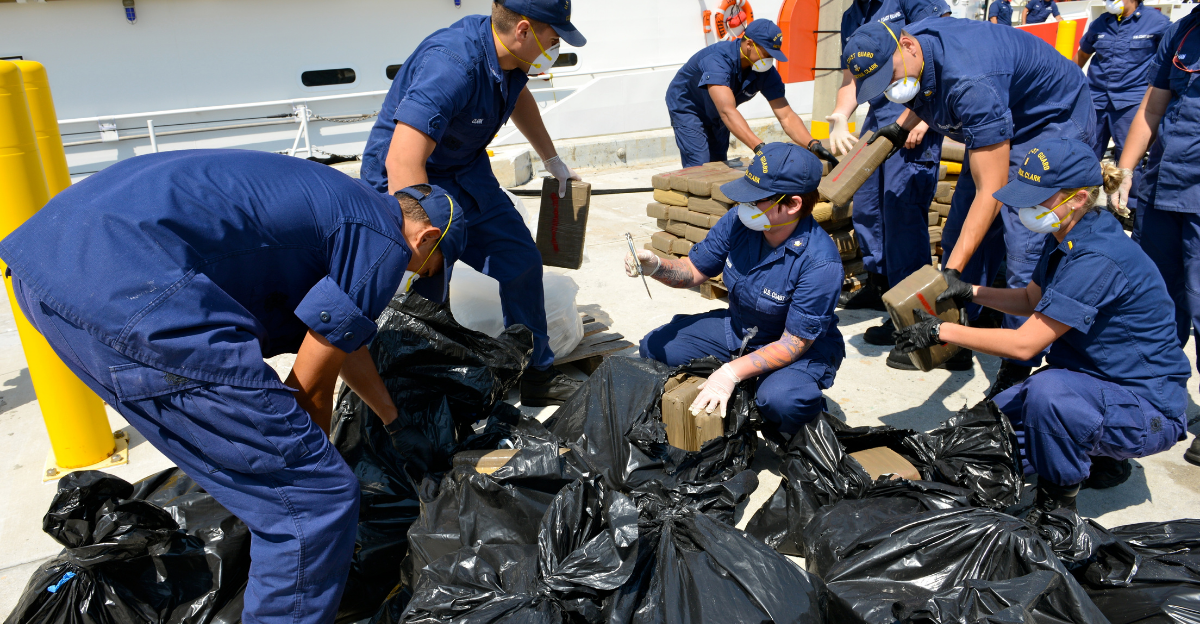
The Defense Department refused to disclose which aircraft or weapons it used, which units carried out the missions, and what intelligence confirmed drug smuggling.
Analysts describe this level of secrecy as unprecedented, contrasting it with past counter-drug missions where authorities openly documented seizures and arrests. Instead, the administration has released short, black-and-white videos showing explosions at sea.
Defense analysts warn that this new “locate and destroy” style abandons the evidence-focused model that kept operations within legal boundaries.
Congressional Pushback
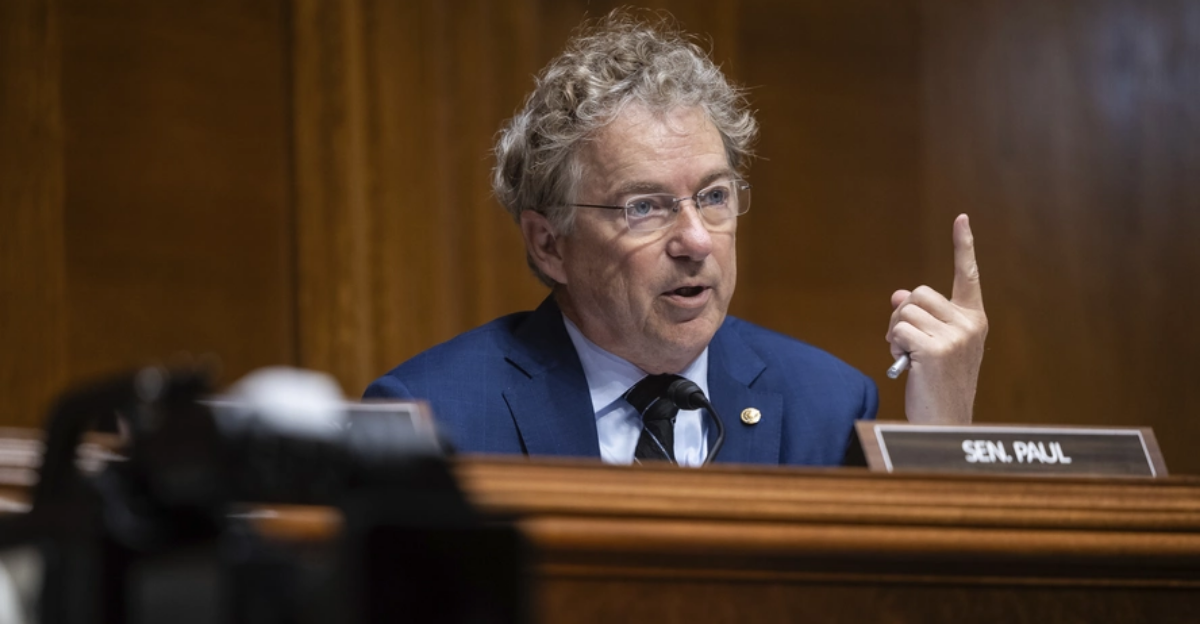
Lawmakers from both parties are demanding oversight. Republican Senator Rand Paul called the strikes unlawful, saying, “Blowing them up without knowing who’s on board is a terrible policy.”
Democratic Senators Tim Kaine and Adam Schiff introduced a bill requiring the President to seek prior approval for any new military actions.
Senator Mark Warner asked intelligence officials to clarify their involvement. The New York City Bar Association stated that the strikes violate Article 2(4) of the UN Charter, which prohibits the use of force against sovereign nations.
Cartel Comparison
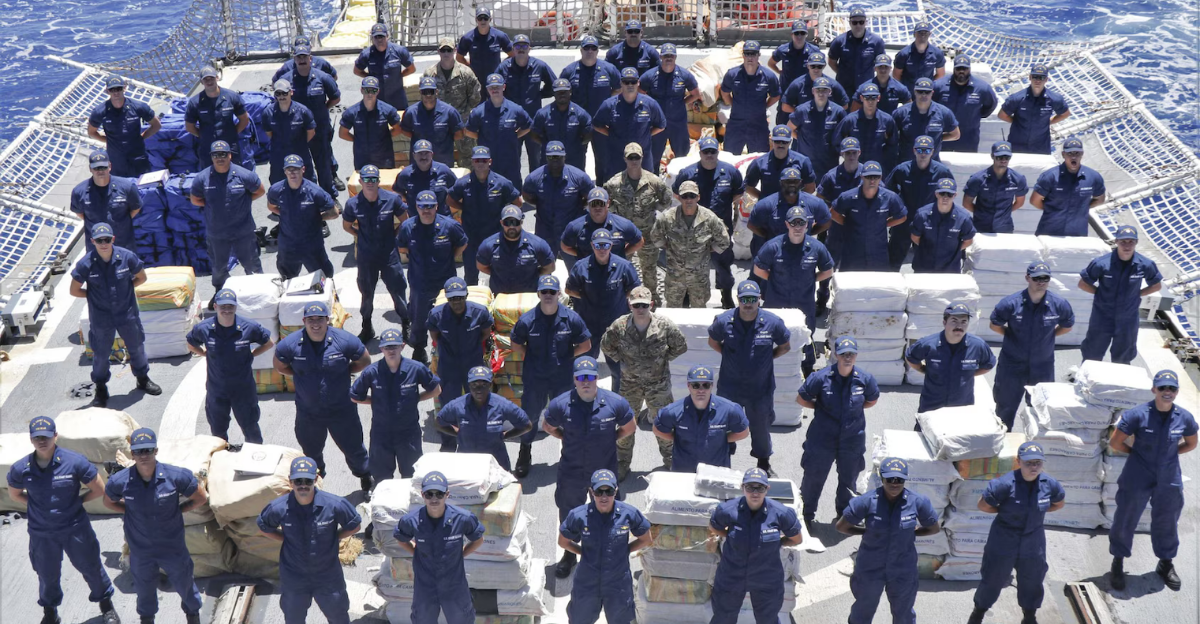
Hegseth continues comparing cartels to al-Qaeda: “If you smuggle drugs in our hemisphere, we’ll treat you like al-Qaeda,” he vowed.
The administration argues that cartels like Tren de Aragua have paramilitary structures and advanced weaponry, justifying wartime treatment. But international legal scholars reject the parallel.
They note that, unlike terrorist groups, cartels are profit-driven criminals who can negotiate and adapt rather than fight ideological wars.
Legal expert Rumen Cholakov said, “It’s unclear that drug gangs fall under the authorization for military force used after 2001.”
Maduro Target
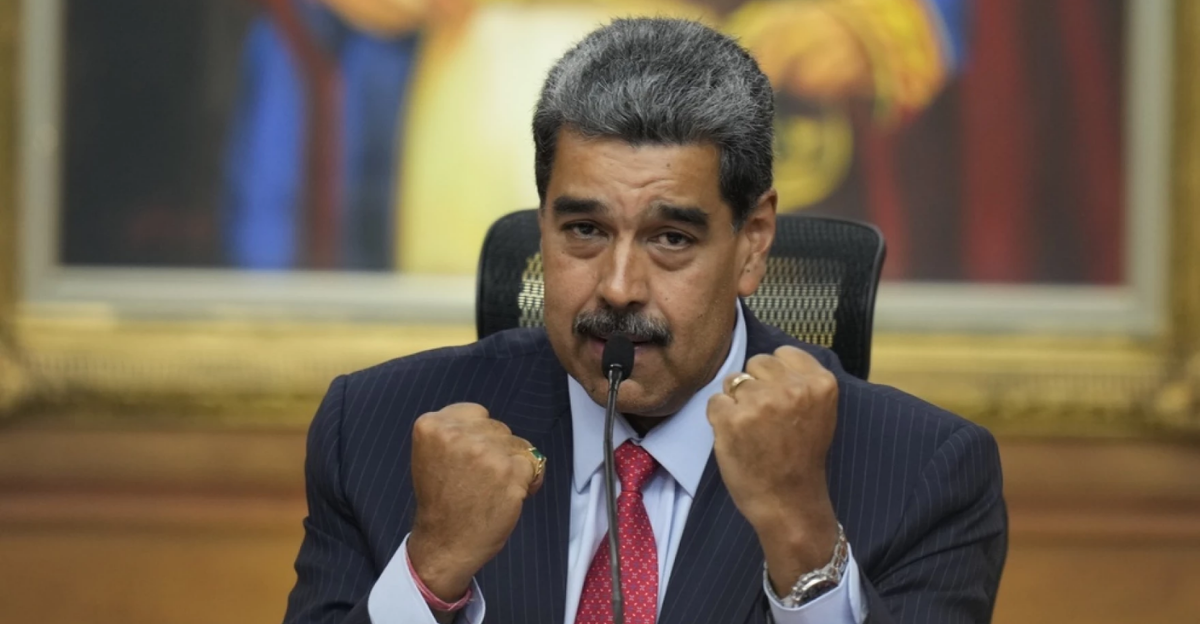
Many observers believe the campaign’s real target is not smugglers, but Venezuelan President Nicolás Maduro. Trump has called him “the world’s largest narco-trafficker” and maintains a $50 million reward for his arrest.
U.S. officials told reporters that regime change in Venezuela is the “long-term strategic objective.” The deployment of an aircraft carrier, bomber demonstrations, and special operations forces in nearby Trinidad suggests preparations for land-based strikes.
Analysts warn that the scale of these operations “far exceeds typical counter-narcotics efforts” and could signal deeper military intentions under the label of the anti-drug campaign.
Historical Precedent
These events mark the first sustained U.S. military campaign targeting alleged drug traffickers at sea.
Historically, drug interdiction relied on the Coast Guard, DEA, and cooperation with foreign governments—never direct military strikes. Trump’s operations combine Special Forces and airpower with little transparency, setting a new precedent.
Legal experts worry this will permanently expand a president’s authority to use force without oversight.
They fear future leaders could justify military actions anywhere simply by labeling profit-motivated groups as “terrorists.”
Unanswered Questions
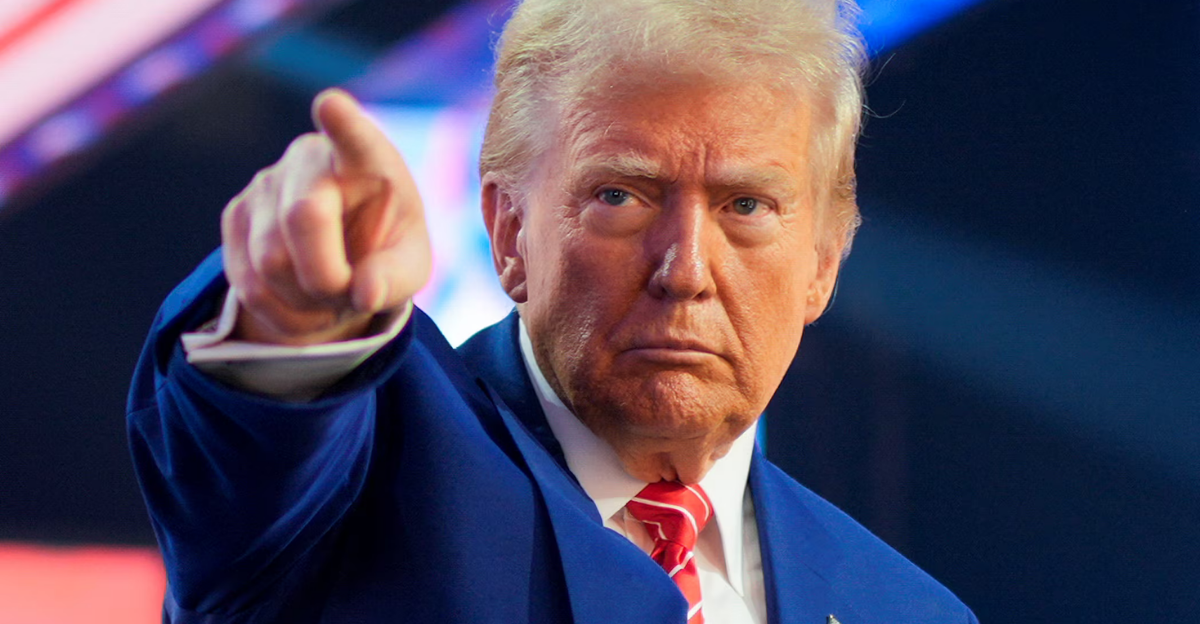
The administration’s strategy leaves significant questions unanswered. Can a U.S. president declare war on non-state criminal organizations unilaterally?
Will attacks near or inside Venezuela trigger broader conflict in South America? And why haven’t officials shown any drug evidence from the vessels if they intended the eliminations to stop trafficking?
Even as Trump and Hegseth celebrate each successful strike, families of the 43 dead remain unconvinced their loved ones were smugglers. Nearby nations like Ecuador and Colombia say survivors had no records of drug activity.
For now, the U.S. Coast Guard continues traditional interdictions, seizing real drugs, while the military’s airstrikes produce destruction—but no proof.