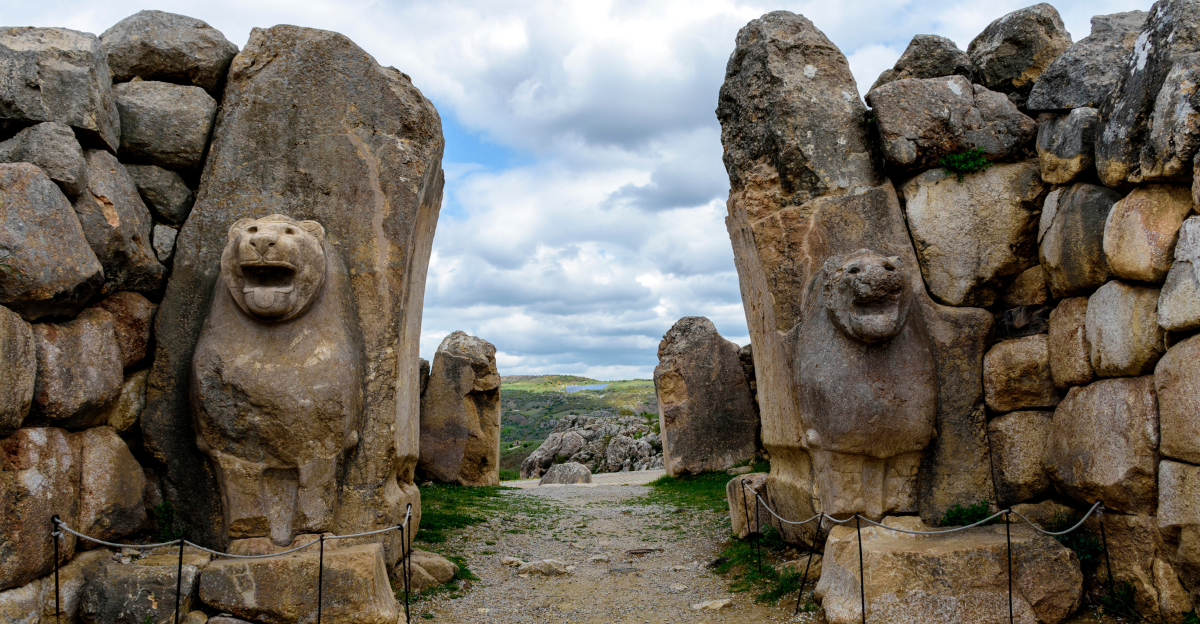
The idea that mythical places from ancient legends might have roots in reality captures our imagination like few other mysteries.
Archaeologists, historians, and speculative thinkers continue to study strange sites, lost cities, and enigmatic ruins, blurring the lines between myth and fact.
This list explores 20 locations where folklore collides with unexpected scientific evidence or bold theories, challenging everything we think we know about the boundary between legend and history.
1. Gorham’s Cave, Gibraltar
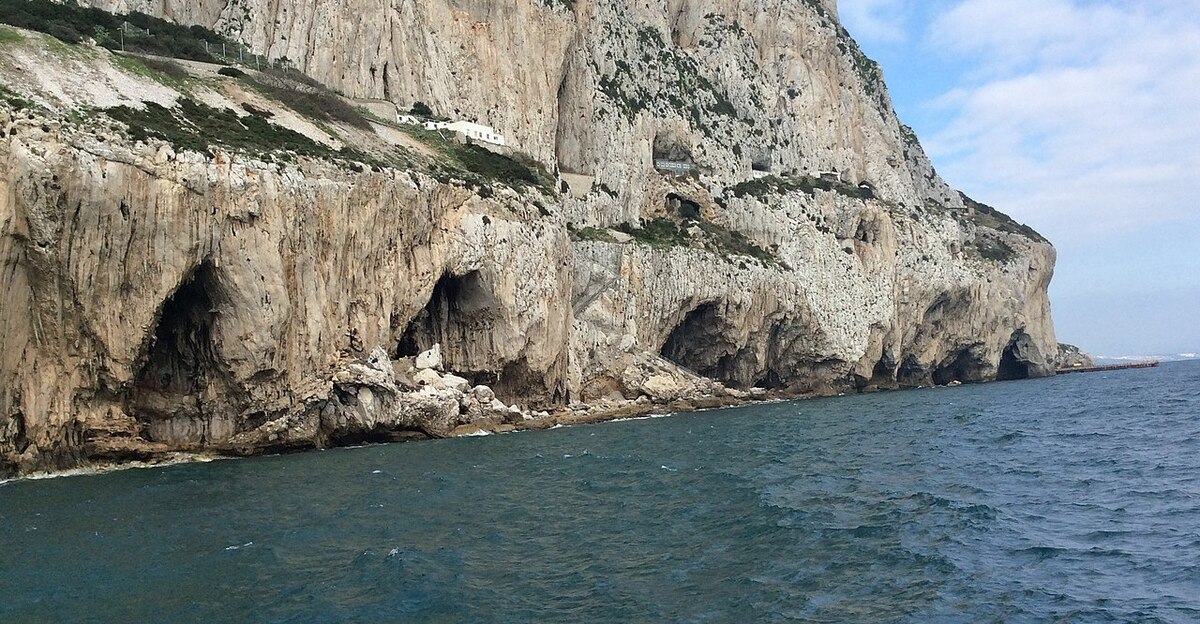
Gorham’s Cave, located on the rugged coastline of Gibraltar, has fascinated archaeologists due to both its prehistoric significance and its proposed ties to Greek myth.
The discovery of a carved Gorgon head fragment within the site has sparked theories that it could be the legendary lair of Medusa herself.
This crossover of archaeological artifact and mythic narrative opens the possibility that Greek legends preserved echoes of very real, ancient rituals or events.
2. Kastelli, Crete
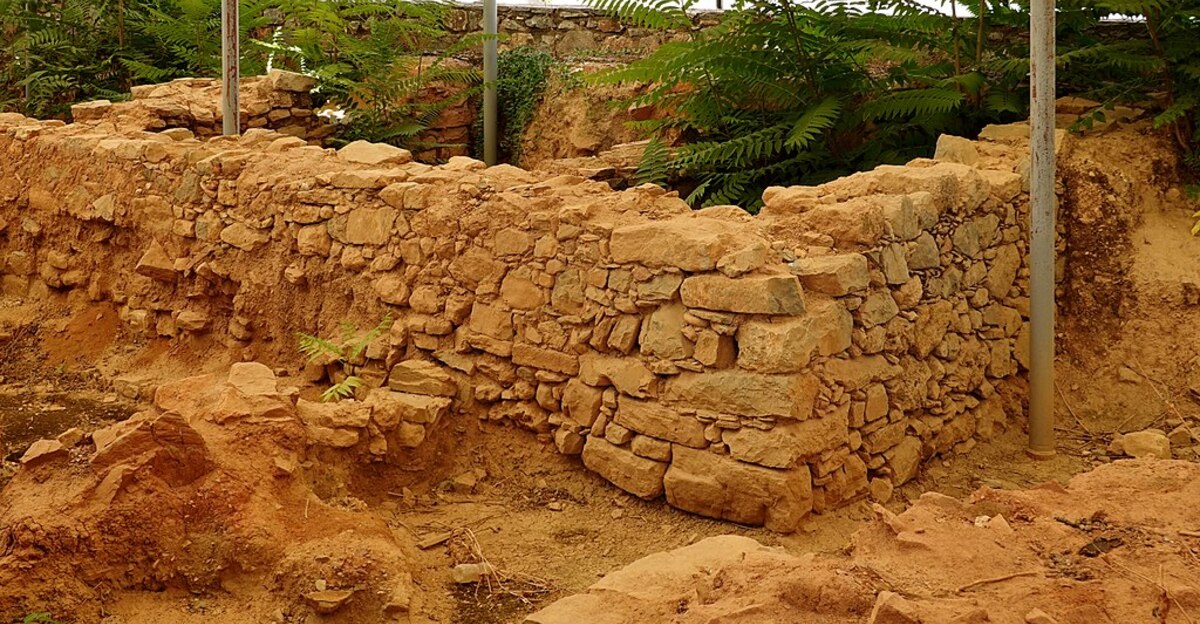
Beneath the modern surface of Kastelli in Crete, workers uncovered architectural features that bear a stunning resemblance to ancient descriptions of the Minotaur’s labyrinth.
Far from being a simple maze, these remains suggest a complex ceremonial or funerary space, weaving together myth and everyday ancient life.
As evidence mounts, scholars are forced to reconsider whether the story of the labyrinth originated from a place grounded, at least partially, in reality.
3. Crater Lake, Oregon
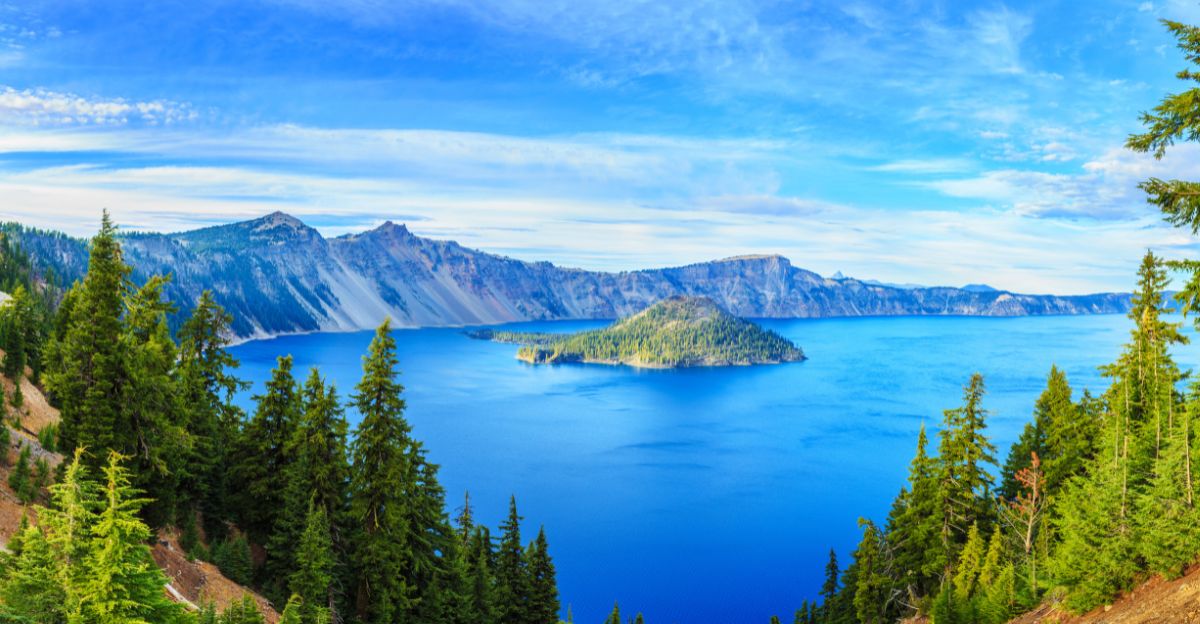
Crater Lake’s deep blue waters hold more than geological wonder—they are at the heart of the Klamath tribe’s origin story, which tells of gods battling atop a massive mountain.
Remarkably, this legend aligns with geological evidence that the lake was formed by a cataclysmic volcanic eruption.
The convergence of oral traditions and scientific data highlights how ancient storytelling might preserve memories of dramatic natural events otherwise lost to time.
4. Troy, Turkey
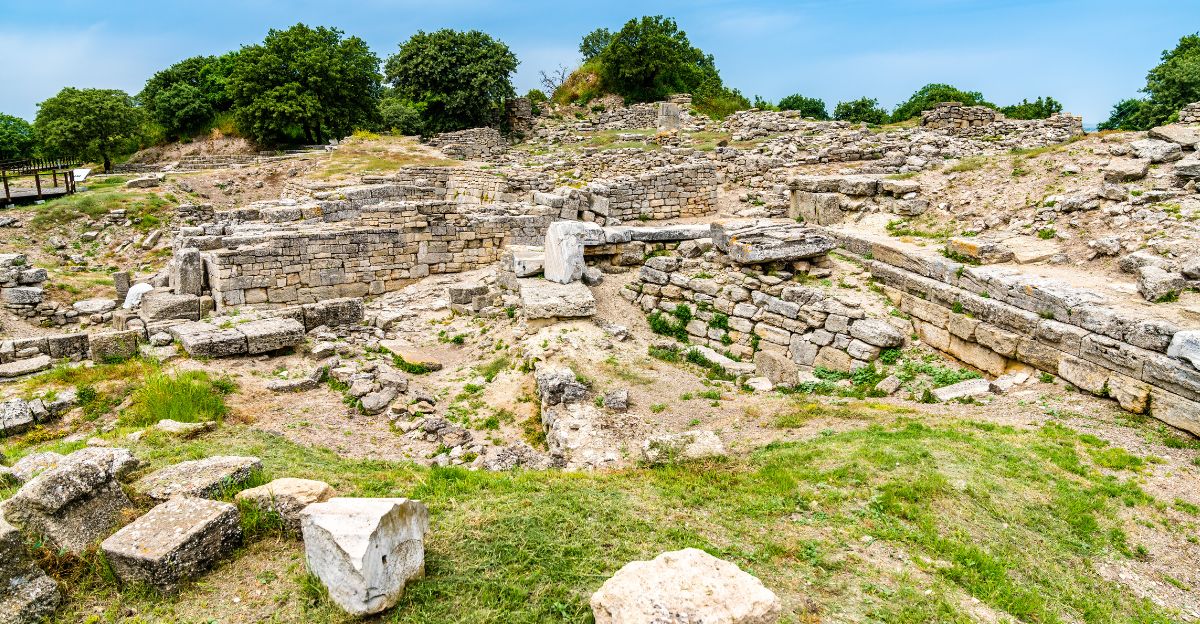
Long dismissed as pure literary invention, the city of Troy once stood as a caution against confusing myth with fact. However, late nineteenth-century excavations at Hisarlik in Turkey revealed strata of city ruins that matched Homer’s descriptions, blending legend with archaeological proof.
This dramatic reversal forced historians to acknowledge that myths sometimes spring from kernels of historical truth—even when evidence takes millennia to surface.
5. Tintagel Castle, Cornwall
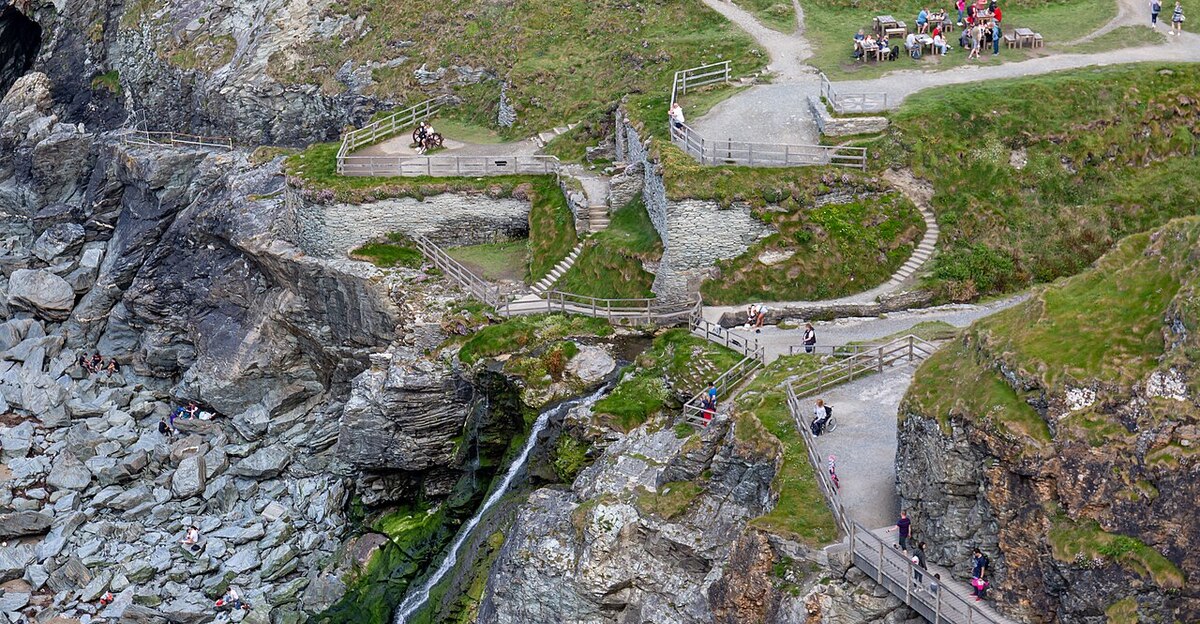
High on windswept cliffs in Cornwall lies Tintagel Castle, a place forever tied to the myth of King Arthur’s Camelot. Archaeological digs here have uncovered remnants of elite Dark Ages buildings, contradicting earlier assumptions that the site’s grandeur was only a product of legend.
This blend of fairytale and material culture continues to inspire questions about how much of the Arthurian story might be rooted in the real power struggles of early Britain.
6. Lake Guatavita, Colombia
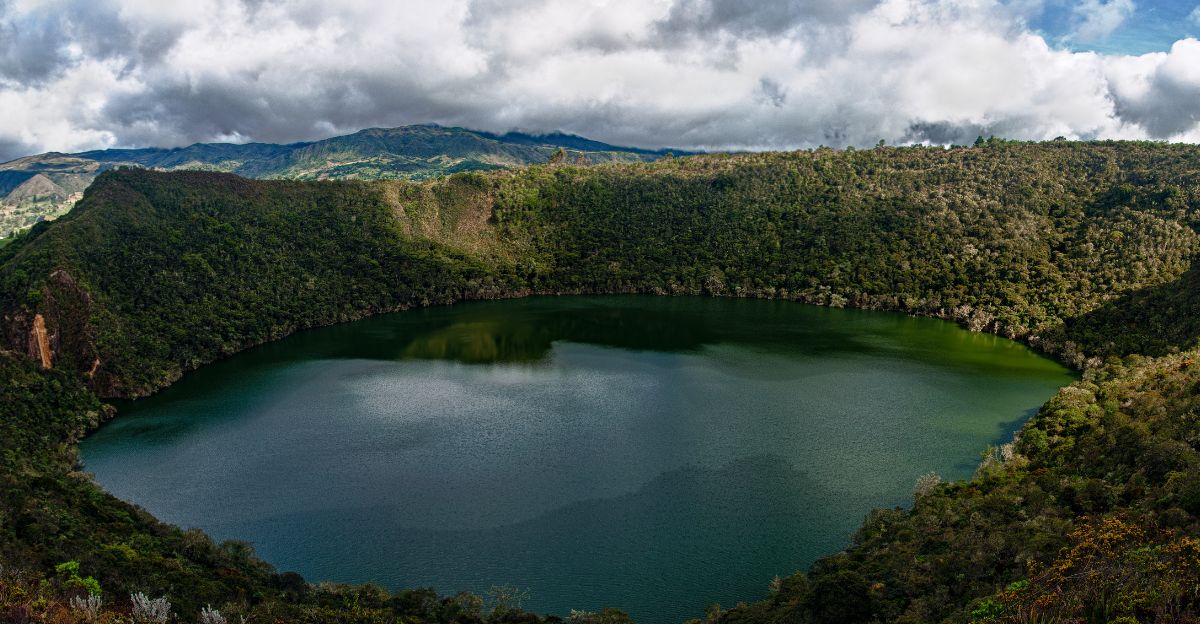
Lake Guatavita’s hauntingly beautiful waters are woven into the story of El Dorado, the fabled city of gold. Archaeological dives have retrieved golden artifacts from its depths, lending credence to indigenous rituals in which treasures were offered to the gods.
These discoveries support the possibility that tales of a golden kingdom emerged from real ceremonial practices, transforming what was once dismissed as wild fantasy into a chapter of South America’s living cultural memory.
7. Ys, Brittany
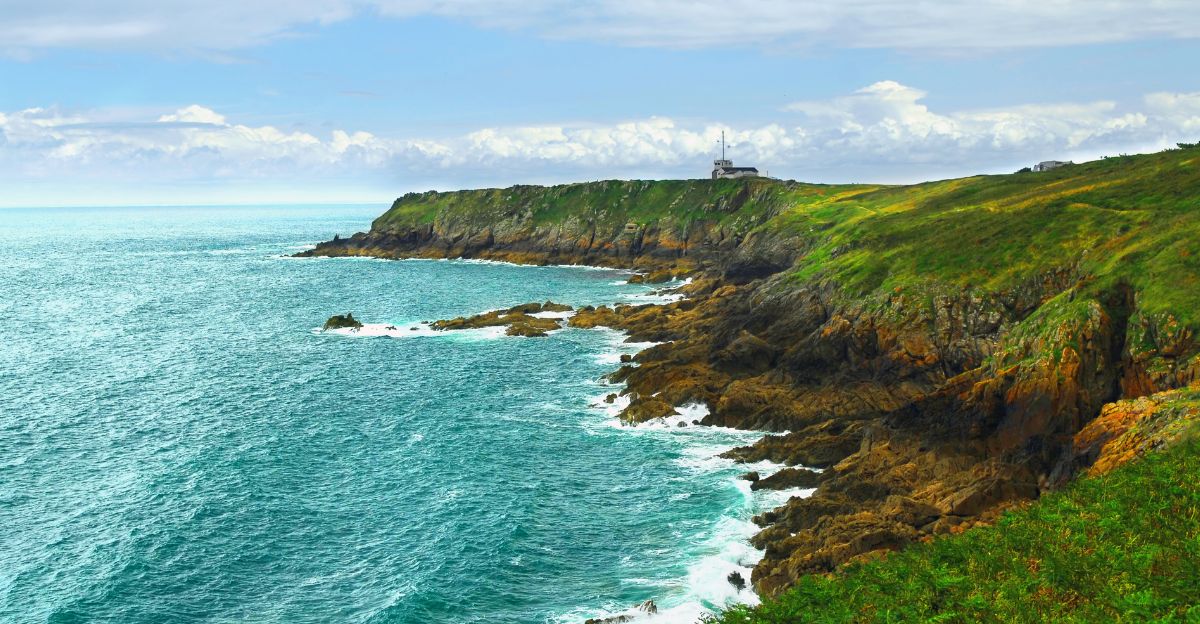
The lost city of Ys, said to be submerged beneath the waves off Brittany’s coast, has long sparked the imagination of explorers and scholars alike.
Although repeated searches have failed to find concrete evidence, the city’s enduring place in both local folklore and wider European mythology keeps its legend alive.
Some researchers even argue that Ys served as inspiration for other “sunken cities” stories, including more famous examples like Atlantis.
8. Hy-Brasil, Off the Coast of Ireland
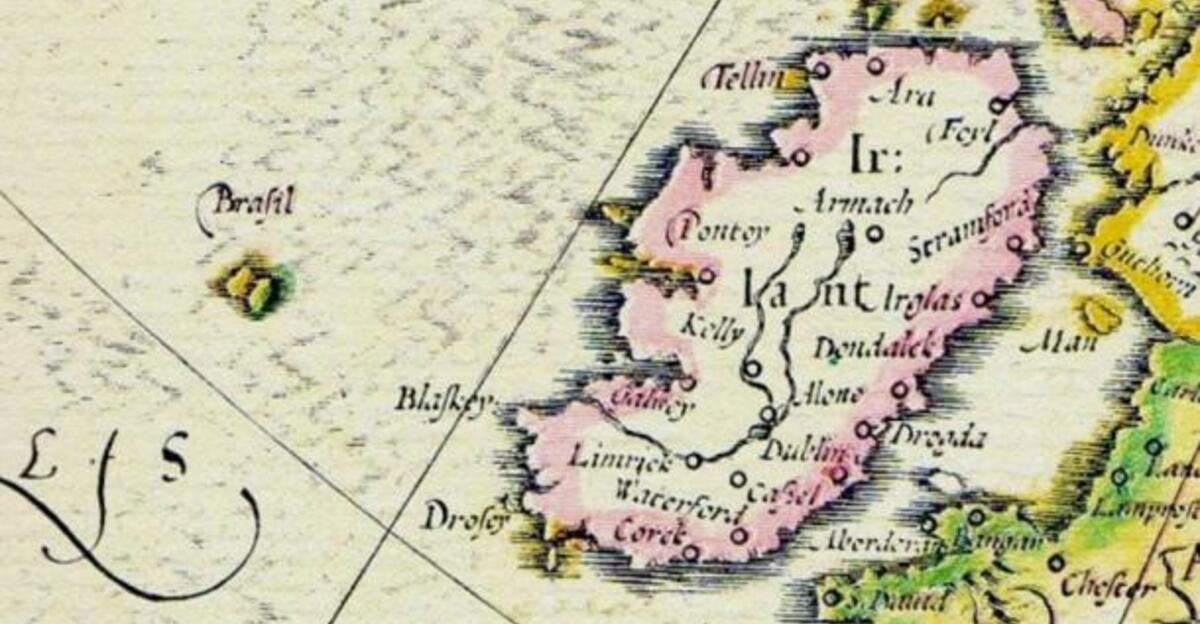
For centuries, Hy-Brasil appeared on nautical maps as a mysterious island west of Ireland, baffling sailors who set out in search of its shores.
Although no verified discovery has ever been made, the island’s appearance on multiple charts—and its recurring role in seafaring myths—suggests powerful roots in cultural memory.
Today, Hy-Brasil stands as an example of how mistakes or mirages at sea can solidify into enduring legend.
9. Loch Ness, Scotland
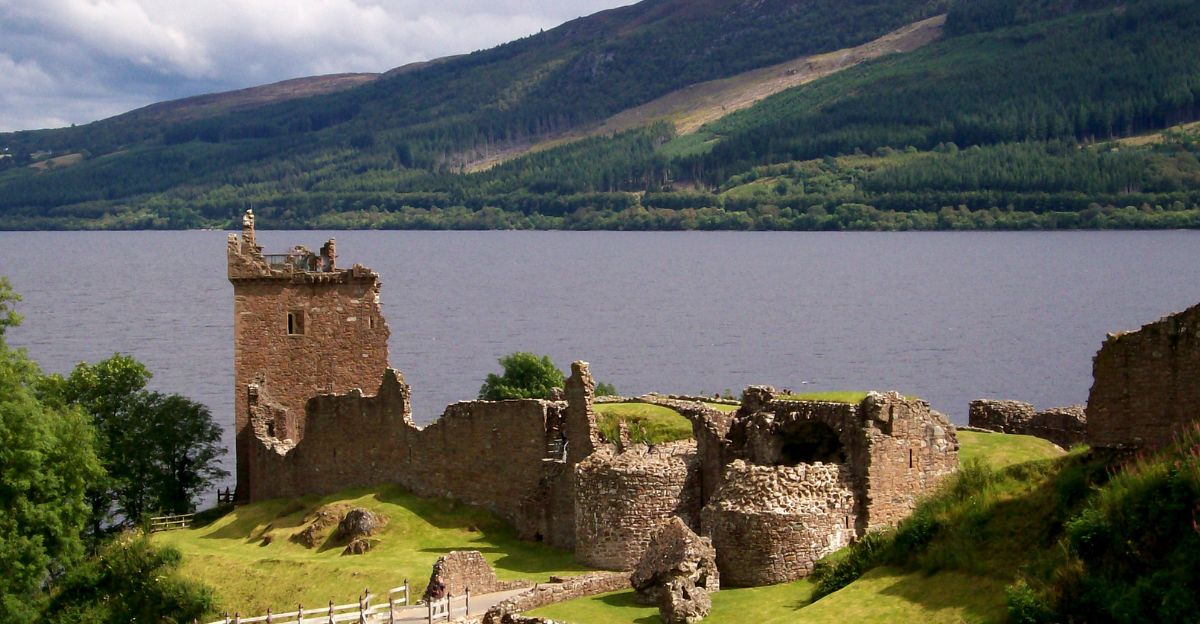
Loch Ness is world-famous for its elusive monster, but archaeological work around its shores has revealed extensive ancient settlements dating back thousands of years.
While the monster remains a matter of speculation, the presence of these early communities lends historical weight to the area’s mythic reputation.
This interplay between documented habitation and ongoing legend illustrates the deep connections between storytelling, archaeology, and landscape.
10. Xanadu, Inner Mongolia
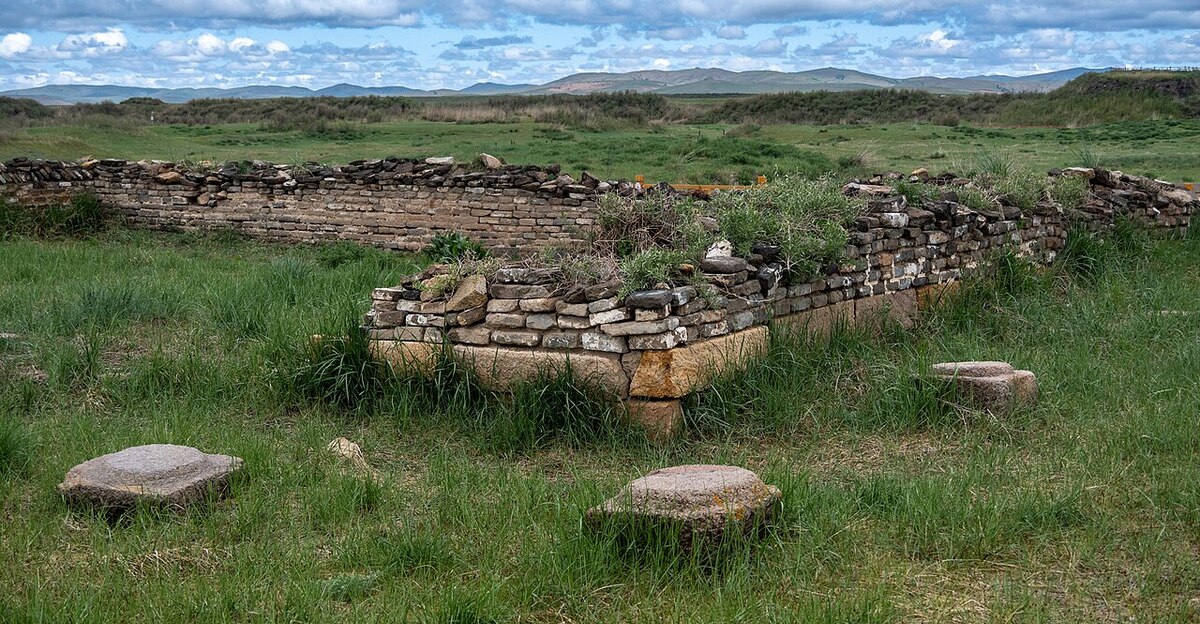
Often thought of as a literary fantasy, Xanadu—the summer capital of Kublai Khan—was immortalized in poems and travelogues.
Modern excavations have identified substantial palace remains, confirming that Marco Polo’s marvels were grounded in stone and earth.
This surprising shift from mythic far-off land to tangible archaeological site calls into question how we draw the line between fanciful travel tales and historical record.
11. Sherwood Forest, England
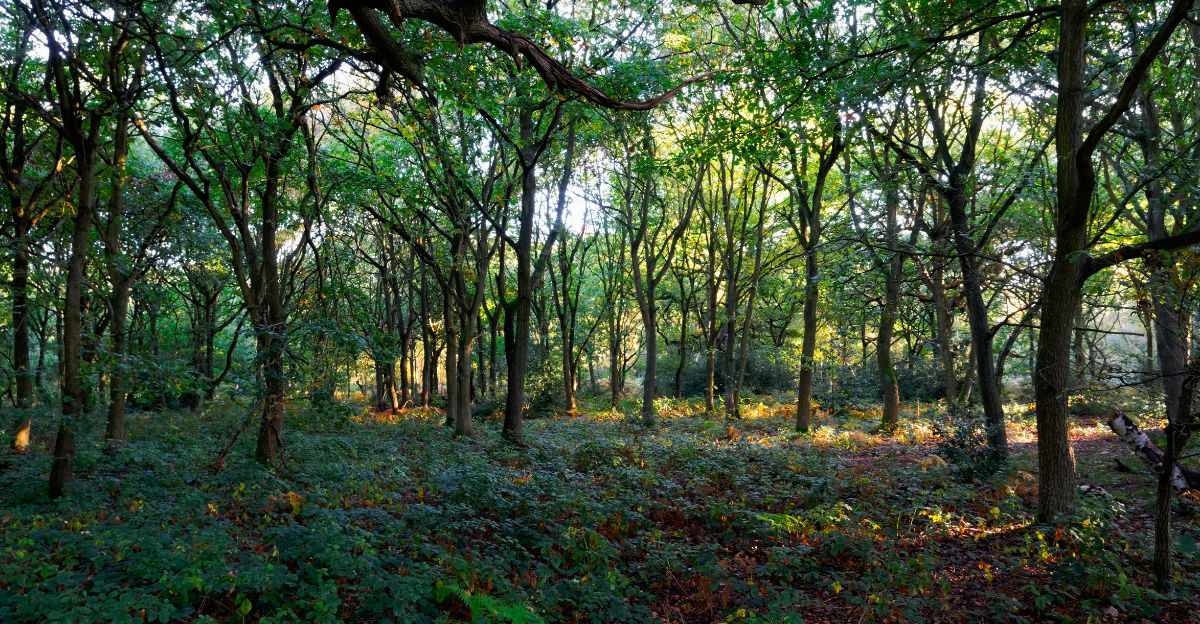
Sherwood Forest, immortalized as the homeland of Robin Hood, blends historical location with the powerful pull of folklore.
Archaeologists have identified medieval settlements and features that closely align with descriptions from ballads—a rare crossroads of myth and mapped geography.
Even though Robin Hood’s existence remains unproven, Sherwood’s historical significance as a refuge for outlaws and dissidents continues to inspire reinterpretations of the legend.
12. Solomon’s Temple, Jerusalem
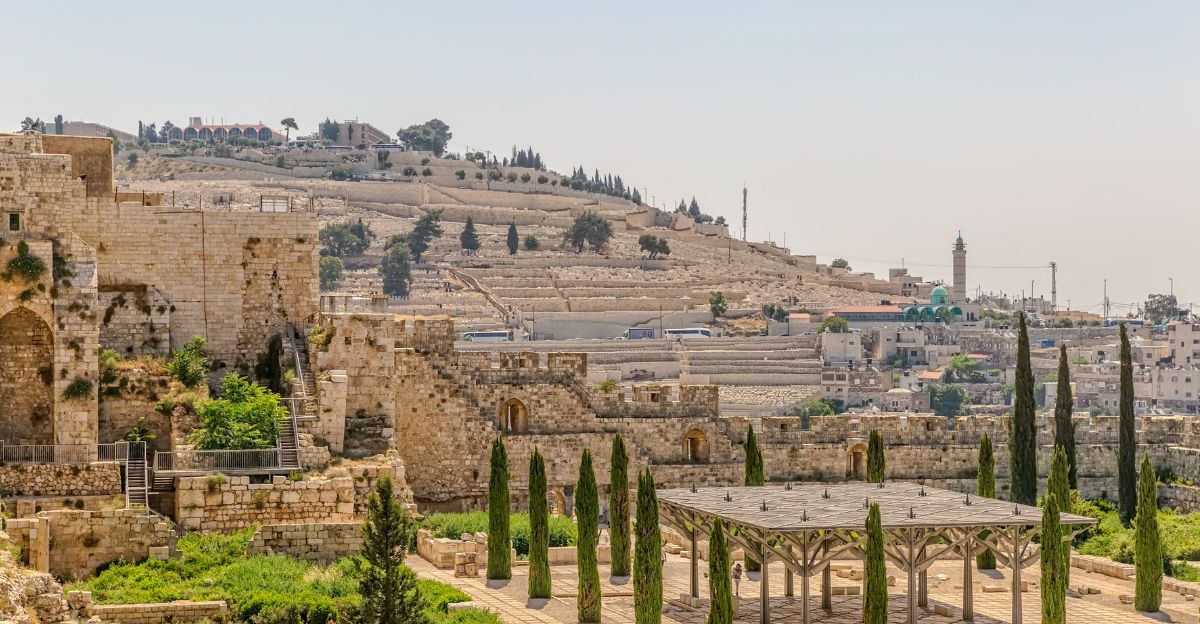
Tradition holds that Solomon’s Temple once stood as the center of ancient Jerusalem, yet physical evidence of its existence remains elusive and hotly debated.
Despite this, some archaeologists believe certain foundational structures under today’s Temple Mount could relate to it.
This lack of conclusive proof only deepens the allure, making Solomon’s Temple one of history’s most persistent and controversial mythical-literal hybrids.
13. Zerzura, Sahara
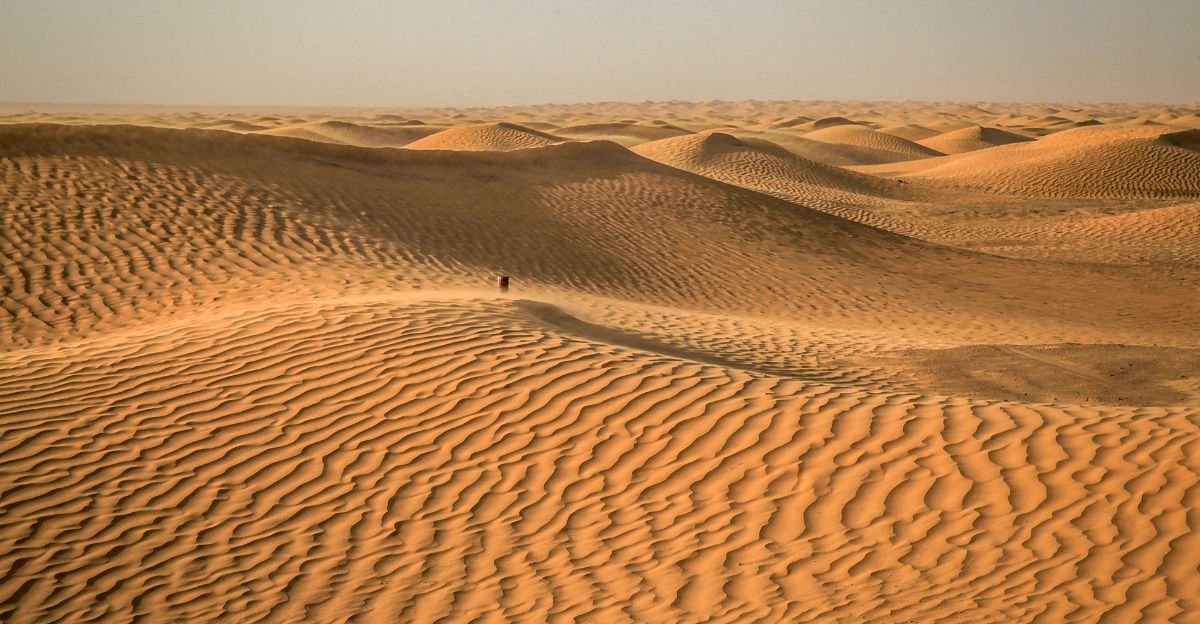
Legend speaks of Zerzura, the White Oasis said to lie hidden amidst the vast Sahara desert. In the early 20th century, explorers claimed to have stumbled upon verdant enclaves matching ancient Arabic writings.
Though later surveys remained inconclusive, these tantalizing accounts continue to fuel speculation about lost cities in the desert—each expedition a test of whether legend still awaits confirmation beneath the sands.
14. Thule, North of Greenland
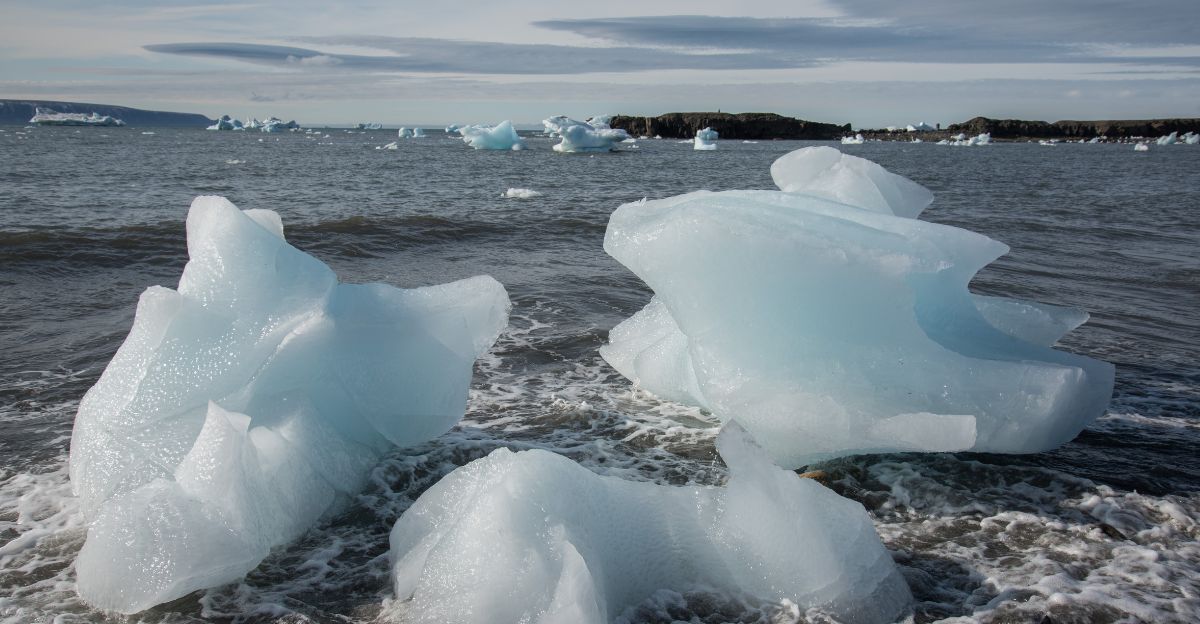
In ancient Greek accounts, Thule was described as the northernmost edge of the known world—a land of perpetual ice and mystery.
Today, many scholars identify it with Iceland, Norway, or Greenland, suggesting that these descriptions were based on distant travelers’ tales.
The persistence of Thule in both cartography and imagination shows just how far ancient geography could travel before truly crossing into myth.
15. Norumbega, New England
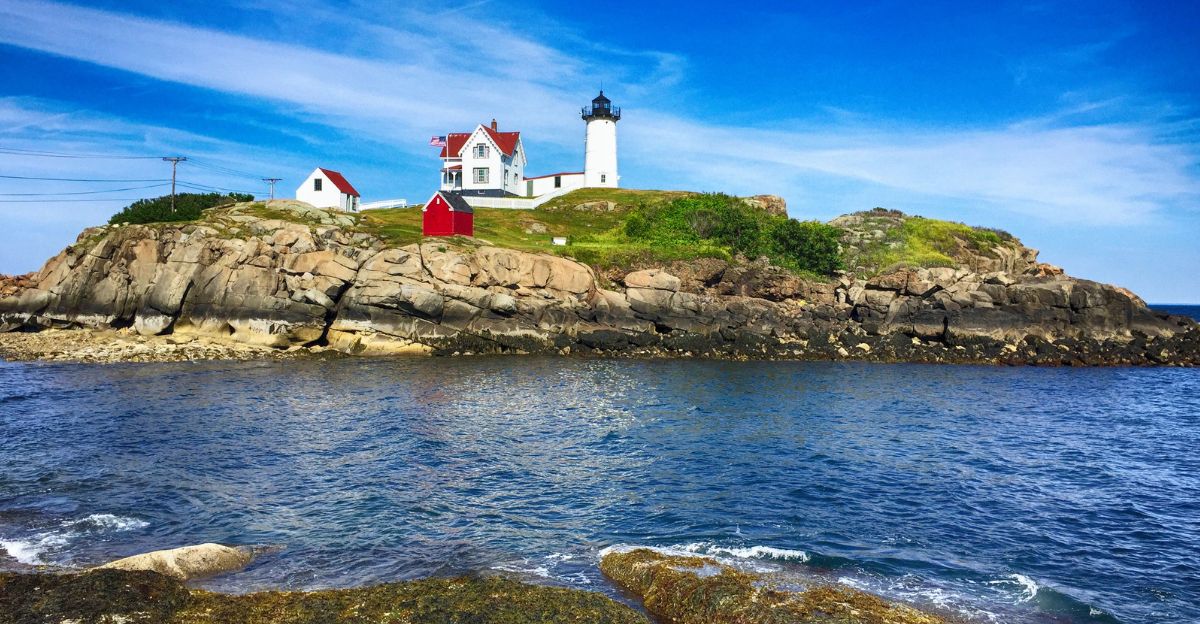
Early European explorers declared the existence of Norumbega, a city of great wealth and beauty, somewhere in New England.
Though no physical remnants have ever been found, Norumbega continued to appear on maps for two centuries, blurring the boundary between discovery and wishful thinking.
As utopian speculation grew, the city became a symbol of lost American grandeur, inspiring poets and visionaries alike.
16. Mount Olympus, Greece
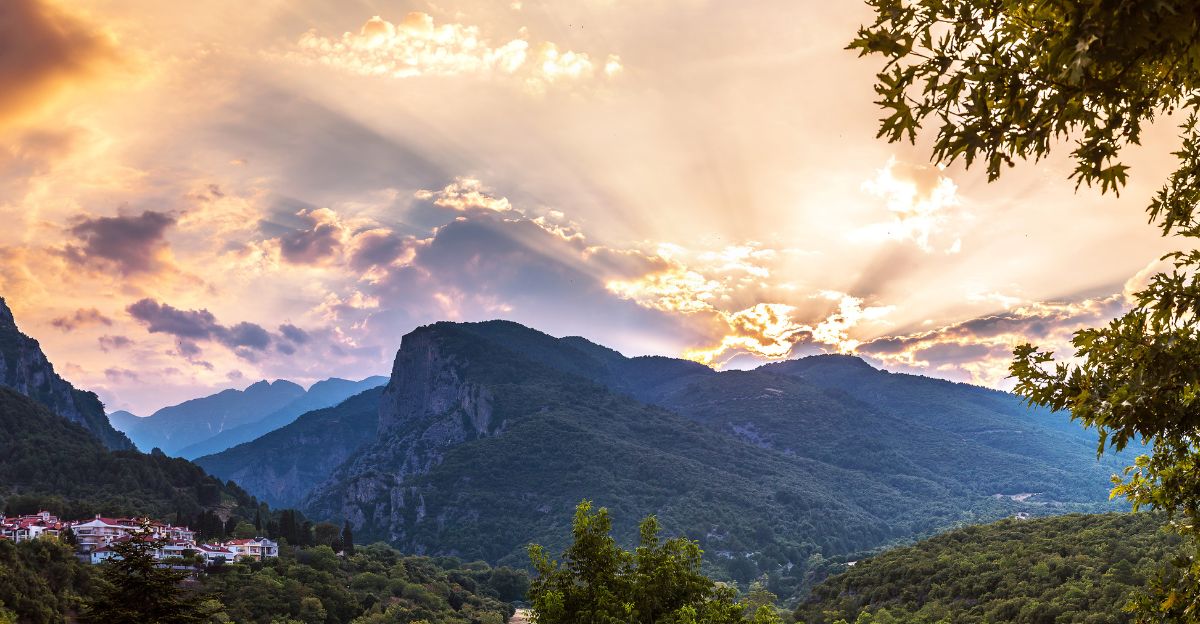
Mount Olympus is popularly known as the mythical home of the Greek gods, but archaeological excavations have uncovered cultic sites and temples along its slopes.
These findings reveal that the mountain was not just a product of imagination, but a revered location for worship and ritual.
The connection between the divine myths and real-world religious activity illustrates the deep intertwining of spiritual belief and natural geography.
17. The Serapeum of Saqqara, Egypt
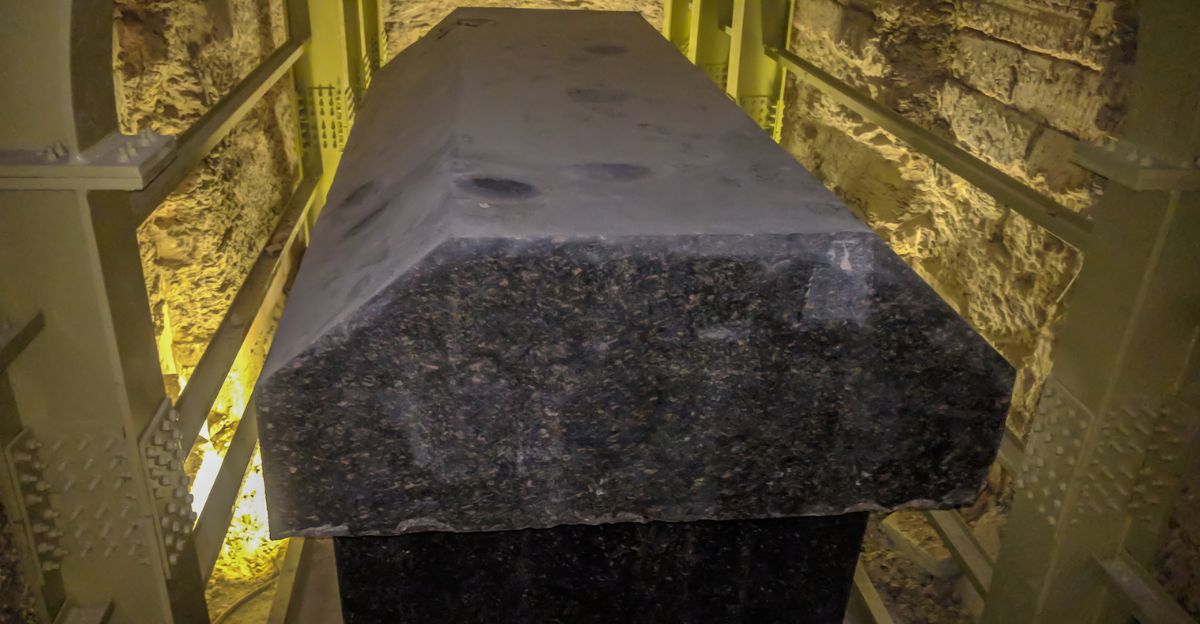
The labyrinthine Serapeum of Saqqara was described in classical accounts as a bewildering maze housing sacred bulls, which led to comparisons with lost labyrinth myths across the globe.
Modern archaeology has confirmed the vast subterranean complex, complete with gigantic stone boxes and corridors.
This remarkable site demonstrates how seemingly exaggerated tales can be grounded in awe-inspiring reality, even when their deeper meanings remain mysterious.
18. Aratta, Iran
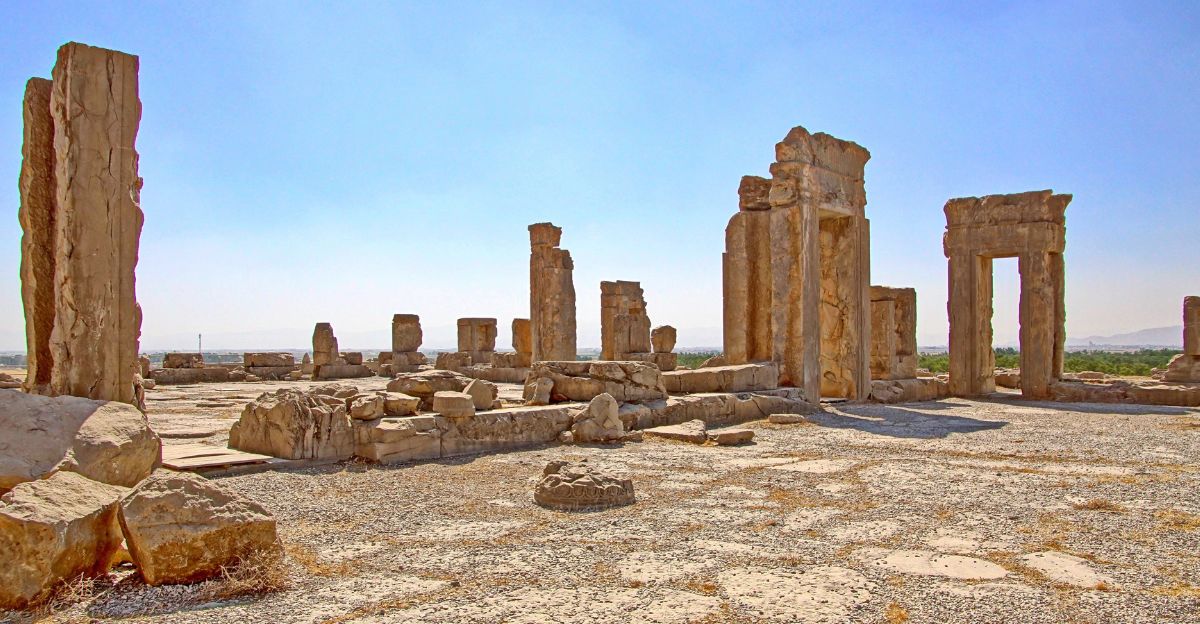
Aratta occupies a special place in Sumerian epic literature as a wealthy, faraway kingdom—possibly predating even more famous Mesopotamian cities.
Archaeological efforts in western Iran have uncovered sites of unexpected size and sophistication, fueling debates over possible links to the legend.
Aratta’s enduring power lies in its role as a cultural beacon: a mythical model for civilization itself that continues to inspire both discovery and debate.
19. Lake Vostok, Antarctica
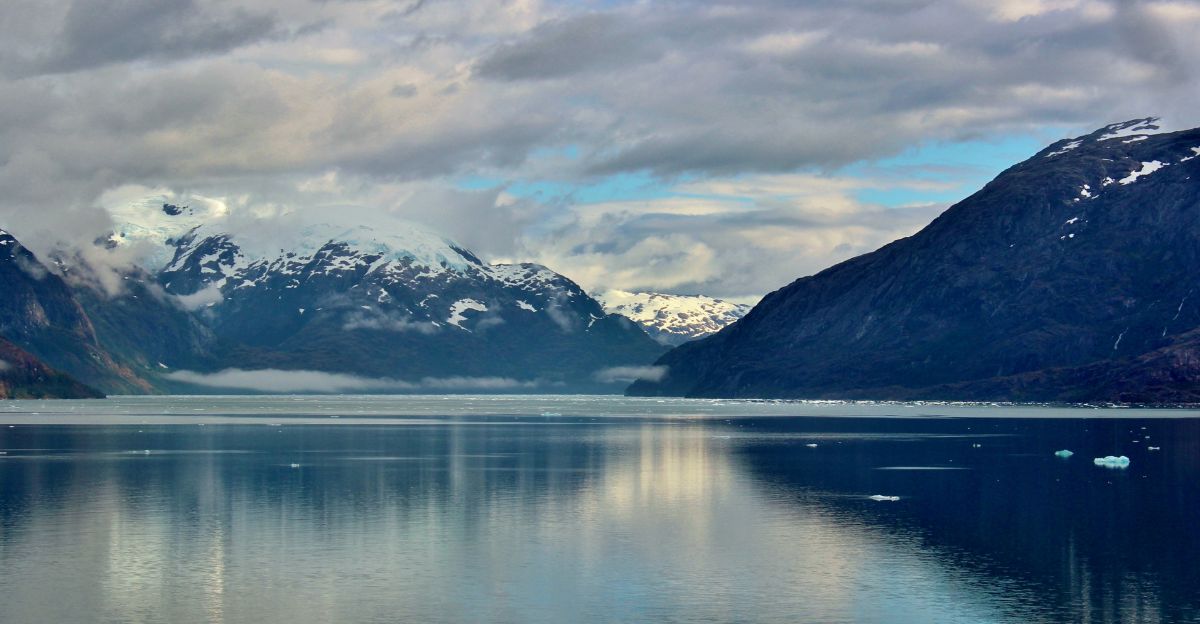
Buried beneath miles of Antarctic ice, Lake Vostok has seized the imagination of those hunting for undiscovered worlds.
Some theorists posit that its heavily isolated ecosystem might parallel lost continents, or even appear in fringe archaeological lore as inspiration for ancient “alien” myths.
While no prehistoric cities have been found, scientific investigation continues to uncover bizarre microbial life, keeping the legend of a hidden underworld tantalizingly alive.
20. Göbekli Tepe, Turkey
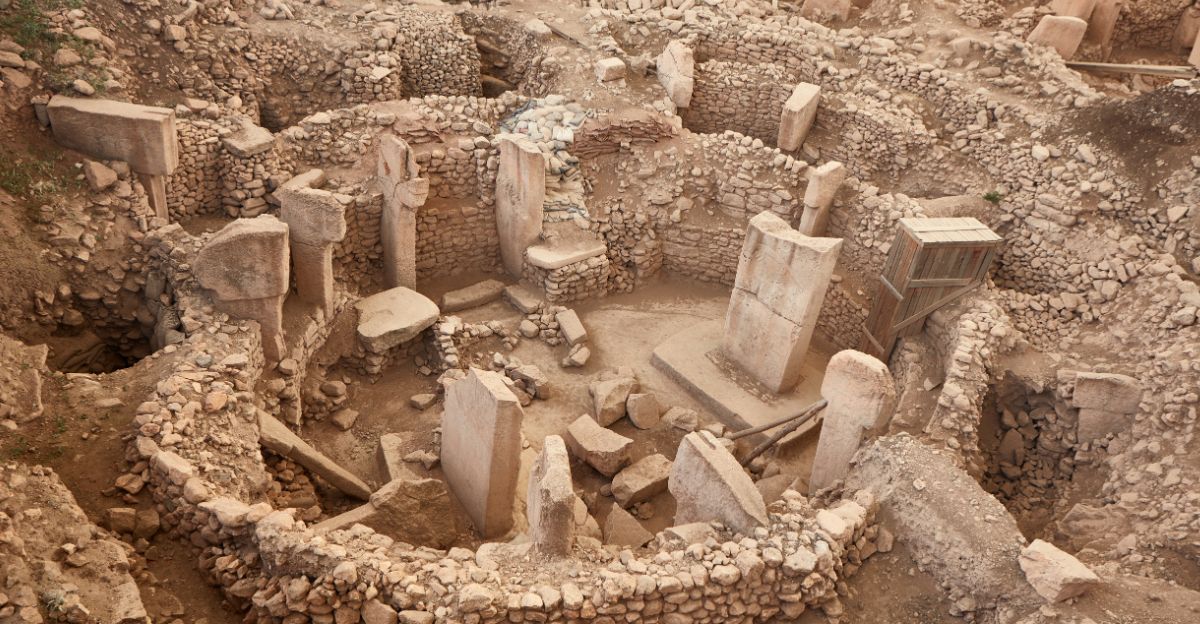
Göbekli Tepe, the world’s oldest known ritual complex, has been at the heart of revolutionary theories linking it with the biblical Garden of Eden.
The sheer age and scale of the site, together with its enigmatic carvings, challenge our understanding of early civilization’s capabilities.
Some researchers even argue that its construction marks the true dawn of organized human society, blending mythology with a tangible place that could rewrite the story of our origins.