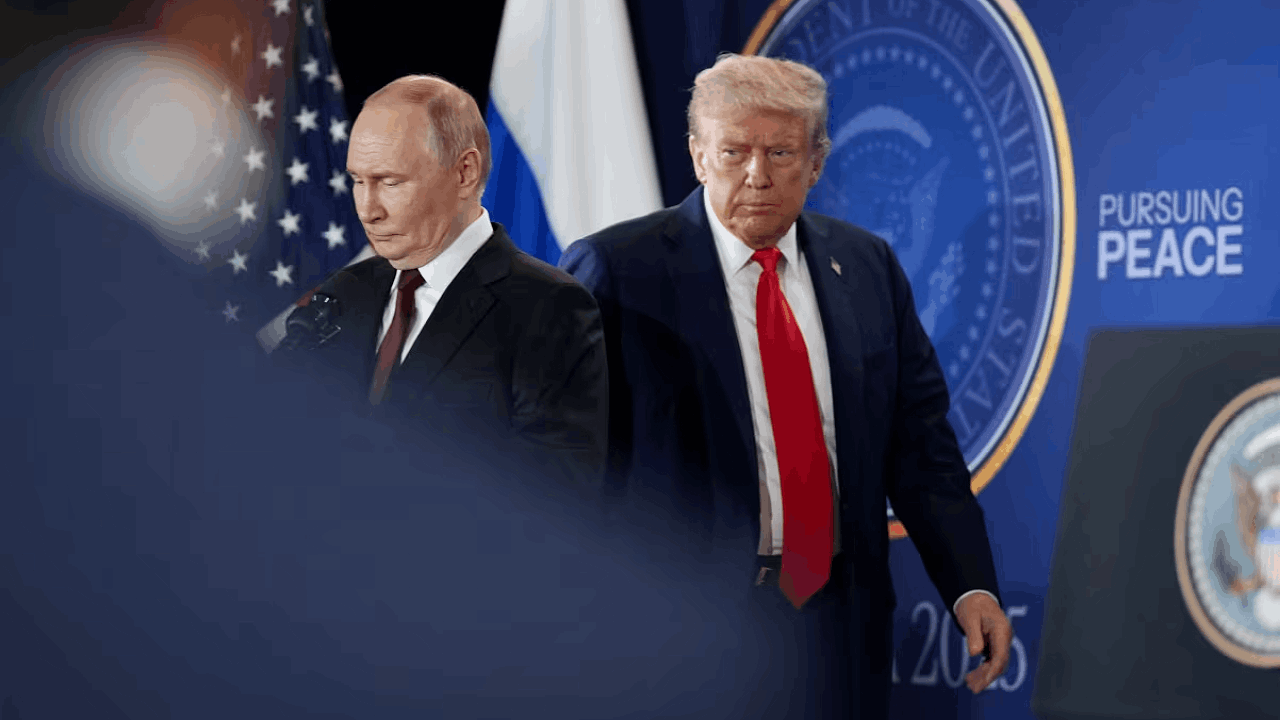
In a dramatic reversal that caught the world off guard, President Donald Trump abruptly canceled his planned meeting with Vladimir Putin in Budapest on October 22, 2025. This ended what many had hoped might be a breakthrough in diplomatic talks.
Trump explained his decision bluntly: “It didn’t feel right to me. It didn’t feel like we were going to get to the place we had to,” according to Reuters.
Treasury Unleashes Economic Weapons

Without warning, the Treasury Department hammered Russia’s energy sector, announcing sweeping sanctions against the country’s two largest oil companies, Rosneft and Lukoil, reported ABC News. It wasn’t subtle. Trump explained the timing: “I just felt it was time. We’ve waited a long time,” he said during the announcement.
Treasury Secretary Scott Bessent gave the move its moral weight, declaring: “Now is the time to stop the killing and for an immediate ceasefire.” This marked Trump’s first major punitive action against Russia since taking office.
The Breaking Point: Failed Diplomacy
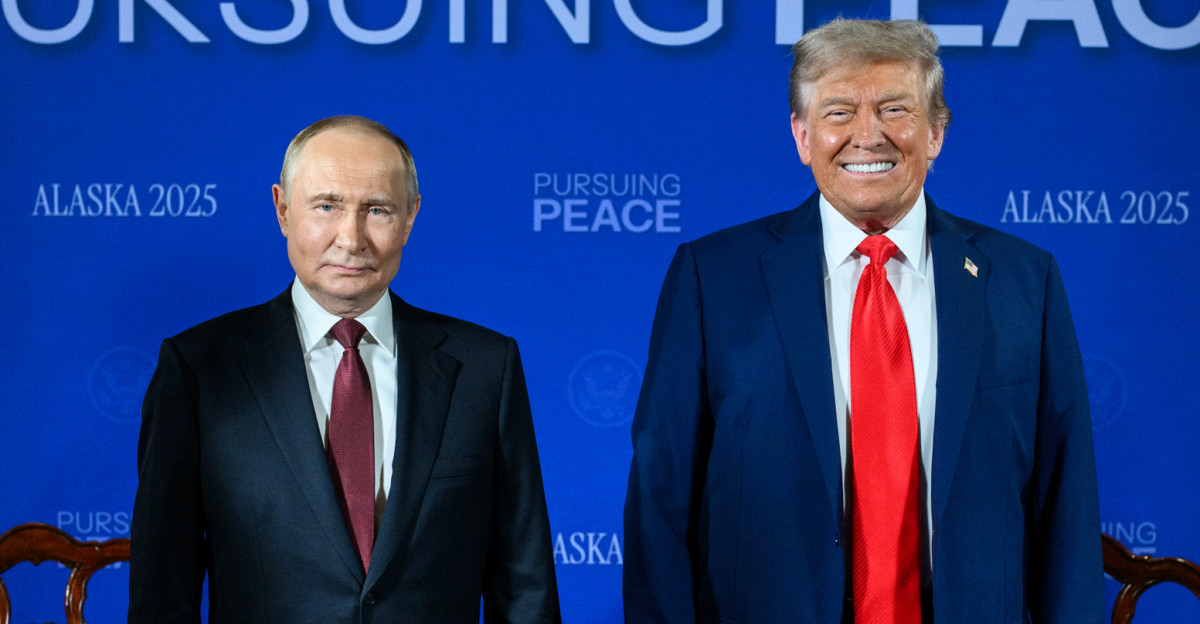
The decision didn’t come out of nowhere. According to a Reuters analysis, Trump’s patience had worn thin due to failed peace negotiations with Putin. The two leaders met in Alaska on August 15, 2025, but that summit had produced no real breakthrough on ending the war.
By October, Trump’s frustration was evident. “Every time I speak to Vladimir, I have good conversations and then they don’t go anywhere,” he admitted on October 23, per ABC News.
Russia’s $186 Billion Oil Empire Under Siege
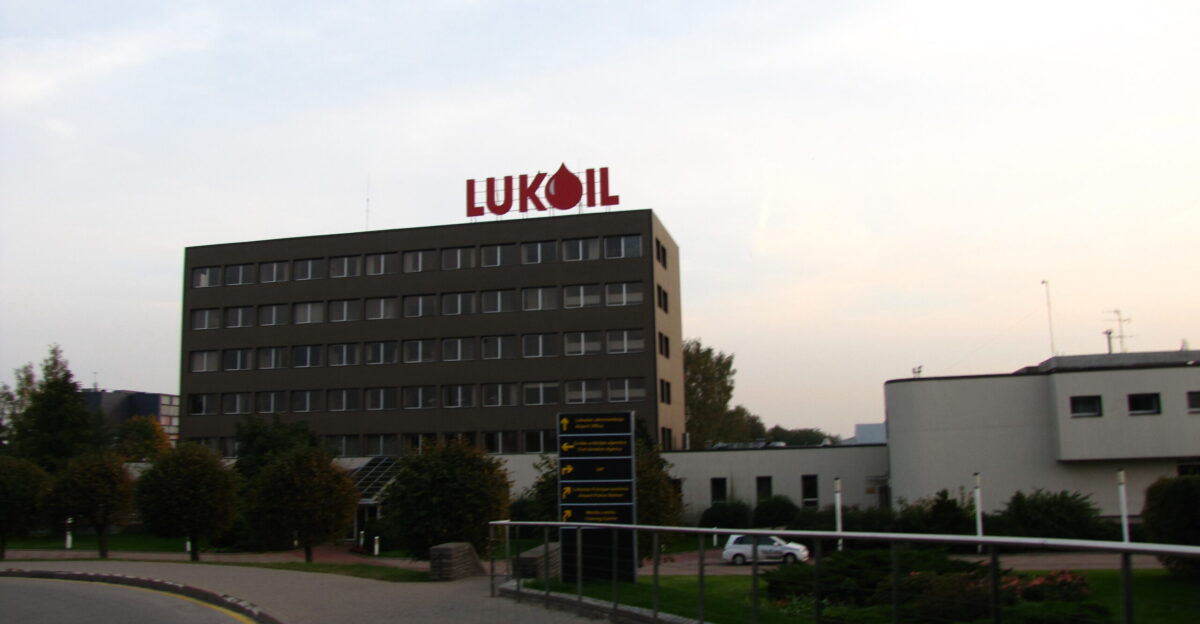
To understand what Trump did, you must know how much Russia depends on oil. According to the Kyiv School of Economics Institute, Russia earned $189 billion from oil exports in 2024—that is the financial engine powering the entire war effort. Now, Trump targeted that engine’s two biggest pistons.
By sanctioning Rosneft and Lukoil, which together account for roughly half of Russia’s oil production, Trump effectively jeopardized nearly $95 billion of annual revenue, according to energy economists.
The Crown Jewels Of Moscow’s Energy
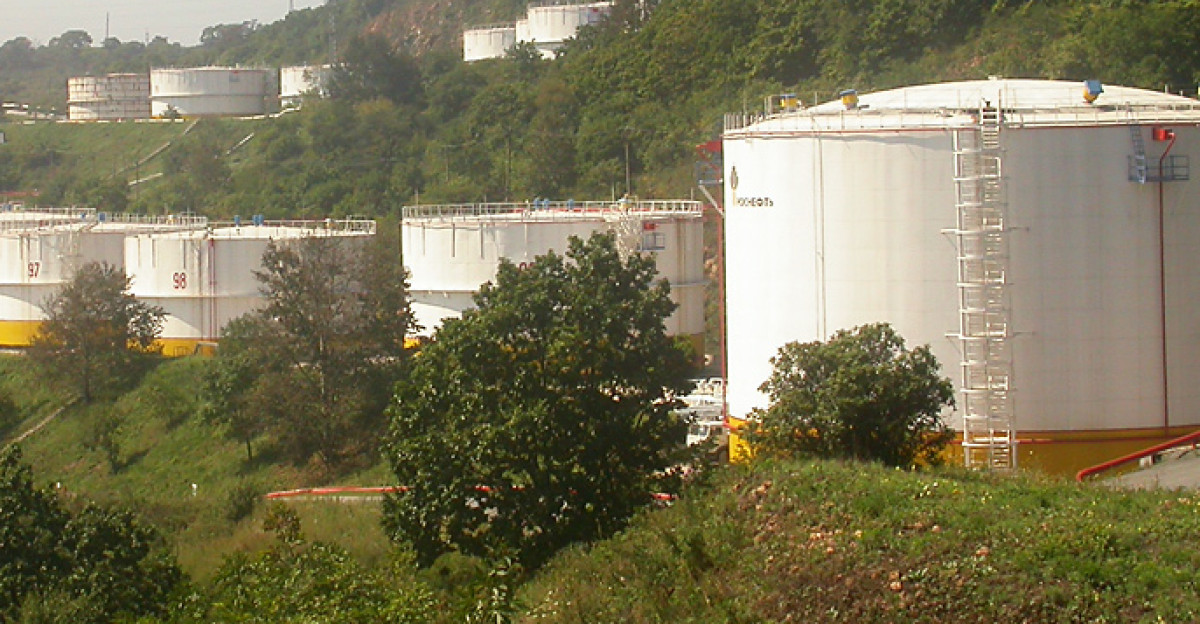
According to UK government sources, Rosneft and Lukoil together export approximately 3.1 million barrels of oil daily—roughly 6% of the world’s oil supply. Just one company, Rosneft, accounts for nearly half of all Russian oil production, making it the crown jewel of Moscow’s energy sector.
Energy analysts are blunt about the impact. They told reporters the sanctions represent “the largest single hit to the Kremlin’s war chest since the invasion began”—an economic strike comparable in scale to major Cold War-era embargoes.
Oil Markets React With Sharp Surge
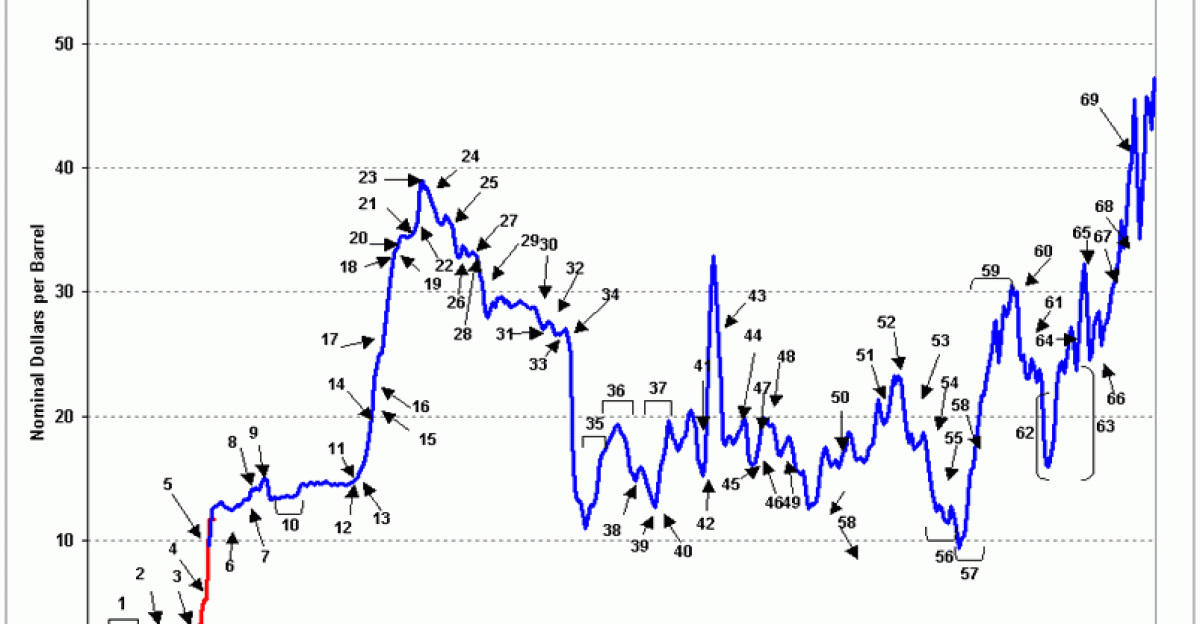
Markets felt it immediately. According to economic data, global oil prices jumped within hours of the sanctions announcement as traders recalibrated for a new reality. Brent crude rose 5.4% while West Texas Intermediate climbed 5.7% on October 23—the sharpest one-day gain since June 2025, reported the Economic Times.
Traders told Reuters they experienced unprecedented volatility as the market absorbed the shock. For the first time in months, geopolitical risk suddenly felt very real to investors watching energy futures.
The Pump Price Squeeze Begins
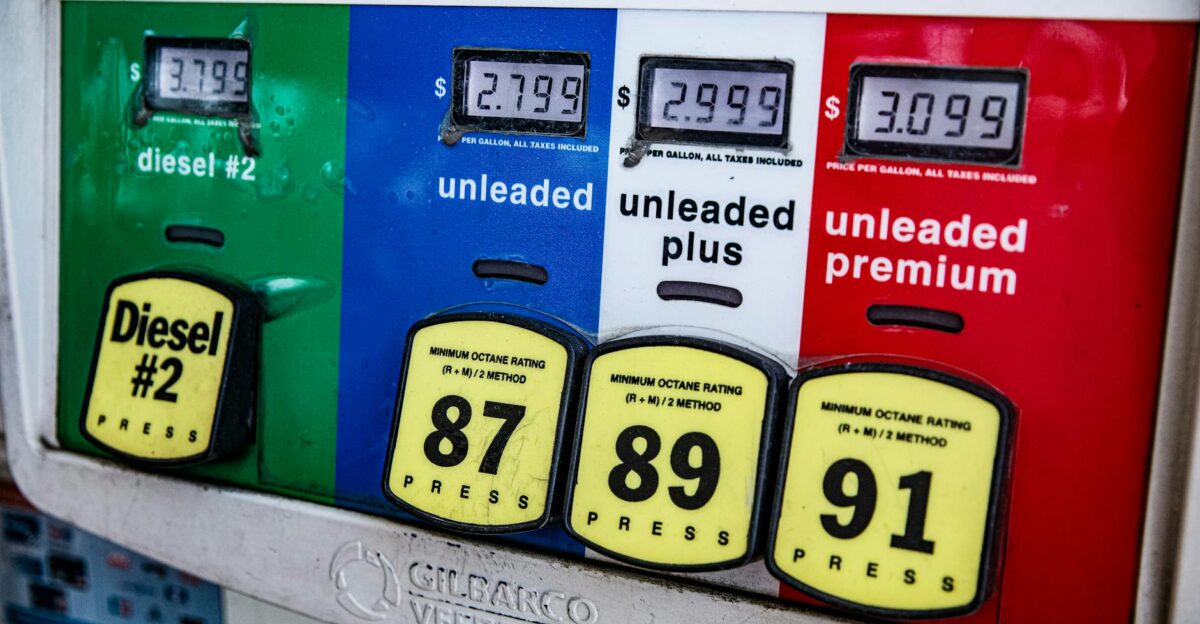
According to industry sources, the sanctions create immediate uncertainty for global energy markets, and that uncertainty has consequences. Refineries worldwide scrambled frantically to identify alternative oil sources to replace the Russian crude they suddenly couldn’t get, reported energy analysts.
Experts are warning American consumers that they could see higher gasoline prices before Thanksgiving as the market adjusts to losing 6% of the global oil supply.
London Joins Washington’s Economic Battle

Trump didn’t move alone, and that mattered. According to UK government records, the United Kingdom had already imposed comprehensive sanctions on Rosneft and Lukoil on October 15, 2025, one week before Trump’s announcement. This wasn’t a coincidence; it was coordination. Foreign Secretary Yvette Cooper made the message crystal clear: “We are sending a clear signal: Russian oil is off the market.”
When the world’s largest economy and Europe’s closest ally move in lockstep, it signals something rare: genuine Western unity.
Brussels Locks In LNG Ban
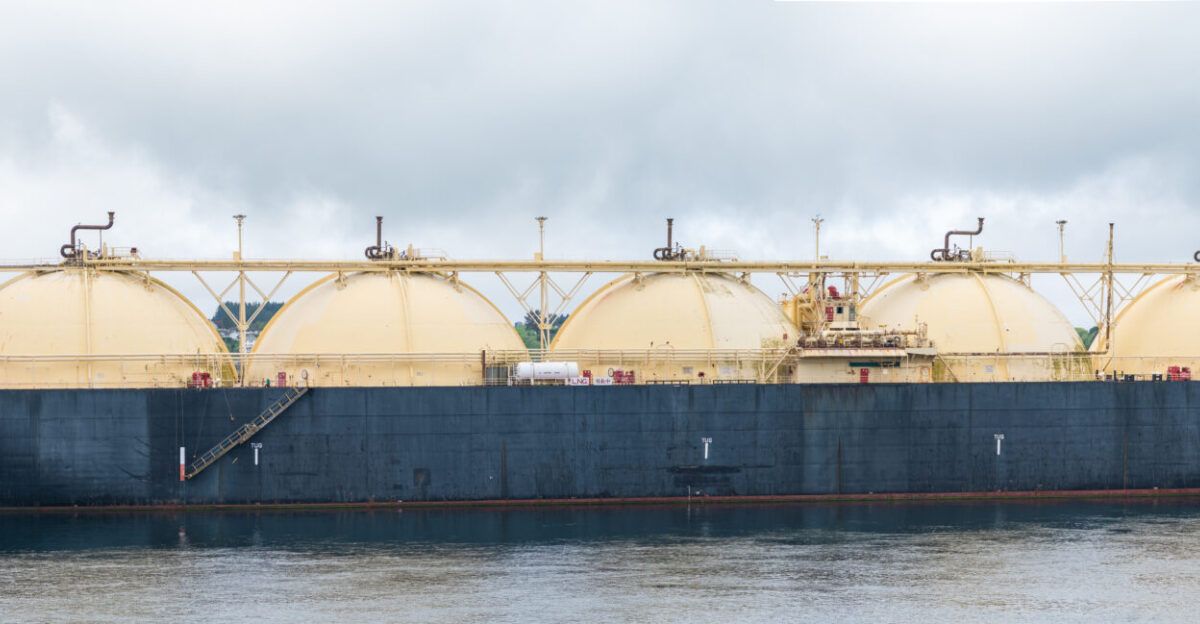
The European Union followed with its own devastating blow. According to EU announcements, the EU approved its 19th sanctions package against Russia on October 23, including a comprehensive ban on Russian liquefied natural gas starting January 1, 2027. But it didn’t stop there. European officials stated that the EU will phase out LNG purchases by April 2026, with a full ban locked in by early 2027.
The timing marked the tightest Western alignment on Russia since the war’s start, a remarkable display of unity against Moscow.
India Prepares To Slash Russian Oil Imports
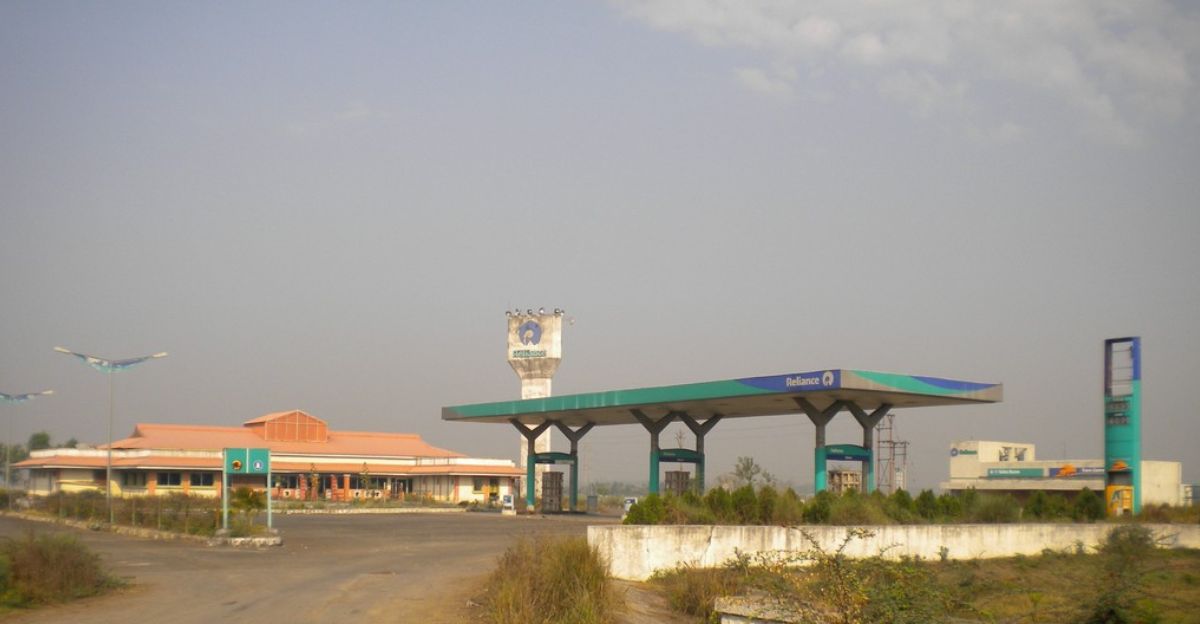
India, Russia’s largest oil customer by volume, is preparing to drastically cut imports following the sanctions, reported the Hindustan Times. Reliance Industries, India’s top buyer of Russian crude, announced it’s recalibrating: “Recalibration of Russian oil imports is ongoing, and Reliance will be fully aligned with Government of India guidelines,” the company stated.
To put scale to this: Indian refiners had been importing 1.7 million barrels daily in the first nine months of 2025, according to industry data. That’s a massive revenue stream Russia was counting on.
The $15 Billion Question Marks
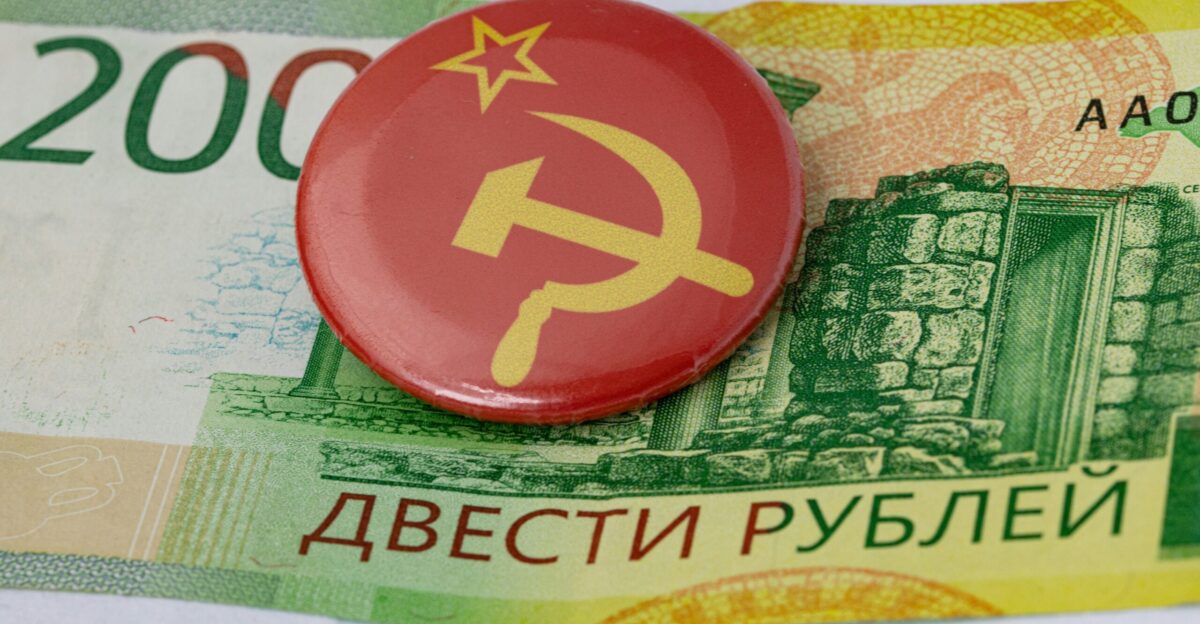
The impact on Russia could be staggering. Refinery sources told Reuters: “There will be a massive cut. We don’t anticipate it will go to zero immediately as there will be some barrels coming into market” via intermediaries. Bloomberg reported Indian refinery sources now expect Russian crude flows to plunge almost to zero as the pressure mounts.
According to energy economists, the reduction could eliminate up to $15 billion in Russian revenue this year alone. That’s real money, money Russia desperately needs to fund its war effort.
Zelensky’s Empty Hands Leave Washington
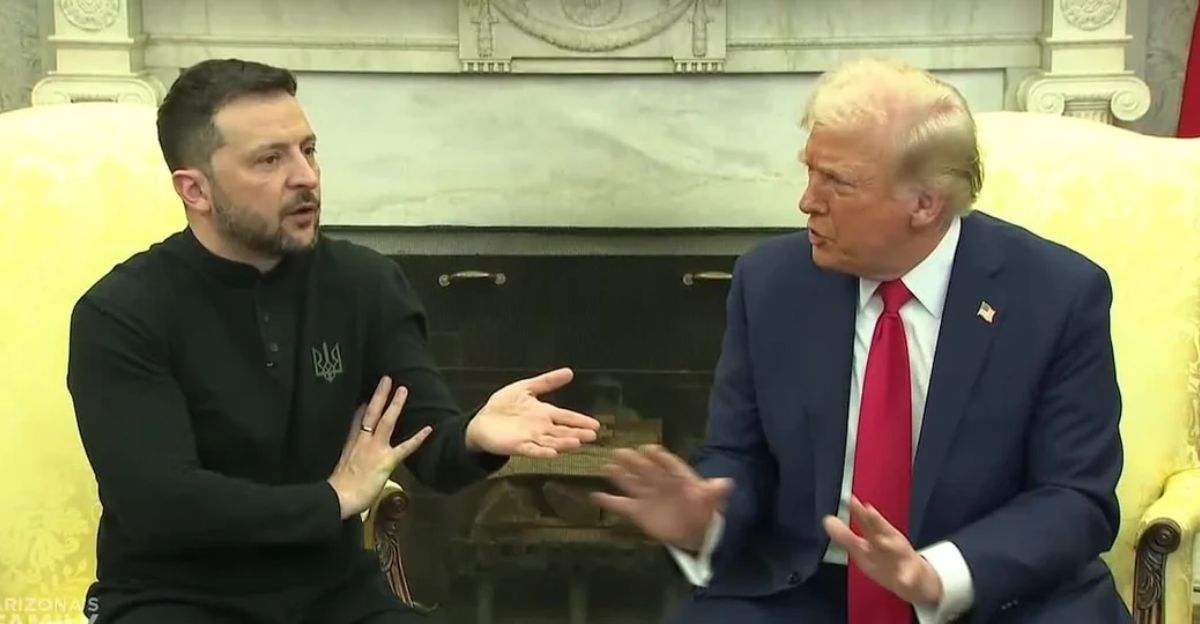
Meanwhile, in a stark contrast, Ukrainian President Volodymyr Zelensky was in Washington making his own pitch. He traveled there on October 17, 2025, requesting something concrete: American-made Tomahawk cruise missiles. For Ukraine, these weapons meant the possibility of striking deep into Russian territory. But Trump said no. “They’re very good. But we need them too,” Trump said, according to the BBC.
Sources described the meeting as tense. Trump clearly prioritized diplomatic talks with Putin over providing Ukraine with additional long-range weapons systems, sending a signal that Trump believed negotiation, not escalation, was the path forward.
From Realistic To Resigned
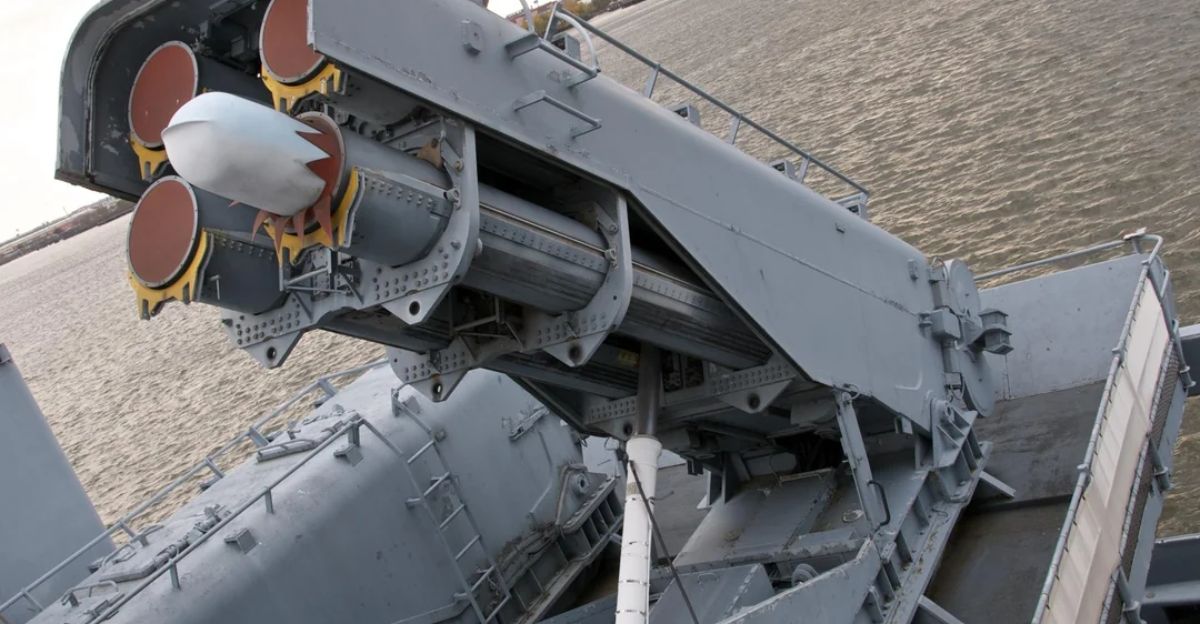
Zelensky left Washington with nothing. He told reporters afterward he remained “realistic” about obtaining Tomahawks. He did note that Russia was “afraid because it is a strong weapon,” according to BBC coverage, but fear wasn’t enough to change Trump’s calculus.
Ukraine would have to keep fighting with what it had. The refusal highlighted the ongoing tensions between Washington and Kyiv over military aid levels and their fundamentally different visions for ending the war.
Russian Strikes Kill Civilians Before Summit Collapse
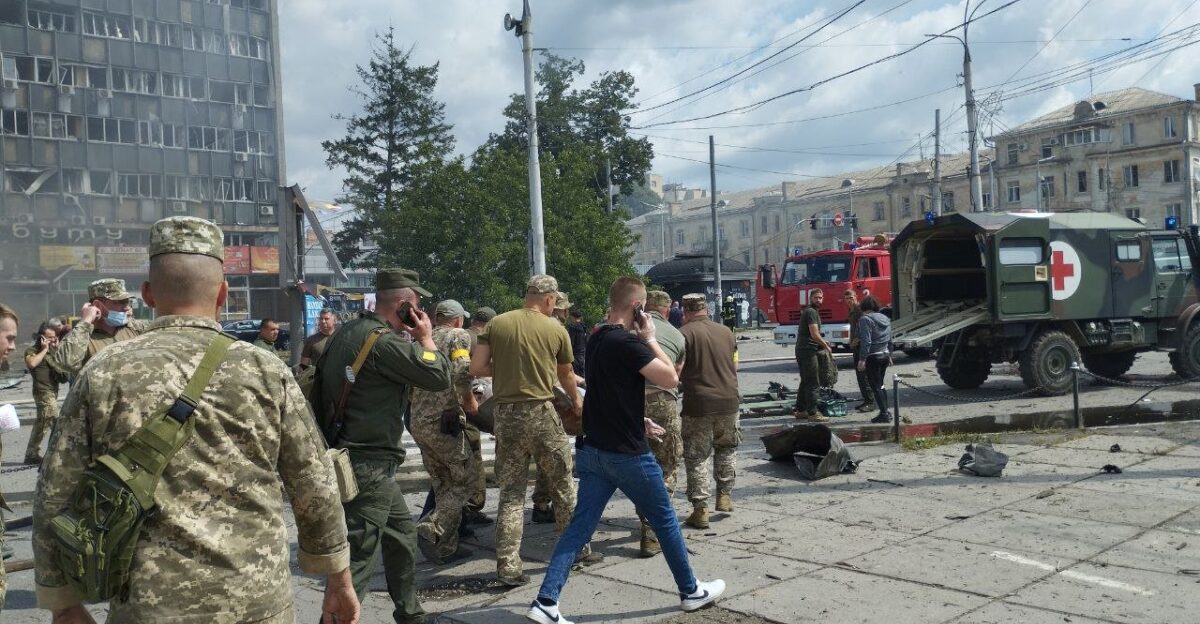
But it was the human toll that crystallized Trump’s patience snapping. On October 21, 2025, Russian drone and missile strikes killed at least six people in Ukraine, including two children, according to ABC News reporting. The attack was deliberate and brutal: a Russian drone struck a kindergarten in Kharkiv with nearly 50 children inside, reported multiple sources.
President Zelenskyy’s response was raw: “There is and cannot be any justification for a drone strike on a kindergarten.” That attack happened just days before Trump was supposed to meet Putin.
Economic Ripple Effects Spread Globally

What happens next ripples far beyond energy markets. According to analysts who track these patterns, rising oil prices affect every economic sector, from manufacturing to shipping to food production. Economists are openly warning that the sanctions could trigger fresh inflation concerns just as nations were beginning to stabilize post-pandemic, noted IMF officials concerned about global stability.
Energy is the backbone of every economy, so price increases ripple through global supply chains like dominoes, according to energy economists.
Retailers Brace For Higher Costs

Industry analysts tracking the issue closely report that major retailers across multiple sectors are quietly exploring strategies to absorb higher fuel and transport costs without drastically raising prices.
Industry analysts warn that consumers face fewer discounts during the holiday season and slower restocking of popular items. Supply chain experts predict the full economic impact could extend well into early 2026, potentially reshaping shopping patterns and consumer spending for months.
Zaporizhzhia Plant Restored After Month-Long Nightmare

In a rare moment of good news amid the chaos, Ukrainian engineers achieved something remarkable when, per IAEA announcements, they restored external power to the Zaporizhzhia nuclear plant on October 23, 2025, after a harrowing 30-day blackout. The significance can’t be overstated.
IAEA Director General Rafael Grossi called it a “significant positive step,” stating: “Today is a rare, good day for nuclear safety and security in Ukraine and beyond, although the overall situation remains highly precarious.”
Nuclear Safety: One Month Too Close
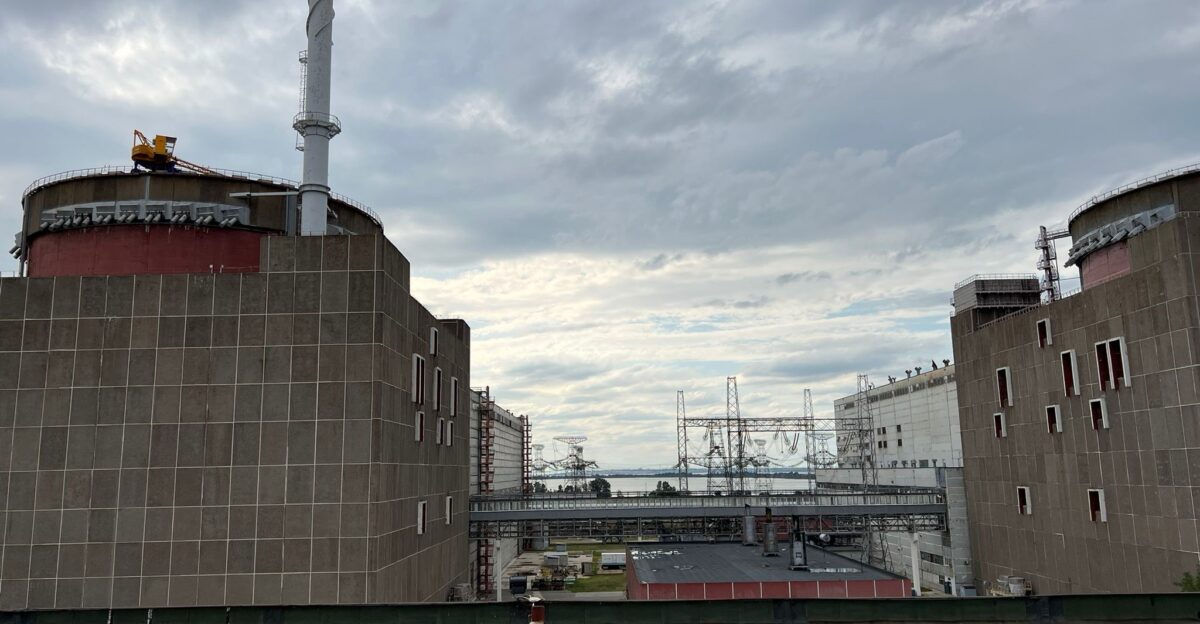
According to nuclear safety officials who study these scenarios, the plant lost external power on September 23, marking the longest blackout a major nuclear facility has endured during wartime. A month of backup power. One month of risk.
Following the saga, the IAEA itself negotiated a local ceasefire between Russian and Ukrainian forces to allow repair crews safe access to damaged infrastructure. Grossi emphasized the reality of what just happened: “After exactly one month without offsite power, the plant is once again receiving the external electricity it needs,”.
Winners And Losers In The New Oil Order

Trump’s sanctions gamble is rewriting the global energy playbook, creating clear winners and losers. According to energy analysts tracking market opportunities, U.S. shale producers and renewable energy companies could see significant profits as oil prices rise and demand shifts away from Russian sources.
Others find it more complicated. Some Asian refiners might attempt to purchase discounted Russian crude through intermediaries, but they risk facing U.S. secondary sanctions if Washington decides to crack down.
A Global Battle Fought In Boardrooms
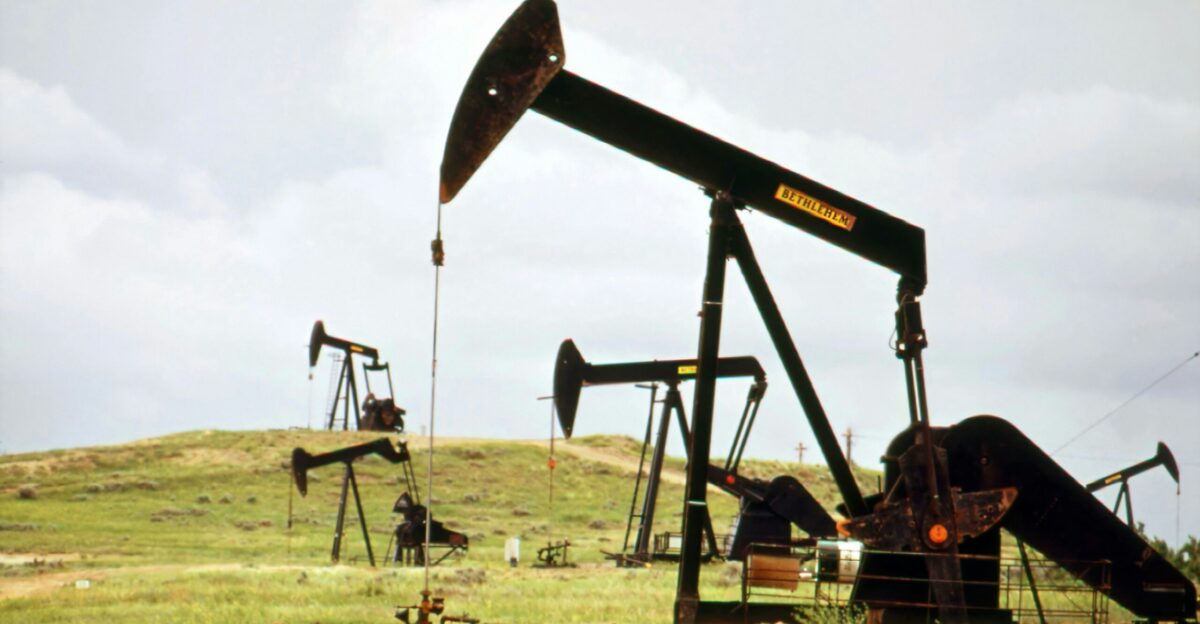
Diplomats told reporters that the coming weeks will be critical as they determine whether this unprecedented pressure brings Putin to the negotiating table or drives him deeper into defiance and resistance. Meanwhile, oil markets remain volatile, and international alliances continue to shift in real time.
The Ukraine war’s next critical chapter won’t be written on the front lines. It will be written in oil fields where production halts, in corporate boardrooms where deals are made or broken, and in financial centers where the economic consequences ripple across the world.