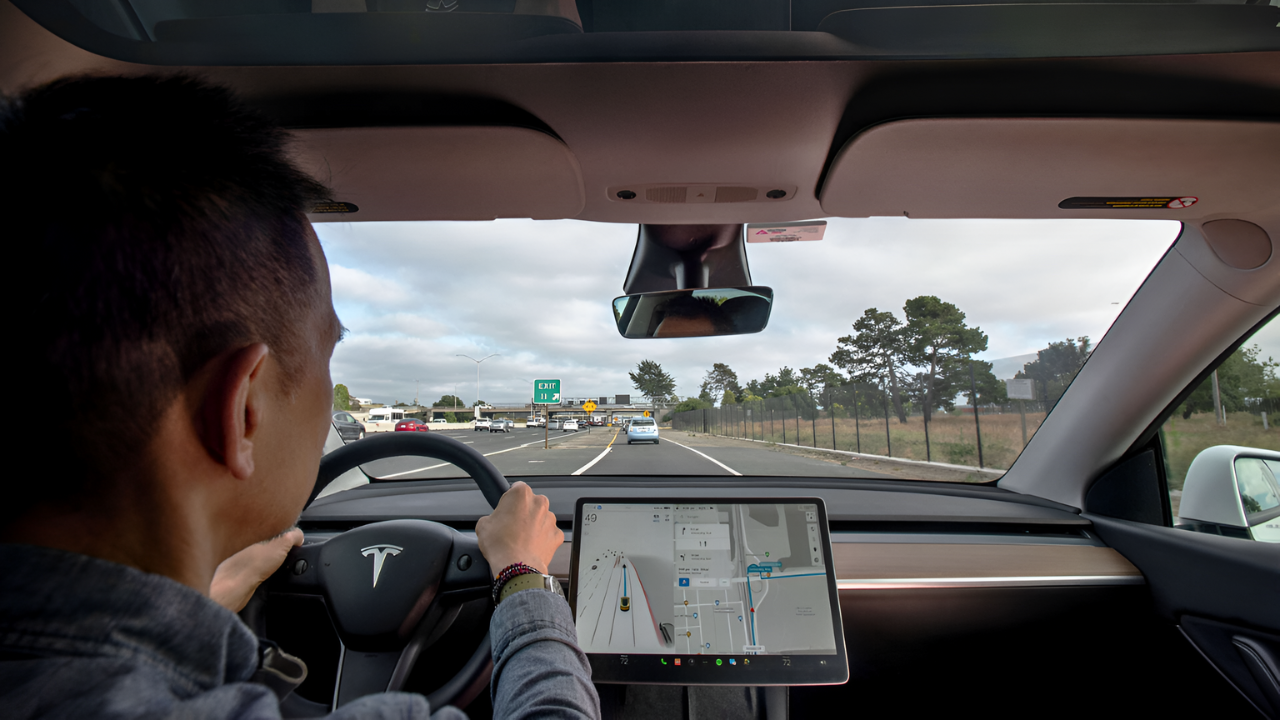
Earlier this year, GM quietly recruited one of Tesla’s most influential minds — the architect behind its most advanced autonomous driving programs. His departure sent shockwaves through Silicon Valley, signaling a dramatic shift in Detroit’s ambitions.
Now, GM is openly challenging Musk’s supremacy. Can Detroit truly outpace Silicon Valley at its own game?
GM’s Bold Vision: Eyes-Off Driving by 2028

On Wednesday, GM unveiled its plan to lead the industry into true “eyes-off” self-driving. The milestone arrives in the 2028 Cadillac Escalade IQ — a move that thrusts Detroit into a head-to-head race with Tesla. It’s not just about autonomy; it’s about rewriting how the world moves.
The Turquoise Glow of Freedom
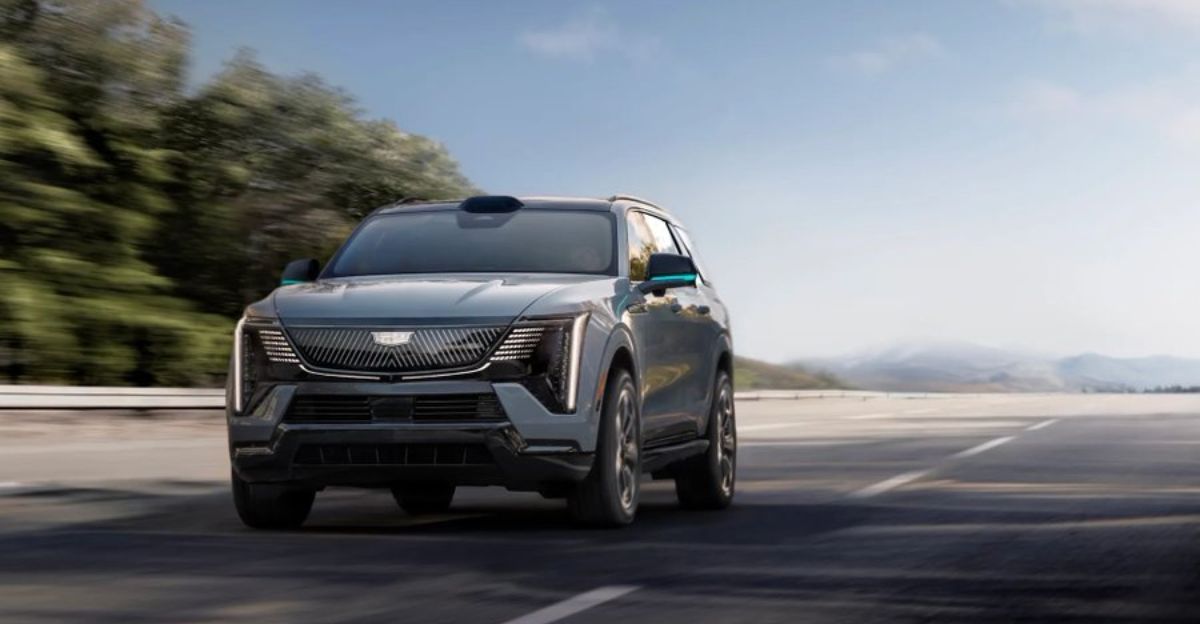
The 2028 Cadillac Escalade IQ will feature turquoise lighting along the dashboard and exterior trim — signaling when its Level 3 Super Cruise system takes full control. This calm glow marks the shift from driver assistance to independence.
For millions of commuters, it could mean reclaiming nearly an hour each day once travel becomes truly hands-free.
Detroit’s $35 Billion Gamble
GM has poured $35 billion into EV and autonomous vehicle development, but consumer adoption remains slow. Range anxiety, high pricing, and charging gaps triggered a $1.6 billion charge in Q3 2025.
Meanwhile, Waymo operates 250,000 weekly rides, and Stellantis partners with Pony.ai. The race is heating up — and GM is betting everything.
Tariffs Shield GM — For Now

A 100% U.S. tariff currently protects GM from cheaper Chinese EVs, which cost 25–32% less abroad. Yet BYD’s 31% sales surge in 2025 shows how strong that competition has become. If those tariffs fade, GM may be forced into a global pricing war it cannot afford to lose.
The Tesla Veteran Behind GM’s Leap

Sterling Anderson — former Tesla Autopilot lead and Aurora co-founder — joined GM six months ago as Executive VP and Chief Product Officer. With a master’s and Ph.D. in robotics from MIT, he now oversees GM’s entire product lifecycle.
His expertise in autonomy and robotics positions GM to make its most daring leap yet.
GM Leadership Backs Sterling Anderson
GM President Mark Reuss praised Anderson’s arrival: “Sterling brings decades of leadership in automotive engineering and transformative software innovation.”
CEO Mary Barra added, “He will help accelerate the pace of progress.” The question now: can this leadership team truly help GM leapfrog Tesla’s head start in autonomy?
Detroit’s Silicon Valley Invasion
Behind the scenes, GM has quietly rebuilt its leadership with Silicon Valley talent. Since May 2025, a former Aurora co-founder and Tesla Autopilot director has led product strategy, while the ex-Apple cloud chief, Dave Richardson, heads software.
Recruits from Google, Meta, AWS, and Pixar bring deep AI and design expertise — signaling a new GM playbook.
Apple Brains Power GM AI
Dave Richardson, Apple’s former cloud infrastructure chief (2012–2023), now leads GM’s AI and computing systems.
He oversees the software powering the 2028 Escalade IQ, offering 10 times faster over-the-air updates, 1,000 times the bandwidth, and 35 times the AI performance improvements via high-speed Ethernet. It’s the digital backbone of GM’s next-generation fleet.
Inside GM’s AI-Driven Future
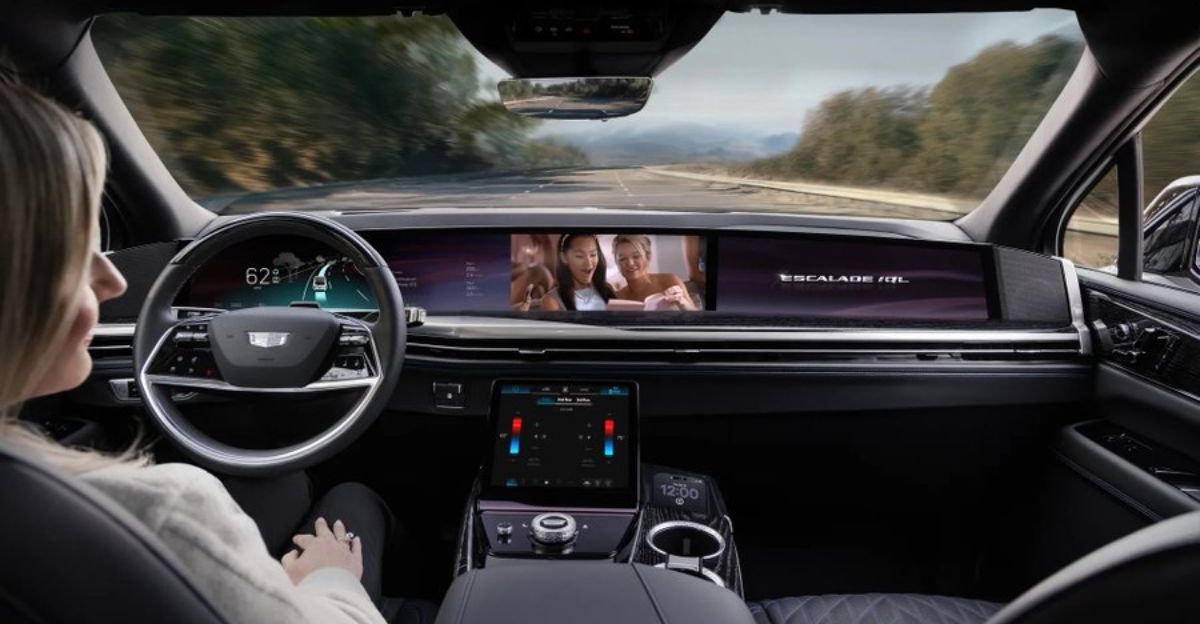
All major vehicle systems — propulsion, steering, infotainment, and safety — will soon run on a unified Nvidia-powered computing core.
This integration enables lightning-fast data sharing and smarter autonomy. It’s the foundation of GM’s “software-defined vehicle” era, where cars evolve through updates instead of redesigns.
Conversational AI Meets the Road
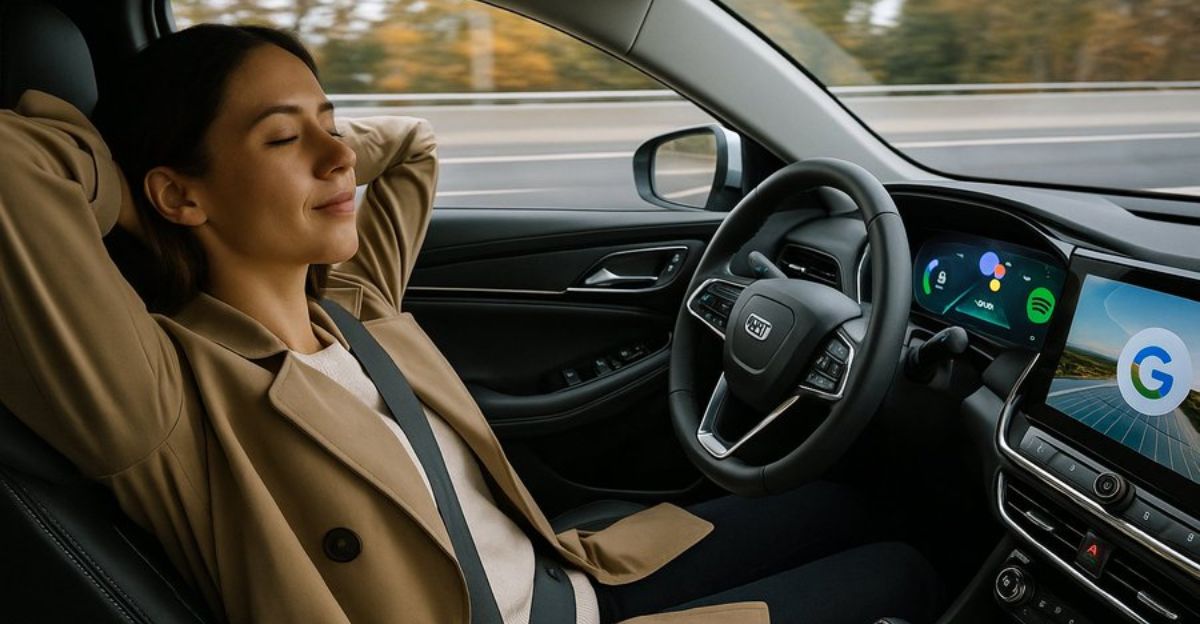
Starting in 2026, GM will integrate Google Gemini AI into its lineup. Drivers will chat naturally with their cars — asking for routes, drafting messages, or even learning local history hands-free.
Gemini replaces Google Assistant in Buick, Chevrolet, Cadillac, and GMC vehicles, connecting seamlessly through OnStar for a smarter, more personal drive.
The 2028 Cadillac Escalade IQ: GM’s Flagship
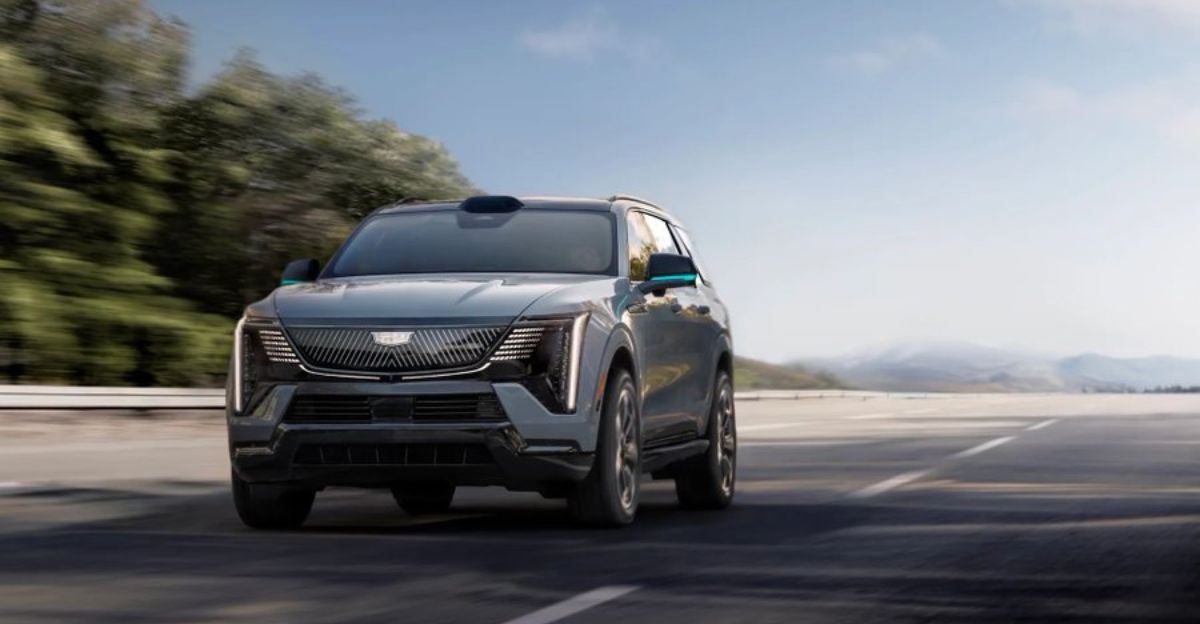
The 2028 Escalade IQ is a full-size luxury electric SUV that seats seven and has a starting price of $127,405. It builds on GM’s Ultium platform, offering 450 miles of range, 750 horsepower, and Level 3 autonomy using cameras, radar, and LiDAR.
Turquoise lighting signals its autonomous mode — a defining symbol of GM’s moonshot moment.
GM Forward: Cars as Assistants
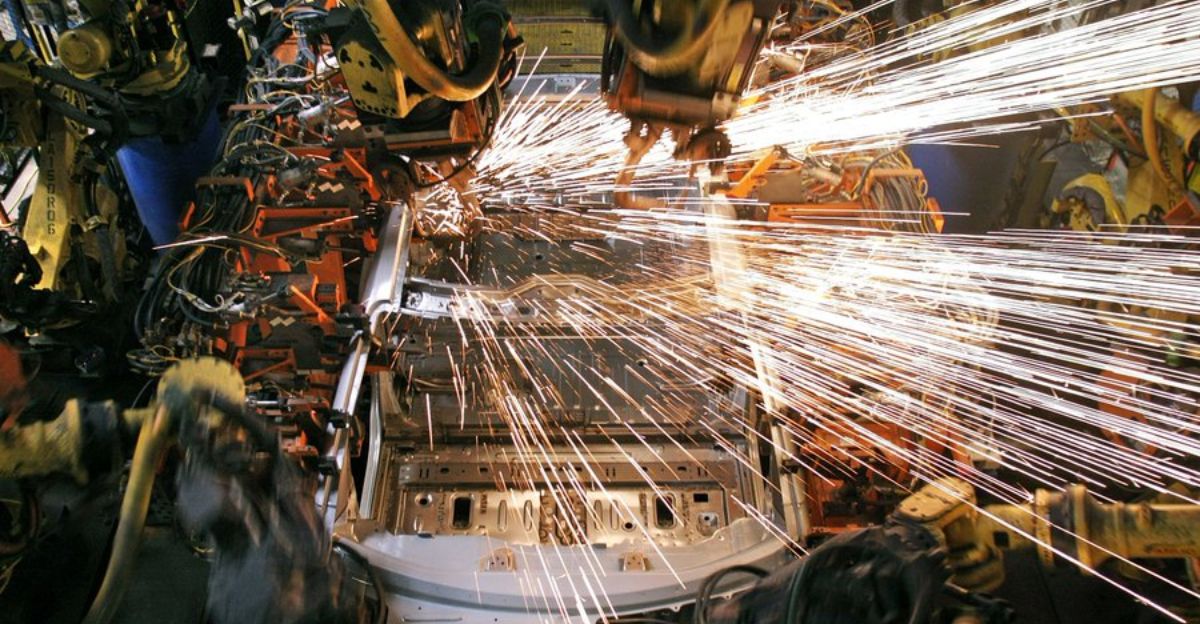
On October 22, 2025, GM unveiled its “GM Forward” event in Lower Manhattan under the theme “Transform the car from transportation to an intelligent assistant.”
The announcement marked a pivotal moment in Detroit’s effort to leapfrog Tesla with consumer-owned autonomous vehicles that think, learn, and respond like humans — a true shift in automotive purpose.
Wall Street Cheers GM’s Vision

GM stock soared 14.9% on October 21 after Q3 earnings beat forecasts, then rose another 1% during its tech reveal. Analysts maintain a “Moderate Buy” rating with a $69 target, reflecting investor confidence in GM’s autonomy push.
Deferred revenue from Super Cruise and OnStar now exceeds $4 billion, with Super Cruise alone projected to double revenue by 2026.
Competition and Financial Pressure Mount
Tesla still dominates public perception with its Level 2 Full Self-Driving feature, while Mercedes holds Level 3 approval. Chinese brands like BYD and Zeekr sell models 25–33% cheaper, tightening the squeeze. Meanwhile, U.S. EV tax credits expired September 30.
Leadership changes, including Sterling Anderson’s May hire, aim to accelerate GM’s autonomy timeline.
The Waymo Warning
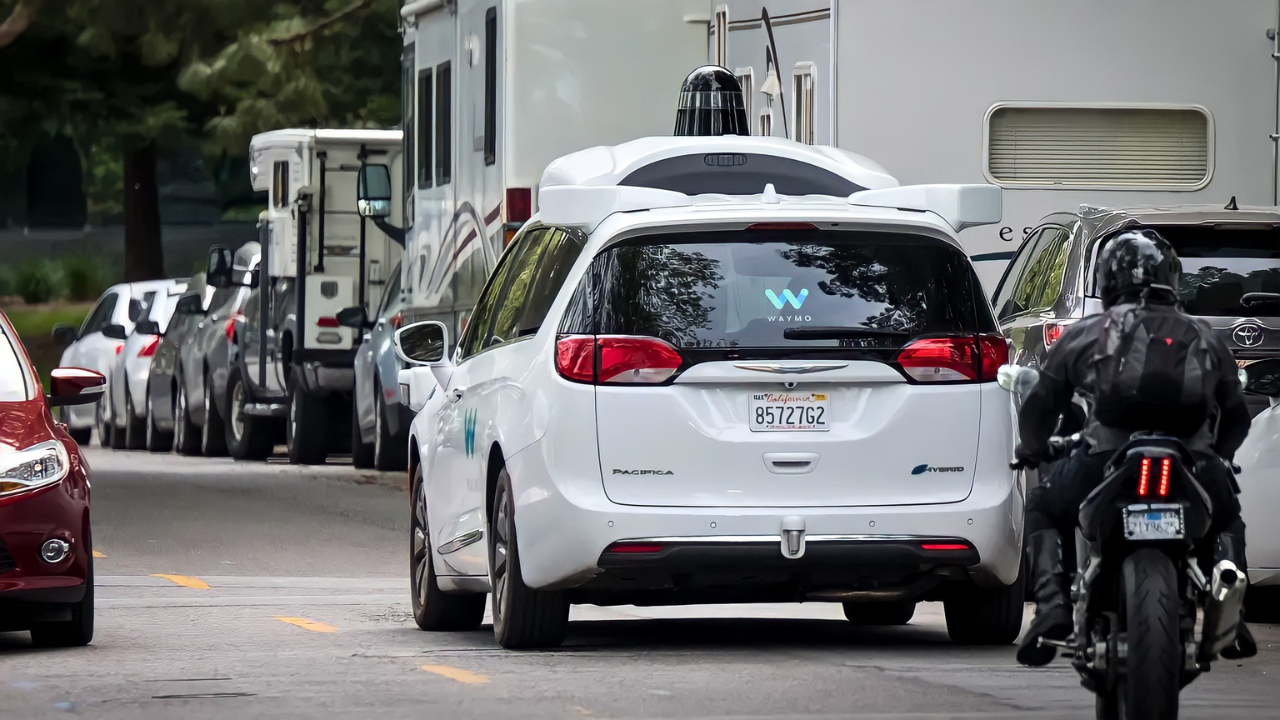
On September 22, 2025, a Waymo robotaxi illegally drove around a stopped school bus in Atlanta, triggering a federal safety probe. The NHTSA launched its third review since 2024, warning that similar incidents may be common.
For GM, preparing consumer-owned Level 3 vehicles, even a single error could erode public trust before launch.
Racing Against the Clock
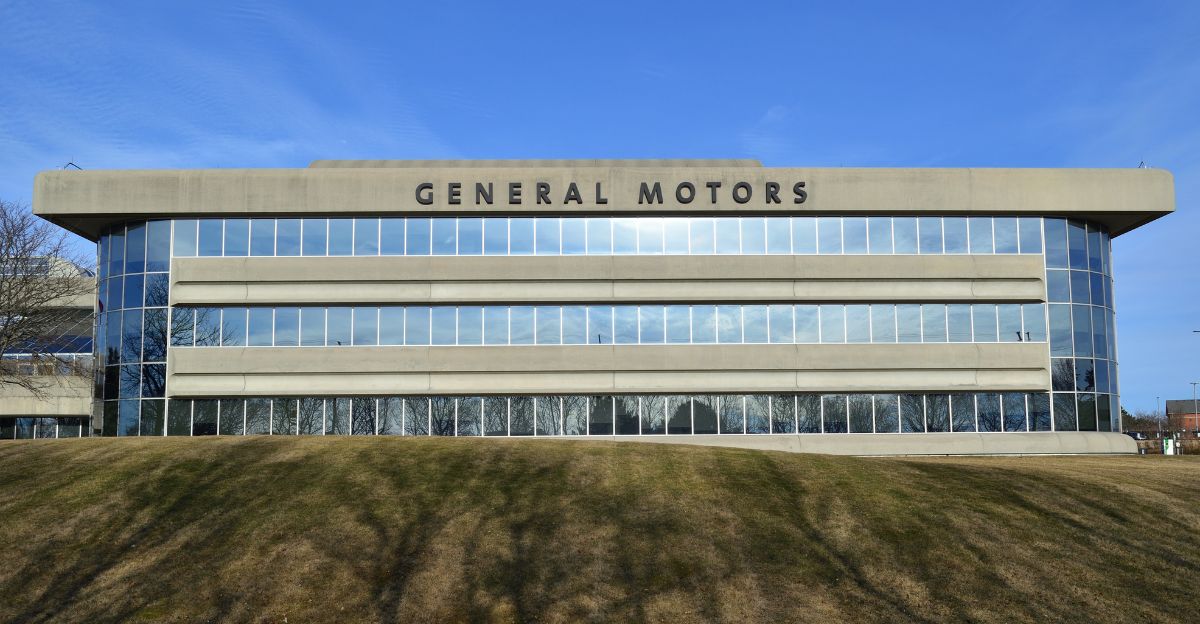
GM faces a 36-month development sprint to deliver Level 3 autonomy by 2028 — a process that typically takes five to seven years to complete. Regulators require comprehensive safety cases and state approvals.
So far, only Mercedes-Benz has met those standards. The pressure on GM to move fast without compromising safety has never been greater.
Inside Detroit’s Autonomy Hub
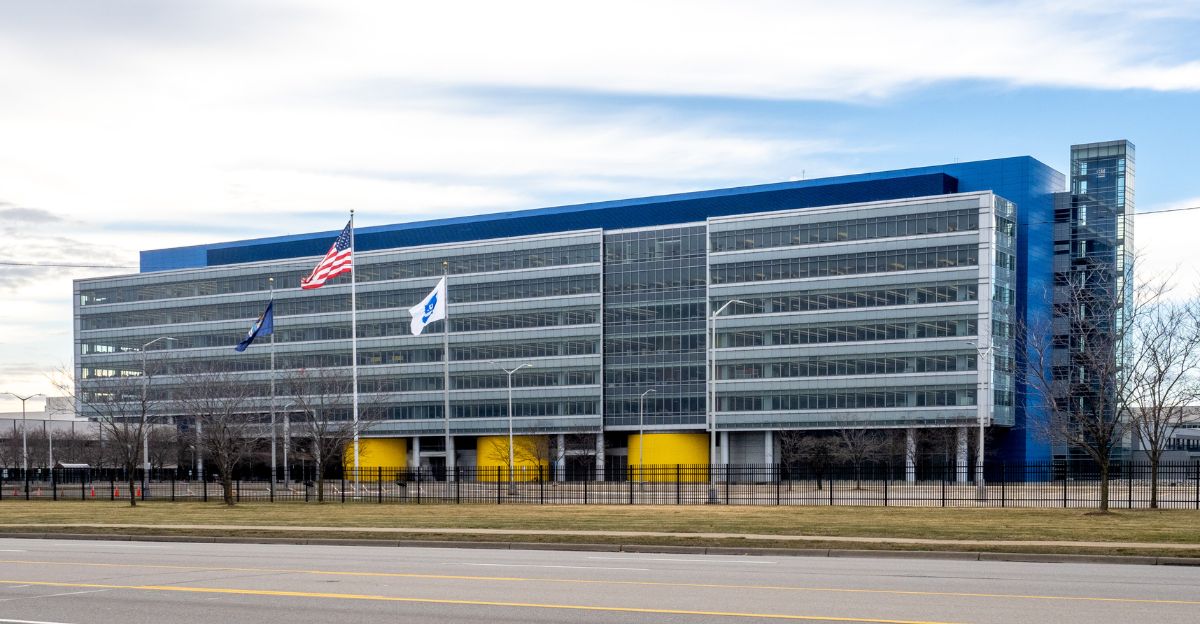
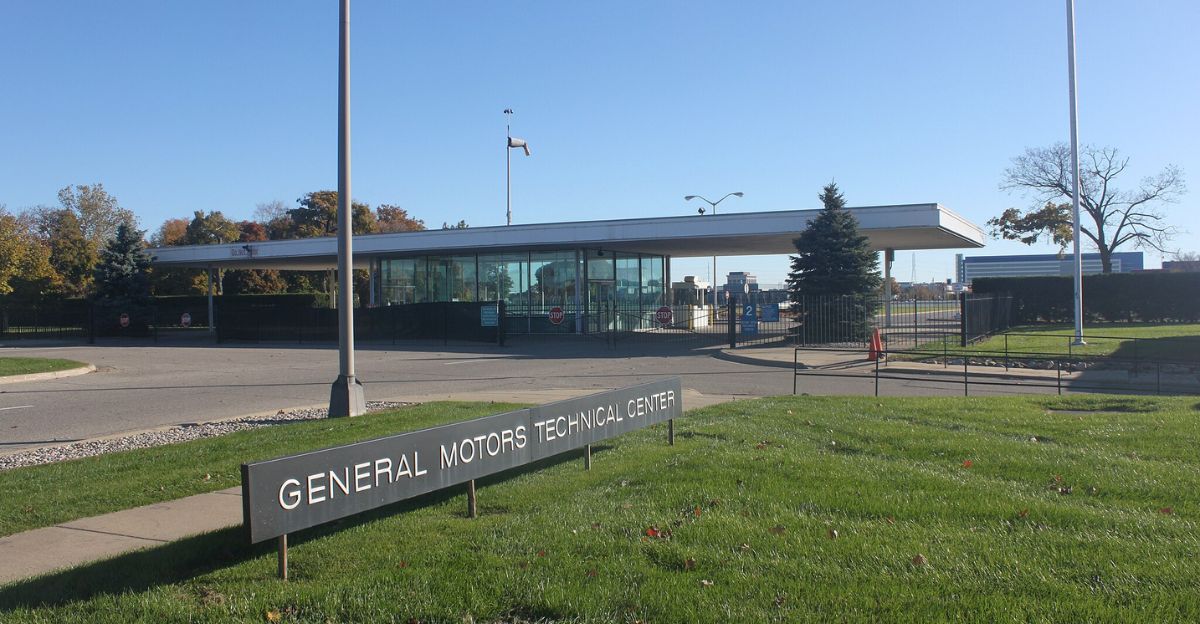
At the Warren Tech Center near Detroit, hundreds of former Cruise engineers are testing GM’s next-generation autonomy systems. The renovated facility combines test tracks with cutting-edge labs, integrating five million driverless miles into the design of consumer vehicles. Sterling Anderson calls it a 36-month mission: “I wouldn’t be here if we weren’t doing AV.”
The Consumer Question
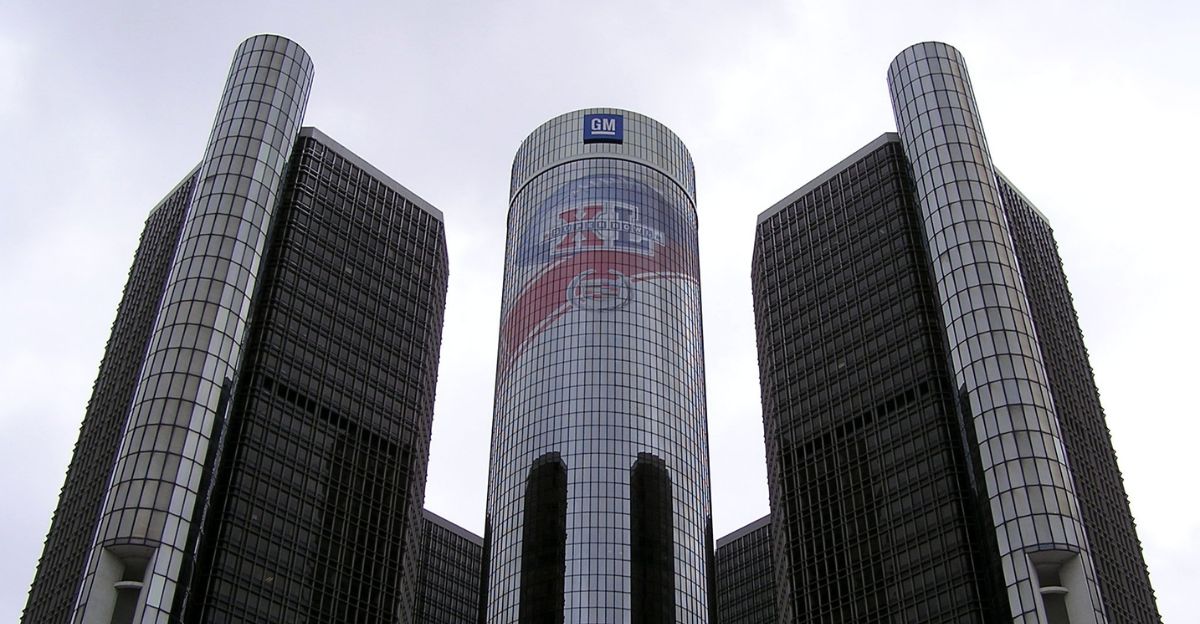
With 50,000 Escalade IQ owners expected by 2029, GM projects that drivers could reclaim 45,000 hours daily — approximately 16.4 million hours annually — for work, rest, or entertainment. It’s a luxury of time that few automakers can promise.
Yet the question remains: will drivers fully trust their cars to take control on crowded highways?
Eyes Off, Future On
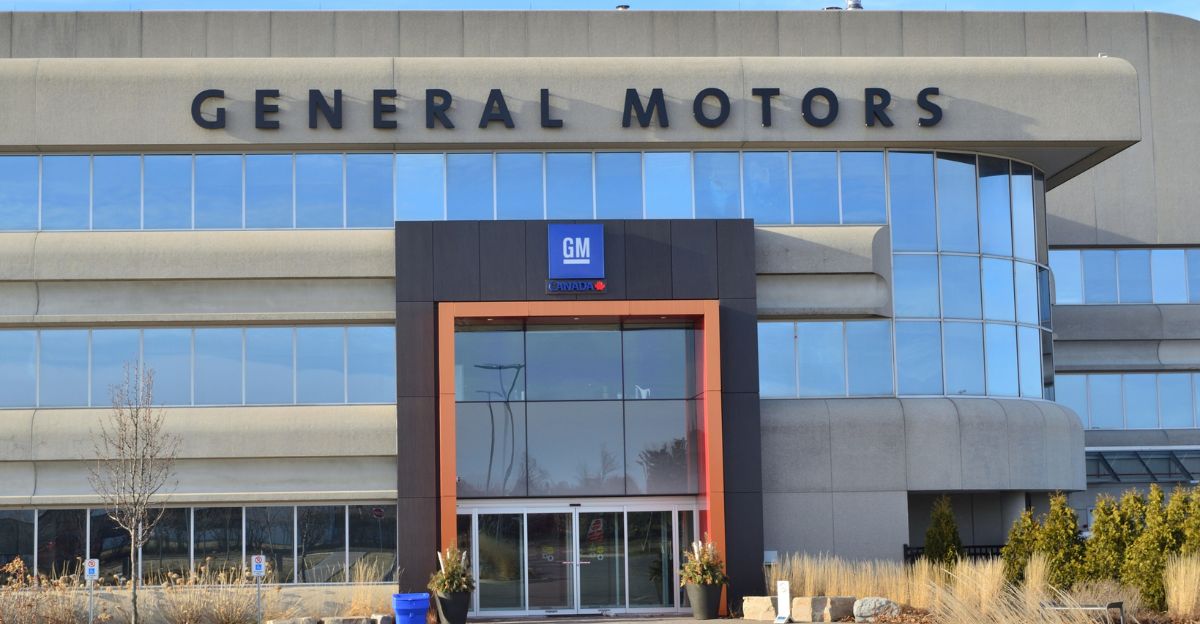
The 2028 Cadillac Escalade IQ embodies GM’s audacious bid to leapfrog Tesla and redefine autonomy. With $35 billion invested, a top Tesla veteran leading product strategy, and a 36-month deadline, GM is betting its legacy on delivering true “eyes-off” driving before anyone else. Detroit isn’t chasing the future anymore — it’s daring to drive it.