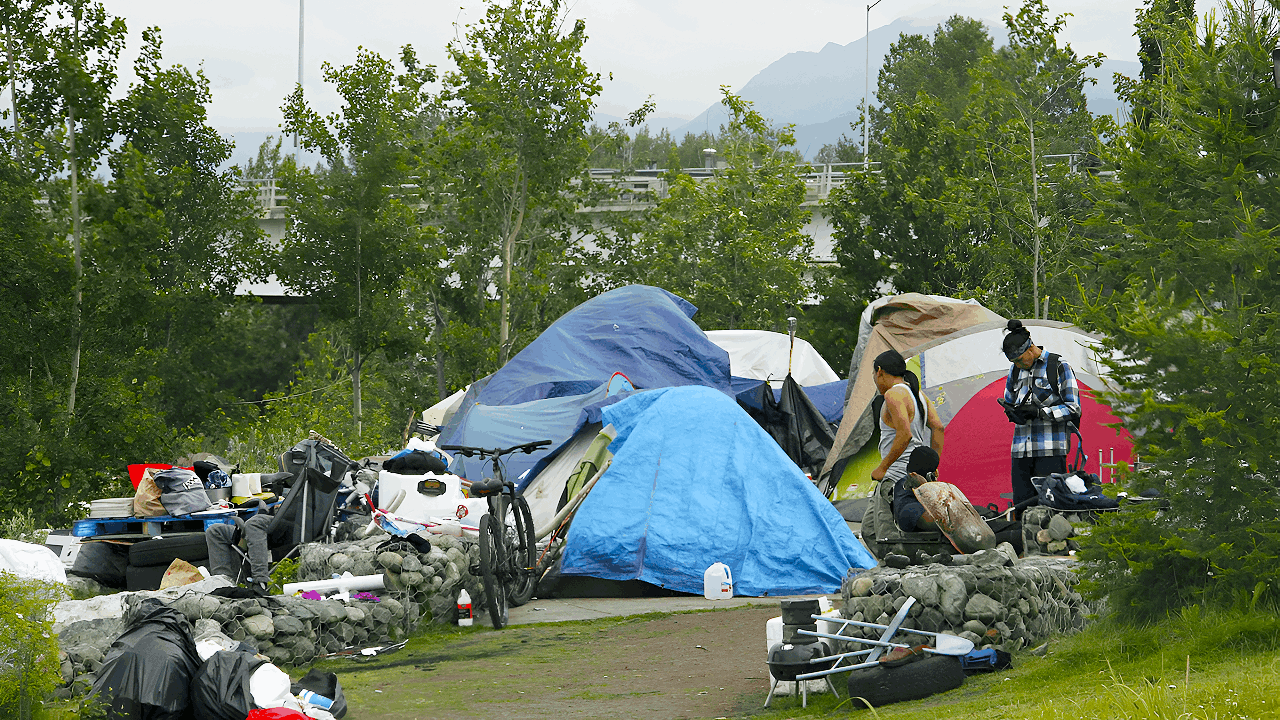
A historic Arctic storm surge tests Alaska’s resilience after Typhoon Halong’s remnants struck western coastal villages, triggering the largest mass displacement of Indigenous communities in Western Alaska. The hurricane-strength event, with winds up to 100 mph, shattered homes and upended a way of life that has endured for generations.
Atmosphere and Impact
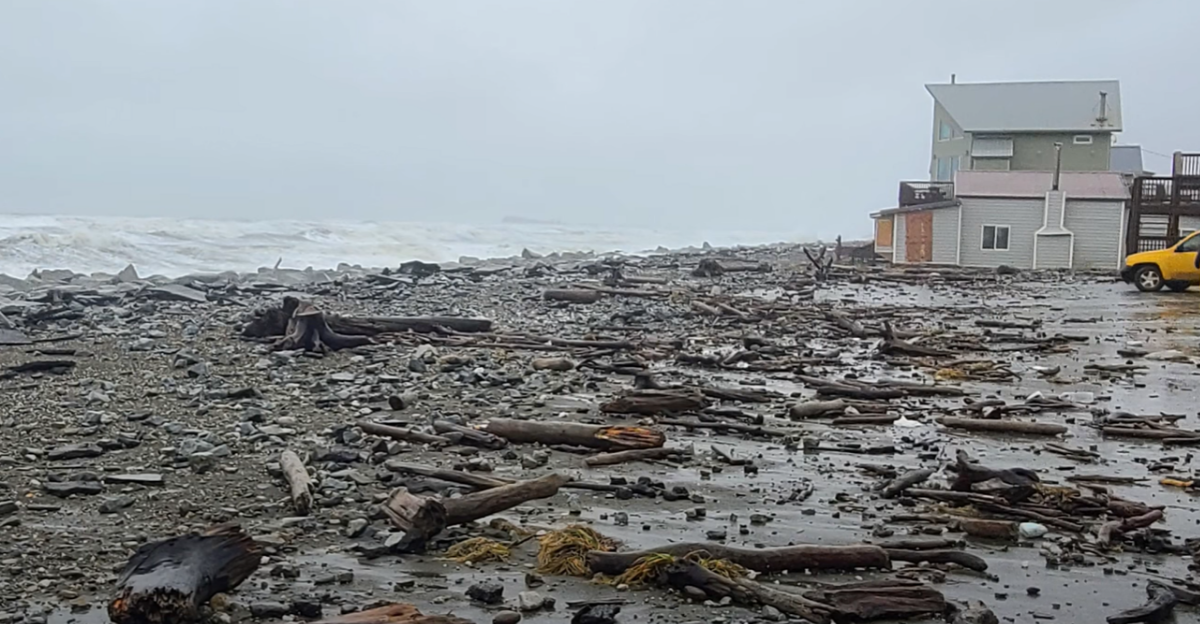
Halong’s remnants made landfall in October 2025, breaking a long-standing meteorological boundary. Unlike past Alaska storms, Halong arrived with Category 2 hurricane intensity and maintained its strength farther north than usual. Observers describe the feat as a climate anomalies marker, underscoring how warming Arctic waters can sustain tropical systems well into far-northern regions.
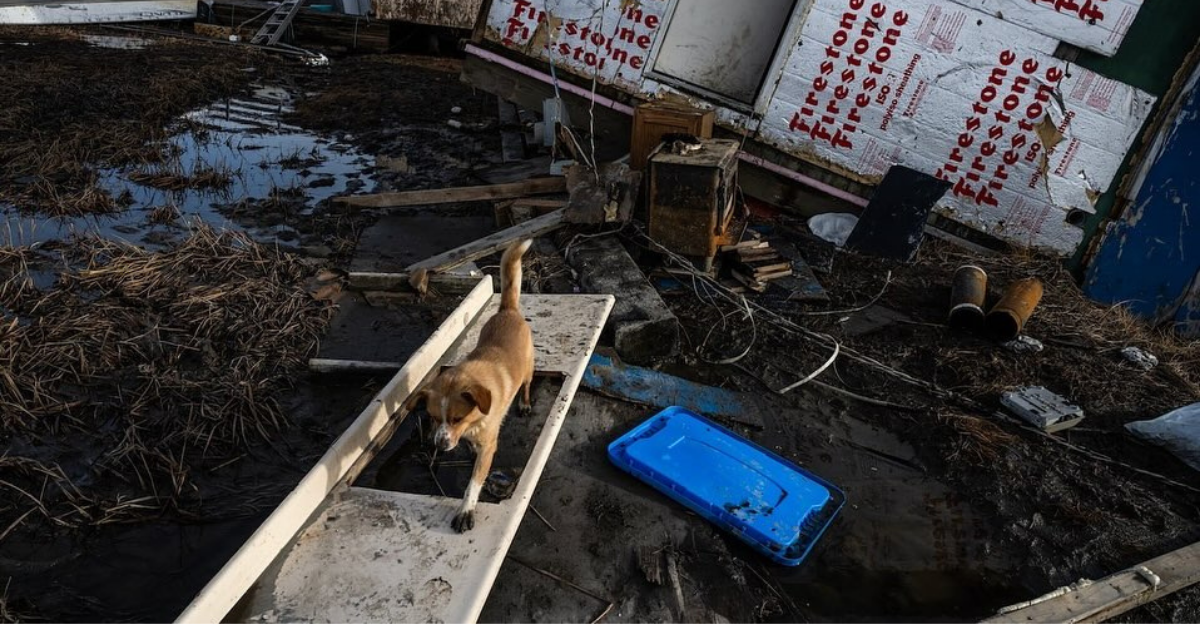
In Kipnuk and Kwigillingok, the destruction was total for most coastal homes. Officials report that 90% of houses in these villages were destroyed, forcing more than 2,000 residents to evacuate. The immediate consequence is an urban-rural divide in Alaska’s response capacity: Anchorage shelters absorb the displaced, while frontline rural infrastructure remains disrupted and underfunded.
Local Voices and Expert Context
A resident of Kipnuk recalled the moment the storm hit: “We had no choice but to sit and watch if our house would survive.” The sentiment captures the shock felt across disrupted homelands. Experts emphasize that the long-term consequences extend beyond physical damage. Dr. Elena Morales, a climatologist at a regional university, notes that Halong’s intensity in Arctic waters signals a broader pattern of climate-driven extremes, with tropical storms penetrating areas previously deemed immune.
National and global comparisons help calibrate the story. Analysts point to recent Pacific storms that have shown unusual intensity in high latitudes, suggesting Halong’s Alaska genesis is part of a broader shift in storm behavior rather than an isolated incident. The event is also contrasted with historical Alaska storms that were severe but localized, underscoring a dramatic deviation in scale and reach.
Logistics, Costs, and Recovery Timelines
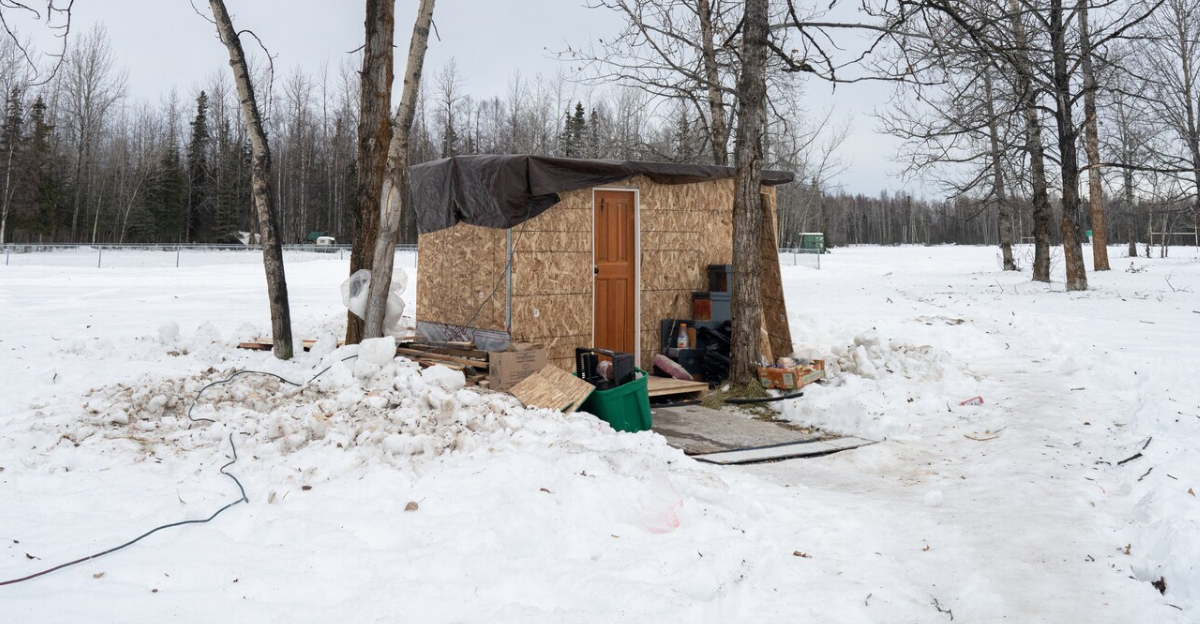
Geographic isolation magnifies the crisis. Kipnuk and Kwigillingok lack road connections and rely on air or sea transport for relief. Supply chains to dispersed villages push up the cost of food, fuel, and building materials, with estimates placing reconstruction around $200 million or more. Recovery work is complicated by the approaching Arctic winter, when temperatures can dip to -40°F, extending repair timelines and complicating shelter operations.
Federal response and funding hurdles compound the challenge. Governor Mike Dunleavy has urged the White House to declare a major disaster to unlock federal aid, though approval processes add delays when the need is most urgent. In Anchorage, between 575 and 1,600 evacuees crowd shelters, stretching social services, hospitals, and schools already operating near capacity.
Societal and cultural ramifications
Displacement disrupts a subsistence-based lifestyle that sustains physical health and community identity. About 500–700 children from the affected communities have lost access to familiar social networks and schooling, heightening risks to mental health and academic continuity. Social isolation extends beyond the classroom, as families cope with overcrowded shelters and the stresses of adapting to urban environments.
Public health considerations are acute. Overcrowded housing, cold stress, and the risk of infectious disease complicate medical caseloads in Anchorage and rural clinics alike. Public health officials stress the need for climate-appropriate medical planning, vaccination campaigns, and trauma-informed care that respects Indigenous cultures.
Longer-term Implications for Village Life
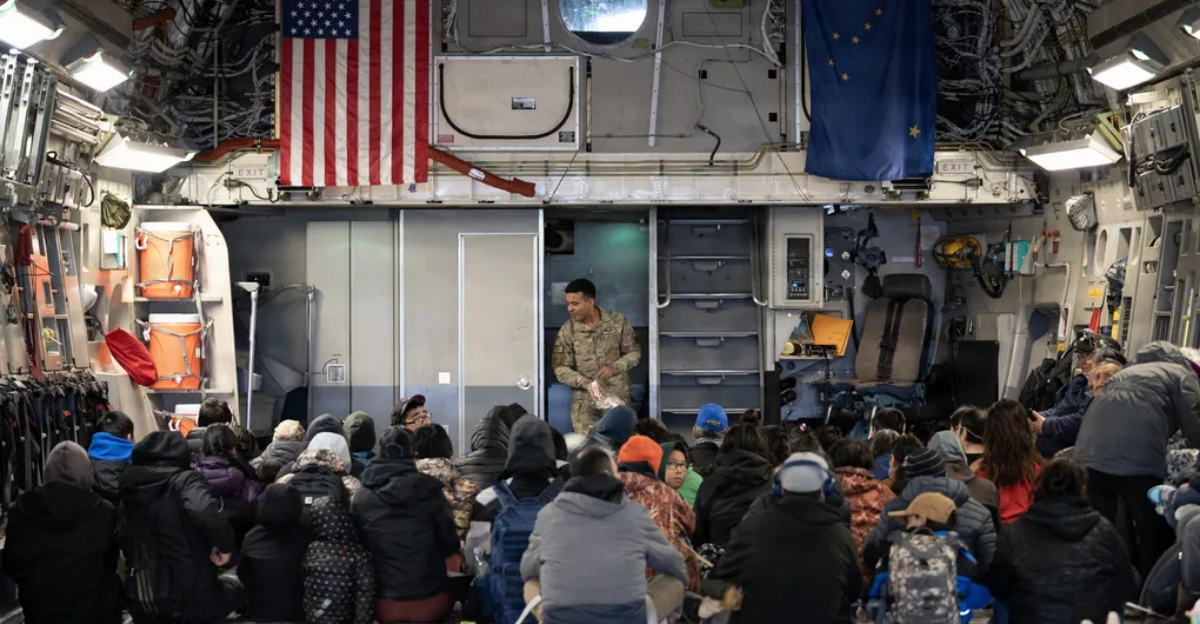
Analysts warn that the physical destruction could precipitate a broader decline in the Yukon-Kuskokwim Delta’s traditional communities. If costs and climate risk keep subsistence economies fragile, some households may relocate permanently to urban centers like Anchorage, leading to demographic shifts and potential cultural erosion. Rebuilding would require Arctic-ready construction, with materials designed to withstand permafrost, extreme winds, and severe cold—costing significantly more than typical U.S. housing projects.
A Debate Over Relocation Versus Restoration
Some scholars and policy observers advocate a “managed retreat” approach, arguing that rebuilding in increasingly unstable Arctic environments may not be viable long term. They caution that relocation, while practical for safety, could undermine cultural continuity and land-based identities—raising difficult questions about preserving heritage in a warming world.
A Path Forward
Experts urge a holistic response that blends humanitarian relief with cultural preservation, mental health care, and culturally informed education. The displacement of about 8–10% of the Western Alaska population spotlights the need for sustained federal action, rapid shelter stabilization, and investment in Indigenous-led recovery planning. The crisis also serves as a global alert: climate-driven displacement is no longer a distant risk but a present reality for Arctic communities.
Forward-looking Stakes
As Halong’s aftermath unfolds, Alaska faces a test of adaptability and governance. The question is not merely rebuilding homes but restoring a way of life and ensuring that Indigenous communities can navigate climate futures without erasing their cultural identities. The coming years will reveal whether Arctic infrastructure and policy can keep pace with a rapidly changing planet. The balance between resilience, cultural preservation, and practical relocation will shape regional stability for years to come.