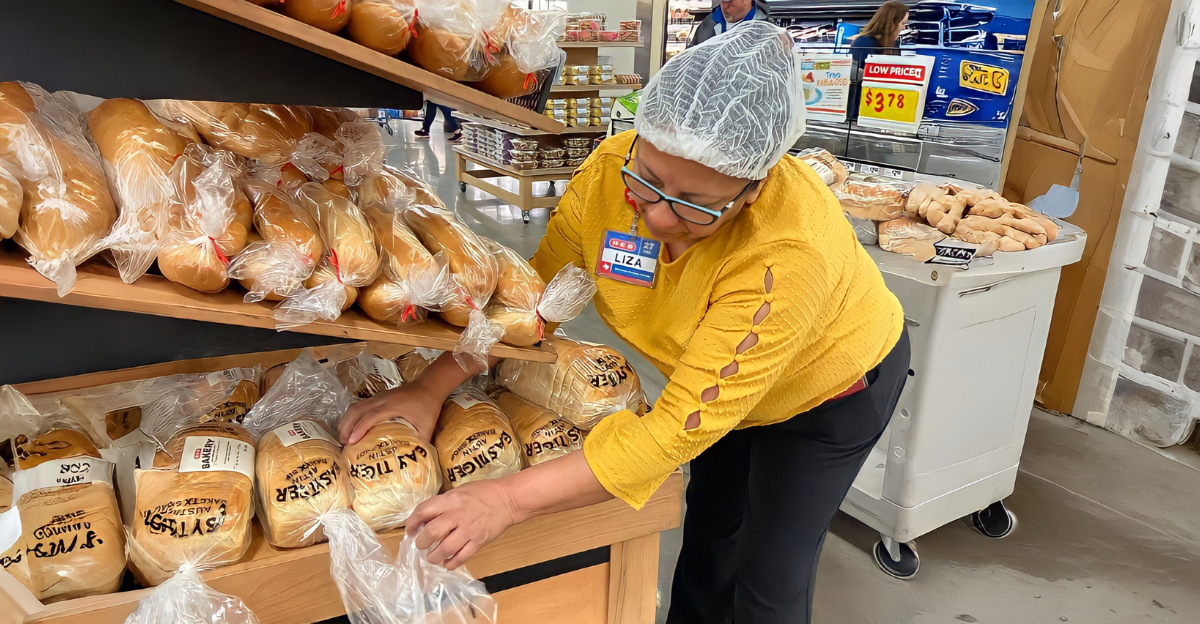
Bread feels timeless and comforting, but a growing unease lurks behind those golden bagels and sliced loaves.
Consumers and experts are sounding alarms about breads labeled “sourdough,” “freshly baked,” or “whole grain” that may hide additives, preservatives, or processing methods far from what the label implies. Are we paying for honesty? Or clever marketing?
This presentation peels back the layers, examining nine popular bread brands under scrutiny. We’ll explore what makes a loaf “fake,” why it matters, and how real bread differs. Read this, and your next sandwich might look very different.
The “Sourfaux” Problem
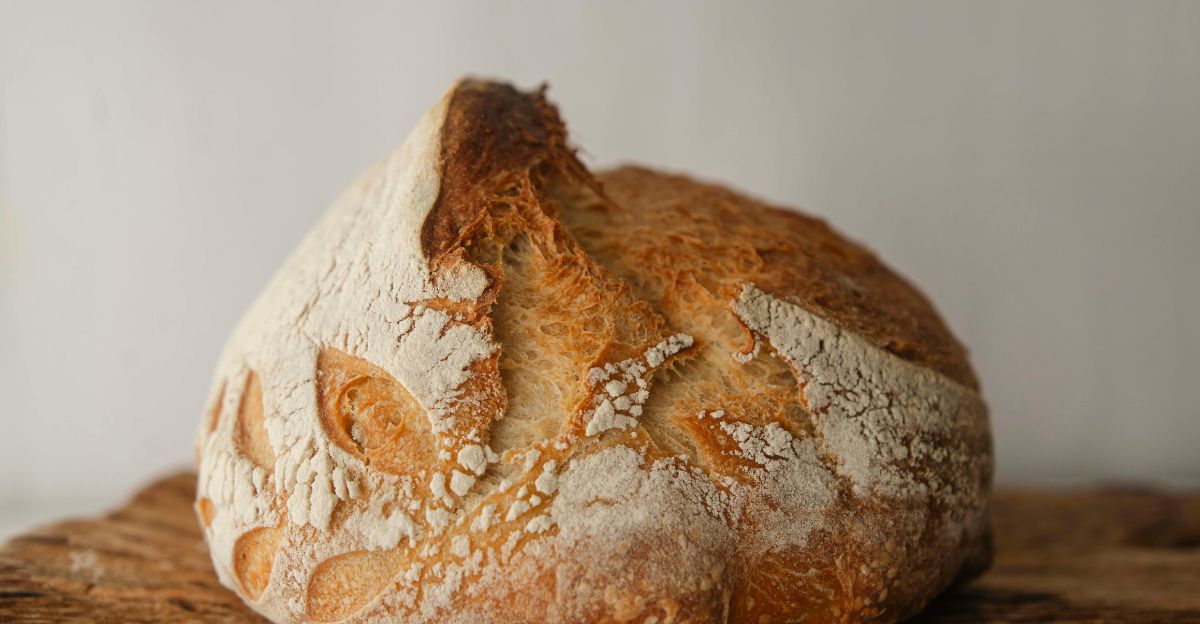
Some loaves marketed as sourdough are hardly authentic. Instead of a slow, natural fermentation with just flour, salt, and water, many contain yeast and additives for speed and texture.
These impostor breads, dubbed “sourfaux”, are misleading consumers and undermining traditional bakers.
Misleading “Freshly Baked” Claims
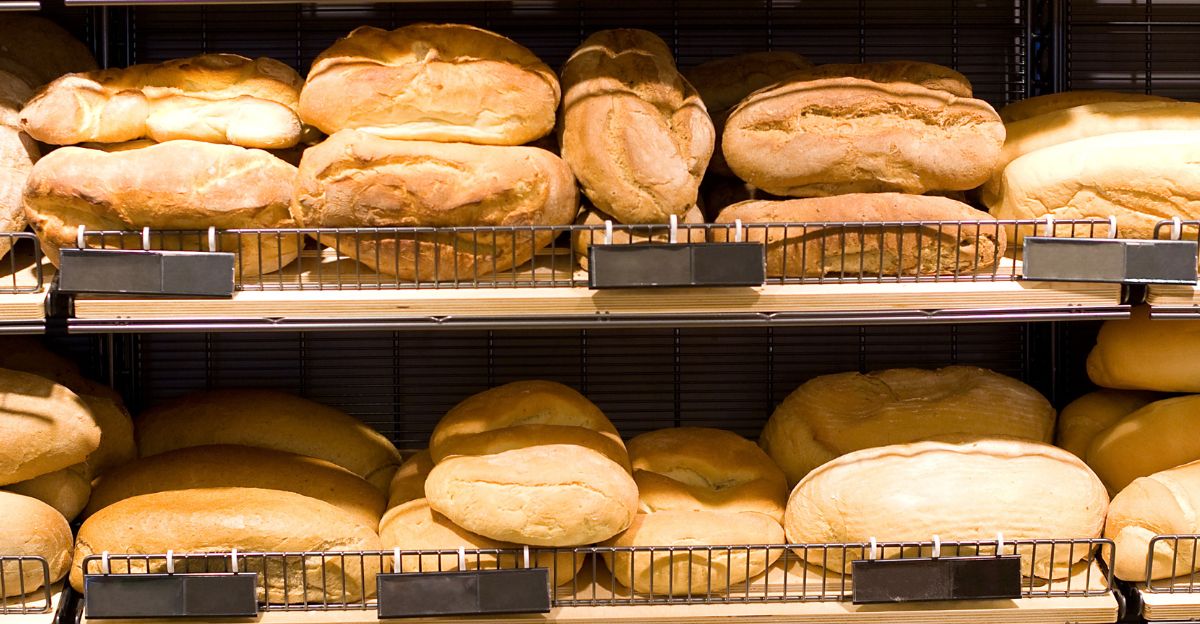
Major UK supermarkets have complained about suggesting bread is baked on-site when loaves are pre-made and only reheated in the store. Labels like “freshly baked every day” may not reflect real baking practices.
Viral Squish Test Reaction
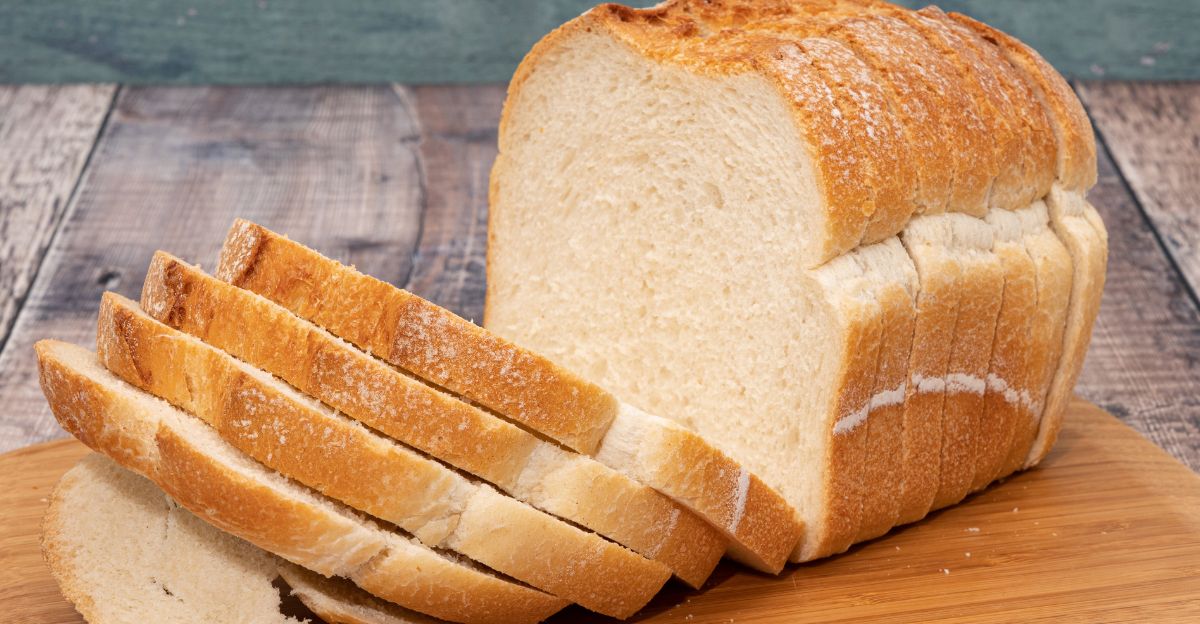
A viral TikTok user test showed popular brands like Sara Lee and Nature’s Own springing back when squished, prompting claims the bread feels “fake.” Experts point to gluten structure and additives as the cause, not necessarily anything harmful.
What Makes Bread “Fake”?
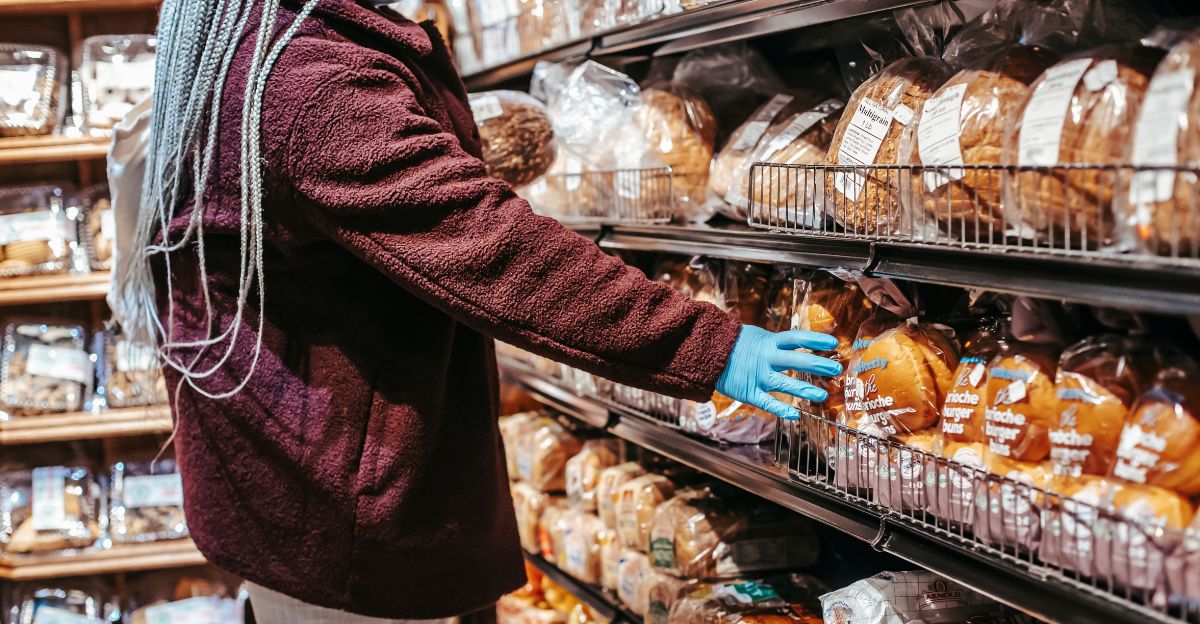
Bread can contain preservatives, emulsifiers, dough conditioners, or artificial flavors to extend shelf life, maintain softness, and reduce costs. These ingredients add resilience, but also raise concerns about authenticity and health.
Additives vs. Traditional Loaf
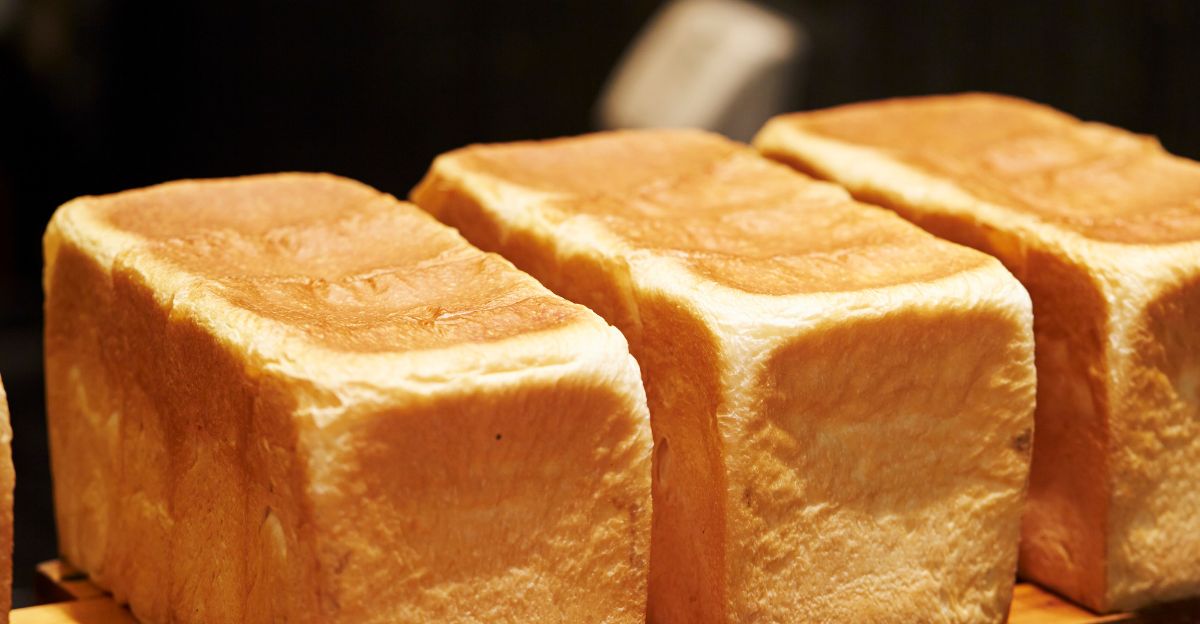
Authentic artisanal bread relies solely on flour, water, salt, and natural starter ingredients. Industrial loaves, however, can include oat fiber, mono‑ and diglycerides, calcium propionate, and flour‑treatment agents to alter texture and longevity.
Consumer Impact
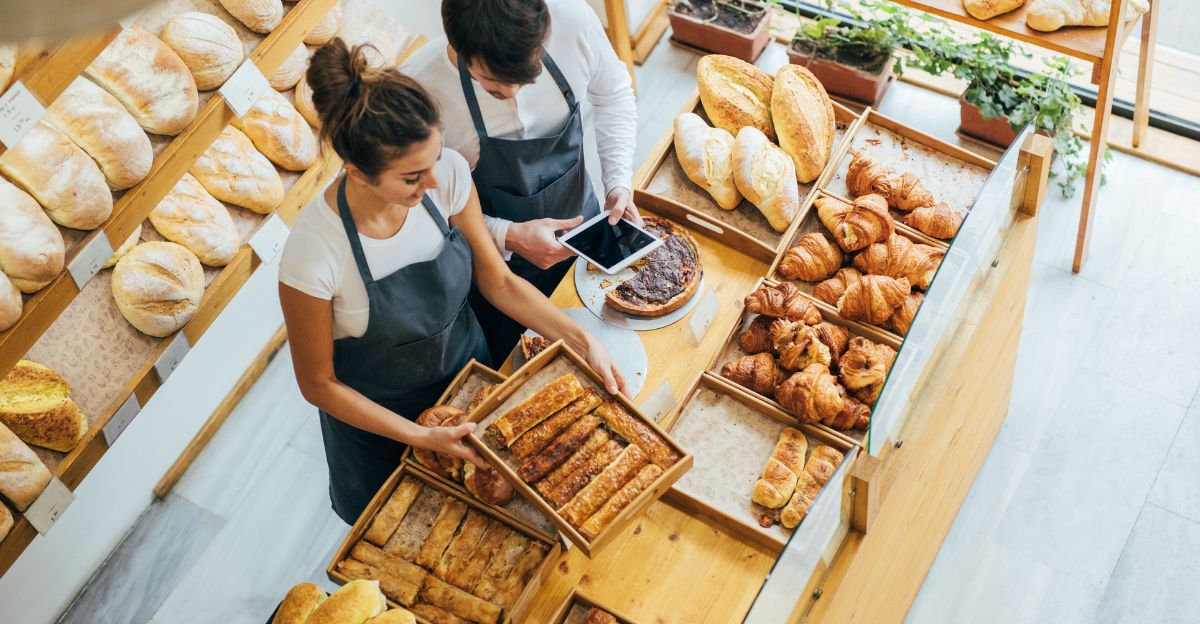
When imitation loaves are marketed as authentic or fresh, consumers may overpay for perceived quality, that may not exist. Campaigners argue this erodes trust and harms small bakeries and informed buyers.
Health Considerations
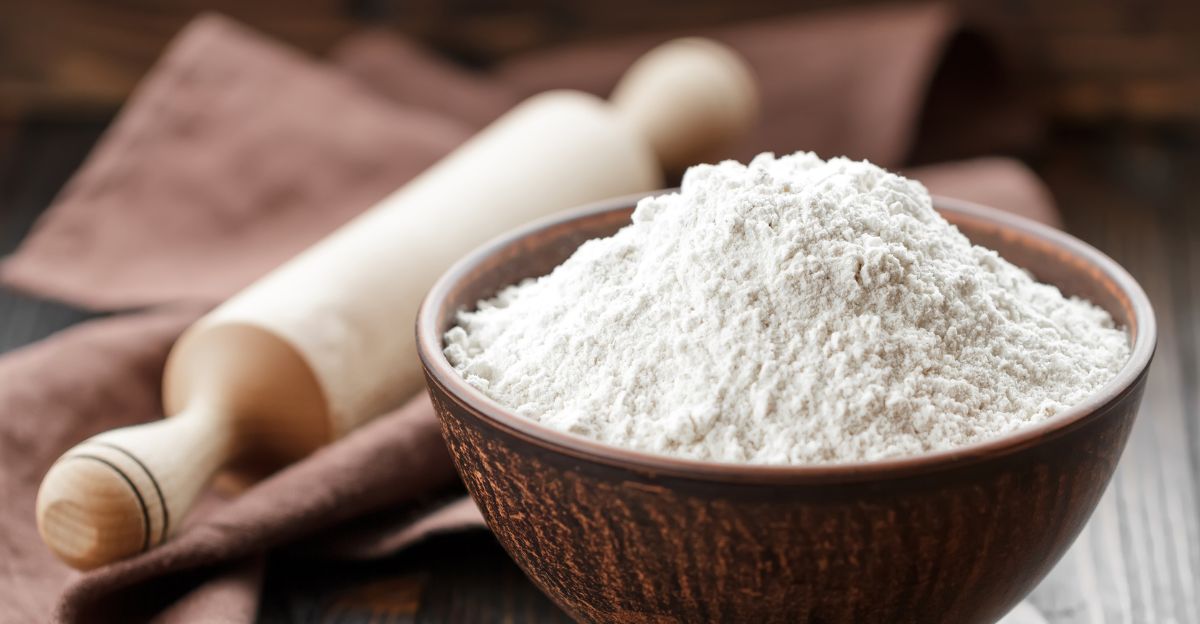
These industrial additives may not be inherently dangerous, but they usually accompany refined flours with fewer nutrients. Over‑processing strips out fiber, vitamins, and minerals, making the bread less wholesome.
Why It Matters Beyond Taste

Understanding the difference is about transparency, not flavor drama. It influences trust in food labels, supports honest producers, and informs choices for better nutrition.
Brand #1: Sainsbury’s “Freshly Baked” Loaf
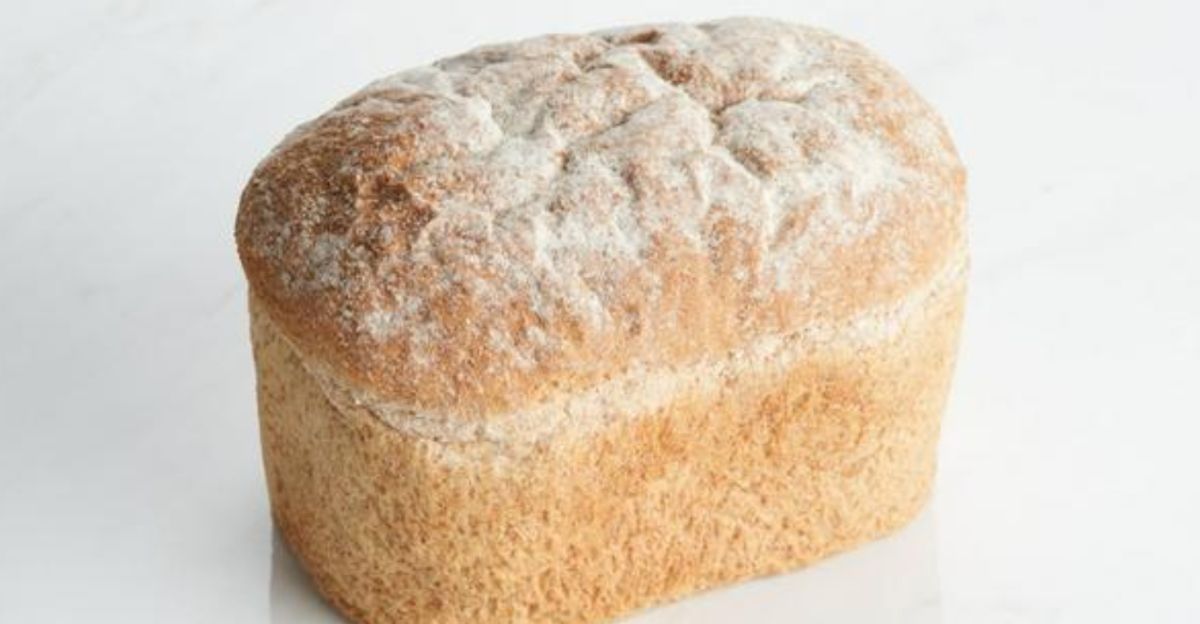
Campaigners are accused of implying fresh baking on-site, while many stores simply reheat pre-made dough. Marketing and reality don’t always align.
Brand #2: Tesco In‑Store Bakery Bread
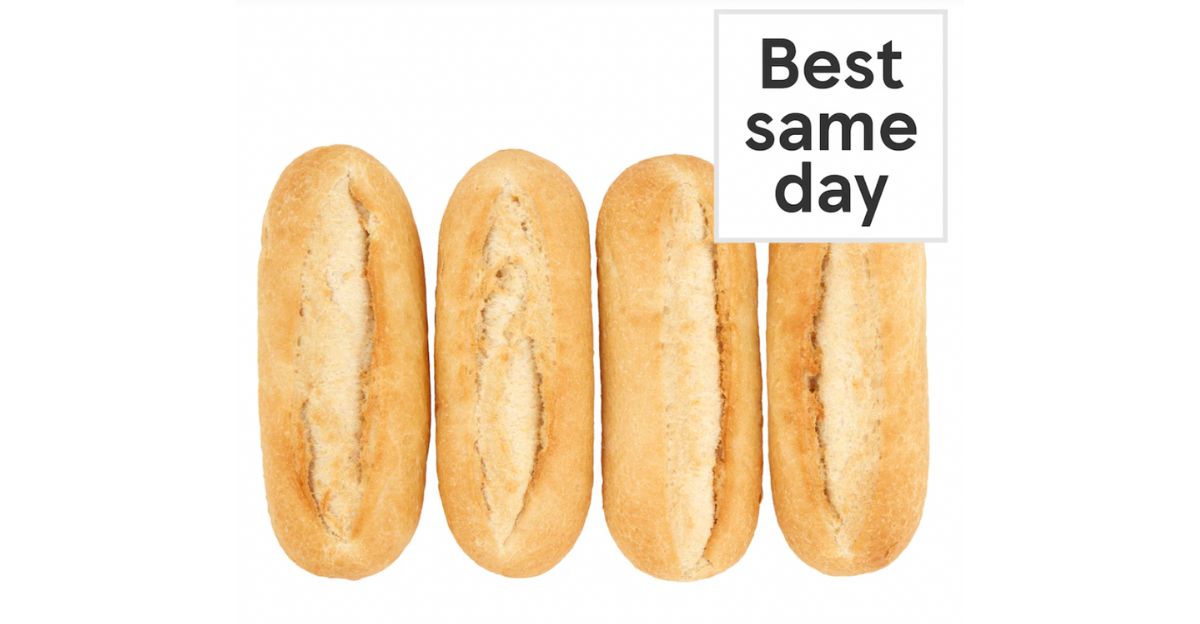
Similar to Sainsbury’s complaints, some stores bake from scratch, others only warm pre-made loaves despite signage implying otherwise.
Brand #3: Lidl “Bakery” Bread
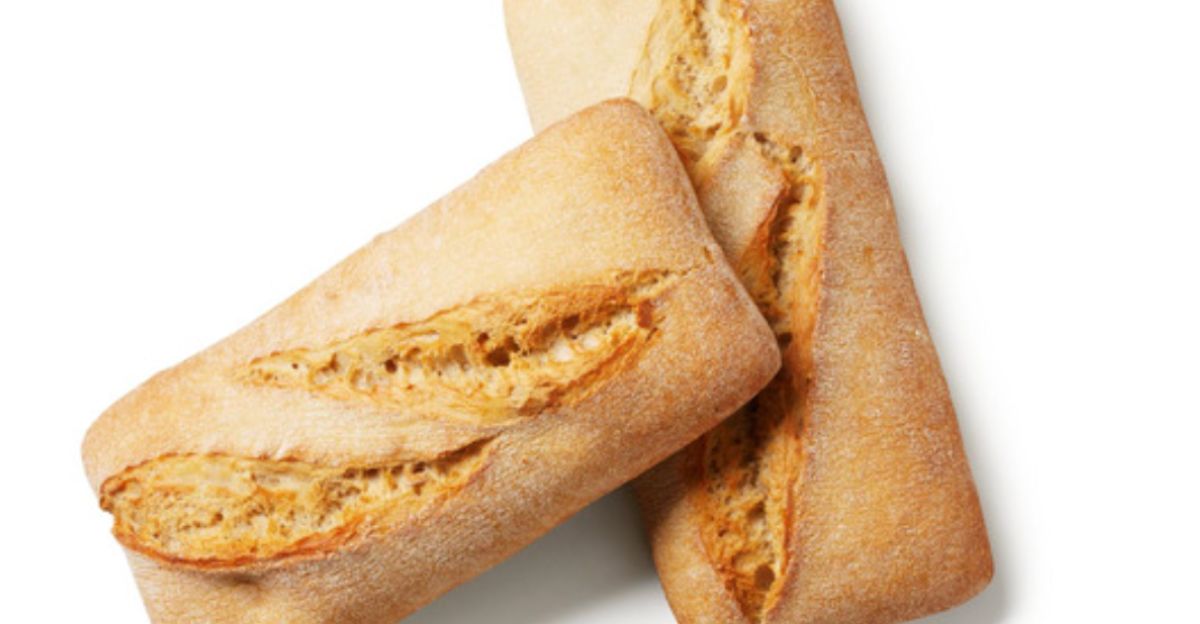
Labelled as in-store baked, yet made from pre‑prepared dough, concerns over misleading freshness claims were raised by Real Bread Campaign.
Brand #4: Co‑op “Sourdough” Baguette
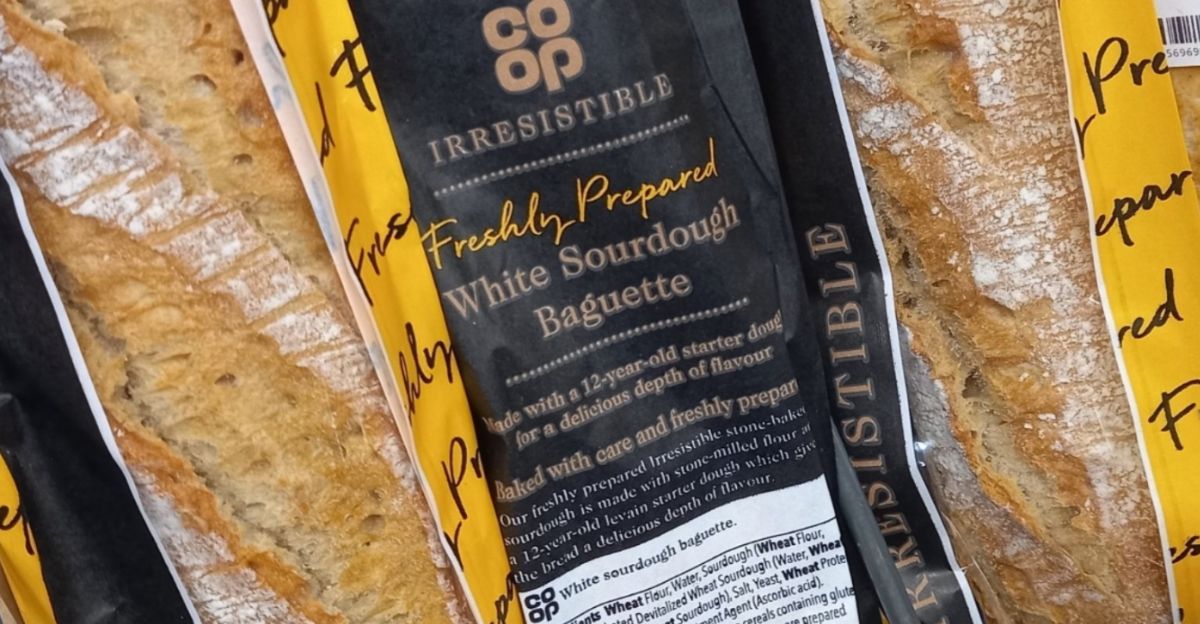
Marketed as freshly prepared sourdough, but the loaves are made by a third party and merely reheated in-store, drawing criticism over authenticity.
Brand #5: Goi ng After “Sourfaux”
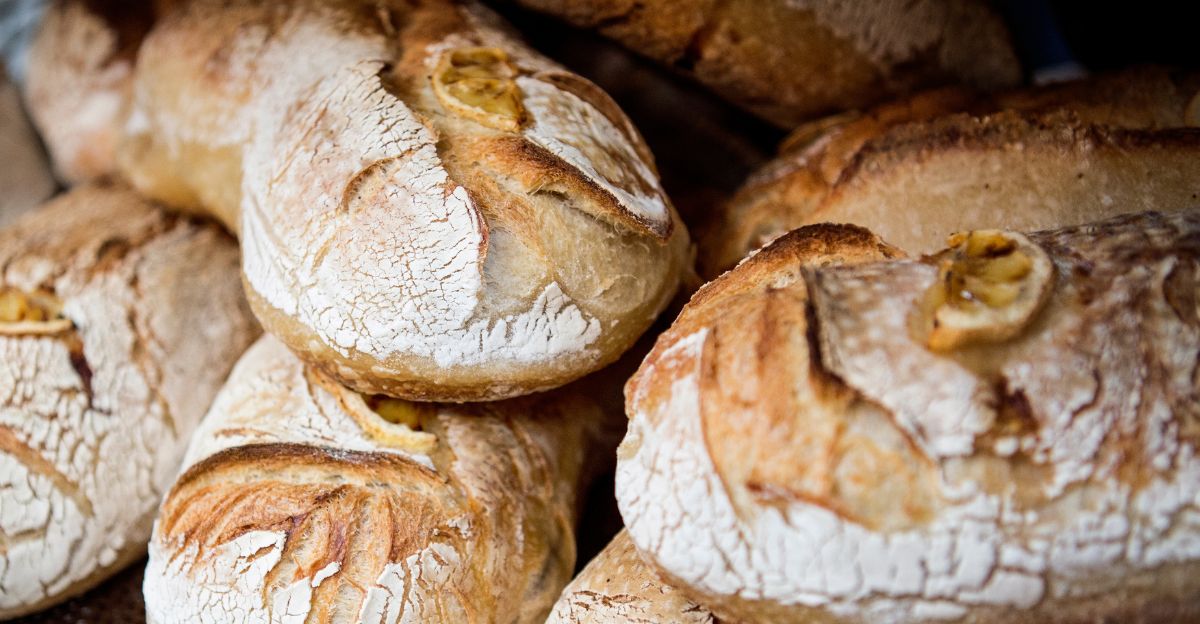
Sourdough imitation is widespread. These loaves often include additives or yeast and fall short of traditional methods. The premium price may not equal premium product.
Brand #6: Sara Lee / Great Value / Nature’s Own
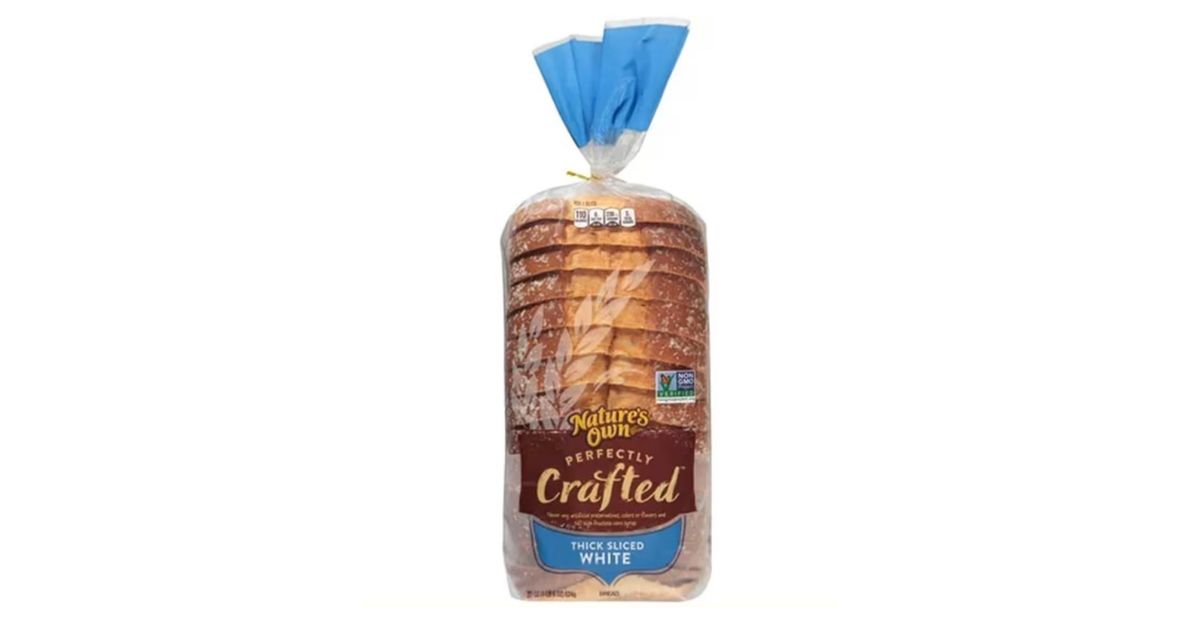
Under scrutiny in viral videos for their bounciness, possibly due to additives like dough conditioners, though elasticity traits don’t necessarily mean “fake.”
Brand #7: Wonder Bread
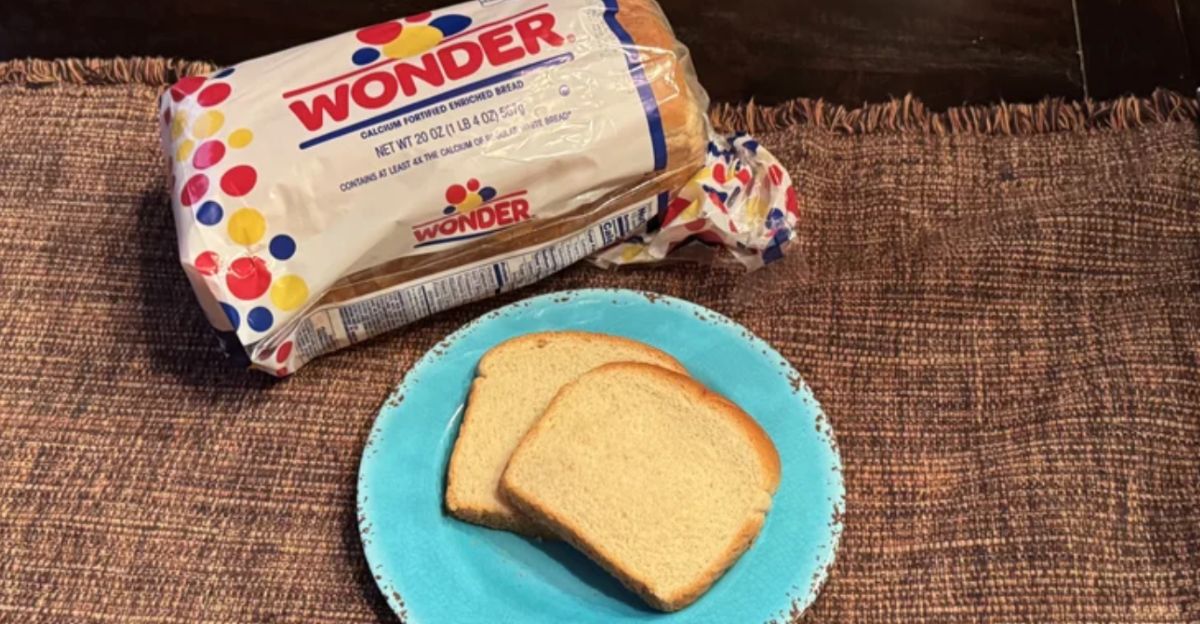
In TikTok tests, it was the only brand that stayed squished longer, raising questions about its texture and additives compared to other store‑bought breads.
8: Ultra‑Processed White Loaves
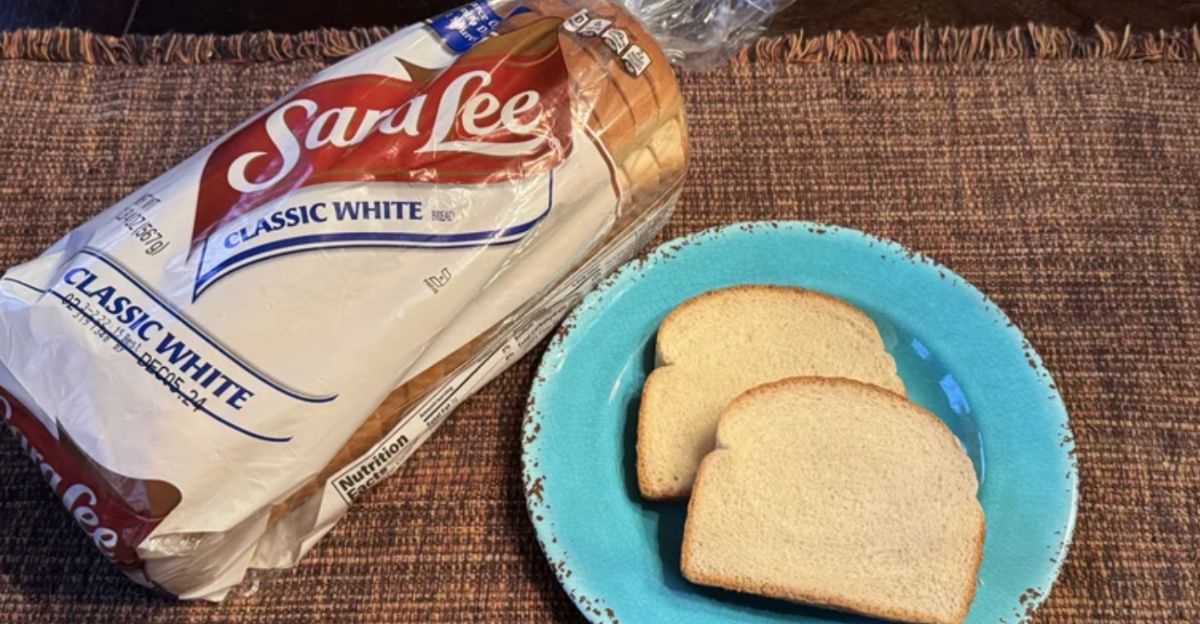
Many popular white breads rely on refined flour and chemical agents. While not a single brand, this reflects a category trend in “functional” texture over nutritional integrity.
9: Generic “Wholemeal” Labels
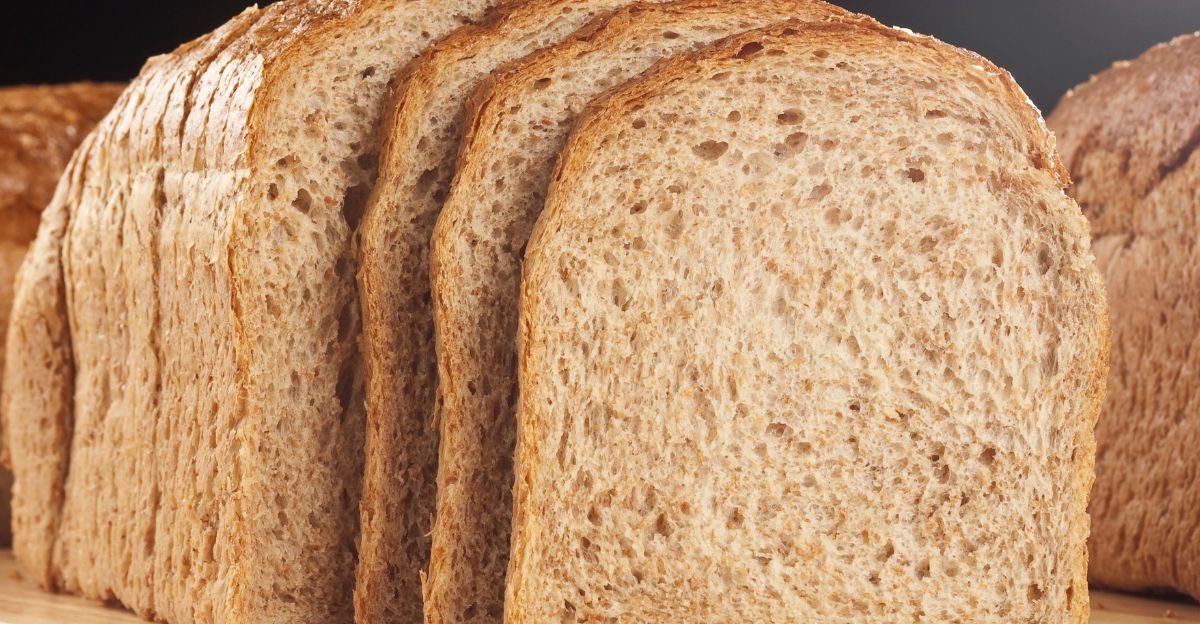
Studies found some breads labeled “wholemeal” include mostly refined grains, another form of misleading marketing.
Choosing Real Bread
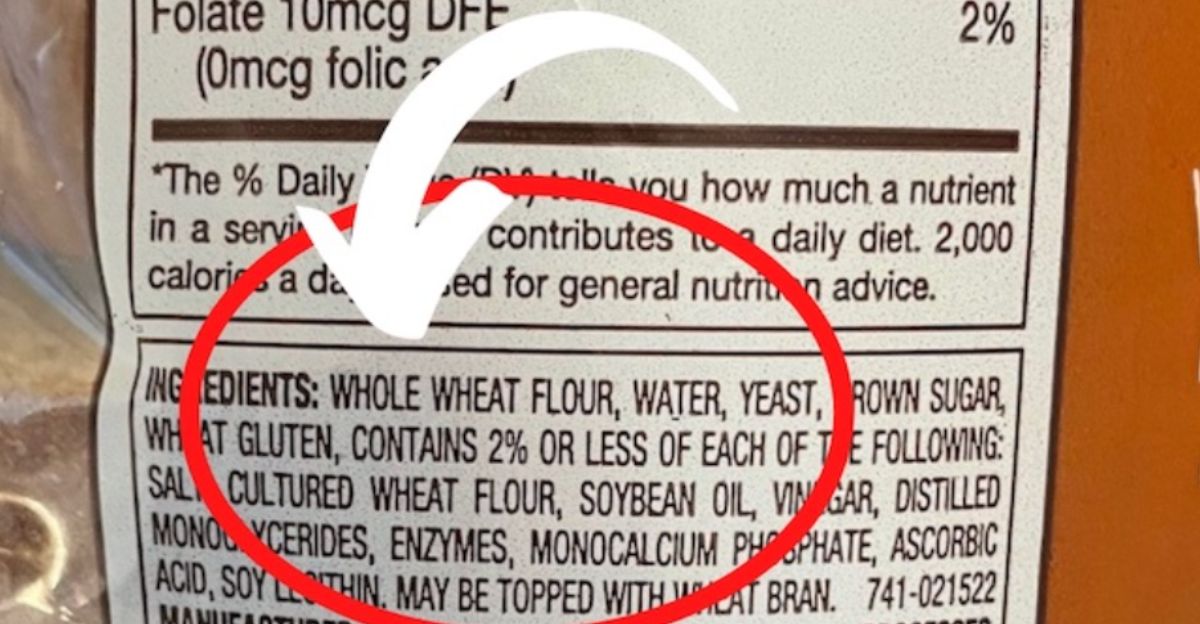
Check ingredient lists: look for simple items—flour, water, salt, natural starter. Seek wholegrain, sprouted, or long-fermentation breads. Local bakeries or DIY may offer better value and authenticity.
Final Thoughts
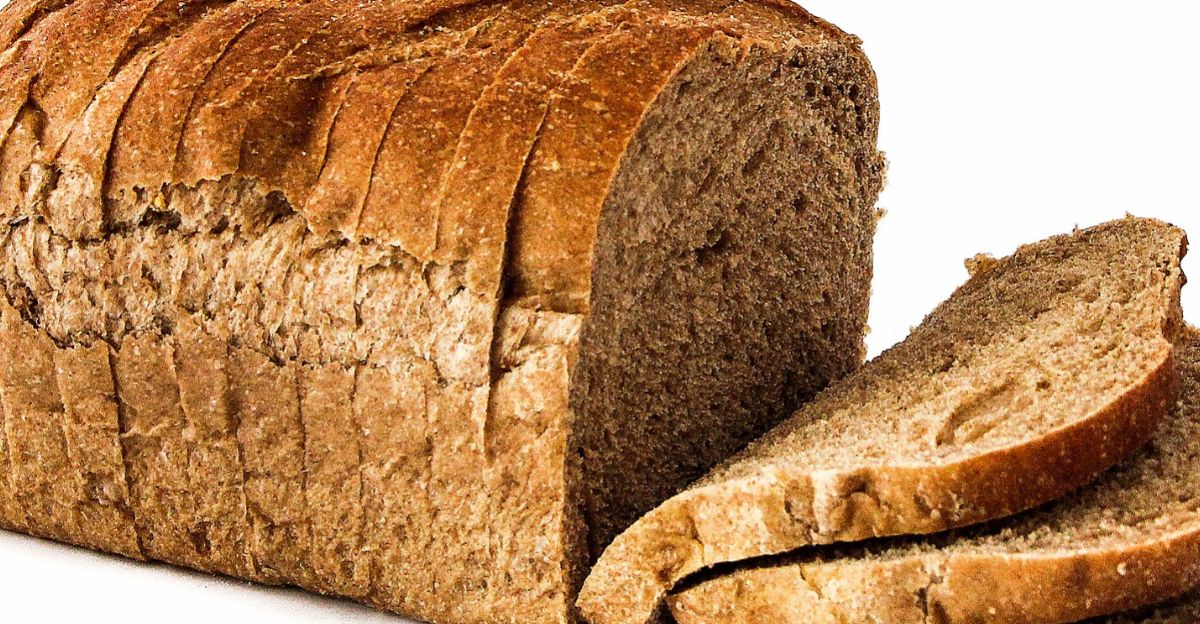
Labels like “fresh,” “whole,” or “sourdough” may not always tell the truth. Being informed helps you choose wisely, and encourages honest baking. The best bread is real bread.