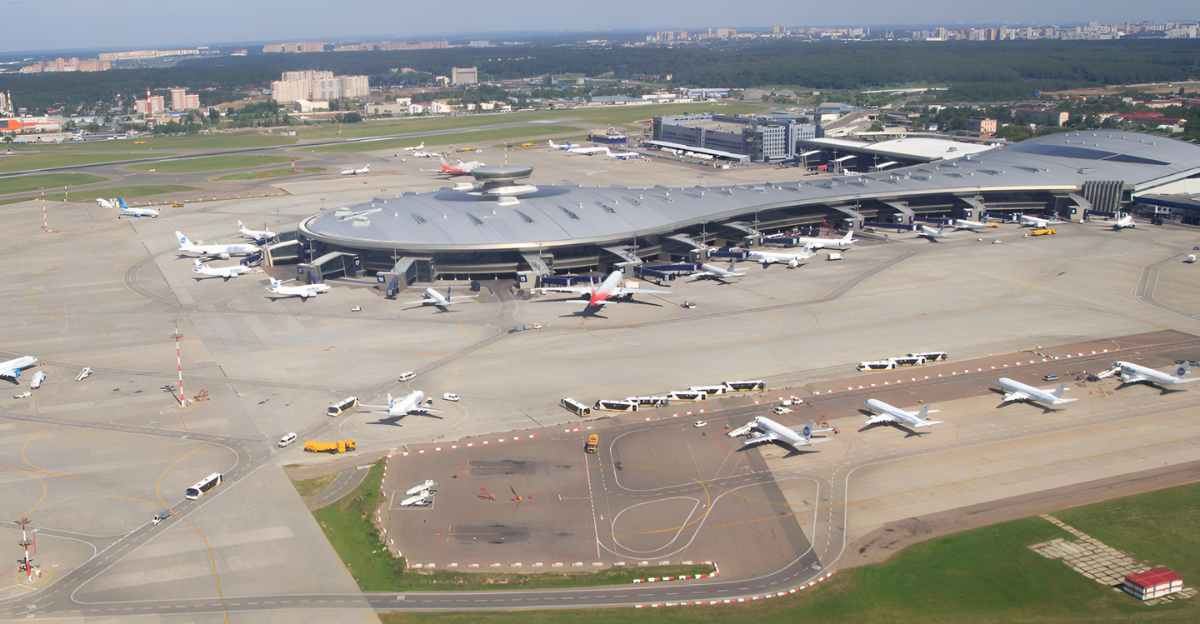
Eight Russian airports across the country were temporarily closed on October 22, 2025, due to Ukrainian drone strikes, with Russian air defenses downing 33 drones overnight. This event highlights the strain that Ukraine’s use of unmanned aerial vehicles is placing on Russia’s air defenses and confirms Ukraine’s strategic shift toward asymmetric drone warfare.
More than three years into the conflict, this incident showcases both military escalation and broader geopolitical consequences. These include Russia’s increased military alertness, stricter sanctions on oil giants Rosneft and Lukoil, and new challenges to Russia’s homeland security, underscoring a tactical win for Ukraine.
The Historical Background of Ukraine’s Drone Use Conflict
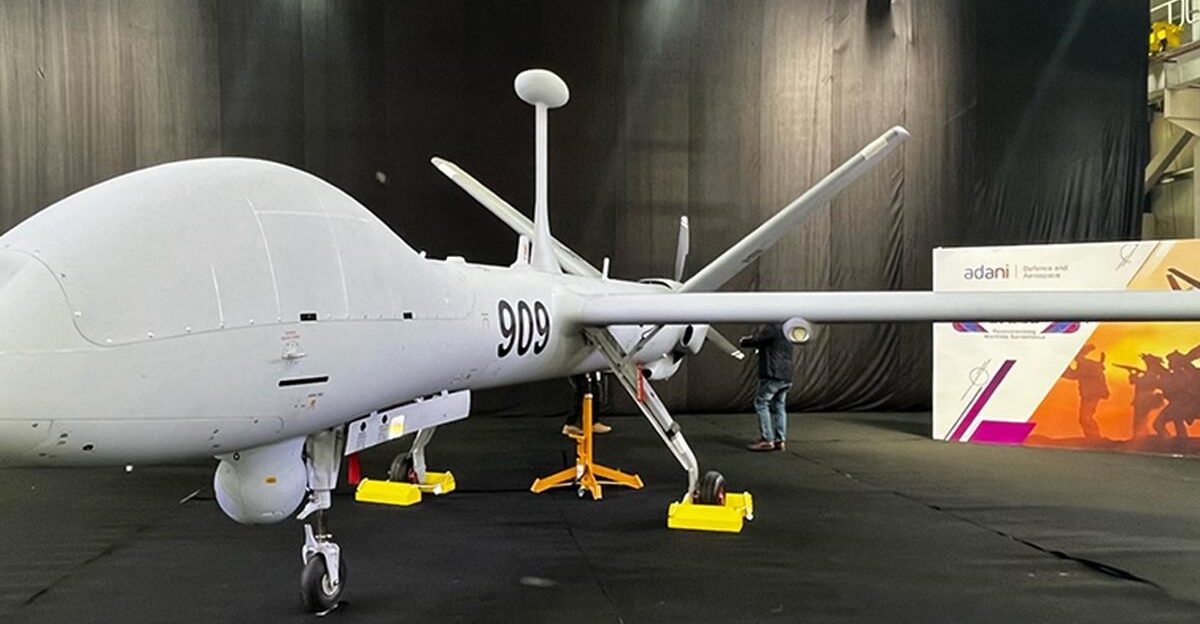
In the conflict between Russia and Ukraine, drone warfare has progressed from reconnaissance to offensive operations. Ukraine has relied more on drones for intelligence gathering and precision strikes since 2022, taking advantage of flaws in Russian air defense. Although there have been previous waves, the October 22 drone salvo was significant enough to force the closure of eight airports, demonstrating Ukraine’s expanding strike capabilities.
Drones have proven effective in past conflicts, such as the Nagorno-Karabakh war, but Ukraine’s extensive and ongoing use of UAVs against deep Russian targets represents a tactical advancement. The airport shutdown crisis can be explained by the fact that Russian air defenses, which are designed to withstand conventional threats, are unable to keep up with swarming, low-visibility drones.
Systemic Vulnerabilities Overwhelm Russia’s Air Defenses
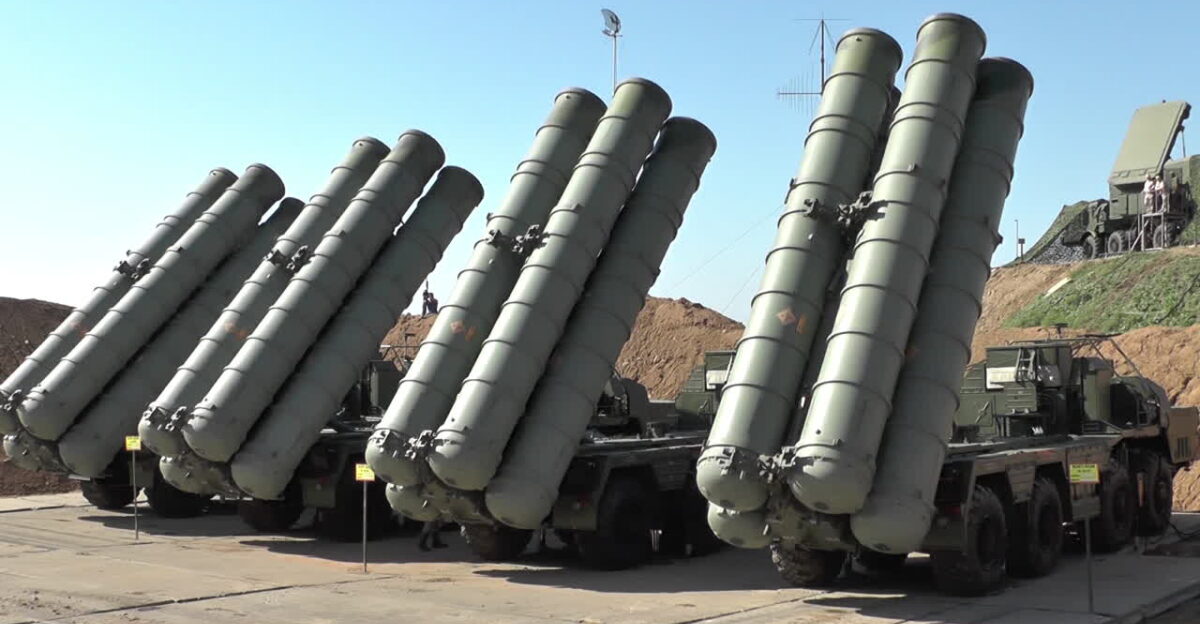
The main purpose of Russian air defense systems, such as the S-400 and S-300 surface-to-air missiles, was to counter threats from manned and strategic aircraft. The limitations of these systems, small radar cross-sections, low speed, and unpredictable flight patterns, are exploited by Ukrainian drone swarm tactics. An unprecedented domestic security failure occurred when the October wave prompted frantic responses but failed to stop temporary airport closures.
Because airspace control is compromised close to important infrastructure, like airports, making military and civilian air operations more difficult, this operational strain reveals a structural flaw in Russia’s defense architecture.
Strategic and Psychological Effects on Russia
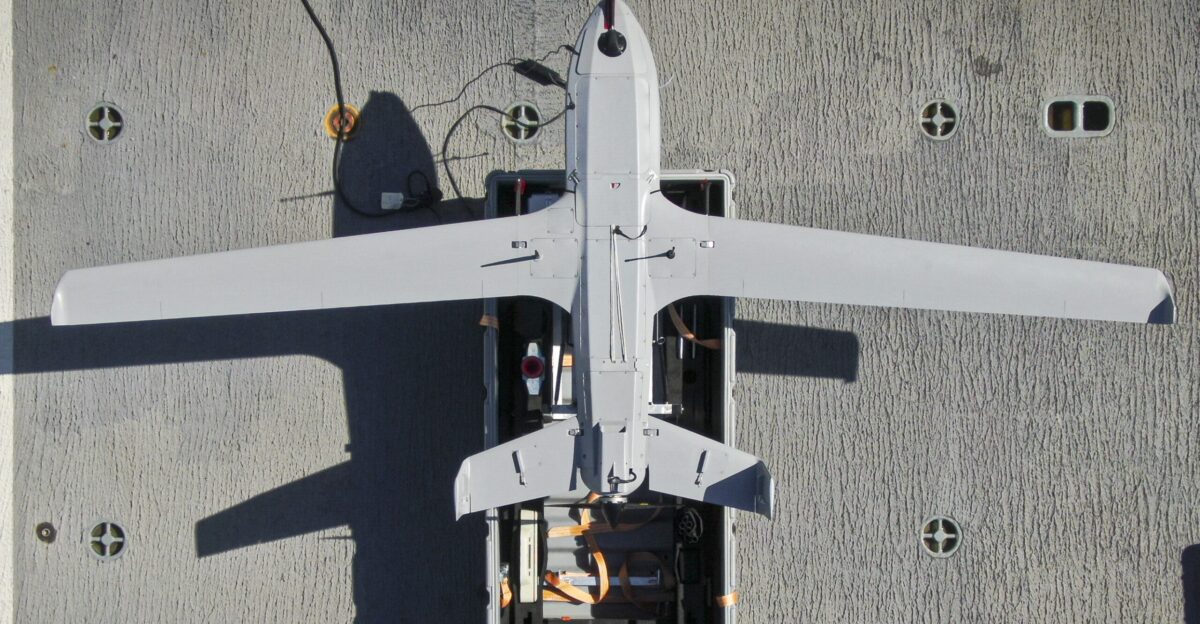
Repeated invasions of Russian territory have a psychological toll that affects both military and civilian morale. In addition to causing logistical problems, temporarily closing airports increases public fear of impending conflict and government incompetence. It weakens Russia’s offensive capability elsewhere by forcing it to reallocate defensive resources closer to home.
The message is unmistakable: Ukraine’s drones shift power dynamics in this protracted standoff conflict by imposing disproportionate stress and cost in relation to their size and expense. Russia’s increasing inability to regulate its airspace is also reflected in this, which undermines state confidence.
The Function of Geopolitical Pressure and Sanctions
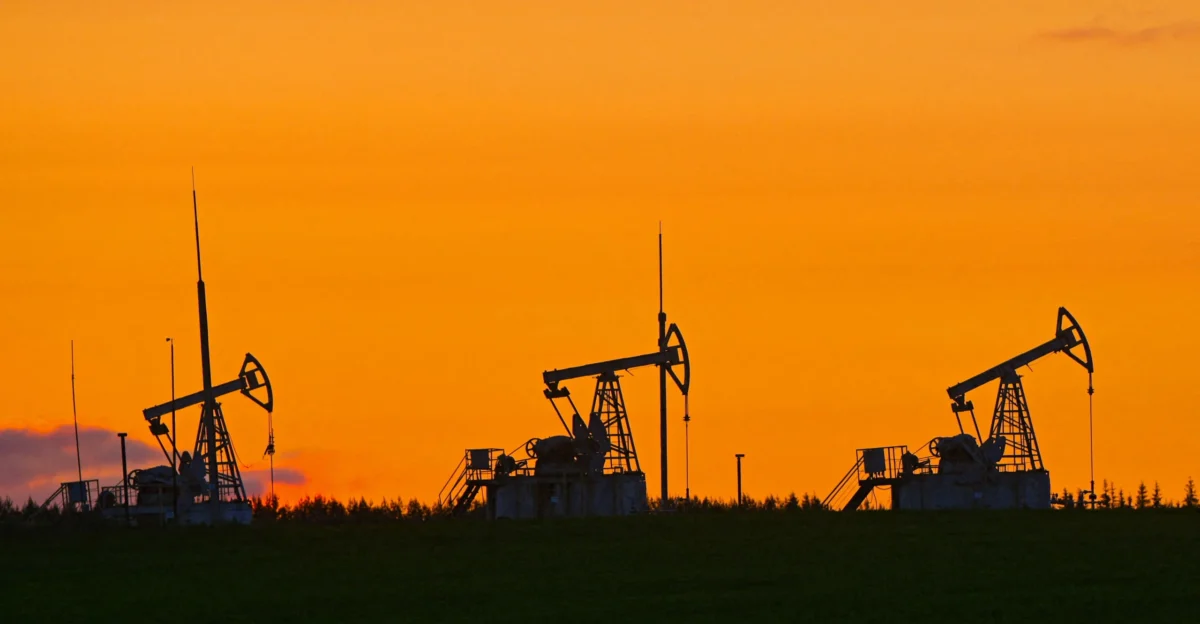
The two biggest oil firms in Russia, Rosneft and Lukoil, suffered a severe economic setback when the United States placed sanctions on them on October 22, 2025. These companies collectively produce approximately 4.5 million barrels of oil per day, representing about 40% of Russia’s oil production, potentially cutting $200–250 million per day in Russian oil revenue.
Due to resource constraints and decreased funding for air defense technology upgrades, these economic pressures exacerbate military stress. Russia’s vulnerabilities are increased by this dual front of military and economic attrition, which links the airport closure symbolically to a wider geopolitical upheaval.
Crisis-Related Nuclear Saber-Rattling
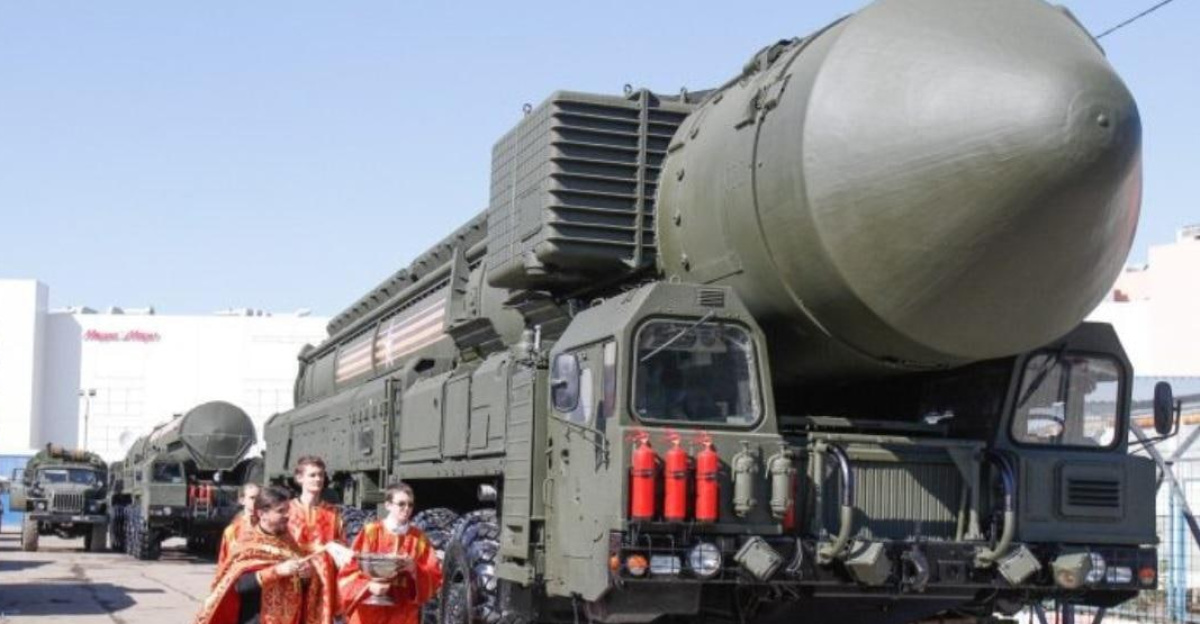
Russia carried out a major strategic nuclear weapons exercise on October 22, 2025, the same day as the sanctions announcement and Ukrainian drone strikes. The drill involved firing intercontinental ballistic missiles from land, sea, and air platforms, with targets that could theoretically span the U.S. mainland.
This simultaneous offensive demonstration reaffirms strategic deterrence in the face of conventional military setbacks and shows Moscow’s determination to prevent Western escalation. Given that the Trump-Putin summit was canceled that same week, the contradiction between strategic posturing overseas and domestic weakness erodes Russian confidence and reveals diplomatic vulnerability.
The Repercussions of Cancelling the Trump-Putin Summit
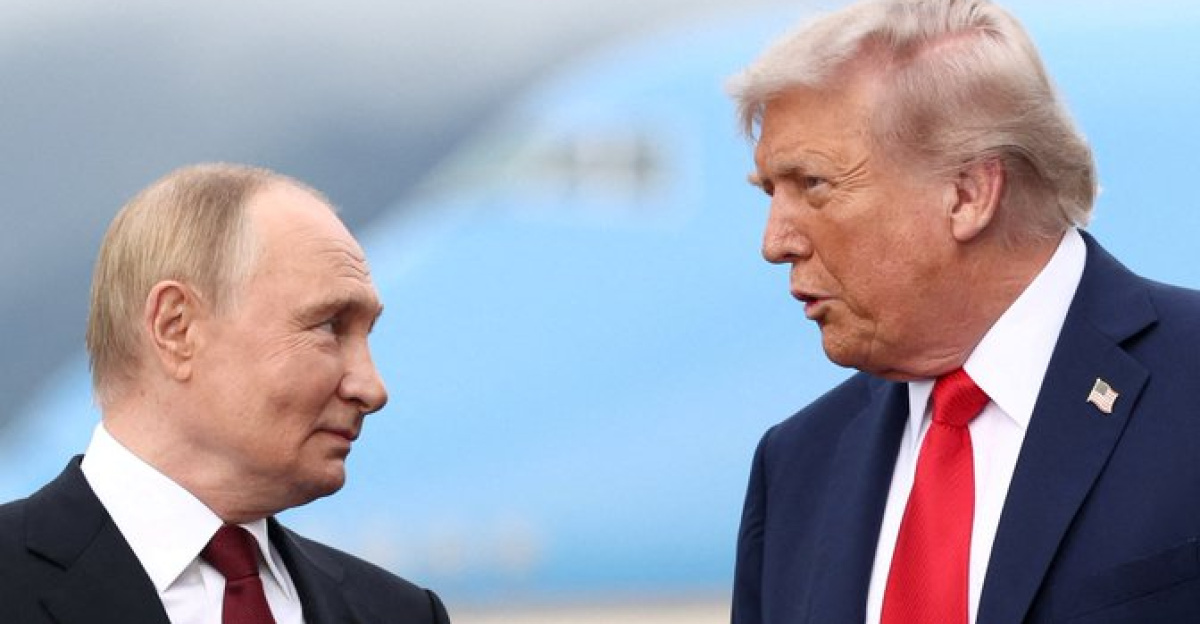
The dynamic geopolitical environment is exemplified by President Trump’s cancellation of the widely reported summit with Putin within days of announcing it. Declaring that “it didn’t feel right to me,” the cancellation came amid military escalations and the announcement of harsher sanctions on October 22, indicating that political pressure or intelligence assessments quickly changed the equation. This breakdown solidifies the conflict’s intractable nature and represents the breakdown of backchannel diplomacy.
It denies both sides a crucial chance to defuse the situation amid escalating tensions, which serves as more justification for Russia’s defensive measures, such as closing airports in response to Ukraine’s intensifying drone attacks.
Both Tomahawks and Gripen Fighters
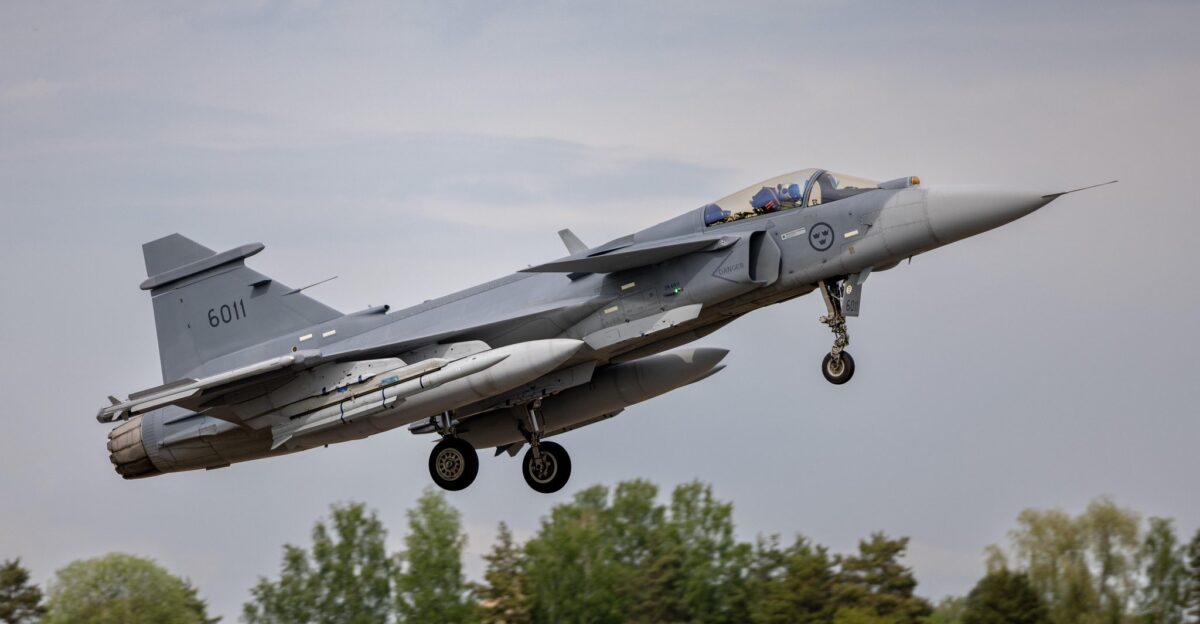
With the planned purchase of at least 100 Swedish Gripen fighter jets beginning in 2026 and the postponed deployment of U.S. Tomahawk missiles that require six months of training, Ukraine’s war machine is set to get more powerful. This is a tactical and technological advance that could give Ukraine air superiority and put more strain on Russia’s overpowered air defenses.
The mobility and multi-role capabilities of the Gripens offer a qualitative improvement over the Ukrainian air forces currently in place, enhancing drone strikes and adding to Russia’s defensive difficulties, as demonstrated by the recent closure of airports.
Economic Conflict and Its Effects on the Energy Market

The drone attacks and sanctions come as oil prices rose more than $2 per barrel, indicating market anxiety over supply disruptions. Money essential for Russia’s military logistics and infrastructure upkeep, including air defense systems susceptible to Ukrainian drone swarms, was cut off by energy sector sanctions on Rosneft and Lukoil.
Ironically, while higher oil prices appear to help Russia’s budget on the surface, they also encourage inflation and instability around the world, which affects domestic consumer prices. Therefore, the country is under pressure on many levels: social, economic, and strategic. These factors influence decisions like airport closures for security and safety, which draw attention to internal instability.
Airport Closures as a Protective Measure
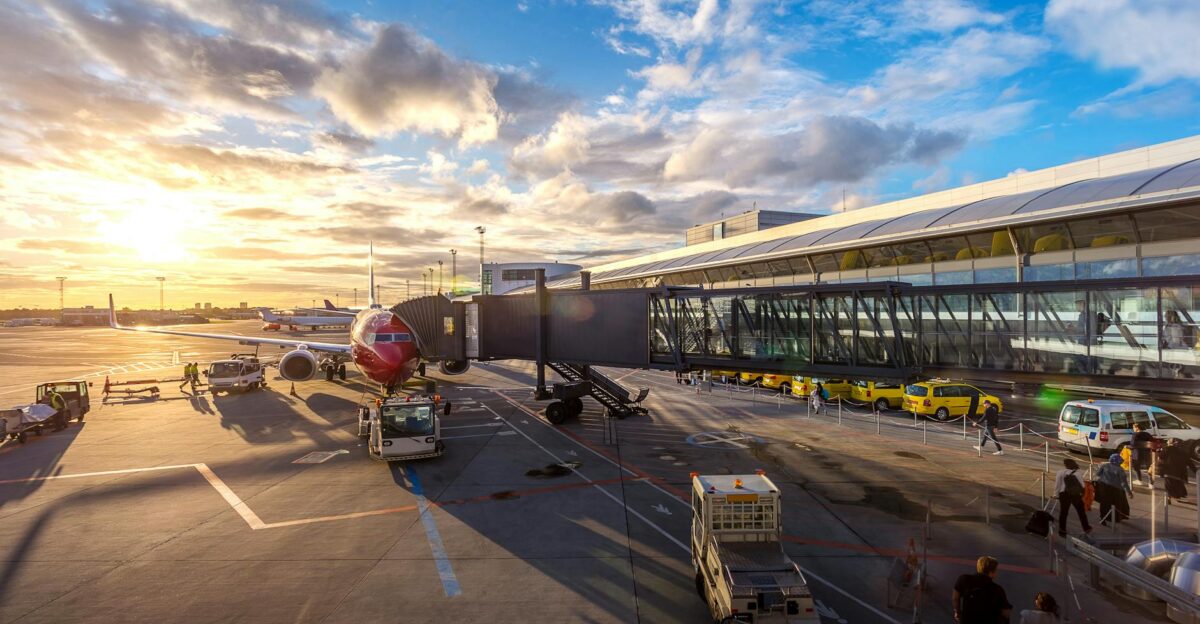
In contemporary warfare, the decision to temporarily close eight airports in response to drone waves is unprecedented. Although civilian safety is given priority, this defensive adaptation indicates Russia’s unquestionable vulnerability.
These closures are indicative of a new era where drone swarms pose unpredictable threats that necessitate quick lockdowns of civilian infrastructure, as evidenced by historical parallels like the U.S. airport security overhaul following 9/11. By bringing combat risk to Russia’s cities, this event represents a symbolic frontline extension from battlefields to home front vulnerability, changing the war’s geographic landscape.
The Feedback Cycles of the Energy-Military Nexus
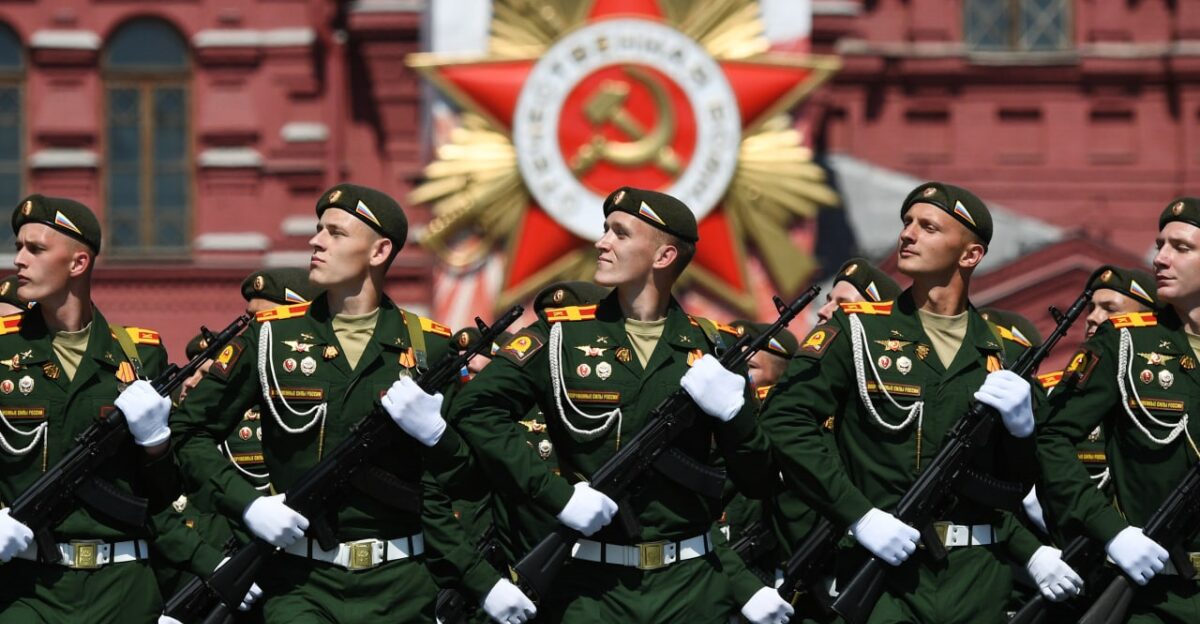
Russia’s military and economy are closely related, particularly because defense projects are financed by oil earnings. A feedback loop is created by the simultaneous sanctions on major oil companies and military pressure from drones: financial limitations prevent air defenses from being upgraded and maintained; weakened defenses allow for more drone incursions that affect vital infrastructure, such as airports; this, in turn, heightens internal urgency and may lead to riskier nuclear posturing or political decisions.
The argument that the airport shutdown incident represents much deeper cracks in Russia’s war sustainability is strengthened by this intricate interaction, which speeds up systemic stress in the country’s war effort.
Swarms of Drones as Equalizers in Contemporary Combat
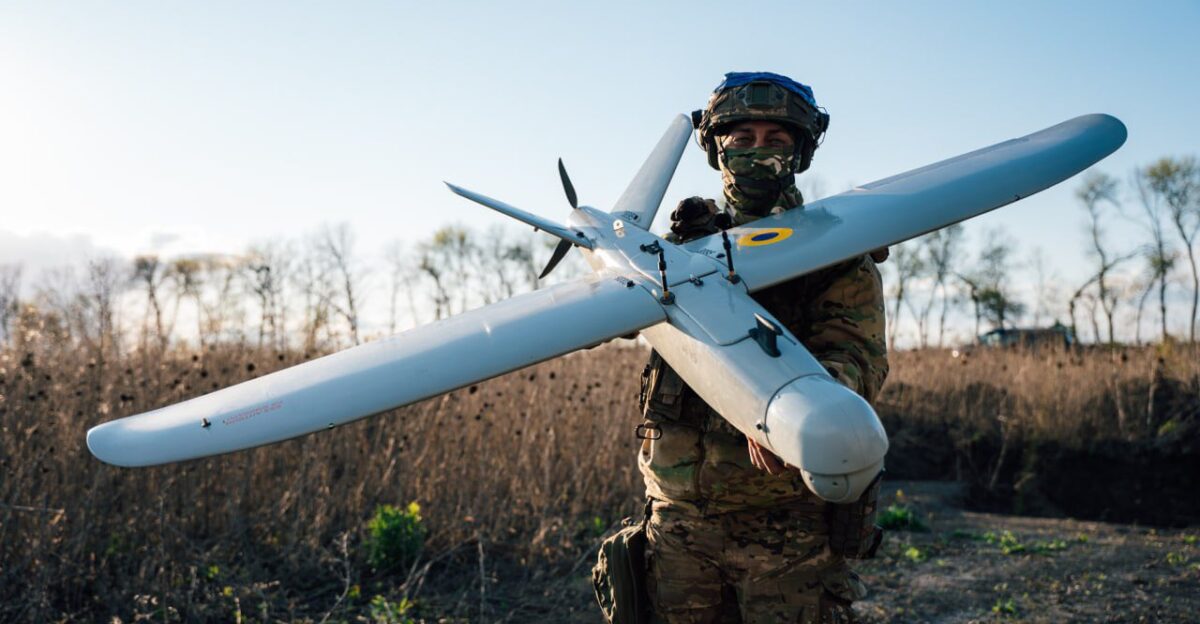
Ukraine’s drone swarm tactics show how low-cost, decentralized technologies can neutralize sophisticated systems, going against the conventional wisdom that high-tech missile systems dominate air defense. Drones act as strategic equalizers, upsetting civilian routines and logistics without the need for heavy weaponry, as demonstrated by the airport shutdowns.
This implies that military doctrine needs to quickly move past hardware superiority and concentrate on networked defense and adaptive countermeasures, or else it runs the risk of defaulting, as was the case with Russia. Ukraine’s protest could serve as a model for other asymmetrical conflicts, changing the nature of warfare in the future and turning the October event into a case study on paradigm shift.
Effects on Russian Domestic Policy Over Time
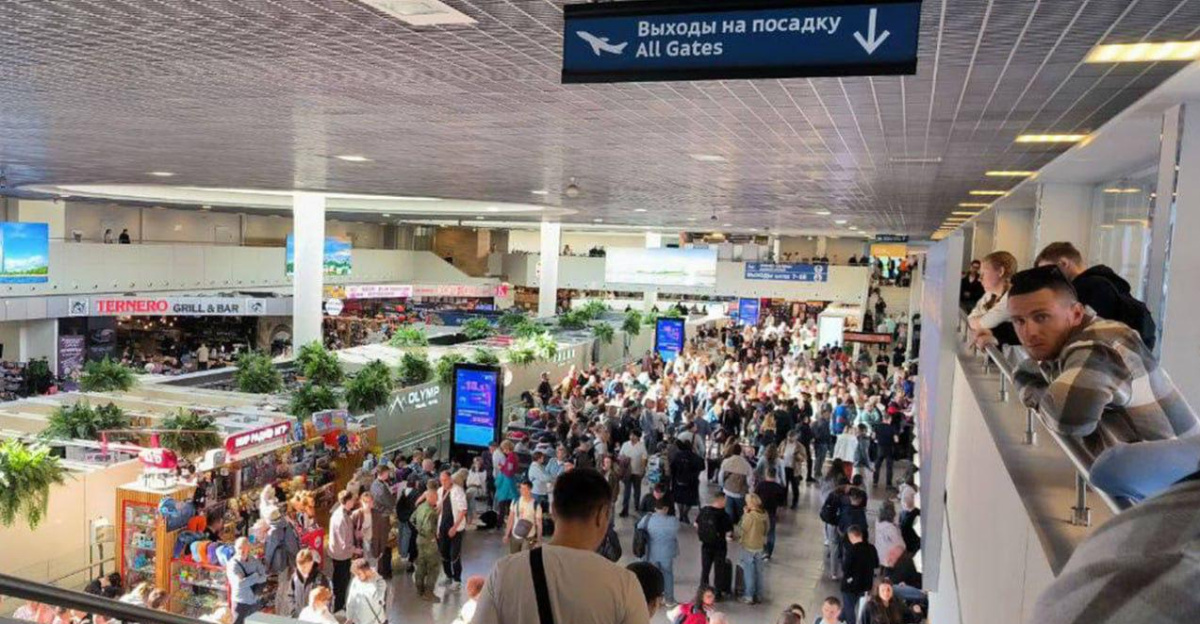
Closing attacked airports could lead to increased surveillance, curfews, and security measures in Russia’s cities, which would impact public opinion and civil liberties. Long-term vulnerabilities could erode Putin’s domestic political legitimacy, particularly if economic sanctions raise living standards and the war continues to exert external pressure.
The internal security conundrum may lead to authoritarian consolidations or repressions of dissent, or it may incite instability that would undermine Moscow’s authority. In order to make up for losses, Russia may be compelled by these circumstances to look for new allies or escalate wars abroad, which could worsen regional instability.
The Intersection of Cyber-physical Warfare and Civil Aviation
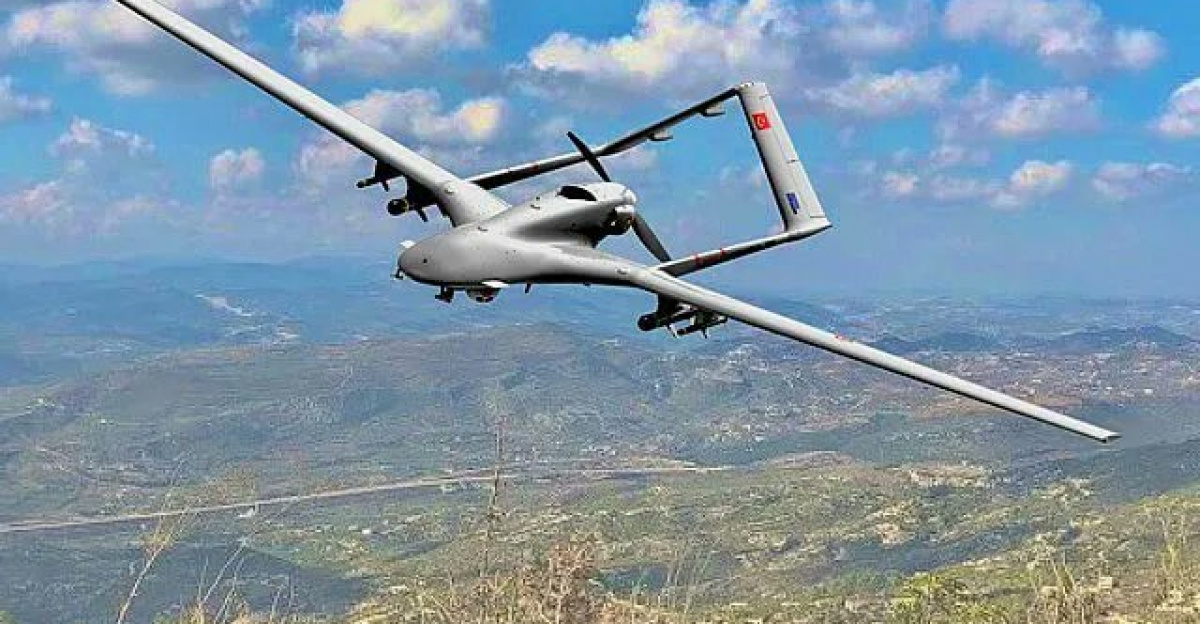
Airport closures due to drone outbreaks serve as an example of a new battlefield convergence where cyber-physical warfare and civil aviation infrastructure are closely related. Airports, which were once centers of trade and travel, are now subject to electronic and kinetic threats, which calls for integrated defense solutions that combine military-grade sensors, AI-driven threat response systems, and aviation safety.
Collaborations between military contractors, civil aviation authorities, and tech companies are compelled by this mashup, which propels advancements in autonomous defense platforms, crisis management procedures, and anti-drone technology. This industry cross-pollination may be accelerated globally by the October 2025 event.
The Shutdown of the Airport as a Strategic Alert
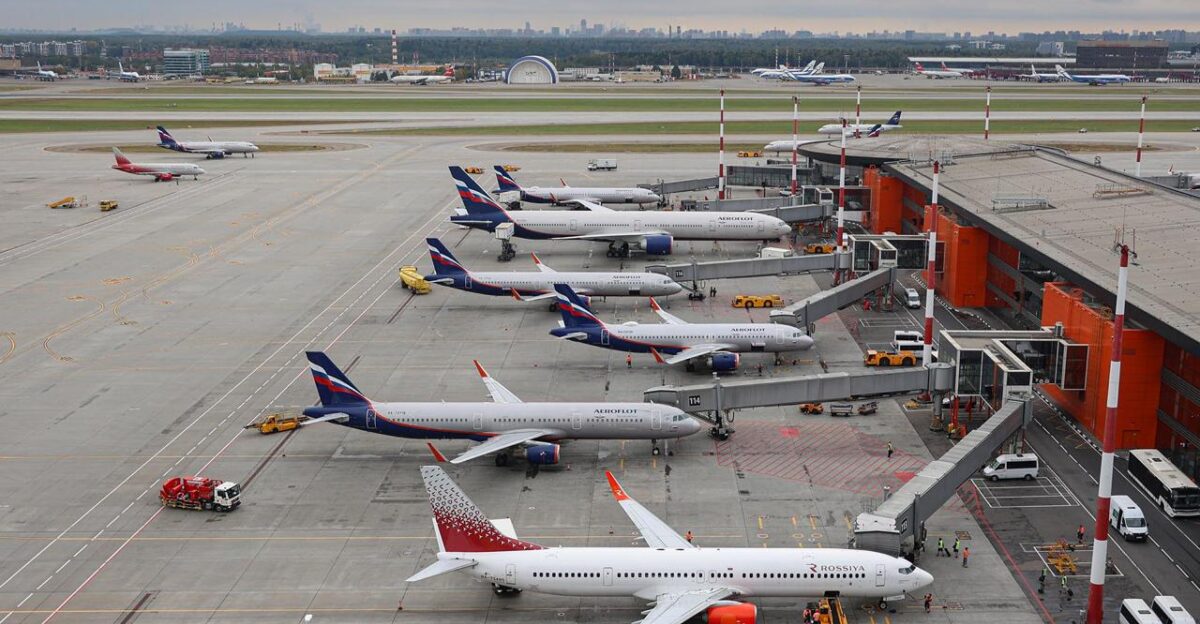
The Russian airport closures, which were triggered by a record drone wave from Ukraine, represent a turning point in contemporary conflict, where asymmetric drone warfare, nuclear brinkmanship, and economic sanctions all come together. Russia’s overpowered air defenses indicate a systemic weakness that reflects larger strategic vulnerabilities rather than just a tactical setback.
Ukraine’s creative use of drones, along with growing economic pressure and military assistance from the West, upends established power dynamics. The event compels analysts and decision-makers to re-evaluate air defense strategies, the implications of hybrid warfare, and the relationship between the military and the economy. This crisis for Russia is both immediate and prophetic, hinting at long-term changes in global geopolitics and warfare.