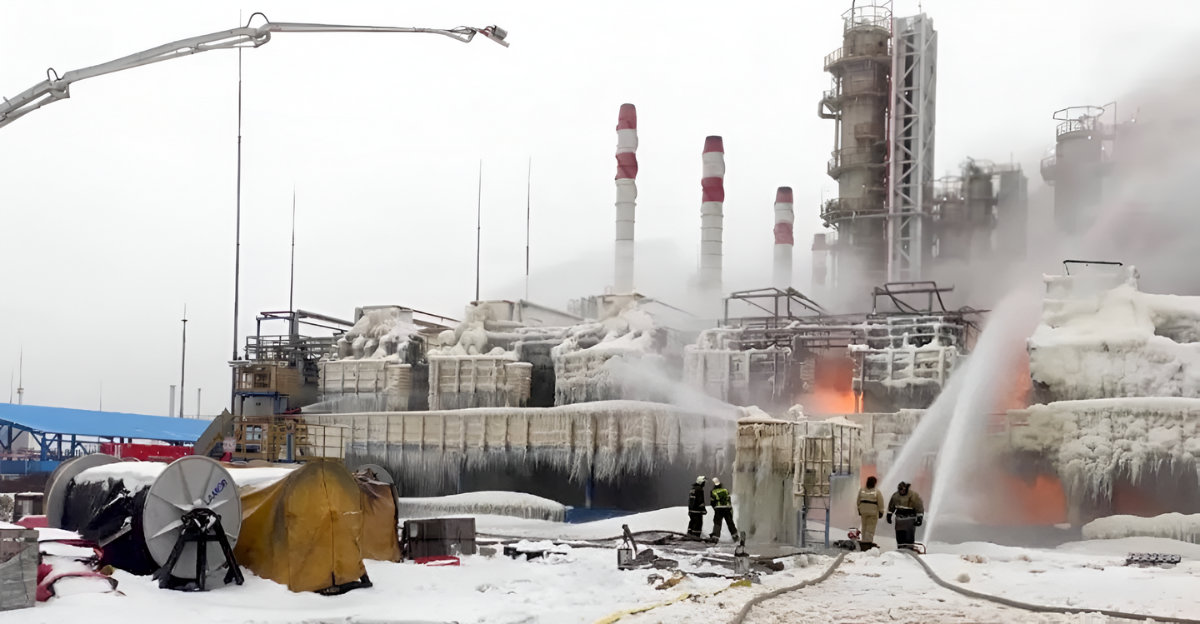
By late September, scenes of fuel desperation had become commonplace in Sevastopol. Drivers queued at the few stations still operating, while half the peninsula’s pumps sat silent and empty. Rationing limited purchases to liters, not tanks. The cause: Ukrainian drones had struck refineries across western Russia, crippling output and forcing Moscow to freeze exports.
For the first time since the war began, Russia’s energy crisis had become impossible to hide.
The Trigger: Drones Strike Deep Into Russian Oil Country
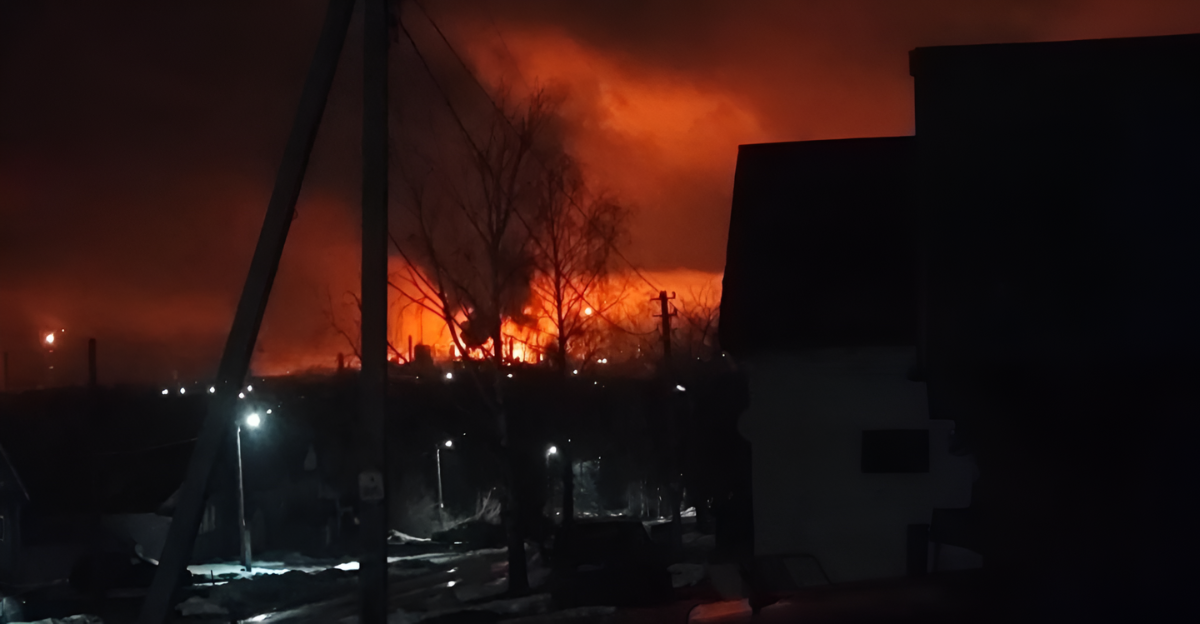
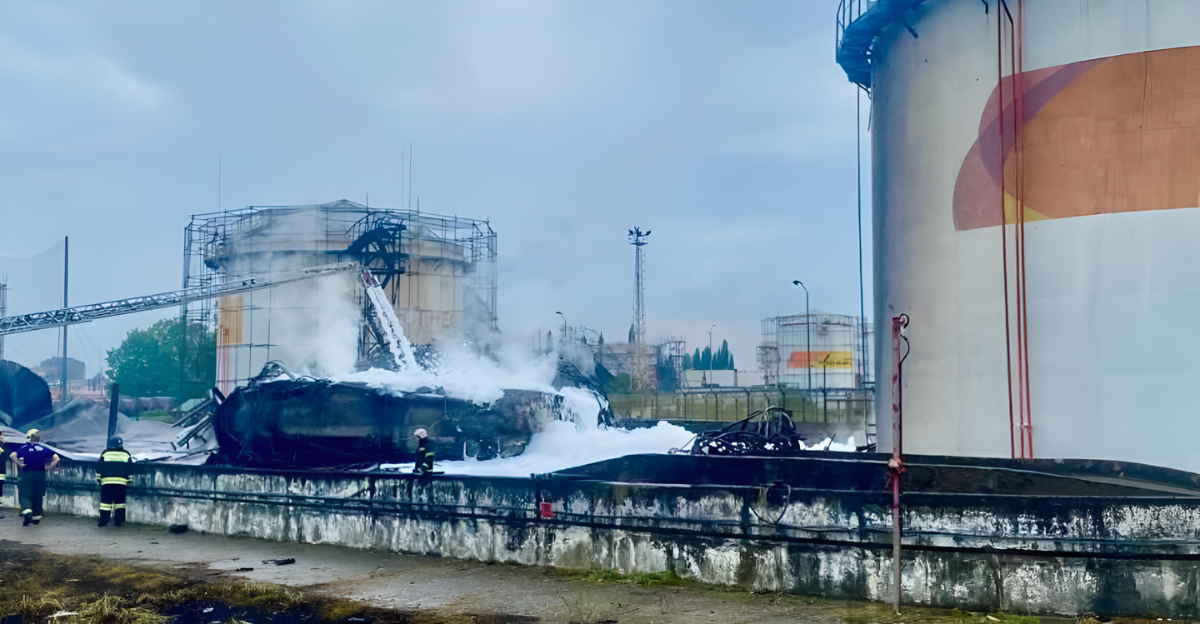
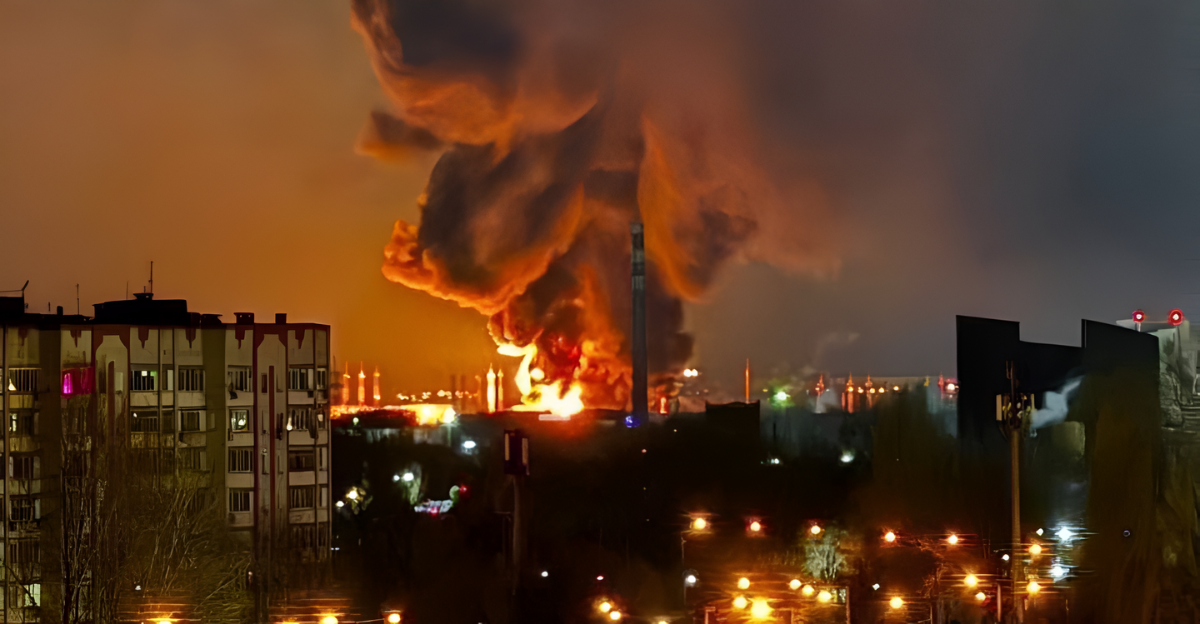
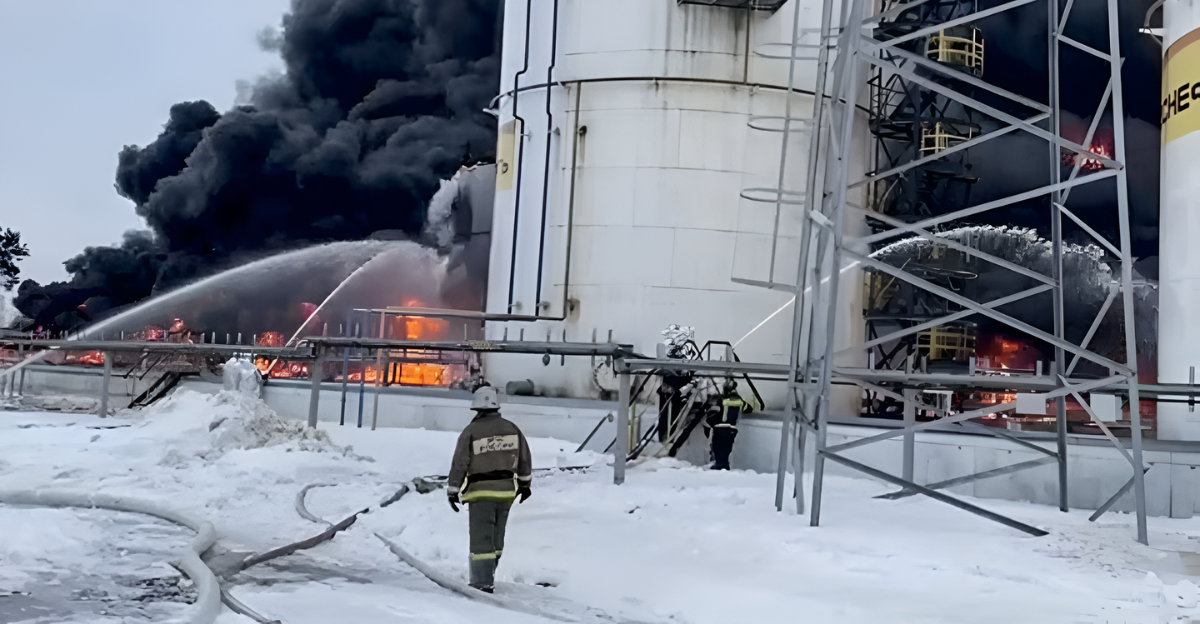
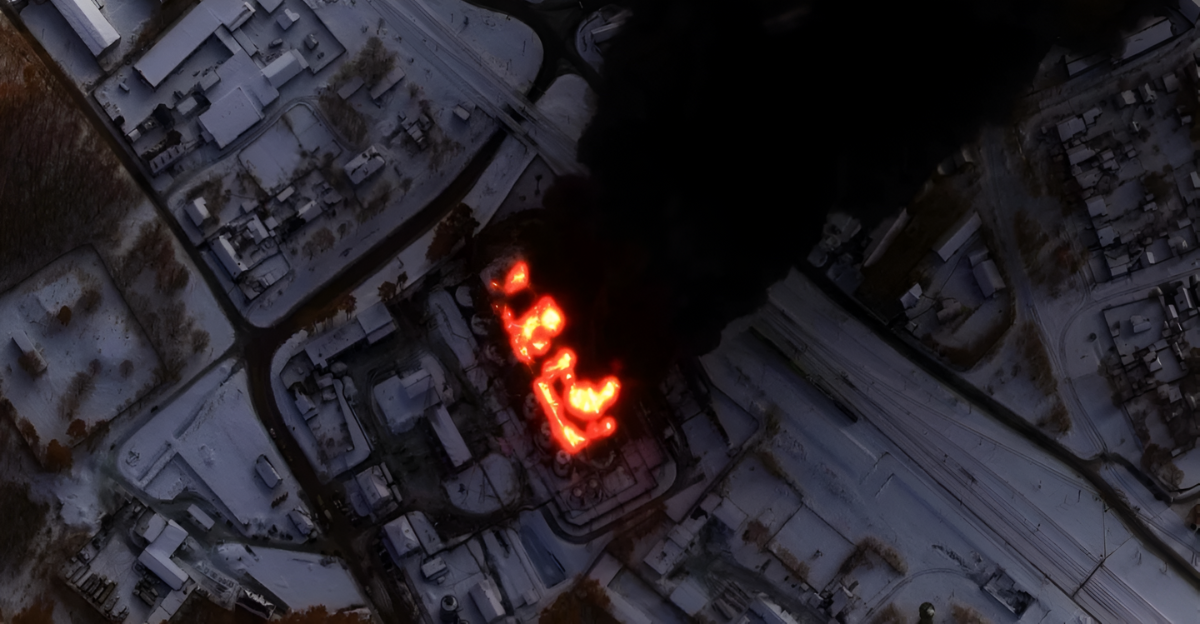
Ukrainian drones have repeatedly struck Russian refineries since late summer, damaging plants near Moscow, Bashkortostan, and the Volga region.
Kyiv’s Air Force claimed fresh hits this week on Gazprom’s Bashkortostan refinery, among others.
Satellite data and local reports confirm significant fires and shutdowns — the deepest refinery damage of the war to date, disrupting roughly one-fifth of Russia’s total refining capacity on certain days.
Moscow’s Rapid Response: Ban, Restrict, Contain
On September 25, Deputy Prime Minister Alexander Novak announced: “We will soon extend the ban on gasoline exports until the end of the year, and a ban on diesel fuel exports for non-producers will also be introduced.” The Kremlin’s goal: stabilize domestic supplies before winter.
But analysts say the move reveals how severely the drone strikes crippled refining throughput and logistics — a rare public admission of economic strain from Moscow.
Supply Chains in Disarray
With refineries offline, Russia’s internal distribution network buckled.
Regions dependent on long-haul shipments, like Crimea and the Mari El Republic, were hit hardest.
Pipeline-fed exports by producers — the vast majority of total diesel flows — continued to Baltic and Black Sea ports.
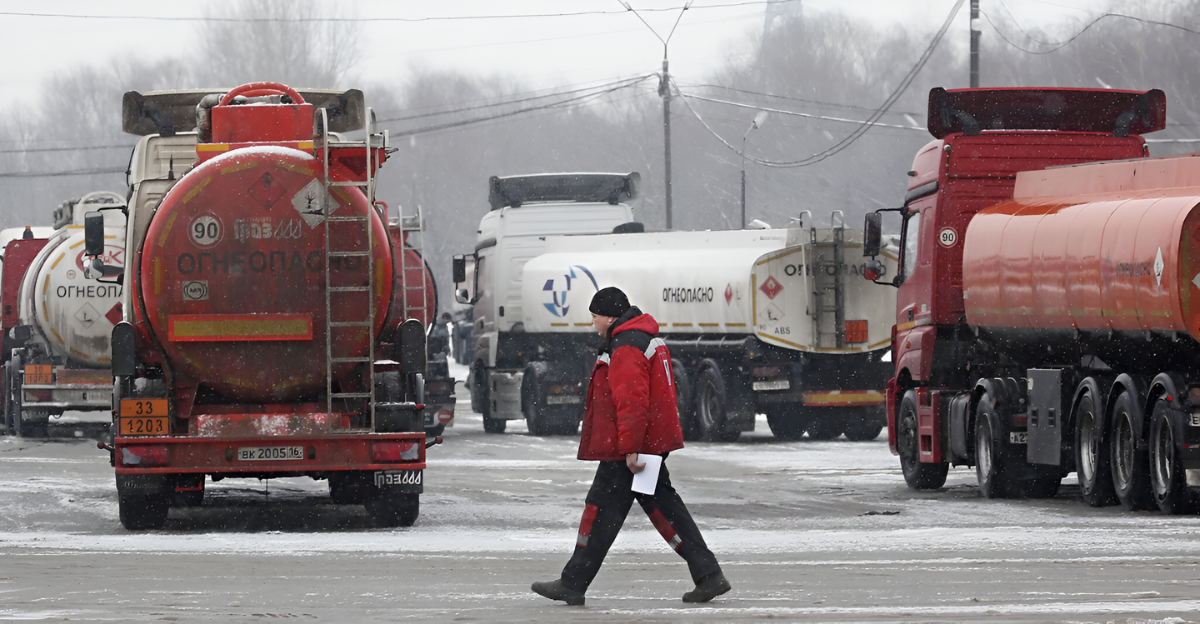
But reseller exports, often managed by trading intermediaries, were abruptly frozen, cutting roughly a quarter of Russia’s usual seaborne diesel supply.
Crimea’s Fuel Crisis Becomes Visible
In occupied Crimea, nearly half of gas stations ran dry by early October.
Sevastopol, the peninsula’s largest city, reported near-complete fuel depletion, with all gasoline grades disappearing from most stations.
Prices spiked by roughly one-third compared to last month, and rationing measures emerged across several districts. Local leaders blamed refinery shutdowns and transport delays, signaling the first major wartime fuel crisis directly visible to the public.
Empty Pumps in a Petrostate
Major retailers in Moscow limited gasoline sales to prevent panic buying, with some stations restricting bulk purchases and jerry-can fills. Residents in Rostov and southern Russia queued for hours, with some stations capping purchases at 10 liters.
For a country that exported 31 million tons of diesel last year, the optics are stark: Russia, the world’s diesel powerhouse, struggling to fuel its own cars and tractors.
Quantifying the Global Hit
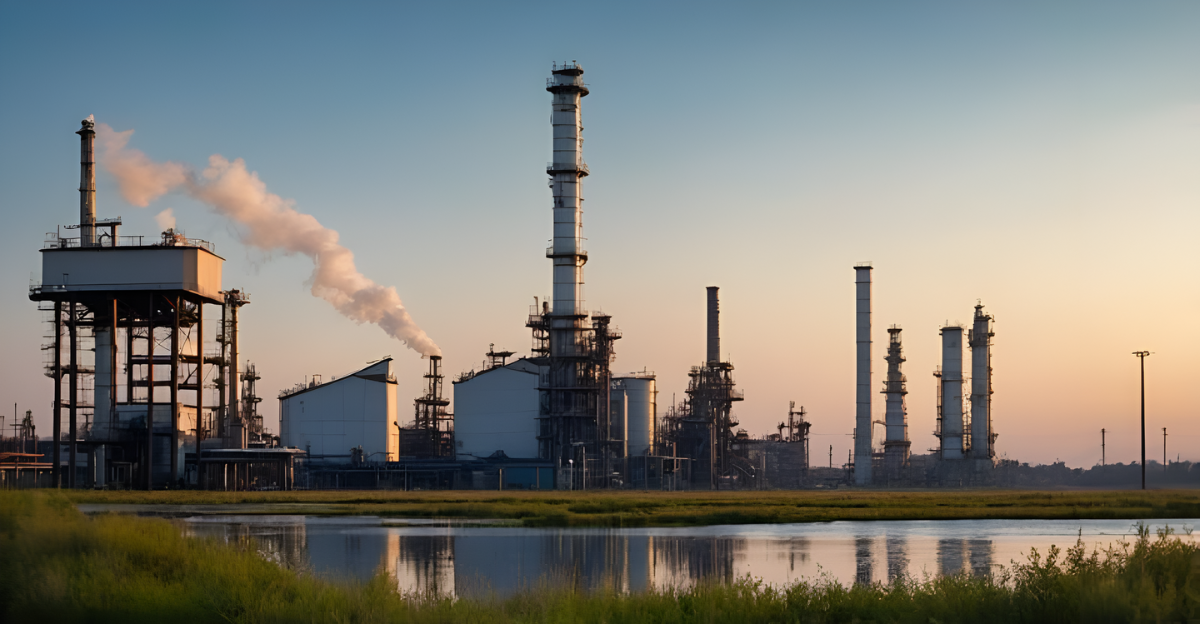
Russia produces about 86 million metric tons of diesel annually, exporting roughly 31 million — making it one of the world’s largest diesel exporters. If reseller exports remain frozen for three months, global markets could lose as much as 1.9 million tons of diesel supply.
That’s enough to power millions of trucks and ships, amplifying inflation risks just as energy-intensive economies brace for the winter season.
Markets React: Diesel Premiums Surge
The diesel futures premium to Brent crude jumped more than 5% to $26.14 per barrel — a two-month high.
Traders cited fears of prolonged Russian outages and tightening global stockpiles.
The last comparable premium spike occurred during the 2022 energy crisis, underscoring how sensitive global markets remain to disruptions from Russia, even amid ongoing sanctions.
Buyers Scramble: Trade Routes Realign
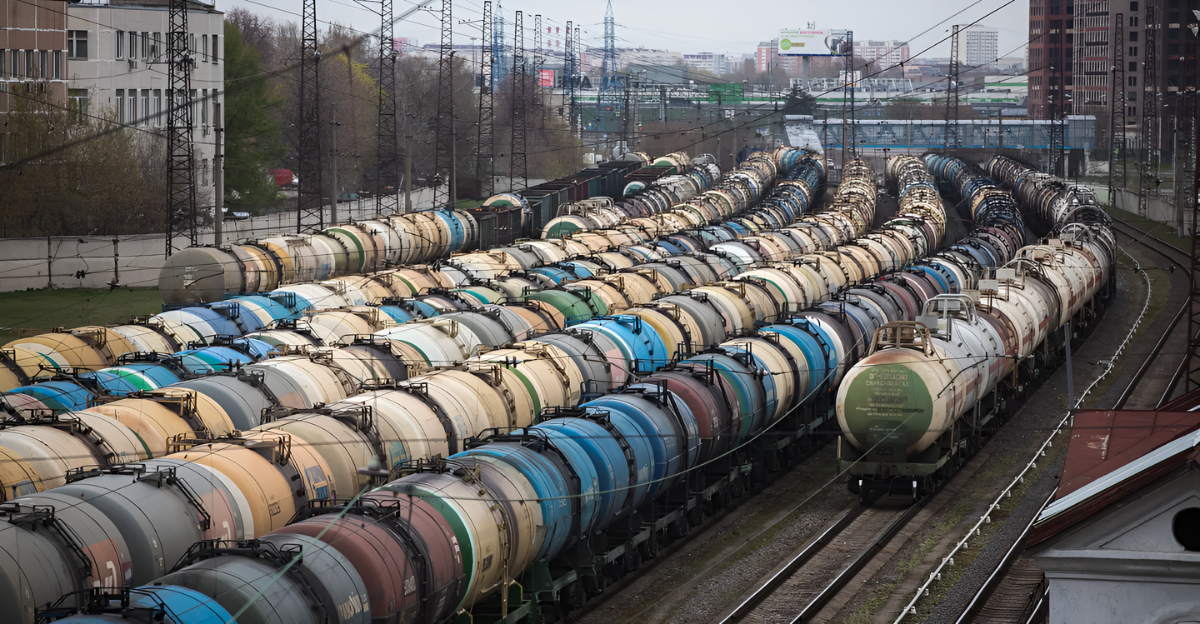
Major importers like Turkey, Brazil, and several African nations raced to find alternatives.
Turkey pivoted toward Indian and Saudi suppliers almost overnight. While Indian refiners ramped up output, the sudden demand surge strained domestic inventories and lifted local fuel prices.
Once again, a regional conflict sent ripples across continents, reshaping diesel trade flows from the Black Sea to the Arabian Gulf.
Domestic Fallout: Fuel Rationing Widens
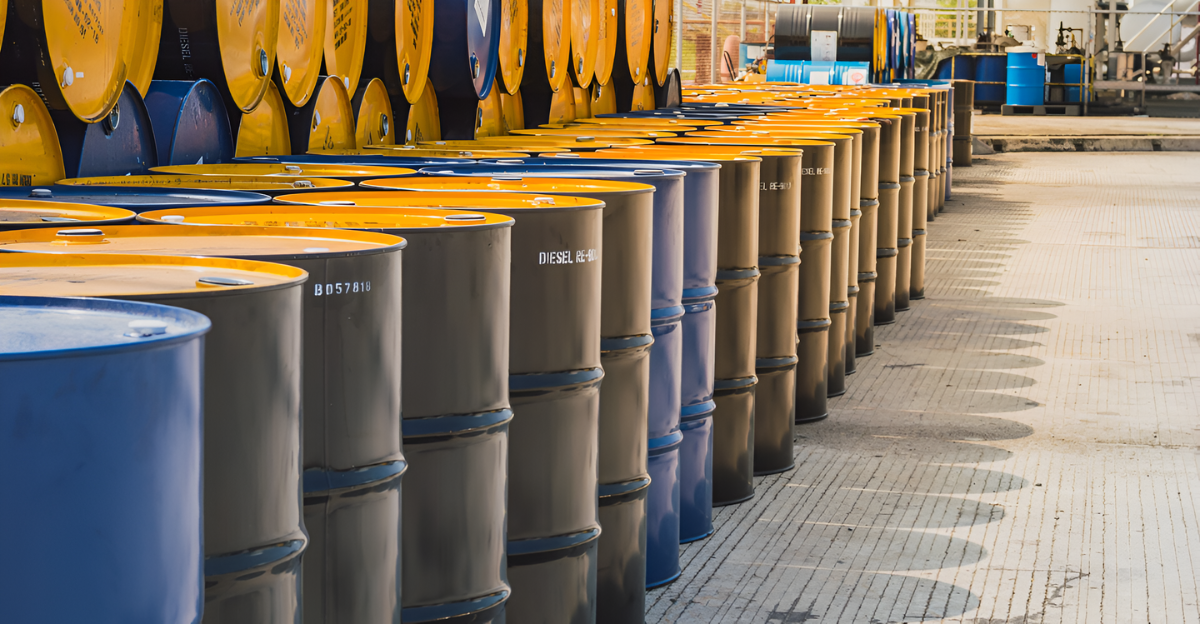
Inside Russia, rationing quickly spread. Farmers reported restrictions on fuel deliveries during harvest season, while transport firms delayed shipments.
Independent retailers, cut off from refinery allocations, were forced to shut pumps entirely.
In many towns, long-haul truckers parked their vehicles for lack of diesel, turning logistics bottlenecks into nationwide supply-chain headaches.
The Kremlin’s Balancing Act
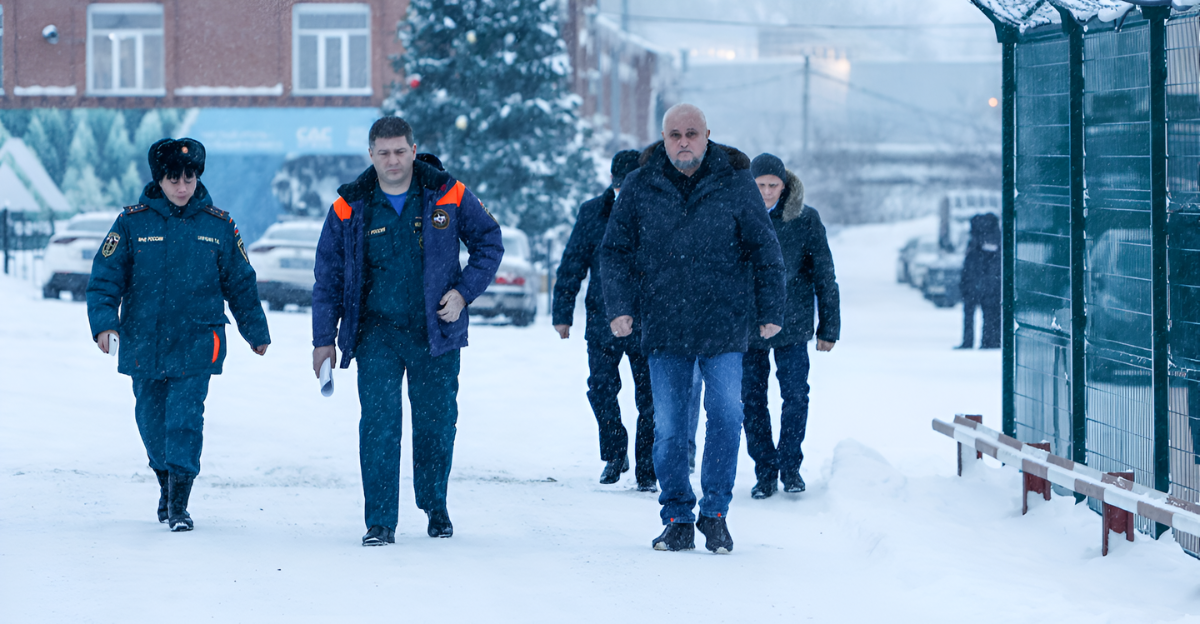
Officials face an impossible equation: protect domestic stability while preserving export revenue.
The partial export ban helps lower internal prices temporarily — but at the cost of billions in lost foreign earnings.
Energy analysts suggest the government has likely prioritized supply to military logistics and strategic reserves over civilian use, a pattern consistent with wartime fuel management.
Inflation and Economic Strain Mount
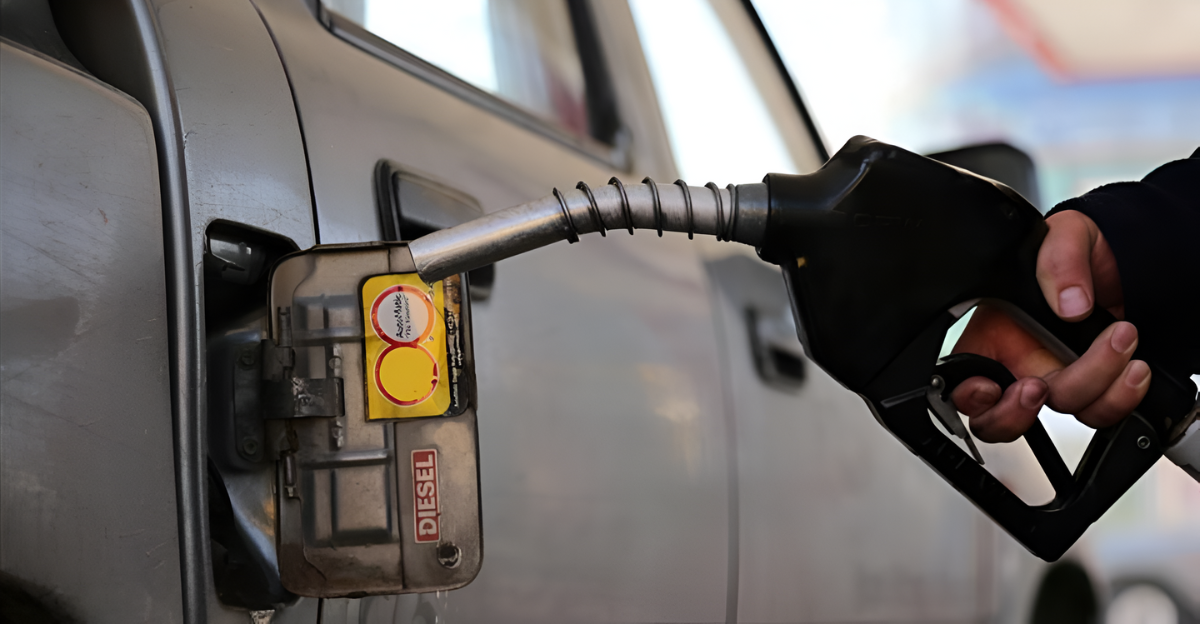
Rising domestic fuel prices have already accelerated inflation.
Russia’s gasoline prices climbed more than 40% since January, while logistics costs surged for agriculture and manufacturing.
Globally, importers now face steeper transportation expenses and energy inflation, particularly in Europe and Asia. The diesel shortage adds another layer of volatility to a world still reeling from post-pandemic supply shocks.
Workers and Farmers Under Pressure
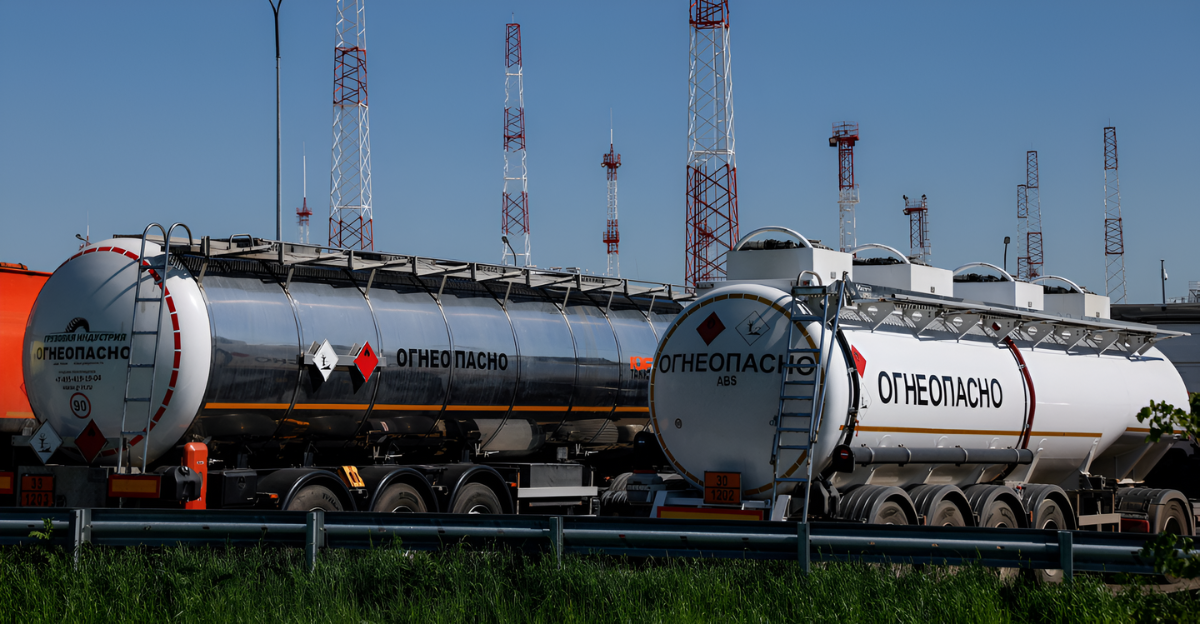
For Russia’s working class, the crisis hits hardest. Farmers in southern regions report delayed harvests and reduced yields due to fuel rationing.
Truckers complain of multi-hour waits and shrinking profit margins.
The dual burden of rising prices and restricted access underscores the social cost of a war increasingly fought through economic endurance.
Strategic Vulnerability Exposed

The strikes reveal a deeper truth: Russia’s energy empire depends on vulnerable refining chokepoints.
While crude output remains robust, refinery downtime directly translates into consumer pain.
By forcing Moscow to ration fuel and ban exports, Ukraine’s drone campaign has, for the first time, visibly bent Russia’s energy backbone — a symbolic and strategic win.
Crimea: The Energy Frontline
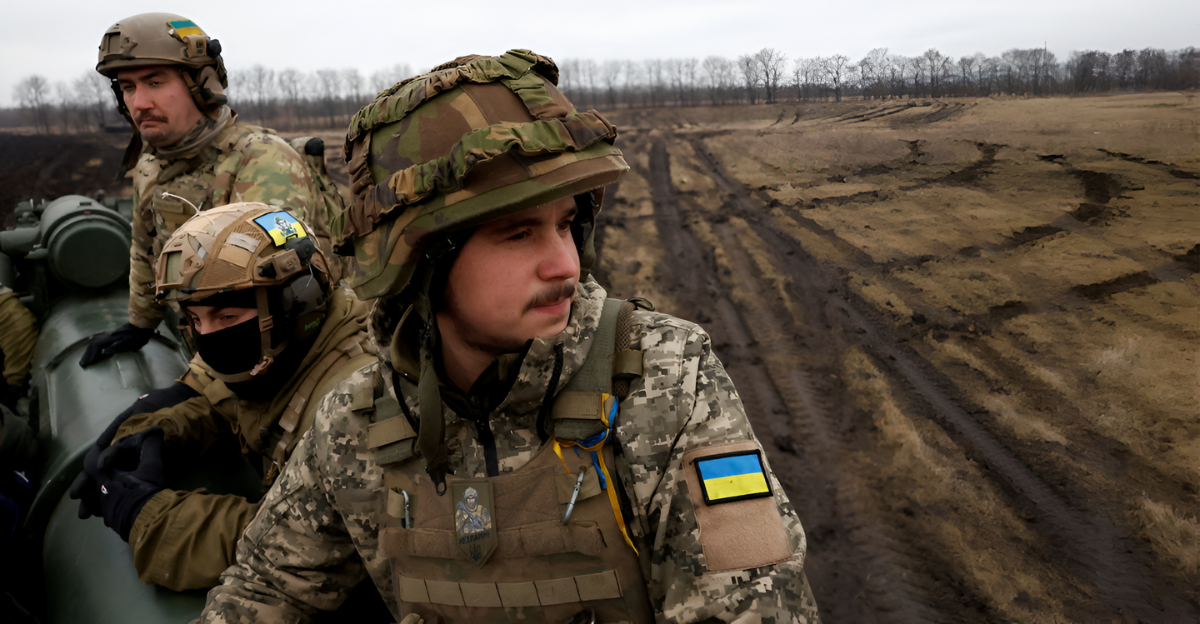
Nowhere is that vulnerability more visible than Crimea. With roughly half of the peninsula’s pumps offline and prices up 33% month-over-month, residents are experiencing the most tangible wartime hardship since 2022.
The shortages highlight how occupied territories remain critically dependent on mainland supply — a weakness Ukrainian planners are clearly exploiting with precision.
The Broader Geopolitical Shockwave
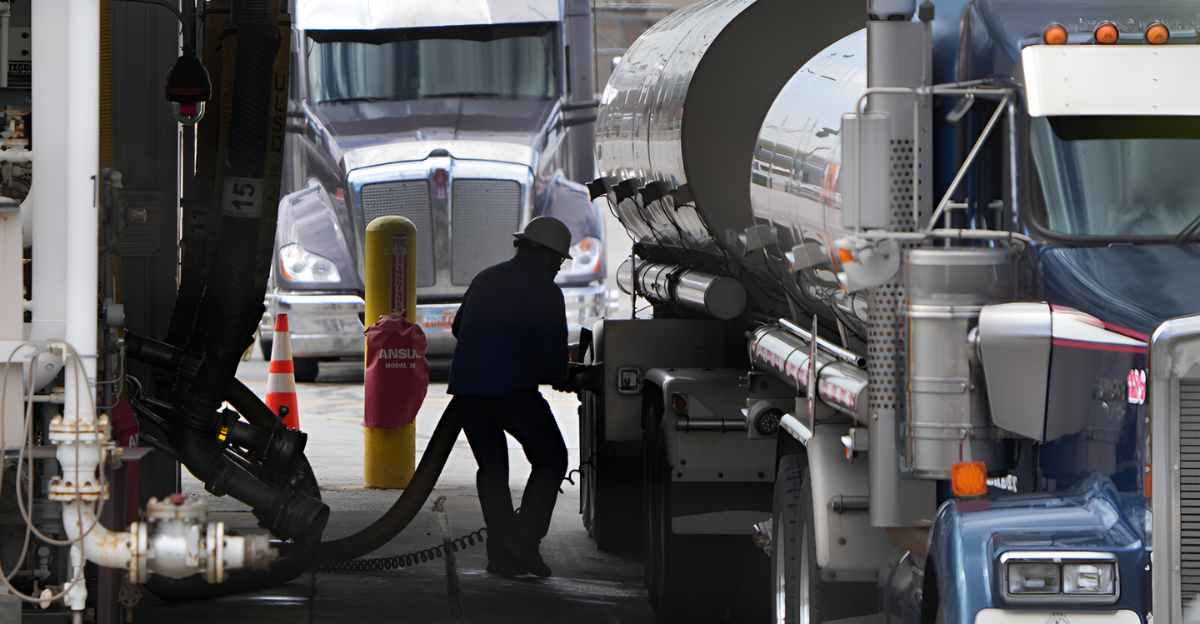
Every refinery outage and export freeze ripples outward. Global diesel markets tighten, shipping costs rise, and heating oil prices climb across Europe.
For Washington and Brussels, the message is clear: even as sanctions isolate Russia, its internal disruptions still influence global inflation and fuel affordability — a paradox of interdependence in wartime economics.
Winners Emerge: India and Saudi Arabia Fill the Gap
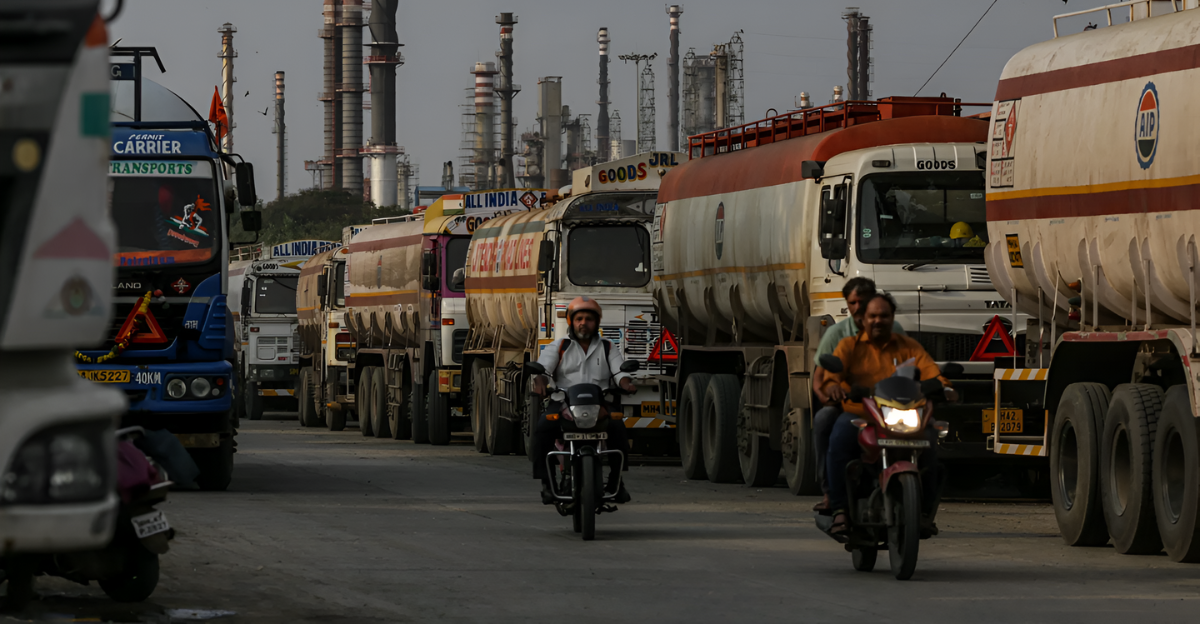
Indian and Saudi refiners have become the unexpected beneficiaries. As Russian barrels vanish from the market, both nations have ramped up exports to Europe and Africa.
But success brings strain: Indian refiners face tighter domestic margins, while Saudi output competes with rising global demand.
A reshuffling of diesel trade hierarchies is now unmistakably underway.
Financial and Market Fallout

Volatility surged across energy futures as traders recalibrated risk models. Analysts warned that a prolonged Russian ban could sustain higher diesel premiums well into Q1 2026.
Businesses reliant on heavy transport — from logistics to construction — face cost inflation.
Governments are urging importers to diversify supply and bolster reserves to avoid cascading disruptions.
The Countdown to Winter
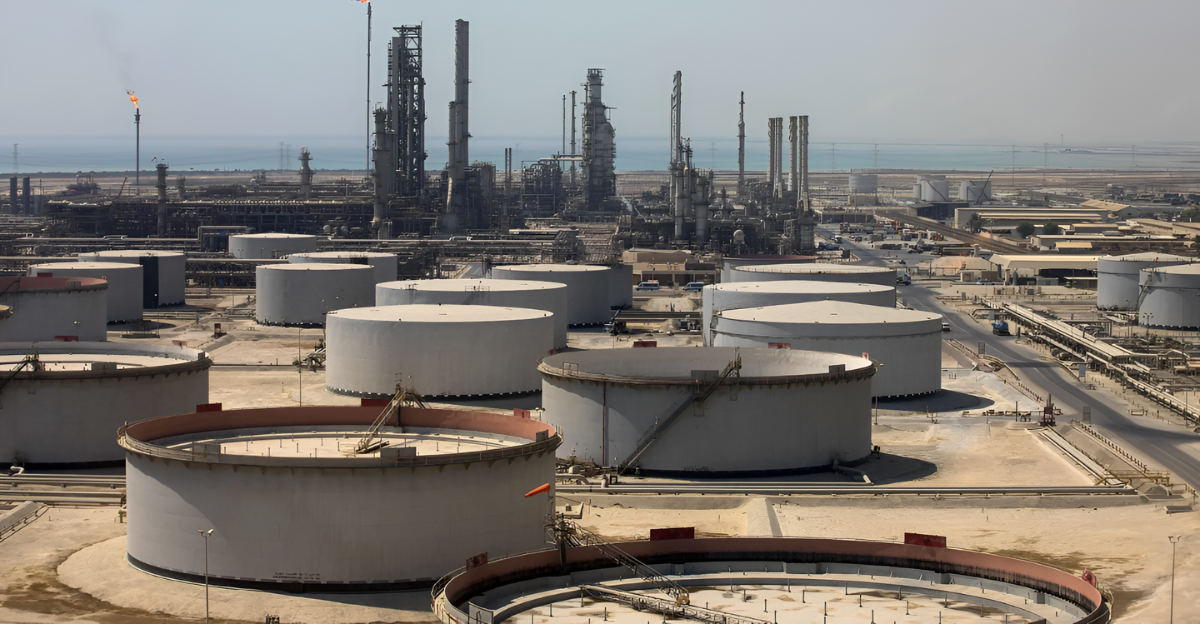
With the export ban lasting through year-end, the coming months will test both Russia’s resilience and the world’s adaptability.
Each new drone strike compounds refinery downtime and public frustration.
For millions across Eurasia, diesel isn’t just transport fuel — it’s heating oil, livelihood, and logistics lifeblood. The clock now ticks toward a winter shaped by scarcity, speculation, and strategic recalculation.
What This Crisis Really Means
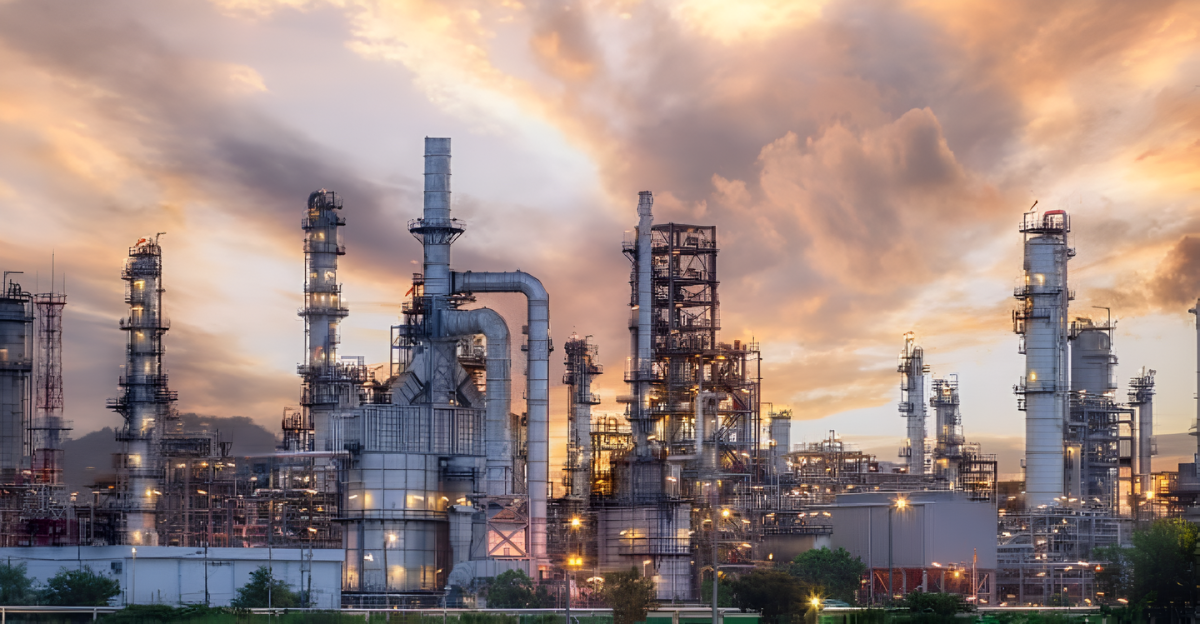
This is the first mass-proof that Ukraine can strike not just at military targets but at Russia’s economic core. A petro-superpower forced into rationing reveals the fragility behind the facade of energy dominance.
From empty pumps in Sevastopol to surging futures in Singapore, the message is unmissable:
In the age of drone warfare, no refinery — and no energy empire — is beyond reach.