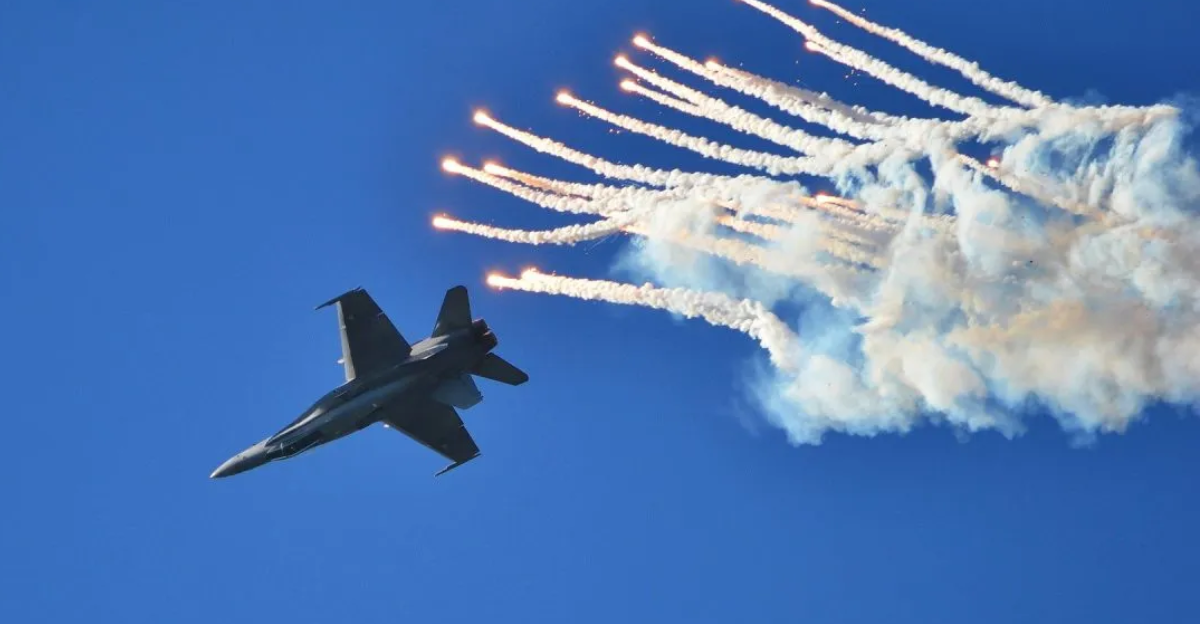
In the vicinity of the disputed Paracel Islands in the South China Sea, on October 19, 2025, a Chinese fighter jet dangerously approached an Australian P-8A Poseidon maritime patrol aircraft with two flares. Beijing defended the actions as “lawful, legitimate, professional, and restrained,” while Australia denounced the move as “unsafe and unprofessional.” China claims the aircraft invaded its territory, while Australia maintains its patrol was lawful under international law.
This encounter exemplifies the conflicting narratives over airspace sovereignty. On Chinese social media, the event received almost two million views, demonstrating Beijing’s adept use of nationalism to contextualize the action. In disputed waters crucial to international maritime security, this episode highlights elevated tensions and the possibility of escalation.
The South China Sea Conflicts’ Historical Background
China, Vietnam, the Philippines, and other countries have claimed more than 130 disputed features in the South China Sea, including the Paracel Islands. China has aggressively asserted its sovereignty over these islands by gradually expanding its military infrastructure and presence since the early 2000s.
A pattern of increasing military assertiveness intended to thwart Western forces’ freedom of navigation operations has been demonstrated by prior incidents involving Australian aircraft, such as the deployment of chaff in 2022 and the use of sonar close to naval divers.
China’s Legal Position and Strategic Story
China portrays these conflicts as a legitimate defense of its territorial integrity and sovereign airspace. Beijing claims that when foreign military planes fly over disputed maritime features, they are violating Chinese sovereignty. This viewpoint emphasizes an exclusive territorial claim and rejects international norms that prioritize freedom of navigation.
Australia’s freedom-of-navigation efforts were described by Beijing’s spokesperson Jiang Bin as “twisted and absurd propaganda,” illustrating China’s strategy of assimilating international narratives and enforcing authoritarian control over the information landscape. This strategy seeks to deter foreign powers by indicating a high tolerance for assertive military responses, as well as to mobilize support at home among the approximately 300 million active Chinese social media users.
Regular Patrols in Australia and International Law
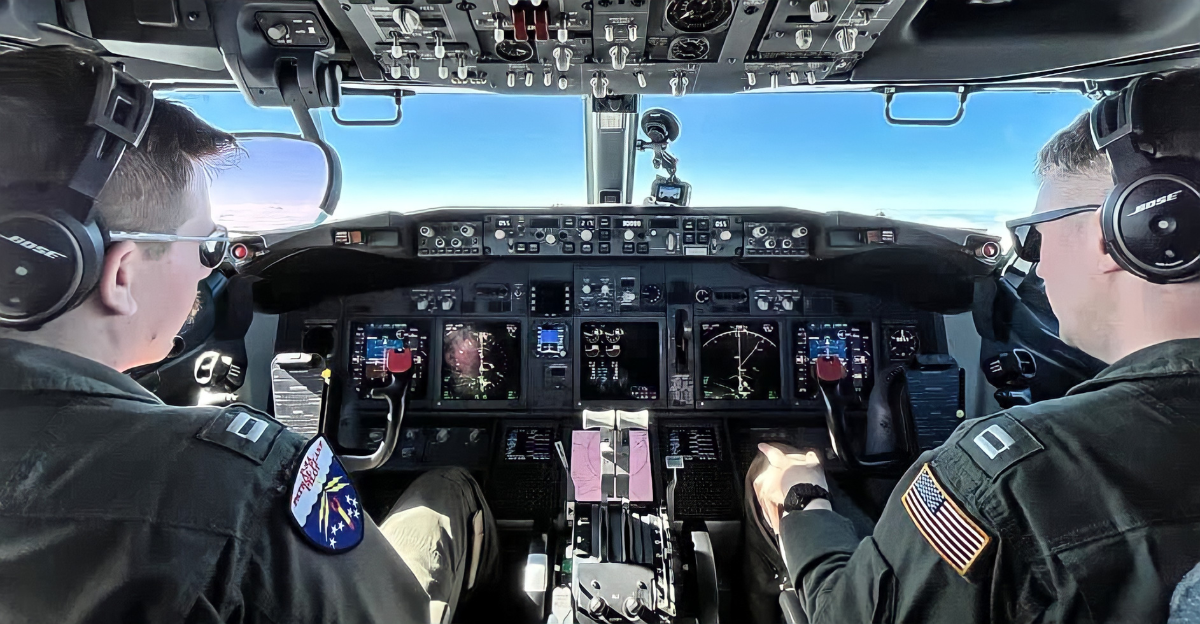
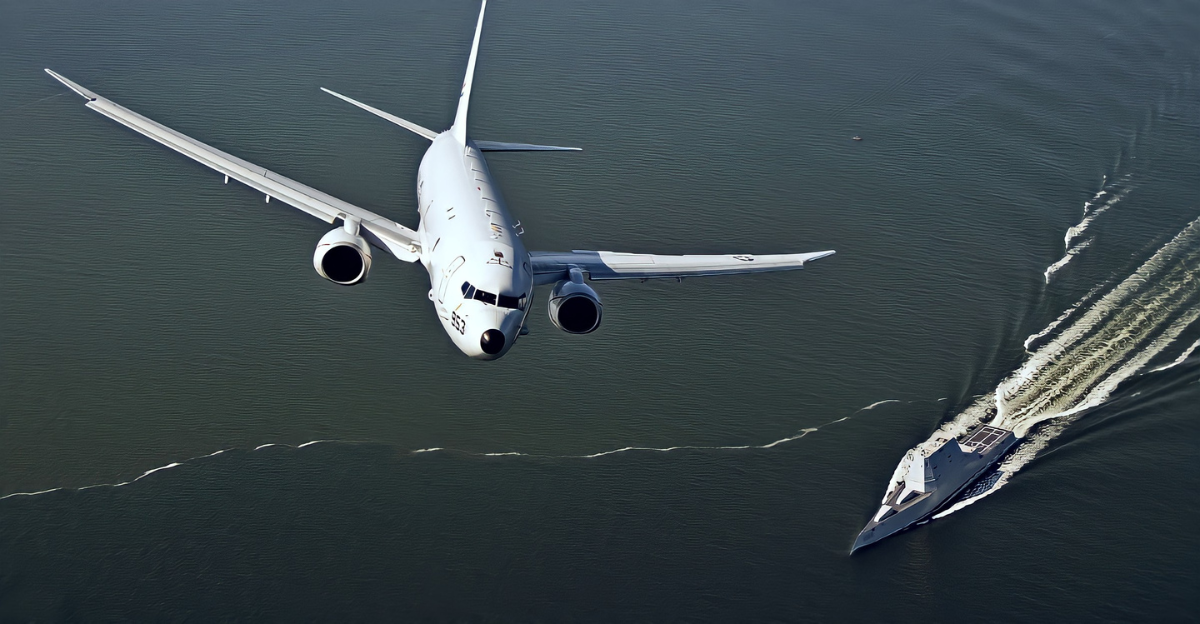
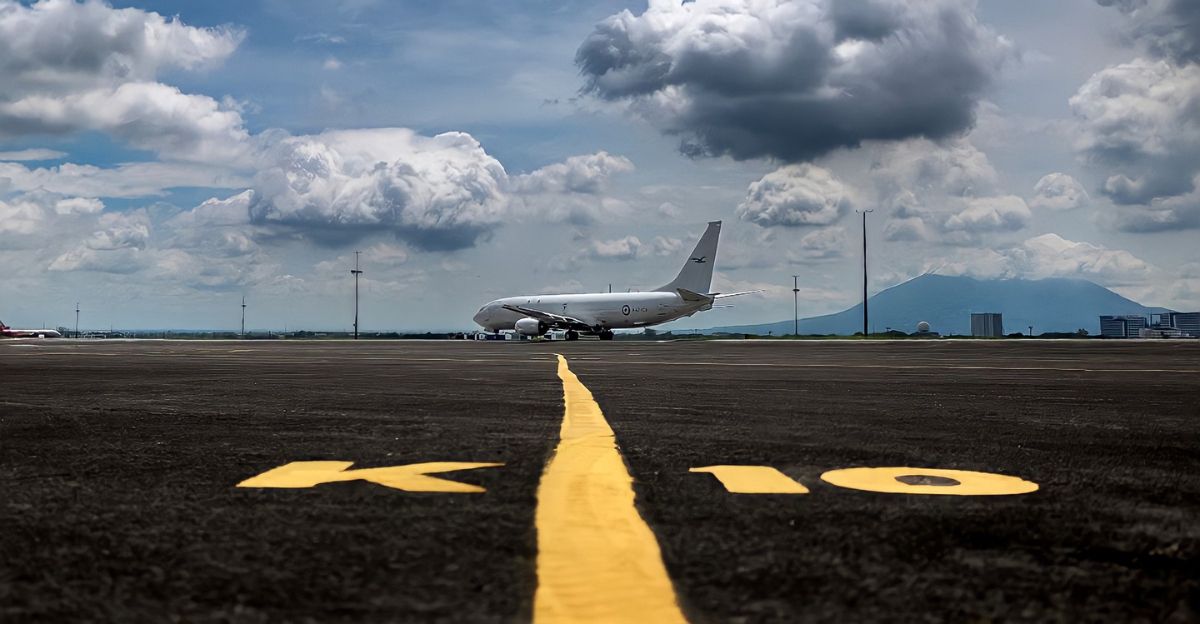
In accordance with the principles of international law that guarantee open sea lanes, Australia carries out dozens of surveillance and freedom-of-navigation patrols in the South China Sea every year. An essential component of regional security, the P-8A Poseidon is a maritime patrol aircraft used for intelligence, surveillance, and reconnaissance missions.
Australia maintains that its operations in international airspace were lawful, emphasizing that freedom of navigation shouldn’t be hampered by disputed maritime claims. The aggressive actions of China are viewed by Canberra as provocations that could lead to a dangerous military escalation, endangering regional stability and eroding the rules-based order governing global commons in disputed waters.
The Psychological Aspects of Military Experiences
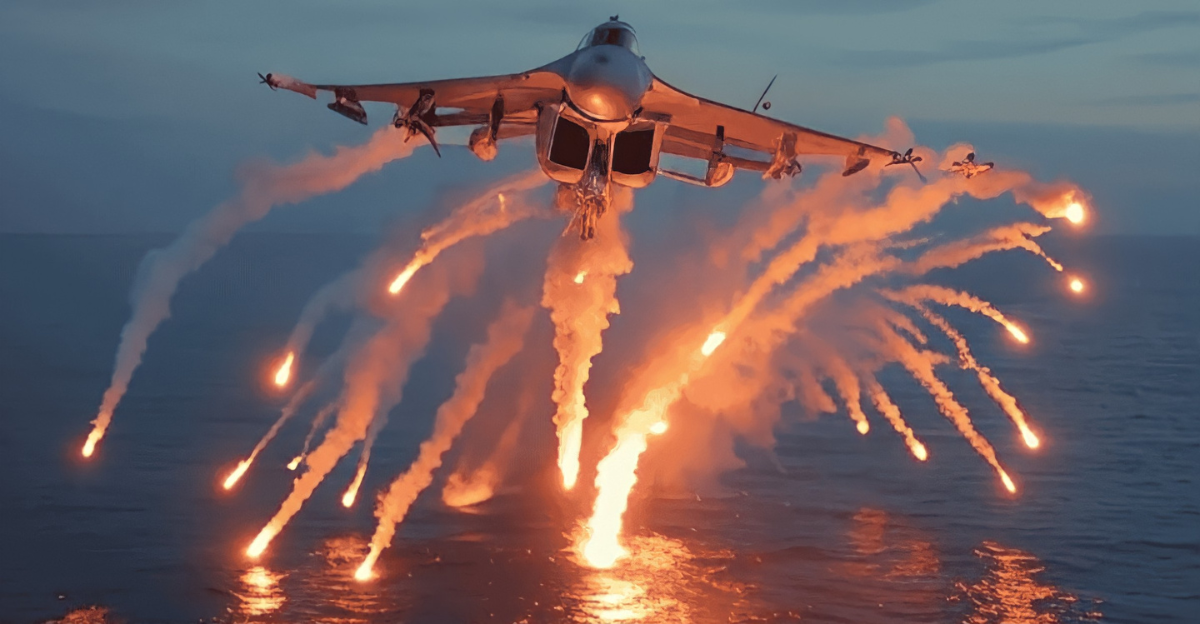
The psychological effects of these military flights are significant for both the participating personnel and the general public. Flares released close to an aircraft are a purposeful intimidation technique meant to show control and frighten the crew. The tension that results is similar to elements of Cold War brinkmanship situations, in which close calls may lead to unanticipated hostilities.
The episode’s quick social media spread stokes nationalist fervor and increases mistrust and fear on both sides. These conflicts are not just tactical; they are highly strategic emotional conflicts that are fought on the psychological front to influence how power is perceived both at home and abroad.
The Function of Propaganda and Social Media
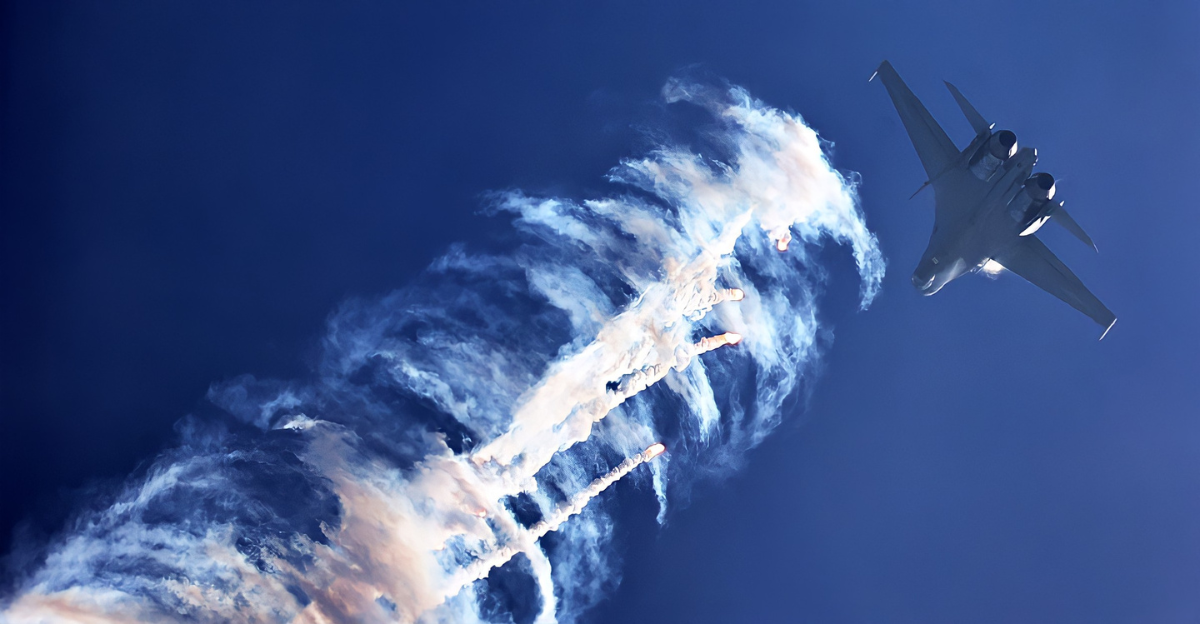
In less than 48 hours, Beijing used Chinese social media to spread a narrative of justified defense that received close to two million views on Weibo. Millions of people are primed for a negative perception by this digital assault, which portrays Australia as an aggressor encroaching on Chinese territory.
Australia’s more subdued diplomatic communications stand in stark contrast to China’s capacity to use social media narratives as a weapon. This discrepancy is indicative of a larger strategic information warfare effort to sway public opinion worldwide and reinforce government legitimacy through populist nationalism, which is essential for maintaining political stability at home in the face of outside pressures.
Dangerous Miscalculation Risk
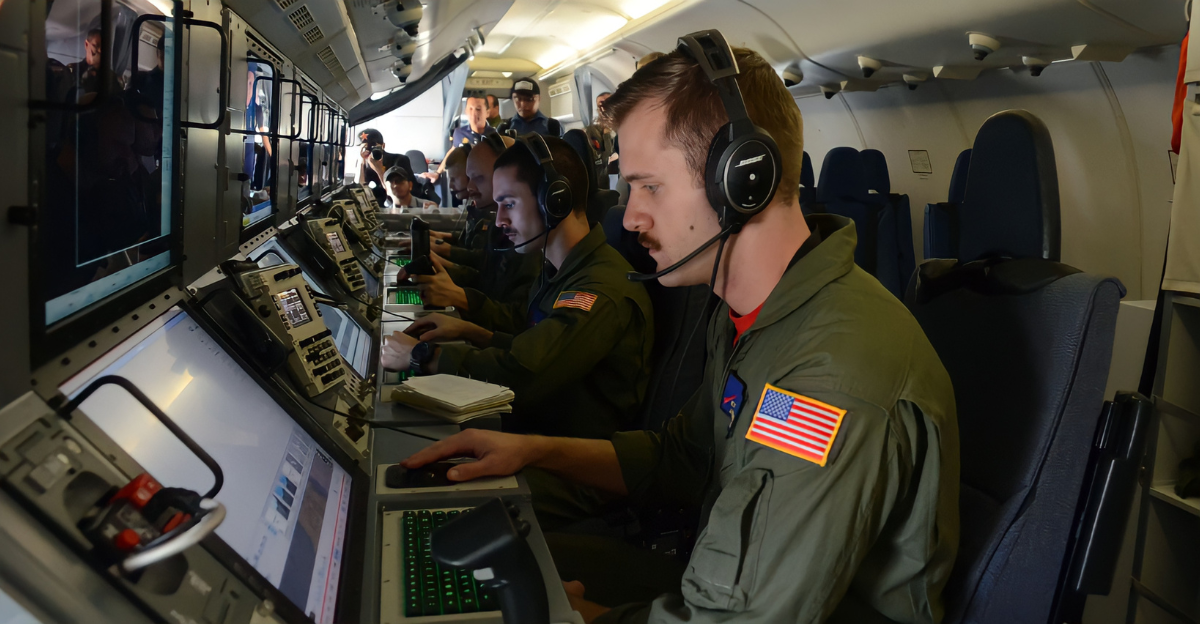
The incident serves as an example of the constant danger of making a mistake in contested airspace. This time, there were no reported injuries or damage, but if the flares had ignited aircraft fuel or interfered with navigation, the near-miss might have turned disastrous.
Previous dangerously close encounters are highlighted by the 2022 chaff deployment into a RAAF engine. The likelihood of an unintentional conflict is increased by the frequency and severity of such brinkmanship, which could complicate global geopolitical stability by entangling allies like the United States in a larger Pacific conflict under defense treaties.
Does China’s Defense Actually Exist?
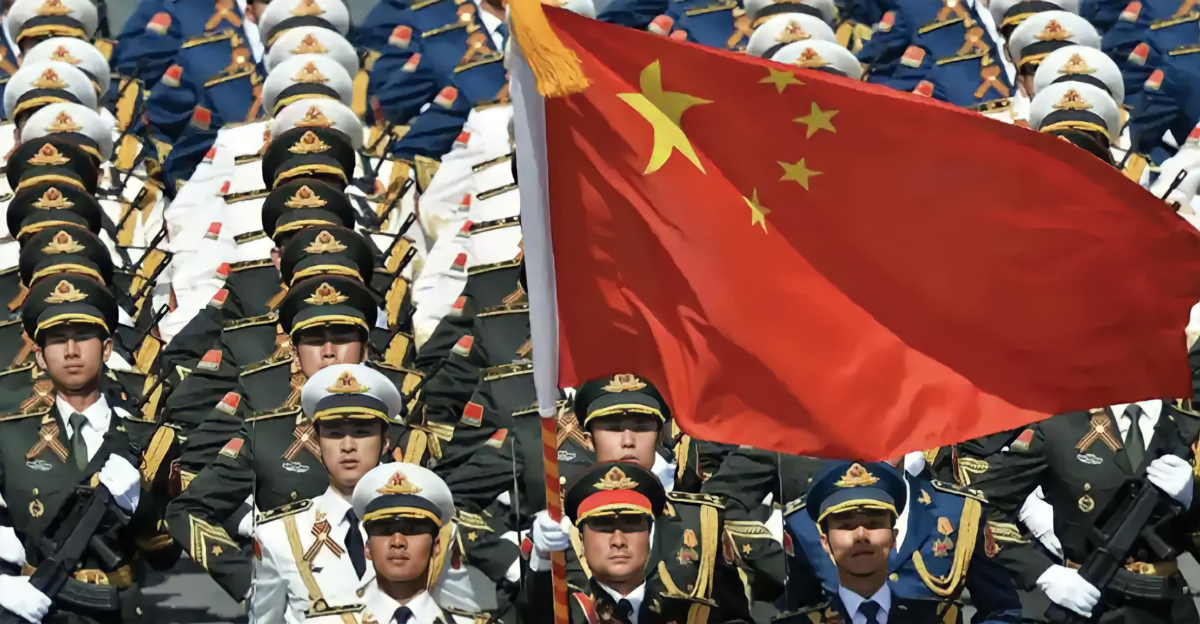
From a contrarian perspective, one might wonder if China’s interpretation of “lawful defense” conforms to more general international standards. Freedom of navigation in international waters and airspace is upheld by traditional maritime and aviation law. China, on the other hand, interprets sovereignty in disputed areas in a broad and possibly illegal manner.
Beijing’s classification of surveillance as an intrusion calls into question the international rules-based order and raises questions about how international law is being undermined. A new era of legal ambiguity and geopolitical rivalry may be ushered in by this clash, which demonstrates a systemic conflict between established maritime freedoms supported by Australia and an emerging Chinese doctrine prioritizing territorial maximalism.
Strategic Consequences for Local Security
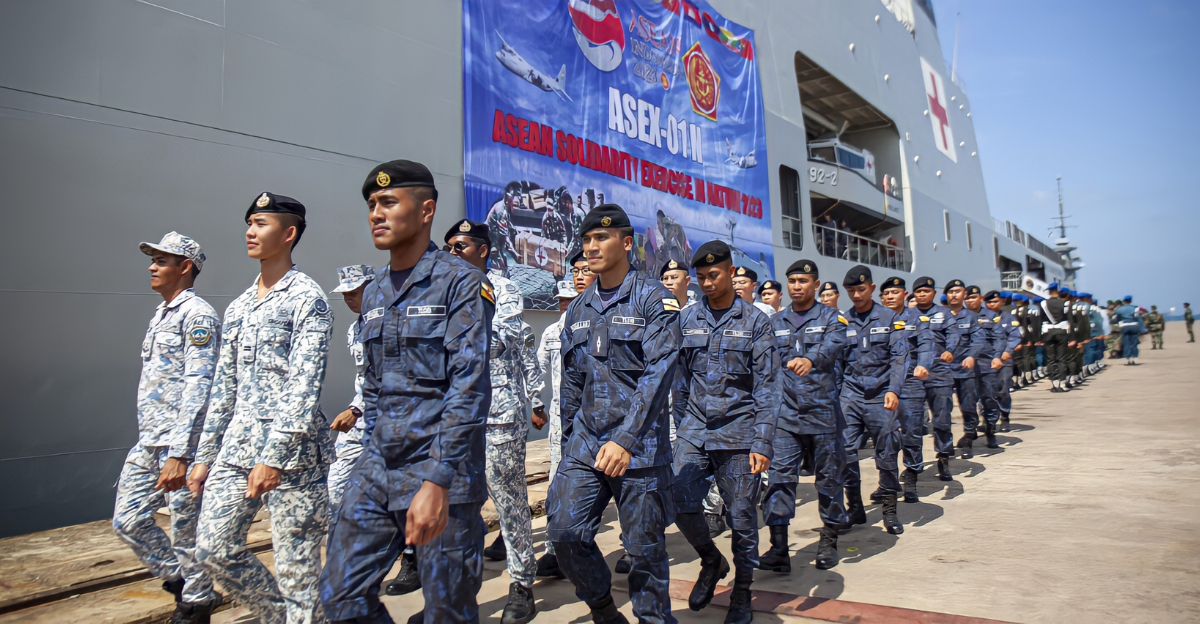
With ASEAN nations witnessing heightened Chinese assertiveness, the encounter portends increased instability for Southeast Asia. Growing military conflicts run the risk of undermining efforts at multilateral diplomacy. China’s “lawful defense” stance is part of a larger plan to exert pressure on regional players and alter the strategic balance in the Asia-Pacific.
The incident highlights the significance of bolstering deterrence measures and pursuing diplomatic channels to avoid misjudgment for Australia and its allies. In order to prevent unintentional escalation that could upset an already precarious peace, the episode also highlights flaws in current operational procedures, prompting calls for more precise rules of engagement.
Case Studies of Airspace Conflicts in the Past
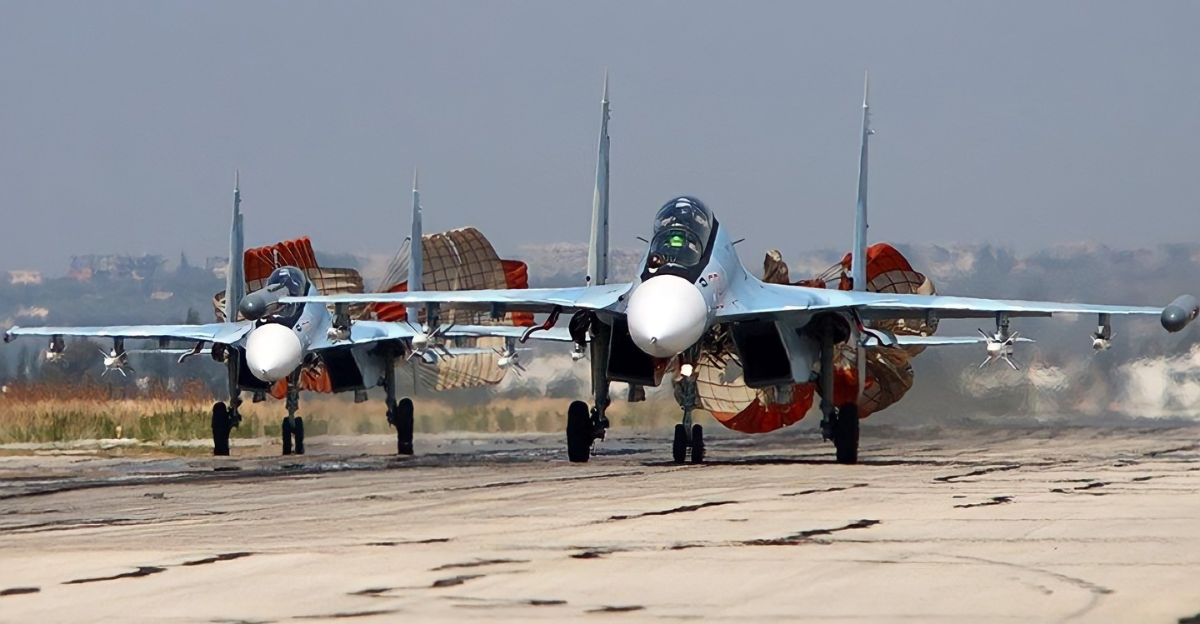
Similar events from the Cold War, like American-Soviet air intercepts, show trends that illustrate how intense military conflicts can get out of hand. Misunderstandings close to disputed airspace can quickly turn tragic, as demonstrated by the Korean Air Lines shootdown in 1983 and the crises that followed.
These precedents place the Paracel incident in the context of a long-standing global dynamic in which risk is generated by conflicting legal and strategic stances. However, the psychological stakes are higher now because of China’s recent digital amplification and quick public mobilization around these events, which add a new dimension not seen in previous Cold War crises.
Possible Intersections of Industry and Technology
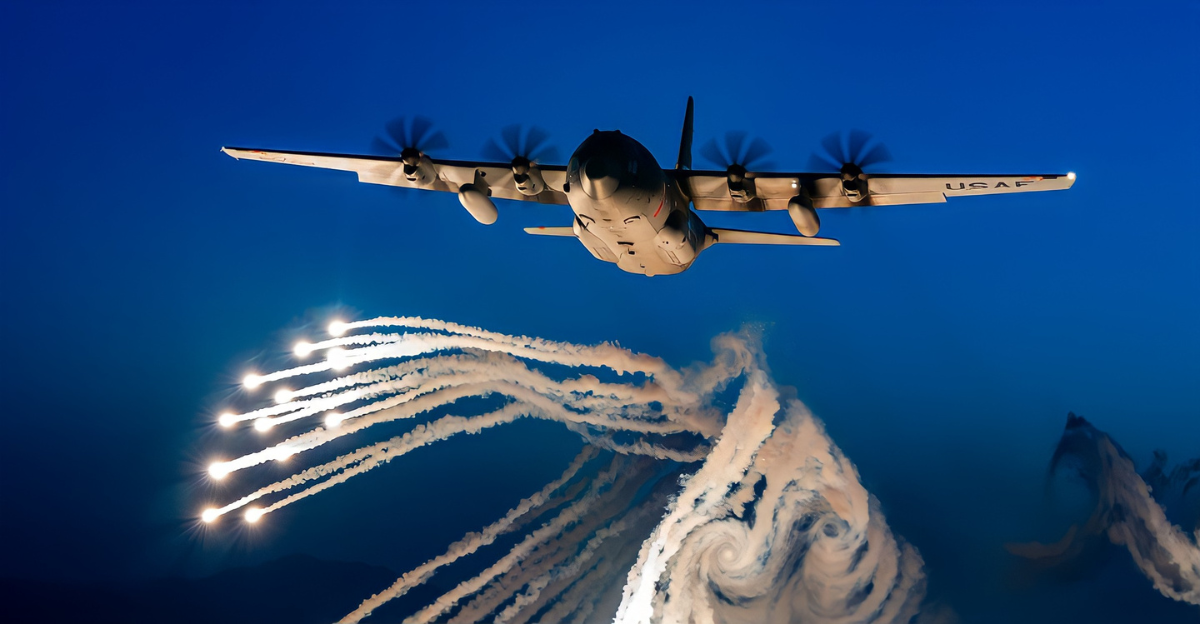
The technology used in the incident, heat-seeking flares that deceived targeting systems, has two uses in the civilian world, including manufacturing and aerospace safety. Developments made to combat aerial threats could lead to improvements in emergency ejection systems, fire suppression, or drone navigation.
Furthermore, as states step up surveillance in the face of geopolitical unpredictability, demand for businesses related to cybersecurity and satellite reconnaissance may rise. Because military conflicts combine defense interests with civilian industry growth sectors, they inadvertently speed up and finance cutting-edge technology domains.
Second- and third-order effects that are hypothetical
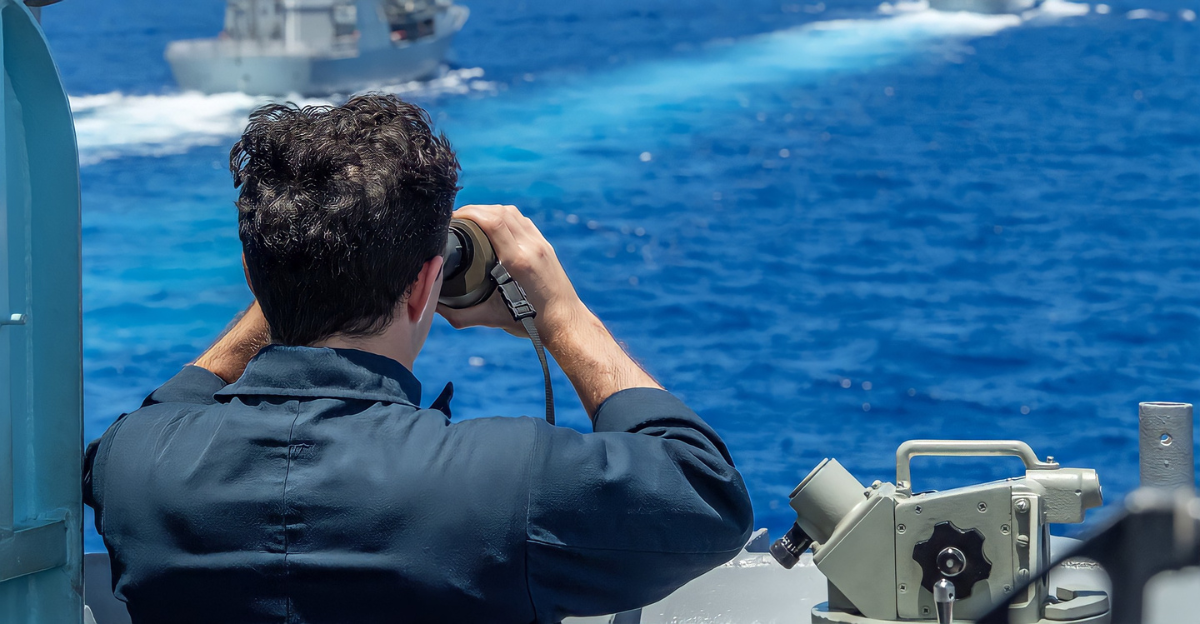
The South China Sea may become more militarized, international maritime cooperation may break down, and regional players may engage in an arms race if these encounters escalate. Global supply chains that depend on these sea lanes are also at risk, which could disrupt trade and have an effect on economies all over the world.
Diplomatic ties, particularly those between the United States and China and China and Australia, could drastically worsen, which would limit collaboration on more general issues like pandemic response and climate change. Last but not least, growing nationalism stoked by state media could deepen social division and harden public support for inter-population conflict.
Theoretical and unverified hypotheses
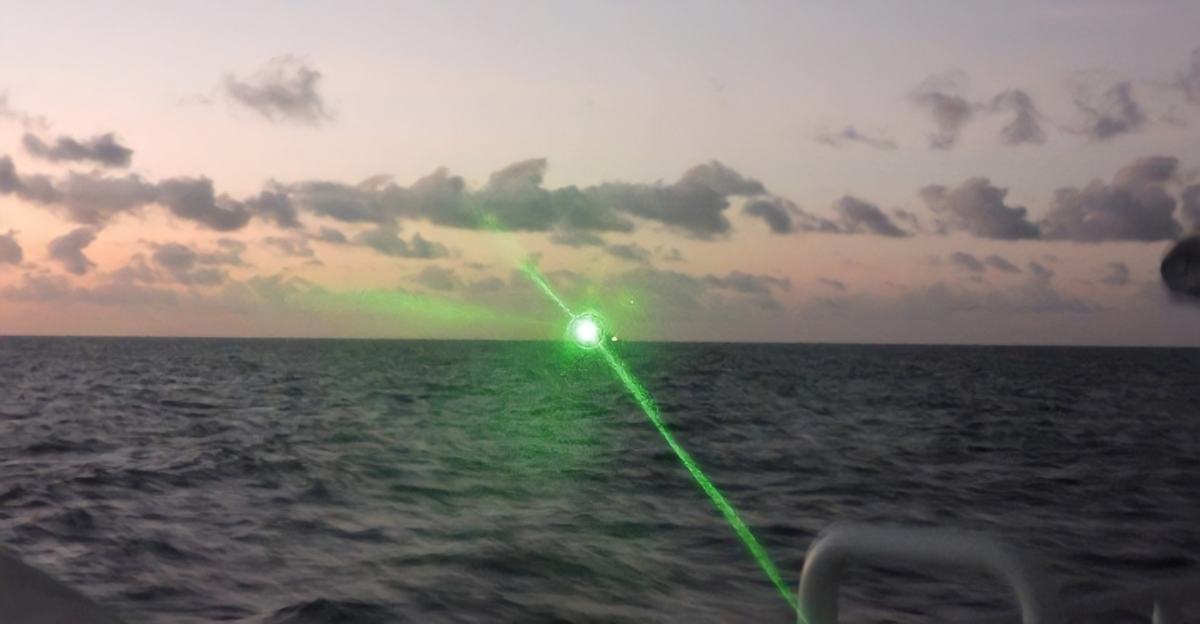
China’s flare deployment, according to some analysts, is a planned test of Australia’s operational thresholds, assessing the West Pacific’s tolerance for assertive actions short of direct confrontation. Others hypothesize that domestic pressures related to the internal politics of the Chinese Communist Party in 2025 might motivate military prowess overseas, diverting focus away from economic slowdowns.
Furthermore, theoretical reports indicate that Chinese forces may be developing doctrines for “gray zone” engagements, which are hybrid strategies that combine economic coercion and military pressure in an effort to circumvent conventional Western deterrence frameworks.
A Structure for Interpreting Chinese Military Strategy
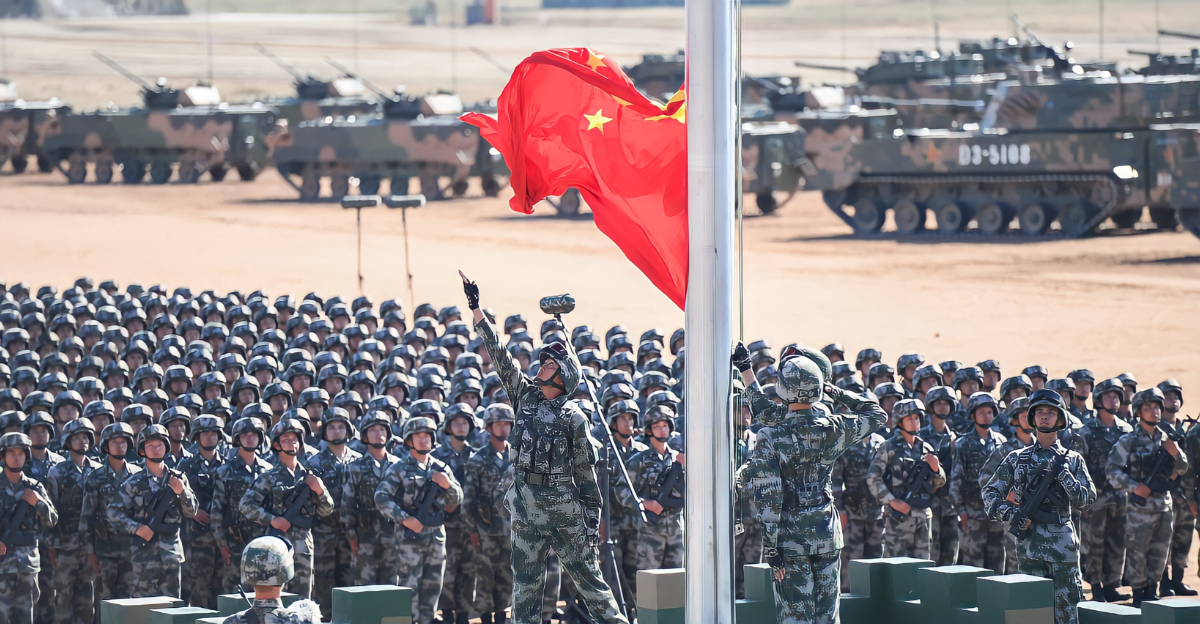
“Systemic Assertiveness,” which combines technological innovation, psychological manipulation, and legal revisionism to gradually increase control in disputed areas, provides a helpful framework for understanding China’s actions. According to this model, every military action is a planned step in a long-term strategy to create faits accomplis through carefully timed displays of force that are supported by patriotic propaganda. It recognizes that international signaling and domestic legitimacy are intertwined, with the effects of digital media being amplified.
Beijing’s “lawful defense” claim, when viewed through this lens, goes beyond mere legality to reveal a complex strategic maneuver that simultaneously manipulates psychological influence and global legal ambiguity.
Maintaining China’s Position in the Face of Complicated Facts
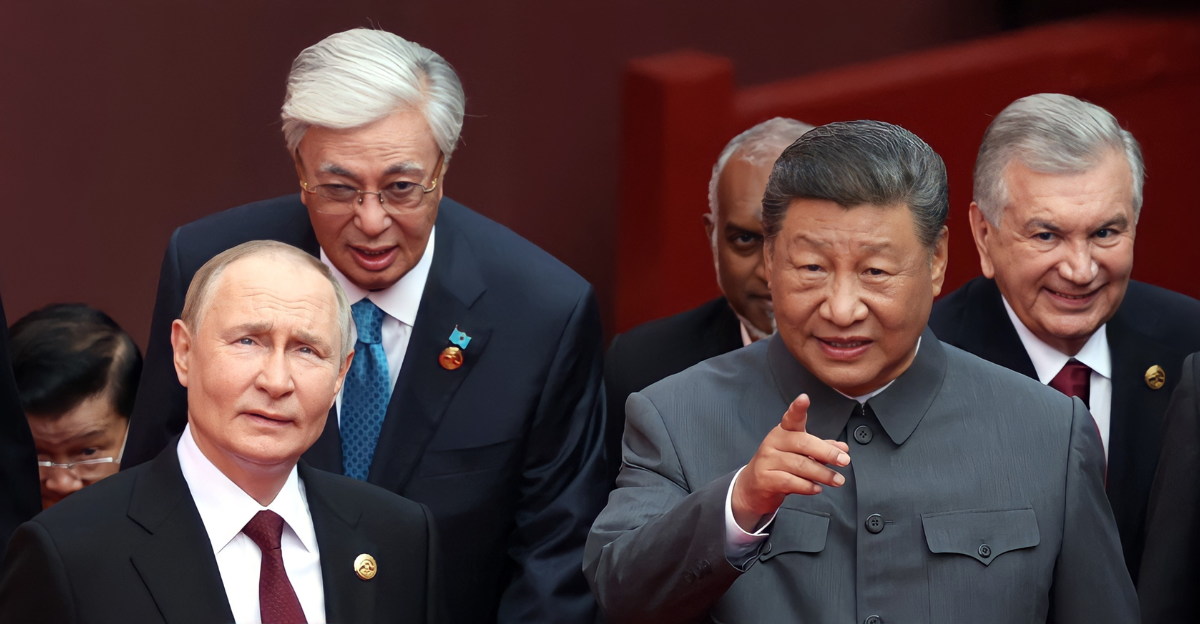
Beijing’s defense of the October 19 flare deployment close to the P-8A Poseidon as “lawful defense” is based on a convoluted web of legal interpretations, historical claims, changing military doctrines, and psychological tactics. Understanding Beijing’s story reveals a deliberate attempt to assert sovereignty, influence public opinion, and discourage foreign intrusion in sensitive areas, despite Western viewpoints that emphasize freedom of navigation and characterize China’s actions as aggressive.
The incident reflects broader global trends of psych-strategic brinkmanship in contested geopolitics, growing digital propaganda, and challenging international order. Understanding these layers is crucial for navigating paths toward stability in a highly unstable region as well as for respecting China’s position.