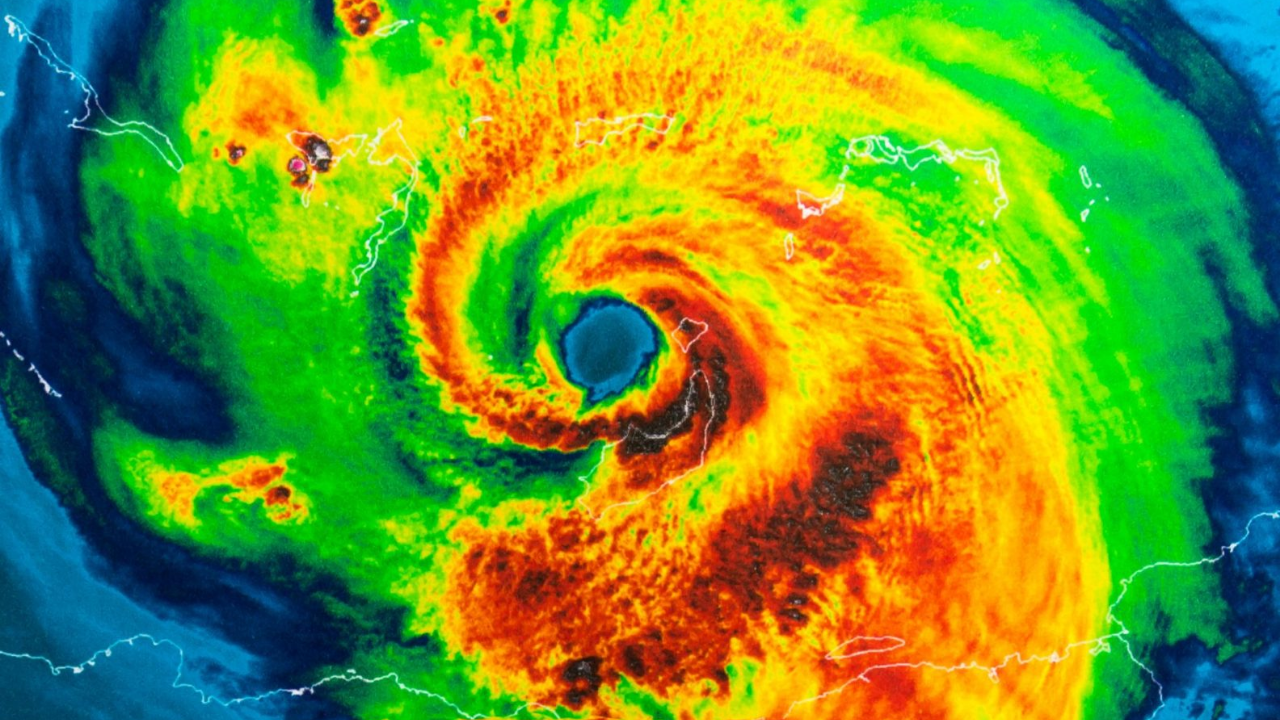
Tropical Storm Melissa has emerged as a formidable weather event, forming in the Caribbean and garnering significant attention from meteorologists and emergency services. As the storm progresses, it has been designated a Category 1 hurricane, indicating serious potential for damage and disruption.
The U.S. Air Force’s WC-130J Hurricane Hunters are critical in assessing the storm’s status, utilizing advanced reconnaissance to provide up-to-date and accurate information. This article focuses on the Hurricane Hunters’ mission to investigate Melissa, enhancing our understanding of its impacts and forecast trajectory as it moves closer to populated regions.
The Role of WC-130J Hurricane Hunters
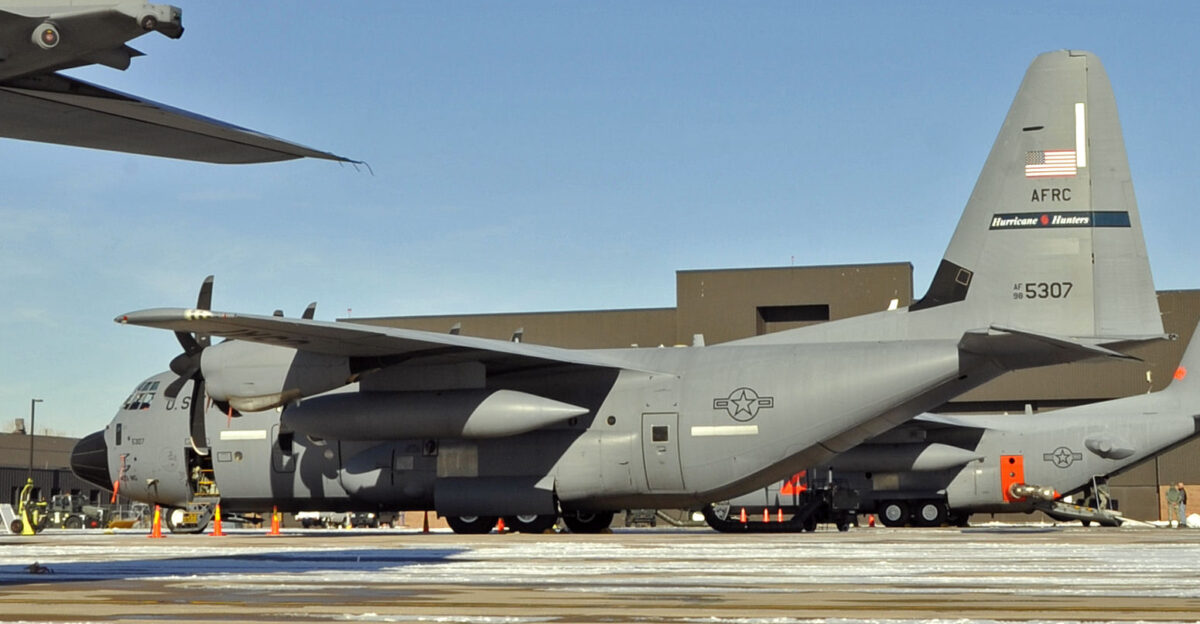
The WC-130J Hurricane Hunters play an essential role in hurricane reconnaissance. Operated by the U.S. Air Force’s 53rd Weather Reconnaissance Squadron, these aircraft are equipped with advanced technology to collect vital atmospheric data.
The WC-130J is designed to fly directly into the storm’s eye, gathering information on wind speed, temperature, and humidity. This crucial data informs the National Hurricane Center’s forecasting models, helping to predict the storm’s path and intensity. As Tropical Storm Melissa develops, the Hurricane Hunters’ missions become critical to understanding the storm’s dynamics and potential impact on coastal communities.
Hurricane Melissa’s Development
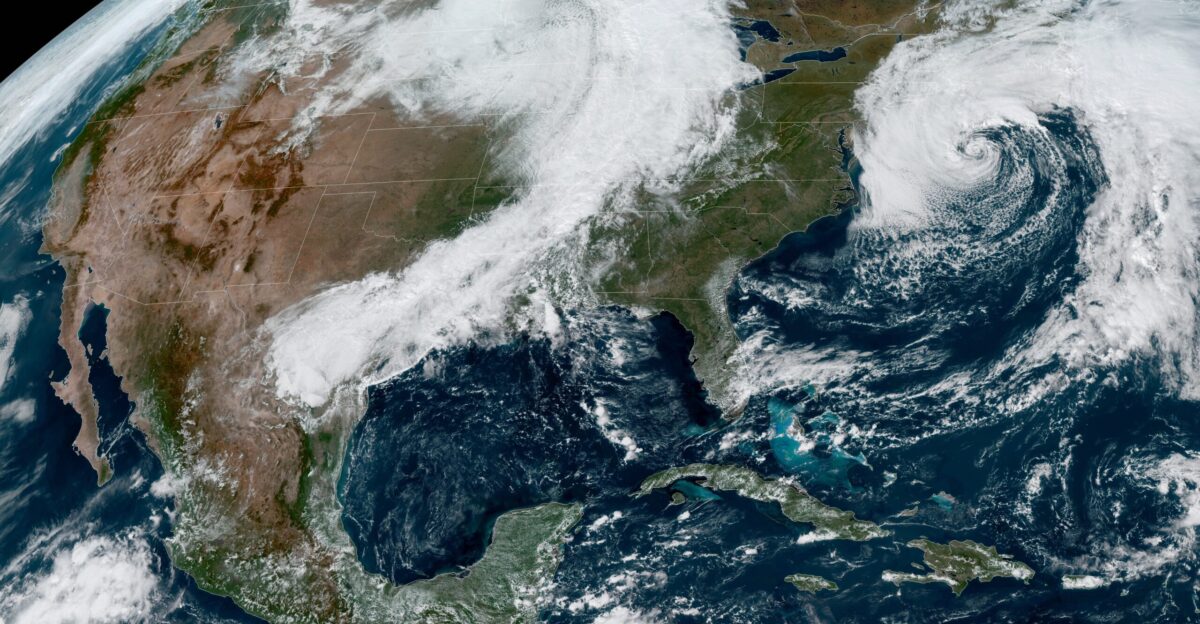
Tropical Storm Melissa formed in the Caribbean on October 19, 2025. Meteorologists noted its rapid intensification, leading to concerns about potential impacts on areas along its projected path. The National Hurricane Center closely monitors such storms, issuing advisories to ensure public safety.
Melissa’s formation highlights the importance of timely reconnaissance to facilitate accurate forecasting. As the storm prepares to strengthen into a Category 1 hurricane by Saturday, timely data from the Hurricane Hunters will be crucial in understanding the storm’s evolution and providing guidance for evacuation and safety measures.
The Mission of the Hurricane Hunters
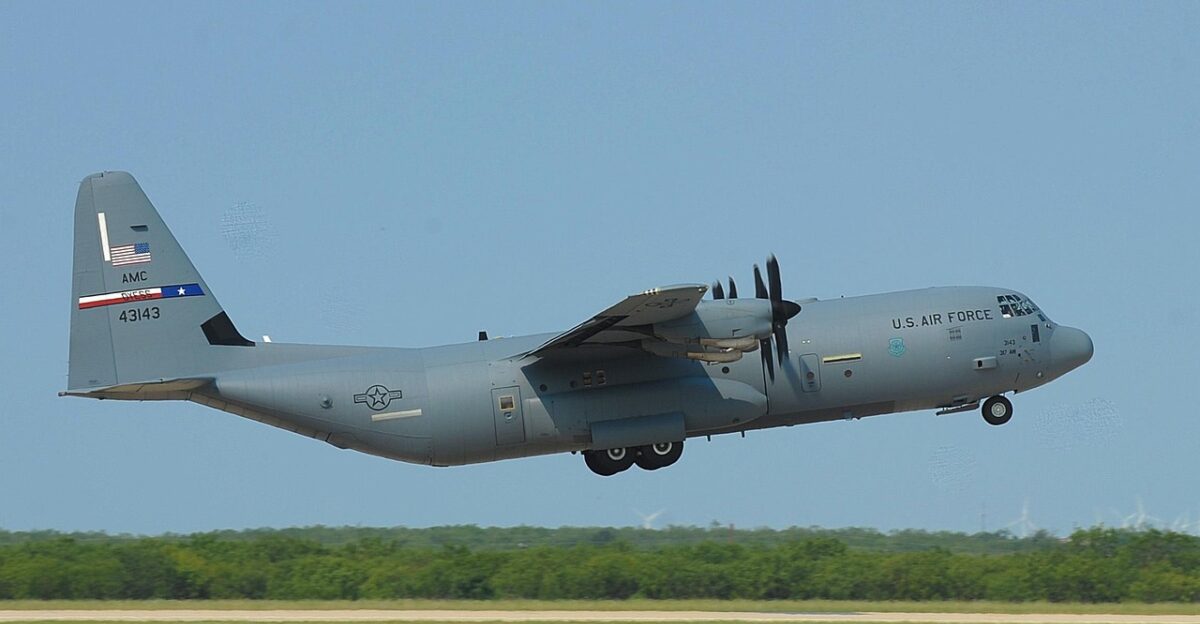
The mission of the Hurricane Hunters is to conduct weather reconnaissance missions, gathering critical data on hurricanes and tropical storms. This information is vital for keeping communities informed about potential threats. Equipped with specialized instruments, the WC-130Js fly through rough weather, often facing challenging conditions.
“Every flight is different, but our goal remains the same—keeping people safe by providing accurate forecasts,” said Captain Jennifer Lee of the 53rd Weather Reconnaissance Squadron. These missions are not just flights; they are essential to national safety and disaster preparedness strategies during hurricane season.
Confirmed Category 1 Status

As of Saturday, Tropical Storm Melissa has officially intensified into a Category 1 hurricane. This classification carries significant implications for coastal regions, particularly in terms of preparation and response. A Category 1 hurricane features sustained winds between 74 and 95 mph, capable of causing property damage and flooding.
The National Hurricane Center has issued warnings for areas potentially impacted by Melissa, urging residents to stay informed. The timely reconnaissance from the Hurricane Hunters has provided crucial insight into the storm’s status, enabling officials to prepare for potential impacts on affected communities.
Meteorological Data Collection
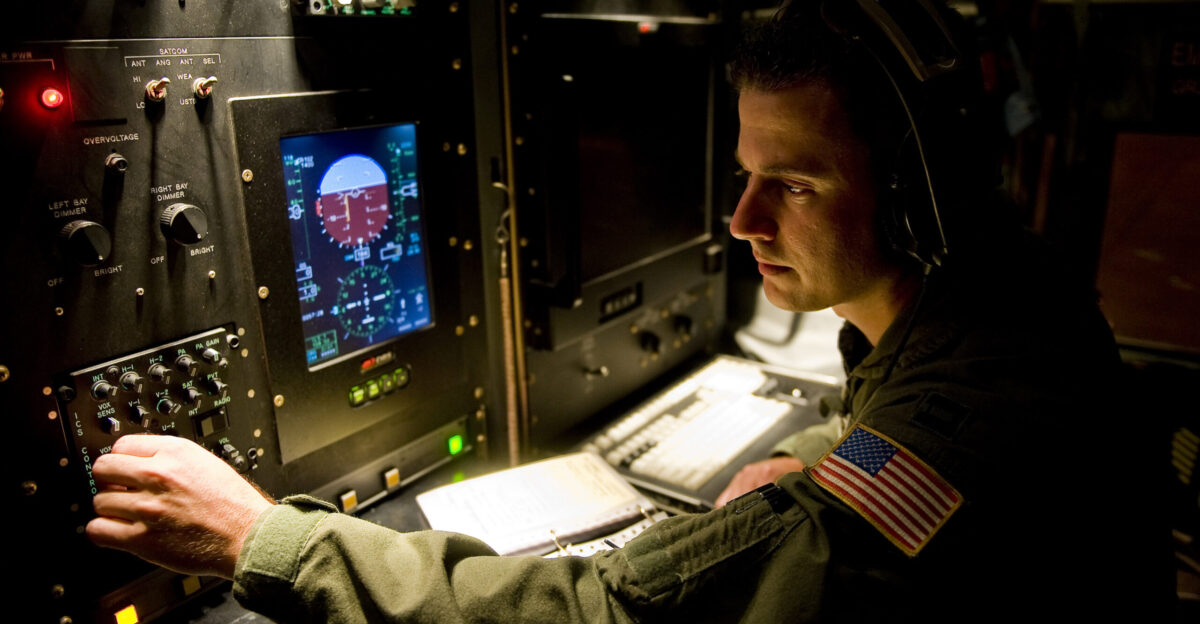
The meteorological data collected by WC-130J Hurricane Hunters includes key metrics about the storm, such as wind speeds, pressure readings, and temperature profiles. This data is crucial for improving the accuracy of hurricane forecasting models.
According to Dr. Sarah Collins, a meteorologist at the National Hurricane Center, “Accurate data is the backbone of effective hurricane forecasting.” The Hurricane Hunters’ flights contribute to a better understanding of current storm conditions, which can change rapidly. This information not only aids in preparatory measures but also enhances scientific knowledge about hurricane behavior.
Community Impact and Preparedness
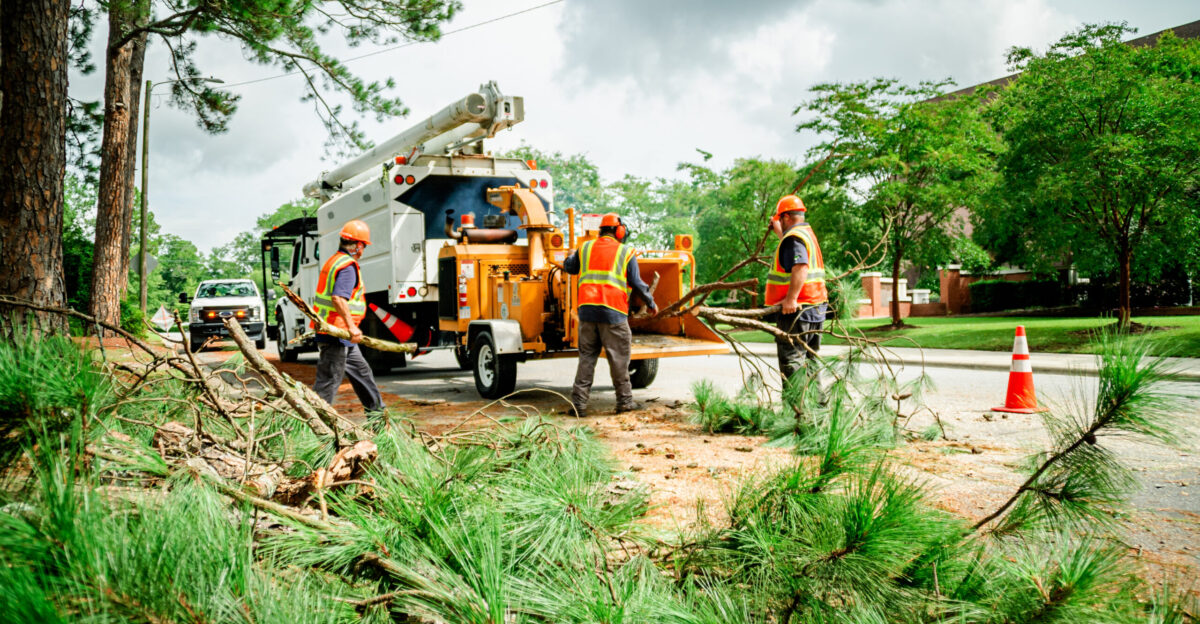
The residents of coastal communities are often the most directly impacted by hurricanes. As Melissa approaches, emergency management agencies are ramping up preparations. Local governments have begun implementing evacuation plans, ensuring that citizens are informed about the storm’s projected path and potential threats.
“We’re taking this storm seriously and urging everyone to stay vigilant,” remarked Mayor Andrew Thomas of a coastal town in the storm’s path. Community preparedness is essential, as timely action can save lives during severe weather events like Hurricane Melissa.
Engagement from Local Population
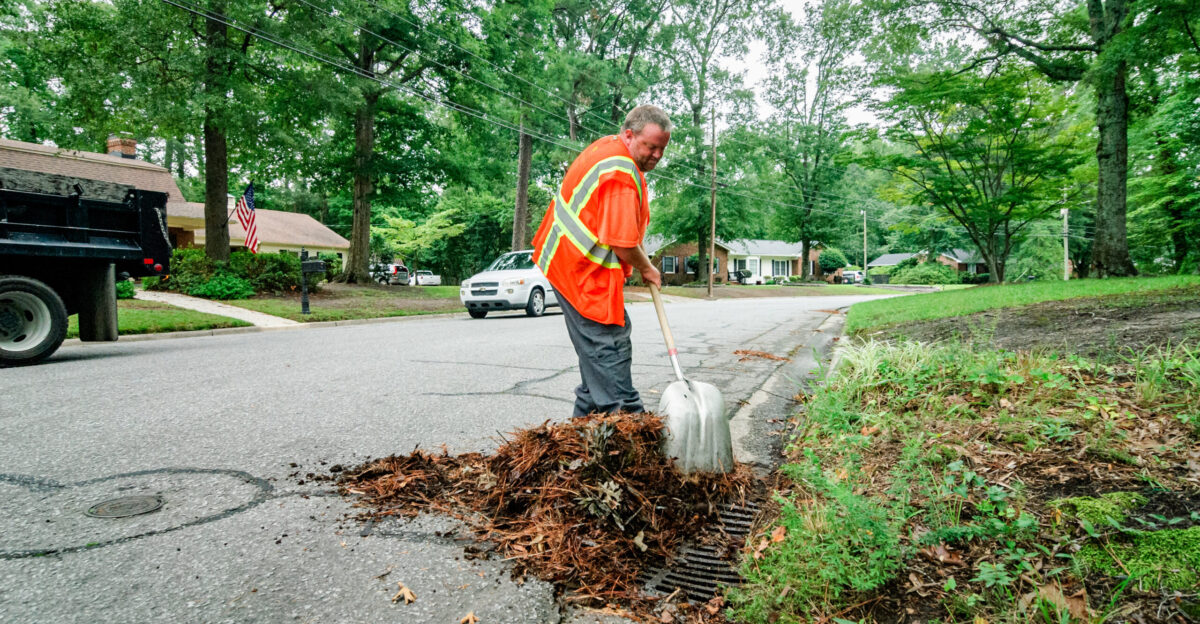
The local population’s response to Tropical Storm Melissa demonstrates the community’s resilience and willingness to adapt. Citizens are engaging in efforts to prepare their homes and businesses for potential impacts. From securing outdoor items to stocking up on essential supplies, residents are taking proactive measures.
“We’ve seen storms before, but that doesn’t mean we can afford to be complacent,” said local shop owner Maria Gonzalez. The sense of urgency among citizens stems from the understanding that even a Category 1 hurricane can disrupt daily life significantly, making preparedness essential.
The Importance of Accurate Forecasting
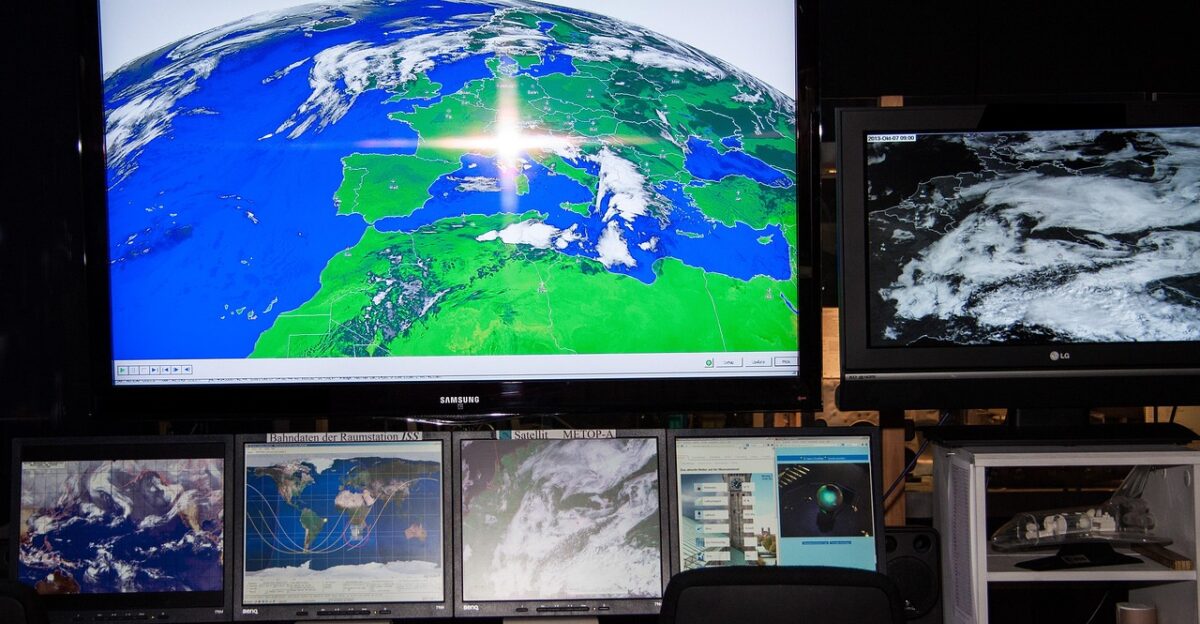
Accurate forecasting is vital for safety during hurricane season. The advances in meteorological technology have improved the ability to predict storm paths and intensities. The data provided by the Hurricane Hunters directly influences public safety recommendations.
“Knowing where a storm is headed in advance allows us to save lives,” explains Mike Reynolds, a senior meteorologist at NOAA. This emphasis on precision forecasting is particularly relevant during events like Melissa. Effective communication from weather agencies helps ensure that residents are well-informed and can take necessary precautions as the situation evolves.
Future of Hurricane Reconnaissance

The future of hurricane reconnaissance is evolving, with advancements in technology expected to enhance the capabilities of aircraft like the WC-130J. Incorporating more refined instruments and real-time data transmission can improve the quality and immediacy of the information collected.
“As we continue to innovate, our goal remains the same: to protect lives through high-quality reconnaissance,” stated Lt. Colonel Brian Smith of the 53rd Weather Reconnaissance Squadron. Investing in these capabilities will be crucial in addressing the challenges posed by increasingly severe weather patterns linked to climate change.
Historical Context of Hurricane Hunters
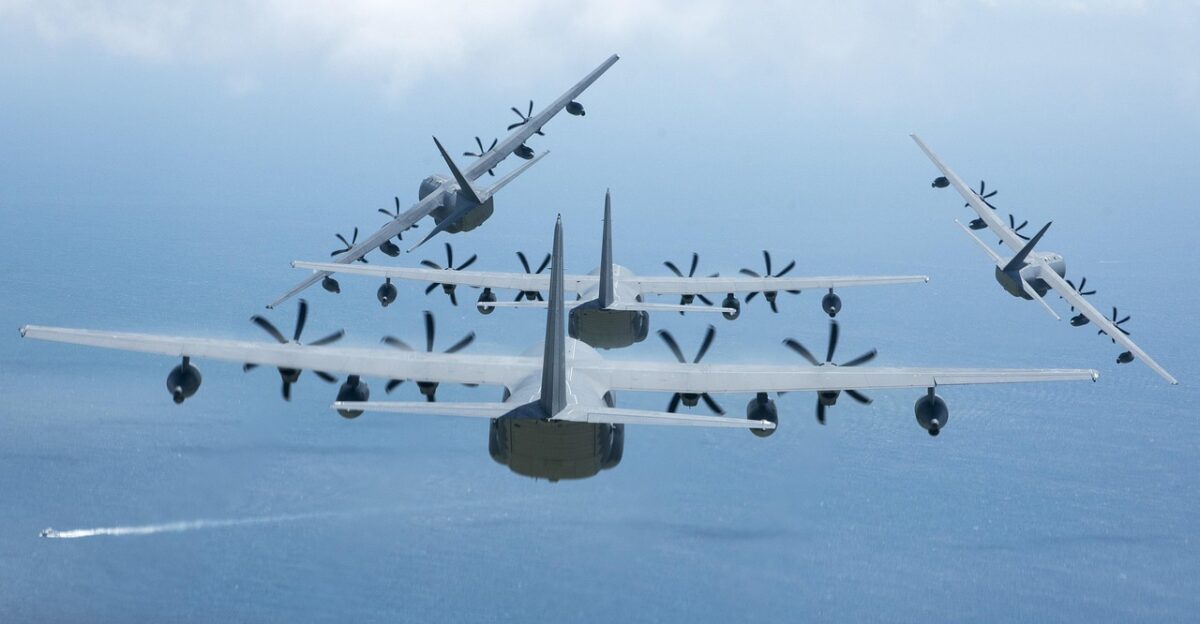
The 53rd Weather Reconnaissance Squadron has a storied history dating back to World War II. Initially tasked with various missions, it later gained prominence for hurricane reconnaissance. This historical context lends credibility to the ongoing efforts of the Hurricane Hunters, emphasizing their integral role in meteorological monitoring.
Over the decades, the squadron has adapted to advances in technology, continually enhancing its data collection methods. The commitment to safeguarding communities has remained steadfast, underscoring the significance of the Hurricane Hunters in responding to evolving climate challenges.
Challenges Faced by the Hurricane Hunters
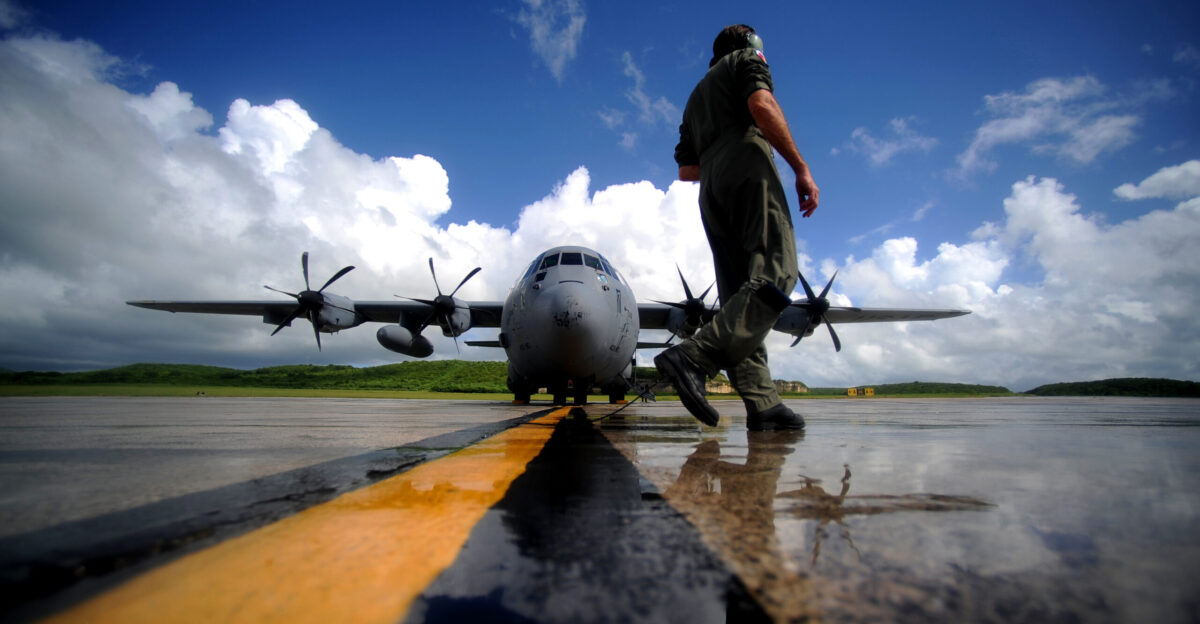
Despite their critical role, Hurricane Hunters face considerable challenges when conducting reconnaissance missions. Adverse weather conditions can pose risks during flights, requiring highly skilled pilots and crews. Furthermore, the rapidly changing nature of storms like Melissa means that data must be collected promptly and accurately.
“Flying into a hurricane requires unwavering focus and teamwork,” noted Major Sarah Thompson, a pilot with the Hurricane Hunters. The dedication of these individuals contributes significantly to improving storm forecasting and safety measures for communities in the storm’s path.
Collaboration with Other Agencies
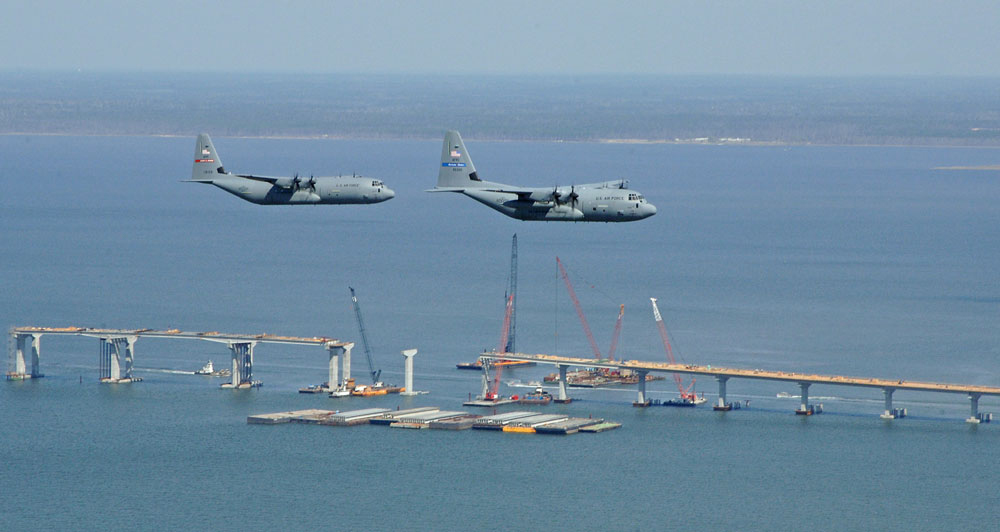
The efforts of the WC-130J Hurricane Hunters are complemented by collaboration with other agencies, including NOAA and the National Hurricane Center. This partnership ensures cohesive data analysis and effective communication of storm updates to the public. Collaborative exercises and training enhance coordination, enabling rapid response during hurricane events.
“Working together improves our ability to serve the public,” stated Dan Kelly, a liaison officer at NOAA. The synergy among various agencies enhances national preparedness and response efforts, ultimately minimizing the impact of hurricanes like Melissa on affected populations.
Outlook for Tropical Storm Melissa

As Tropical Storm Melissa continues to develop, scientists and emergency managers will monitor its progress closely. The storm’s trajectory remains uncertain, but ongoing reconnaissance missions are providing critical updates on its status.
Residents in potentially affected areas are encouraged to heed advisories issued by local authorities. Maintaining preparedness remains vital to mitigate any possible impacts. With accurate forecasting and efficient community efforts, the consequences of Melissa can be minimized, ensuring the safety of those in its path.
The Front of Efforts
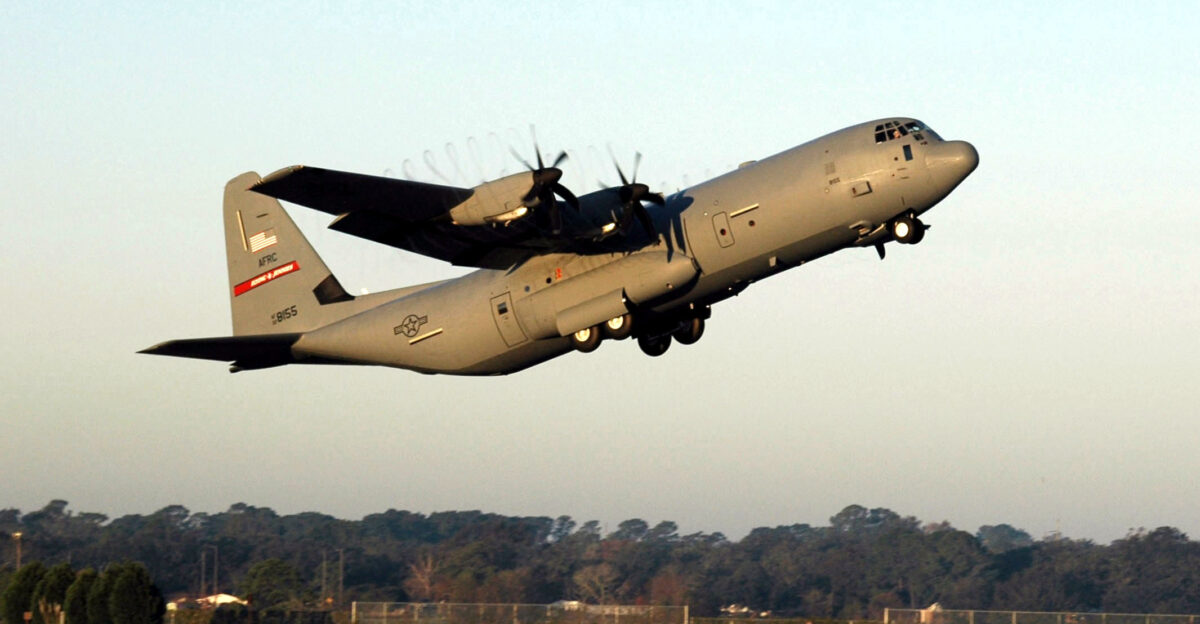
In conclusion, the WC-130J Hurricane Hunters are at the forefront of efforts to understand and address the impacts of Tropical Storm Melissa. Their reconnaissance missions provide vital data that influences forecasts and safety protocols. As Melissa approaches land, the entire nation remains alert, thanks to the combined efforts of meteorologists, local officials, and engaged communities.
The resilience of people facing the storm, bolstered by accurate information, will ultimately shape the response to Melissa. The commitment of all involved illustrates the collective responsibility in dealing with the challenges posed by hurricanes.