
Bremen startup POLARIS recently made huge aerospace headlines by managing to fire the world’s first aerospike engine during flight.
According to Aerospace Testing International, this October 2024 achievement has solved decades-old engineering complexities that prevented aerospike commercialization. The German company now leads global development of reusable spaceplane technology.
Investment Surge
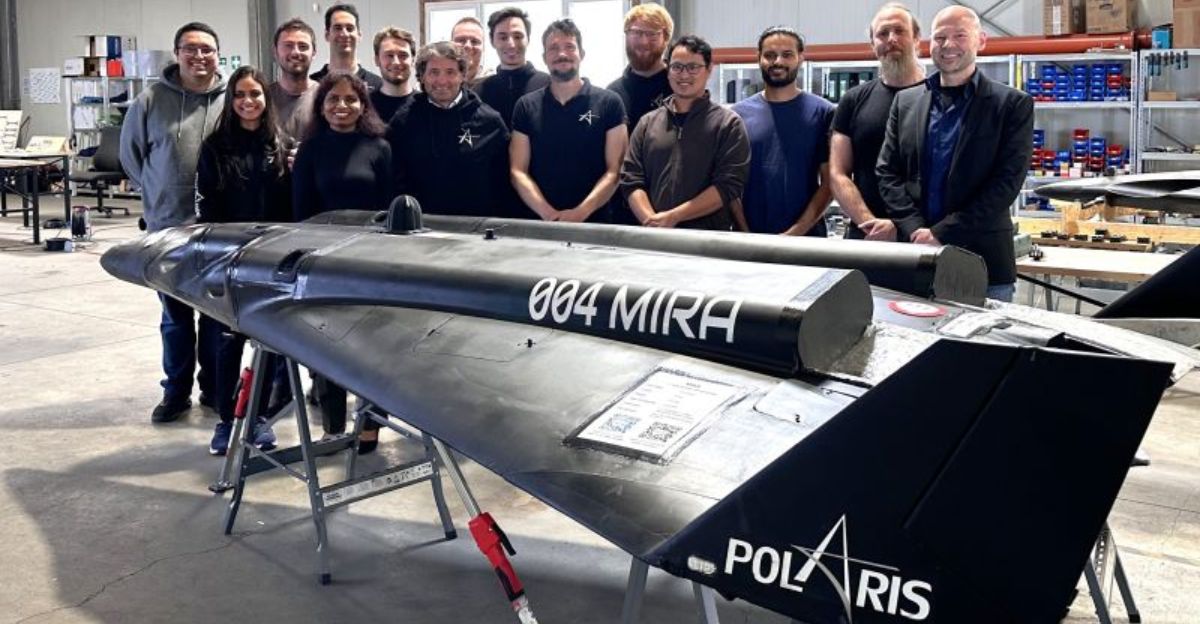
German aerospace companies are seeing record funding highs, with the sector estimated to reach nearly $29 billion in the next four years.
According to Composites World, POLARIS secured €7.1 million from investor Klaus Dienes in its largest single investment to date. Rival company Isar Aerospace raised €150 million in June 2025.
Historical Roots
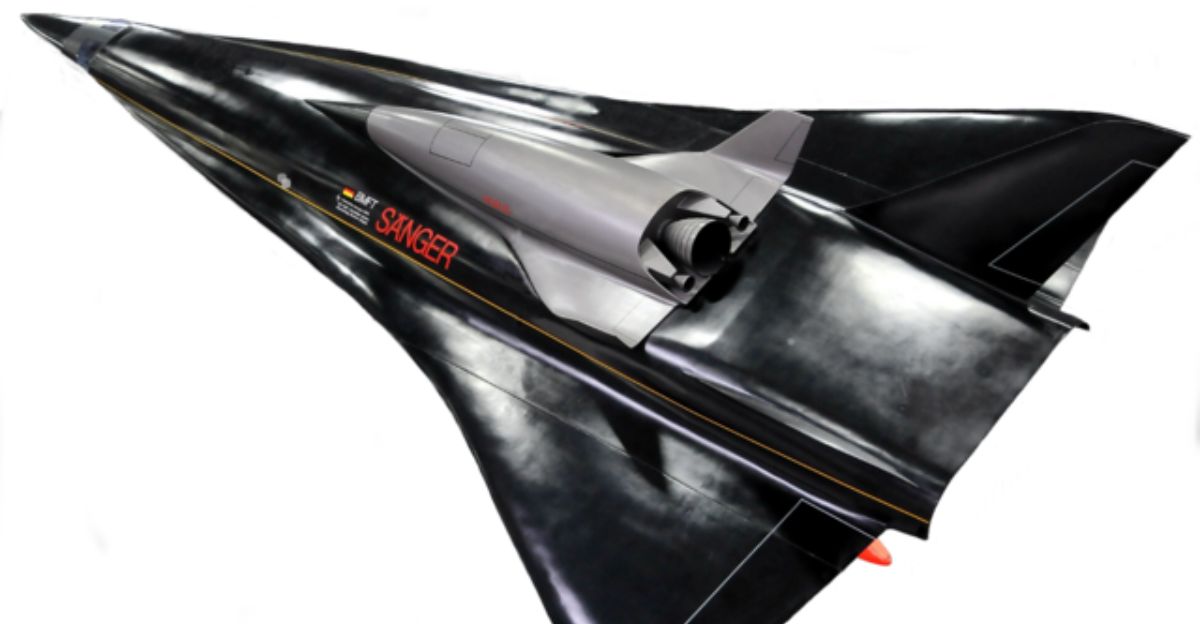
Germany has a long history of dabbling with hypersonic aircraft that dates back to Eugen Sänger’s 1940s designs. Over forty years later, the German Aerospace Center developed the Sänger II concept through the 1980s before canceling it in 1994 due to costs.
WFB Bremen reports that POLARIS emerged as a DLR spin-off company in 2019, reviving Germany’s spaceplane dreams.
Growing Threats
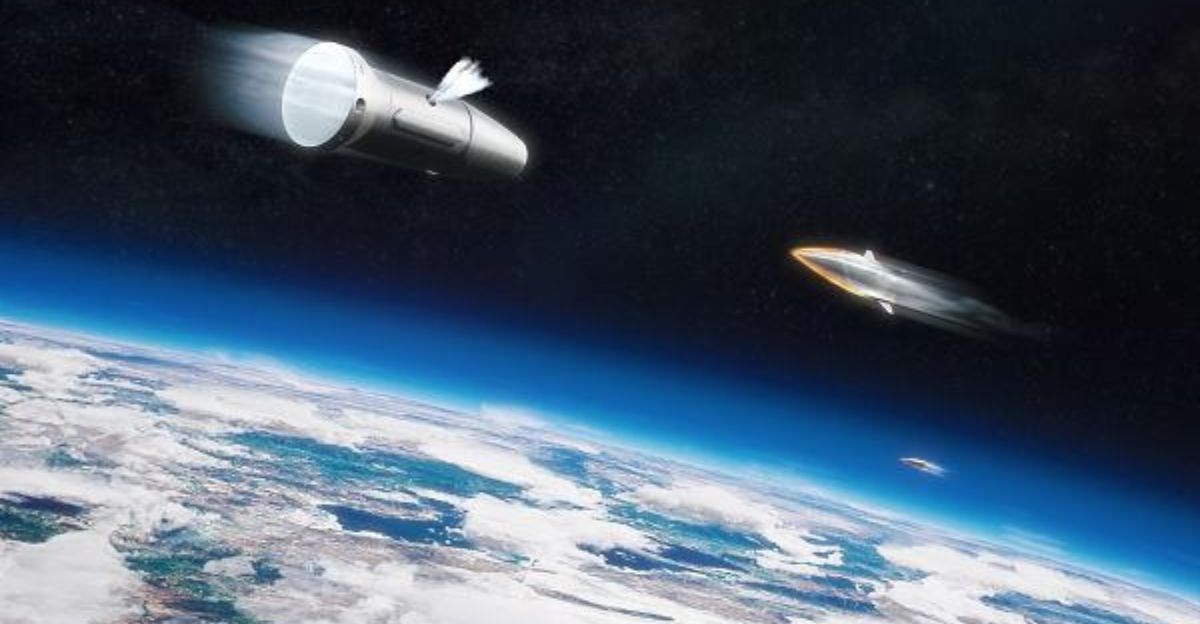
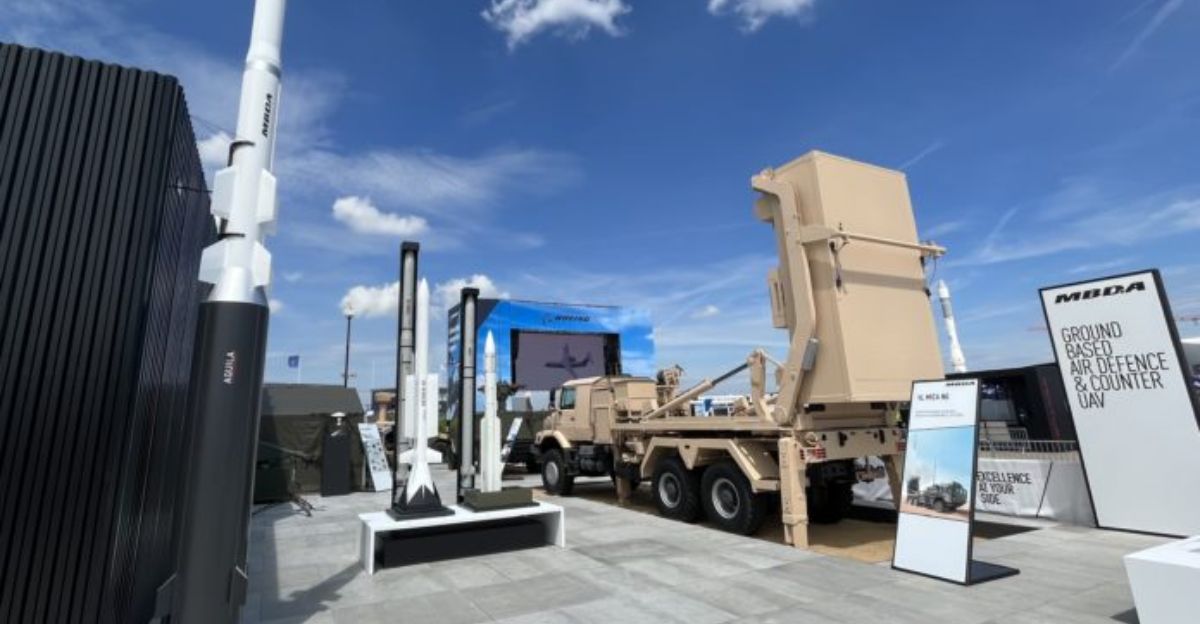
European defense officials have recognized the need for hypersonic countermeasures to compete with and deal with Russian and Chinese equipment.
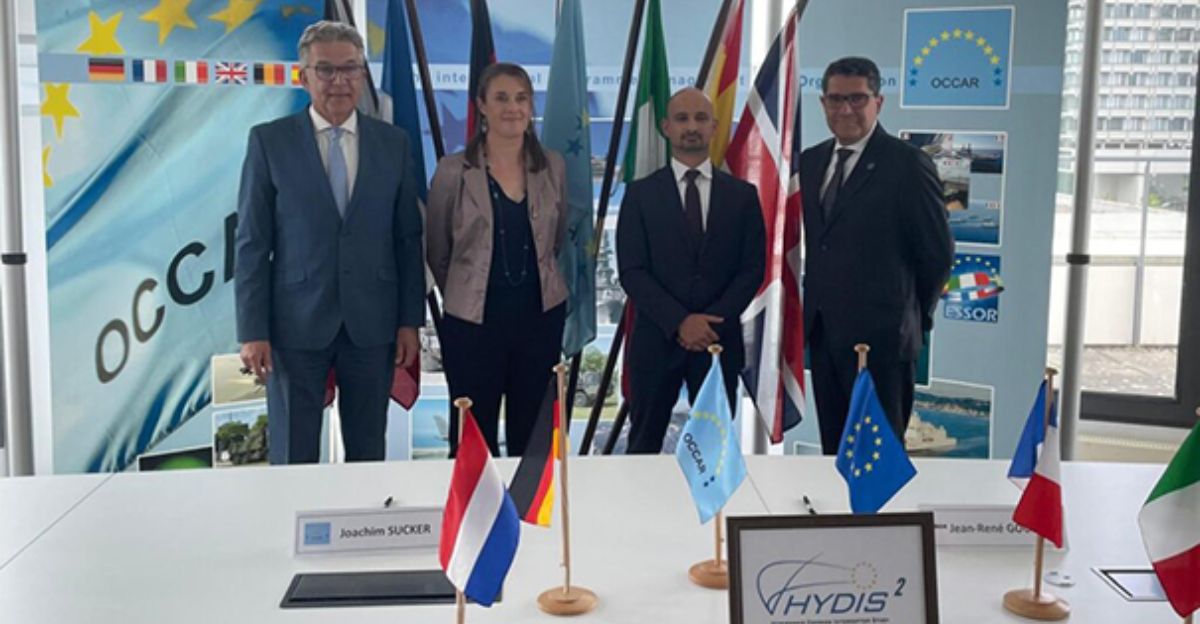
According to Army Recognition, the EU launched an €80 million HYDIS program in 2023 to develop interceptor systems. NATO allies increasingly demand stronger European defense contributions amid regional security concerns.
Secret Contract
In February 2025, POLARIS won a classified government contract to build a hypersonic vehicle for research purposes.
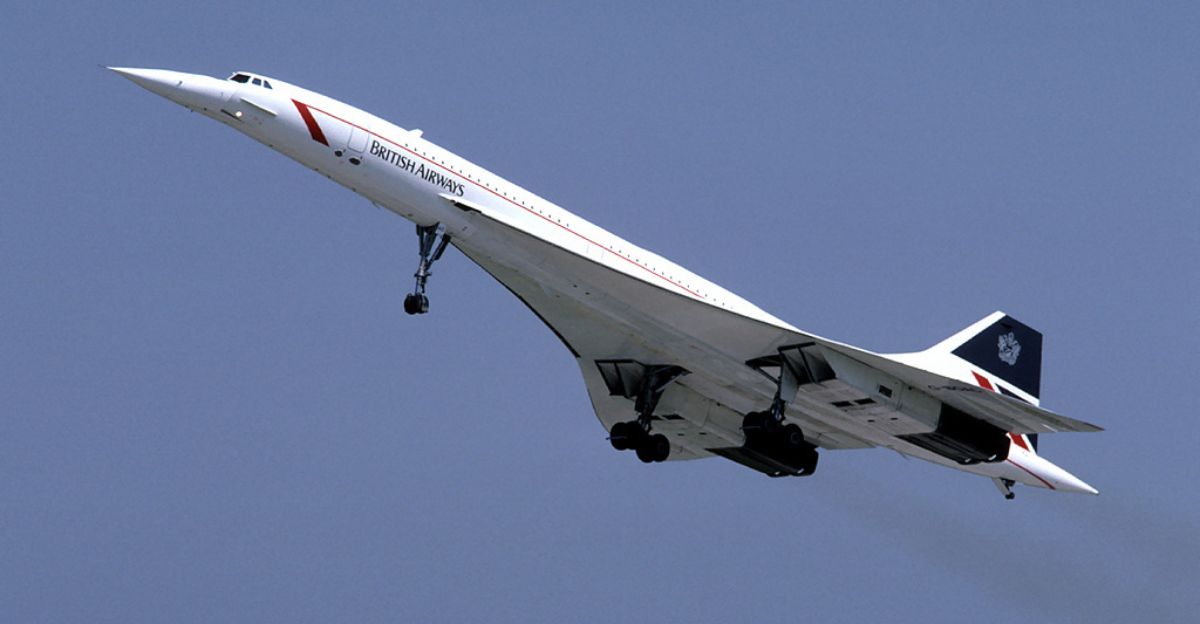
TNW reports that the details include the 28-meter spaceplane carrying 1,000kg payloads to orbit and serving as a testbed for defense applications. The project targets completion by 2028 and horizontal takeoff capabilities from regular airports.
European Leadership
POLARIS Managing Director Alexander Kopp told WFB Bremen the company plans to make space vehicles reusable up to 200 times.
He explained that spaceplanes can take off from standard airports, meaning “we can operate world-wide.” The project positions Germany as Europe’s leader in hypersonic technology development alongside broader European defense initiatives.
Team Vision

The motto above POLARIS headquarters in Bremen reads, “The Sky is not the Limit. Beyond the Universe is.” CEO Alexander Kopp leads a growing team that he plans to expand from 20 to 35 employees.
He told WFB Bremen that even the larger workforce “still won’t be enough” for the company’s ambitious goals.
Weapons Partnership
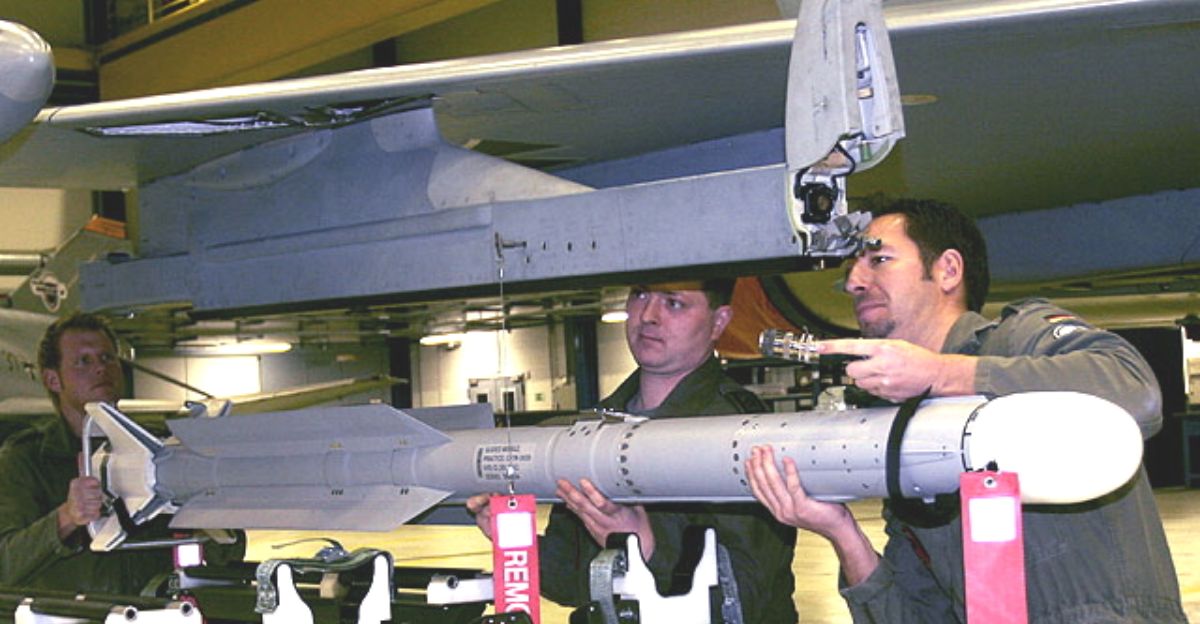
June 2025 saw Diehl Defence, a major defense contractor, partner with POLARIS to manufacture missile-armed unmanned platforms.
According to Defence Blog, CEO Helmut Rauch and Dr. Alexander Kopp signed agreements to integrate IRIS-T air-to-air missiles onto POLARIS vehicles. The “AirLAS” system creates mobile missile platforms using a German spaceplane.
Technical Revolution
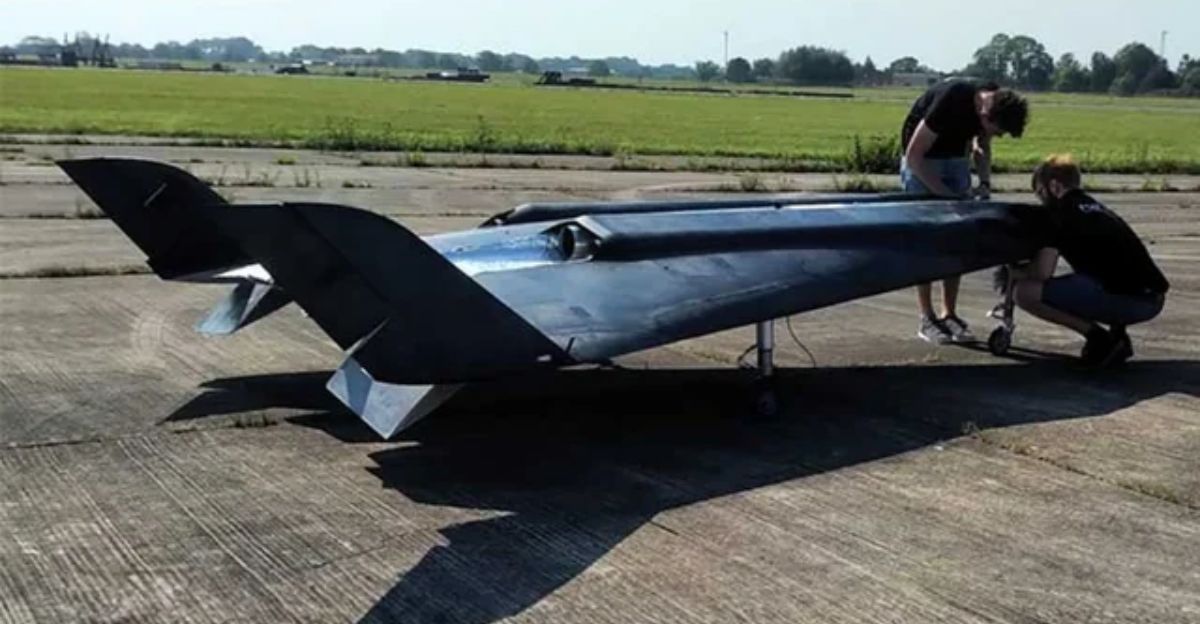
Linear aerospike engines offer superior efficiency across all altitudes compared to traditional rocket nozzles. POLARIS achieved the first successful in-flight aerospike ignition in October 2024 during MIRA II testing, according to Aerospace Testing International.
This breakthrough overcomes cooling and manufacturing challenges that prevented aerospike adoption for six decades.
Funding Success
By August 2025, POLARIS had reached €7.1 million in private funding, securing its largest investment from businessman Klaus Dienes. According to Composites World, this brings total private funding to €12.4 million alongside €10 million in customer contracts.
The funding enables development of supersonic prototype “Nova” scheduled for 2025 testing.
Testing Setbacks
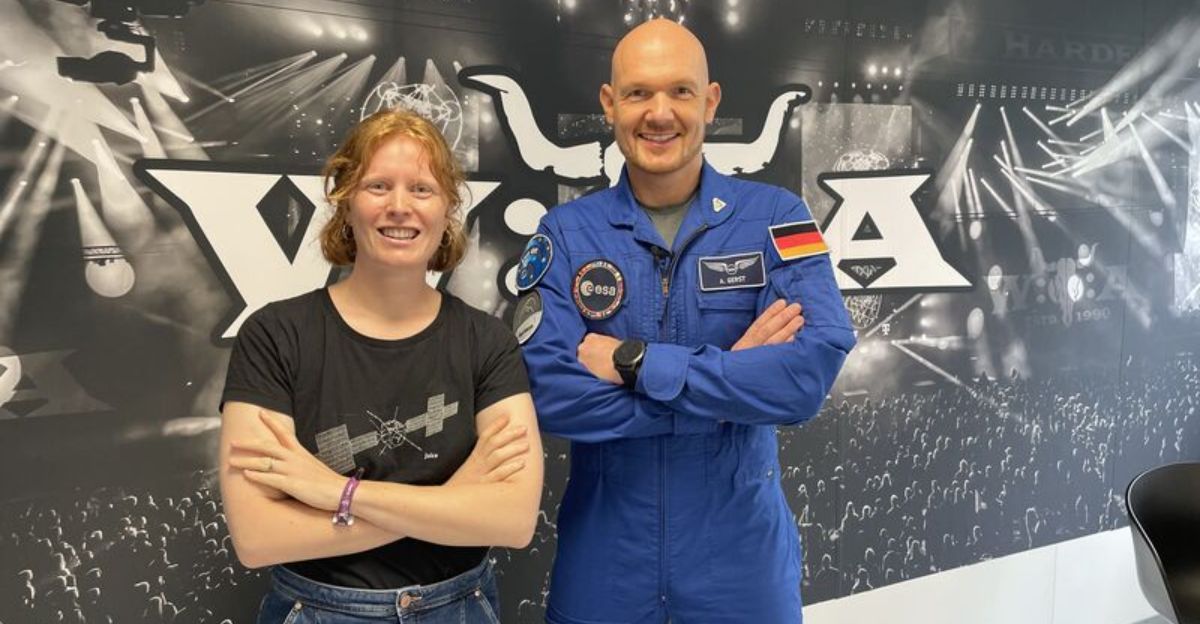
POLARIS experienced early failures when its MIRA demonstrator came off the runway and landed in grass during February 2024 testing.
CEO Alexander Kopp told WFB Bremen, “We really don’t think that was critical” and emphasized “You have to test, test and test again. This is the only way to develop a better understanding of the system.”
Strategic Backing
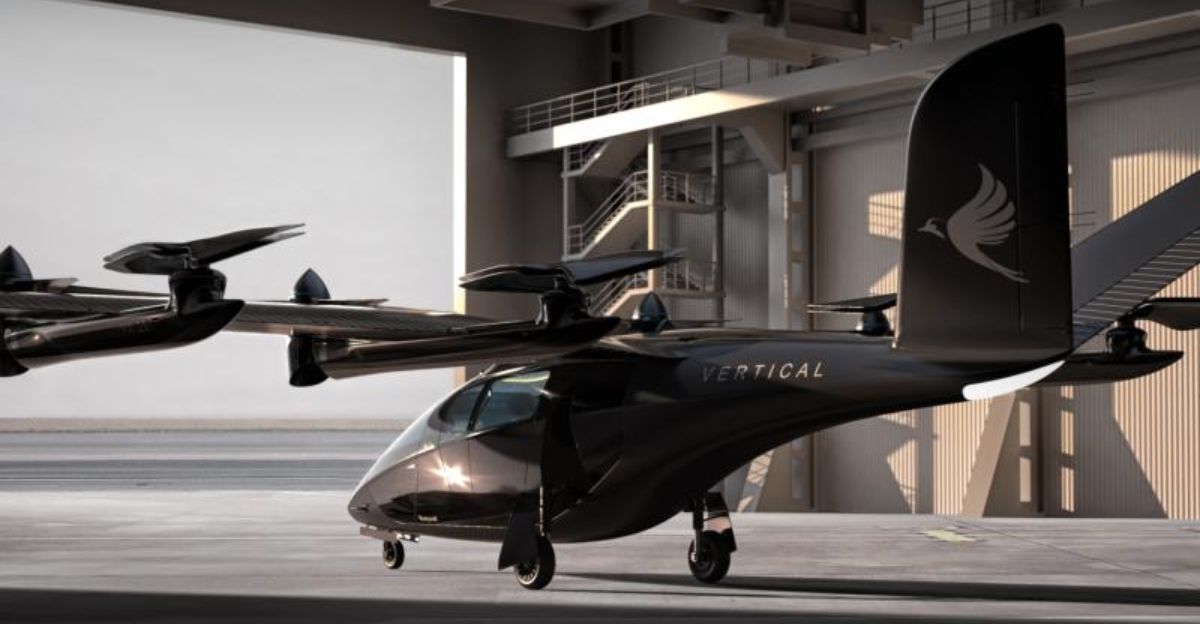
According to European Spaceflight, the Swiss investment group Aero Challenge Group provides multi-million euro funding through strategic partnerships. POLARIS collaborates with HDI Global to provide specialized aerospace insurance coverage during testing phases.
Existing investors include Bremen investment companies and private individuals supporting the venture.
Development Plan
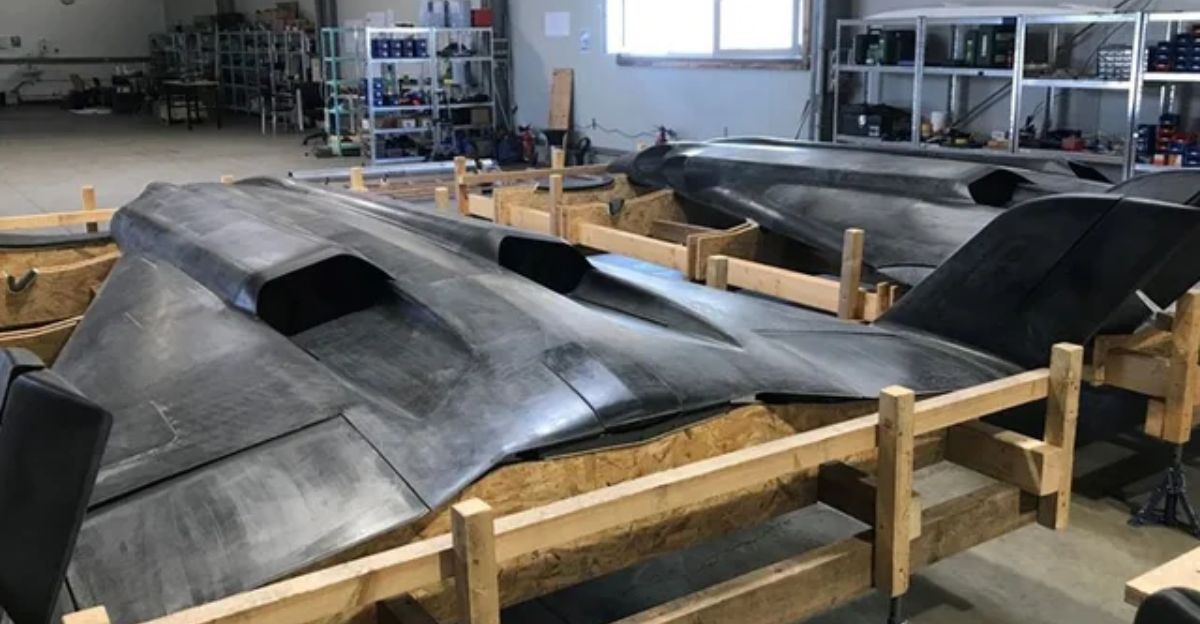
POLARIS plans to scale progressively from 5-meter MIRA demonstrators to 8-meter Nova supersonic vehicles by 2025. According to European Spaceflight, the company established automated production facilities near Bremen for manufacturing capabilities.
Flight testing occurs at Peenemünde Airport under restricted German airspace authorizations.
Expert Views
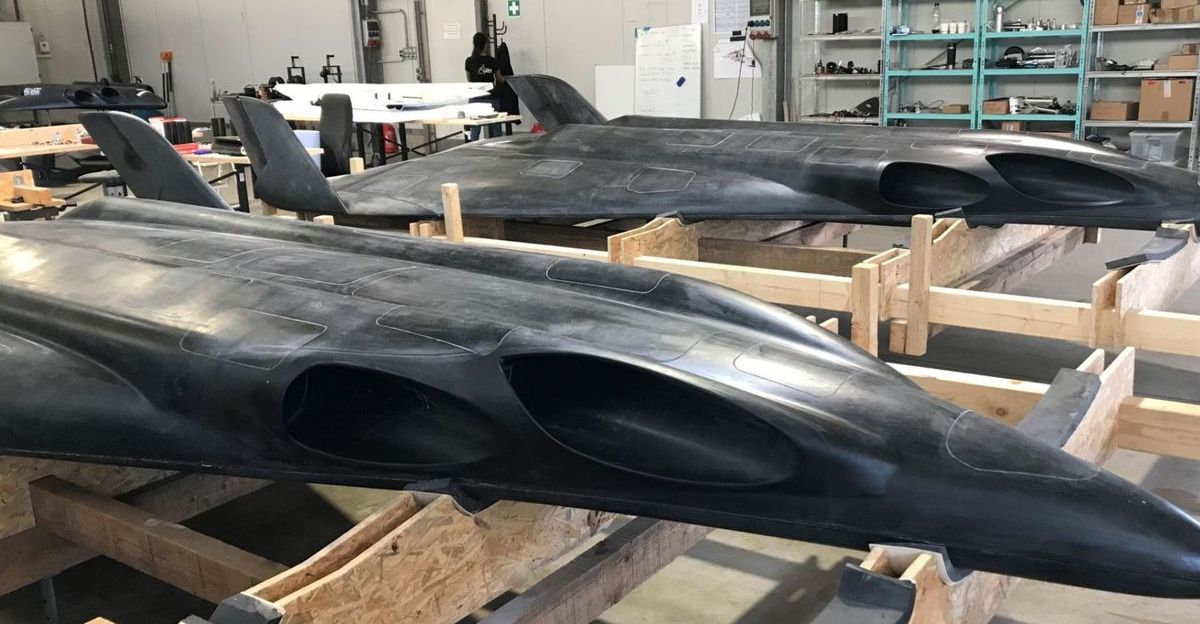
Industry analysts predict German spaceplane technology could revolutionize satellite deployment within five years. According to Sustainability Times, the system offers advantages over traditional vertical launch methods.
Defense experts caution that operational deployment requires extensive validation and regulatory approval processes before military applications.
Strategic Questions
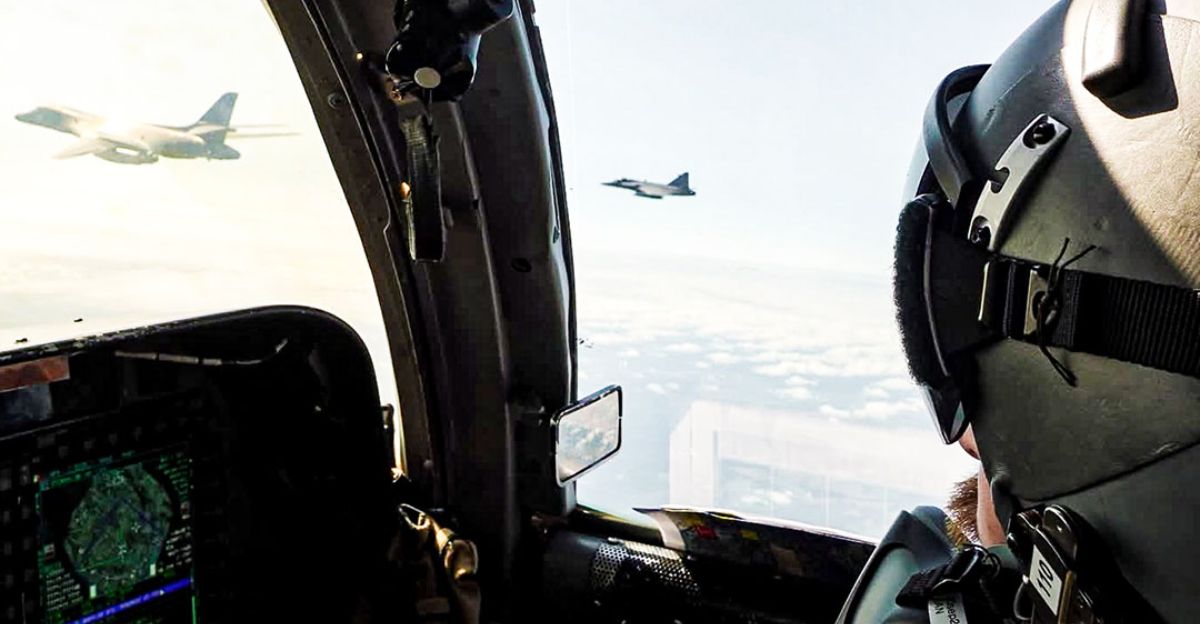
The POLARIS spaceplane represents Germany’s pursuit of strategic autonomy in aerospace and defense capabilities. Success could position Europe as a major player in commercial spaceflight and hypersonic technology development.
According to HYDIS Programme officials, the project’s military applications may reshape NATO’s defensive capabilities against emerging hypersonic threats.
Political Commitment

German Chancellor Friedrich Merz pledged that “The federal government will provide all the financial resources that the Bundeswehr needs to become the strongest conventional army in Europe,” according to Politico.
His government committed to unprecedented defense spending through constitutional debt-relief reforms. Spaceplane development aligns with EU goals for strategic autonomy in defense sectors.
International Tensions

While specific reactions to POLARIS remain limited, broader German defense initiatives have prompted responses from rivals. According to AP News, Russian President Putin threatened retaliation over German missile deployments in 2024.
Reuters reported that Chinese forces targeted German surveillance aircraft with lasers in July 2025, indicating heightened military tensions.
Legal Requirements

German aerospace regulations require comprehensive third-party liability insurance for all experimental aircraft testing. According to Talanx Group, POLARIS operates under strict airspace restrictions with mandatory safety protocols at Peenemünde.
International export controls will govern any future military applications of the spaceplane technology.
Cultural Change
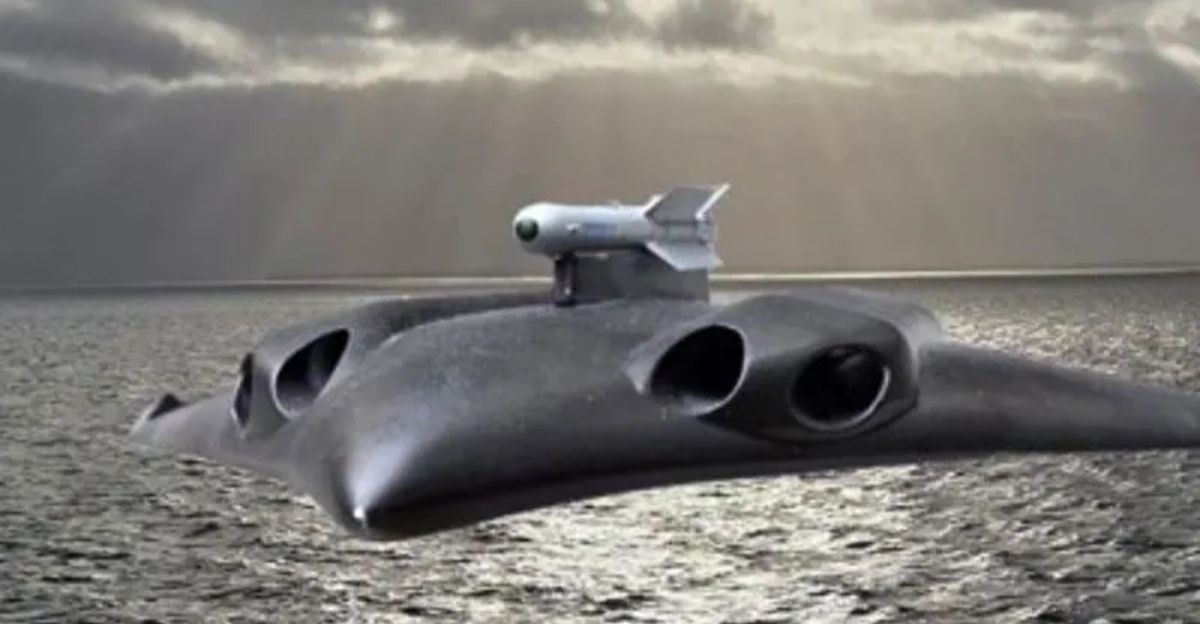
Germany’s return to advanced military technology development marks a significant shift from post-Cold War restraint. According to recent polling, public acceptance of defense innovation has grown amid regional security concerns.
The spaceplane project symbolizes Germany’s emerging role as a European defense technology leader in an uncertain world.
Future Implications
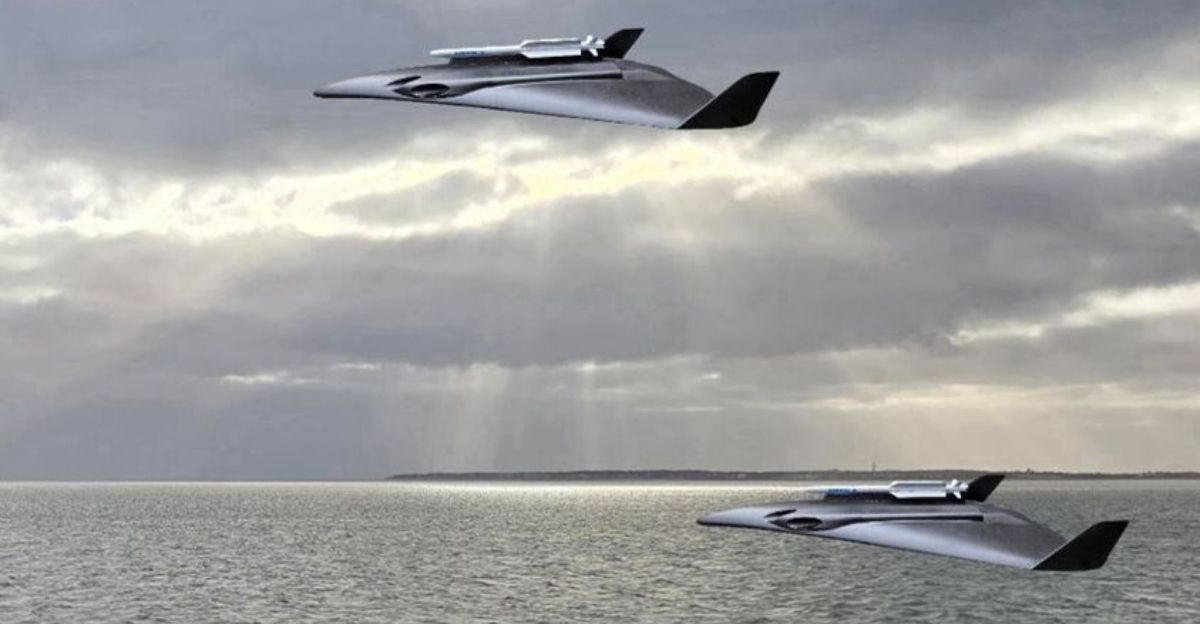
The POLARIS spaceplane represents more than technological advancement—it signals Europe’s determination to compete in the hypersonic age. As Chancellor Merz stated to parliament, “We must unite to ensure that no one would dare to attack us,” according to DW News.
Germany’s aerospace innovation may define continental security as traditional alliances face new challenges.