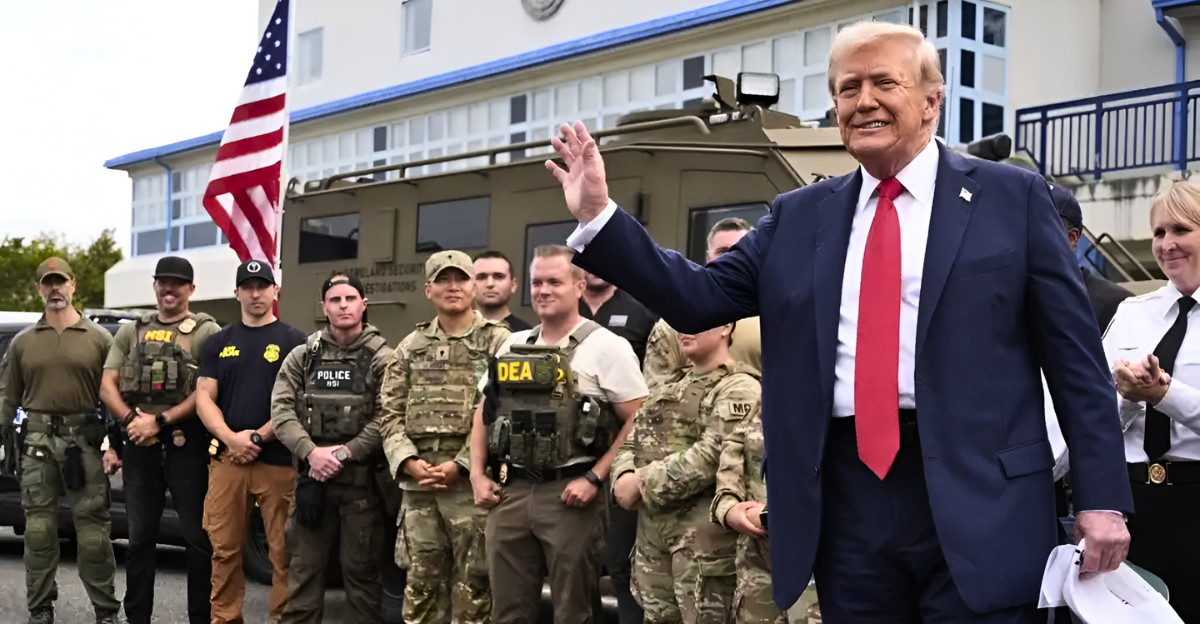
A major legal door has just swung open for the White House. A federal appeals court ruled that President Donald Trump can deploy 200 members of the Oregon National Guard to Portland — even over the objections of state leaders.
The 2–1 decision by the Ninth Circuit Court of Appeals reverses a lower-court block. It gives the administration its most significant win in its push to reassert federal authority over restive cities.
Federal Authority Upheld
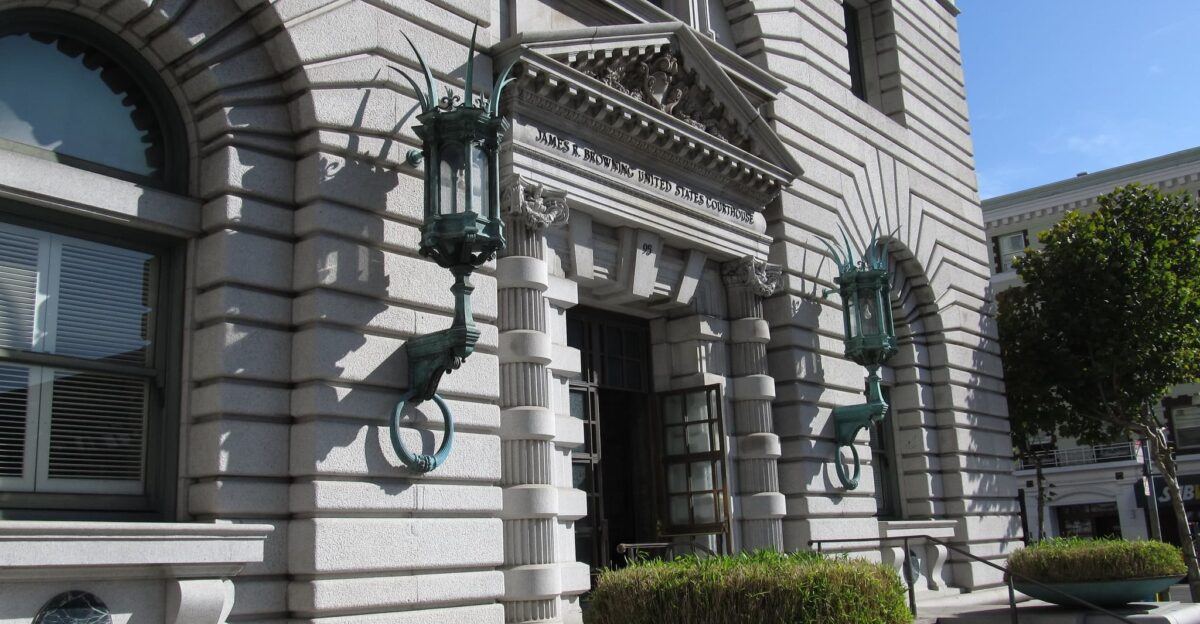
In its majority opinion, the court found that Trump acted within the bounds of federal law, citing statutes that allow a president to federalize the National Guard when local officials can’t maintain order.
The judges pointed to provisions of the U.S. Code that empower the executive branch when states are “unable to execute the laws of the United States.” In short, it was a clear affirmation of federal reach — at least for now.
Remaining Legal Hurdles
Still, one legal barrier remains. A temporary restraining order issued by U.S. District Judge Karin Immergut continues to block any actual deployment. The Justice Department has asked for that order to be lifted “within days,” signaling it’s eager to move forward.
Oregon officials, meanwhile, are preparing to fight back, setting the stage for another round of courtroom sparring before any troops set foot in the city.
Trump’s Broader Mission
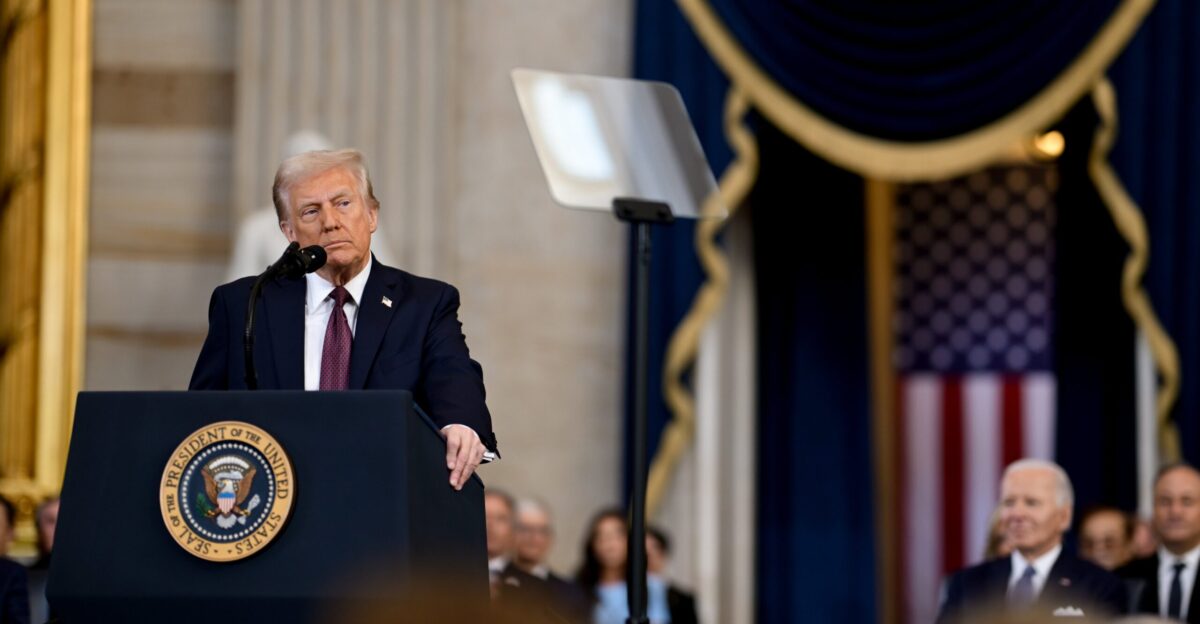
For Trump, Portland has become more than a city — it’s a symbol. He’s repeatedly framed it as ground zero in his campaign against what he calls “domestic terrorism” and local leaders who “refuse to enforce the law.”
In a statement this week, the President said the deployment is part of a larger national plan to restore order in what he views as neglected, liberal-run jurisdictions.
Portland’s Political Backdrop

Few cities in America carry the kind of political baggage Portland does. Once known for coffee shops and calm activism, it’s become shorthand for protest and polarization.
While the nightly demonstrations that once drew hundreds have shrunk to small, quiet gatherings near the local Immigration and Customs Enforcement building, the administration continues to describe the city as “war-ravaged.” Local leaders call that depiction wildly out of touch.
Governor Kotek Responds

Oregon Governor Tina Kotek didn’t hold back. Calling the President’s move “ludicrous,” she told NPR that Portland remains “peaceful, safe, and open for business.”
She pointed out that the Portland Marathon drew thousands of runners and visitors just two weeks ago. “That’s not a war zone,” she said, adding that federal interference would only “manufacture chaos where there is none.”
Portland Mayor Pledges Appeal

Portland’s mayor, Keith Wilson, struck a similar tone — calm but defiant. “Portland stands for democracy and dignity,” he said at a press conference, promising to use “every lawful tool” to block the deployment.
City attorneys have already filed for an appeal, arguing that federal troops would inflame tensions rather than solve them.
The Justice Department’s Rationale

The Justice Department sees things differently. Officials argue that federal property and employees in Portland remain vulnerable. DOJ lawyers told the court that the city has “failed to provide consistent protection” to ICE staff and other federal workers.
The department insists the Guard’s mission is limited to defense, protecting facilities, not patrolling streets.
Dissenting Judge Raises Alarm

Not everyone on the bench agreed. In a sharply worded dissent, Judge Susan Graber warned that the decision “erodes core constitutional principles” and undermines state control of local militias.
She argued that describing Portland as a war zone ignores reality on the ground and risks deterring peaceful protest. Her opinion has already become a rallying point for critics of the decision.
Protests, Satire, and Defiance

On the streets, Portland’s protesters seem unfazed. What gatherings remain often lean toward humor rather than hostility. Activists have appeared dressed as dinosaurs, frogs, and historical figures — a tongue-in-cheek attempt to mock what they see as exaggerated federal claims of chaos.
“It’s our way of showing we’re not afraid,” one protester told Oregon Public Broadcasting.
Trump’s Media Influence
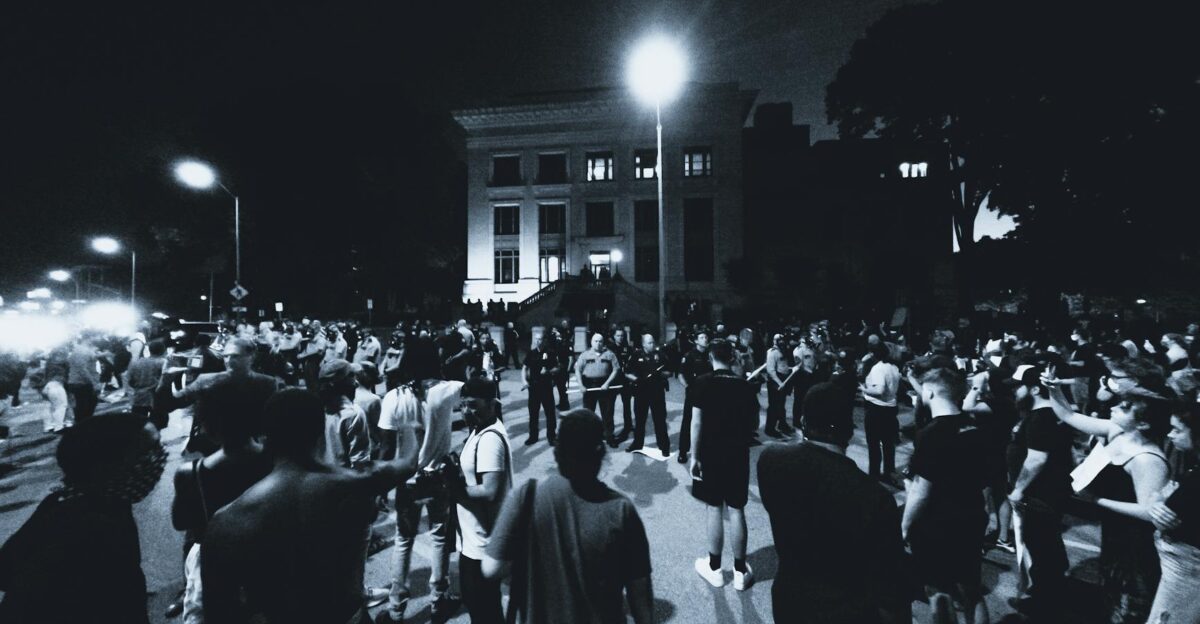
Observers say part of the confusion stems from what Trump sees on television. The BBC and Reuters both reported that footage aired on conservative networks showing fires and mass protests actually came from 2020, not 2025.
Local reporters have spent weeks clarifying that the scenes of unrest circulating online are years old. Yet the imagery has stuck, shaping national perception.
Deployment Details and Command
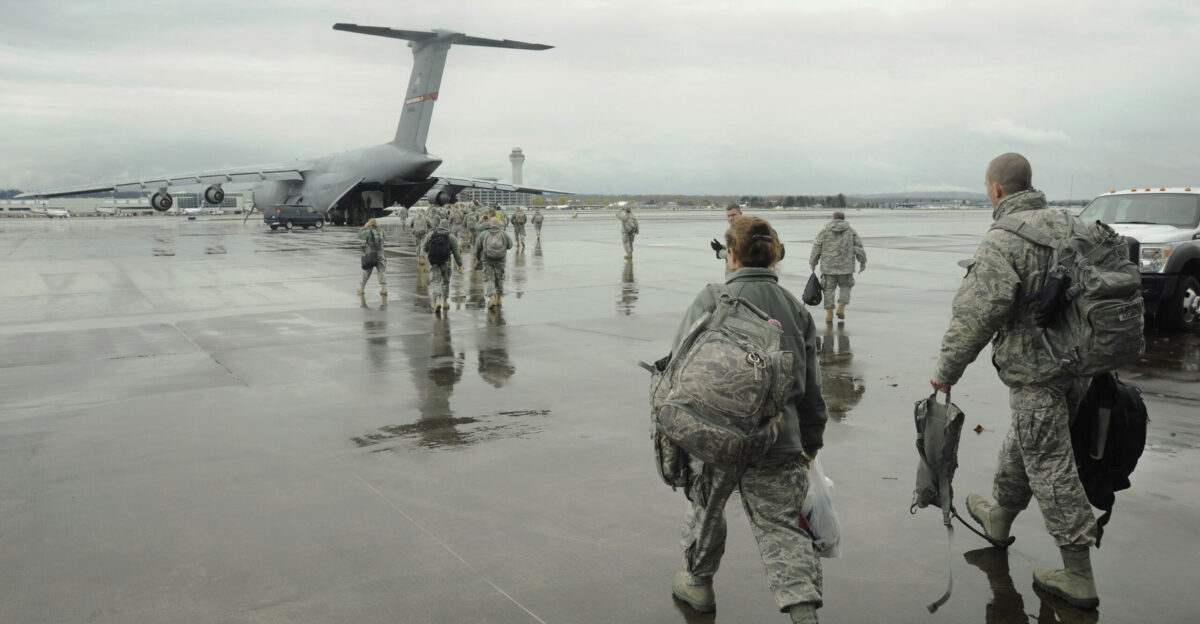
If deployment moves forward, the 200 Oregon Guardsmen will operate under U.S. Northern Command and report directly to the Secretary of Defense. According to officials familiar with the plan, their mission is to secure federal facilities rather than engage in local policing.
The administration has not confirmed where or when the Guard would arrive, though internal planning documents reviewed by Reuters suggest the timeline could be “immediate.”
Limited Protests Continue
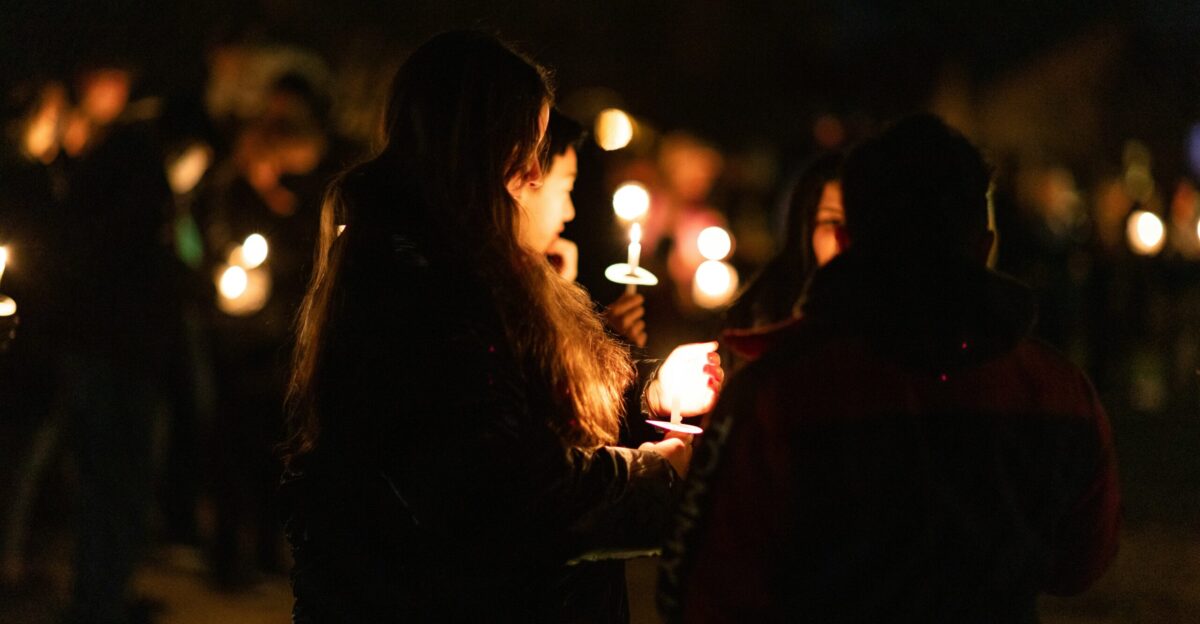
Despite the legal whirlwind, life in Portland remains largely routine. Small vigils near the ICE building continue each evening, often supported by churches and community volunteers offering food, blankets, and first aid. Police say there haven’t been serious confrontations for months.
“We’re not seeing violence,” Portland Police Bureau spokesman Nathan Sheppard told local reporters. “These are calm gatherings.”
Broader National Context
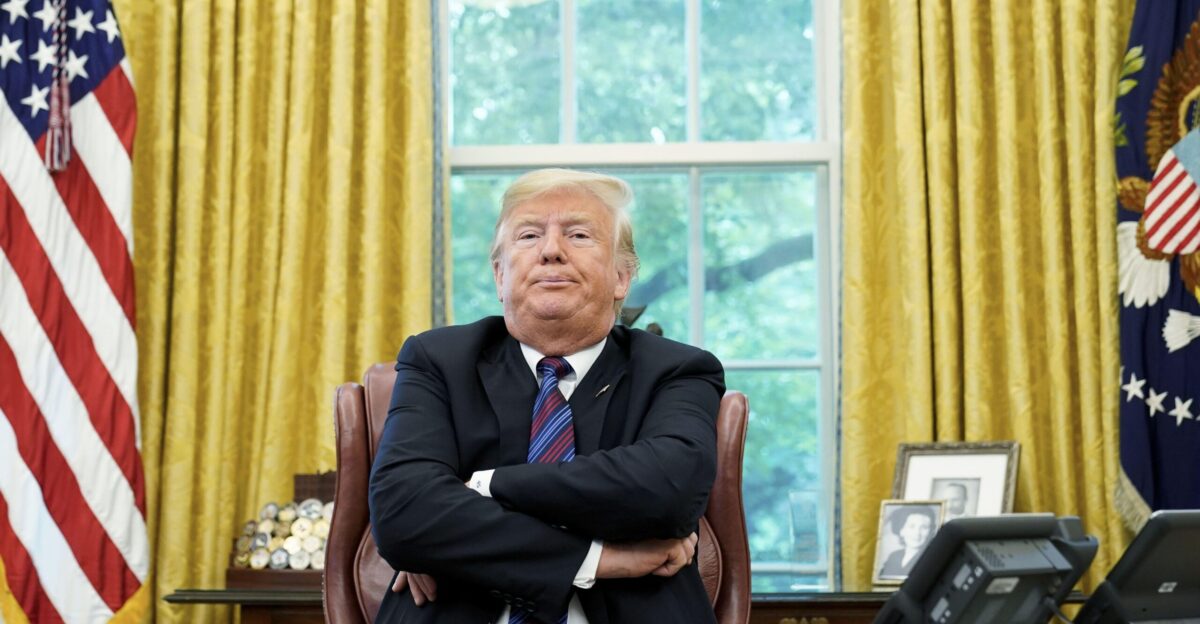
The Portland case now forms part of a larger national tug-of-war over presidential power. Courts in Illinois and California are weighing similar challenges to Trump’s use of the National Guard.
Legal analysts say the outcome could set a defining precedent for how far a president can go in deploying troops on domestic soil, especially when state leaders oppose.
Public Reaction Online

Portland residents have been pushing their own narrative online. The hashtag #PortlandIsFine began trending across regional feeds within hours of the ruling.
Photos of bustling markets, kids at soccer practice, and joggers along the river filled social media — a digital rebuttal to talk of unrest. “If you walked these streets, you’d never believe the headlines,” one resident posted.
Congressional Response
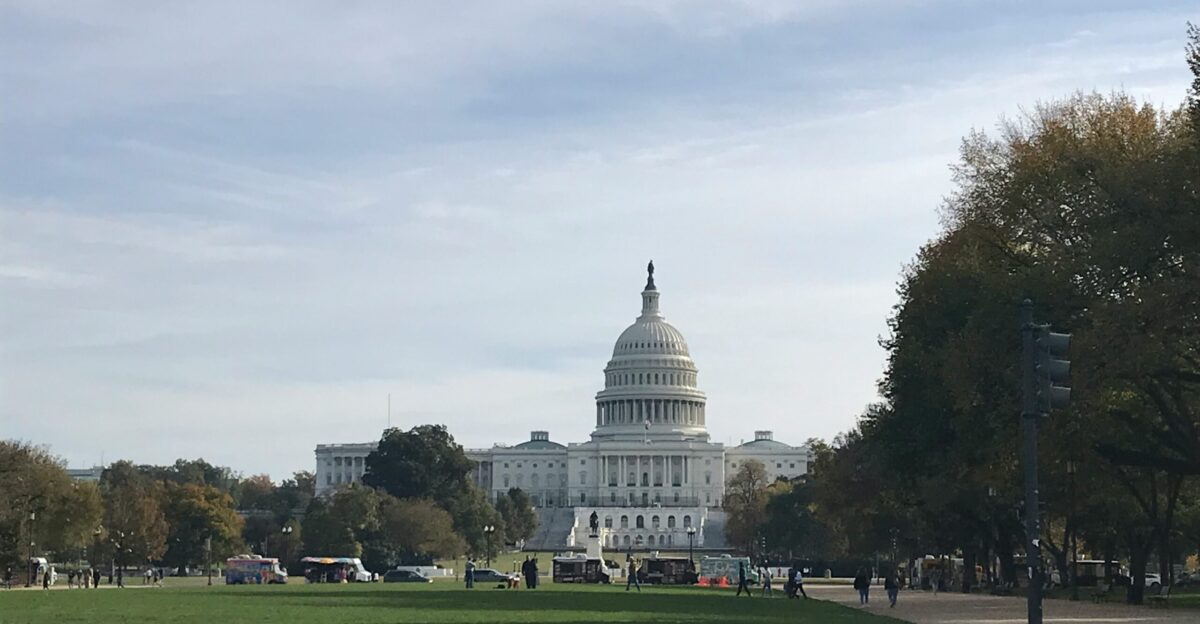
Reaction in Washington split along familiar lines. Oregon’s Democratic senators condemned the ruling, calling for legislation to restrict federal troop deployments without state consent. “No president should be able to send soldiers into peaceful cities unchecked,” Senator Jeff Merkley wrote on X.
Republican lawmakers, meanwhile, praised the decision as a “return to law and order,” applauding Trump’s willingness to act where local leaders won’t.
White House Reaction
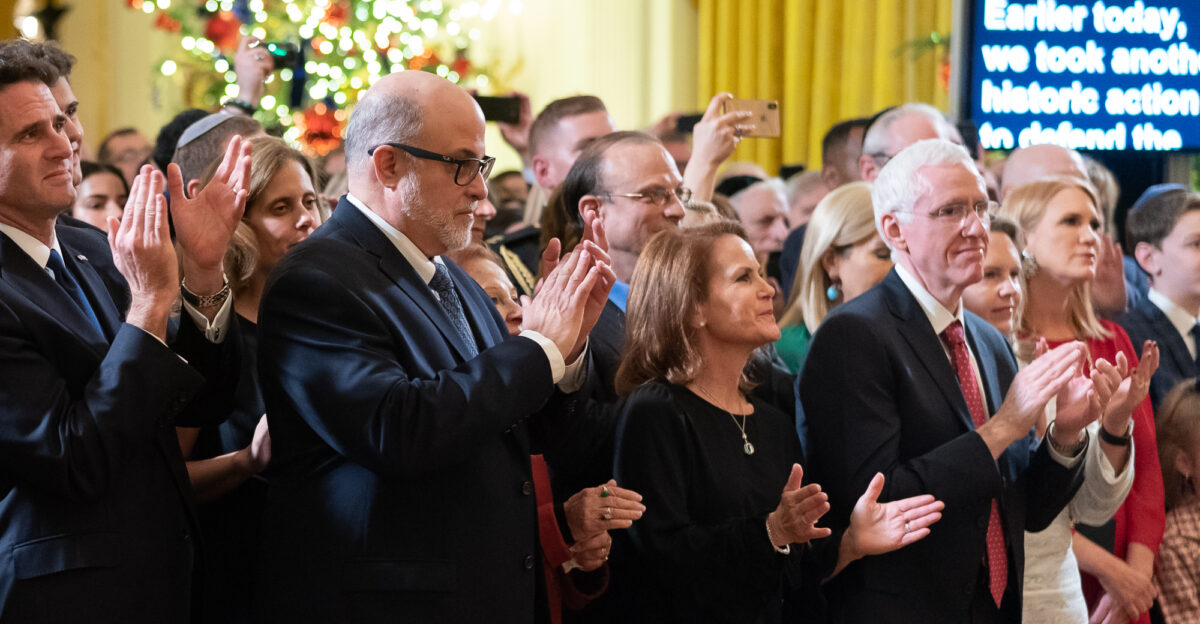
At the White House, officials celebrated the ruling as validation of Trump’s stance. Spokesman Steven Cheung called it “a critical step toward restoring public safety.”
He said the President’s authority to act when local governments “refuse to enforce the law” is fundamental to maintaining national security. “Federal responsibility,” he added, “cannot be optional.”
Legal Experts Weigh In

Constitutional experts say the decision will ripple far beyond Oregon. Speaking to CNN, Georgetown law professor Neal Katyal said the Ninth Circuit’s opinion “edges into dangerous territory,” warning that normalizing federal intervention could weaken state autonomy.
Others, like former Justice Department official John Yoo, argued that the President’s actions are “well within historical precedent.”
What Happens Next
The Justice Department must still convince Judge Immergut to lift her restraining order before deployment begins. Portland officials have requested a full court review, known as an en banc hearing, which could delay the process.
Both sides are bracing for another legal showdown, and observers say the case could reach the Supreme Court before the end of the year.
Portland Braces for a New Phase
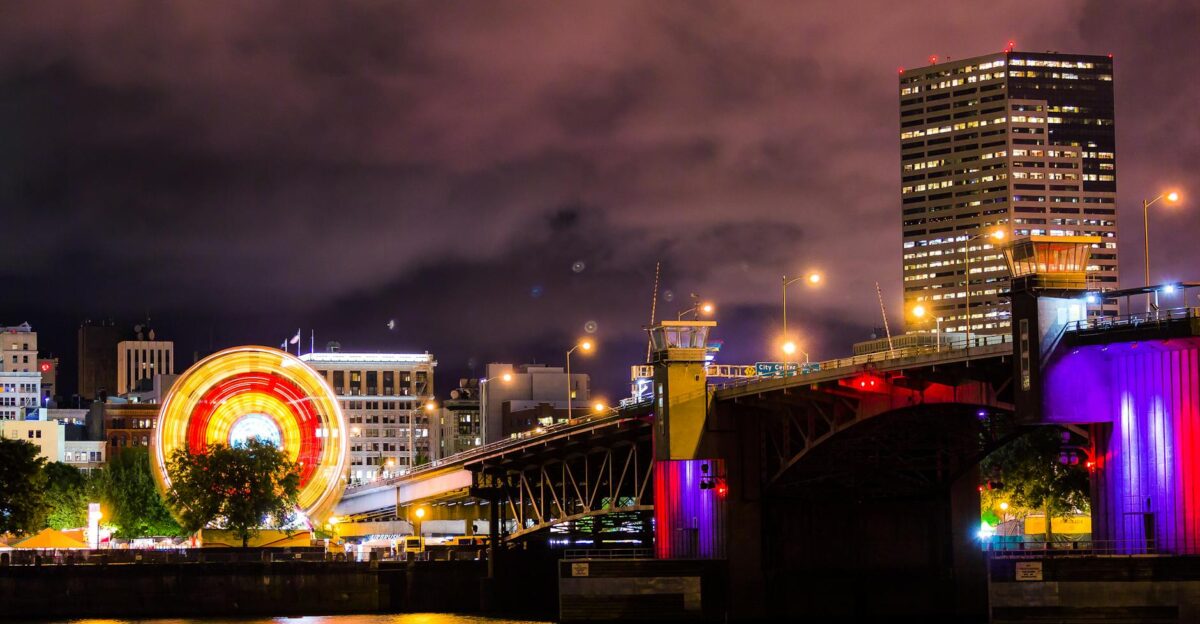
For now, Portland waits. The city that once became a symbol of national unrest is again at the center of a fight over federal power and local autonomy.
Whether troops arrive or not, residents know the debate will echo far beyond Oregon’s borders. As one local café owner told the Oregonian, “We’ve seen storms before. Portland always finds its calm.”