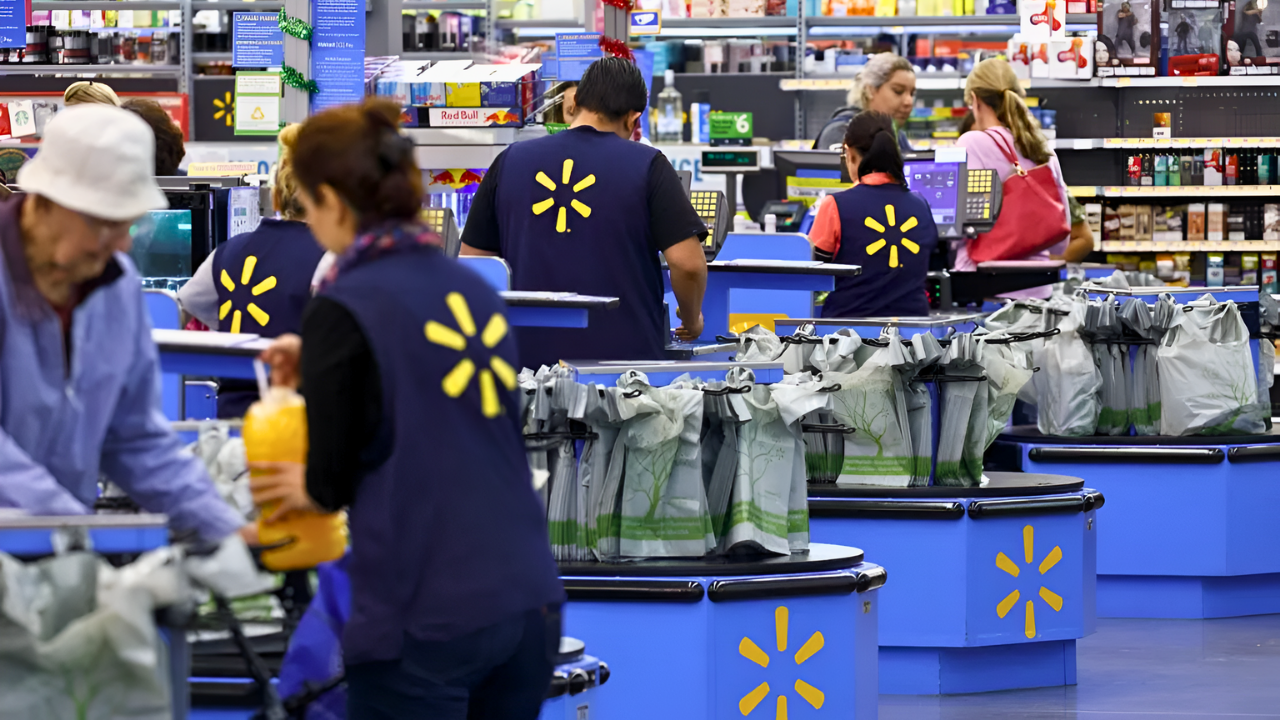
Walmart, the world’s largest retailer, is grappling with a staggering increase in liability expenses. In Q2 2025, the company reported approximately $400 million in unexpected liability costs—equivalent to roughly $4.4 million per day if sustained at that quarterly rate. The ramifications of these rising costs extend across the retail landscape, impacting not just Walmart but several major U.S. retailers.
Analysts warn that such financial strains could prompt retailers to raise prices, fundamentally altering the pricing and profitability dynamics in the retail sector. As litigation becomes a recurring theme, the industry braces for changes that could affect consumer behavior and trust.
The Ripple Effect
As legal costs surge within Walmart, the repercussions reverberate throughout the retail industry. Analysts are cautioning that the escalating legal expenses may compel retailers to pass these costs onto consumers, which could result in higher prices at checkout.
This potential shift intensifies worries regarding affordability, particularly amidst ongoing inflationary pressures that Americans are facing. The cumulative impact of increasing prices could lead to a changing landscape in consumer spending and shopping habits, prompting many to reconsider their budgeting and purchasing decisions as legal battles continue to unfold.
History of Litigation

Walmart is no stranger to legal challenges, with a decade-long history of lawsuits that has included issues ranging from consumer protection violations to employee disputes. This increasing legal scrutiny reflects a broader concern across the retail industry, where compliance issues are now at the forefront of operational challenges.
Settlements and penalties have been on the rise, highlighting retailers’ need to navigate these complexities to maintain public trust and financial stability. As litigation grows in frequency and severity, it serves as a disruptive force in Walmart’s ongoing business strategy.
Mounting Pressures

In recent years, Walmart has faced a notable increase in class-action lawsuits, particularly related to overcharging customers and alleged unfair labor practices. These legal pressures have forced the company to allocate substantial resources for defense and compliance.
Issues such as product mislabeling have drawn regulatory attention, making it crucial for Walmart to reassess operational protocols. This strain on resources diverts focus from core business initiatives, revealing a complex interplay between legal compliance and financial performance that could reshape how retailers operate.
Daily Drain Revealed

The central fact is staggering: Walmart reported approximately $400 million in higher-than-anticipated liability expenses in Q2 2025—a quarterly charge that annualizes to roughly $1.6 billion if sustained, or approximately $4.4 million per day. CFO John Rainey disclosed that this expense jumped despite claim counts actually declining year-over-year, indicating the cost to settle each claim has surged dramatically.
The financial repercussions extend far beyond internal projections, influencing strategic decisions that could reshape the company’s long-term viability. With such a significant daily drain on resources, it’s clear that Walmart must not only navigate these lawsuits but also fundamentally alter its risk management approach to prevent further losses.
Regional Fallout
California has emerged as a significant battleground for Walmart’s legal challenges. In August 2025, the company paid a $5.6 million settlement tied to accusations of overcharging customers across 280 stores in the state.
This incident is emblematic of similar legal issues cropping up in states like New Jersey and Florida, illustrating the widespread nature of Walmart’s legal risks. As litigation findings continue to surface, it’s evident that regulatory environments in various regions are changing, leading to heightened scrutiny for retailers operating in these markets.
Human Impact
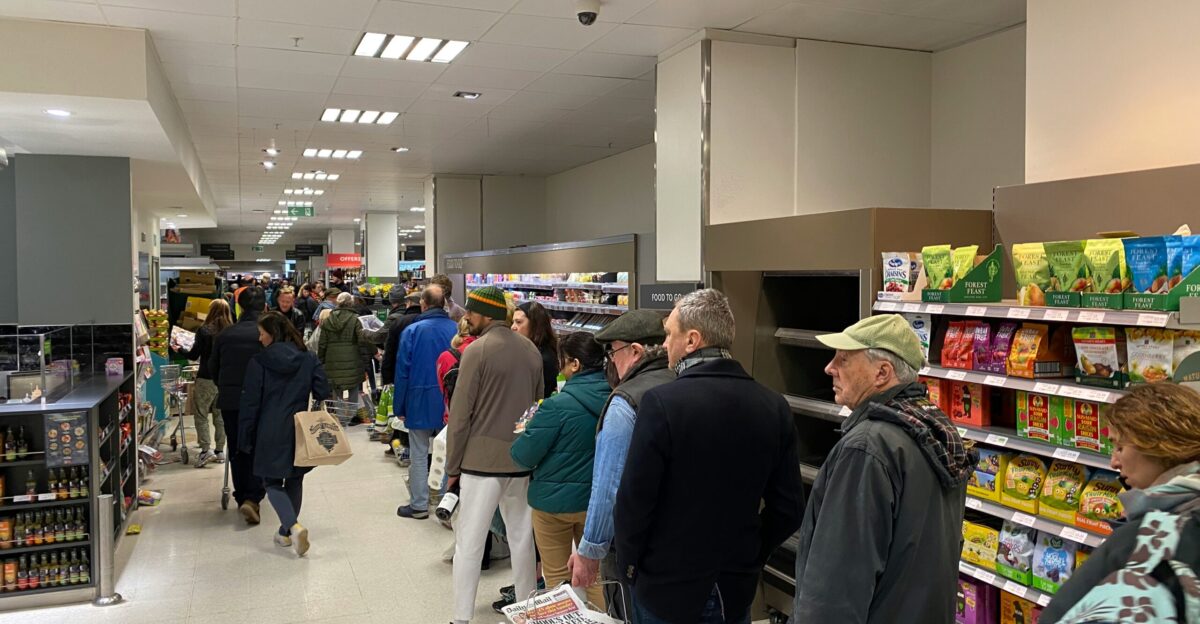
The ongoing legal issues impact consumers directly. Jeff Rosen, a Santa Clara County District Attorney, emphasized, “When someone brings an item to the register to be scanned, the price must be right.” Many shoppers across multiple states have voiced frustrations about discrepancies between advertised prices and checkout totals.
This growing discontent can erode consumer trust and loyalty, ultimately influencing shopping behavior. The implications stretch beyond individual consumer reports; they signal a broader concern about pricing integrity and transparency that could shape retail dynamics in the coming years.
Competitor Moves

Walmart’s legal woes aren’t isolated; other major retailers like Target and Kroger are also facing increased scrutiny. In response, many have enhanced their compliance programs, investing in technology to ensure pricing and product labeling accuracy. Industry competition is shifting as these companies race to fortify themselves against similar costly lawsuits.
Such strategic adjustments impact their bottom line and redefine how they interact with consumers. As competition heightens, how these retailers adapt to legal pressures will be pivotal in maintaining market share and consumer trust.
Macro Trend

The rise in litigation costs—particularly the surge in cost-per-claim rather than claim frequency—is emblematic of a broader trend affecting U.S. retail.
According to Swiss Re Institute data, U.S. liability claims have increased 57% over the past decade, with annual growth peaking at 7% in 2023. CFO John Rainey disclosed on Walmart’s August 21, 2025 earnings call that the company’s self-insured claims expense has accelerated independent of claim volume.
Industry analysts note a similar pattern emerging across major retailers including Best Buy, Dollar Tree, and Dollar General, all of which have flagged rising liability costs as a headwind in 2025 earnings calls and disclosures, citing elevated settlement and defense costs.
This shift reflects higher jury awards, legal defense costs, and settlement amounts per case—not an increase in claim frequency. Regulatory bodies and consumer advocacy groups are increasingly ramping up enforcement activities, contributing to the overall inflationary pressure on liability costs across the retail sector.
Settlement Surge

A revealing insight: In June 2024, Walmart agreed to a $45 million class-action settlement related to bagged grocery item weights. This case is a prime example of Walmart’s litigation issues leading to multi-million dollar payouts and reflects the increasing financial burden of legal disputes.
Such settlements underscore the urgent need for comprehensive oversight and compliance mechanisms to prevent similar issues from recurring. As Walmart navigates this complex legal landscape, ensuring operational integrity will be crucial to safeguarding its financial future.
Internal Friction

Within Walmart’s walls, the growing legal burdens create stress among executives and legal teams tasked with cost containment and rebuilding public trust. Concerns have surfaced among employees regarding the effect of these legal entanglements on operational focus and overall morale.
Resources are increasingly being diverted to address legal challenges rather than core business initiatives, fostering an environment of uncertainty. The internal friction echoing through the organization poses significant risks to productivity, making it imperative that Walmart manages both external pressures and internal dynamics effectively.
Leadership Response
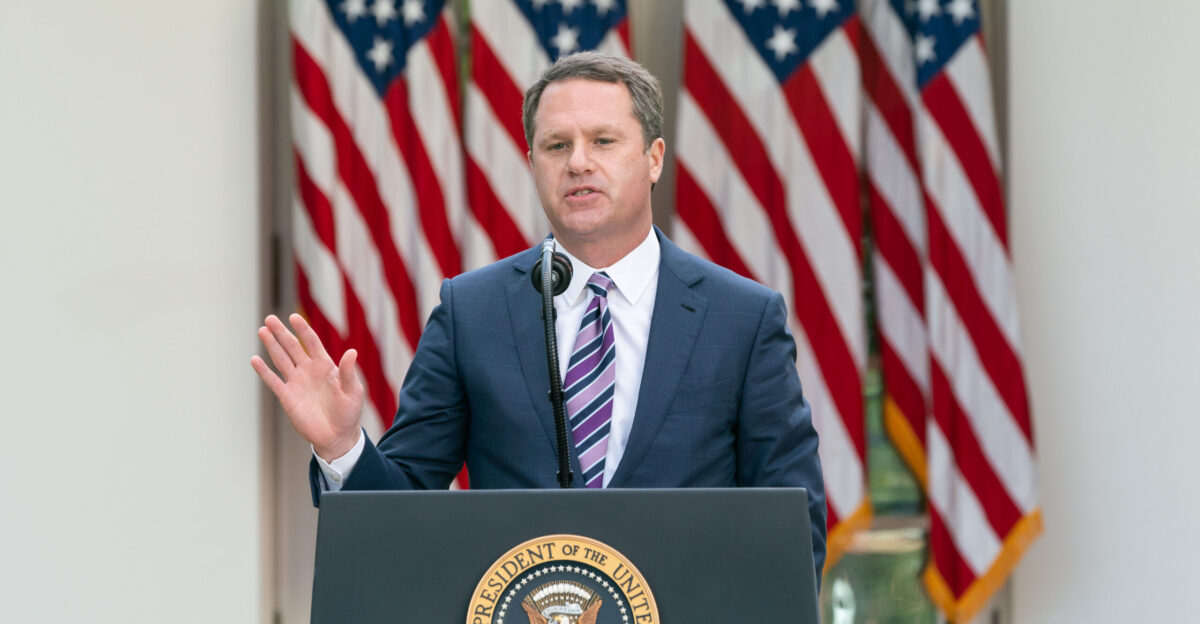
In response to these mounting legal challenges and settlement requirements, Walmart’s leadership, spearheaded by CEO Doug McMillon, has implemented enhanced compliance and transparency strategies. As required by settlement agreements in California and New Jersey, Walmart has deployed dedicated staff to oversee pricing and product labeling in those high-risk states. These measures aim to reduce compliance violations and bolster consumer confidence.
This proactive approach reflects a growing recognition that the company must address existing challenges and prevent future incidents through sound business practices and vigilant oversight.
Strategic Adjustments

Walmart is investing in training programs and comprehensive auditing systems to mitigate legal vulnerabilities. These initiatives are designed to reduce pricing errors and prevent potential lawsuits by enhancing oversight at every operational level.
This commitment to improvement highlights a strategic pivot toward risk management, seeking to protect the company’s reputation while safeguarding consumer interests. By fostering a culture of accountability and precision within its workforce, Walmart can better position itself to navigate the complexities of a challenging legal landscape.
Expert Outlook

Industry analysts remain skeptical about how Walmart can swiftly alter the prevailing litigation trend. “Retailers are under unprecedented legal pressure,” one expert noted, emphasizing that ongoing vigilance and adaptation are necessary to manage burgeoning risks.
As lawsuits proliferate, maintaining compliance while fostering operational resilience will be paramount. In an environment where litigation becomes the norm rather than the exception, retailers must develop proactive strategies that effectively address these real-world challenges impacting business objectives.
What’s Next?
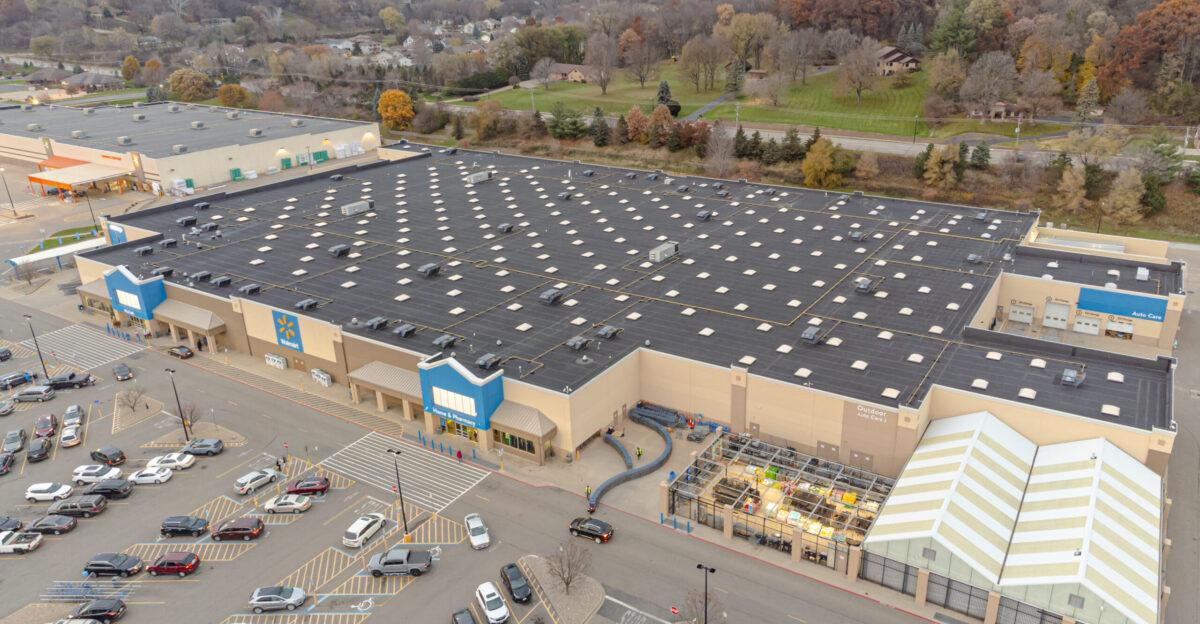
Looking ahead, the pivotal question remains whether Walmart and its competitors can stem the rising tide of litigation. Enhanced compliance measures are essential, but whether they will suffice in preventing future legal battles is uncertain.
More profound changes to business structures and philosophies may be required to thrive amid escalating legal scrutiny. The evolving retail landscape demands that companies not only adapt but also prepare for an environment where legal challenges are a constant companion, influencing everything from pricing strategies to consumer engagement.
The Consumer Perspective
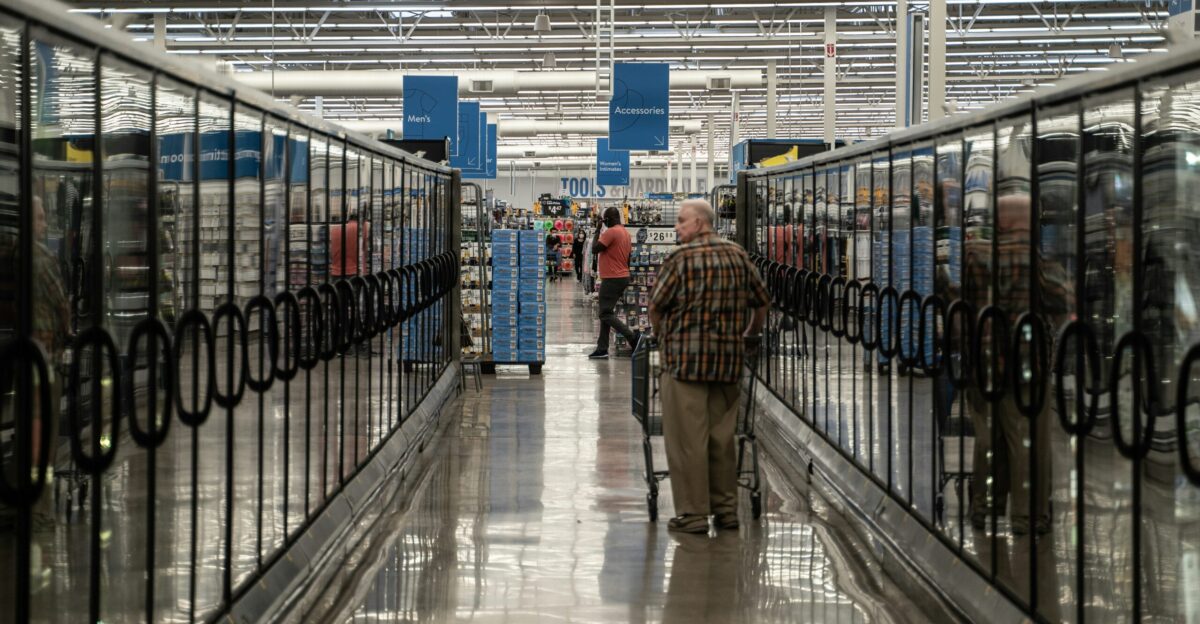
Consumers increasingly voice concerns regarding transparency and fairness in pricing. A shopper from California remarked, “When I see a price in an ad, I expect to pay that amount. It’s frustrating when it doesn’t match at checkout.” This perspective underscores a growing demand for accountability among retailers.
Shoppers are becoming more informed and vocal, raising the stakes for companies like Walmart. Building trust through consistent pricing practices will be crucial if retailers want to sustain their customer base amidst rising legal pressures and public scrutiny.
Preparing for Regulatory Changes

As regulatory agencies intensify enforcement, retailers must remain agile in their compliance approaches. Experts warn of the likelihood of more stringent regulations targeting pricing accuracy and consumer protection.
As Walmart and others brace for potential changes, the focus will shift to implementing robust compliance frameworks that can withstand scrutiny. Companies that proactively adapt to regulatory shifts are more likely to emerge resilient, while those that do not may be embroiled in further legal complications.
Innovations in Compliance
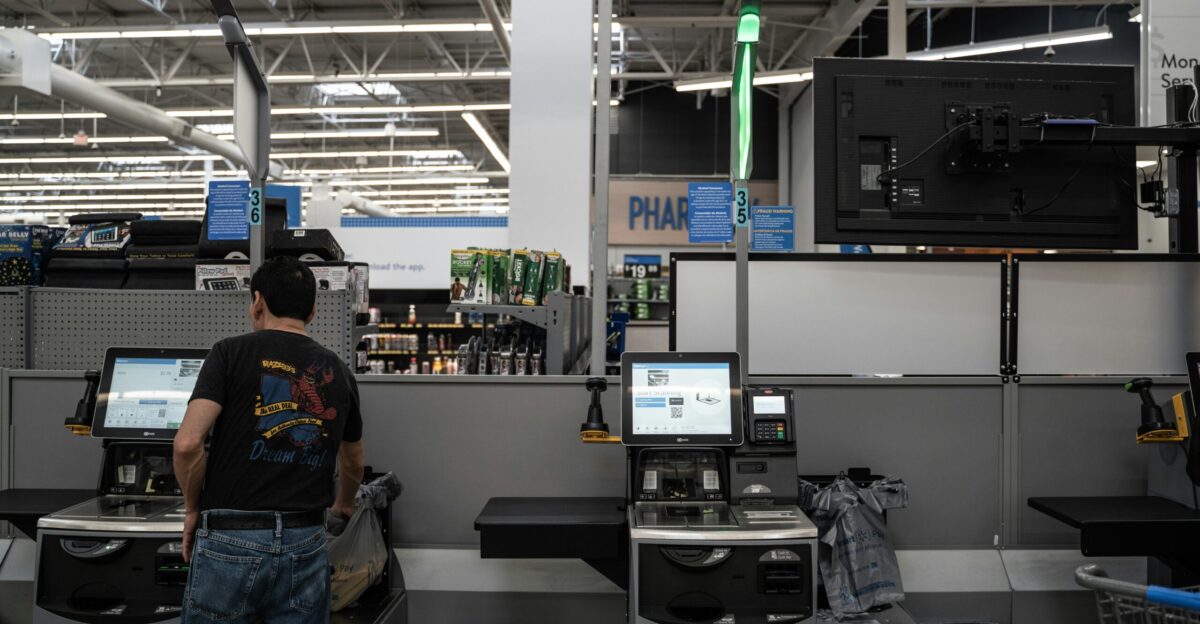
To stay ahead of the curve, Walmart is exploring innovations in compliance technology, such as advanced price-check systems and real-time monitoring. These tools aim to enhance pricing accuracy and ensure that customers receive fair treatment at the register.
Leveraging technology not only reduces the likelihood of legal issues but also reinforces a commitment to customer satisfaction. As the retail sector evolves, investment in such innovations will be critical for minimizing legal exposures while attracting consumer loyalty.
Community Engagement
Walmart’s response to legal pressures also involves increased community engagement. Leadership recognizes that fostering transparent communication with consumers can help rebuild trust and credibility. Initiatives aimed at addressing consumer feedback and concerns not only demonstrate accountability but also establish a connection with shoppers affected by legal outcomes.
By actively engaging with communities, Walmart can better understand the implications of its legal challenges and work toward solutions that resonate on a personal level.
A New Retail Reality
In conclusion, Walmart stands at a crossroads, which is defined by rising legal pressures and evolving consumer expectations. Its challenges highlight broader shifts in the retail landscape, where compliance, transparency, and consumer trust are paramount.
As legal costs continue to mount, the imperative for effective risk management and customer engagement becomes ever clearer. Adapting to this new retail reality will be essential for Walmart and its peers as they seek to navigate the complexities of legal scrutiny while maintaining market leadership.