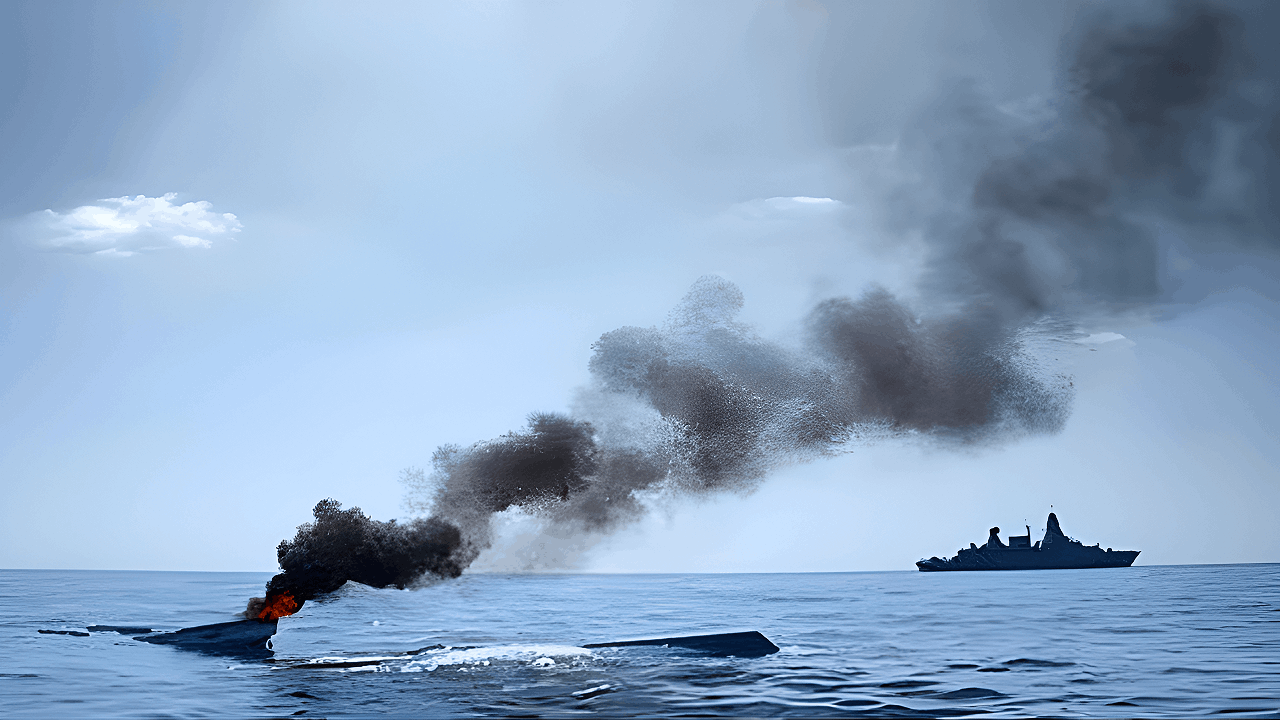
The U.S. military’s operations against suspected drug boats from Venezuela have escalated significantly in recent months, particularly since September 2025. A series of drone strikes, orchestrated by the U.S. Navy using MQ-9 Reaper drones, aims to target narco-terrorism in the Caribbean. Seven confirmed strikes have raised the stakes, leading to international scrutiny and questions about the legality of these military actions.
President Trump’s administration argues that decisive action is necessary to combat the increasing threat posed by maritime drug smuggling. However, this aggressive stance has faced mounting criticism both domestically and from the international community.
Details of the Recent Strikes
On October 16, 2025, a U.S. Navy MQ-9 Reaper drone targeted a vessel suspected of drug smuggling, marking the seventh strike in a campaign that began less than a month earlier. This operation introduced an alarming element to survivors.
For the first time, reports emerged indicating that American forces had not only engaged but also left behind individuals as they conducted search and rescue operations in the aftermath. This shift has intensified discussions around the consequences of such military engagements and the ethical ramifications of targeting vessels allegedly used for drug trafficking.
Escalating Military Presence
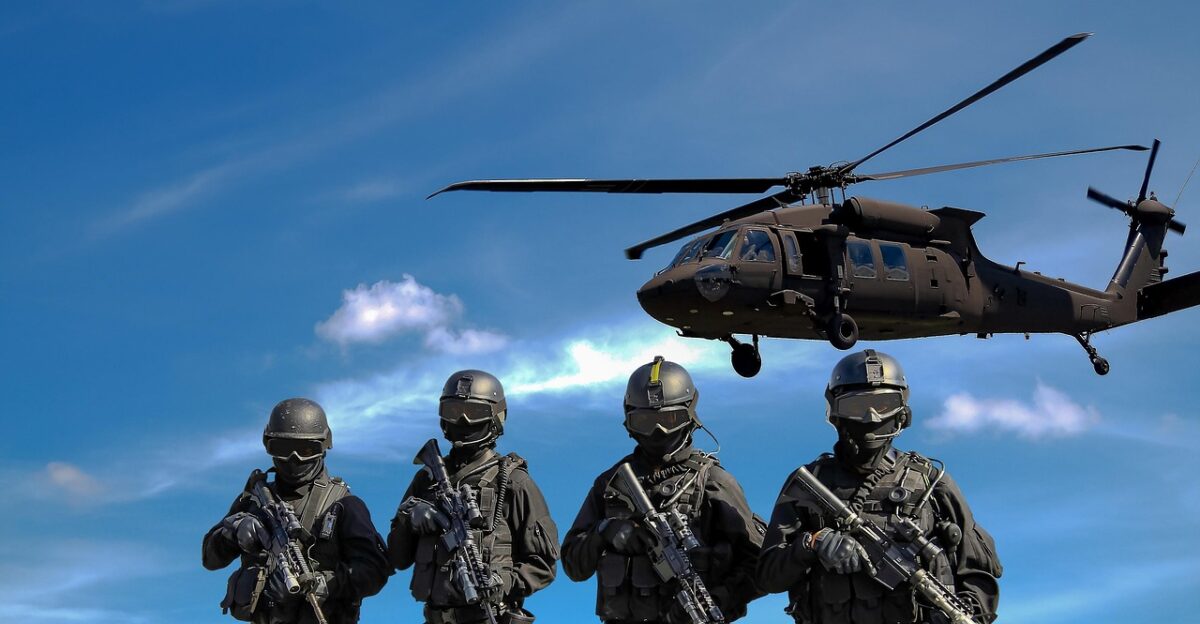
The buildup of U.S. military forces in the Caribbean has reached unprecedented levels. Currently, over 10,000 troops and eight navy warships are deployed along Venezuela’s coast, supported prominently by MQ-9 Reaper drones.
This significant military presence aims to reinforce U.S. intentions to disrupt drug trafficking operations but has incited heightened tensions with the Venezuelan government. In response, Venezuelan forces have mobilized, denouncing the U.S. actions as “aggression” and expressing concerns about potential military confrontations in the region, amplifying fears of an armed conflict amidst this escalating situation.
Historical Context of Maritime Operations
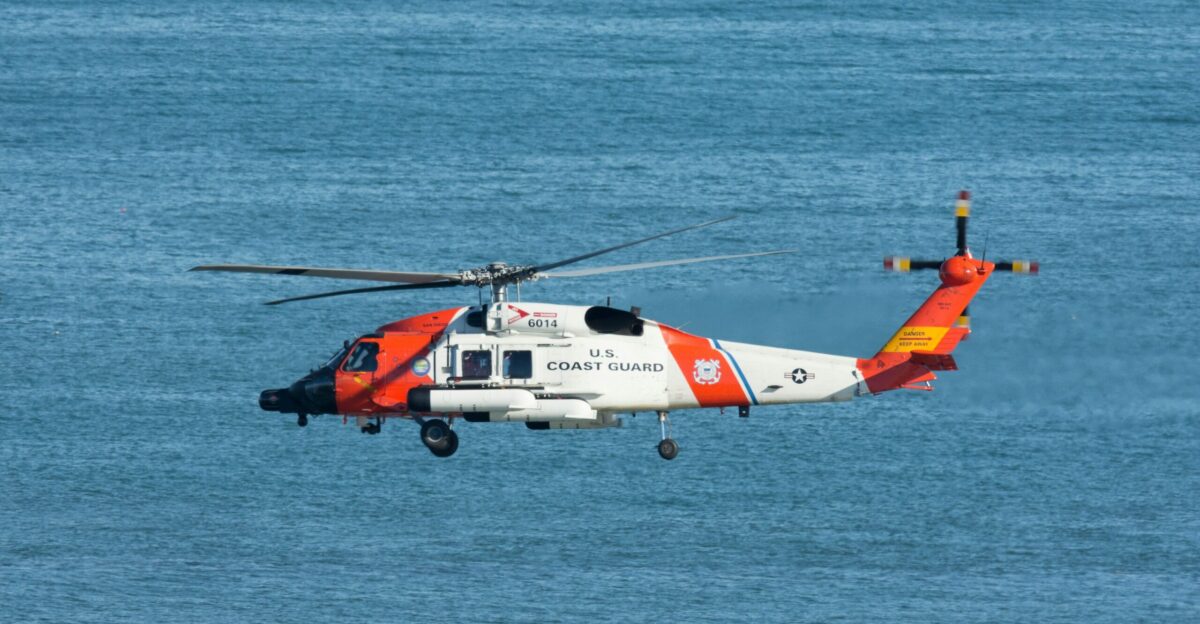
The strategy of maritime interdiction for drug trafficking originating from Venezuela is not new. Historically, the U.S. Coast Guard has employed tactics primarily centered around non-lethal enforcement, where vessels are intercepted and boarded.
However, this current military-led approach diverges sharply from established protocols, as lethal force is now being deployed against potential drug smuggling operations. This shift raises legal and operational questions about the appropriate use of military assets in what is typically a law enforcement domain, marking a significant change in how the U.S. tackles narcotics issues at sea.
Strike Details Revealed

On October 16, 2025, U.S. forces executed a strike involving Navy MQ-9 Reaper drones, targeting a suspected Venezuelan drug-smuggling boat in the Caribbean. This operation marked the seventh strike since late September, and for the first time, military responses resulted in survivors being reported.
American search and rescue operations followed the encounter as the military documented photographic evidence of live Hellfire missiles being deployed. This evidence underscores the precision and intent behind these military actions, shedding light on the operational methods employed in the campaign against drug smuggling.
Impact on Regional Security
These military operations have not only affected Venezuela but have also raised security concerns across the Caribbean. Neighboring countries, including Trinidad and Tobago, are investigating potential casualties among their citizens resulting from these strikes.
The increasing U.S. military presence off the coast of Venezuela has prompted a swift military response from the Venezuelan government, with troops massed along the coastline. Moreover, this evolving situation raises alarms about the potential for larger regional conflicts as nations assess their positions regarding U.S. military maneuvers in Caribbean waters.
Human Cost and Local Reaction
As the U.S. conducts its military campaign, the human cost of these strikes has been severe, particularly for coastal Venezuelan communities. The most recent operation resulted in 2–3 survivors, while previous strikes have left at least 27 people dead, igniting mourning among residents.
Community members from towns like San Juan de Unare have expressed their sorrow openly, with families sharing tributes to the deceased. “We’re not just numbers; these are our friends and family,” lamented a local farmer, highlighting the deep emotional scars left by U.S. military actions.
Military Strategy and Coordination
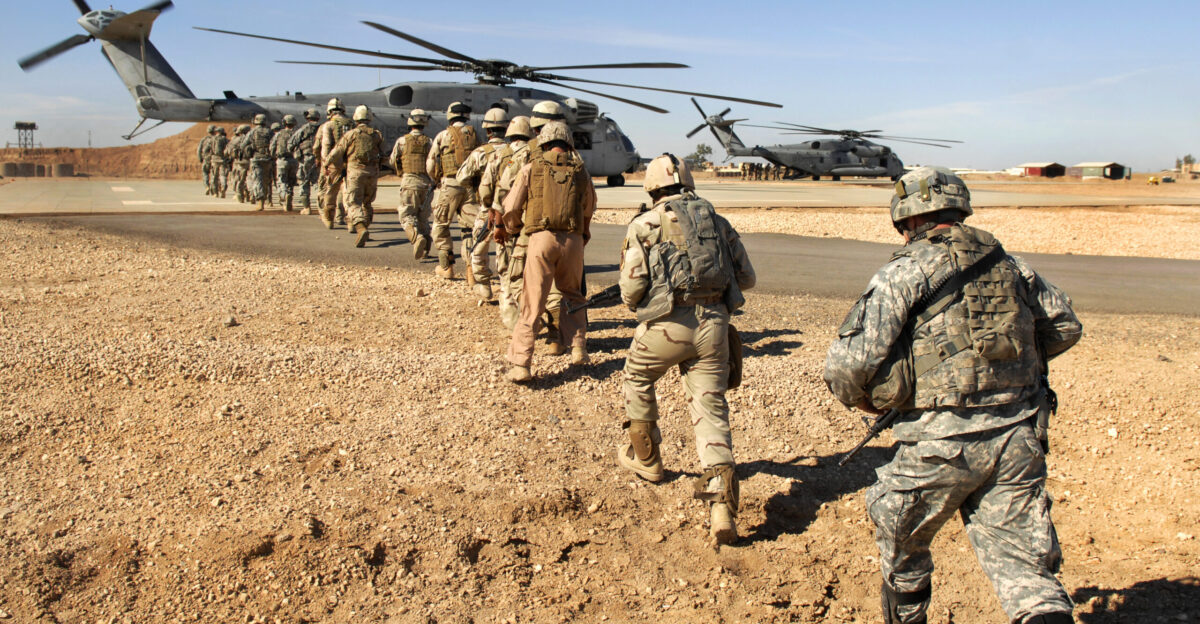
The execution of military operations utilizes complex coordination among U.S. forces, integrating various platforms for maximum effectiveness. Amphibious warships serve as command hubs, deploying helicopters and launching missiles, while drones such as the MQ-9 provide real-time surveillance and precise strikes on identified targets.
This multifaceted approach enables rapid detection and engagement of suspected drug boats, showcasing a strategic shift from traditional law enforcement to a military-driven campaign against maritime narcotics trafficking.
Understanding Drug Trafficking Networks

While the Caribbean has historically played a crucial role as a transit point for narcotics bound for the United States and Europe, most illicit drugs still enter the U.S. through Mexico and Pacific routes. Recent events have drawn renewed focus on the Caribbean, a shift viewed by some analysts as both tactical and politically motivated.
Experts suggest that cracking down on Caribbean trafficking routes is part of a broader strategy to disrupt supply chains. Yet, critics argue it fails to address the more significant influx of drugs through other established pathways.
Legal Controversy Surrounding Military Actions
The legality of U.S. military actions against Venezuelan drug boats has been a focal point of intense debate. Both U.S. law and international norms typically prescribe that law enforcement, not military action, should handle drug interdiction efforts at sea.
Critics assert that the use of lethal force without clear evidence of drug activities risks violating established legal frameworks, drawing condemnation from legal experts and human rights advocates concerned about potential civilian casualties. This ongoing controversy complicates the narrative around the effectiveness and morality of the current campaign.
Diplomatic Tensions Escalate
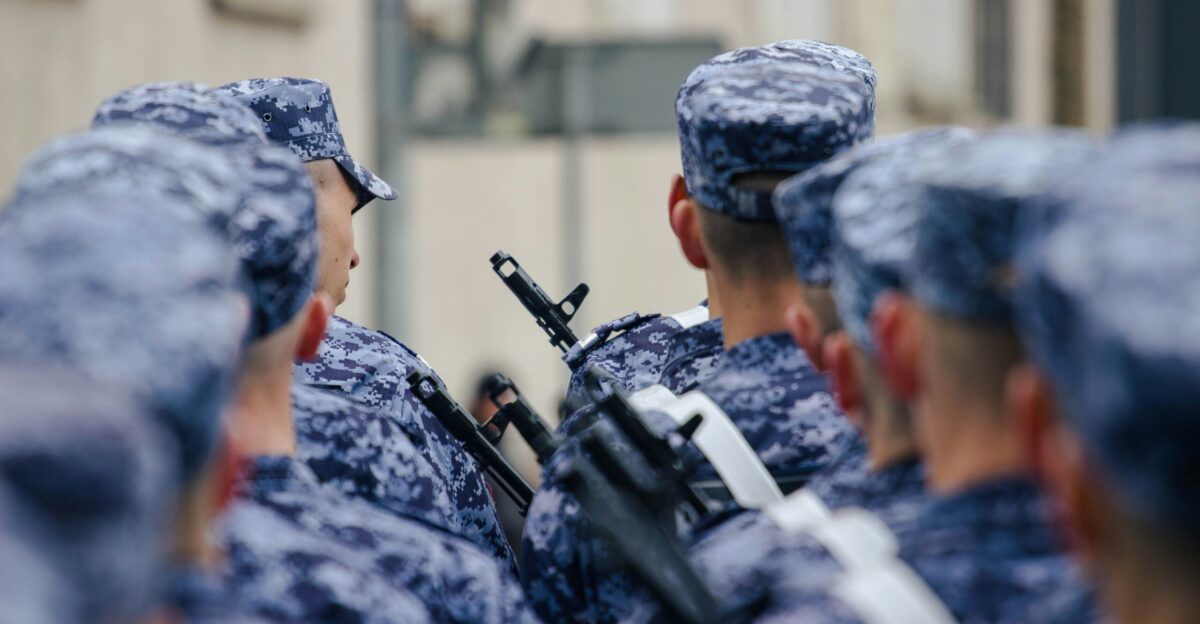
The U.S. military actions have not gone unnoticed on the international stage. Venezuela’s ambassador to the United Nations condemned the strikes, characterizing them as a series of “assassinations” and accusing the U.S. of violating international law.
In response, U.S. officials maintain that these operations are necessary to confront narco-terrorist threats rather than targeting civilians. This conflict has strained diplomatic relationships further, as many nations watch closely for signs of escalating tensions that could affect regional stability and international relations.
Leadership and Authorizations
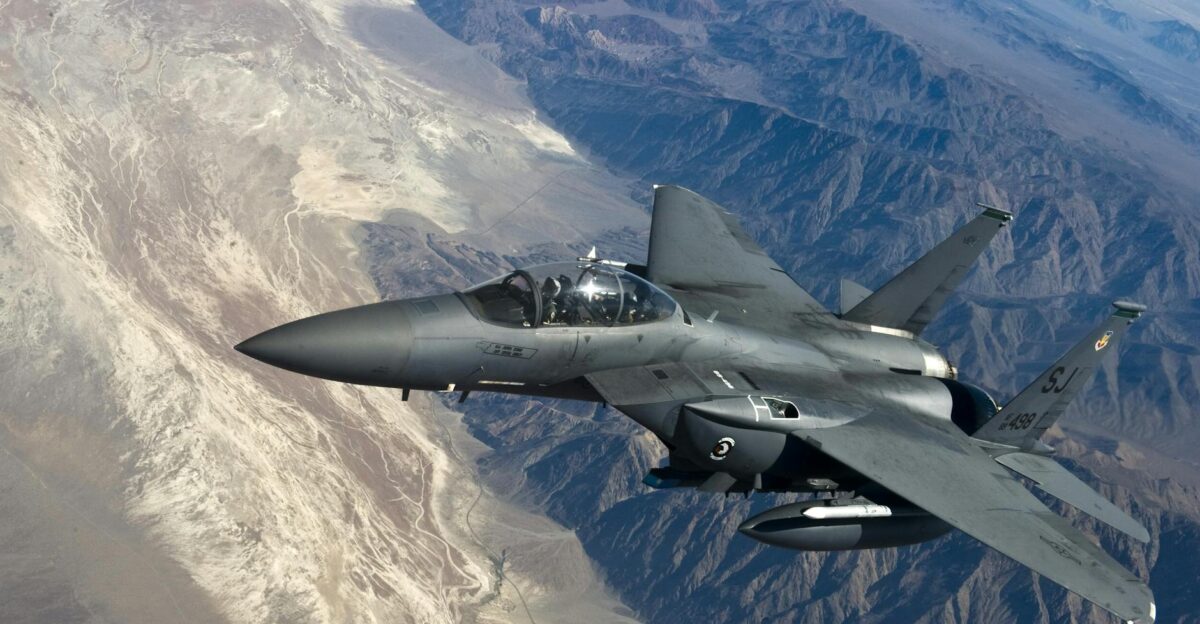
The current military campaign against Venezuelan drug boats received explicit authorization from President Trump, who frames it within a broader narrative of an “armed conflict” against drug cartels.
Key figures in the administration, including Secretary of State Marco Rubio and Defense Secretary Pete Hegseth, have publicly supported these military initiatives, emphasizing their significance in the war on drugs. Their commitment to sustained military action signals a determination to combat drug trafficking at all costs, despite the potential risks involved.
Search and Rescue Operations
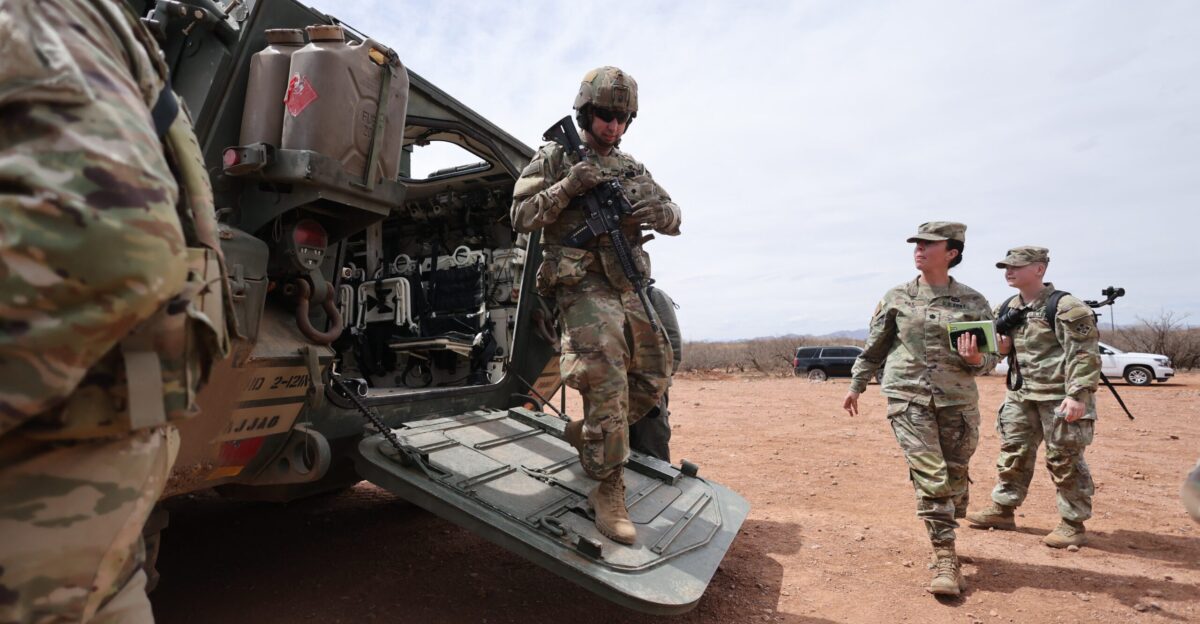
Following the latest strike, U.S. forces mobilized search and rescue helicopters to recover the reported survivors. The effort showcased a humanitarian angle amidst a military campaign often criticized for its aggressive tactics.
“We must not forget the human element in this conflict,” stated one military official involved in the operation. Despite ongoing challenges and controversies surrounding the strikes, rescuing individuals impacted by military decisions represents a complex interplay of military objectives and humanitarian considerations in a volatile region.
Voices from Affected Regions
Amid the turmoil, voices from local communities in Venezuela paint a stark picture of uncertainty and fear. Farmers and fishermen express concern over the repercussions of U.S. military actions on their livelihoods.
“We only want to live in peace and provide for our families,” stated a fisherman from a coastal town. Such personal testimonies reflect the human cost of policies being enacted at a distance, illuminating the direct impact on civilian life amid broader geopolitical struggles.
The Broader Implications for U.S. Foreign Policy
As the campaign unfolds, its implications may extend beyond immediate military objectives. The reliance on drones and strikes represents a shift in U.S. foreign policy focus, leveraging military capabilities to tackle complex issues like drug trafficking.
Critics warn that this strategy risks entrenching existing tensions rather than facilitating diplomatic solutions. The balancing act between enforcement and cooperation may significantly shape future U.S. interactions with Latin America, challenging long-standing diplomatic approaches in the region.
Analyzing the Risks of Military Engagement
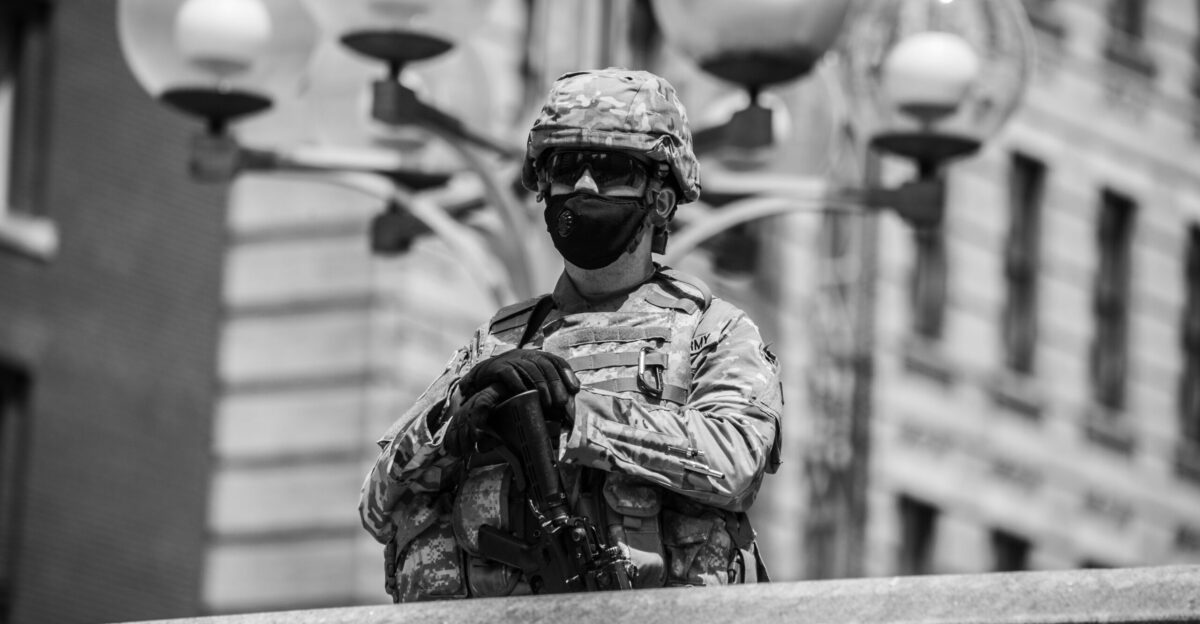
Military engagement in drug interdiction activities comes with inherent risks that may not only affect U.S. objectives but can also have unintended consequences on the local population. Concerns over civilian safety and collateral damage weigh heavily on this campaign, prompting analysts to underscore the risks associated with employing military force in an area traditionally handled by law enforcement.
“We must be vigilant in maintaining our moral high ground,” cautioned one defense analyst, reminding decision-makers of the fine line between action and accountability in military operations.
Potential for Increased Violence
The Venezuelan government’s mobilization in response to U.S. strikes raises significant concerns over the potential for increased violence in the region. The presence of armed forces along the coastline could provoke further confrontations between Venezuelan military units and U.S. operations, raising alarms about the risk of military escalation.
Community observers fear that this intensifying tension could destabilize an already fragile region, challenging the prospects for peace and dialogue amid a complex web of narcotics trafficking and military responses.
The Global Perspective on Drug Trafficking

The broader implications of U.S. military actions reverberate internationally as nations grapple with the challenges of drug trafficking. Countries worldwide are increasingly called to address their measures against the narcotics trade, balancing enforcement with humanitarian support.
Collaborative efforts and shared intelligence could pave the way for more effective strategies, as uniting against common threats may enhance security and mitigate the risks associated with transnational criminal networks. The current campaign represents a crucial moment for international cooperation and engagement in addressing drug-related issues.
Navigating a Complex Landscape
In summary, the U.S. military’s campaign against Venezuelan drug boats marks a significant departure from traditional law enforcement strategies, raising profound ethical, legal, and diplomatic questions. The intensity of military operations, coupled with environmental and humanitarian implications, makes it essential to consider the broader ramifications of this approach.
Navigating this complex landscape will require careful risk assessments, innovative strategies, and cooperative engagements to ensure that U.S. foreign policy remains effective without compromising fundamental human rights.
Looking Ahead: The Future of Military and Drug Policy
As discussions surrounding military engagement and drug policy evolve, U.S. officials must reflect on lessons learned and adapt strategies accordingly. The future may require a reshaping of approaches that prioritize law enforcement mechanisms alongside military capabilities.
Ensuring that actions taken uphold human rights and foster regional stability should be at the forefront of policy initiatives. Engaging communities and collaborating with local partners may prove vital in addressing the intricacies of drug trafficking while securing deeper, more durable solutions for the future.