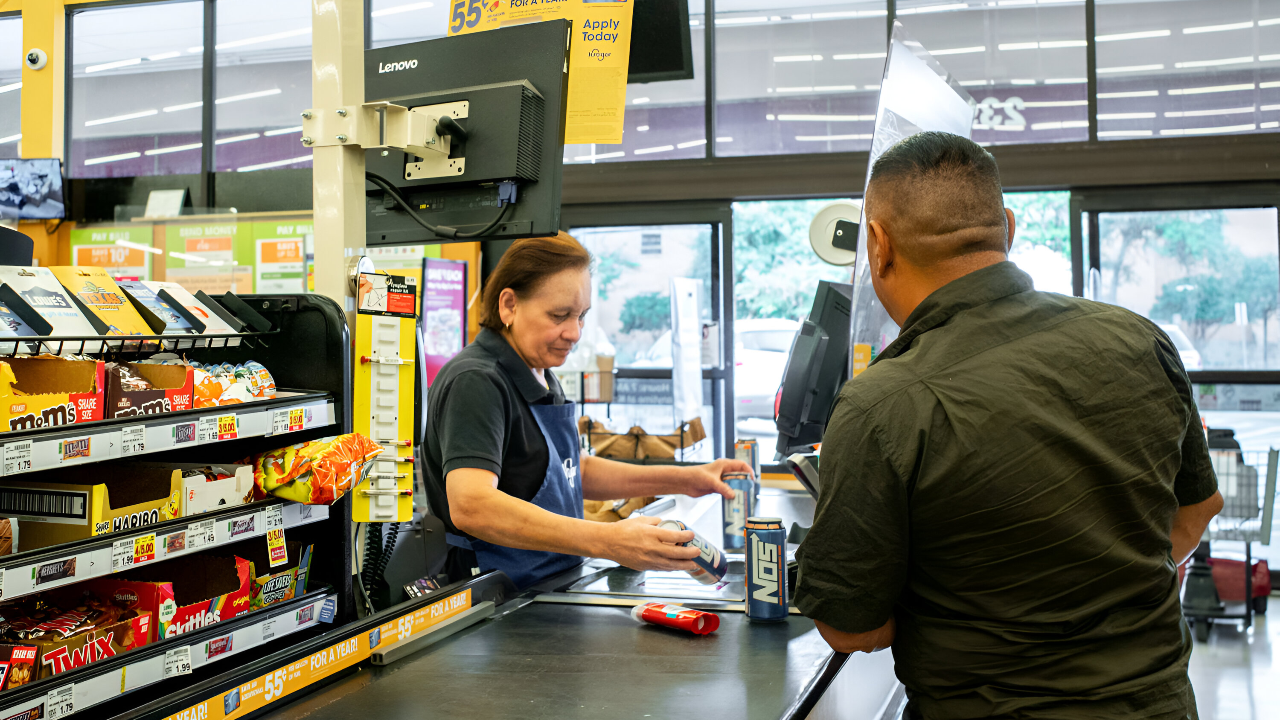
Hitchcock’s Markets, a grocery chain with 80 years of history, is closing all its stores. This shutdown affects more than 660 employees and particularly impacts rural communities in North Central Florida, according to TheStreet and Mainstreet Daily News.
This sudden move adds to the growing number of retail closures in 2025, raising serious concerns about food access and the health of local economies.
Industry Context
More than 15,000 retail stores are expected to close in 2025, which is more than double the number that closed in 2024, according to Coresight Research.
The growth of online shopping, rising real estate costs, and less funding from private equity firms are changing the retail industry, according to Forbes.
Founding and Early History
Hitchcock’s began in 1945 when Bob Hitchcock and his father, Robert Hitchcock Sr., opened a small grocery and pharmacy on Main Street in Alachua, Florida. Bob, a World War II veteran, served as a volunteer firefighter for 20 years and was a city commissioner for over 17 years.
His strong ties to the community influenced the values of the store, according to Mainstreet Daily News.
Growth Under Family Leadership
Under Alan Hitchcock, Bob’s son, the business grew to 12 locations and employed 850 people. At its best, it earned $150 million in annual revenue before 2008, as reported by Mainstreet Daily News.
Customers enjoyed the meat department, fresh donuts, fried chicken, and locally-sourced produce. In 2008, Alan sold the business to Haug Enterprises, which is based in Minnesota.
Ownership Changes
Haug Enterprises owned the stores until 2019, when the Alvarez family took over. By that time, the chain had reduced to 10 stores, with $67 million in revenue and over 660 employees, according to reports from ZoomInfo and Mainstreet Daily News.
Some longtime customers noticed a decline in quality after the new ownership began.
Financial Pressures
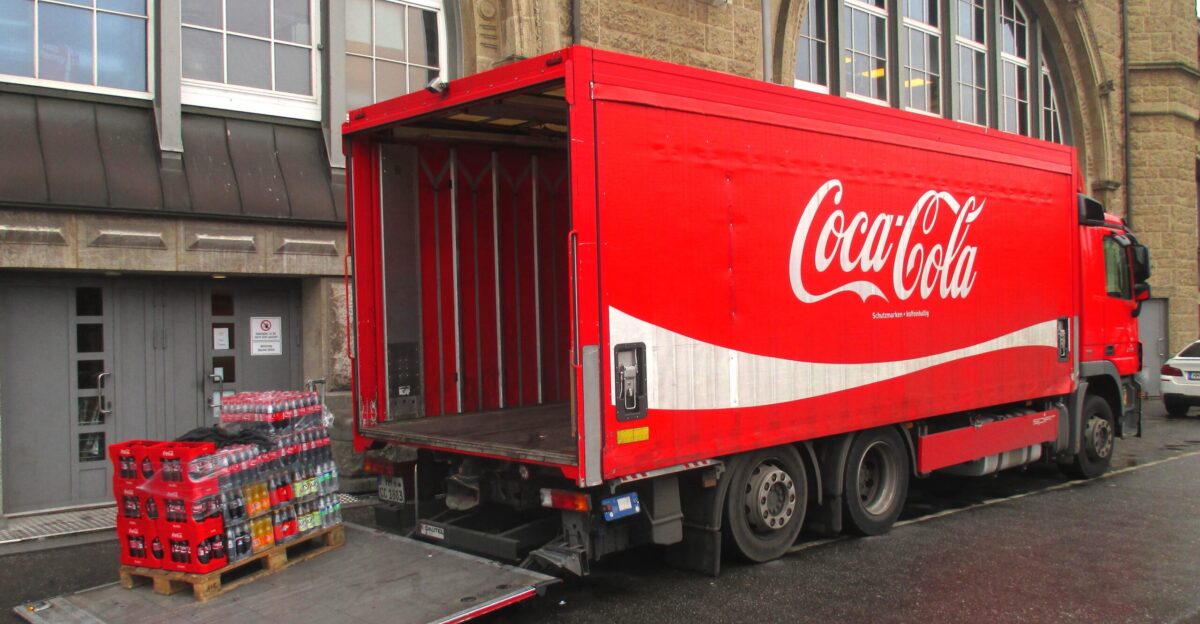
Hitchcock’s faced financial problems. An anonymous manager told Mainstreet Daily News that companies like Coca-Cola stopped delivering because of unpaid bills.
Fewer shoppers visited Hitchcock’s, and they faced competition from online delivery services and higher real estate costs. These challenges intensified during the Alvarez family’s tenure.
Catalyst for Closure
The family of Carlos Alvarez decided to sell the business about six months after he passed away in 2024, according to Mainstreet Daily News.
They felt it was time to leave the business. Although they were not actively looking for buyers, they were open to offers.
Store Locations Affected
Ten stores will close in the following towns: Alachua, East Palatka, Hawthorne, Indiantown, Interlachen, Jasper, Keystone Heights, Newberry, Trenton, and Williston, according to Mainstreet Daily News.
Many of these towns have only one grocery store, so the closures will make it hard for residents.
Employee Response
Janette Crowell, the manager at Hitchcock’s store in Keystone Heights, told Mainstreet Daily News that the corporate office isn’t giving much information, which leaves staff feeling anxious.
Emily Higginbotham, the manager of the Alachua store, expressed similar concerns about being kept in the dark.
Winn-Dixie Acquisition
Southeastern Grocers, which owns Winn-Dixie, is considering offers to sell its stores in Alachua, Keystone Heights, and Williston, according to Mainstreet Daily News.
Earlier in 2025, a group of private investors, led by CEO Anthony Hucker and C&S Wholesale Grocers, acquired Southeastern Grocers from Aldi. Aldi plans to rebrand 220 stores to its name by 2027.
Bravo Supermarket Transition
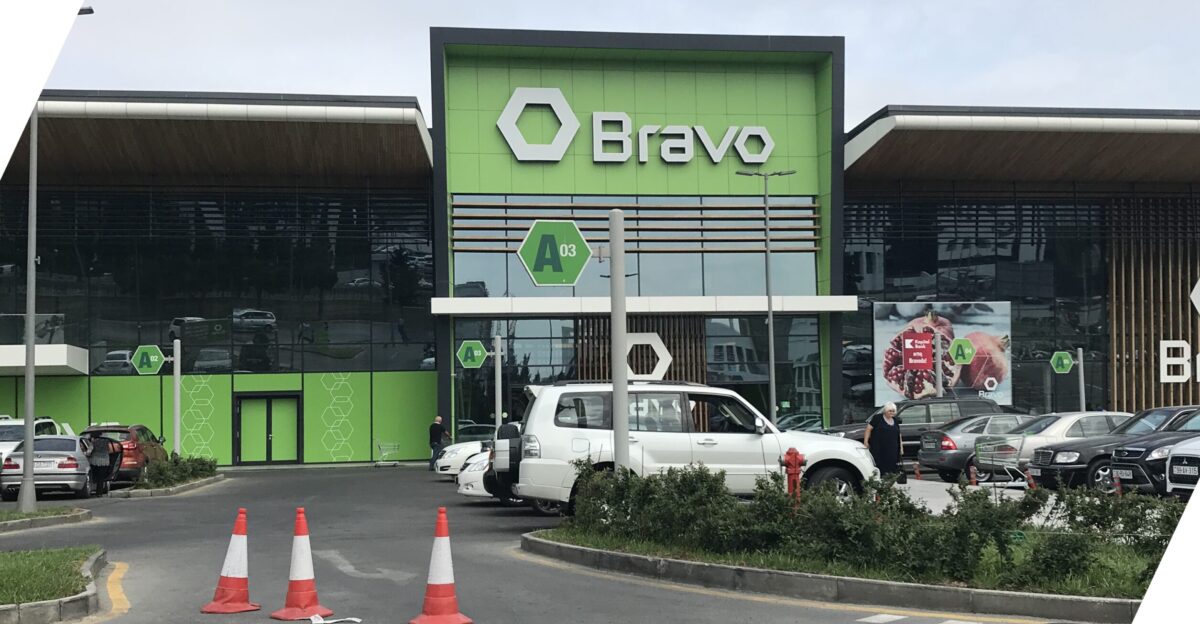
The Newberry store officially became a Bravo Supermarket on September 24, 2025.
Store manager Elvis Tejada told Mainstreet Daily News that existing Hitchcock’s staff will stay on to help transition the store and keep it connected to the community. Bravo also plans to work with local farmers—if the prices are competitive.
Pending Sales
As of October 2025, East Palatka is the only location without a verbal agreement from a buyer, according to Mainstreet Daily News.
The other stores have offers on the table from various grocery chains. Some buyers plan to keep existing inventory, while others will restock from scratch.
Liquidation Sales
Hitchcock’s has started liquidation sales—first offering 30% off, then moving to 50%, according to Mainstreet Daily News.
Stores with potential Winn-Dixie deals—Williston, Alachua, and Keystone Heights—are clearing out their inventory. Others may have their stock bought up by incoming owners.
SNAP Program Impact
Hitchcock’s “Market Fresh Bucks” program—which gave SNAP recipients produce coupons when they spent $10 or more on fruits and vegetables—will end on November 1, 2025, according to Mainstreet Daily News.
The program, in partnership with the USDA, helped low-income families afford healthy food. Nationwide SNAP cuts are also making things harder for rural grocers, Marketplace reports.
Food Desert Concerns
According to the USDA Food Access Research Atlas, as of 2017, about 39.5 million Americans—12.9% of the U.S. population—lived in low-income areas with limited access to groceries. Many of Hitchcock’s stores served these areas, often as the only full-service grocery option for miles.
An anonymous Hitchcock’s manager told Mainstreet Daily News that the closures “would affect the community.” For residents who rely on these stores not just for food, but also for prescriptions, community interaction, and SNAP programs, the shutdown feels like yet another example of rural communities being left behind in national economic transitions.
Community Impact

“Please don’t take away my fried chicken!!!” one Facebook user wrote, according to Mainstreet Daily News.
Another said, “I miss Hitchcock’s donuts.” For nearly 80 years, these stores weren’t just places to shop—they were where neighbors gathered and communities came together.
Alan Hitchcock’s Perspective

Alan Hitchcock, who sold the company in 2008, told Mainstreet Daily News he has mixed feelings about the closure.
“It’s sad to see the name disappear, but also a relief, as the philosophy and the management styles have been different,” he said, pointing to the quality changes after his family stepped away.
Field & Fork Food Pantry Legacy
The Alan and Cathy Hitchcock Field & Fork Food Pantry at the University of Florida is still going strong.
Founded in 2015, it offers bread, canned goods, frozen meat, and seasonal produce to students and staff in need, according to Mainstreet Daily News. Alan Hitchcock said he might reach out to new store owners about partnering with the pantry.
Broader Retail Challenges
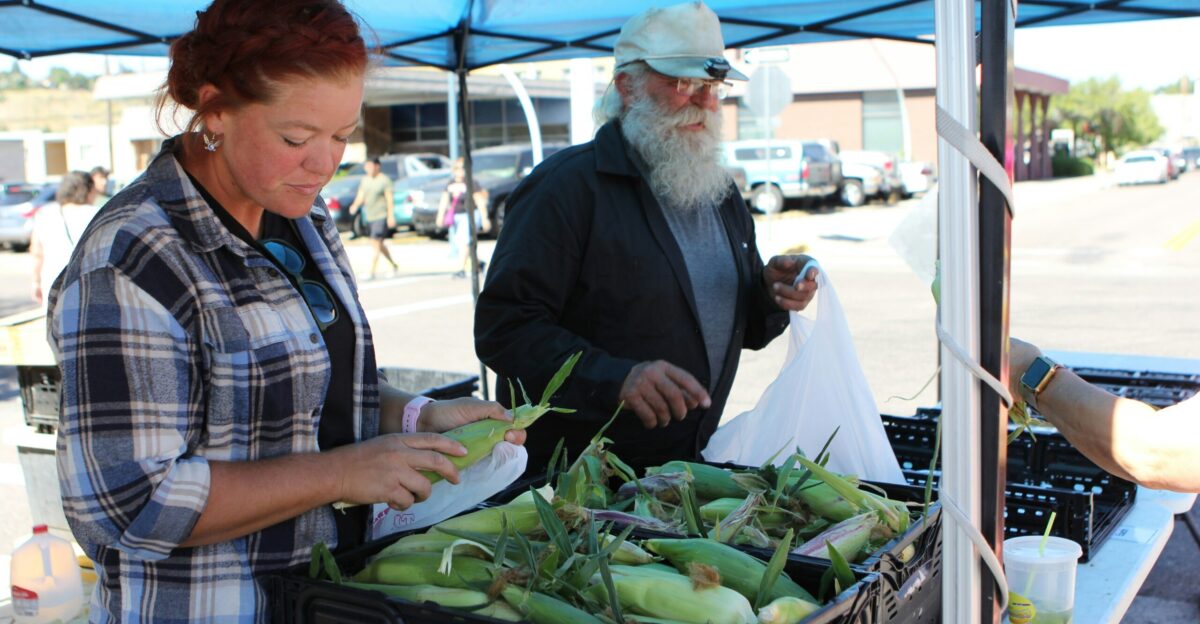
Rural grocery stores nationwide are facing similar challenges. Some Midwestern states have launched grant programs to help independent grocers stay open, according to reporting from KCUR and American Progress.
These initiatives recognize that grocery stores are more than businesses—they’re essential community infrastructure.
What’s Next
New owners have committed to keeping grocery access alive in most of Hitchcock’s former communities, Mainstreet Daily News reports. However, questions remain about whether employees will retain their jobs and benefits.
Alan Hitchcock says he hopes people remember his family’s commitment: “to provide them with quality food at reasonable prices in the small towns.”