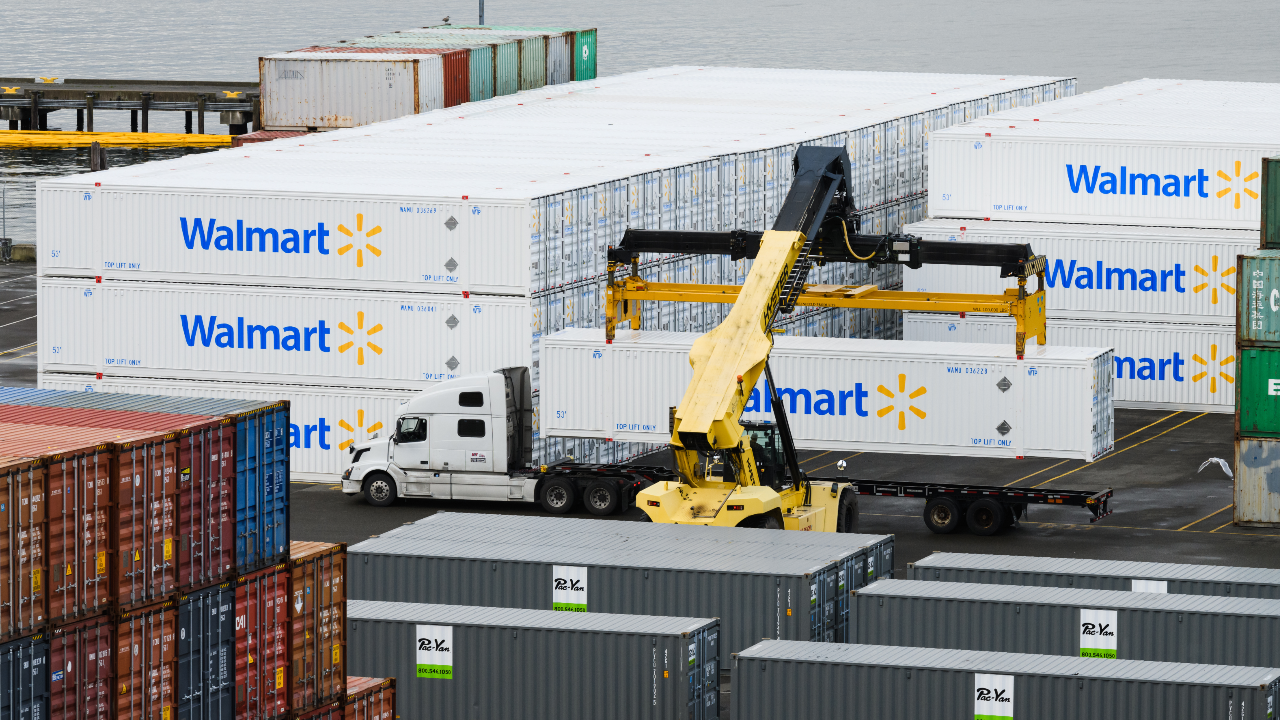
Walmart announced a major revamp of its global supply chain – a network spanning its $648 billion annual sales – triggered by new tariffs and trade tensions. The move changes how billions of goods are sourced, priced, and delivered across 10,750 U.S. stores and e-commerce sites.
Observers call this a bellwether: domestic sourcing and AI-driven logistics will set new retail norms.
Tariff Tides Force Walmart to Rethink Sourcing
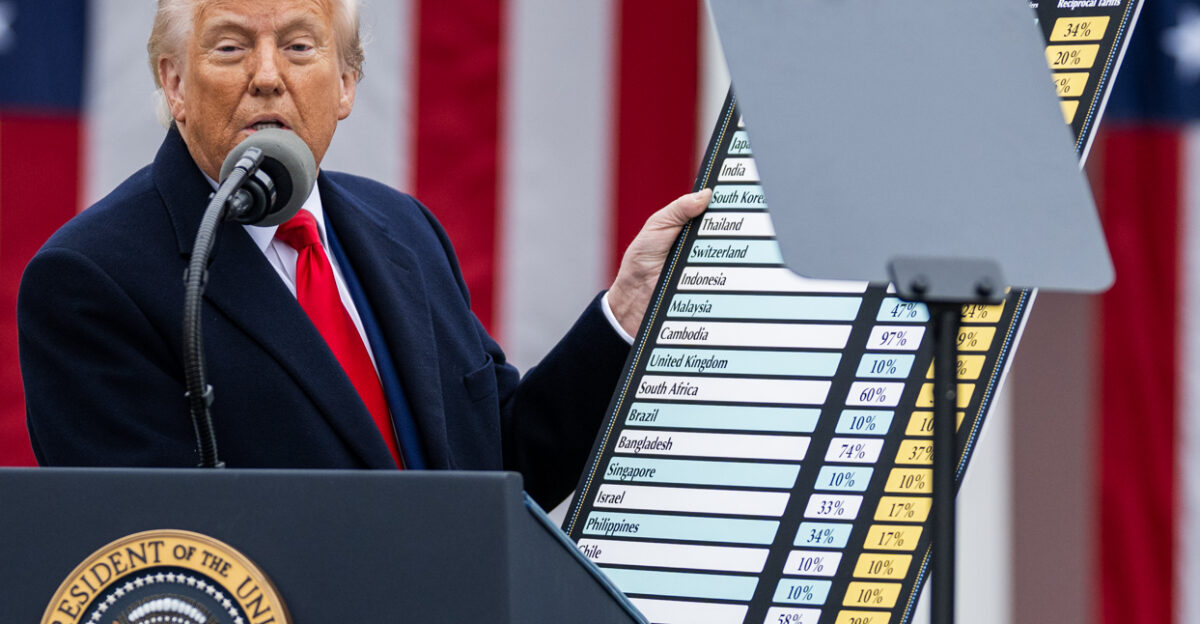
Since 2018, U.S. tariffs on Chinese and other imports have surged (e.g., Trump’s planned 30% duty on Mexico/EU goods). These levies have made traditional low-cost imports far pricier. Walmart’s executives now cite these costs as intolerable: its CFO warned that even after partial rollbacks, tariffs remain “too high”.
The company is aggressively diversifying suppliers and onshoring to counter this.
Customers Brace for Higher Prices

Consumers are already feeling pressure. Walmart’s U.S. CEO John Furner says Americans remain “resilient” and make “really smart choices” despite rising tariff-driven prices. Walmart expects to raise retail prices on some imports starting mid-2025.
The retailer’s scale may cushion cost shocks, but smaller chains lacking Walmart’s efficiency may pass higher costs to shoppers.
Retail Rivals Rush to Match Walmart’s Tech
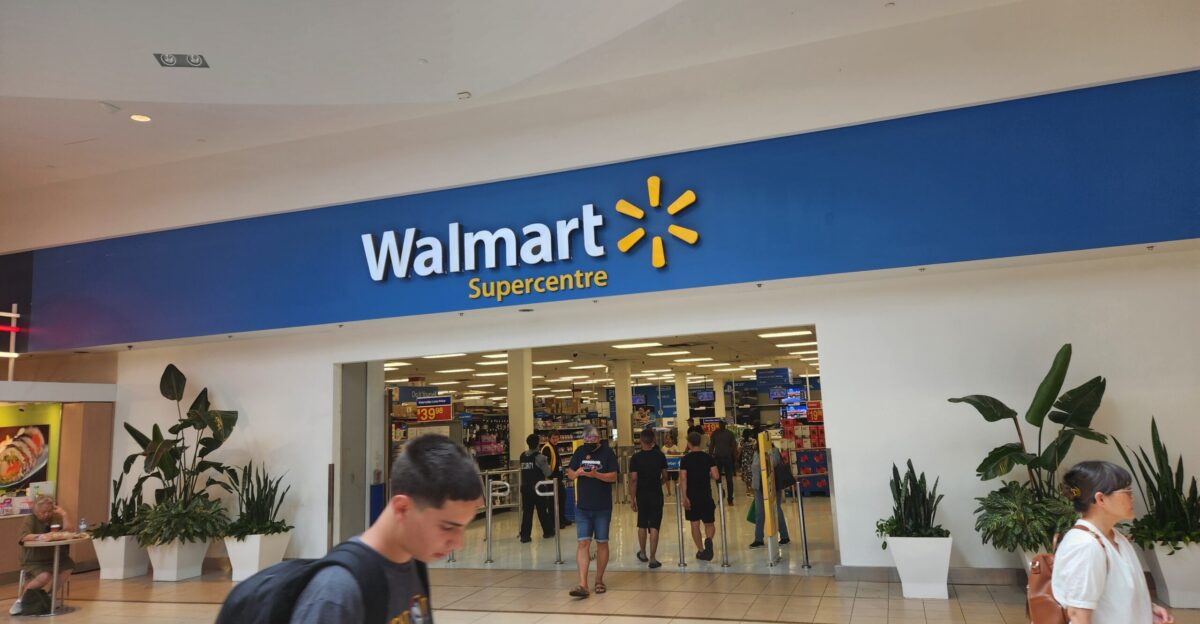
Walmart’s strategy is raising the bar for the entire industry. The company is blending AI and automation through every step of its supply chain. Other retail giants are responding in kind, boosting tech investments so as not to lag.
As Walmart’s supply chain VP Indira Uppuluri notes, “end to end, every segment of what we do is driven by some form of intelligence”.
U.S. Manufacturers Land Prime Shelf Space
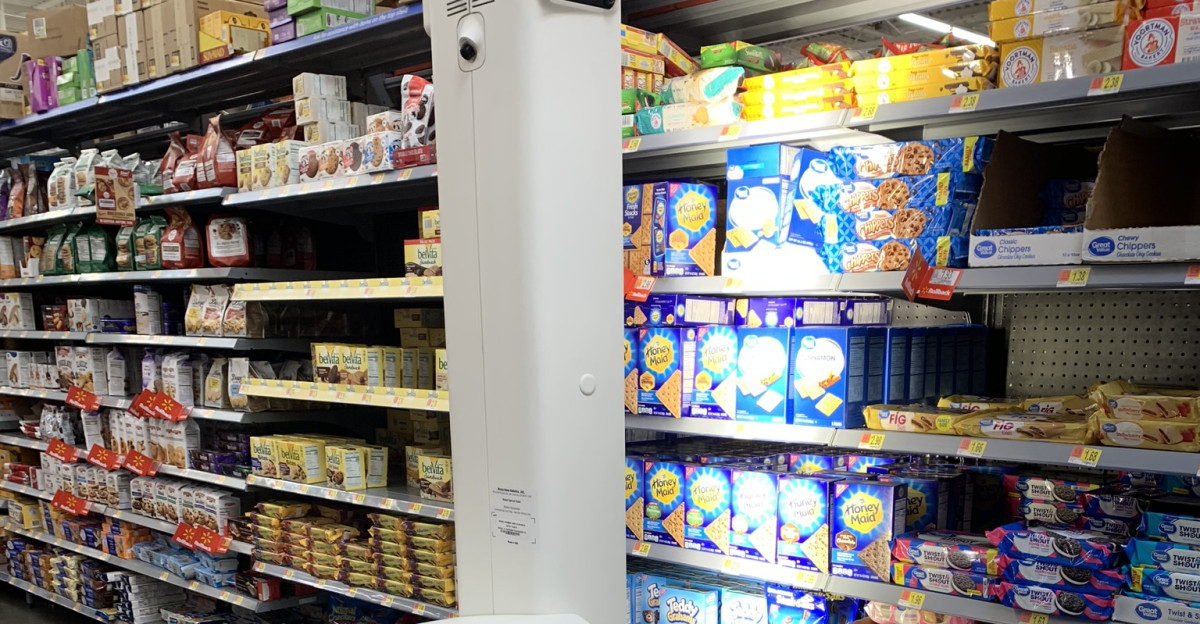
Walmart’s pivot has been a boon for American producers. At its Oct. 2025 Open Call event, 500+ U.S. entrepreneurs pitched products; 100 won “Golden Ticket” deals for Walmart shelf space. This underscores Walmart’s buy-American drive: it pledged $350B in U.S. purchases and has hit $176B so far.
Domestic factories and farms are gaining new contracts even as foreign suppliers feel the squeeze.
Global Trade Routes Rerouted
The overhaul reaches around the globe. Walmart is shifting shipping lanes: inventory is now pre-staged in Mexico and Canada before U.S. stores even open. The company uses AI to “reroute” shipments across continents in real time, from Costa Rica to South Africa.
These changes touch ports worldwide – logistics hubs from Guadalajara to Shanghai must adapt to a more dynamic, multi-origin supply chain.
Small Businesses and Storeworkers Ride the Wave
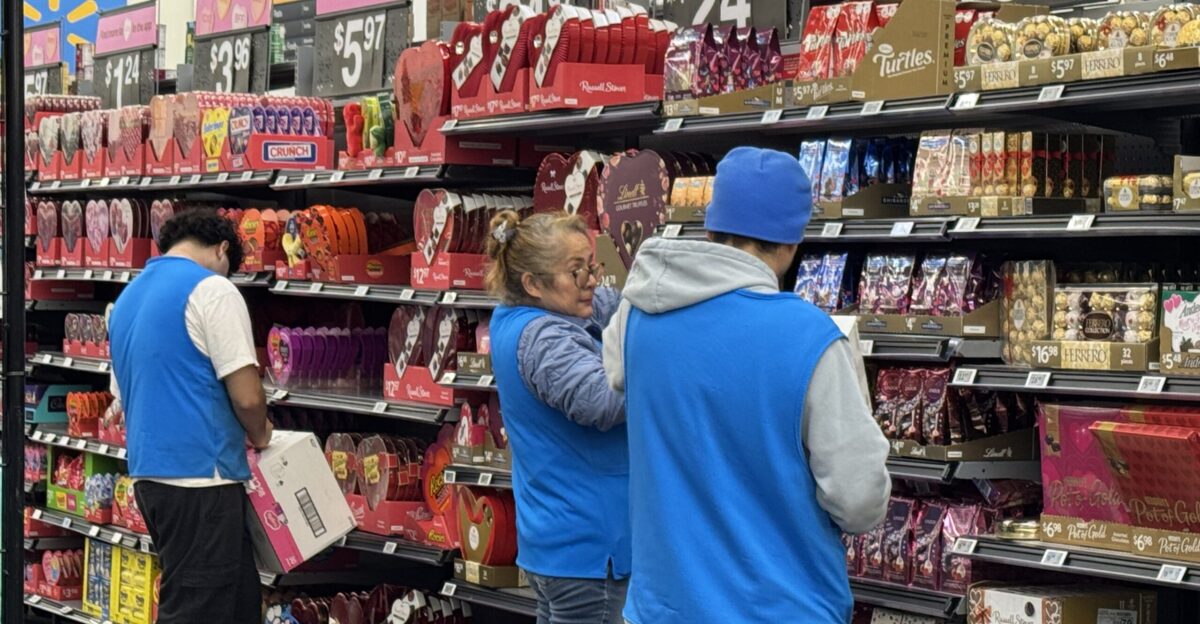
Walmart’s supply shift is felt by people. At its Oct. 2025 Open Call, 500 entrepreneurs (from 47 states) pitched U.S.-made goods and 100 won deals for national shelf space. “Open Call is Walmart at its best, backing American jobs…,” CEO John Furner said.
Meanwhile, store associates are learning new AI tools: new apps cut scheduling time from 90 to 30 minutes, turning physical tasks into problem-solving roles.
Policymakers See Mixed Signals

Washington is tuning in. Some officials hail Walmart’s onshoring as proof that tariffs can spur local industry. The White House notes that overall U.S. inflation has stayed “below expectations” even amid trade frictions.
Meanwhile, debates swirl over trade policy: lawmakers discuss new tariffs or incentives to support manufacturers and supply chain resilience, citing Walmart’s shift as a case example.
Tariffs Stoke Inflation, Squeezing Retail Margins
Trade levies are adding to inflation. Walmart warned in May 2025 that goods costs will rise due to duties. CFO John Rainey cautioned that prices for certain imports “are likely going to go up, and that’s not good for consumers”.
Walmart’s enormous scale can buffer some hikes, but many smaller retailers facing identical tariffs may have no choice but to pass costs on, further tightening shopper budgets.
AI and Automation Become Retail Necessities

Walmart is raising the tech bar. Its supply chain uses AI at scale: “produce is sorted by predictive AI in Costa Rica before sunrise; inventory is rerouted in Mexico before stores open”.
Walmart’s CTO adds that intelligent agents “can help automate and simplify pretty much everything that we do”. Competitors are now racing to deploy similar tech.
Restaurants and Food Service Adjust
The ripple reaches restaurants and hotels. Tariffs on food imports have raised ingredient costs, squeezing eateries. The U.S. restaurant lobby warned that a 30% U.S. tariff on food and drink from Mexico/Canada could cost restaurants $15.16 billion in a year, hurting “razor-thin margins” and forcing menu price hikes.
Major chains say they can absorb small increases, but many smaller venues will face tough trade-offs as prices shift.
Packaging, Logistics, and Niche Industries Adapt
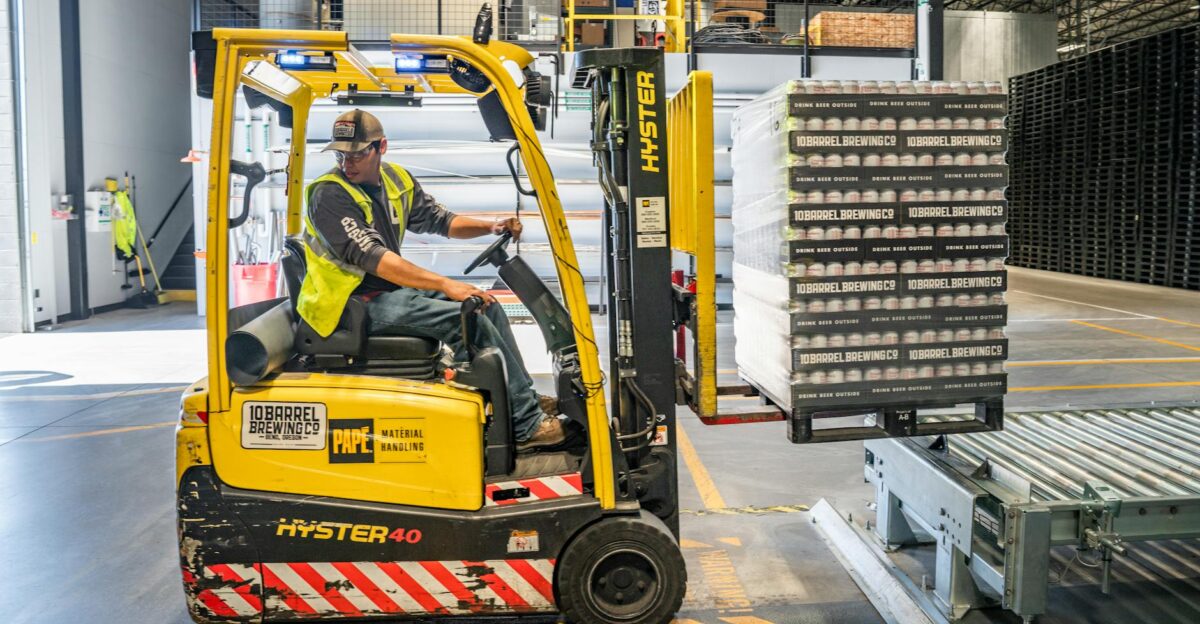
Walmart’s new standards are forcing changes in many industries. Packaging firms must redesign products to work with warehouse robots, and logistics companies are reprogramming routes. Even niche sectors adapt: industry analysts say pet food is “poised to advance from automation” as efficiencies rise.
Broadly, any supplier of consumer goods—from carton makers to carriers—must evolve.
Global Consumers Face a New Mix
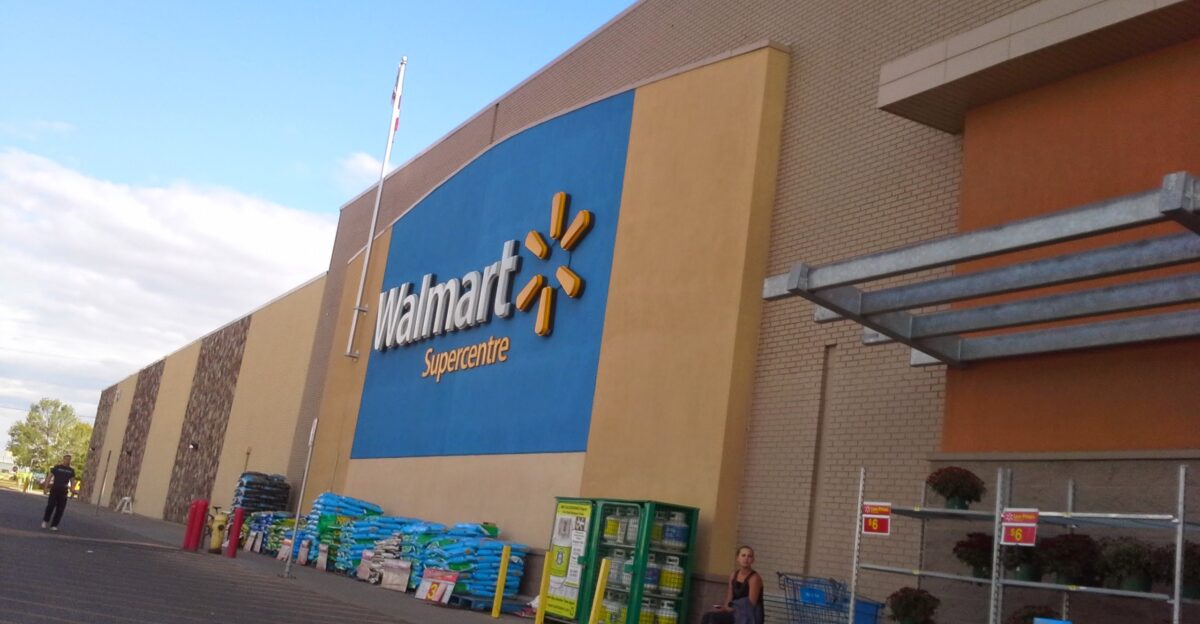
With ~270 million weekly customers worldwide, Walmart’s sourcing changes have a global impact. Shoppers abroad will see different assortments: more items labeled “Made in USA” and fewer foreign-made goods. Indeed, Walmart’s U.S. product spend is now two-thirds domestic.
This forces international suppliers – from Indian garment makers to Mexican produce exporters – to pivot or find new markets.
More U.S.-Made Goods Could Shape Lifestyles
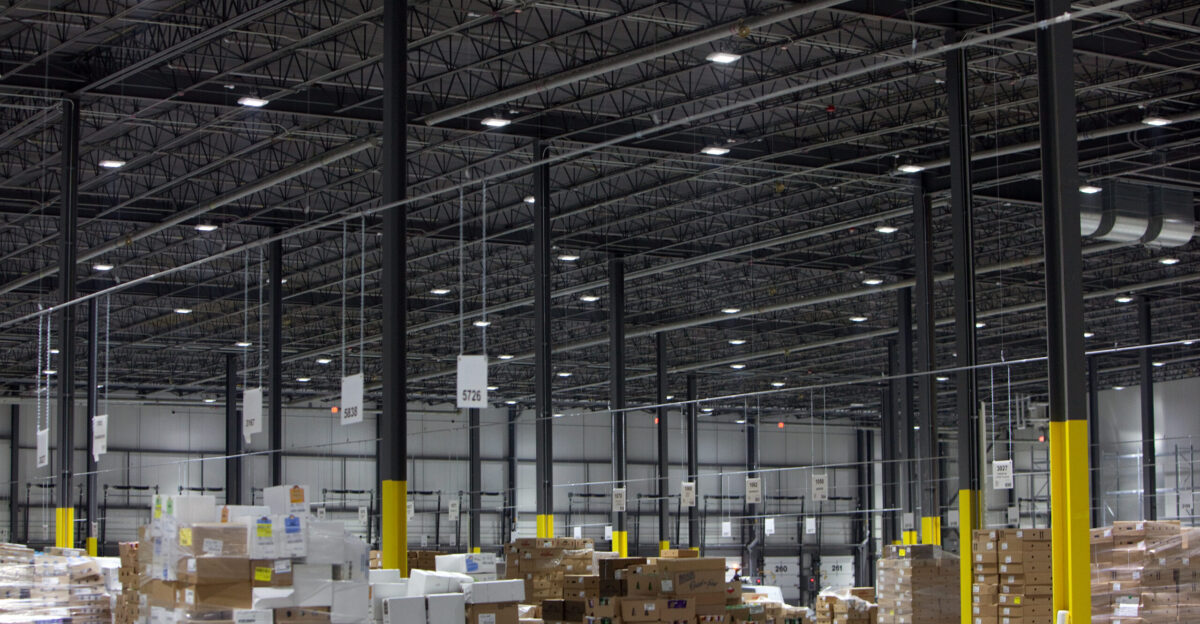
Walmart’s local focus could reshape diets. Its Costa Rica perishable warehouse uses predictive AI so efficiently that produce arrives “fresher… and with fewer delays”. As more U.S.-grown food makes shelves, shoppers may favor domestic produce.
The move could also cut waste: tighter supply chains mean better quality and longer shelf-life for fresh goods.
Sustainability Takes Center Stage

The supply chain reshuffle highlights environmental and ethical concerns. Walmart is expanding ESG requirements: it now pressures suppliers for carbon tracking and greener practices.
Experts warn this is no token gesture: “ESG compliance is becoming a financial and operational requirement”, making sustainability a must in sourcing. This fuels debate about retail’s long-term impact on communities and the climate.
Clear Winners and Stragglers Emerge
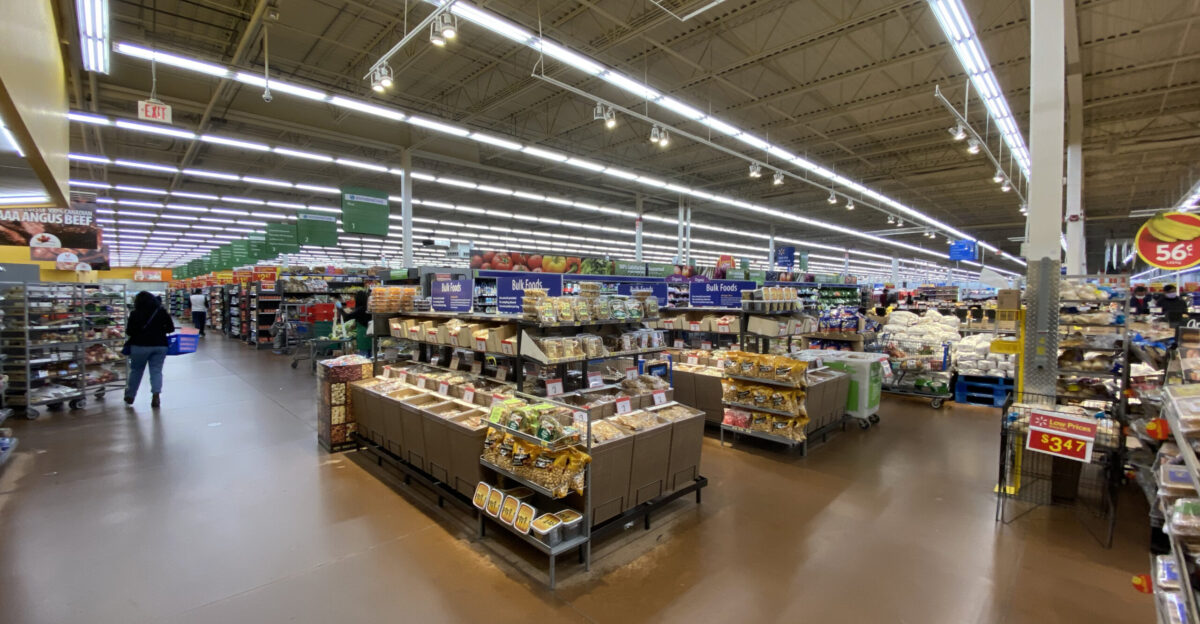
Some companies are winning, some are losing. U.S. businesses are beneficiaries: roughly 60% of Walmart’s U.S. suppliers are small domestic firms. Walmart’s decade-long $350B U.S. sourcing pledge has already reached $176B, creating many new domestic orders.
In contrast, some foreign suppliers and carriers tied to old routes are seeing their volumes shrink as Walmart rebalances its buying.
Investors Back Tech-Driven Resilience

Wall Street is taking note. Walmart’s stock has jumped about 37% in the past year, far outpacing peers. Its market value has approached $800 billion, as investors bet on staples and groceries.
Analysts say firms embracing AI and robust supply networks will outperform, while laggards risk losing market share as retail evolves.
Consumer Takeaways
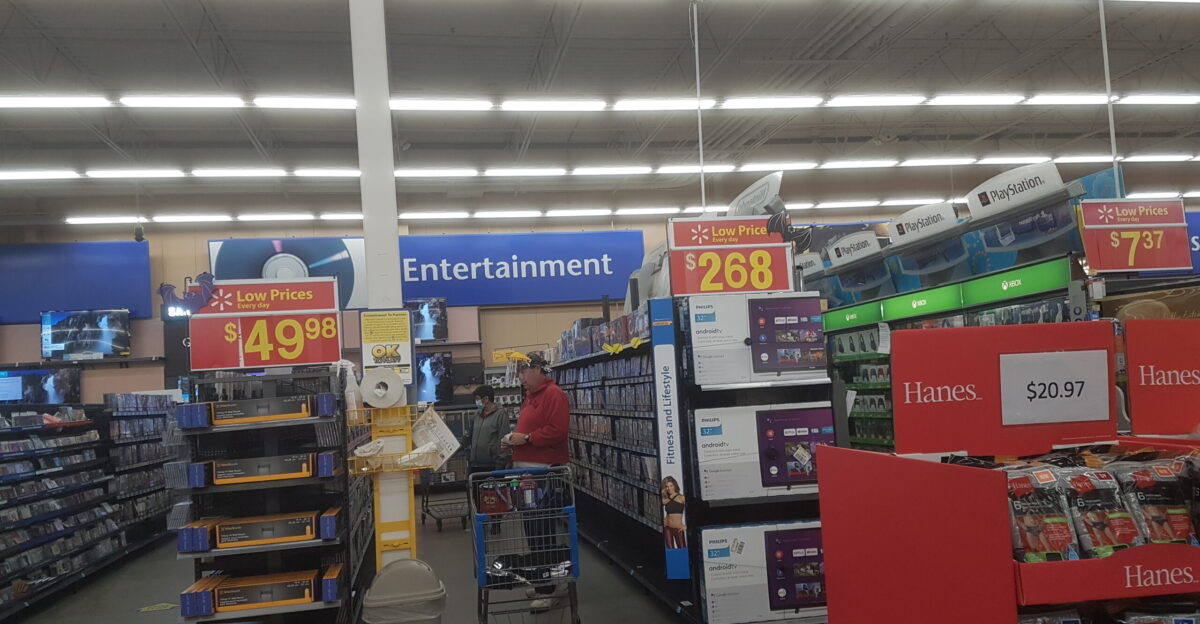
For shoppers, one takeaway is to embrace new labels: expect more U.S.-made products and check origins. Domestic startups and regional brands will appear alongside familiar names, offering fresh choices.
Prices may stabilize thanks to stronger supply chains, but consumers should be prepared for shifts in available brands as retailers highlight where products come from.
What’s Next

Experts say Walmart’s move is just the beginning. The company forecasts online sales to reach 50% of total within five years, powered by automation and resilient sourcing. Other retailers are expected to follow: adopting AI-driven forecasting, robotics, and sustainability as standard.
In the years ahead, supply chains built for speed, flexibility, and environmental accountability will define retail.
Retail’s New Reality
Walmart’s $648B supply chain shake-up is reshaping retail’s future. One executive notes, “At this scale, the only way to move faster is to move smarter”. By forcing domestic sourcing and tech innovation, Walmart is a catalyst for change.
The ripples will define a new era of retail built on agility, cutting-edge technology, and renewed focus on consumers and communities.