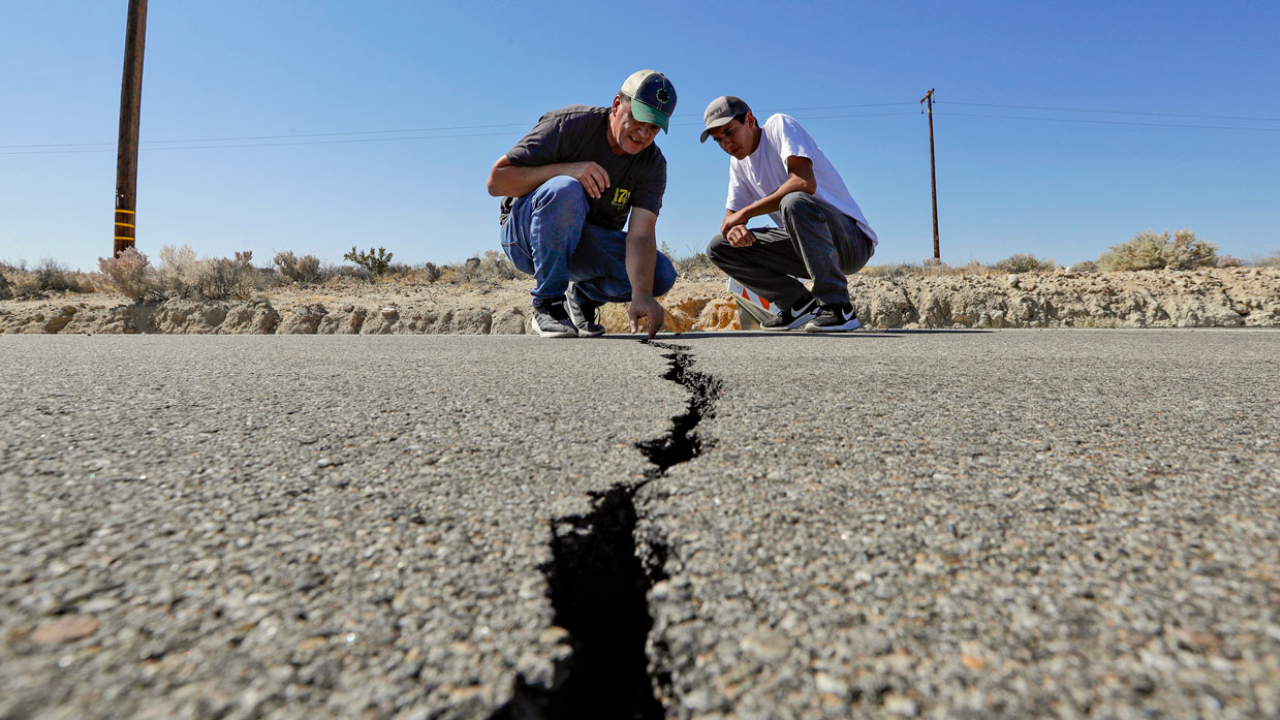
At 9:23 a.m. on October 16, 2025, a magnitude 3.1 earthquake rattled the Bay Area, striking just 800 feet northeast of Cal Memorial Stadium on the UC Berkeley campus.
More than 1,400 residents across 62 zip codes reported feeling the tremor, which originated along the Hayward Fault—one of America’s most dangerous and densely populated fault lines. USGS scientists have long warned of its potential for major seismic activity beneath nearly two million people.
Now, after over 150 years of relative silence, this jolt raises a pressing question: is the Bay Area truly prepared for what could come next?
The Hayward Fault’s Dangerous Reach
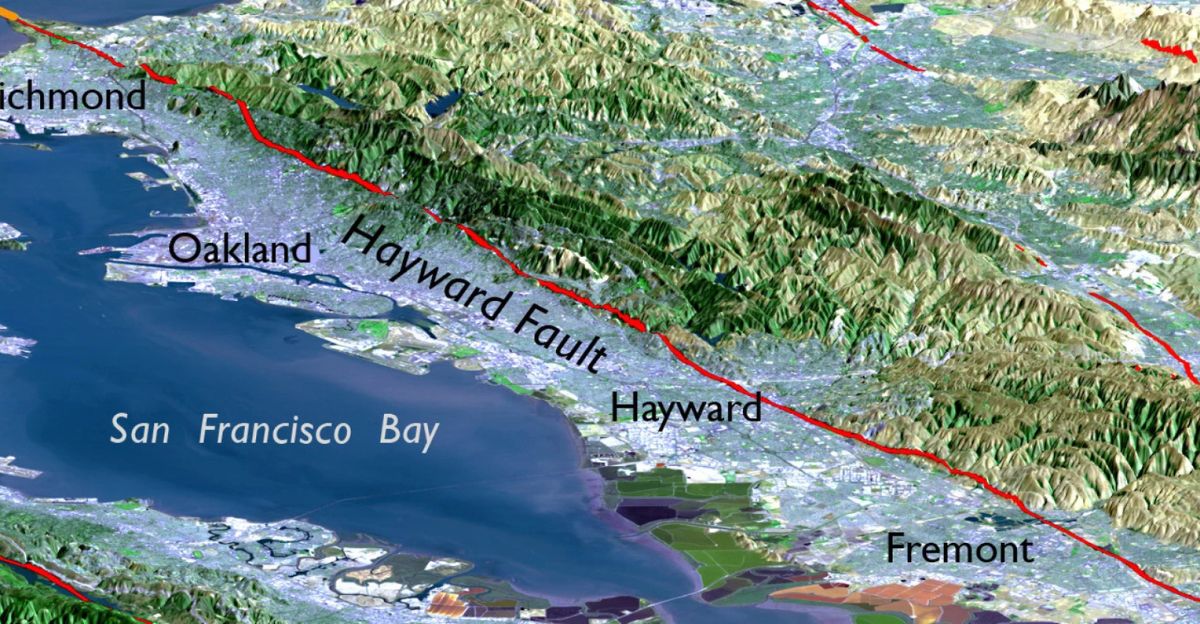
The Hayward Fault isn’t just long—it’s alarmingly close to where people live. Stretching about 52 miles (84 km) through the East Bay, it cuts directly beneath cities like Berkeley, Oakland, Fremont, and Hayward.
More than two million residents, along with hospitals, schools, and freeways, sit directly atop this restless fault. Its proximity to dense urban centers makes even a moderate quake potentially catastrophic.
High Probability of a Major Quake Soon
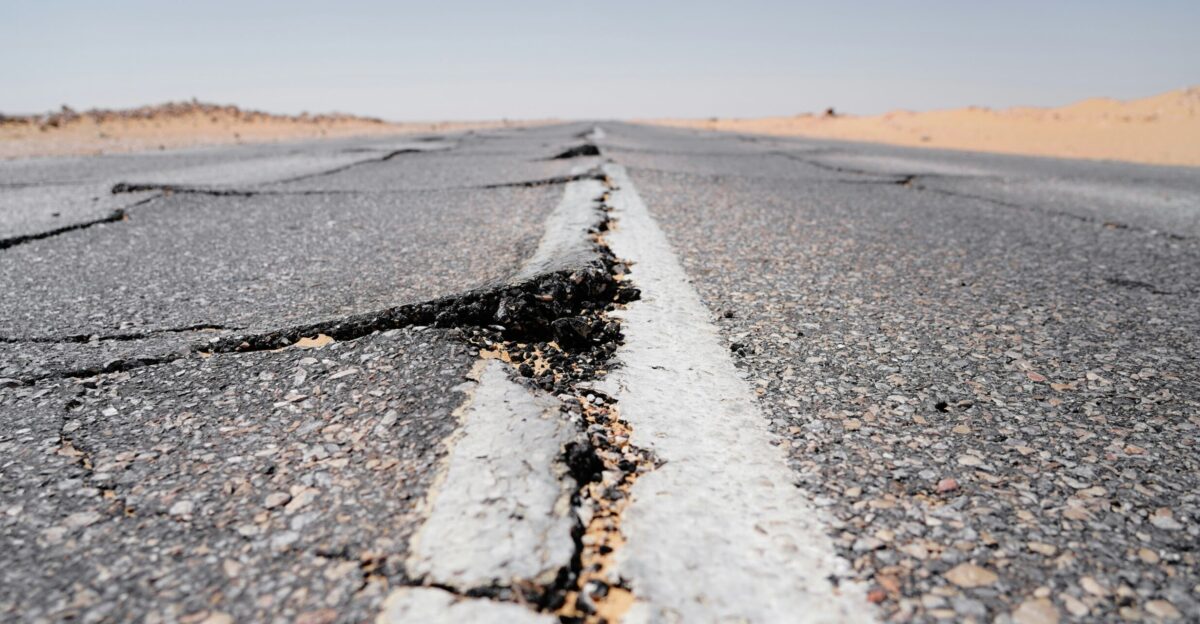
The U.S. Geological Survey estimates a 33% chance the Hayward Fault will unleash a magnitude 6.7 or stronger quake by 2043—the highest risk of any fault in California, even surpassing the San Andreas at 22%.
The Hayward Fault last ruptured in 1868, and with an average cycle of 140 to 160 years, scientists warn it’s now overdue for another major event.
Why the Hayward Fault Tops the Danger List
While the San Andreas may be more famous, the Hayward Fault poses the greater immediate threat. It cuts through cities like Oakland, Berkeley, and Fremont, home to over two million people.
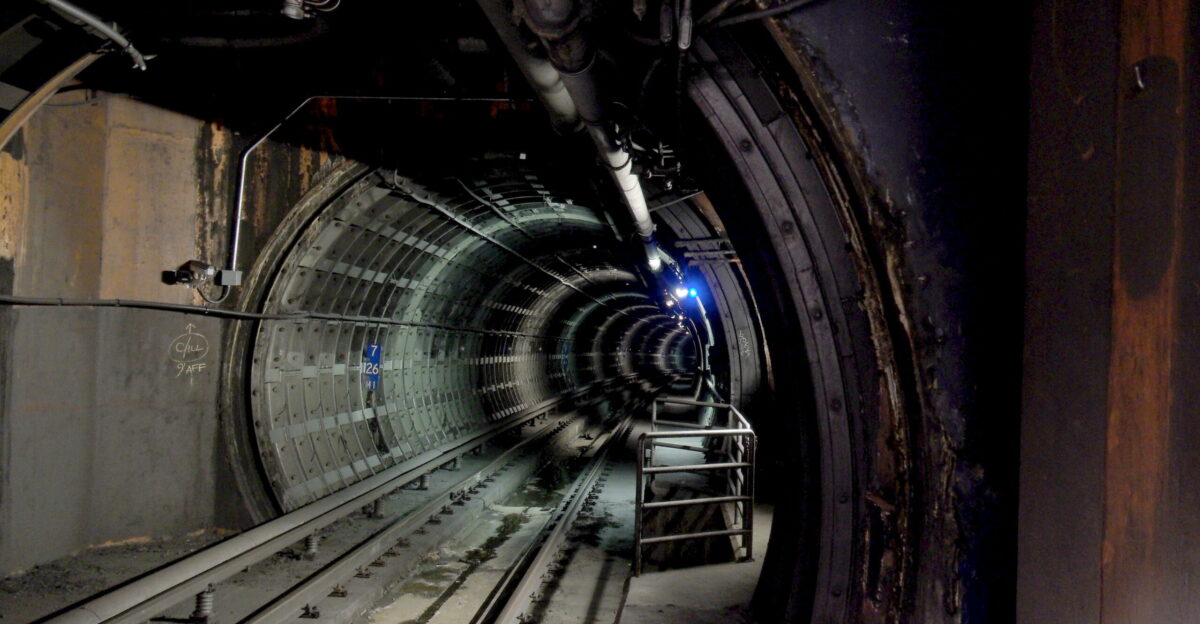
The fault lies beneath vital water, gas, and transport lines—including BART tunnels and Cal Memorial Stadium—making even a moderate quake potentially catastrophic for the Bay Area’s infrastructure.
The Recent Tremors in Context
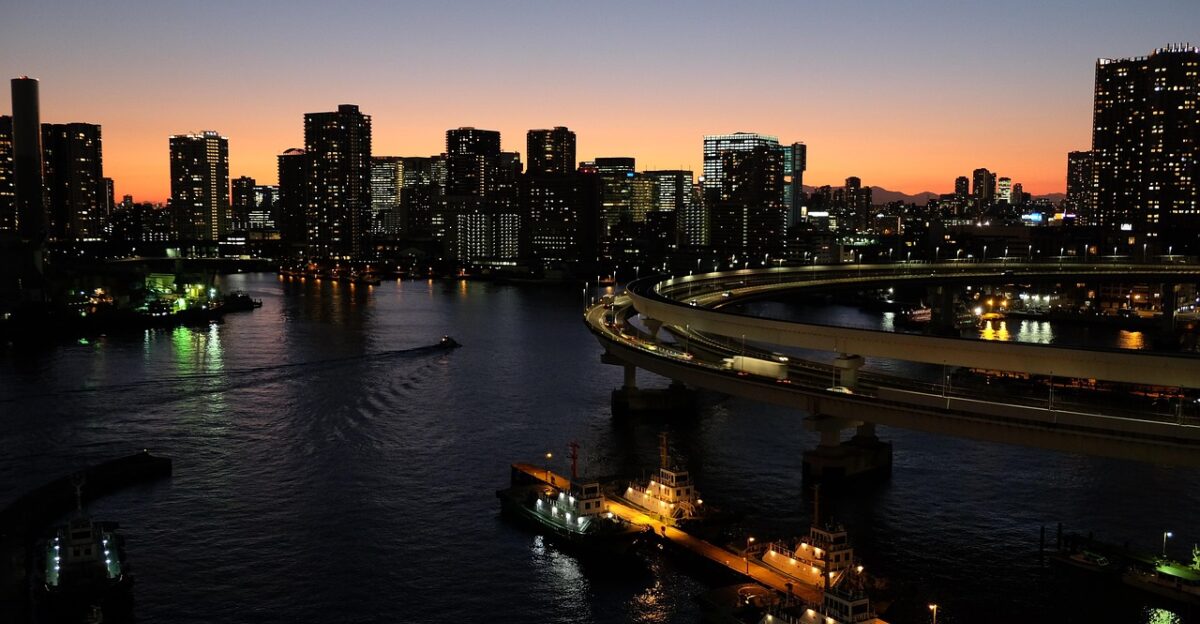
The October 16 quake wasn’t an isolated event. Just weeks earlier, on September 22, a stronger magnitude 4.3 quake jolted the Bay Area awake at 2:56 a.m. Over 22,000 residents reported shaking, with some accounts reaching 30,000.
The tremor, centered less than a mile from Berkeley near Dwight Way and Piedmont Avenue, marked the region’s largest earthquake since 2022 and reignited seismic concern across the Bay Area.
The September 22 Wake-Up Call

Shaking from the September quake rippled across nearly 100 miles, from San Rafael to San Jose. In Berkeley, windows shattered, dishes crashed to the floor, and stores saw bottles tumble from shelves.
BART slowed trains for inspections, delaying commuters by up to 20 minutes. Alarms blared, phones buzzed with ShakeAlert warnings, and residents described feeling their beds sway and floors roll beneath them.
The Aftershock Chain Reaction
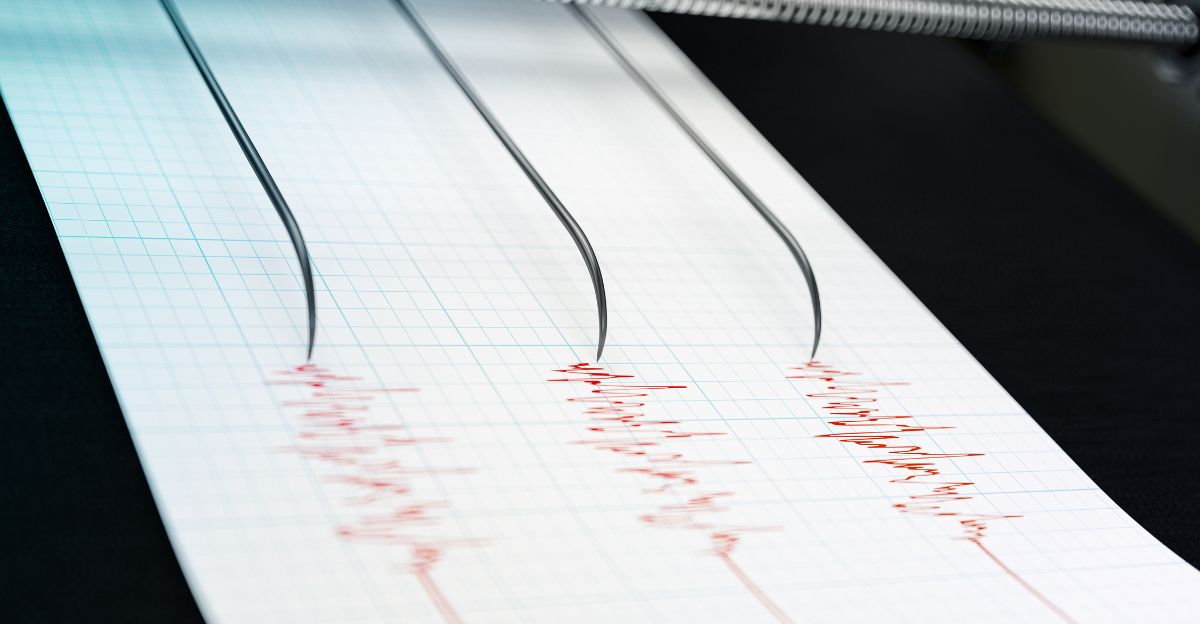
The shaking didn’t stop with the main event. Within hours, a series of aftershocks followed—magnitudes 2.1, 2.6, and 3.0—striking in the same area near Berkeley’s Claremont and Ashby avenues.
Though relatively small, these quakes revealed ongoing fault stress beneath the East Bay, with scientists closely tracking whether the tremor cluster signaled ordinary movement or an escalating seismic sequence.
Patterns Pointing to Pressure
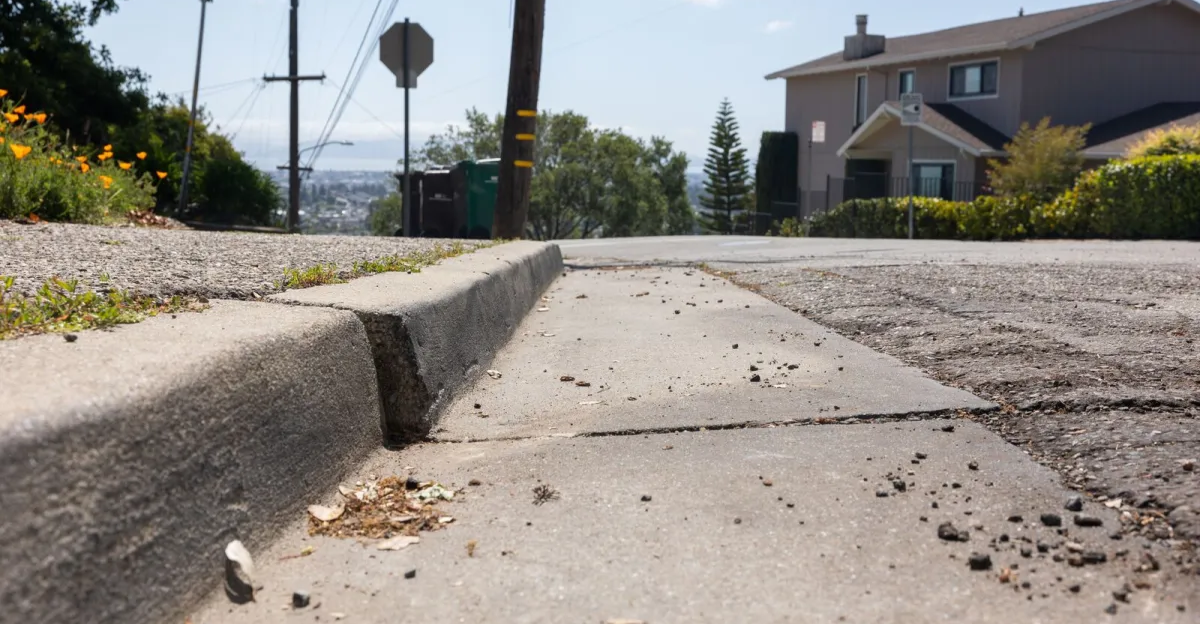
The Hayward Fault has been restless throughout 2025, producing multiple small quakes, including a series in February reaching up to magnitude 3.7.
Seismologists say such tremors may be “business as usual” for a fault that creeps about 0.2 inches per year—but the uptick in clustered activity has revived debate over whether the fault is gearing up for something larger.
The Precursor Debate
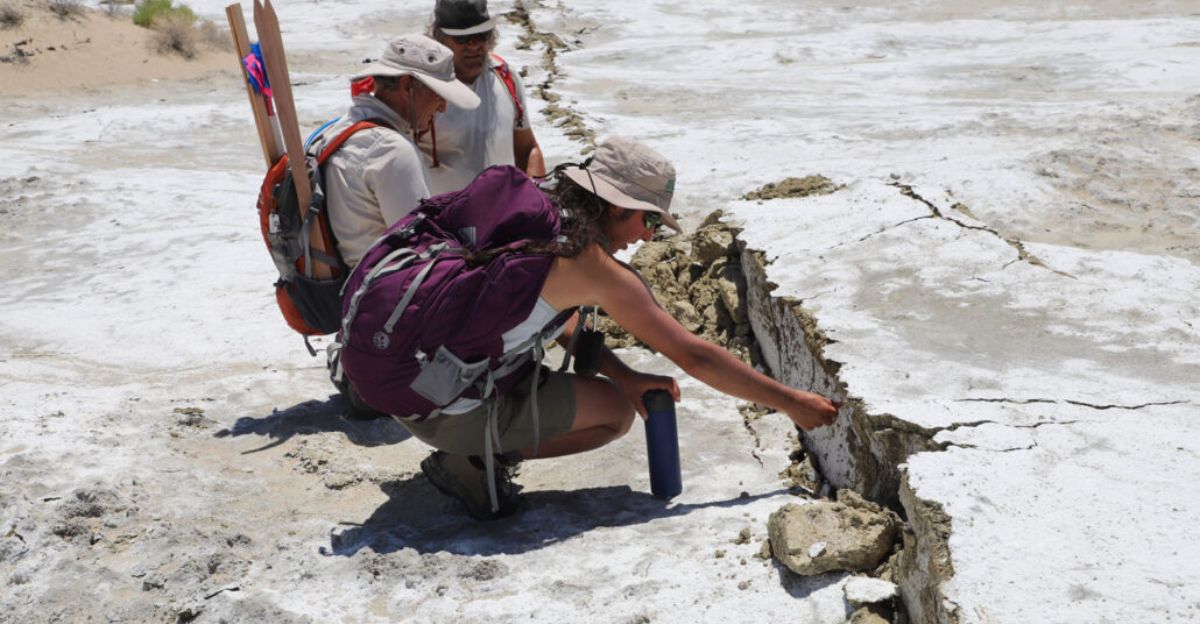
Experts remain divided. UC Berkeley’s Angie Lux calls these quakes “typical” for the Bay Area, noting small tremors are part of the region’s seismic rhythm. Yet history offers a sobering precedent—the catastrophic 1868 Hayward earthquake was also preceded by minor quakes.
Since half of all major earthquakes are foreshadowed by smaller ones, seismologists are watching this year’s uptick with cautious attention.
Stress Beneath the Surface
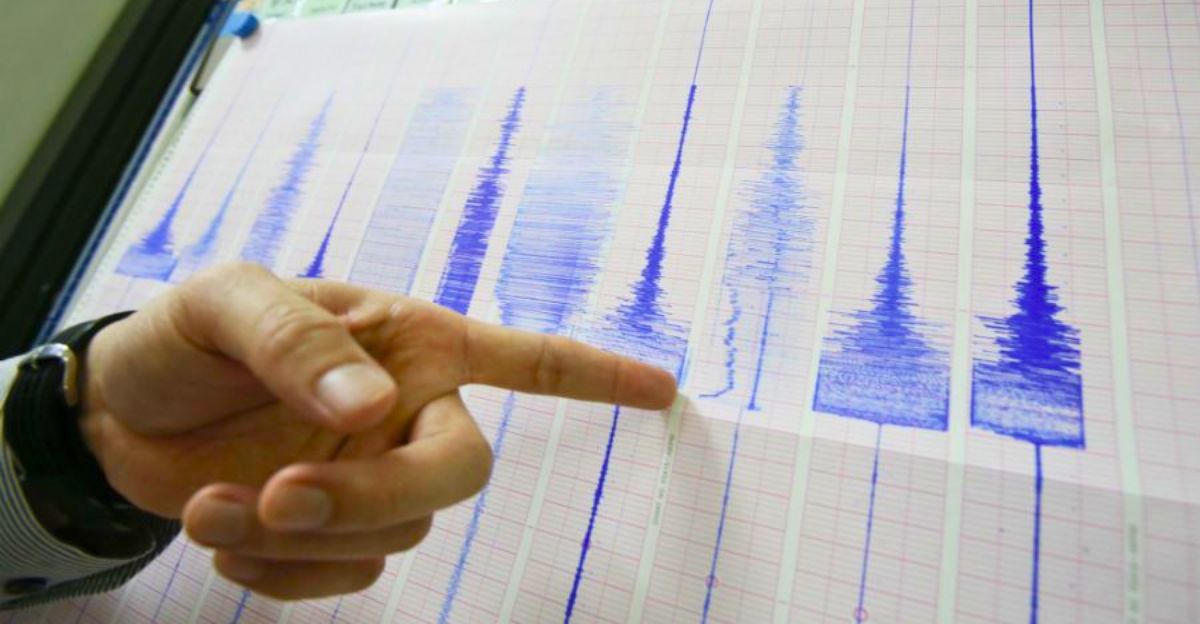
Every tremor shifts the fault’s balance. The September quake, though modest, released energy equivalent to six tons of TNT—but that’s just 0.0001% of what a magnitude 7.0 would unleash.
Scientists are studying aftershock frequency, fault creep rates, and strain accumulation to determine whether these recent quakes reflect routine seismic release or an ominous buildup of pressure nearing its breaking point.
A Fault That Never Sleeps
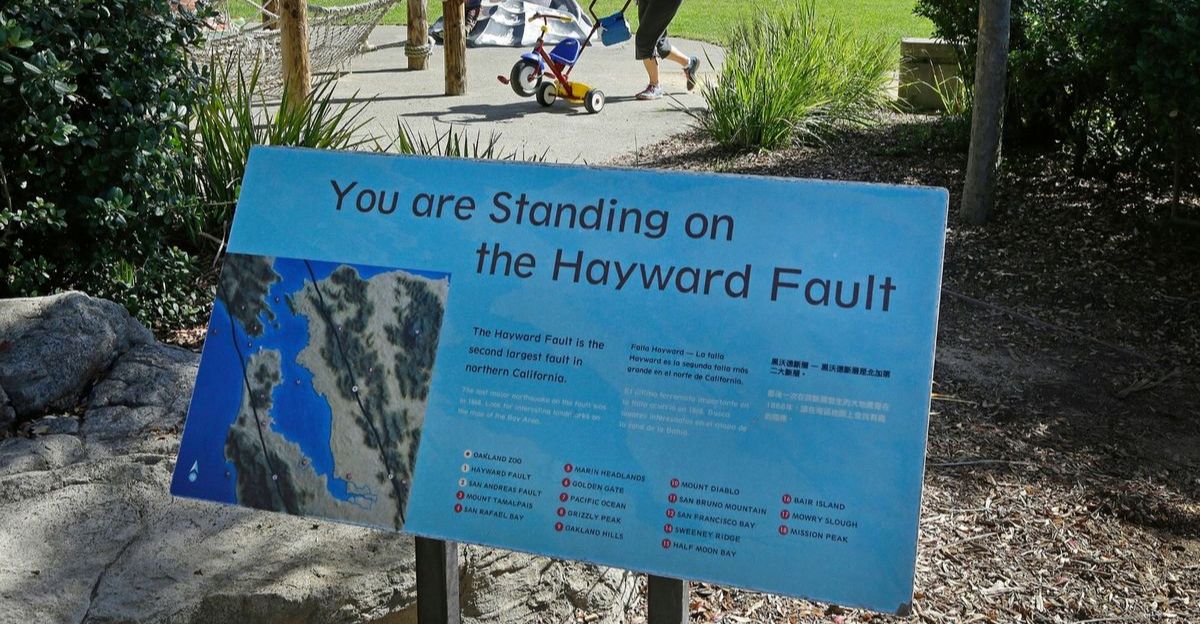
With 157 years since its last major rupture, the Hayward Fault is past its typical cycle of 140 to 160 years. Researchers from UC Berkeley and USGS are monitoring GPS data, aftershock clusters, and subtle ground shifts for signs of impending movement.
As one seismologist famously warned, “UC Berkeley is the only major university in the world with a dangerous earthquake fault running through its campus.” The danger below remains very real.
The Bay Area’s Economic Powerhouse

The San Francisco Bay Area produces roughly $1.87 billion in daily output from its $681.9 billion GDP, or $2.97 billion daily when including the 14-county Greater Bay Area.
The region’s economic footprint rivals entire states, with Silicon Valley alone generating $542.5 billion in direct impact—16.7% of California’s economy—and supporting 4.2 million jobs across tech, finance, and industry.
The Catastrophic Economic Threat
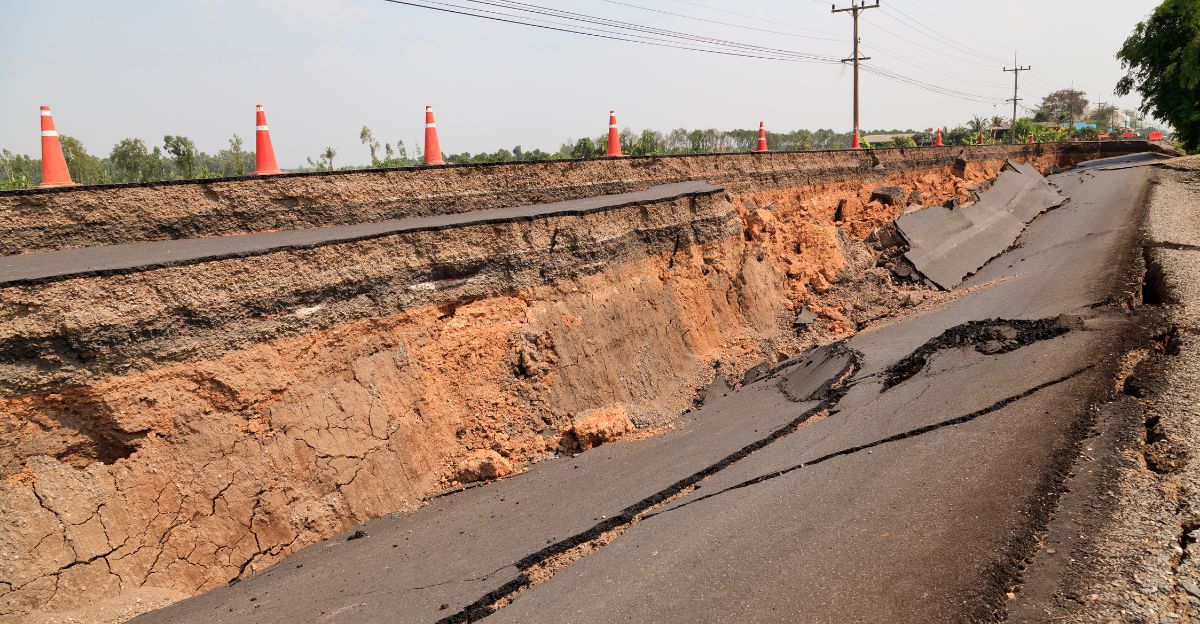
A magnitude 7.0 Hayward earthquake could cause $100+ billion in total losses, 77,000–152,000 households displaced, fires destroying 52,000 homes, and weeks to months without water. Daily output losses alone could reach $26–42 billion, while tech tax revenue of $55.9 billion and global supply chains face severe disruption.
The Bay Area’s concentration of people, capital, and infrastructure creates a single point of unparalleled economic vulnerability in the U.S.
Infrastructure at Risk
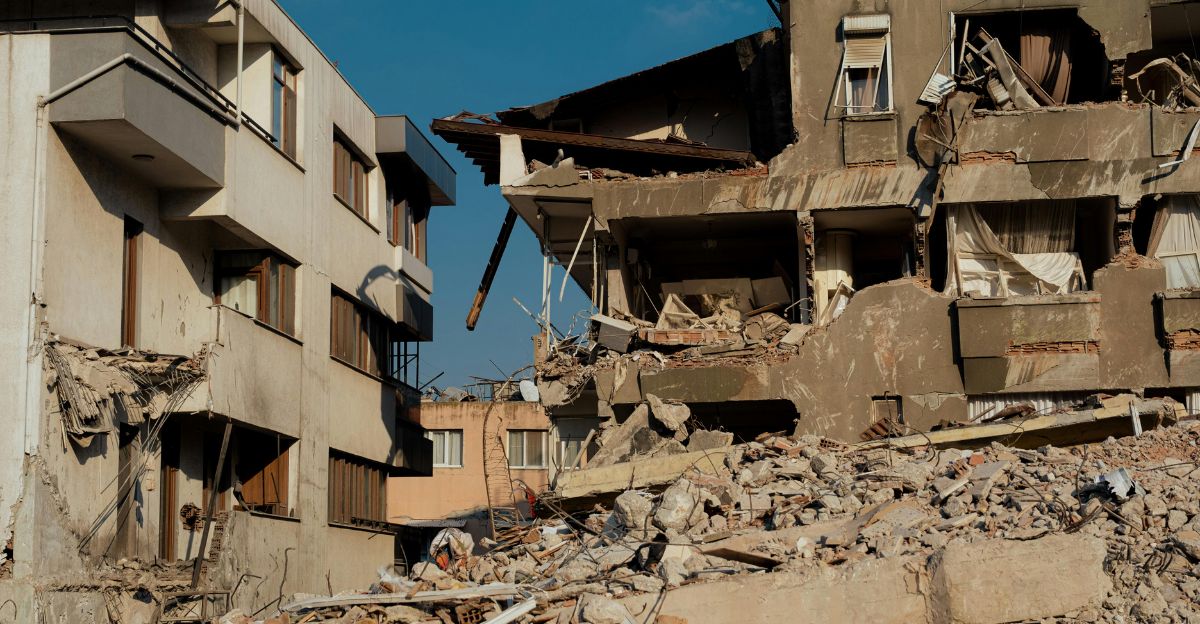
Shaking, liquefaction, and landslides could cause $82 billion in property and business losses. Up to 8,000 structures might collapse, 100,000 be unsafe, and 390,000 restricted.
Water outages could last 6 weeks to 6 months, and high-rise office and residential buildings could be unusable for up to 10 months. Fires, with limited water access, would amplify destruction.
The Human Cost of a Hayward Fault Earthquake
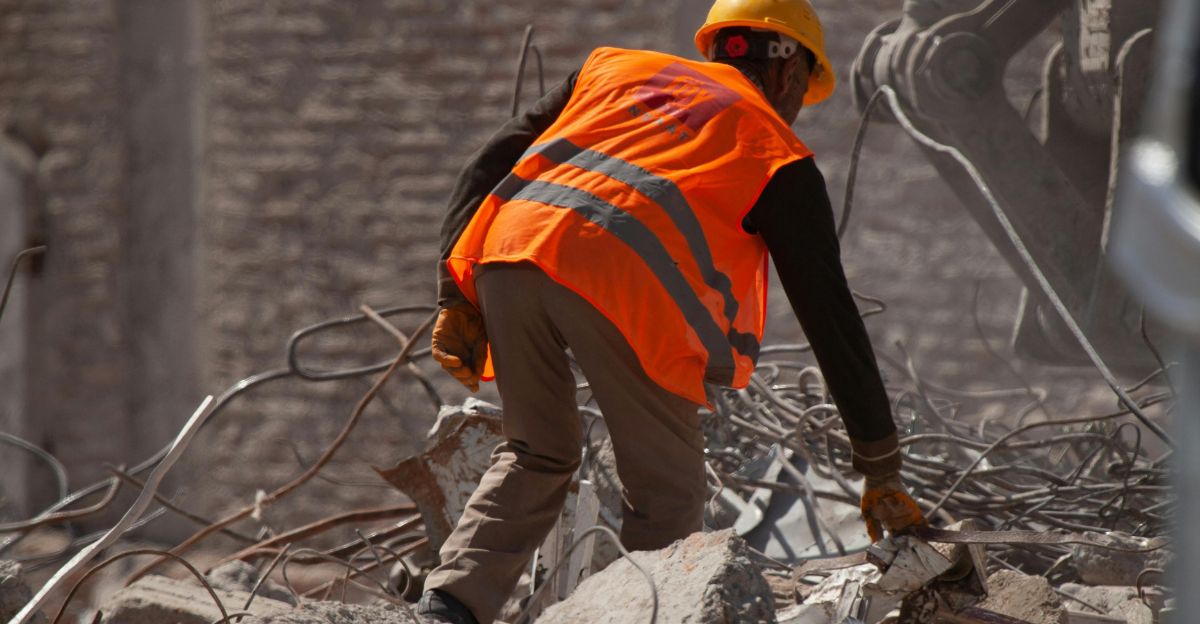
A magnitude 7.0 quake along the Hayward Fault could be catastrophic: USGS projects 800 deaths and 18,000 nonfatal injuries, with 268,000 households—or 720,000 people—displaced.
Fires could destroy areas equivalent to 52,000 homes. Even with early warnings and safety drills, tens of thousands would require rescue or extrication, highlighting the immense human toll of such an event.
Insurance and Financial Exposure

Only 10-12% of California homeowners carry earthquake insurance, leaving 88-90% financially vulnerable. A magnitude 7.0 Hayward Fault quake could cause $82-100 billion in direct property damage, far exceeding the coverage of most residents.
High premiums, steep deductibles, and limited policies discourage uptake, while reliance on uncertain government aid compounds the financial risk for individuals and local governments alike.
Preparedness and Warnings in Place

California has advanced preparedness: ShakeAlert warnings, retrofitting programs, and emergency firefighting upgrades. Over 10 million participated in the October 2025 Great ShakeOut drill.
Yet gaps remain: many buildings remain unretrofitted, water systems could fail, fire response is limited, socially vulnerable populations face disproportionate risk, and economic recovery could take years. The region is safer than in 1989, but far from fully prepared.
The Anniversary That Reminded Us
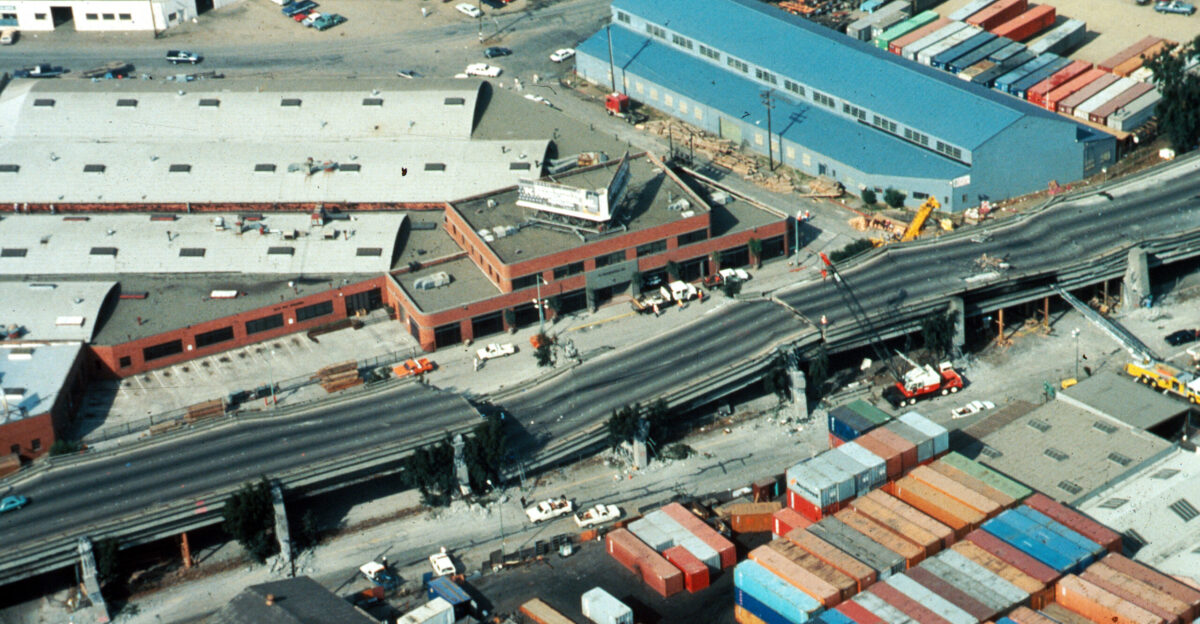
On October 17, 1989, at 5:04 p.m. during Game 3 of the World Series, the magnitude 6.9 Loma Prieta earthquake struck the Bay Area. The quake killed 63 people, injured over 3,800, and caused $6-10 billion in damage (roughly $17 billion today).
Key devastation included the Cypress Freeway collapse in Oakland, the Bay Bridge upper deck failure, the Marina District fire, 963 homes destroyed, and 147 businesses lost entirely. Over 18,000 residences and 2,575 businesses were damaged, leaving a lasting mark on the region.
The Forecast: An 18-Year Window of Highest Risk
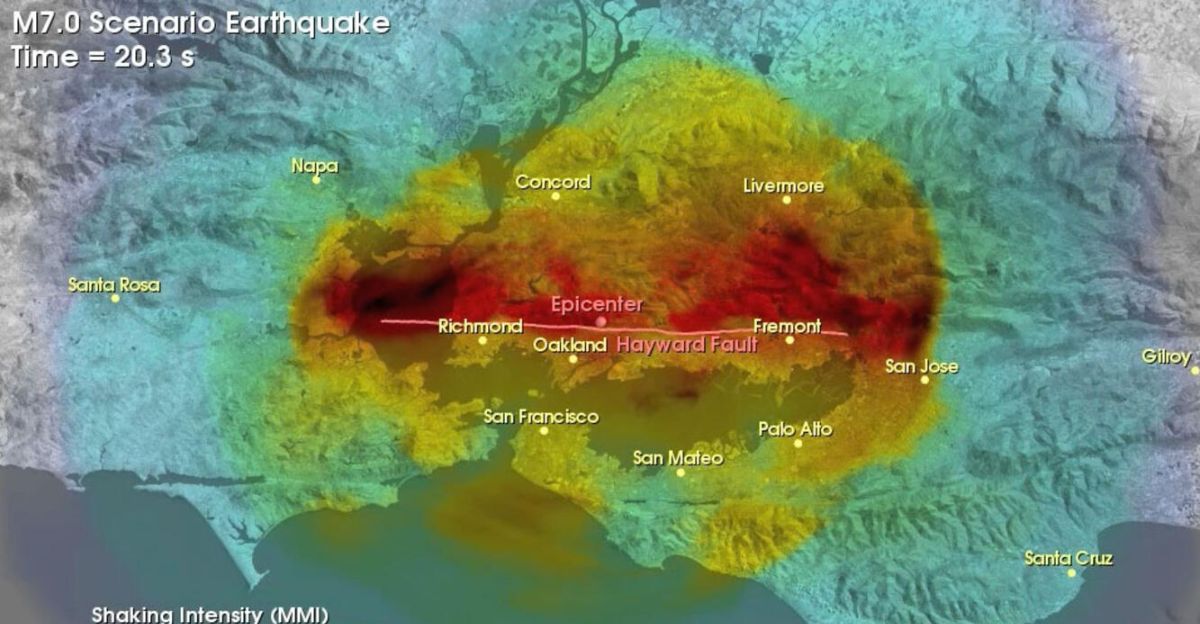
The USGS identifies 2014–2043 as a critical 29-year window when the Hayward Fault faces its highest risk for a magnitude 6.7+ earthquake. The Hayward Fault alone carries a 33% probability, while the broader Bay Area has a 72% chance of a major quake.
As of October 2025, 11 years have passed, leaving 18 years of heightened risk, emphasizing the urgency for preparedness and mitigation across the region.
Final Reckoning: A Fault Line on the Edge

The Hayward Fault’s recent tremors, historical precedent, and the looming 18-year high-risk window paint a sobering picture: the Bay Area is sitting atop one of the nation’s most dangerous urban faults. The human, economic, and infrastructural stakes are immense, and preparedness gaps—from underinsured homeowners to vulnerable water and firefighting systems—compound the risk.
The past reminds us how devastating earthquakes can be, and the present shows the fault is active, dangerous, and overdue. Acting now on retrofits, emergency planning, and public awareness isn’t optional—it’s essential to avoid catastrophe.