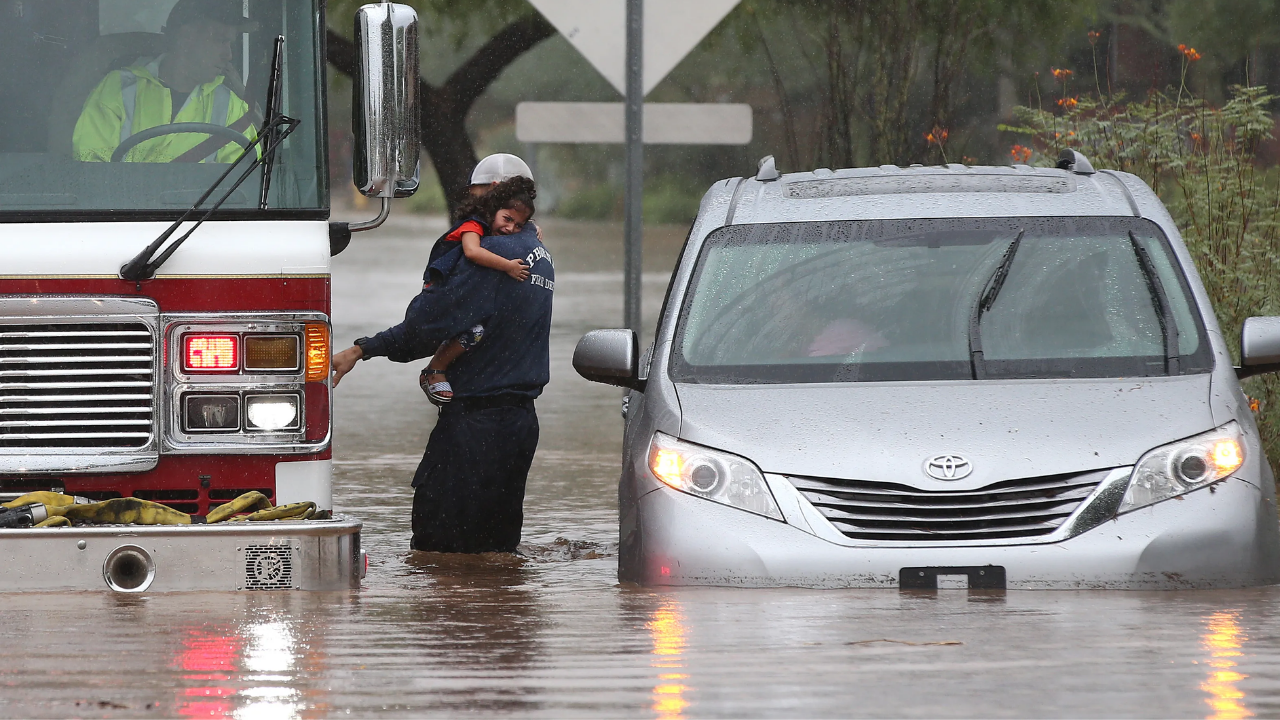
Six U.S. states are on high alert as Hurricane Priscilla’s tropical moisture moves northward, bringing life-threatening flood risks. The National Weather Service has issued emergency flood alerts covering a vast area, raising concerns across the Desert Southwest.
With extraordinary rainfall expected, officials are urging travelers and residents to stay informed with real-time updates. As we head into the weekend, the question looms: how quickly will these flood risks escalate?
Multi-State Threat
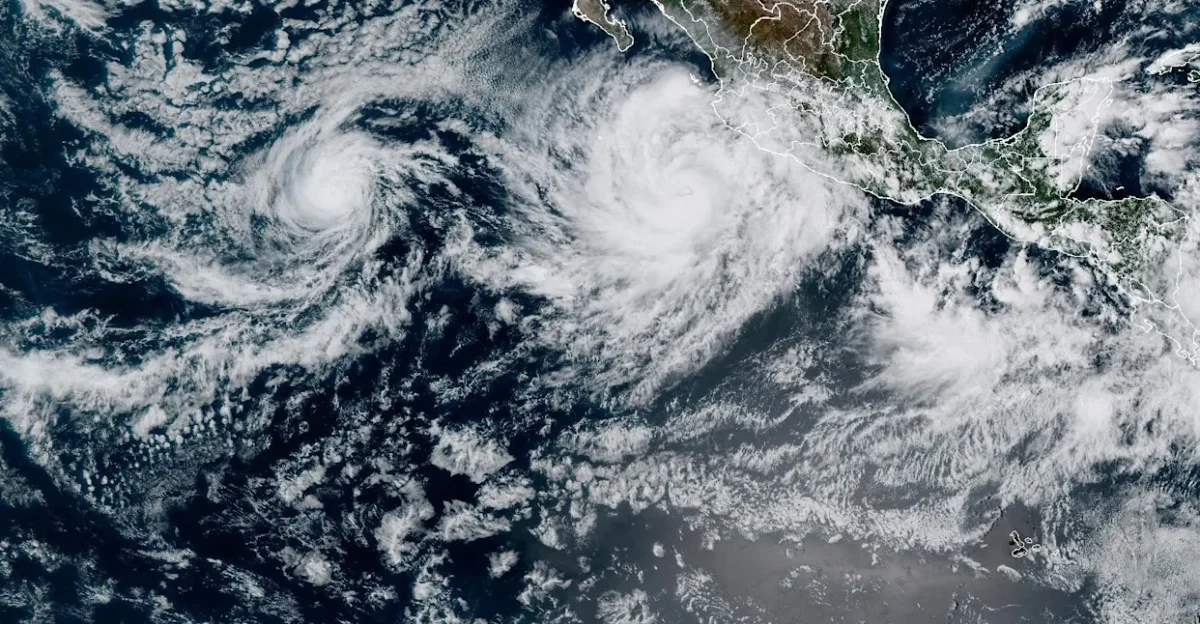
AccuWeather predicts that portions of Arizona, Colorado, Utah, and surrounding areas could see more than a month’s worth of rain in merely a few days.
This surge may cause rainfall totals to exceed seasonal averages, significantly increasing the risk of flash floods. What are the consequences when massive amounts of water usually inundate dry landscapes?
Storms in Context
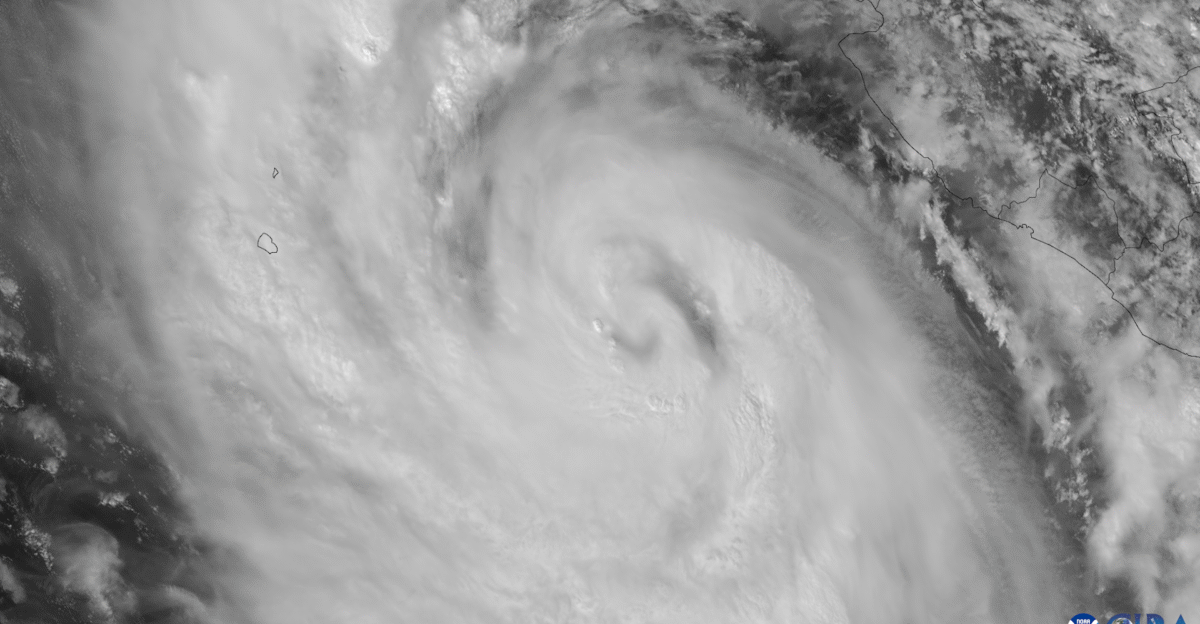
Historically, remnants of hurricanes have drenched the Southwest. Yet, Hurricane Priscilla’s trajectory is straightforward, heightening the risk.
Meteorologists have noted a concerning trend: the statistical likelihood of such storms is increasing. This raises pressing questions about climate change and its influence on storm patterns.
Pressure Mounts

Meteorologists attribute the crisis to a prolonged period of heavy rainfall, expected to last several days. The unique landscape of the Desert Southwest, with its travel disruptions and vulnerable, flood-prone areas, amplifies these risks.
Emergency management teams are working tirelessly to strengthen infrastructure as smaller communities prepare for the possibility of significant road closures.
Alerts Expanded
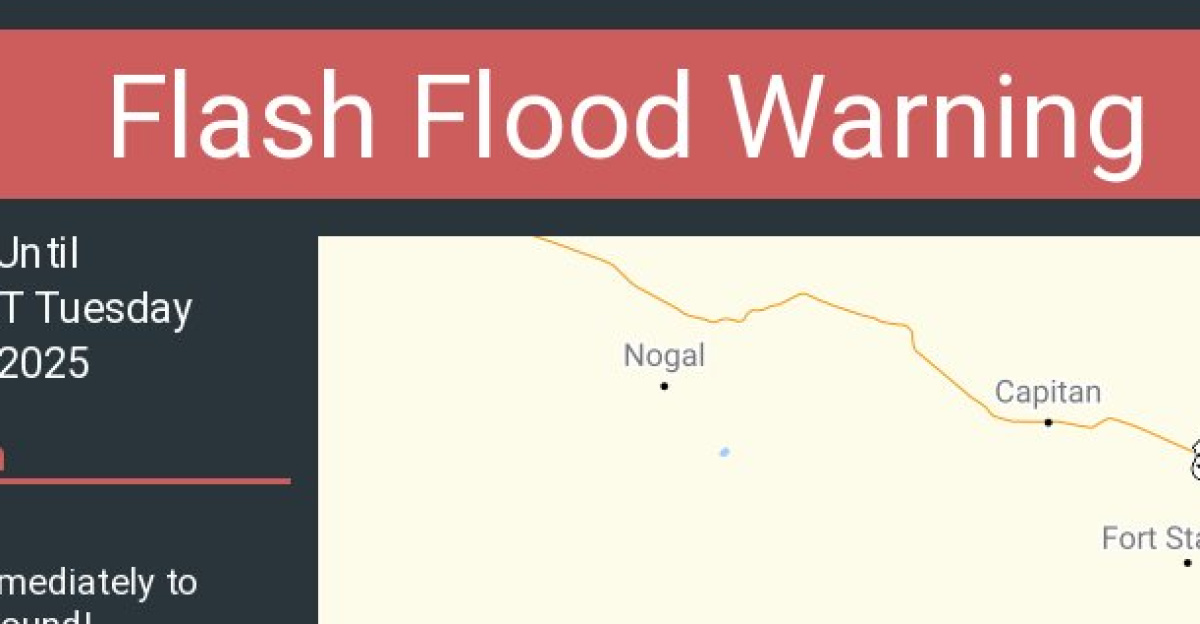
Emergency flood alerts are now active across six states: Arizona, Colorado, Utah, New Mexico, parts of Nevada, and Southern California.
These alerts encompass hundreds of thousands of square miles, particularly where storm systems converge. Never before has so much tropical moisture been targeted at these states on such an unprecedented scale.
Impacted Southwest
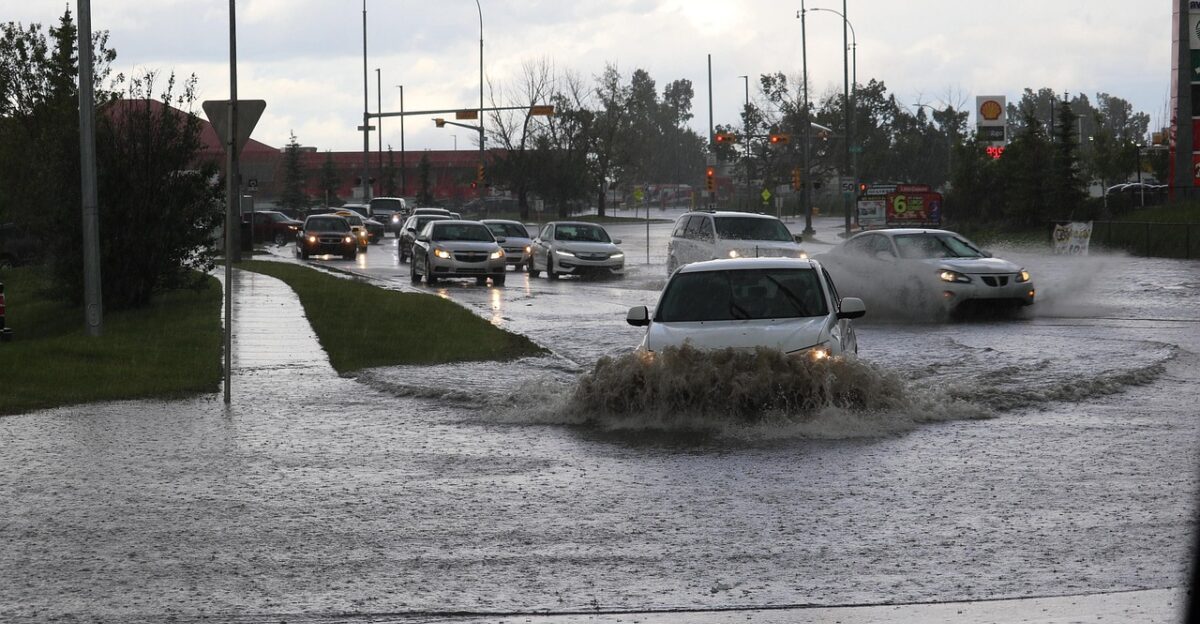
In Arizona, local officials forewarn that flash floods could close critical highways and potentially overwhelm flood control systems in the Phoenix area. Meanwhile, extensive rainfall is already soaking the Colorado valleys while creeping further into Utah’s northern region.
First responders are positioning swift-water rescue teams in anticipation of worsening conditions. Will the local infrastructure be able to withstand the storm?
Human Toll

Meteorologist DaSilva emphasizes that “even a small amount can trigger a flash flood,” evoking memories of the 2021 monsoon floods that devastated Las Vegas.
Now, with Hurricane Priscilla looming, residents are stockpiling essentials, weighed down by past experiences while hoping history doesn’t repeat itself.
Official Watch
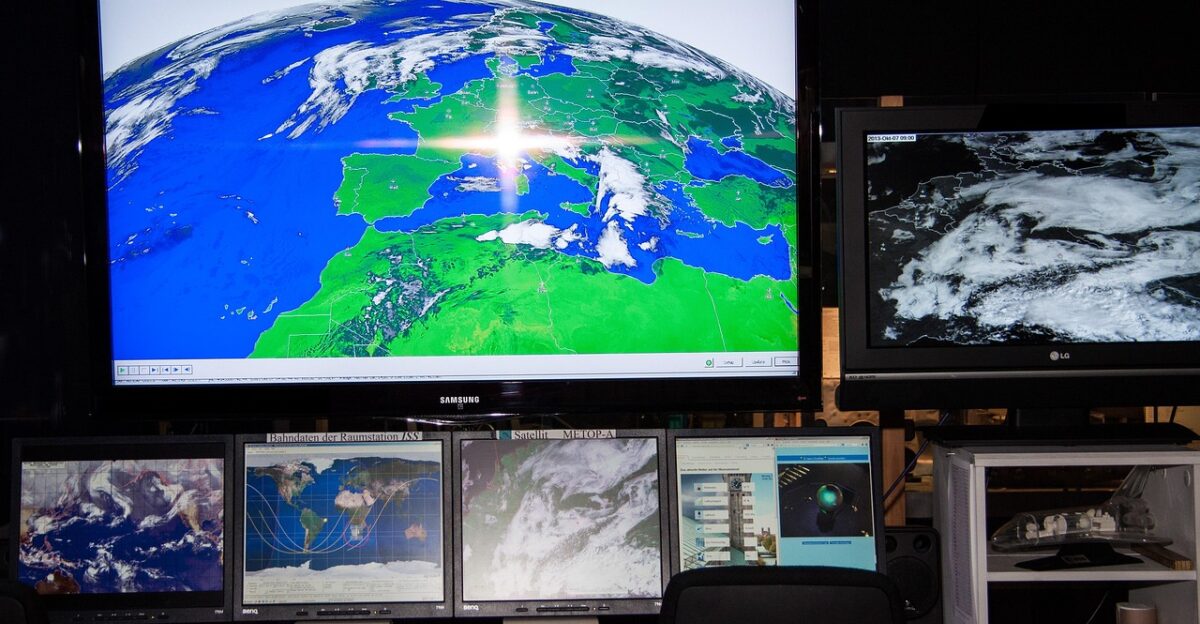
The National Weather Service’s most recent advisories underscore the imminent threat of life-threatening flash floods affecting the Four Corners region. Departments of Transportation in affected states are preparing detours, and emergency shelters are on standby for potential evacuations.
As local leaders urge residents to heed alerts, they remind everyone, “Minutes can make the difference.”
Drought Paradox
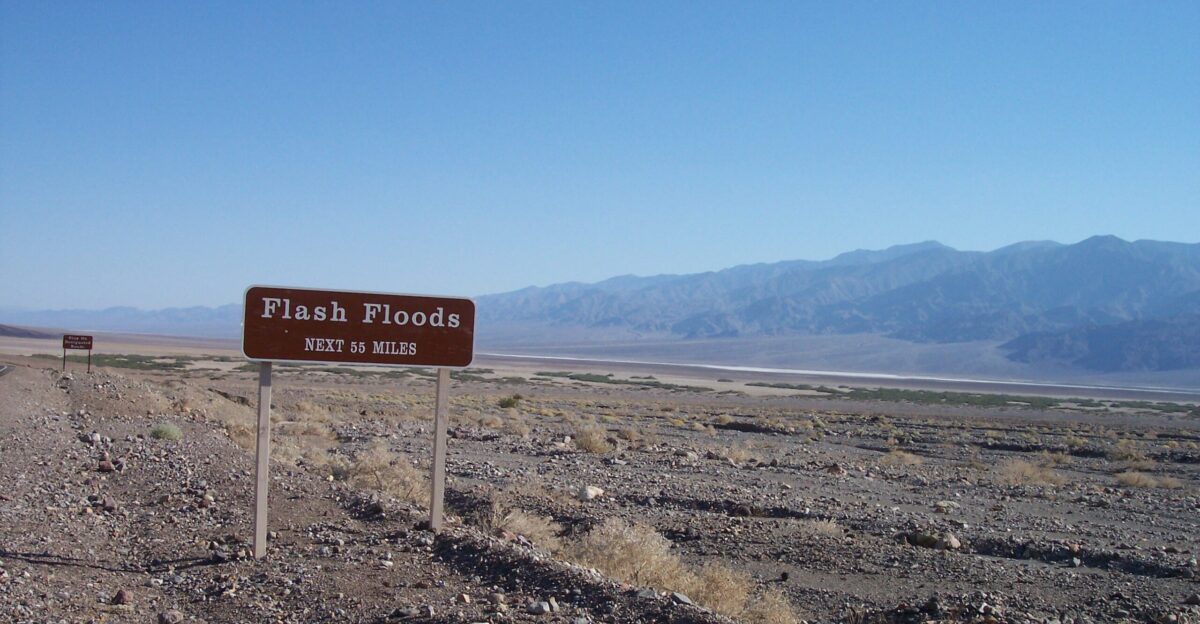
Paradoxically, the Southwest has long grappled with severe drought conditions. The expected rainfall from Priscilla, while potentially beneficial for drought-stricken reservoirs, raises legitimate concerns about overwhelming parched soils.
Experts caution that soil will likely be unable to absorb this influx of water rapidly, resulting in dangerously high flood peaks.
Ripple Effects

Flash floods threaten not only roadways but also vital infrastructure, including utility lines and railways that run through sensitive areas. Historical data from 2017 indicates that similar flooding trapped thousands due to track washouts and submerged power supplies.
Can downstream communities evade catastrophe, or will a domino effect unfold?
Frustration Rises
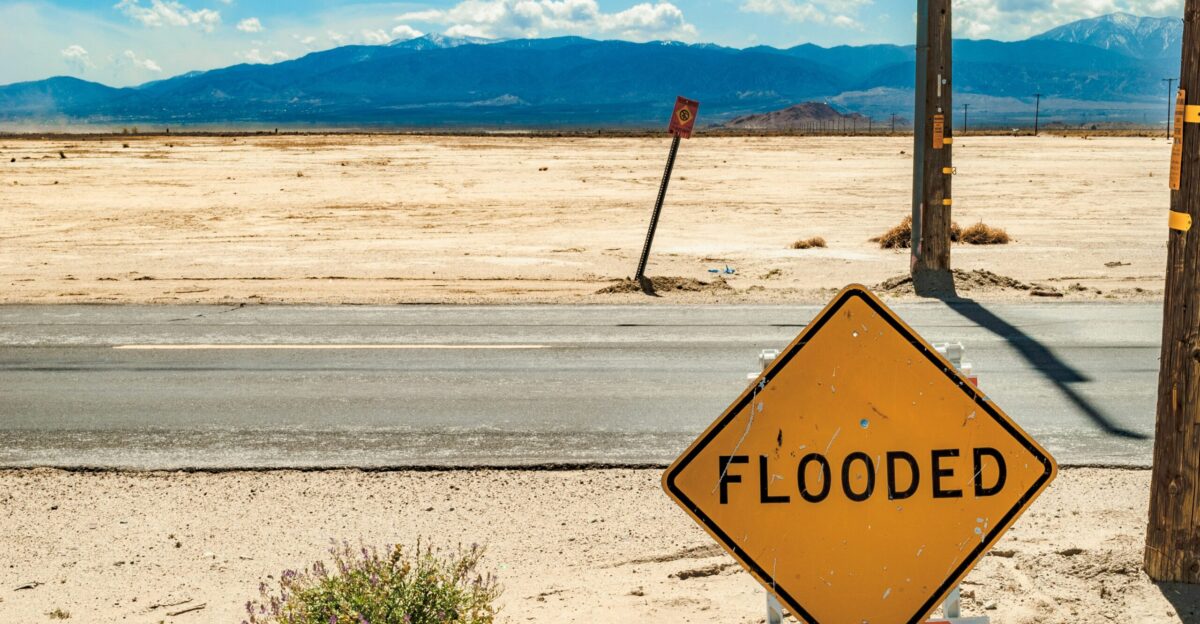
Residents are expressing their frustration over recurring emergency alerts and delays in necessary infrastructure upgrades.
A New Mexico evacuee remarked, “We keep hearing about these storms, when will protections match the threat?” Local authorities acknowledge that financial and planning challenges are hindering effective responses to climate change.
Coordination Test

As the storm intensifies, emergency management agencies across the affected states have activated mutual aid agreements. State Emergency Operations Centers are expediting support efforts, with resources such as helicopters and flood crews being shared among affected areas.
However, notable coordination issues have surfaced, leading to delays in localized alerts during rapidly changing conditions.
Path to Resilience
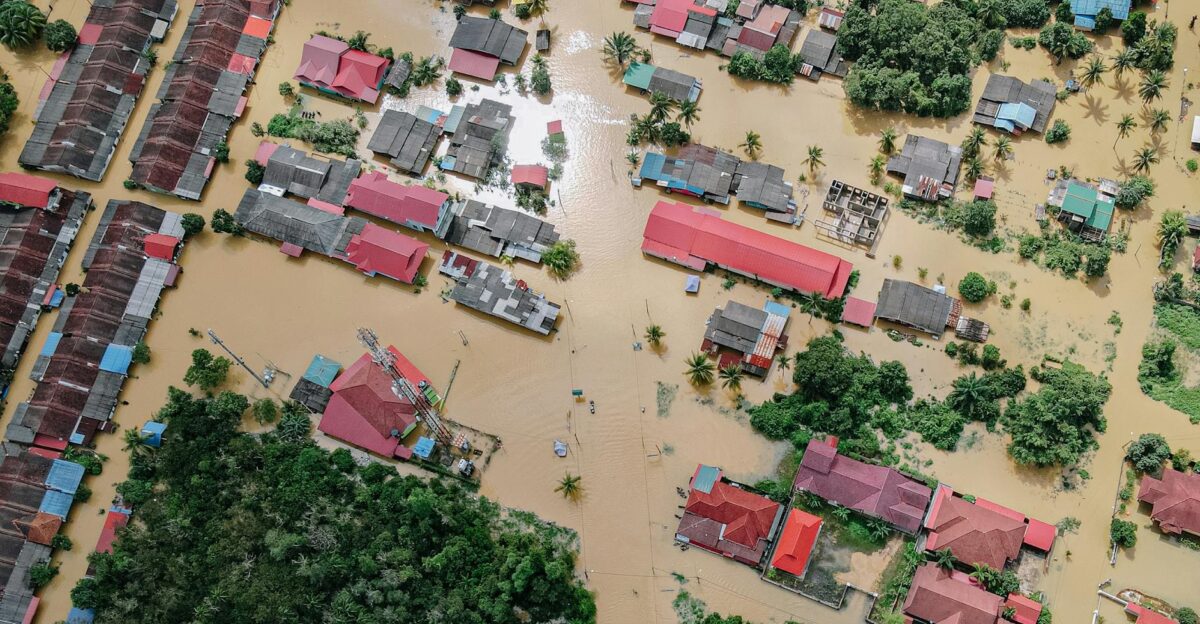
In the aftermath of past disasters, affected communities have invested in improving drainage systems and developed real-time mapping for areas at risk.
Floodplain managers in Arizona emphasize the significance of “adaptive planning,” yet they admit that significant gaps remain where current efforts have not kept pace with climate realities.
Community Preparedness
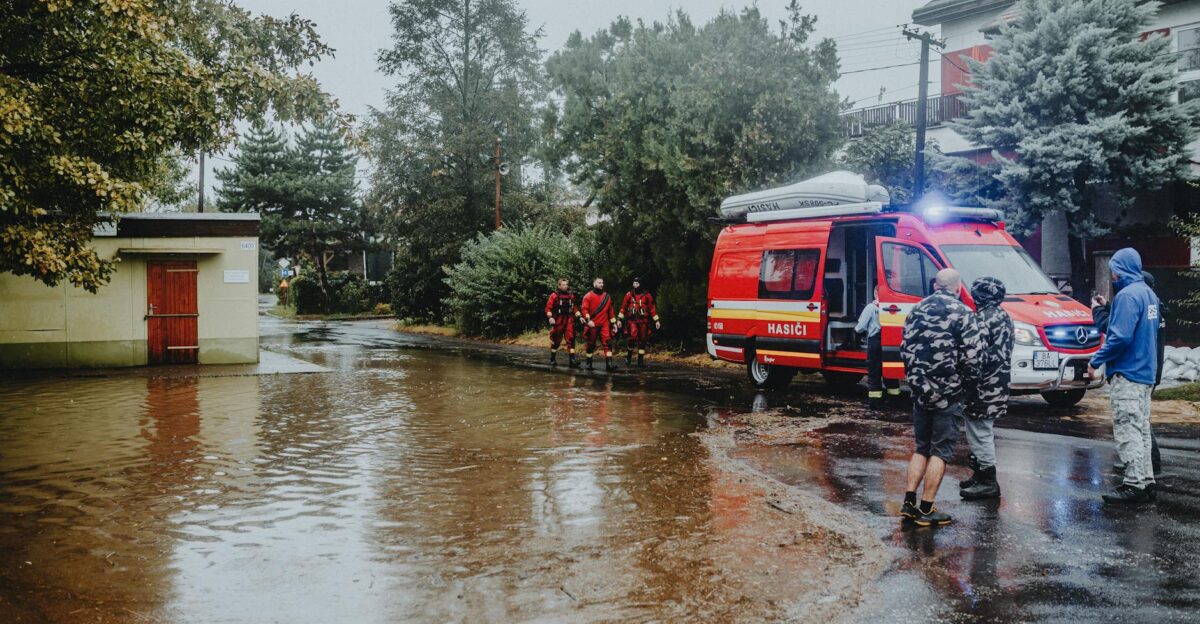
Local agencies are actively engaging residents in preparedness efforts, urging them to create emergency plans and stock emergency kits. “We’ve learned the hard way,” noted a community leader.
“Preparedness makes a difference.” Each resident’s proactive steps could mitigate the effects of the impending storm, fostering a spirit of resilience.
Looking Ahead
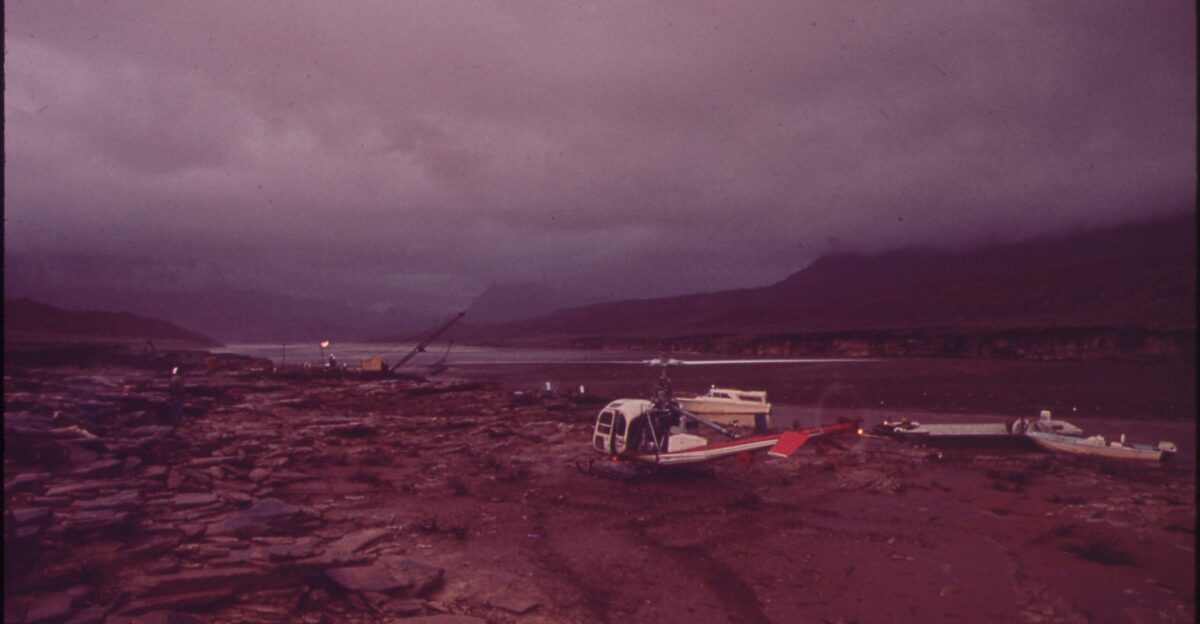
As Hurricane Priscilla’s track unfolds, forecasters will closely monitor the situation, providing updates on potential impacts. The future, particularly for drought-prone areas, hinges on the balance between replenishment and flooding.
Communities remain alert and on guard, hoping to turn the tide against the adversities brought by the storm.