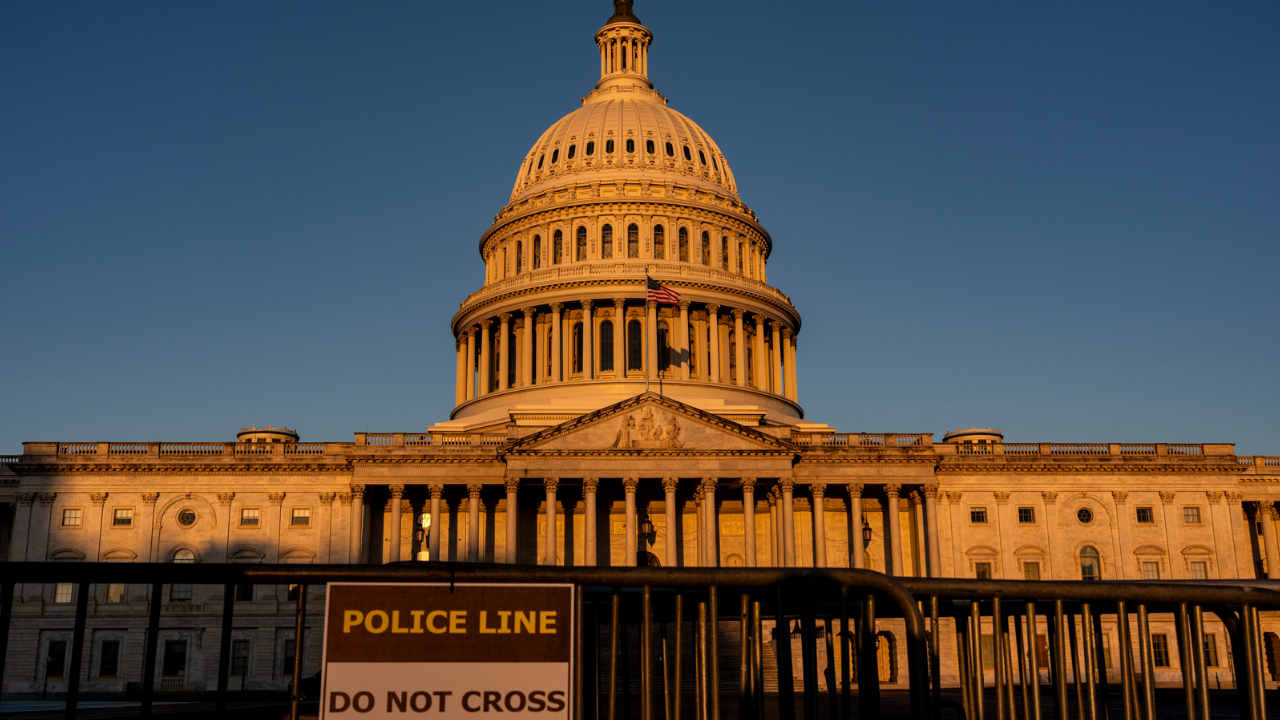
On October 7, 2025, President Trump threatened that not all of the 750,000 furloughed federal workers would receive back pay, stating that compensation “depends on who we’re talking about.” This remains a threat rather than an implemented policy, with no formal action yet taken to deny payments.
This marks a significant departure from precedent, which could potentially save $5.6 billion in taxpayer costs if implemented.
Trump’s Direct Statement
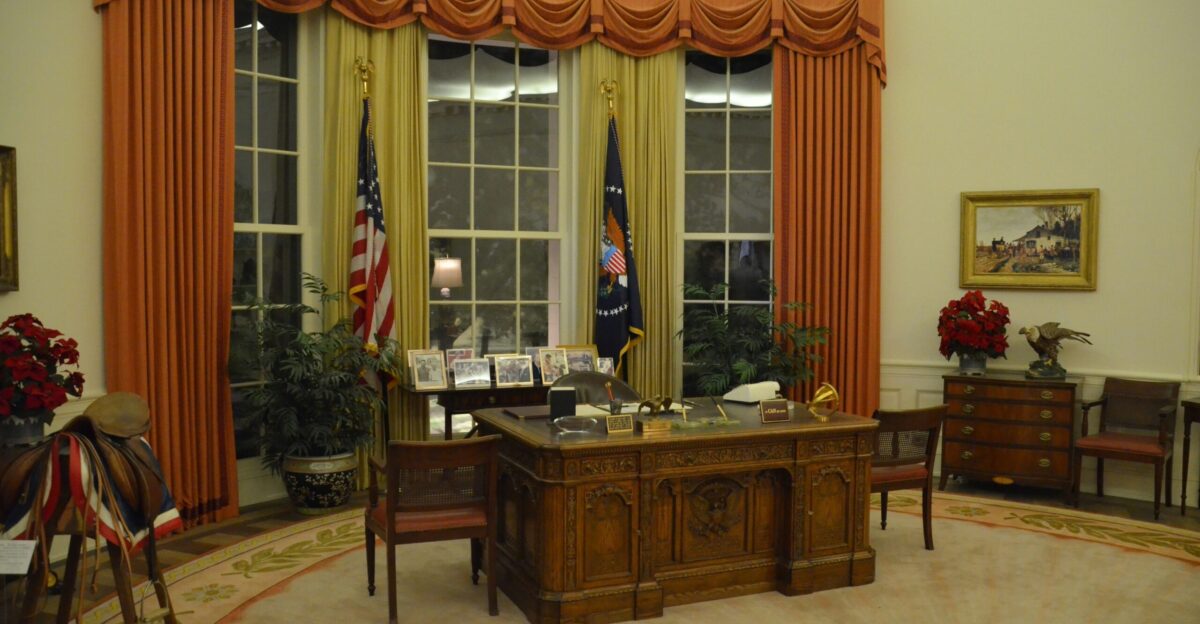
From the Oval Office, Trump said, “For the most part, we’re going to take care of our people. There are some people that really don’t deserve to be taken care of, and we’ll take care of them in a different way”.
The Congressional Budget Office estimates the daily cost of federal worker compensation at $400 million. Over 14 days, this totals $5.6 billion.
Legal Challenge Proposed
A draft memo from the White House Office of Management and Budget indicates that the 2019 Government Employee Fair Treatment Act may have been misinterpreted.
It states that furloughed workers are not automatically entitled to compensation and that Congress must specifically allocate funds for back pay.
Law’s Clear Language
The 2019 law states that federal employees “shall receive compensation for the duration of the lapse in appropriations”.
Legal experts agree this establishes a clear obligation. Senator Tim Kaine (D-Va.) noted that former President Trump signed this law and criticized the administration’s interpretation.
Administration Contradicts Itself
A draft memo from the Office of Management and Budget (OMB) appears to contradict the guidance provided by the administration itself. The memo represents internal legal analysis rather than official policy.
In September 2025, the Office of Personnel Management announced that furloughed employees would be eligible for retroactive pay once the lapse in appropriations had been resolved.
Guidance Changes

OMB’s earlier guidance, issued on September 30, stated that “both furloughed and excepted employees will be paid retroactively as soon as possible after the lapse ends.”
However, OMB updated this on October 3 to remove any mention of the 2019 law.
Republican Opposition
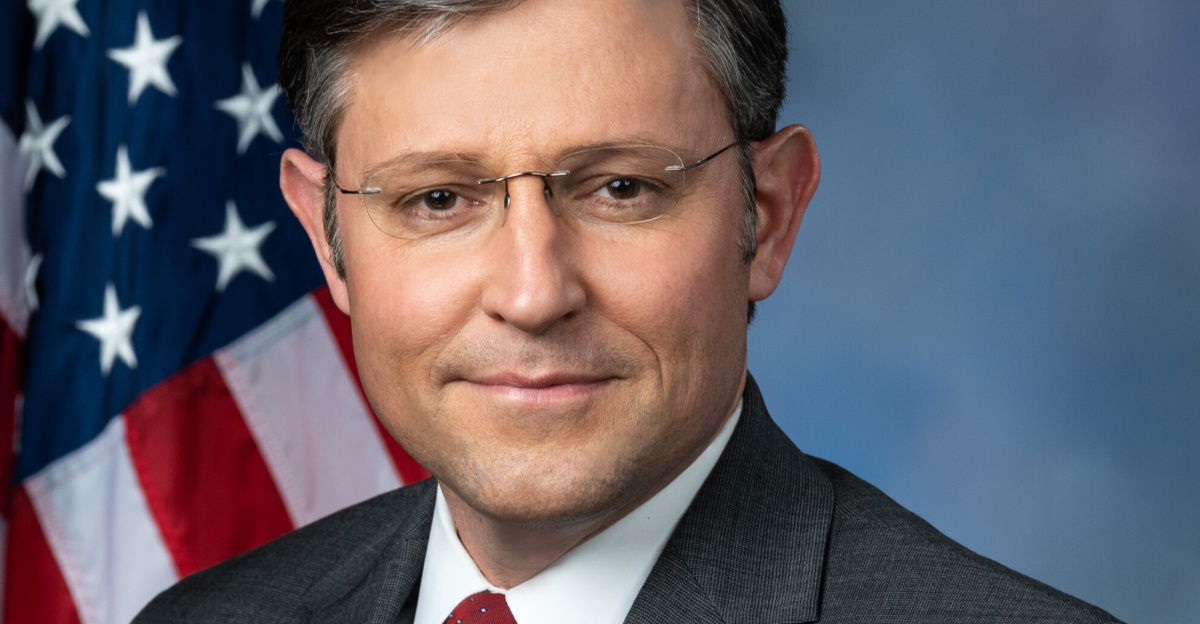
The proposal has faced bipartisan opposition. House Speaker Mike Johnson (R-La.) expressed his belief that furloughed workers should be entitled to back pay.
Similarly, Senate Majority Leader John Thune (R-S.D.) indicated that he expected workers to receive compensation for their time off.
Union Leader Response

American Federation of Government Employees President Everett Kelley called the argument “frivolous” and “an obvious misinterpretation of the law”.
He noted that it contradicts the administration’s own recent guidance, which guarantees retroactive pay.
Union Statement

Kelley stated, “It is also inconsistent with the Trump administration’s own guidance from mere days ago, which clearly and correctly states that furloughed employees will receive retroactive pay for the time they were out of work as quickly as possible once the shutdown is over.”
The union leader referenced the September guidance from the Office of Personnel Management, which assured retroactive compensation; however, there are no mentions to the 2019 law from its updated documentation.
Political Strategy
The administration is urging Senate Democrats to back a Republican continuing resolution that excludes additional provisions.
While Democrats seek to include healthcare subsidy extensions from the Affordable Care Act, Republicans are calling for “clean” budget legislation without extras.
Escalation Tactics

The denial threat represents an escalation following earlier warnings about potential permanent layoffs of federal employees.
The White House previously directed agencies to prepare mass firing plans for a potential shutdown.
Historical Precedent
Federal workers have historically received retroactive pay after every shutdown since 2013, when Congress began regularly authorizing such payments.
The 35-day 2019 shutdown prompted Congress to pass the law ensuring automatic compensation.
Legal Foundation
The current interpretation is based on 2019 email correspondence regarding the shutdown that questioned automatic entitlement to compensation. Those emails suggested the law created only a conditional obligation requiring congressional action.
However, legal scholars broadly reject this interpretation as inconsistent with the statute’s plain language.
Worker Impact
Federal employee unions report workers are delaying mortgage payments, depleting savings, and seeking temporary employment.
The prospect of denied compensation has intensified financial stress on affected families beyond the typical hardships of a shutdown.
Regional Economic Impact
Regions dependent on federal employment—particularly the Washington, D.C. metro area—face acute economic strain.
Daily operations at agencies from the EPA to NASA remain halted, affecting contractors and local businesses.
Agencies Affected
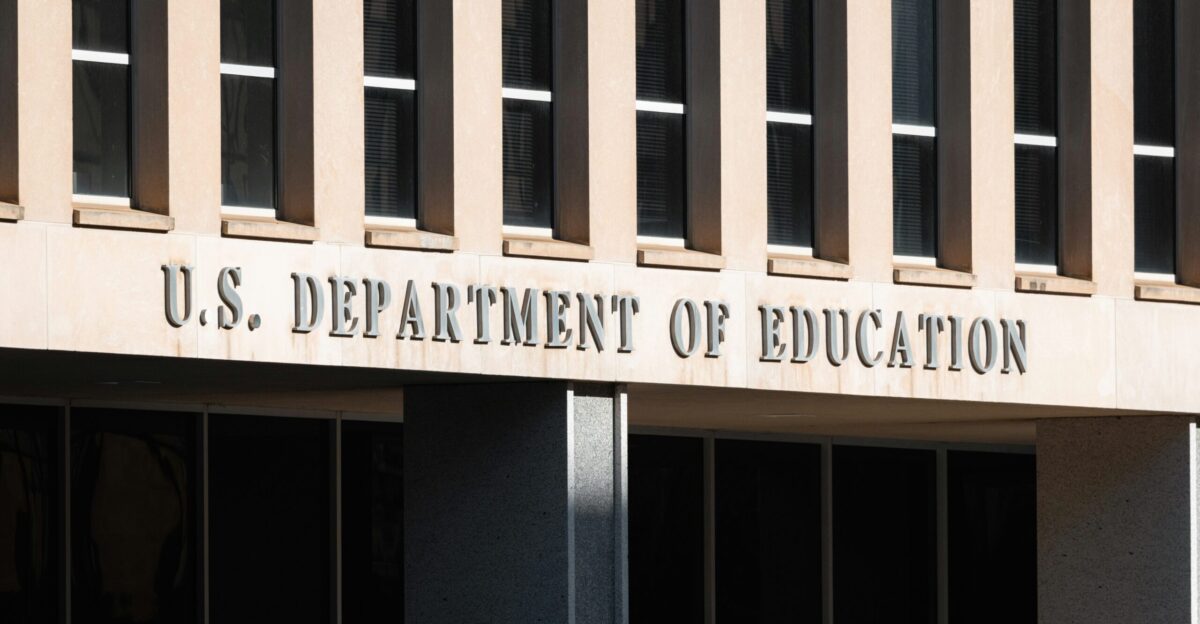
The shutdown has furloughed approximately 750,000 federal workers daily, with essential services continuing but administrative functions suspended.
The IRS, Department of Education, and multiple regulatory agencies have reduced operations to skeleton crews.
Legal Challenges Expected

If the administration follows through, court challenges are likely to follow. Legal experts argue the 2019 law’s language creates a clear legal obligation for compensation.
Multiple federal employee unions are preparing litigation, and legal experts predict courts would likely enforce the statute’s requirements.
Constitutional Questions
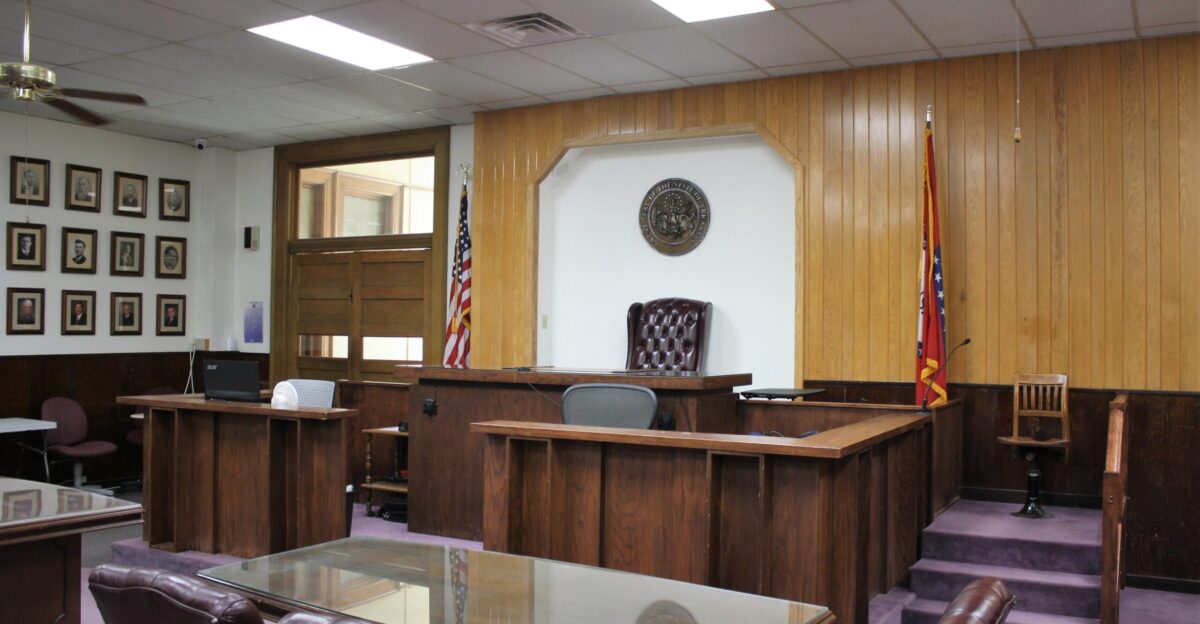
The dispute raises separation of powers issues about whether the executive branch can unilaterally reinterpret congressional mandates.
Constitutional scholars suggest courts would likely side with the plain language of the 2019 statute.
Budget Impact
The $5.6 billion in potential savings represents a fraction of the federal budget but significant leverage in shutdown negotiations.
However, budget experts note litigation costs and workforce impacts could offset any immediate savings.
Next Steps
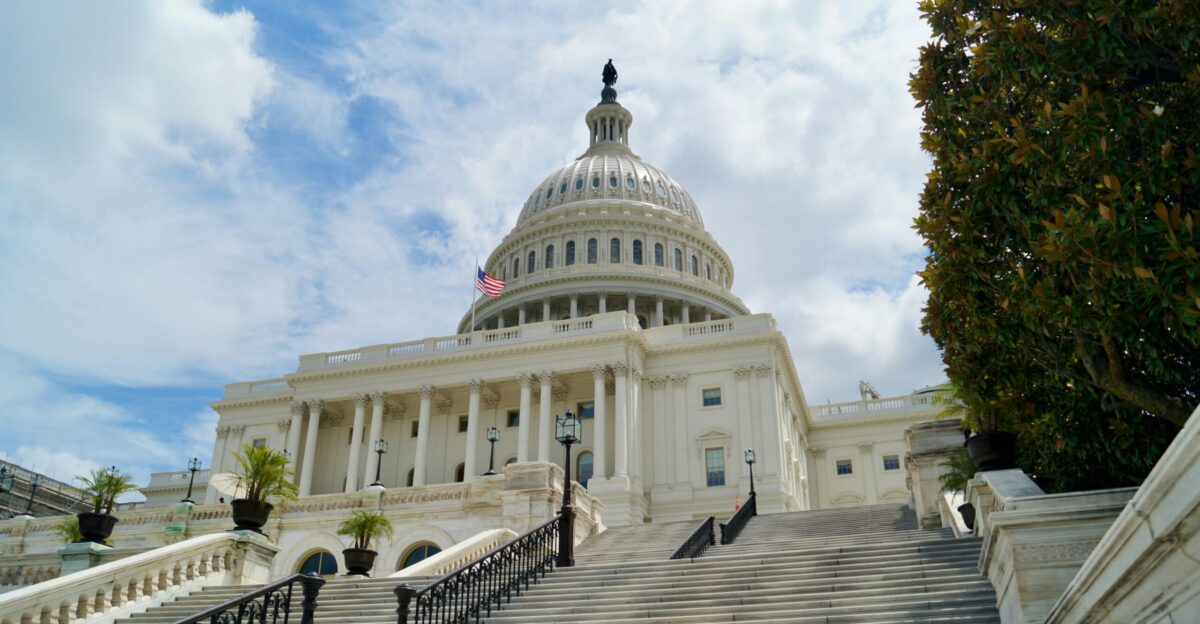
The administration has not yet formally implemented any policy to deny back pay, leaving room for negotiation. Congressional leaders from both parties continue to push for a swift resolution with guaranteed back pay, while legal challenges await if the threat materializes.
Most legal experts believe the 2019 law would ultimately prevail in court, ensuring federal workers receive their compensation regardless of administration threats.