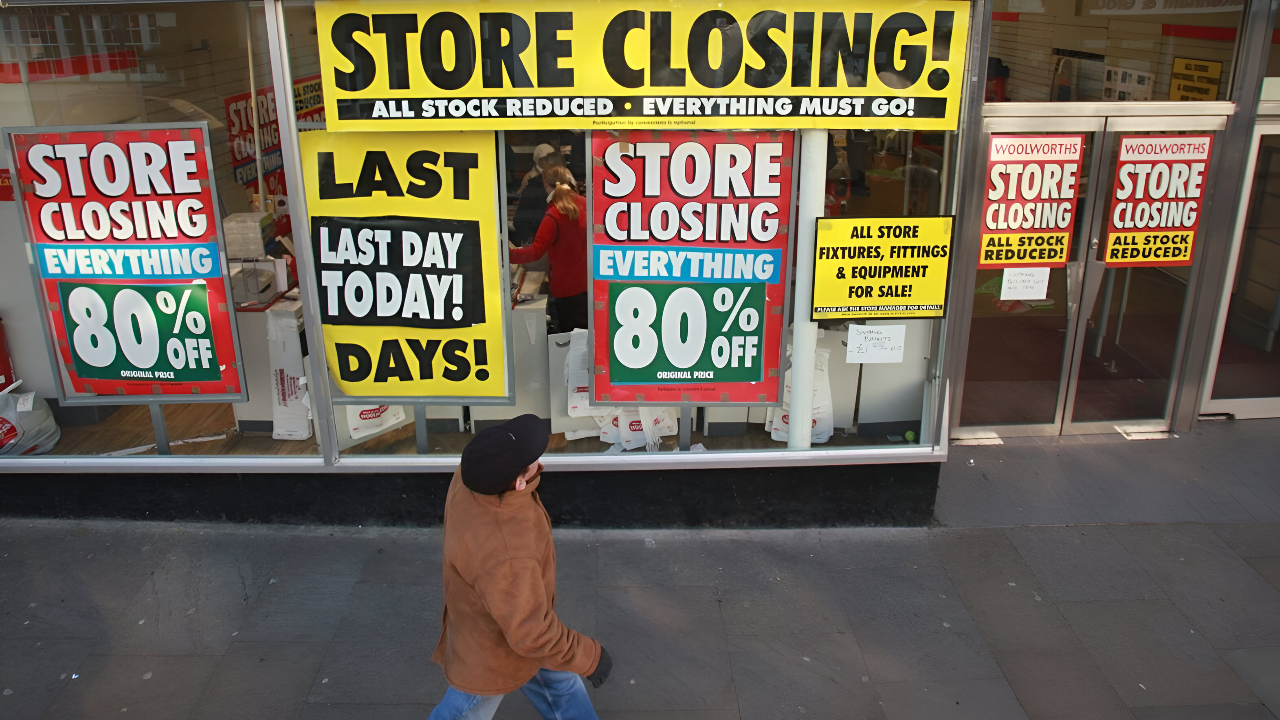
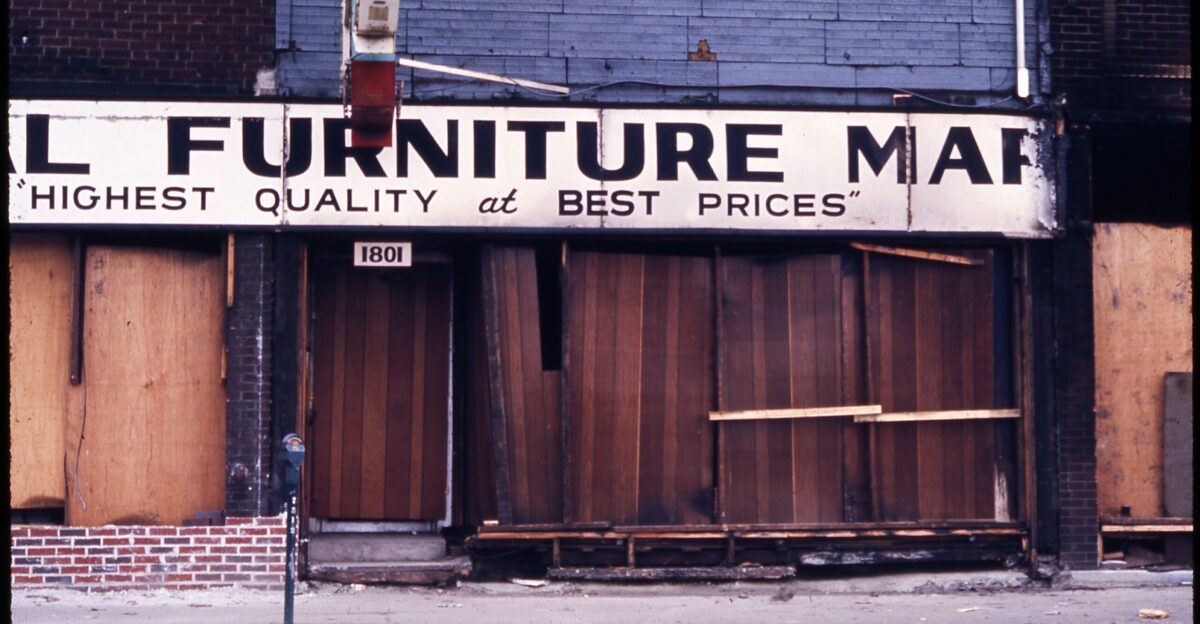
United States will see around an unprecedented amount of retail store closures in 2025, predicted at around 15,000. This figure is more than double the 7,325 closures in 2024.
By mid-January, over 2,000 closures had been announced, increasing to roughly 6,000 by June, resulting in approximately 123.7 million square feet of vacated retail space, as reported by The Supply Side in August 2025.
Why Are So Many Stores Closing?
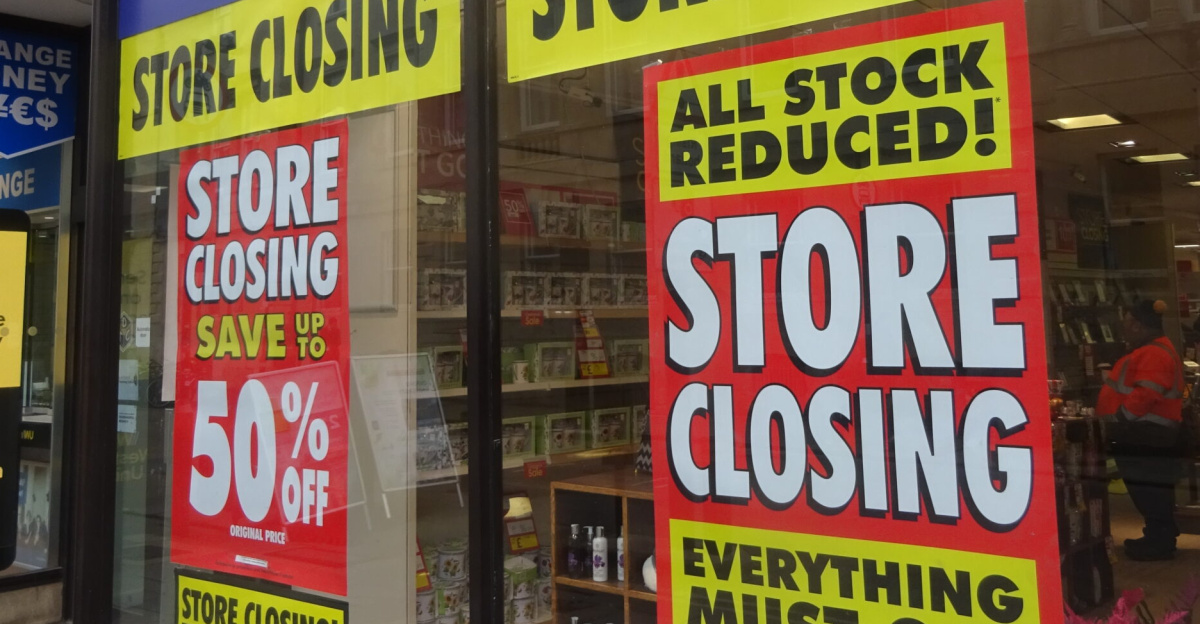
A report by eMarketer in August 2025 identifies inflationary cost pressures, higher interest rates, tariffs, and a shift toward online value marketplaces like Temu and Shein as key factors behind business closures.
Additionally, CNN Business noted in January 2025 that traditional retail chains struggling with inventory management and service quality are losing market share as consumers focus more on price and convenience.
Consumers Face Reduced Access and Higher Costs
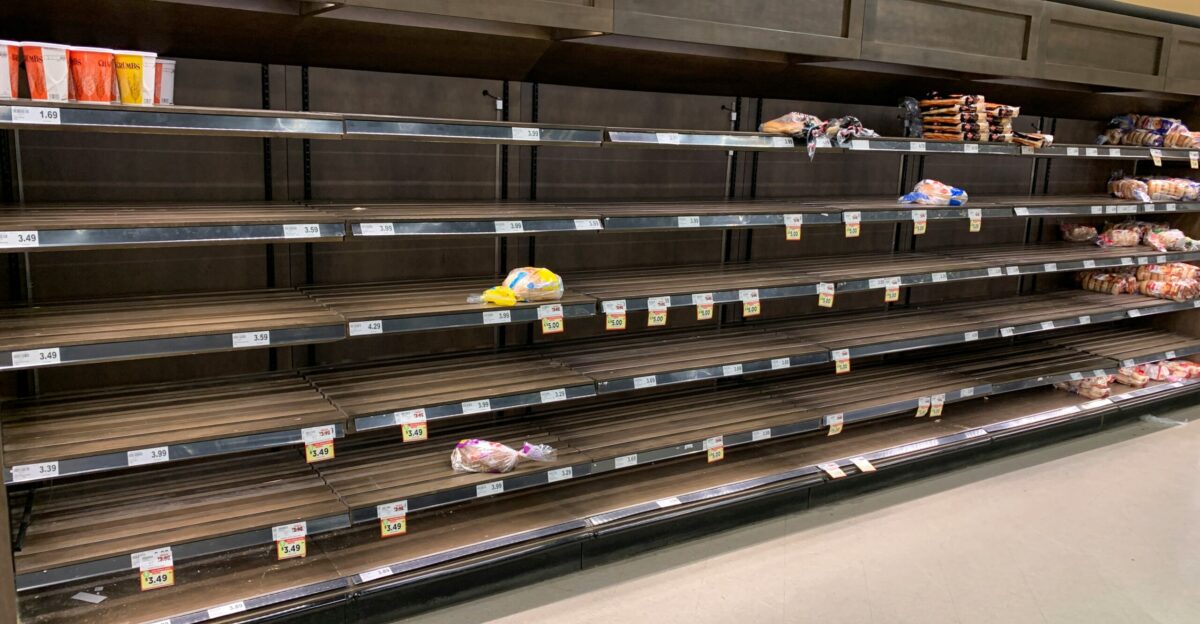
Store closures are significantly impacting local communities by reducing access to essential goods and services. A Business Insider analysis from September 2025 indicates that this problem is particularly severe in rural and underserved urban areas.
The loss of pharmacies and grocery stores has created health access gaps and raised transportation costs for everyday items, as reported by USA Today in May 2025.
Corporate Responses: Restructuring and Wind-downs
Retailers are implementing various strategies to navigate financial difficulties, including liquidations and store closures. Party City will wind down operations in December 2024, closing 748 stores.
Joann plans to shut down all 800 locations by May 2025 (NPR), while Macy’s intends to close 150 stores by 2026, with 66 closures in 2025. Walgreens is also continuing its fleet reductions through 2025.
Digital Platforms Capture Market Share
eMarketer’s August 2025 research indicates that e-commerce platforms, social commerce, and low-cost marketplaces are capturing spending that was previously lost from closed brick-and-mortar stores.
Companies like Amazon, Temu, and Shein are gaining customers from these former retailers, while discount chains are opening in select markets to fill local gaps, as noted by Forbes.
Supply Chain Disruption Reaches Global Suppliers
According to eMarketer’s August 2025 analysis, a decline in US storefronts has led to fewer purchase orders from overseas manufacturers, particularly affecting suppliers in China and Southeast Asia.
Tariff pressures and changes in sourcing are complicating product assortments and pricing, prompting retailers to implement tighter inventory management practices, as noted by CoStar in July 2025.
Mass Layoffs Hit Retail Workers

In 2025, store closures resulted in the loss of thousands of retail jobs, with a 274% increase in layoffs compared to 2024, according to The New York Post.
Workers at Party City, Joann, Macy’s, and Big Lots faced unemployment as these companies shut down or filed for bankruptcy, as reported by Intellizence’s October 2025 layoff tracker.
Local Economic Devastation
The departure of anchor stores significantly reduces foot traffic for surrounding small businesses, causing closures in shopping centers and downtown areas, according to CoStar’s July 2025 report.
This decline also leads to decreased tax revenues as commercial property values drop, as noted in the Retail Insight Network’s analysis.
Reduced Competition Affects Local Pricing

Areas with multiple store closures may experience less retail competition, which could impact local pricing dynamics, according to eMarketer’s August 2025 analysis.
Additionally, the shift to online shopping is leading to changes in delivery fees and promotions, with varying impacts across different markets and product categories, as noted by Forbes in the same month.
Surviving Retailers Pivot to Healthcare and Services
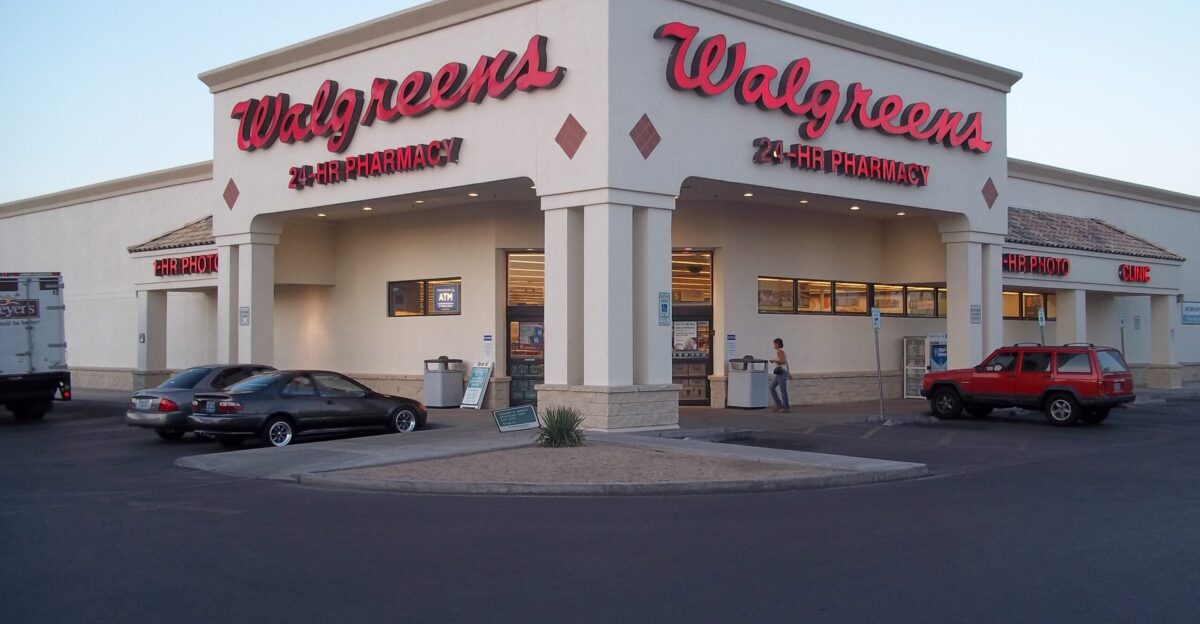
CVS and Walgreens are expanding healthcare clinics and diagnostic services to differentiate themselves from traditional retail, as noted by USA Today in May 2025.
Concurrently, other retail chains are adopting smaller store formats and enhancing online integration to remain profitable despite reduced square footage, according to Forbes’ August 2025 analysis.
Mall and Shopping Center Collapse

Department store anchor departures trigger lease termination clauses, forcing mall operators into financial distress, CoStar reported in July 2025.
Restaurants, specialty retailers, and service providers lose customers as foot traffic plummets, accelerating the decline of enclosed shopping centers, according to Retail Dive’s January 2025 analysis.
Commercial Real Estate Market Under Pressure

Vacant retail properties increase market supply, pressuring commercial real estate values nationwide, according to CoStar’s July 2025 report.
Landlords are seeking alternative uses for former retail spaces, ranging from warehouses to medical facilities and residential conversions, according to Forbes’ August 2025 real estate analysis.
International Retail Brands Retreat
US-based retailers are scaling back their global operations as domestic closures drain resources for international expansion, according to eMarketer’s August 2025 global retail trends report.
Cross-border e-commerce platforms fill gaps left by departed physical stores in overseas markets.
Political Response to Economic Crisis
Federal and state officials propose legislation to support displaced workers and incentivize retail redevelopment.
Congressional debates intensify over minimum wage increases, e-commerce taxation, and antitrust enforcement against dominant online platforms, according to retail policy coverage in August 2025.
Investment Opportunities Emerge from Distress

Private equity firms and real estate investors target distressed retail assets at discounted prices, according to Forbes, which reported in August 2025.
Warehouse and logistics companies benefit from increased e-commerce demand, while traditional retail landlords continue to face pressure from declining tenant demand, according to CoStar’s July 2025 trends analysis.
Consumer Behavior Shifts Accelerate

Americans increasingly rely on online ordering, curbside pickup, and delivery services for routine purchases, according to eMarketer’s August 2025 consumer trends analysis.
Social media shopping and live-stream commerce gain traction as physical retail experiences become less accessible.
Rural Communities Face Retail Deserts

Small towns lose essential services as national chains abandon low-profit locations, according to Business Insider’s September 2025 rural impact analysis.
Residents travel farther for basic needs, such as prescription drugs and grocery shopping, while local economies struggle without retail anchor businesses to generate foot traffic, according to a USA Today report in May 2025.
Technology Accelerates Retail Transformation

Artificial intelligence, automated fulfillment, and augmented reality shopping experiences replace traditional retail functions, Forbes reported in August 2025.
Companies that invest in these technologies gain a competitive advantage over those relying on legacy brick-and-mortar models.
Long-term Economic Restructuring

The 2025 retail closure wave marks permanent changes to American commerce patterns, not a temporary downturn, according to Coresight Research’s January 2025 outlook.
Communities, workers, and businesses face multi-year adaptation periods as the economy restructures around digital-first commerce models.
New Retail Landscape Emerges

Surviving retailers will operate smaller, more efficient footprints with enhanced digital integration, according to Coresight Research’s January 2025 projections.
The retail sector emerges leaner but more concentrated, with fewer but stronger players dominating markets previously served by numerous competitors, according to Forbes, which reported in August 2025.