Some beer prices sound tempting, but in reality, they deliver more disappointment than satisfaction. The promise of saving a few bucks often ends in regret, headaches, or a flavor you wish you could forget.
Before popping open the cheapest cold one, consider that not every deal is worth the price. Could your next beer actually be a total waste of money? Let’s take a look at 19 cheap beer brands sold in the U.S. that you shouldn’t waste your money on.
1. Bud Ice
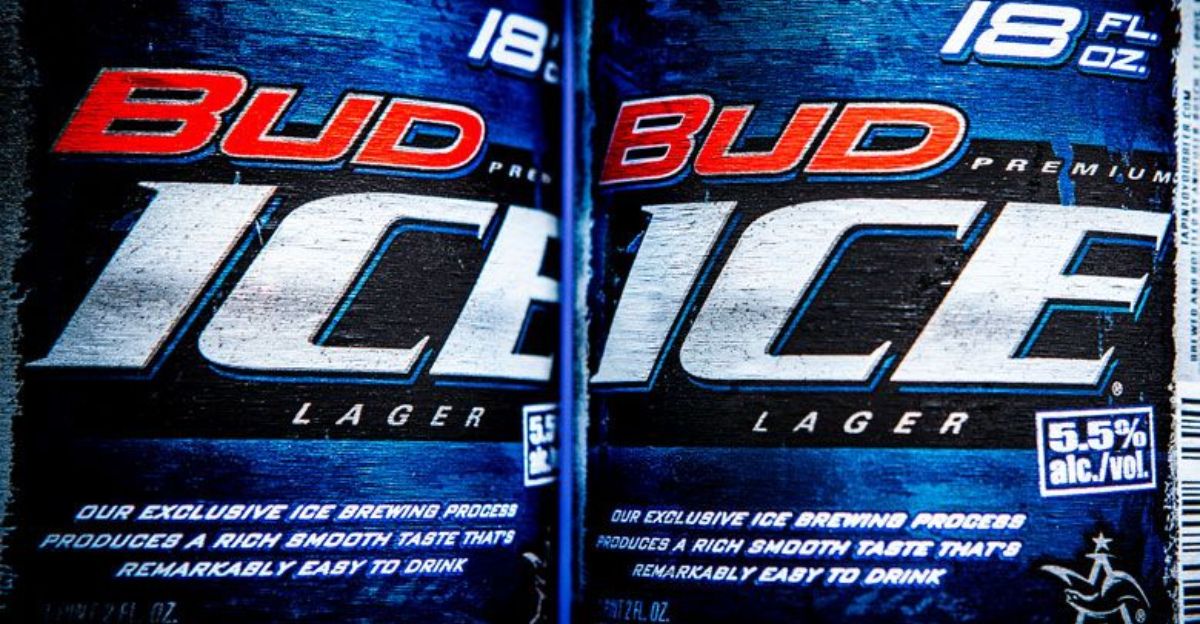
Bud Ice is known for its “ice brewing process,” but don’t expect anything special when you crack one of these cans open. Critics say it’s smooth and easy to drink but ultimately falls flat, with a metallic aftertaste that lingers and a sub-mediocre flavor compared to other budget lagers.
Many people have agreed Bud Ice is just another bland, watery, cheap beer that’s best left on the shelf.
2. Natural Ice
Natural Ice, also known as Natty Ice, is a college party staple that is praised only for its high alcohol content and lower price.
Most seasoned beer fans find its taste bland, overly sweet, and a bit grainy, with a metallic aftertaste that’s hard to ignore. The overwhelming consensus? If cheap intoxication is the goal, Natty Ice delivers, but it’s not great when it comes to enjoyment.
3. Keystone Light
Keystone Light is often promoted for its “always smooth” character, but when it comes to flavor, smooth translates to forgettable.
With its pale straw appearance and faint malt sweetness, it’s extremely light-bodied and highly carbonated, which is great for tailgates, but not memorable in any way. Most people agree that it’s crisp, easy to drink, and, sadly, almost completely devoid of taste or character.
4. Milwaukee’s Best Light
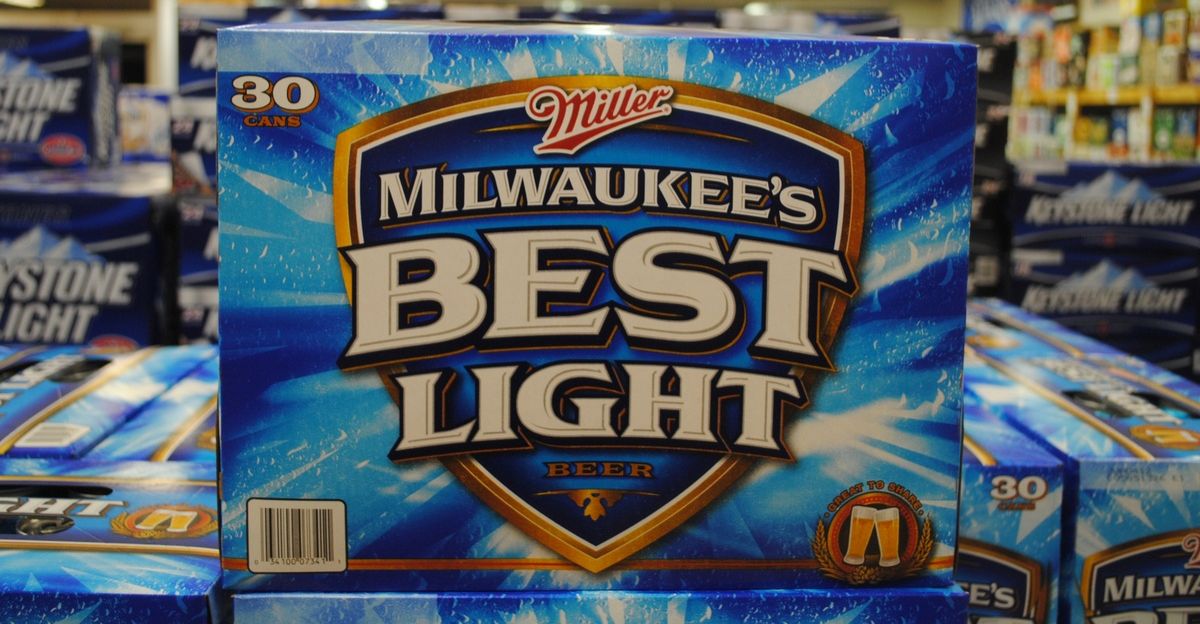
Milwaukee’s Best Light was designed and introduced during the rise of light lagers, but critics say it’s the ultimate “quantity over quality” beer.
With a thin body and minimal bitterness, this bottom-shelf beer is famous for being affordable rather than enjoyable. While it has won a handful of medals, most drinkers consider it watery, inoffensive, and just a bland option for big events.
5. Olde English 800

Olde English 800, the king of malt liquors, is legendary for its high ABV and smooth, rich taste with a slightly fruity aroma. But behind the pop culture kudos is a beer that many people say delivers regret as reliably as intoxication.
It is especially notorious among budget drinkers, and its reputation for potency and bad decisions often outshines whatever flavor it might have in the glass.
6. Busch Light
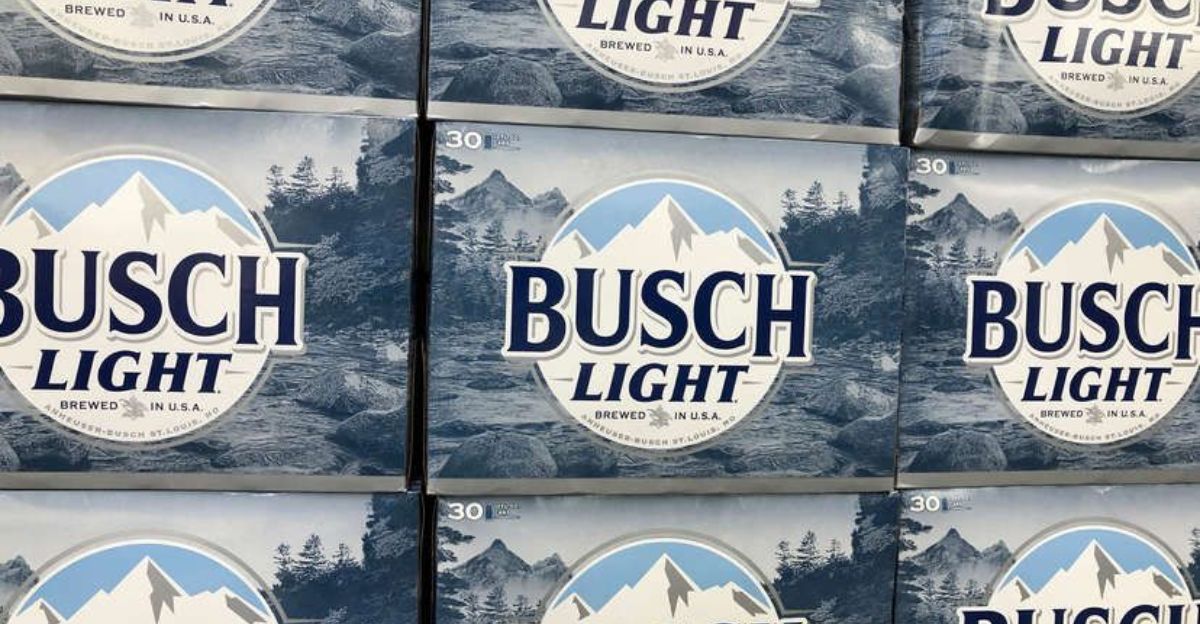
Busch Light is advertised as the coldest, smoothest light lager, but when the chill fades, so does its appeal. Most drinkers describe it as incredibly light, almost watery, and lacking real flavor.
The mouthfeel doesn’t impress many people, and fans admit it’s best consumed cold and fast. It’s popular for its price, not its taste, and it is widely judged as the bare minimum for a beer.
7. Pabst Blue Ribbon
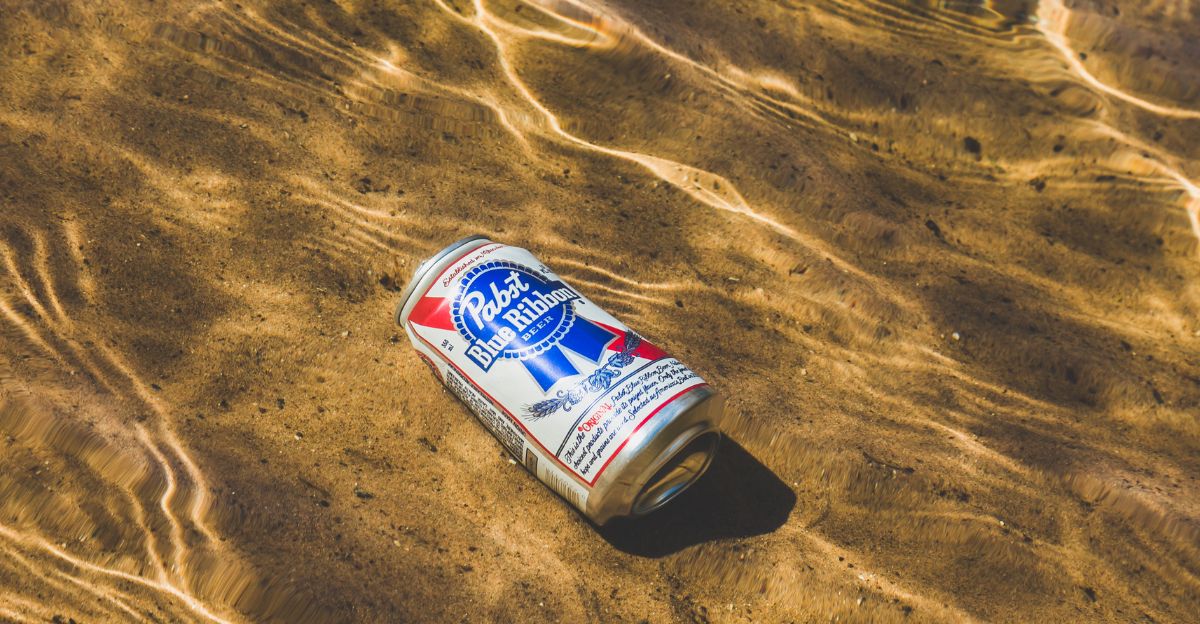
Pabst Blue Ribbon, or PBR, became iconic for nostalgia and “blue-collar cool.”
But behind the marketing, you can expect a diet-flavored brew that’s divisive at best; it’s cheap, easy to find, but more famous for controversies and cult following than its bland, slightly metallic taste. Whether lauded as ironic or loathed for its flavor, PBR praises rarely mention depth or true satisfaction.
8. Genesee Cream Ale
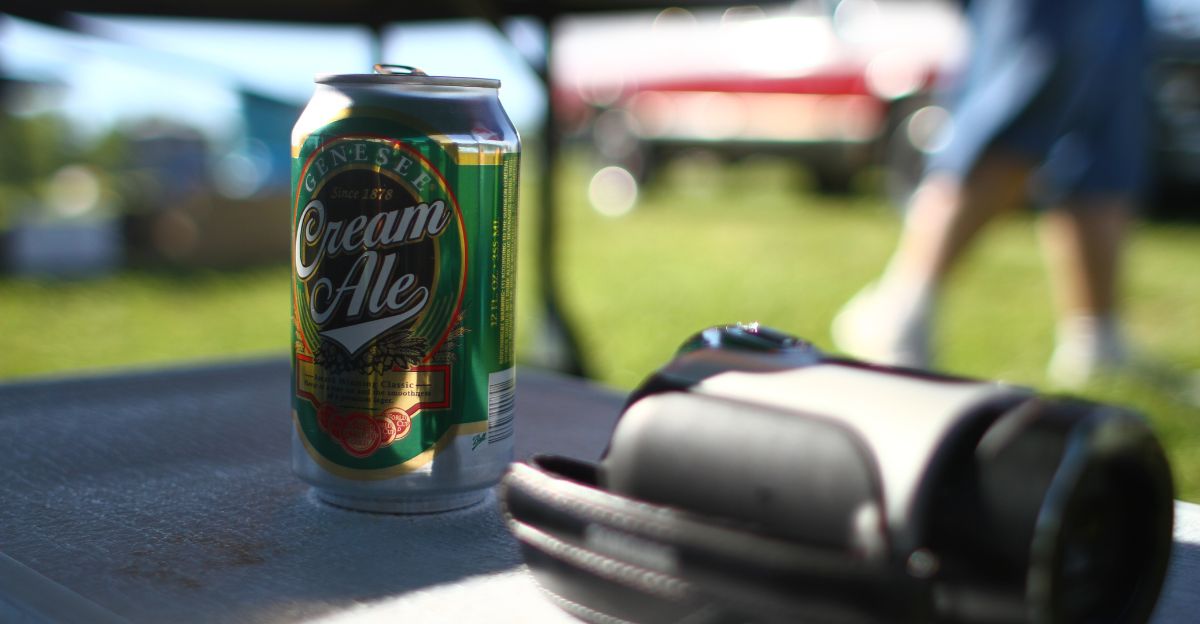
Genesee Cream Ale is a New York original that, despite decades of tradition, draws mixed reactions. Its sweet, corn-forward flavor and creamy texture make it smooth but noticeably light and neutral.
While it is great while cold, once it has warmed, a metallic tang emerges, revealing it’s just another mild budget ale. Its regional loyalty often outweighs genuine excitement from craft beer fans.
9. Steel Reserve
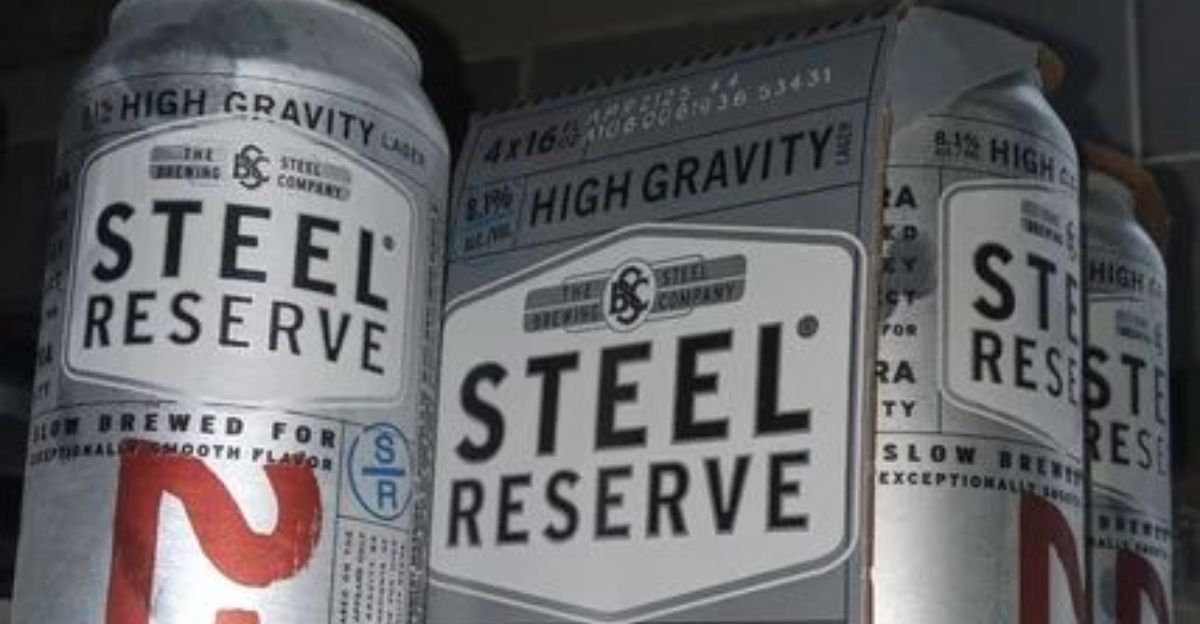
Steel Reserve is infamous among cheap beers for its high alcohol content and challenging taste. It’s often described as harsh and syrupy, with metallic and medicinal notes dominating the palate.
Despite or because of its intensity and low price, Steel Reserve tests endurance as much as enjoyment. This malt liquor is rarely praised for flavor, but often remembered for wild nights.
10. Rolling Rock
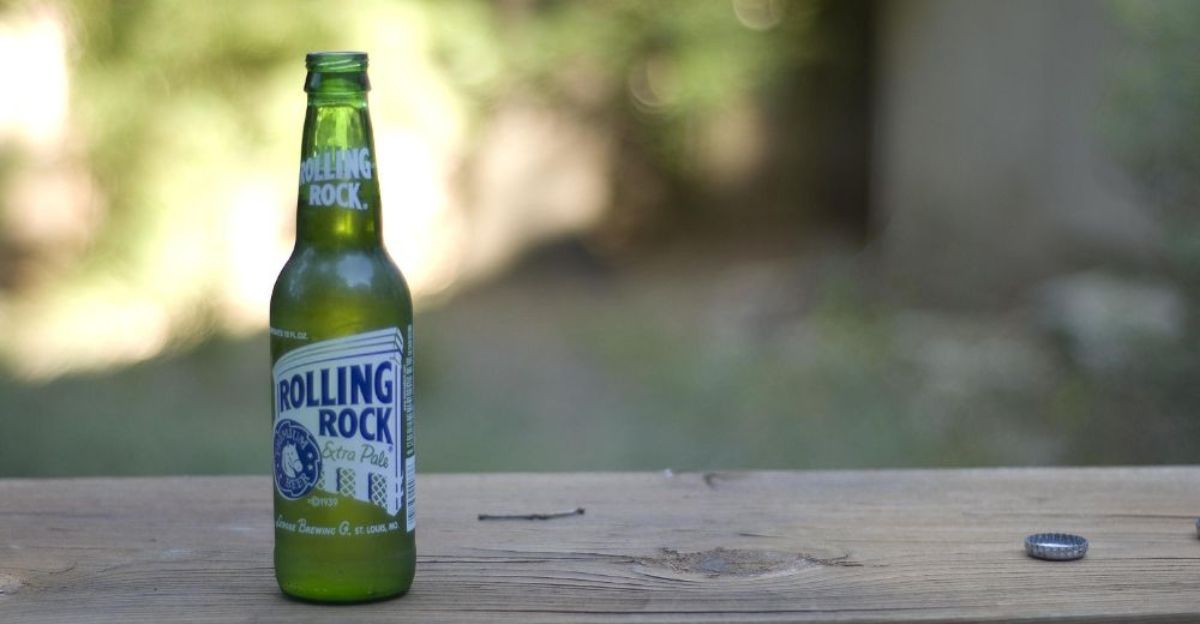
Rolling Rock is hard to miss in its iconic green bottle, but its flavor leaves much to be desired. While it’s light, crisp, and gentle on the palate, it lacks any real backbone or substance.
The taste can be underwhelming or even slightly vegetal, making it a sad sight for people who want more from their session beer than a watered-down experience.
11. Hurricane High Gravity
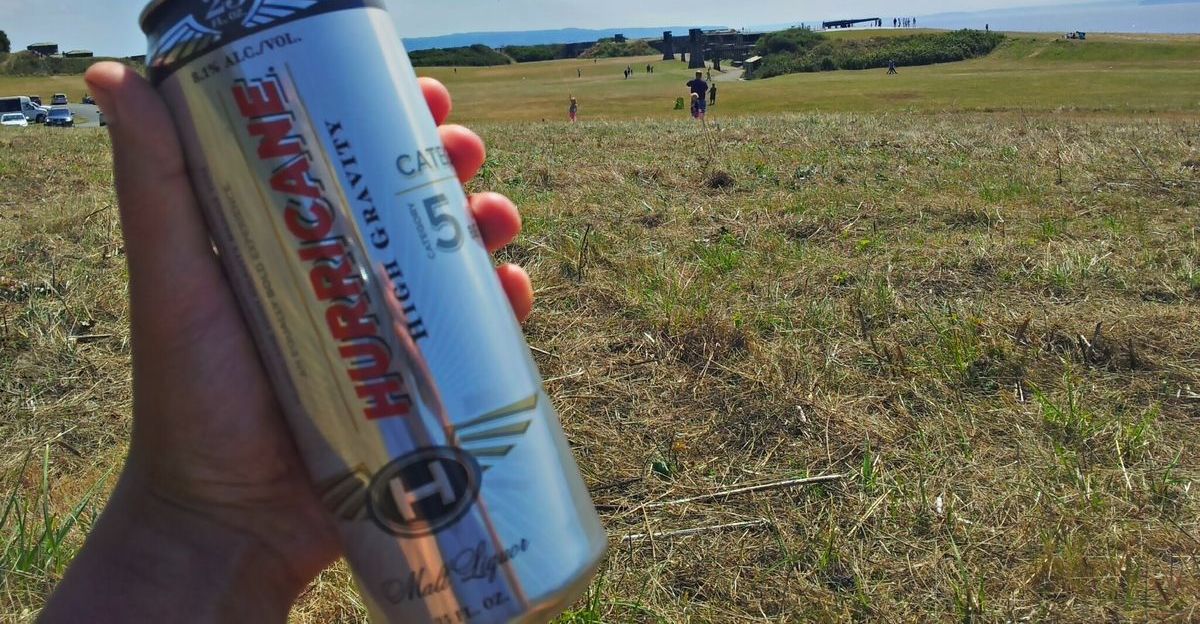
Hurricane High Gravity stands out for its robust strength, but falls short in satisfaction. Drinkers complain about a sharp, boozy bite and a chemical aftertaste that lingers long after the last sip.
Despite being budget-friendly and packing a punch, Hurricane’s intense ABV doesn’t compensate for its harshness, leaving most to wish there was a little less “gravity” in every can.
12. Schaefer
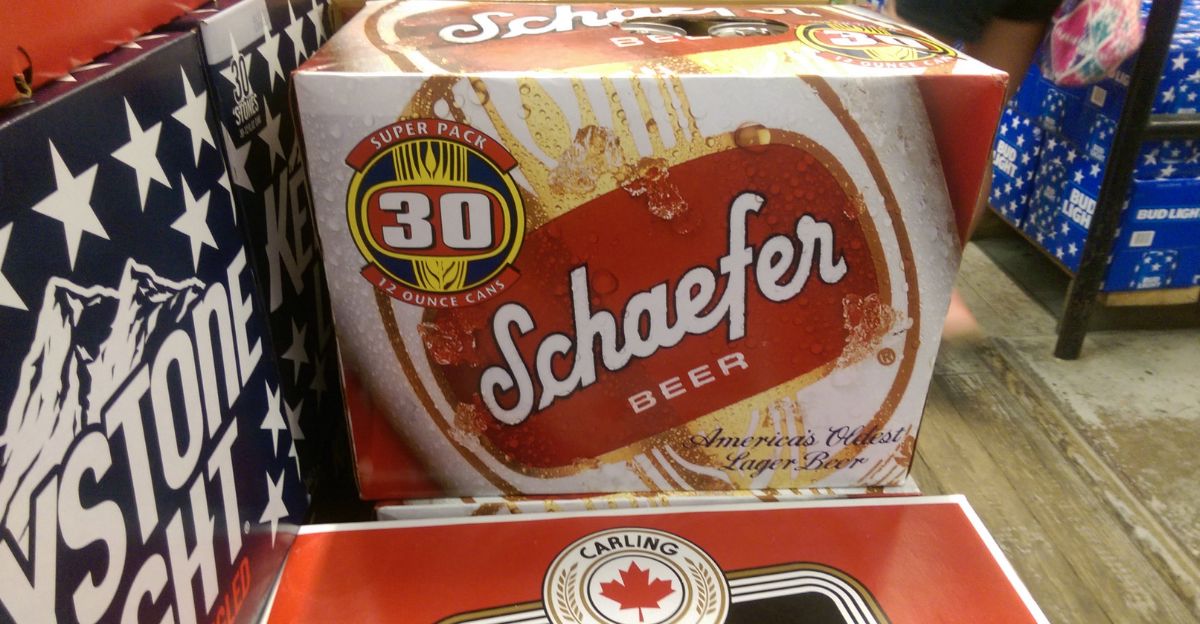
Schaefer was once America’s top-selling beer, but today, most drinkers describe it as flat, grainy, and lacking depth.
Its faint malt and mild hop flavors are overwhelmed by watery blandness, leaving an experience comparable to a can of carbonated tap water. While some praise it as a crisp, easy lager for hot days, nostalgia can’t mask its mediocrity or declining popularity.
13. Hamm’s
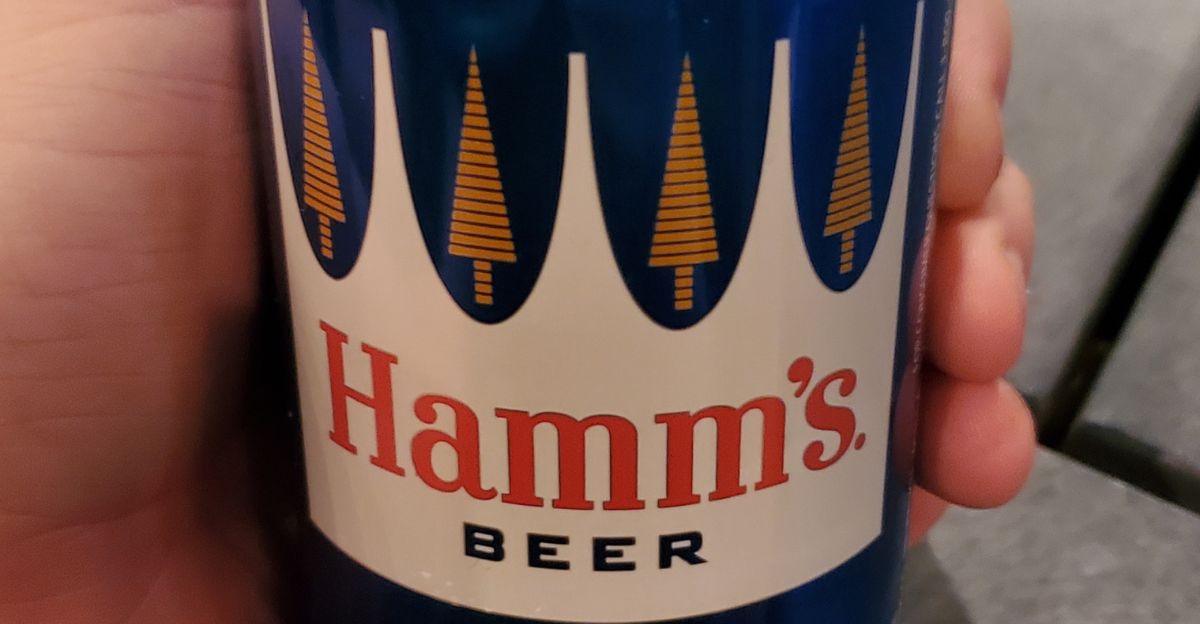
Hamm’s, “From the land of sky-blue waters,” remains a Midwest classic, but its reputation is as much about history and branding as its taste.
Drinkers say it’s easy, balanced, and refreshing, but the adjunct lager profile results in muted flavor and minimal hop presence. There’s a subtle grassy note for those seeking it out, but Hamm’s is best remembered for jingles, not taste.
14. Coors Banquet Light
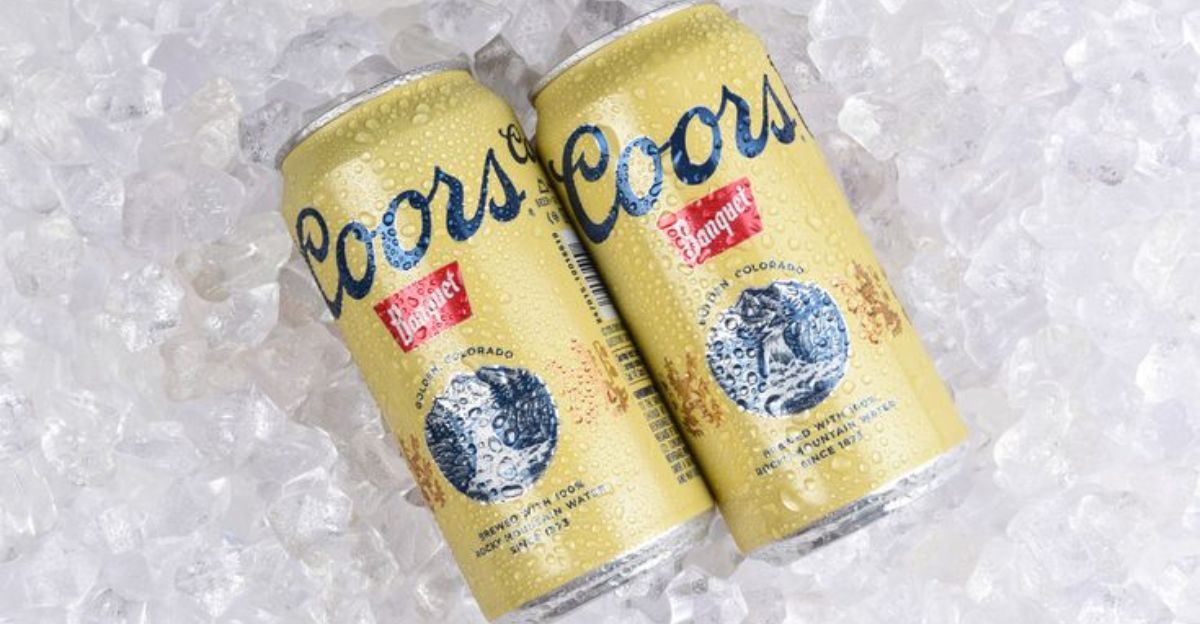
Coors Banquet Light is light in body and flavor, making it easy to drink, but also easy to forget. Fans mention its clean malt profile and mild bready sweetness, but critics note a watery texture and minimal hop aroma.
While it is good when it’s ice-cold after performing some yardwork, it’s not designed to impress, just to quench your thirst and disappear from your memory by the second sip.
15. Michelob Ultra
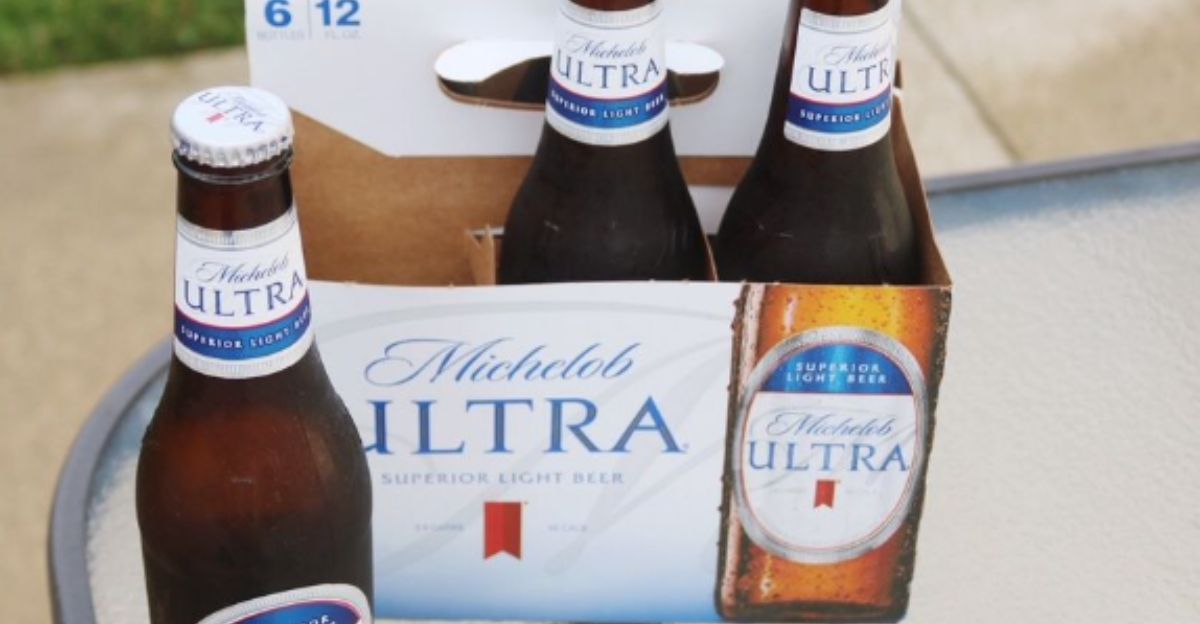
Michelob Ultra is known for being “fit-friendly,” but it is also almost completely devoid of flavor. With its low-carb, low-calorie appeal, it’s often described as thin, barely tasting like real beer, and best used as a high-volume refresher.
While the healthy branding draws defenders, most agree Ultra’s taste lacks presence and satisfaction, leaving little reason to choose it for flavor.
16. Icehouse
Icehouse brings a high ABV to the table, but once the initial chill is gone, most tasters notice sharp grain and a wallop of alcohol. The flavor veers to syrupy sweetness with a metallic finish, distracting from what little body it has.
Reviews often complain about its harsh aftertaste, proving that heavy-handed brewing rarely leads to a balanced, cheap beer experience.
17. Natural Light
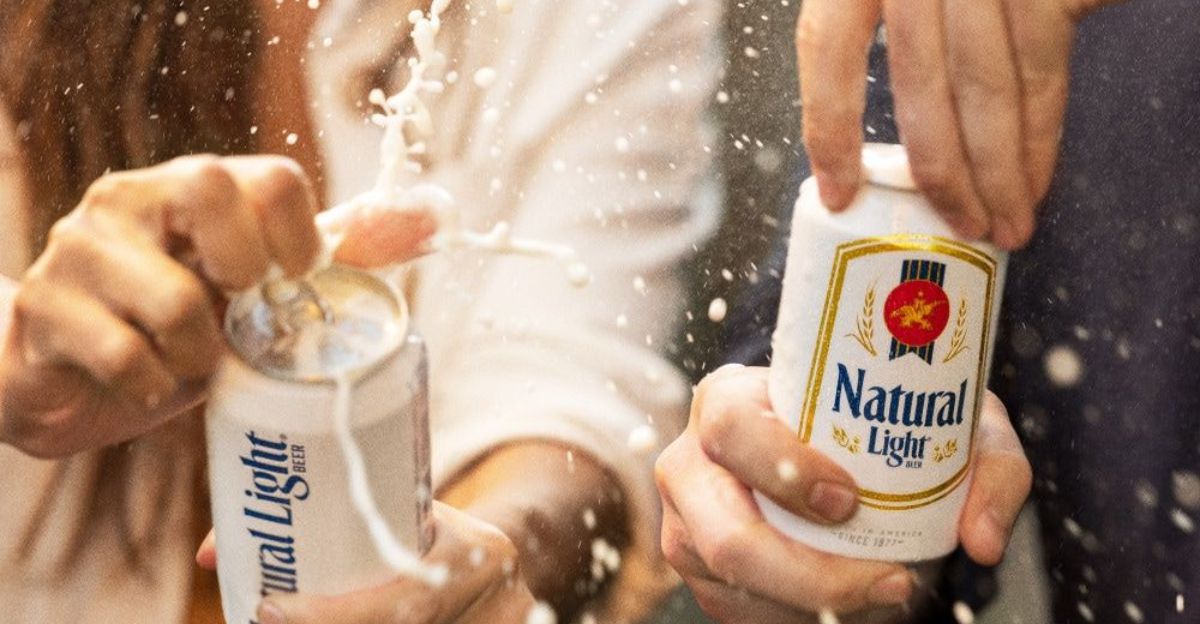
Natural Light has earned its status as a dorm room hero, but repeated tastings reveal that there is little to celebrate. This ultra-light lager brings almost no flavor, only mild fizz, and the barest hint of grain.
Its main strengths are its low price and high availability, but for anyone chasing actual taste, Natty Light is a clear reminder that cheap isn’t always cheerful.
18. Lucky Lager
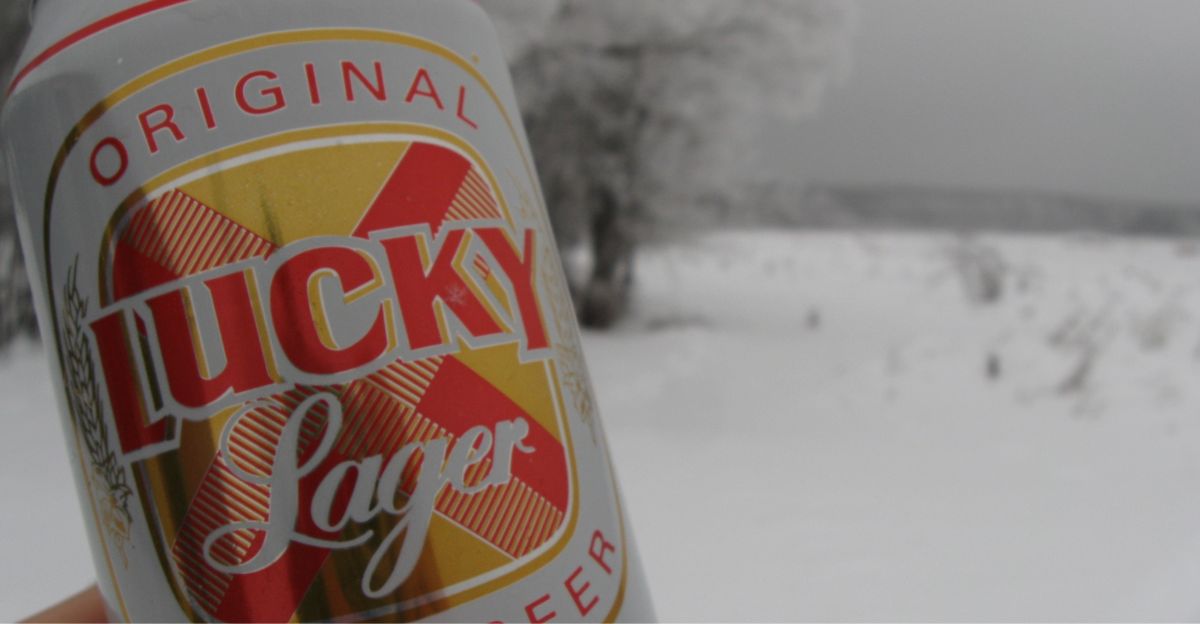
Lucky Lager holds nostalgia for many drinkers, but most reviews agree it’s strictly a “college budget” beer. You can expect pale straw color, faint sweet corn notes, and a watery, clean finish that vanishes quickly.
The quirky caps and branding are charming, but the beer itself lacks body and character, and is often described as bland and unmemorable, making it a forgettable choice when value trumps flavor.
19. Colt 45
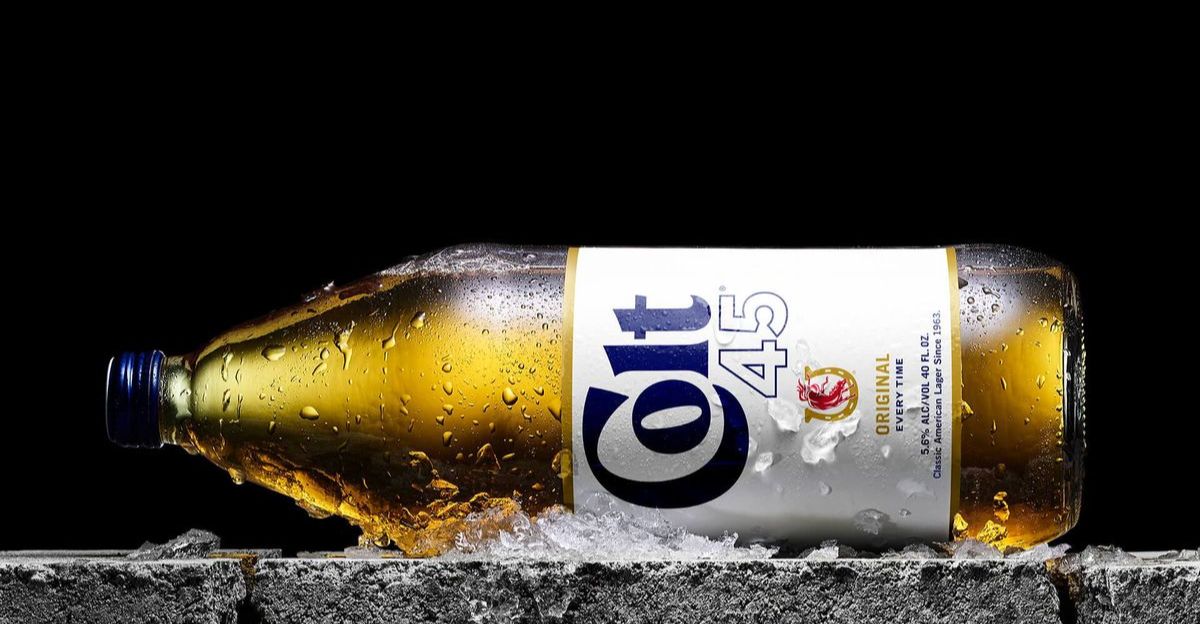
Colt 45 is a legend in the malt liquor world, recognized for its affordable price and “it works every time” motto, but not its taste. With a 5.6% ABV, this lager offers a slightly sweet, grainy, and somewhat harsh profile.
Reviews often mention its dependable but uninspired flavor, confirming that it’s chosen for strength and price, not for enjoying the drinking experience.