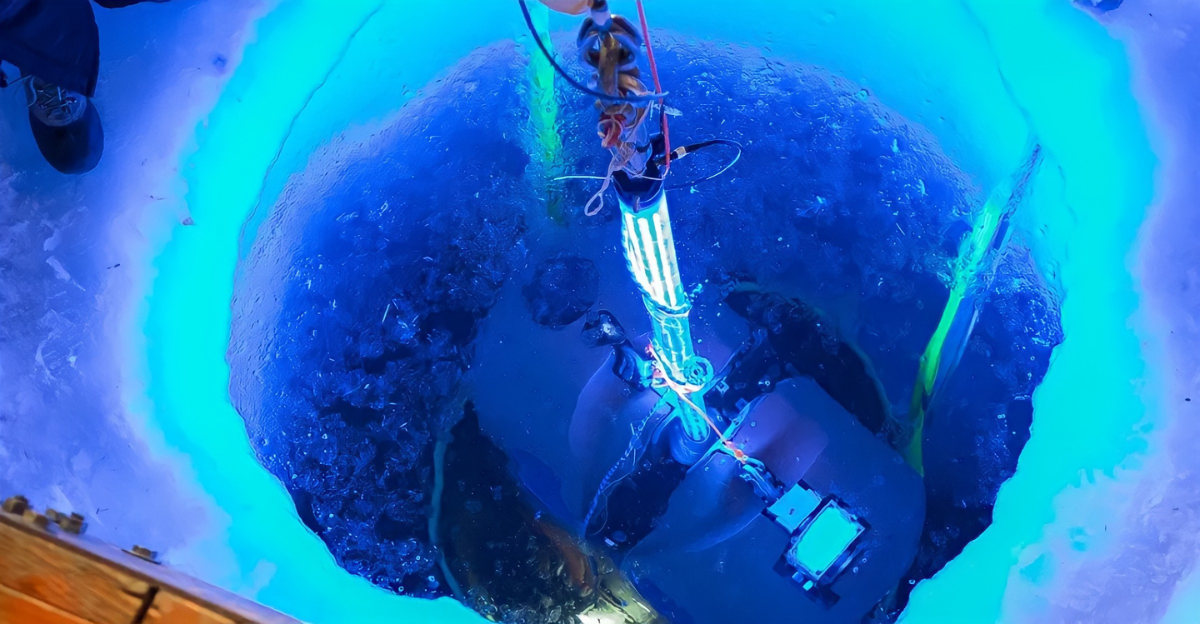
On a continent where temperatures can plunge below −60°C and months pass without sunrise, Antarctica has long been Earth’s frozen riddle. In 2025, a revelation deepened that mystery. Radar surveys revealed a vast, ancient, alien-like landscape hidden beneath the East Antarctic Ice Sheet.
The discovery wasn’t an accident but the product of years of relentless mapping by international teams. What emerged was a lost world sealed under three kilometers of ice, and its untouched surfaces and strange geometry are forcing scientists to rewrite what they thought they knew about the southernmost continent.
Piercing the Ice With Radar
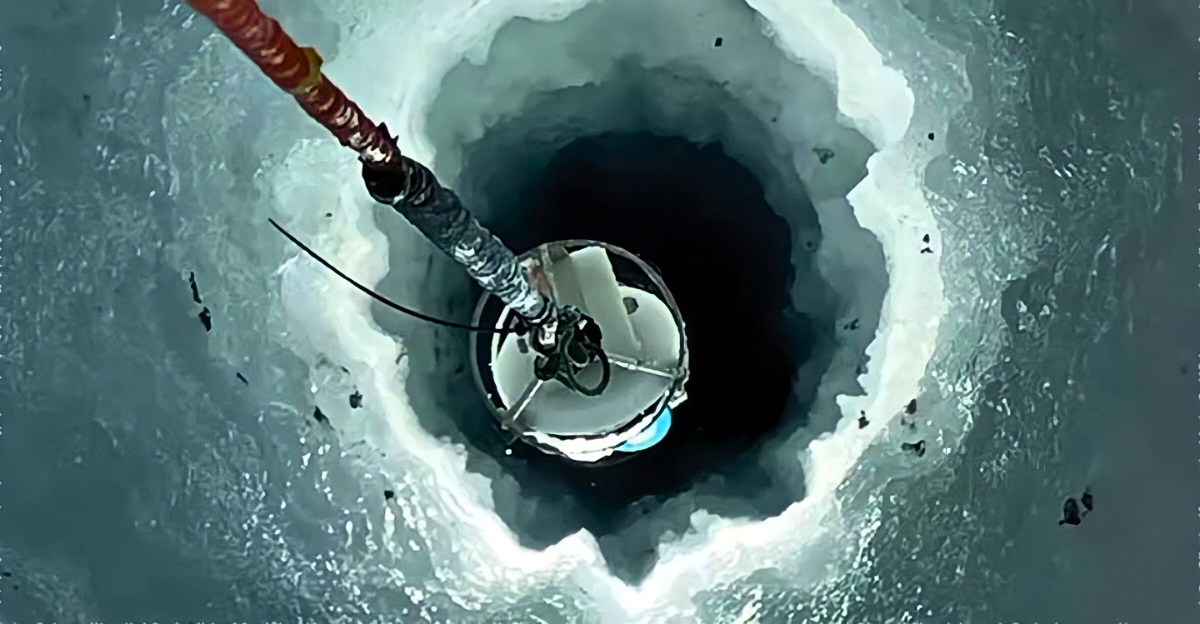
For decades, Antarctica’s secrets were thought to be locked away forever. Satellite images could only trace its snowy peaks and windswept valleys. But radar, fired through miles of ice and bounced back from bedrock, changed that.
A team led by Durham University mapped 3,500 kilometers along East Antarctica’s rim, revealing an extraordinary archive of hidden landscapes. “We’re effectively peeling back layers of ice to see Earth as it looked millions of years ago,” one researcher explained. The scope of the mapping covers nearly 40% of the continent’s coastal boundary, exposing features frozen in time.
Landscapes That Shouldn’t Exist
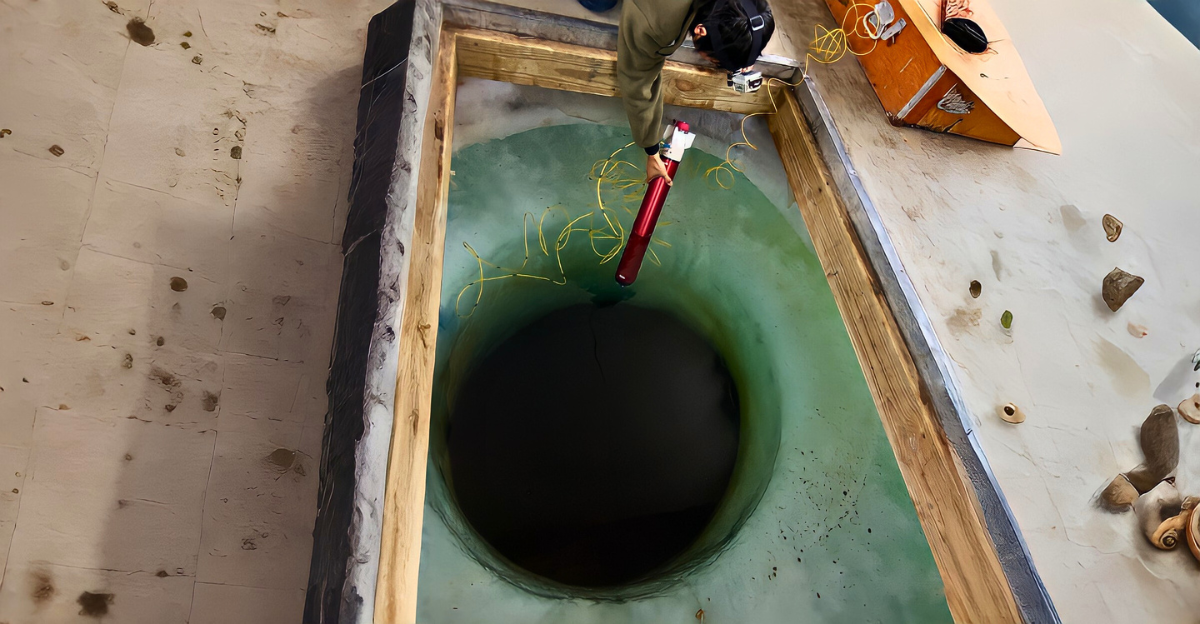
When the radar data was stitched together, scientists saw something that looked disturbingly out of place on Earth. Vast, perfectly flat plains appeared, punctuated by yawning canyons. “Almost everywhere we looked, these flat, preserved land surfaces appeared,” said Dr. Guy Paxman of Durham University.
The geometry was so striking that many likened it to extraterrestrial landscapes. What startled scientists most was how pristine these surfaces remained despite being entombed for over 30 million years. “Their preservation is remarkable, possibly unique on Earth, or any rocky planet in the solar system,” Paxman noted.
Rivers From a Lost Age
The story of these plains begins long before Antarctica became a land of ice. According to Professor Neil Ross of Newcastle University, colossal rivers carved the terrain around 80 million years ago, when the continent was still connected to Australia. These rivers once meandered across lush valleys, long before glaciers claimed the land.
Over time, as ice thickened and expanded, the river system was entombed but not erased. “It’s like a ghost landscape that is locked away but astonishingly intact,” Ross explained, offering an almost cinematic glimpse into an era predating the rise of mammals.
A Jigsaw Beneath the Ice
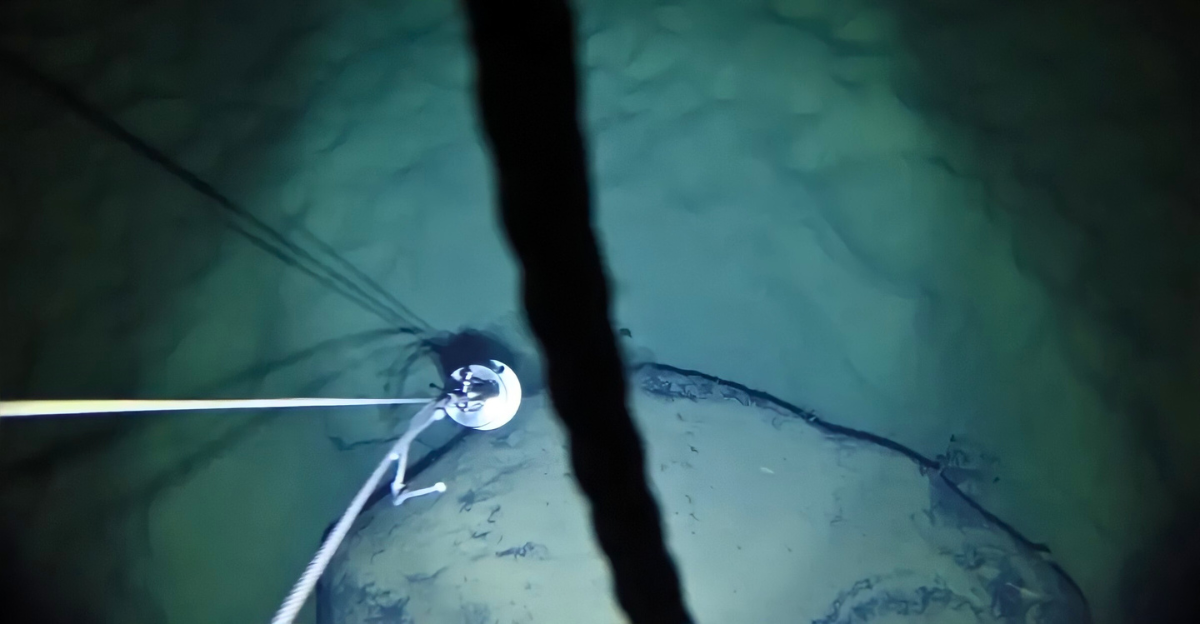
The terrain is no isolated oddity but part of a grand puzzle stretching from Princess Elizabeth Land to George V Land. “This interconnected mosaic is like reconstructing lost pieces of Earth’s continents,” noted the British Antarctic Survey in a 2025 briefing.
Every flat plain and deep trough hints at tectonic shifts that shaped Antarctica’s past while still influencing how its massive ice sheet behaves today. For geologists, it’s like an ancient jigsaw millions of years old that has suddenly been spread out on the table, waiting to be pieced together again.
Unlocking Secrets With Bedmap3
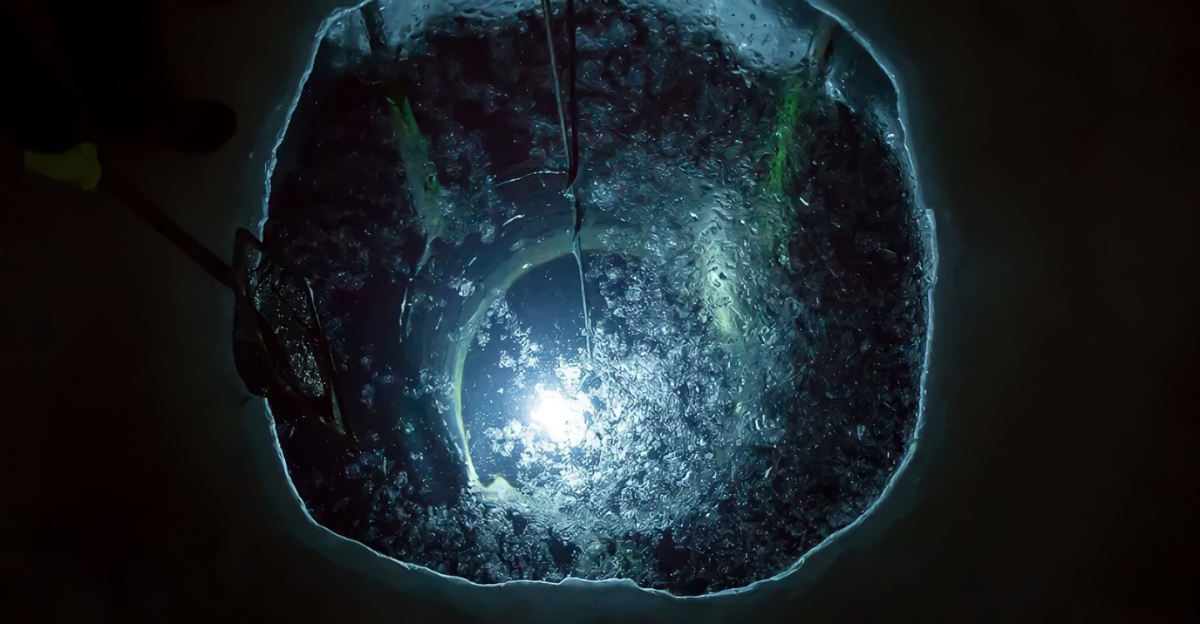
Bedmap3, a radar-mapping project combining satellite altimetry with aerial surveys, is at the heart of this breakthrough. Radar sends electromagnetic pulses through the ice, which bounce back differently depending on whether they strike bedrock, water, or sediment. “The improvements in resolution are staggering,” explained Peter Fretwell of the British Antarctic Survey.
Subtle ridges and basins, once blurred, now appear sharp, like a photograph brought into focus. The dataset charts where ice meets ocean and allows researchers to reconstruct the ghostly outlines of ancient rivers and valleys hidden far below.
A Hidden Ecosystem That Survives
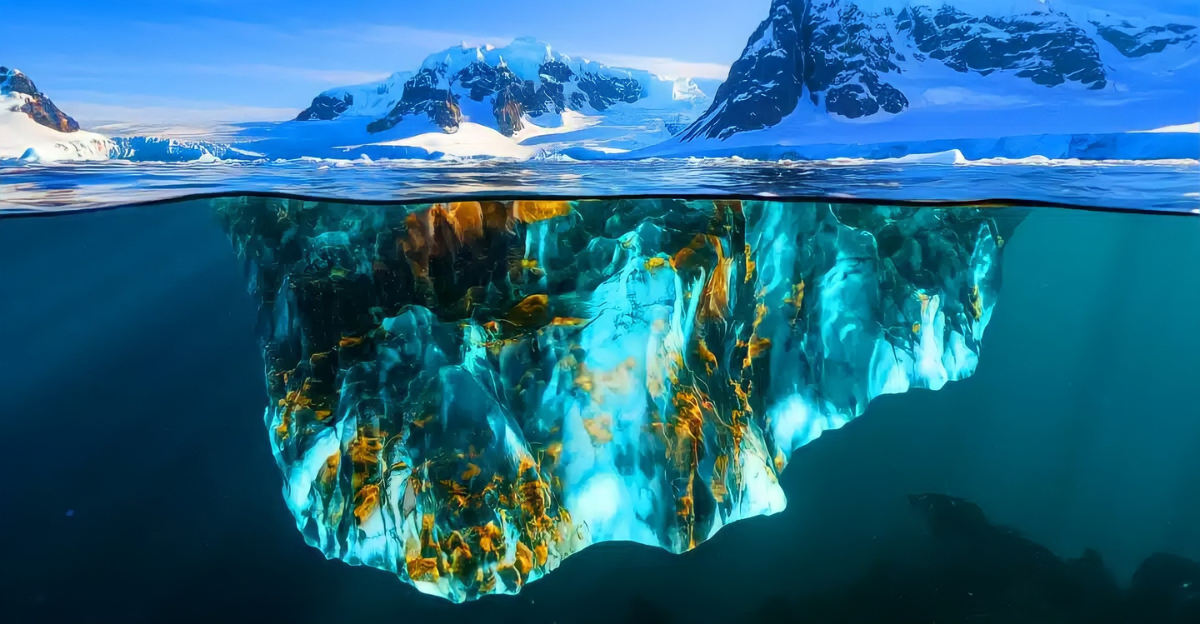
While the new surveys primarily highlight geology, each discovery echoes with biological surprises. In 2025, the Schmidt Ocean Institute discovered corals, sponges, and even giant sea spiders thriving 750 feet beneath Antarctic ice shelves. Similar life forms have been found in previous expeditions, defying assumptions that such frozen environments were barren.
“Life finds extraordinary ways to survive in the harshest conditions,” one marine biologist said. These ecosystems hint that beneath the preserved landscapes, even more unexpected biological stories could be waiting to emerge.
Why “Alien-Like” Isn’t Exaggeration
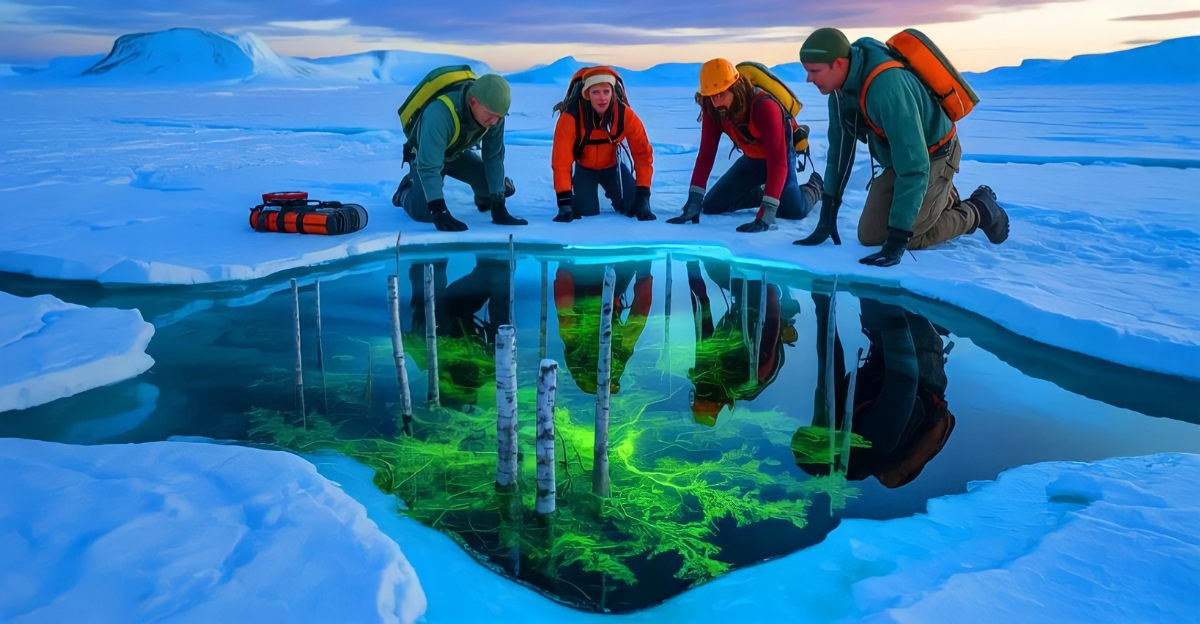
The phrase “alien-like” is more than dramatic flair. Veteran polar scientist Robin Bell noted that the preserved terrain resembles what scientists expect on icy moons such as Europa and Enceladus. Both moons are prime candidates in the search for extraterrestrial life. “The more we understand about Earth’s icy environments, the better we can comprehend similar ones beyond Earth,” Bell explained.
By studying Antarctica’s frozen underworld, scientists are unraveling our planet’s history and building models for what alien oceans and hidden habitats might look like across the solar system.
Hidden Lakes and Frozen Oceans
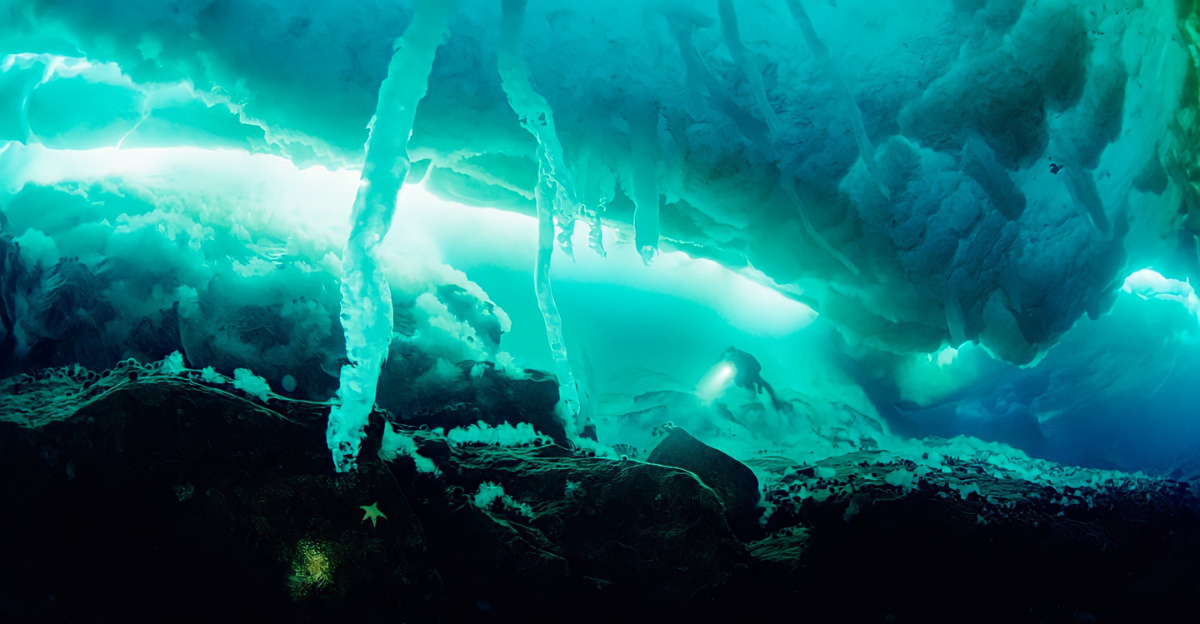
Perhaps most compelling is the suggestion of water still locked beneath the ice. The most famous example is Lake Vostok, first confirmed by radar and altimetry in the 1990s. Sealed away for up to 34 million years, the lake may harbor microbes never exposed to modern air.
The new Bedmap3 data suggest that more, possibly larger, lakes may exist beneath East Antarctica’s ice. These hidden reservoirs could represent frozen oceans, offering unparalleled opportunities to study isolated ecosystems and planetary conditions on Earth that mirror those expected on other worlds.
The Ice Flow Mystery
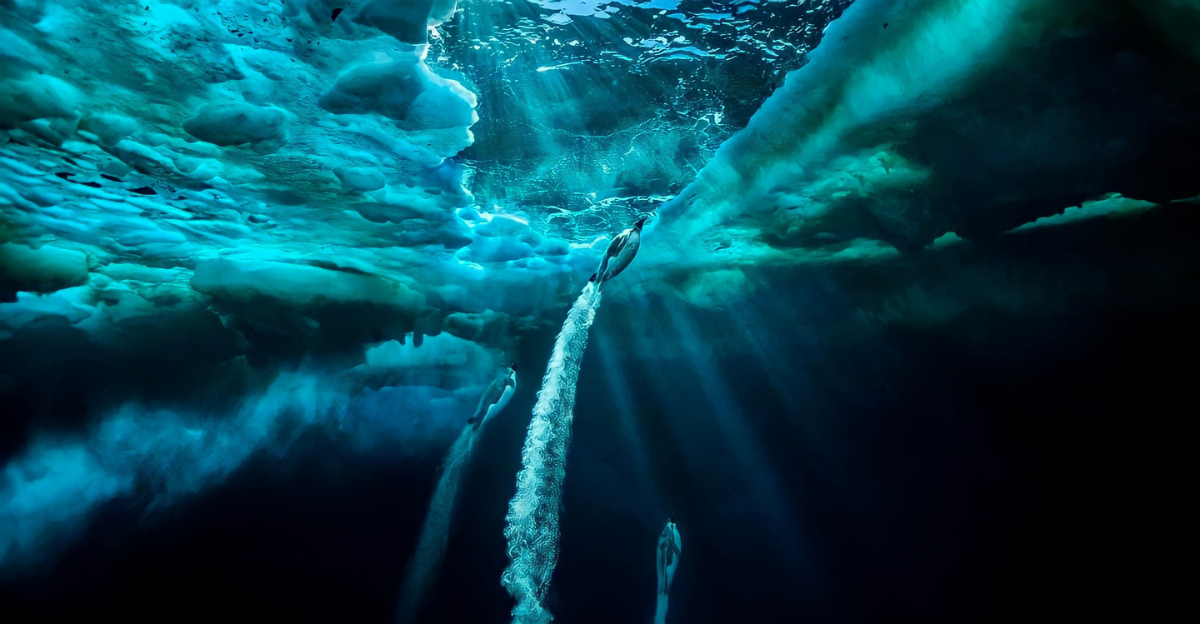
These ancient plains are far from dormant fossils. They actively shape how Antarctica’s glaciers move today. Where the ice above slumps into deep troughs, it accelerates forward like water down a slide. The flow slows over broad, flat expanses, bottling up the ice. According to researchers, this dynamic is critical for predicting the continent’s future.
Dr. Paxman explained, “If we want to forecast sea level rise, we must understand how these landscapes direct ice flow.” The stakes are immense, as even slight changes in ice movement could impact coastal cities worldwide.
Natural Barriers Against Retreat
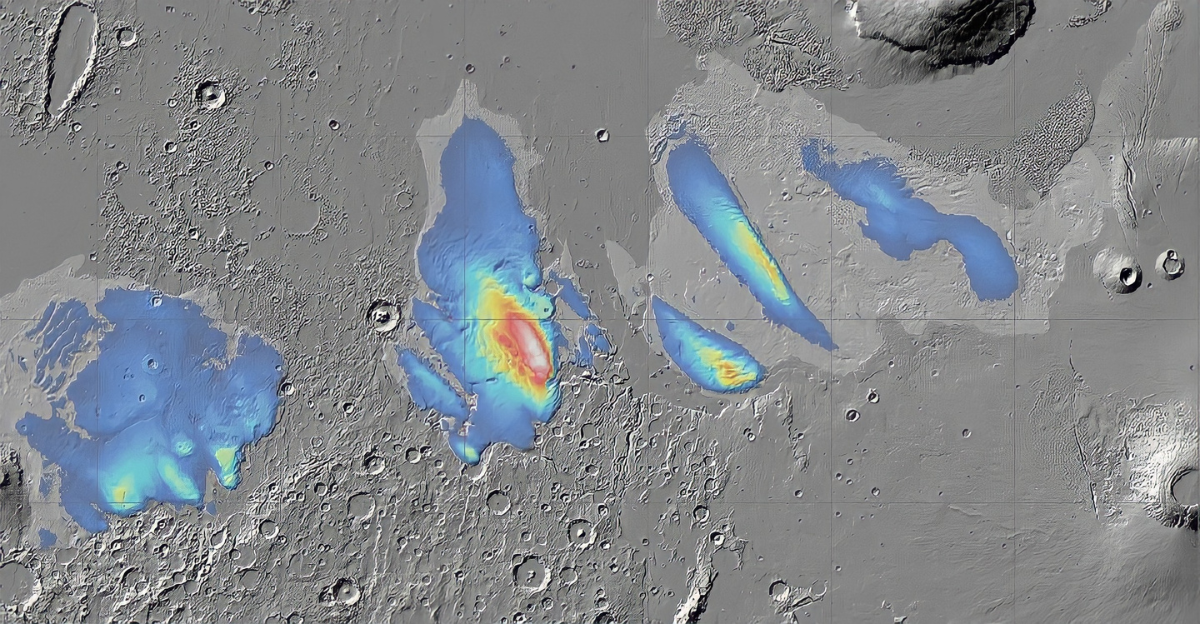
Despite fears of rapid melting, scientists now believe some buried plains act as stabilizers. “These flat surfaces appear to act as natural barriers, slowing the retreat of glaciers in certain regions,” one Durham University researcher explained. In other words, the alien-like landscapes beneath Antarctica may be buying humanity precious time.
Without them, parts of the East Antarctic Ice Sheet might have been far less stable, vulnerable to rapid collapse under today’s warming climate. The hidden world is not only a relic of the past but may also be a safeguard for the future.
Climate Implications and Sea-Level Threat
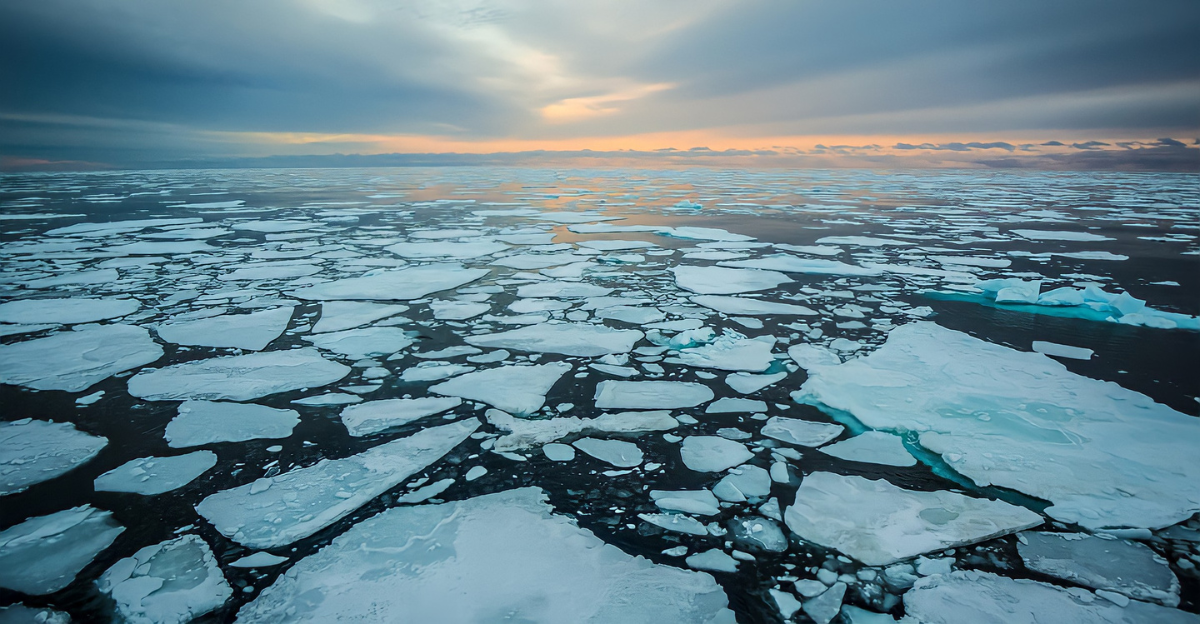
The stakes are staggering. If the East Antarctic Ice Sheet were to collapse completely, sea levels could rise by up to 52 meters, drowning major cities and redrawing coastlines. “By including subsurface landscapes in our models, predictions become far more accurate,” Dr. Paxman cautioned.
Climate forecasting depends on understanding these hidden structures. Each valley, ridge, and plateau acts like a lever on the glacier above, resisting or hastening its retreat. For scientists, these discoveries are not just about curiosity; they are essential to preparing for a changing planet.
Reconstructing Earth’s Long-Lost World
The alien-like plains aren’t isolated anomalies but part of a vast, interconnected system. “This study brings the jigsaw pieces together,” said Professor Ross, noting that they form a tectonic archive stretching back to Gondwana. This ancient supercontinent once bound Antarctica to Australia, Africa, and South America.
What is being revealed is not just geology, but a record of Earth’s grand continental shifts. Each preserved surface is a page from a history book spanning millions of years, waiting for geologists to decode how Earth assembled and fractured.
Tireless Human Expeditions
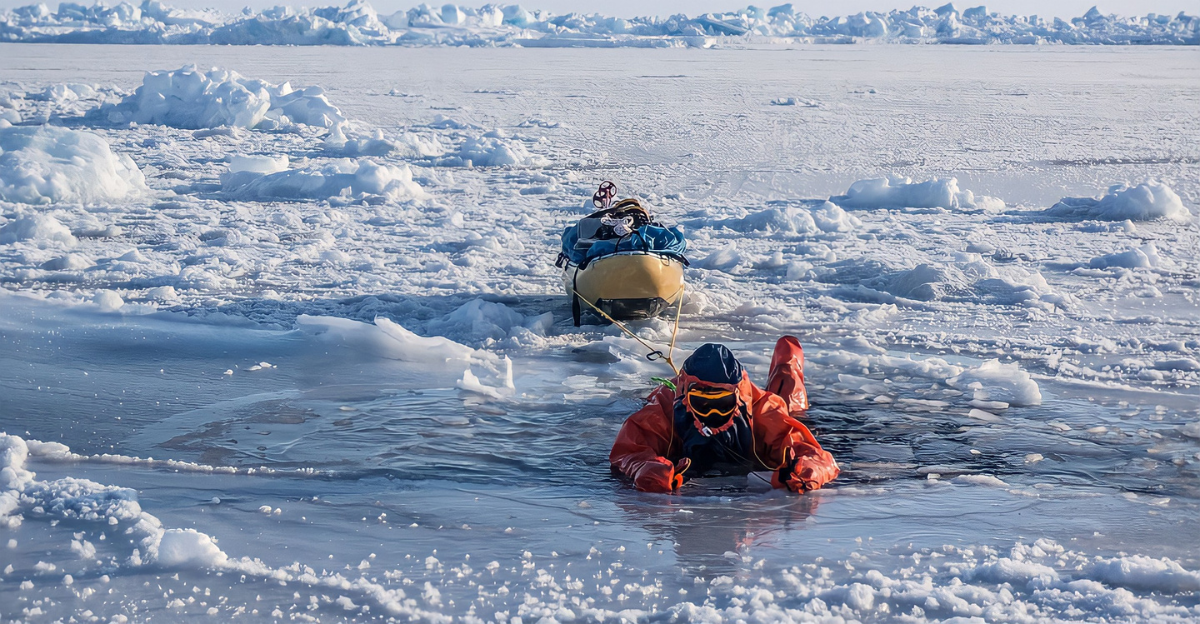
Behind every radar image lies years of determination. Teams endured brutal Antarctic winds, with aircraft dragging radar equipment across desolate skies while robotic probes crawled beneath ice shelves. “Our understanding of subglacial environments has largely relied on painstaking radar mapping,” Robin Bell recalled, emphasizing how many discoveries, like Lake Vostok, were confirmed only after years of debate.
The radar work represents science at its toughest—demanding hours of fieldwork in brutal cold, countless recalibrations, and the relentless human drive to reveal a world no one has ever seen directly.
Global Teamwork Unlocks the Ice
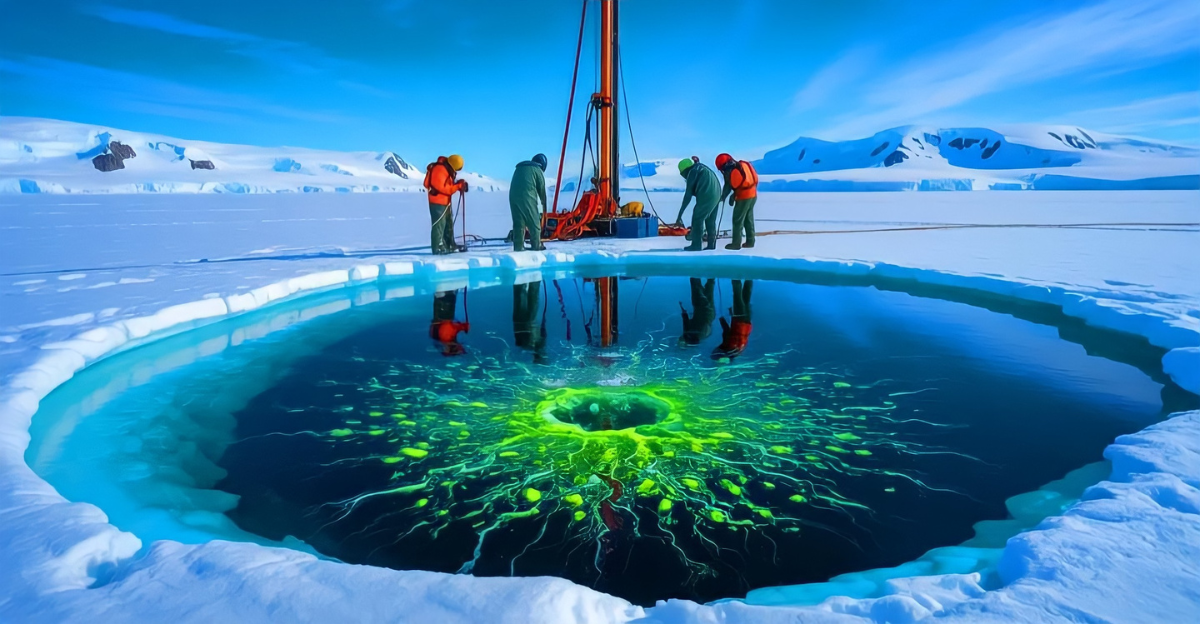
This breakthrough is not the work of one nation, but of many. Researchers from Britain, Germany, China, Australia, and the United States contributed to the radar mapping and analysis. Institutions like the British Antarctic Survey and Germany’s Alfred Wegener Institute provided critical data and logistics.
Scientists stressed the need for international cooperation, as no single country can shoulder the immense costs or challenges of Antarctic exploration alone. As the climate stakes mount, shared science becomes a global necessity, with Antarctica serving as a reminder that the planet’s future transcends borders.
Antarctica as a Space Training Ground
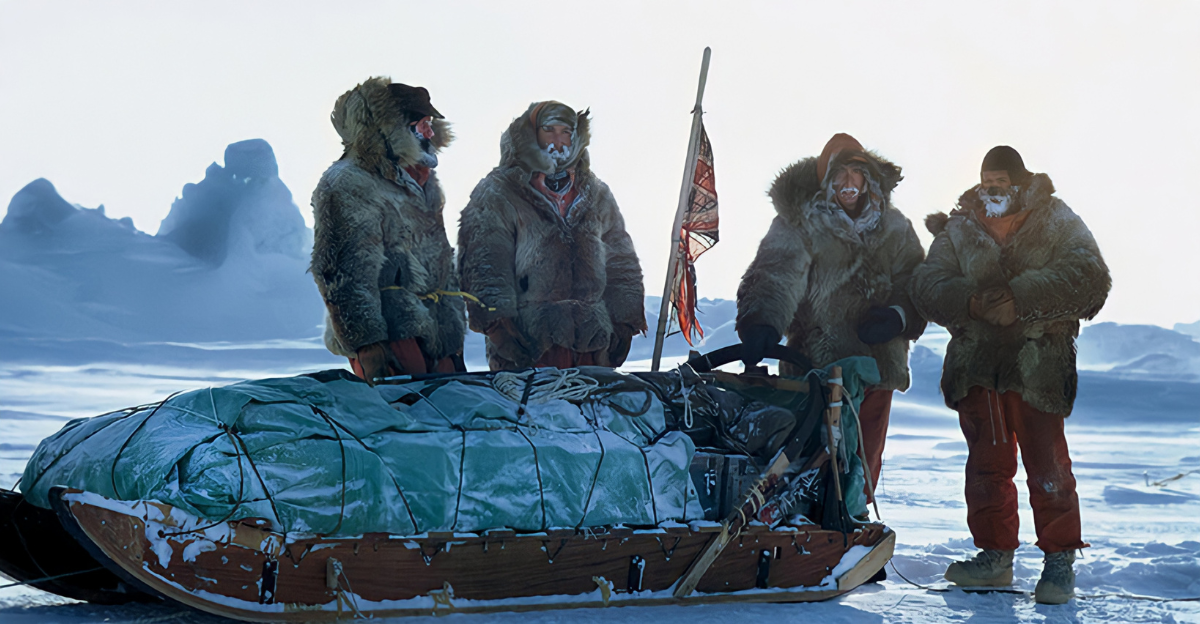
The discoveries beneath Antarctica are already influencing space exploration. NASA’s Europa Clipper mission, set to launch this decade, has equipped itself with radar systems inspired by Antarctic surveys. The mission aims to peer through Europa’s icy shell in search of subsurface oceans.
“Antarctica serves as a valuable model for understanding the limits of life,” a NASA astrobiologist noted. By treating Earth’s frozen deserts as training grounds, scientists hope to prepare for the day when humanity peers into the oceans of other worlds, and perhaps finds life waiting.
The Push to Drill Deeper
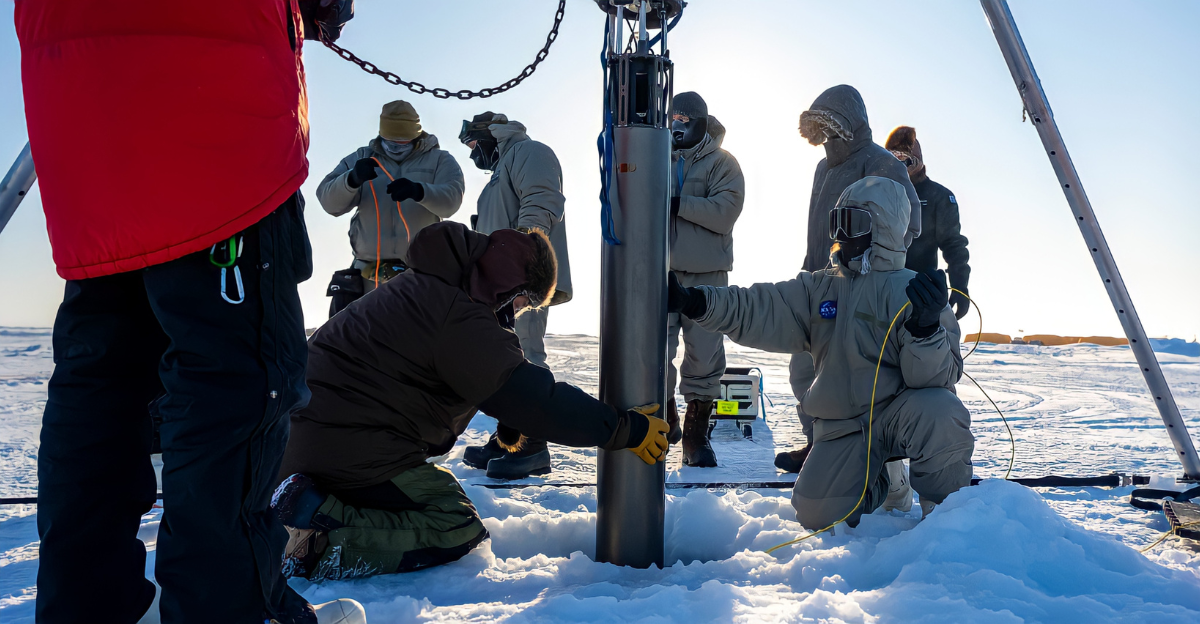
Radar may reveal the outlines of this alien-like world, but scientists want to go further. Dr. Paxman’s team has called for drilling expeditions to retrieve rock samples from the buried plains. “Drilling through the ice will help improve predictions of how the ice sheet will respond to climate change,” Paxman explained.
These samples could confirm when the landscapes last saw sunlight and whether ecosystems once thrived there. These answers remain locked beneath kilometers of ice, tantalizingly close but still just out of reach.
Still Just Scratching the Surface
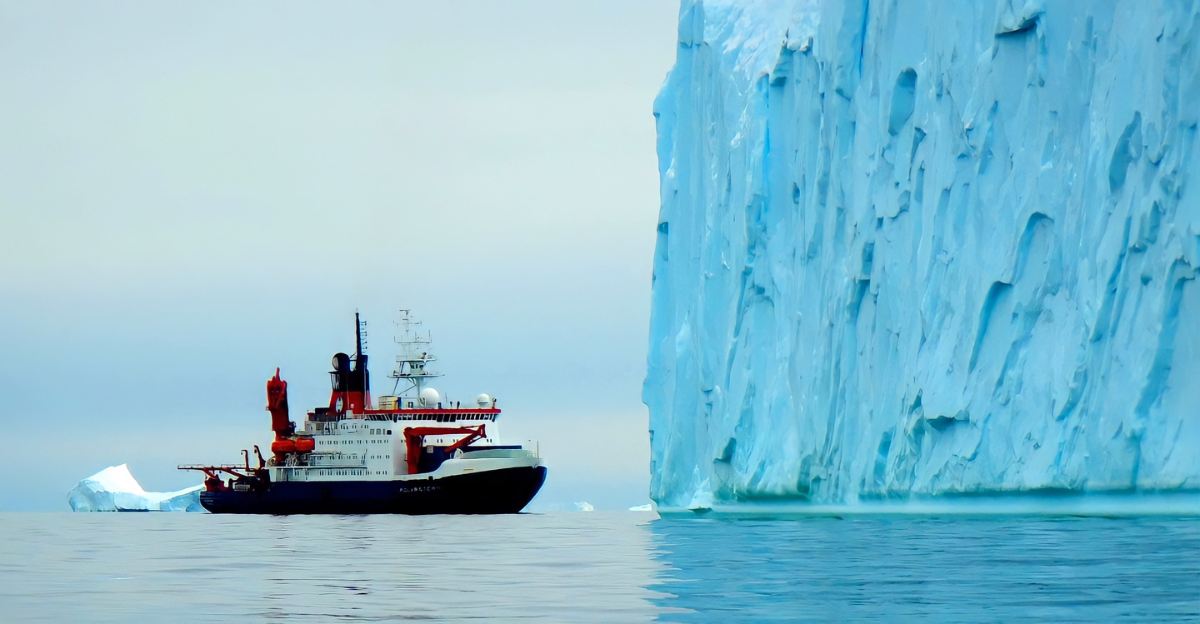
Despite decades of effort, scientists stress they’ve only begun to map Antarctica’s hidden worlds. The Bedmap3 project provides a clearer view than ever, but mysteries remain about how these landscapes formed, evolved, and influenced life. “We’re just scratching the surface,” researchers cautioned, noting that the continent may conceal other vast plains, lakes, and volcanic systems.
Each discovery raises more questions than answers, ensuring that Antarctica remains not just the coldest place on Earth but its most enigmatic frontier.
Why the World Is Watching
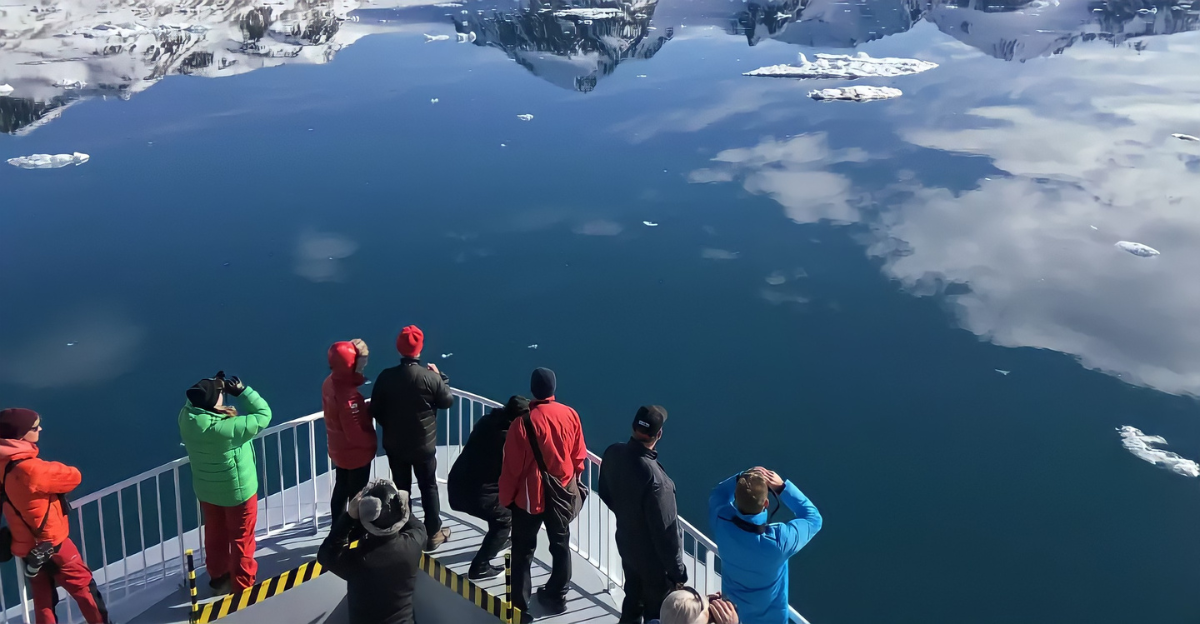
The revelations under East Antarctica are not just academic curiosities. They matter to policymakers tracking sea-level rise, climate scientists modeling global warming, and space agencies preparing for missions to icy moons. “Details like the shape and geological features of these surfaces are key to understanding ice flow dynamics,” Dr. Paxman emphasized.
The attention reflects that Antarctica’s hidden terrains shape everything from climate forecasts to planetary science. As researchers publish their findings, the world is watching, because the implications are planetary in scale.
Antarctica’s Enigma Endures
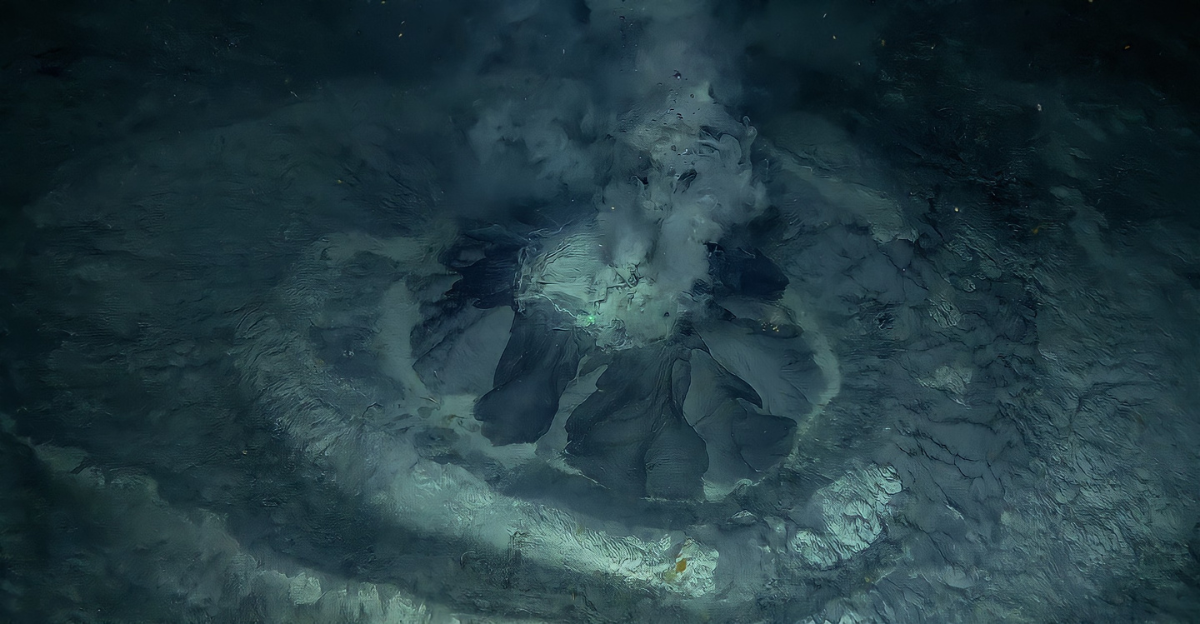
This newly revealed alien-like world beneath the Antarctic ice reminds us how much of our planet remains undiscovered. It is both a relic of ancient rivers and a stabilizer of modern glaciers; a model for space exploration and a warning signal for rising seas.
As Robin Bell said, “The more we understand about Earth’s icy environments, the better we can comprehend other similar environments.” The mystery endures, with it the promise of discovery, proof that even in the 21st century, our planet still holds secrets as strange as any imagined world.