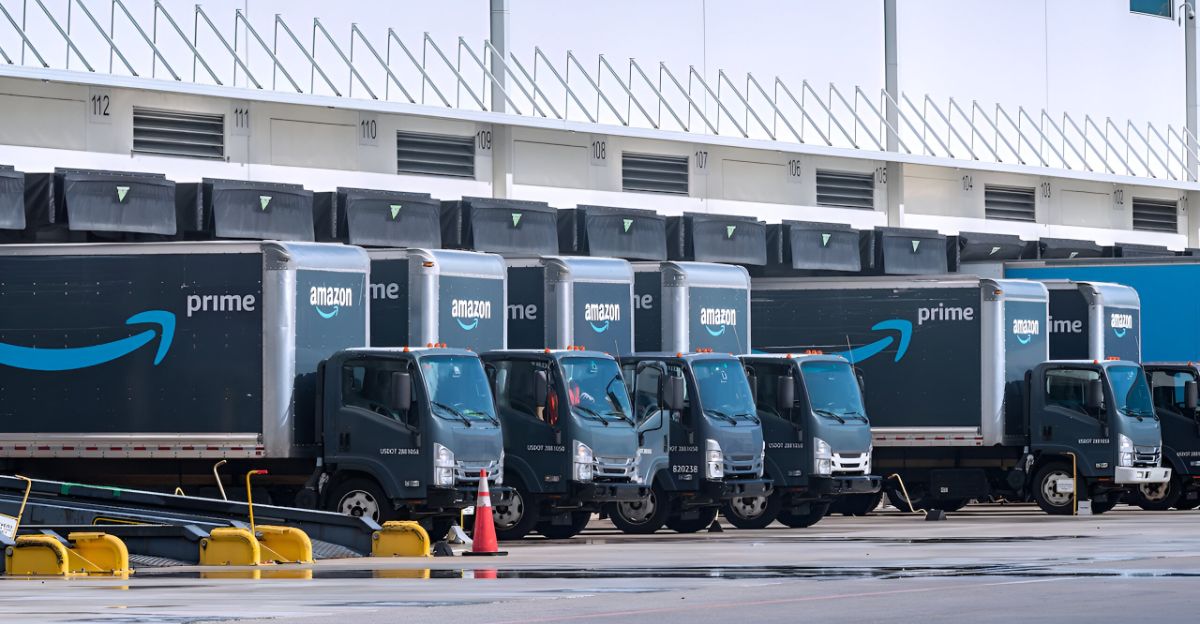
Amazon will end a key Prime benefit that allowed members to share free shipping with those outside their household, effective October 1, 2025.
This change will affect hundreds of thousands of users—less than 1% of U.S. Prime members—leading many families and friends who share accounts to face new costs or loss of access.
A 16-Year Tradition

For nearly 16 years, Amazon Prime members had the option to share the benefit of free two-day shipping with another adult, even if they lived at a different address.
This feature, which has been available since 2009, has become an essential benefit for families, roommates, and friends, significantly contributing to Amazon’s subscriber base growth.
The Big Change

As of October 1, 2025, Amazon has made a significant change to its Prime membership policy by discontinuing the sharing of benefits for non-household members.
This means that only individuals residing at the same primary address as the account holder will continue to enjoy the advantages of free shipping. Amazon has also updated its customer service policy to align with this new approach.
Customer Impact

“I think it’s just another way for them to get more money from consumers, and we’re already faced with enough challenges as it is,” said Kerri Engle, who canceled her Amazon Prime membership.
College students and families who live separately may experience significant challenges due to the loss of shared Prime benefits.
Regional Effects

The recent policy change has significant implications for Prime members nationwide, particularly in urban areas where families are often spread across multiple households.
Cities like Seattle, which is home to Amazon’s headquarters, and other major metropolitan regions will experience immediate consequences as users will no longer have the ability to share access to their accounts.
Amazon’s Rationale
Amazon has highlighted several key factors driving its recent decisions, including increasing operational expenses and intense competition from major rivals such as Walmart and Target.
The company emphasizes the importance of maintaining fairness among its subscribers. They assert that these changes are part of a strategy to deliver consistent value to all Prime members while optimizing services to enhance overall profitability.
Discount Offer

To facilitate a smoother transition, Amazon is providing a discounted Prime membership for $14.99 for one year to individuals who are losing shared access.
Following the first year, the membership will revert to the standard rate of $14.99 per month or $139.00 annually. This limited-time offer is designed to retain users affected by the changes.
Amazon Family Alternative

Amazon offers a program called Amazon Family, designed for households at the same address to share various benefits.
This program features parental controls and content filtering, enhancing the safety and control of the shared experience. However, it is important to note that sharing is limited exclusively to verified household members.
Competitive Landscape

Walmart+ and Target Circle provide their own shipping benefits, but they come with more stringent shipping regulations.
Analysts anticipate that Amazon’s recent decision may encourage users to consider alternative memberships, leading to increased competition among online retailers for shoppers.
Industry Trend

The recent decision to eliminate Prime sharing illustrates a larger trend in which companies are becoming more stringent with benefit eligibility as a means of managing expenses.
Similarly, streaming platforms like Netflix have intensified their efforts to limit account sharing, indicating a transition towards individual subscriptions across various digital services.
Conversion Strategy

Amazon encourages affected users to sign up for individual Prime accounts, hoping to convert shared users into paying subscribers.
The company invests in new features and exclusive content to justify the membership fee.
Revenue Impact Analysis

Amazon’s subscription services revenue reached $11.72 billion in Q1 2025, up 9.26% year-over-year.
Prime customers spend an average of $1,400 annually compared to $600 for non-Prime customers, making conversion of shared users financially attractive for Amazon.
Customer and Market Reactions
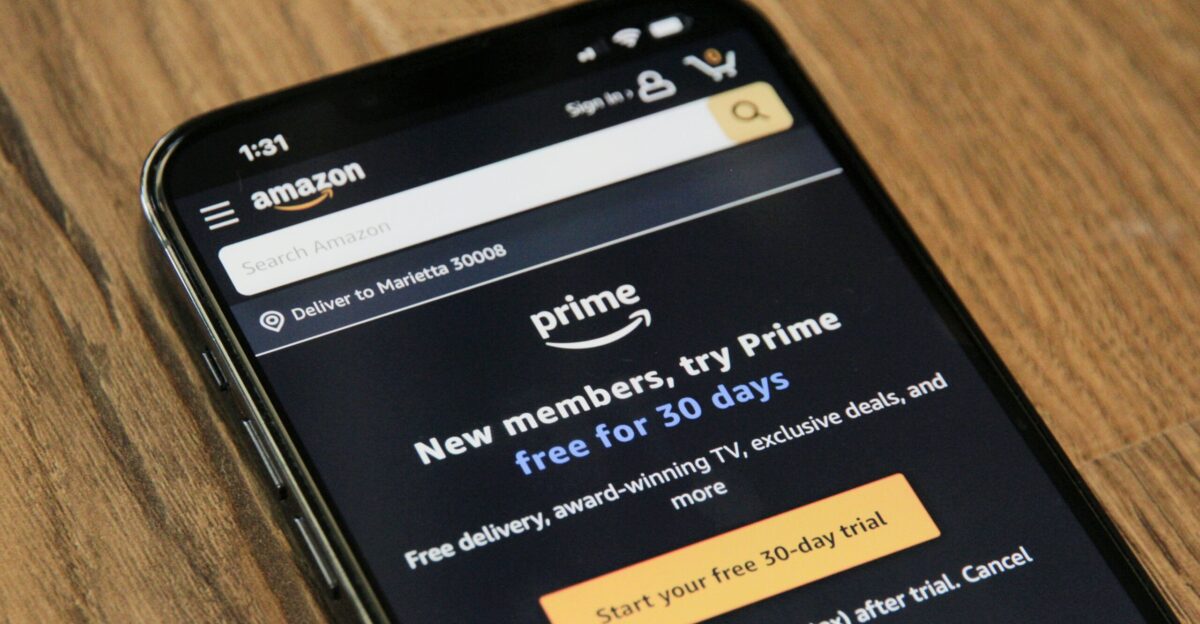
Industry analysts noted Amazon’s strategic focus on converting shared users into individual paying subscribers.
Customer reactions have been mixed, with some accepting the transition while others have expressed frustration about losing a long-standing benefit that had been in place for over a decade.
Implementation Details
Amazon Family requires members to “share the same primary residential address” with mandatory payment method sharing for verification.
The transition affects users who were grandfathered into the old Invitee program since 2015, when Amazon stopped accepting new invitees.
Netflix Success Model

Netflix’s password-sharing crackdown proved highly successful, with the company adding 9.3 million subscribers in Q1 2024 after implementation, significantly exceeding analyst expectations of 5.5 million additions.
The streaming giant’s approach has become a model for other subscription services.
Prime Day Performance Context
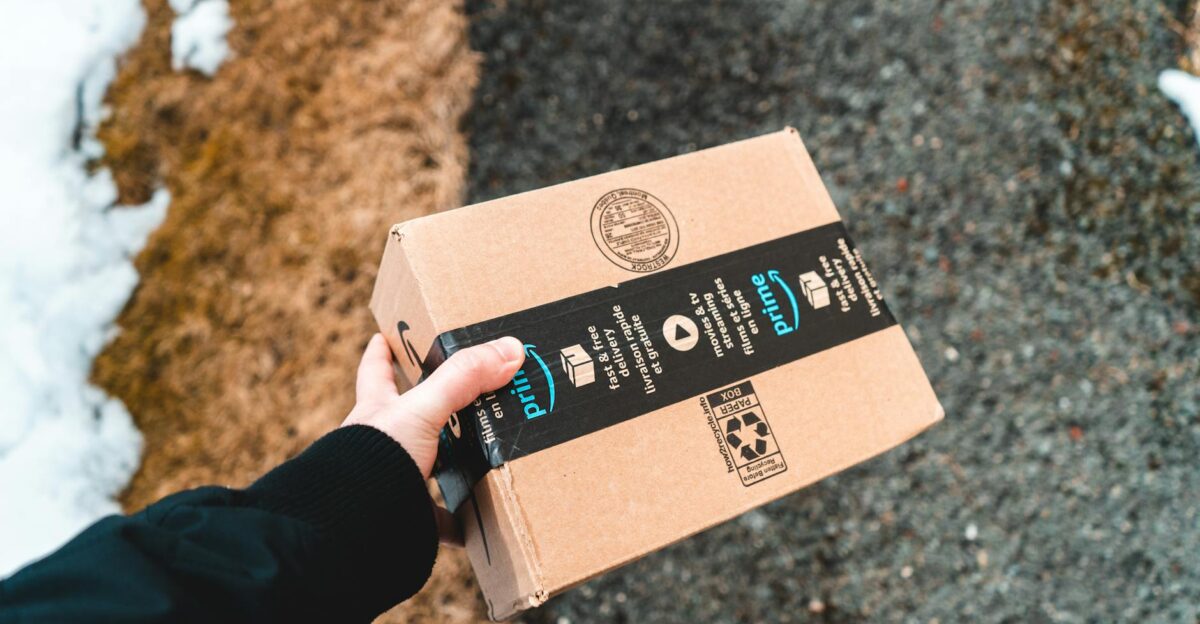
Amazon gained 5.4 million new Prime members during the 2025 Prime Day period, approximately 116,000 fewer registrations than the previous year and 106,000 short of company targets.
This represents a 2% shortfall despite extending Prime Day to four days.
Strategic Revenue Focus

Amazon is “phasing out” the old Invitee program to promote Amazon Family, defending the move by emphasizing that customers haven’t been able to join Amazon Invitee since 2015.
The change aligns with broader industry trends as companies tighten benefit eligibility to control costs.
Market Position Analysis
Prime represents a significant portion of Amazon’s subscription-based earnings, with the service accounting for substantial recurring revenue.
Industry experts view the conversion of former invitees as a strategic revenue opportunity that could strengthen Amazon’s subscription model.
Household Verification Requirements
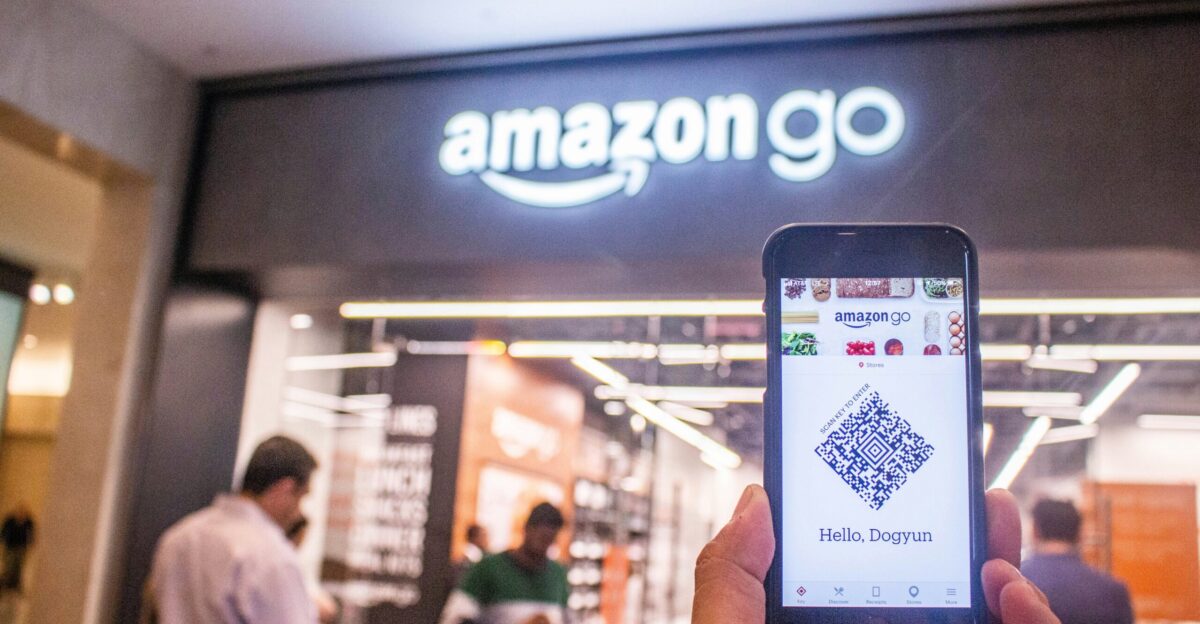
Amazon Family permits sharing with one additional adult and up to four children living at the same primary address.
The program includes parental controls and content filtering, but requires verification through shared billing addresses and payment methods.
Industry Precedent

The policy change follows similar moves by streaming services. As retail analyst Benjamin Mercer noted, “Amazon Prime has redefined the landscape of consumer loyalty. It’s a multifaceted ecosystem that turns casual shoppers into devoted subscribers.”
The shift prioritizes individual subscriptions over shared access across the subscription economy.