
A pivotal move in Washington recently saw President Trump revoke a signature order from the previous administration designed to spur business competition. A leading antitrust expert recently remarked that this step effectively reverses several years of policy direction. With the official record showing the cancellation, Reuters reports growing anxiety among regulators and everyday Americans.
Corporate America Faces Higher Stakes After Policy Reversal

The stakes are now higher across key areas of the economy, including technology, farming, and banking. New reporting from Bloomberg highlights concerns raised by watchdog groups, who note that large corporations may now find it easier to increase their hold on the market. Many fear this could push up prices for families and suppress competition for small businesses.
Biden’s Competition Order: The Fight Against Corporate Power
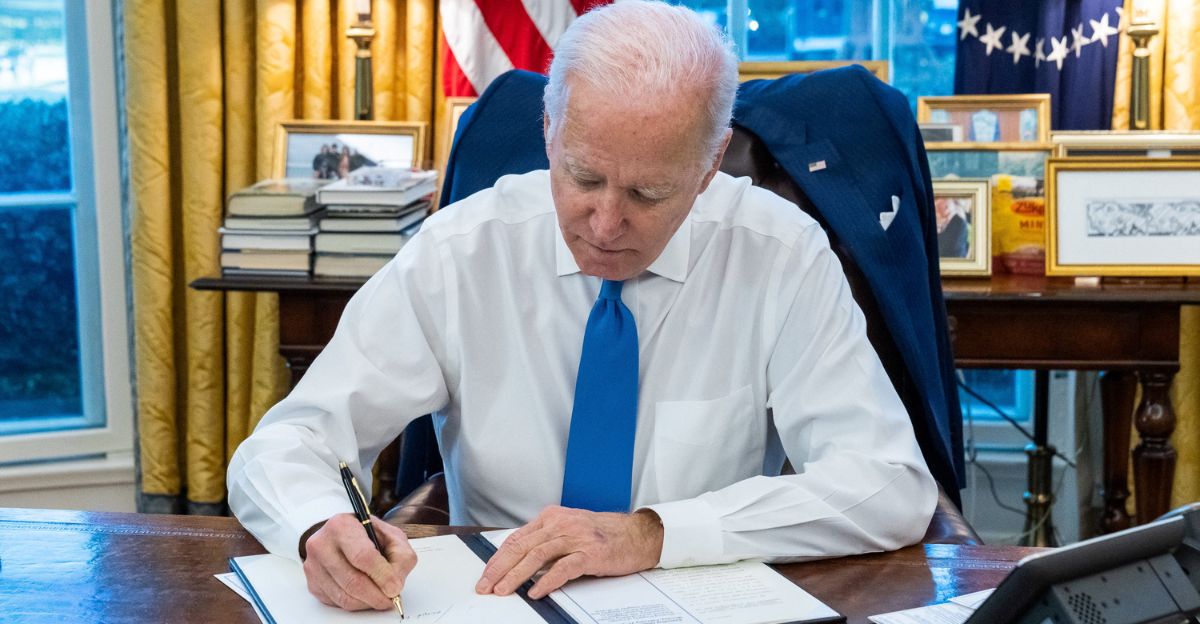
Back in 2021, President Biden signed Executive Order 14036, which aimed to limit the power of big companies and encourage more robust competition. The New York Times explains that this order instructed over a dozen federal agencies to consider 72 new actions to address monopoly risks in healthcare, finance, and technology industries.
Industry Trends Set the Stage for Change

Corporate mergers and growing concentration have dominated headlines for decades. The White House notes that just four companies control most U.S. airlines, while tech giants tightly grip digital markets. These long-term patterns helped build momentum for Biden’s aggressive regulatory push.
Trump Formally Cancels Biden’s Competition Order
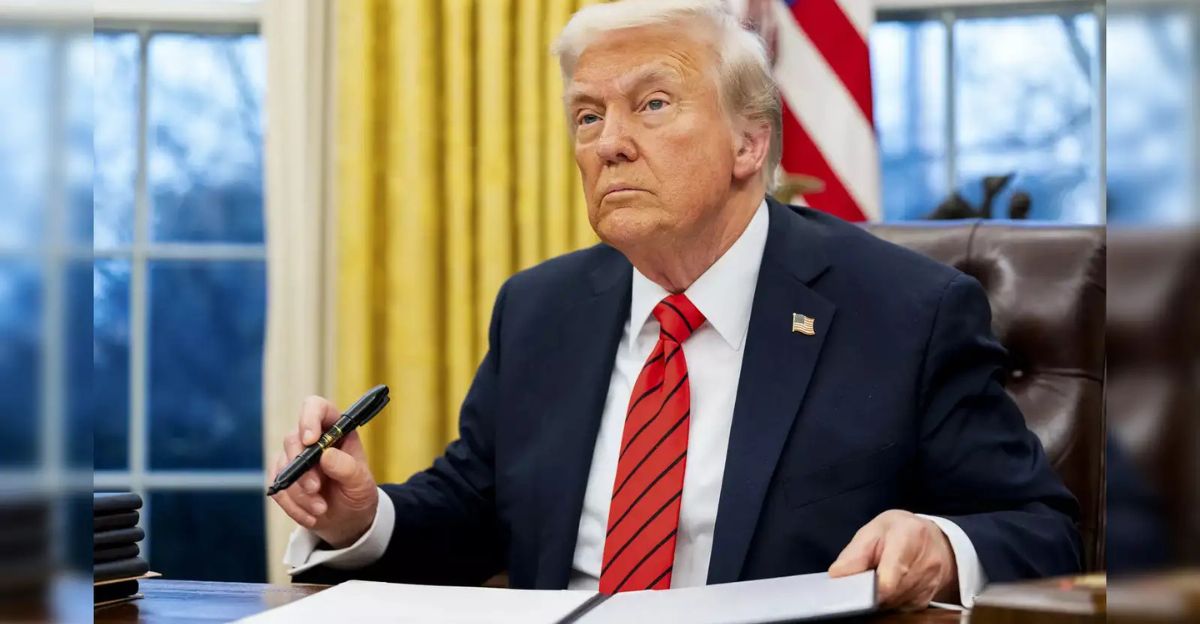
On August 13, President Trump officially revoked EO 14036, pulling the plug on federal plans to fight anti-competitive practices. The White House revocation order, released this month, confirms the significant policy shift and signals that federal scrutiny of major industries will ease, at least for now.
Local Economies Brace for Change

The impact of Trump’s decision is expected to hit hardest in states like California, with its tech sector, and across the agricultural heartland. TechTarget suggests that small business advocates are already warning of slower growth and fewer opportunities for startups, while farmers worry about new restrictions in supplier agreements.
Workers Worry About Fewer Protections

Workers are voicing real concerns about their job security and paycheck growth. A labor rights advocate told NPR that the rule change may weaken limits on non-compete agreements, which previously helped workers switch jobs and earn higher wages. Uncertainty for employees in affected sectors remains high.
Big Business Considers New Opportunities

Some industry analysts believe corporate giants now have an open window for more mergers and acquisitions. Still, BioPharma Dive reports that the FTC will keep applying stricter Biden-era merger standards for now, providing some continued oversight even as the broader climate grows friendlier for deals.
Antitrust Rules Endure Despite Change at the Top
Contrary to expectations, robust merger review rules from 2023 remain in place. The Antitrust Law Blog reports that the Hart-Scott-Rodino Act and updated federal guidelines are still being used to evaluate the biggest corporate deals, meaning the system for blocking dangerous mergers continues, albeit with less urgency.
Not All of Biden’s Policies Have Vanished
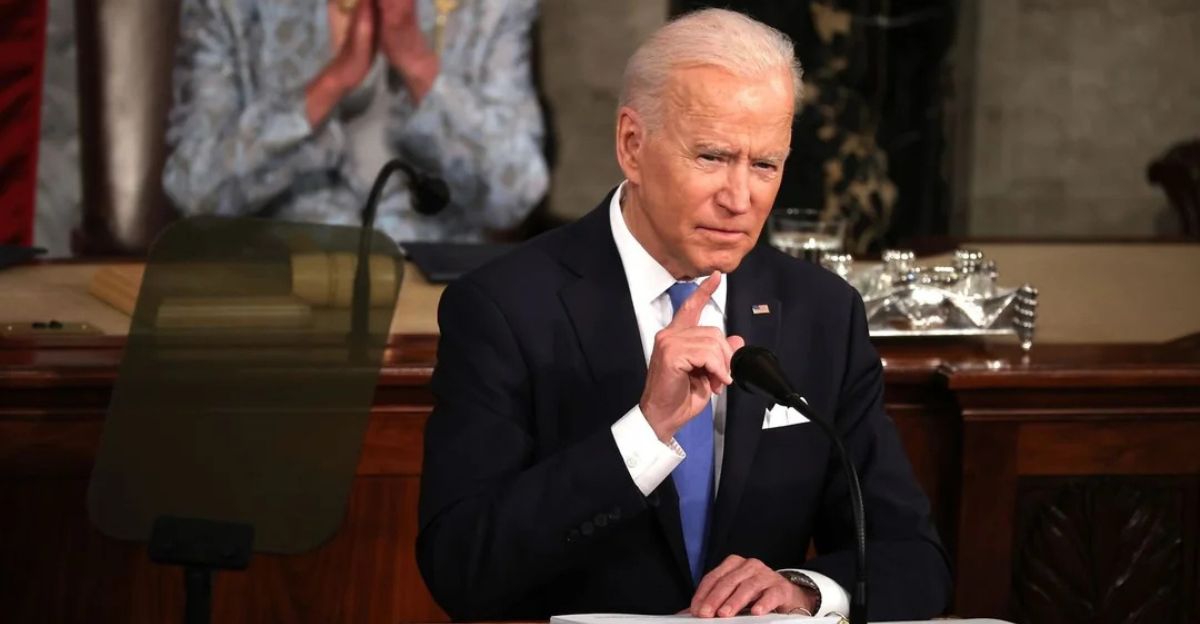
It is tempting to think Trump’s repeal erased every reform, but that’s not true. Mayer Brown points out that while some policies are scrapped, core antitrust safeguards, including more demanding standards for vetting mergers, are still part of federal agency playbooks.
Advocates Voice Frustration with Direction of Policy

Consumer advocacy groups and organizations for small firms are not hiding their disappointment. The Consumer Federation of America told Reuters they’re bracing for potential fee hikes and a loss of protections originally promised under Biden’s order. Many see the rollback as a retreat from consumer interests.
Regulatory Leadership Signals Balance—For Now

FTC Chair Andrew Ferguson, newly appointed to the post, told BioPharma Dive that the agency remains committed to strict merger review for the time being. Yet Ferguson also left the door open for fewer regulatory interventions, hinting at more business-friendly approaches.
Industry and Advocacy Groups Begin Pivoting

Lobbyists and advocacy groups aren’t giving up. The National Law Review details its new focus on convincing Congress and state governments to create their own protections for competition as federal enforcement wanes. Businesses, meanwhile, are shifting compliance strategies while waiting for clearer policy signals.
Skeptics Warn About Risks to Consumers

Harvard economists warn that relaxing federal oversight may increase prices and reduce choices. Echoing analysis in The New York Times, they note that without robust checks and balances, consumers could shoulder a heavier burden as large firms strengthen their dominance.
What Will Happen to Antitrust Enforcement Next?
The future of antitrust enforcement is far from settled. Skadden suggests that the next leadership team could alter or undo them entirely while today’s merger rules are holding. There’s a sense of uncertainty about whether the old system will make a complete comeback or if some reforms will persist.
Partisan Discord Grows Around Market Policy
The debate is heating up on Capitol Hill. Democrats are criticizing Trump for aiding big business, while Republicans argue Biden’s rules hurt job creation and business growth. CNN highlights how this policy change has reignited long-standing arguments about the government’s economic role.
Other Countries Keep a Close Eye on U.S. Changes

Global business leaders and foreign governments are watching closely. According to Reuters, some fear that more corporate consolidation in the U.S. could create new hurdles for international companies hoping to compete or invest in American markets.
Legal Uncertainty Looms for Companies and Lawyers

Jenner & Block states that rapid regulatory changes are keeping lawyers busy. Corporate counsel is preparing for potential court challenges and seeking clarification on which laws and enforcement standards apply to new business deals under the evolving rules.
Younger Americans Favor Tougher Market Rules

Recent research from the Pew Research Center suggests that younger Americans are more likely to support rigid competition rules, while older generations are more comfortable with deregulation. This generational divide could shape the direction of policy and electoral campaigns in the years ahead.
The Broader Message: America’s Economic Debate Continues

Reuters concludes that the fight over competition policy is more than a technical debate—it’s a battle over how our economy should work, who gets ahead, and how government power is used. Today’s choices will help shape the next decade’s consumer experience and economic fairness.
Looking Forward: A Defining Moment for Policy and the Public

This moment, marked by one order’s cancellation and the following uncertainty, is not just about one administration’s vision. It represents a pivotal period in American life and business, suggesting that the broader debate over competition, fairness, and innovation is just beginning.