
Leading American video game publisher Electronic Arts (EA), best known for games like Battlefield, The Sims, and EA FC (formerly FIFA), is undergoing a historic $55 billion private equity buyout. The investor group consists of technology-focused private equity firm Silver Lake, Jared Kushner’s company Affinity Partners, and Saudi Arabia’s Public Investment Fund (PIF).
In the history of private equity, this leveraged buyout (LBO) is the biggest ever documented. Due to its size and sovereign involvement, the buyout will take EA private and remove it from public markets. It is also expected to change industry ownership and draw close regulatory and market scrutiny.
The Historical Background of Leveraged Purchases
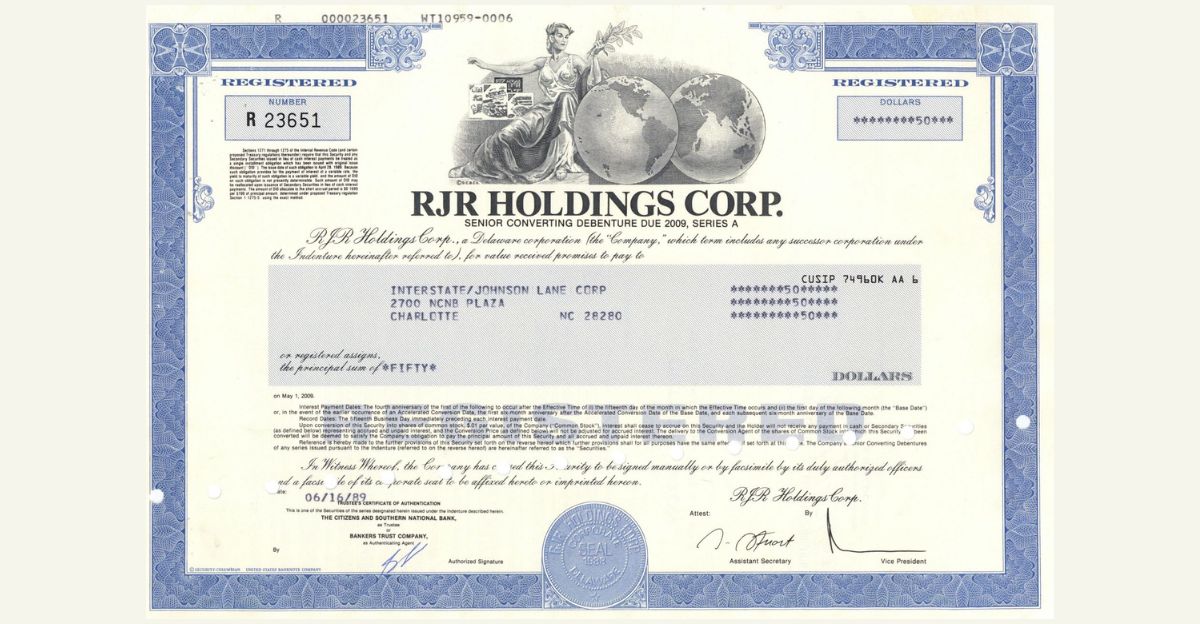
Beginning in the late 20th century and progressing from minor corporate takeovers to multibillion-dollar deals, LBOs have a rich history. The 1989 RJR Nabisco buyout, which cost $31 billion (inflation adjusted to $55.5 billion), and the 2007 TXU Energy buyout, which cost $45 billion, are examples of previous mega LBOs.
The EA deal redefined the upper bounds of financial risk and capital deployment in buyouts, but no LBO has ever surpassed the $55 billion threshold. History demonstrates that these high-leveraged transactions can have a range of outcomes, with some people filing for bankruptcy as a result of their crippling debt loads.
The Growing Value of the Gaming Industry

The enormous cultural and economic impact of video games is highlighted by the fact that they currently outsell the global music and film markets combined. With franchises that produce steady revenue streams and enduring fan engagement, EA is a dominant force.
The industry’s growth into digital marketplaces, live services, and esports provides steady cash flow, making it perfect for an LBO structure that places a high value on consistent profits to cover significant borrowing.
Saudi Arabia’s Aspirations for Strategic Investment

With more than $1 trillion in assets under management, Saudi Arabia’s PIF actively seeks diversification under Vision 2030 with the goal of lowering reliance on oil by making significant investments in the global entertainment and technology industries.
Its growing interests in gaming and sports, as evidenced by previous acquisitions such as Newcastle United and Niantic’s gaming division, point to a long-term strategic wager. This goal is furthered by PIF’s engagement with EA, which capitalizes on gaming as a global cultural medium and an industry vital to future expansion.
The Role of Jared Kushner and His Affinity Partners

Notable for connecting business and political networks, Jared Kushner’s Affinity Partners helps close deals that combine strategic influence with business opportunity.
This consortium was made possible by Kushner’s prior private discussions with Saudi Arabia, demonstrating how political capital speeds up mega-deals. By combining investment strategy and diplomacy, his firm’s involvement adds a distinct geopolitical dimension that is uncommon in conventionally finance-driven LBOs.
The $55 Billion Deal’s Mechanics

In total, the consortium agreed to pay approximately $55 billion, or $210 per share, which is a 25% premium over EA’s market price. The deal includes about $20 billion in debt financing arranged by JPMorgan and about $36 billion in equity contributions.
This structure, which reflects confidence in EA’s long-term cash flow and growth prospects despite broader market uncertainties, is an example of a traditional leveraged buyout in which borrowed funds play a significant role.
Market and Regulatory Examination

There will be a thorough regulatory review of this unprecedented transaction involving sovereign wealth fund participation, particularly in light of foreign influence in the media and technology sectors in the United States.
Previous significant gaming transactions, such as Activision Blizzard’s acquisition by Microsoft, were fraught with antitrust issues. A possible change in the way strategic sectors are examined will be signaled by the EA buyout, which will test developing frameworks around data sovereignty, national security, and foreign direct investment.
Strategic and Psychological Importance

Beyond the numbers, this agreement represents a shift in the power dynamics in media and games, where cultural assets are taken over by geopolitical actors. In addition to lowering regulatory quarterly pressure, EA’s separation from public shareholders may encourage innovation and more audacious long-term plans.
From a psychological perspective, it shows how the video game industry has developed into a mainstream, politically significant organization that interacts with international finance and state actors.
Risks and Difficulties

The $55 billion price tag comes with a lot of risk, including the cost of servicing large debt loads in an industry that is vulnerable to quick changes in consumer preferences and technological advancements. Having previously been named one of the “Worst Companies in America,” EA faces reputational issues that could make it more difficult for new owners to trust the brand.
Furthermore, concerns about censorship, cultural influence, or moral conundrums known as “game-washing,” in which political objectives may conflict with artistic freedom, are heightened by sovereign involvement.
Trends in the Financial Markets Driving Mega-LBOs

The current state of the market, low interest rates, inexpensive debt, and a wealth of “dry powder” capital looking for investments with steady cash flow, is reflected in the resurgence of mega leveraged buyouts.
Because of these attributes, media and technology companies are increasingly being targeted by private equity and sovereign wealth funds. By leveraging the industry’s resilience in the face of recent volatility in the equity market, EA’s buyout indicates that the market is willing to execute deals that were previously deemed too big or risky.
A Historical Comparison of the EA Buyout
EA’s $55 billion LBO shows an unprecedented reliance on debt financing versus cash acquisition, even though it is less than Microsoft’s $69 billion Activision Blizzard purchase, which was an outright acquisition.
It represents a high-stakes bet on EA’s future profitability, surpassing the previous largest leveraged buyout, TXU’s $45 billion, which ended in bankruptcy. This disparity creates an engaging story about the development and risk characteristics of LBOs.
Possible Strategic Advantages for EA
EA may be freed from shareholder short-termism by going private, which would enable more flexible decision-making and longer development cycles for cutting-edge games and platforms.
It might make it easier for EA to take advantage of emerging technologies like AI-driven design, cloud gaming, and subscription services without being constrained by the market. EA can strengthen its competitive advantage in a growing worldwide gaming market thanks to these strategic liberties.
Sovereign Wealth Funds’ Function in Technology

When it comes to tech investments, sovereign wealth funds like Saudi Arabia’s PIF are becoming more and more significant as they strike a balance between financial returns and strategic national objectives. Because of their size, they can finance massive transactions that completely transform industries.
A new extension of national soft power tactics, ownership of gaming companies allows states to subtly but significantly impact cultural production and consumption around the world.
Industry Transition and Consolidation
The EA buyout is a prime example of a larger trend in gaming and media consolidation, where a lot of money is held in a small number of hands, allowing for cross-sector integration.
Although this trend has the potential to boost innovation, it also runs the risk of decreasing market diversity and competition. As owners combine gaming with online social networks, sports, and entertainment under sovereign and private equity purviews, it portends a potential future transformation of consumer experiences.
Contrarian Opinions
Some contend that it is reckless to finance a $55 billion debt buyout of a business that has a history of reputational problems and shifting consumer preferences. Critics emphasize that sovereign control runs the risk of politicizing culture and stifling creativity, warning of future failures similar to TXU’s bankruptcy.
Defenders, however, argue that these risks are reduced by the maturity and cash flow stability of gaming as well as the knowledge of strategic partners, demonstrating a complex risk-reward analysis.
Examples of Sovereign Wealth in the Entertainment Industry
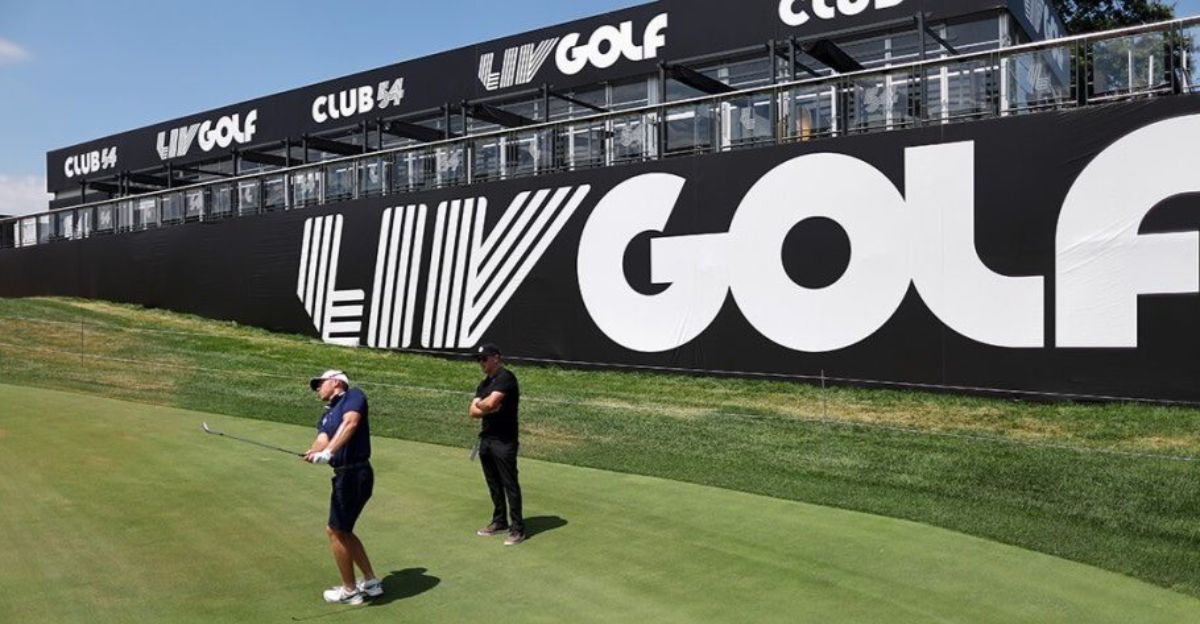
Previous Saudi Arabian investments in entertainment and sports, like Newcastle United and LIV Golf, serve as a model for the country’s use of cultural resources to gain international clout.
These examples shed light on potential outcomes for EA’s new ownership, where reputation management, geopolitical maneuvering, and economic diversification goals collide, with varying public reactions but unquestionable worldwide effects.
The Effects of Psychology on Business and Customers

Developer morale, investor confidence, and consumer trust are all altered when EA enters private hands that are closely linked to geopolitical actors. Player data management and content selection might come under more scrutiny.
A broader understanding of video games as significant social tools that go beyond entertainment and have increased symbolic significance for identity, culture, and soft power is also reflected in the psychological shift.
Future Situations and Theoretical Hypotheses

According to one theoretical scenario, media consumption could be revolutionized by new hybrid business models that combine entertainment, national branding, and real-time global interaction platforms, all of which could be pioneered by sovereign-backed private equity ownership.
On the other hand, geopolitical tensions could result in content restrictions or regulatory backlash, which would present complex operational challenges. These two possibilities highlight this historic agreement’s transformative potential and inherent unpredictability.
A Special Framework for Comprehending the Offer

One way to describe this buyout is as a “Geopolitical Cultural Capital Leveraged Buyout,” a novel model in which political power, cultural production, and sovereign wealth come together behind conventional financial mechanisms.
By redefining how leveraged buyouts can be used as instruments for state actors to establish themselves in powerful media properties, it exemplifies the combination of hard capital and soft power and calls for new interdisciplinary research in the fields of finance, politics, and culture.
In Conclusion
The $55 billion purchase of Electronic Arts by Saudi Arabia’s PIF, Jared Kushner’s Affinity Partners, and Silver Lake, the largest private equity buyout in history, represents a turning point in geopolitics, culture, and finance.
It marks the transformation of the gaming sector into a strategic asset entwined with financial innovation and global power. The deal represents a daring reimagining of ownership and influence in a world where culture, state ambition, and capital markets constantly converge, despite the significant risks involved.