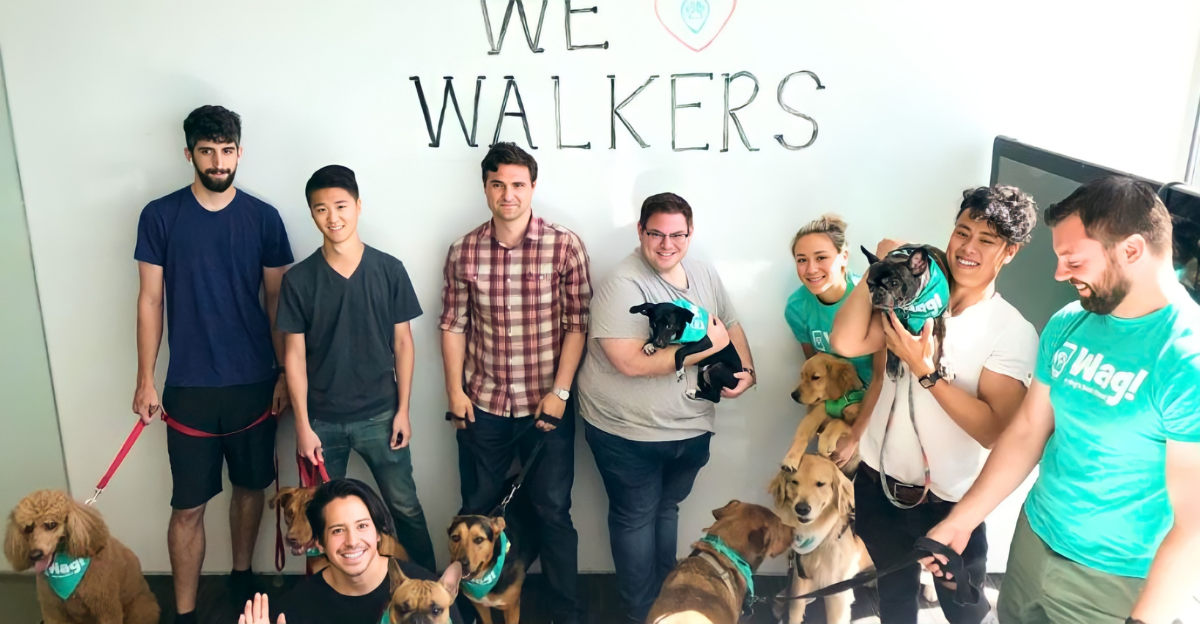
Just a few years ago, one U.S. tech startup was riding high with a valuation of $650 million. Investors poured money into it, customers signed up, and the company looked like it was built for long-term success.
Now, that same business has filed for bankruptcy. Its story is a sharp reminder of how quickly fortunes can shift in the tech world, leaving both insiders and the public stunned.
The Company Behind the Headlines
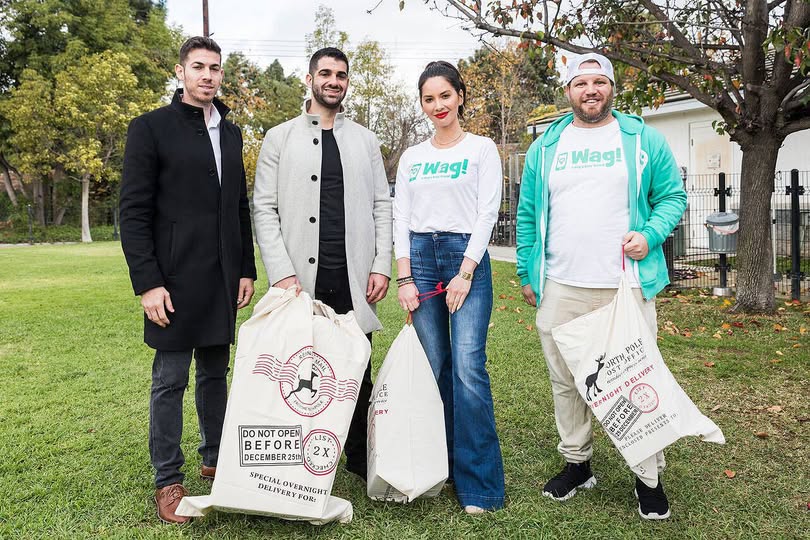
That company is Wag!, the San Francisco–based dog-walking app once nicknamed “the Uber for dogs.” Launched with the promise of making pet care easier, Wag! attracted millions in funding and even a $300 million investment from SoftBank.
The downfall of a brand that once seemed unstoppable is now raising tough questions about how tech darlings burn out so quickly in today’s economy.
The Uber for Dogs Gains National Attention
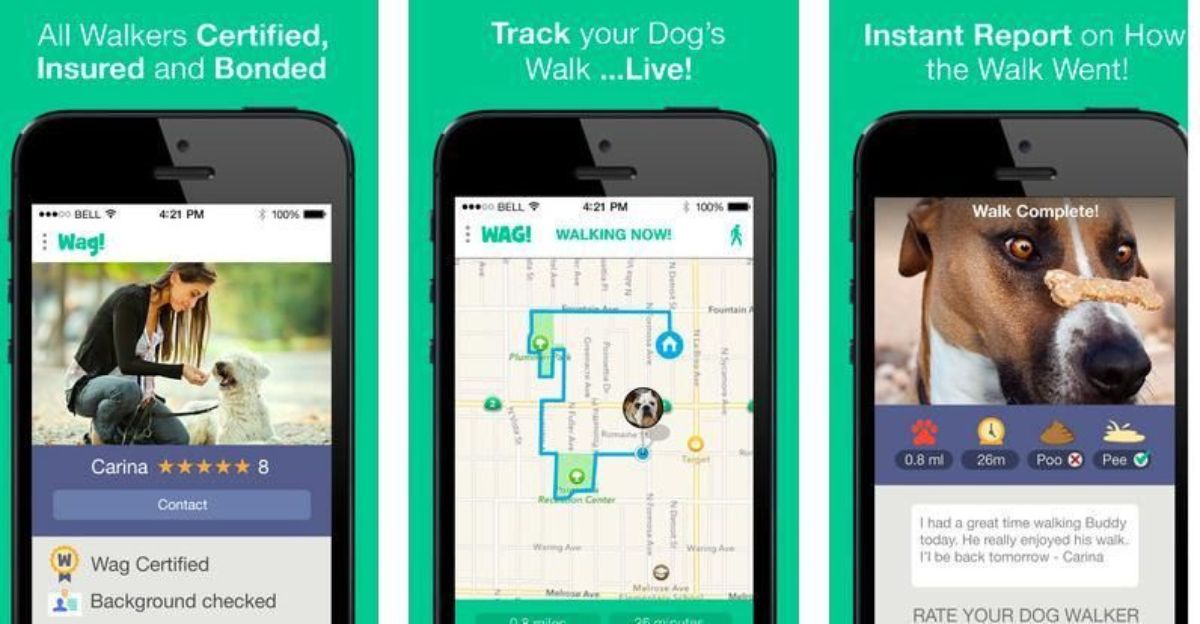
By 2016, Wag! was being dubbed the “Uber for Dogs” by tech outlets, and media coverage boosted its reputation. Customers liked the convenience, and investors loved the scalability.
Its rise mirrored the early excitement around gig-economy platforms like Uber and Lyft. But unlike ridesharing, pet care had unique challenges, and those would surface later. The momentum, though, carried Wag! to its biggest moment yet.
A Huge Bet from SoftBank

In 2018, SoftBank’s Vision Fund invested $300 million into Wag!, according to SFGATE. The deal instantly pushed Wag!’s valuation to $650 million, putting it among the fastest-growing startups in the Bay Area.
The investment was supposed to fuel aggressive expansion. But that much capital also raised pressure. Expectations grew sky-high, and when the company struggled to deliver, cracks in the business model began to show.
Expansion Comes With Big Costs
With fresh cash, Wag! rushed into new cities, scaling its app, hiring staff, and marketing heavily. Expansion meant visibility, but also ballooning expenses.
Instead of steady growth, Wag! found itself burning through cash to keep up. The spending spree created momentum, but profitability stayed out of reach. This gap between growth and stability planted the seeds of deeper trouble ahead.
Going Public With High Hopes

In 2022, Wag! went public through a SPAC merger, joining the wave of tech companies choosing that path. The deal valued it at $350 million, far below the $650 million peak, but still gave it Wall Street credibility.
Wag! hoped new access to capital would stabilize the business. Yet as filings later showed, going public only added scrutiny to already fragile finances.
The Pandemic Turns Into a Heavy Blow
COVID-19 hit Wag! hard. As people stayed home, demand for dog-walking services plunged. SEC filings later revealed just how damaging the pandemic was to Wag!’s revenue.
The company tried to pivot into pet training and other services, but losses piled up. Instead of recovery, the pandemic exposed how dependent Wag! was on a single service that vanished almost overnight.
Losses Continue to Mount

Even after restrictions eased, Wag! struggled to rebound. SEC filings showed revenue growth lagging behind rising costs, leaving the company in the red.
Investors grew nervous as quarterly reports painted a bleak picture. The pressure to show profit only worsened, forcing Wag! to explore options to cover its growing financial gaps.
Debt Becomes an Impossible Burden
By mid-2025, Wag! reported over $30 million in debt obligations. Its liquidity crisis became clear: the company couldn’t keep paying bills without new funding.
Debt weighed heavily, and restructuring options failed to materialize. Facing a cash crunch, Wag! had little room left. The once-bright future was now overshadowed by looming bankruptcy.
Failed Funding Seals the Fate
Wag! tried raising more funds, but investors weren’t willing to throw good money after bad. According to WhatNow, failed attempts to secure lifelines left bankruptcy as the only viable option.
This moment marked the official collapse of Wag!’s long ride. With no way out, the company prepared its filing, a stunning reversal from its unicorn dreams.
The Chapter 11 Filing Lands
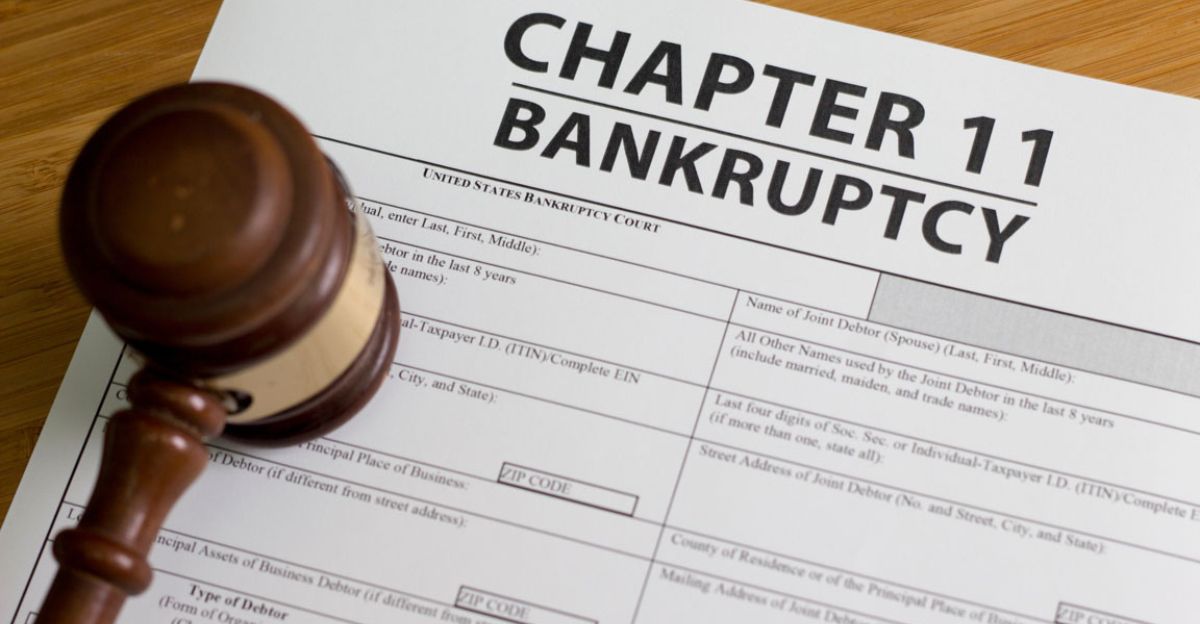
On August 5, Wag! filed for Chapter 11 bankruptcy in Delaware. This type of filing lets companies restructure while keeping operations alive.
For Wag!, it was the end of an era. A company once valued at $650 million now admitted it could not survive without protection from creditors. The filing shocked many who remembered its early hype.
Retriever Steps In to Take Control
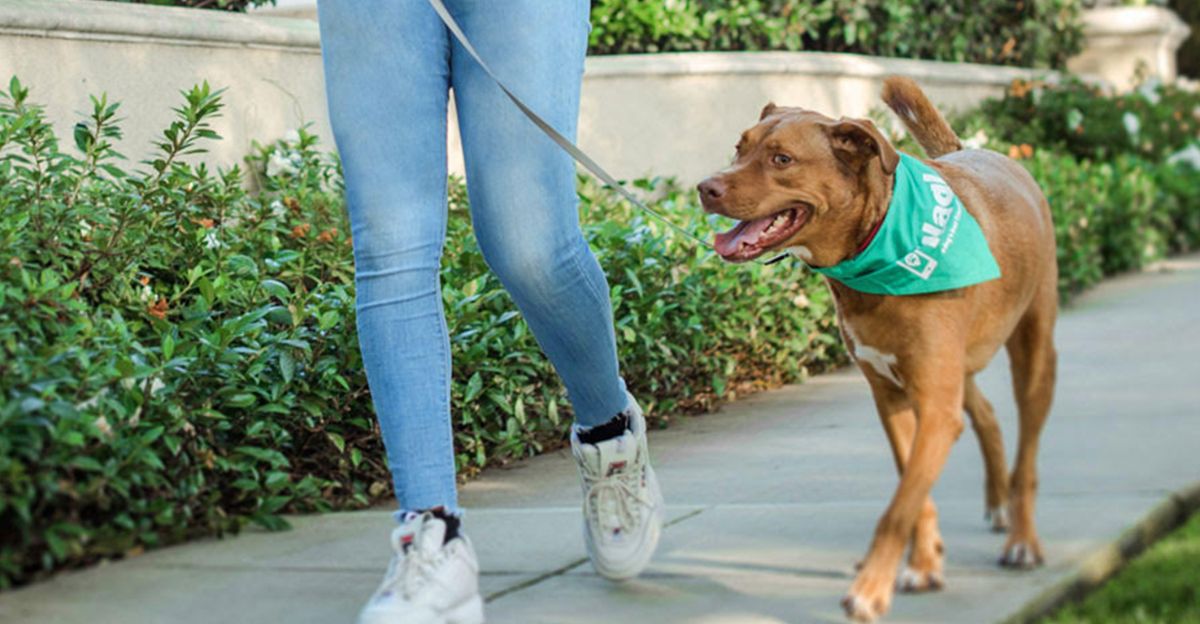
In the same announcement, Wag! revealed it struck a deal with Retriever, a New York-based firm specializing in distressed companies. Retriever agreed to take over as part of a pre-packaged bankruptcy plan.
This deal gave Wag! a path to keep services running. But it also meant a complete change in ownership, leaving employees and customers wondering what the company’s future would look like.
Operations Keep Moving for Now
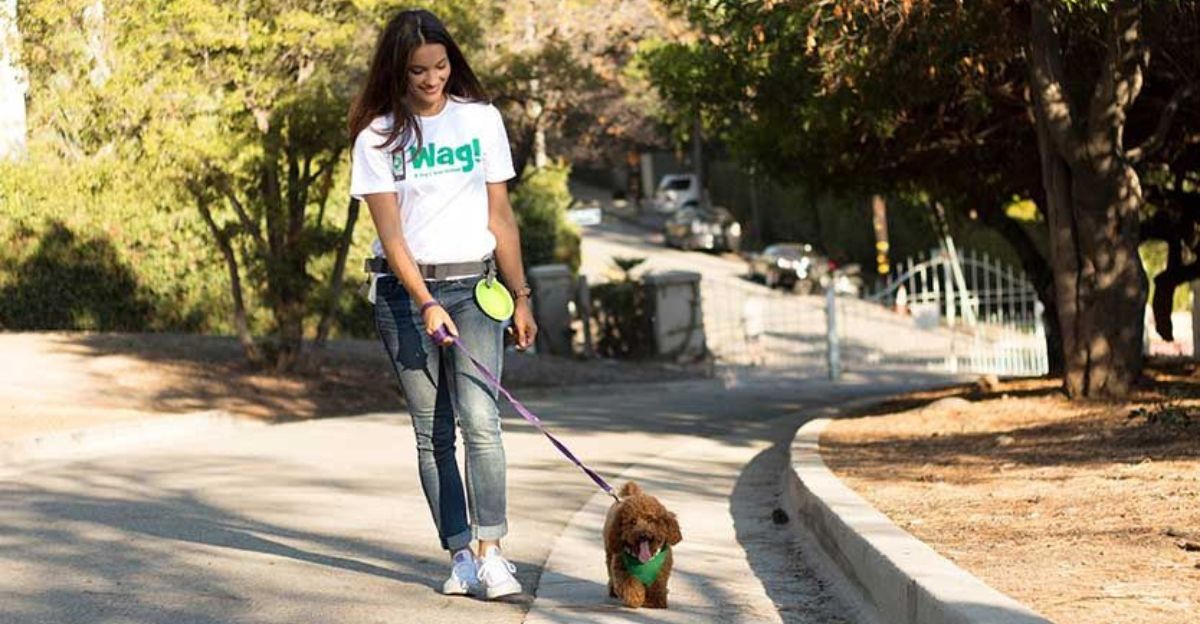
Despite bankruptcy, Wag! stressed that its app and services would continue. Customers could still book walkers, and dog owners weren’t left stranded, according to company statements cited by SFGATE.
But uncertainty lingered. Would Retriever maintain the same vision, or cut operations to recover costs? Employees, investors, and pet owners all faced big questions about what was next.
Stock Price Nosedives

Wag!’s stock reflected the fall. Once trading at respectable levels after going public, shares sank to just 50 cents by the time of bankruptcy, according to Nasdaq data cited by SFGATE.
For investors, it was a painful loss. A $650 million valuation was now reduced to a company barely holding value on the stock market. The collapse became undeniable.
From Darling to Warning Sign

Just years earlier, Wag! had been featured as one of Silicon Valley’s darlings. Now, its downfall stood as a warning to other startups chasing growth at any cost.
Analysts told SFGATE that Wag!’s story reflected a common theme: chasing rapid expansion without sustainable profits often leads to collapse. The glitter of a big valuation didn’t protect against harsh realities.
The Rise and Fall of a Pet Tech Star
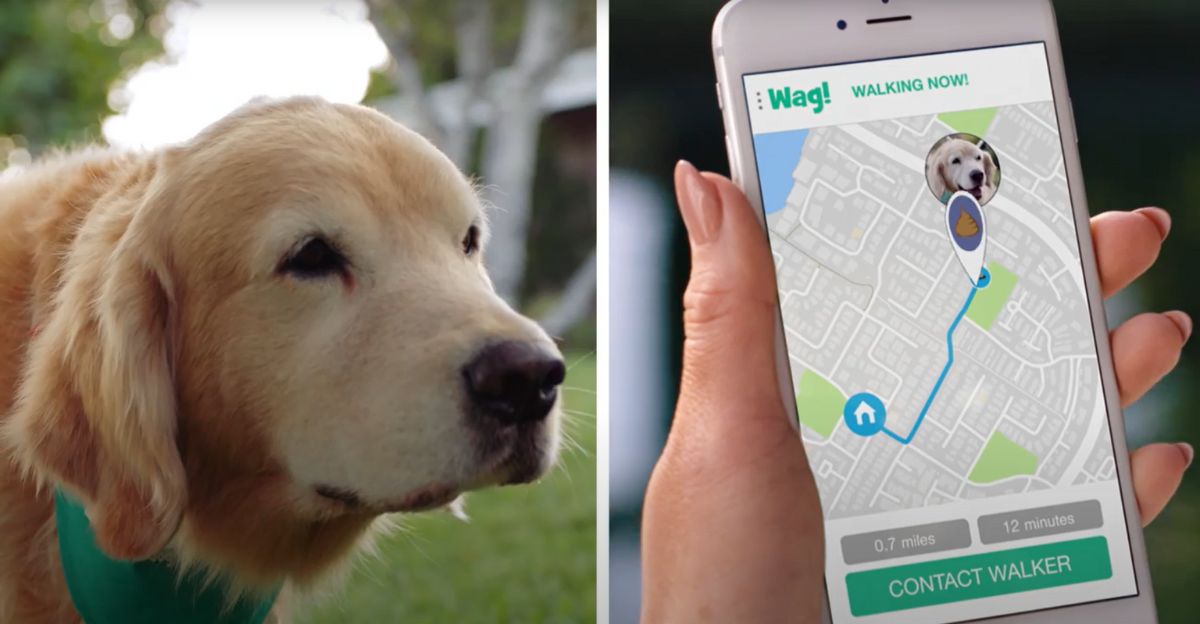
Wag!’s story fits into a larger pattern of pet-tech companies struggling to balance convenience with profitability. Apps can win quick users, but long-term sustainability is another challenge.
Wag!’s fall showed how fragile such models can be. Even in the booming pet industry, tech startups face steep hurdles when investors expect fast, endless growth.
Employees Left in Limbo

For Wag! employees, bankruptcy meant deep uncertainty. While services continued, jobs and future roles weren’t guaranteed.
Retriever’s takeover raised questions about staffing and long-term strategy. Workers who had once celebrated IPOs now worried about layoffs, restructuring, and whether their hard work would survive under new ownership.
Customers Wonder What Comes Next

Dog owners who relied on Wag! faced questions, too. Would pricing change? Would service quality stay the same?
While the company reassured users that nothing would change in the short term, the future remained cloudy. Pet owners learned that even widely used apps can face sudden upheaval.
A Harsh Lesson for Silicon Valley
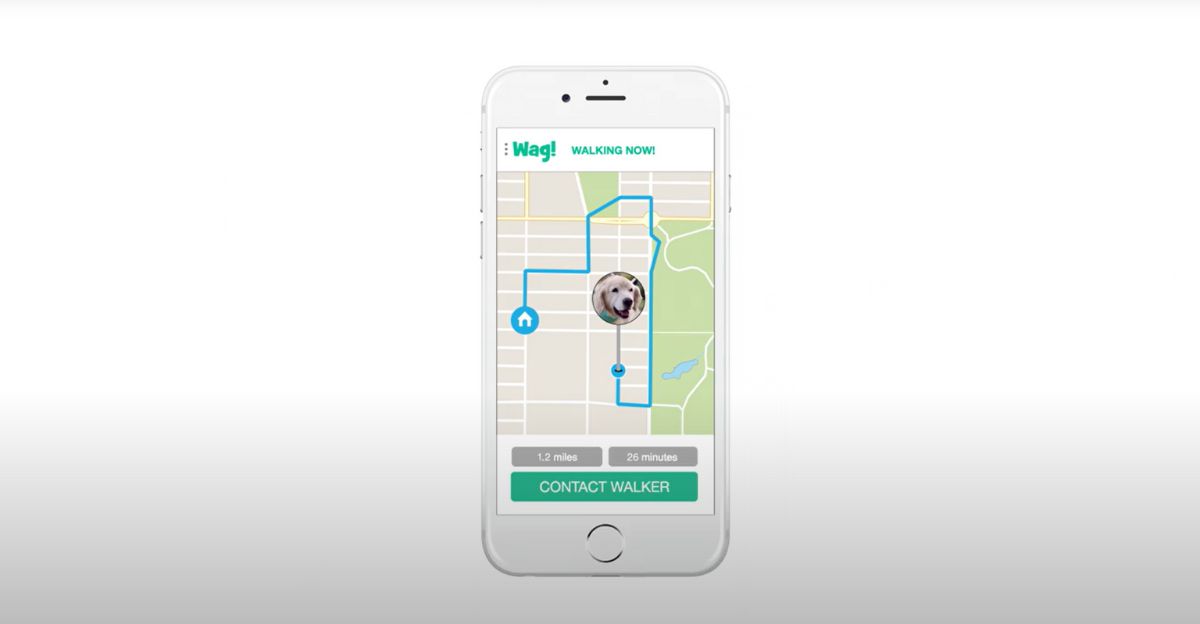
Wag!’s collapse underscored a truth many in Silicon Valley know but don’t always admit: valuations aren’t everything.
As SFGATE pointed out, Wag! proved that rapid growth, splashy headlines, and massive funding don’t guarantee survival. What matters is the ability to build sustainable profits. For other startups, the warning couldn’t be clearer.
From $650 Million to Bankruptcy
Wag!’s journey, from a $650 million valuation in 2018 to bankruptcy in 2025, stands as one of the most dramatic collapses in recent tech history.
For investors, workers, and customers, it’s a sobering reminder of how quickly fortunes can change. The app that once promised to revolutionize pet care is now a case study in tech’s boom-and-bust cycle.