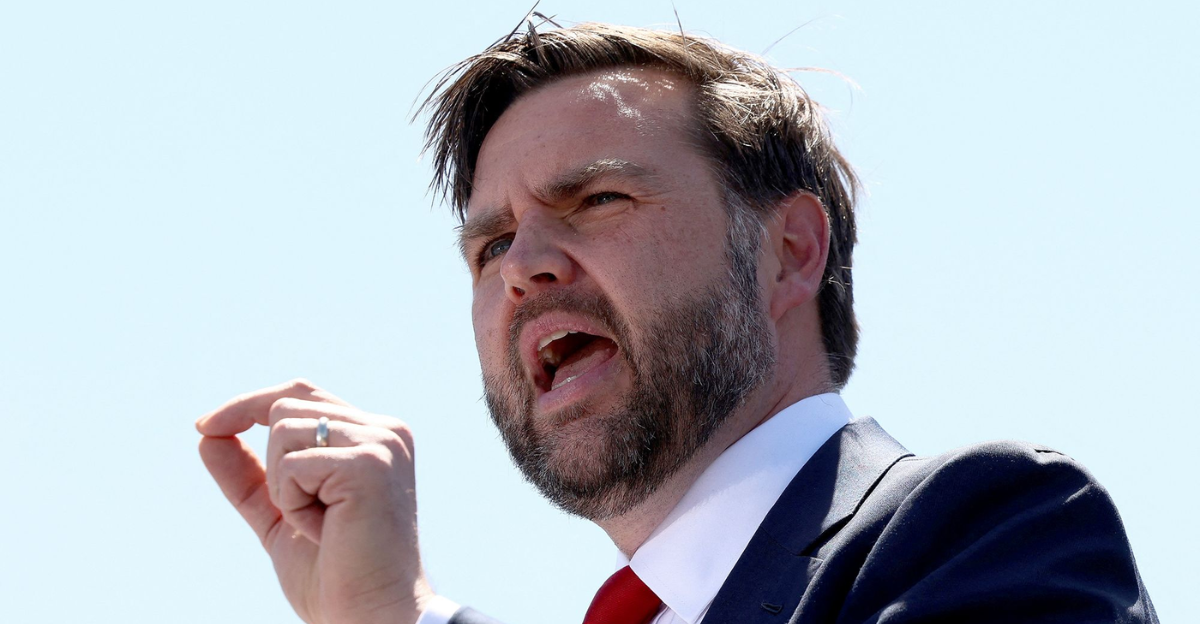
U.S. Vice President J.D. Vance directly challenged Russia during a September 28, 2025, Fox News Sunday appearance: “The Russians have got to wake up and accept reality here. A lot of people are dying. They don’t have a lot to show for it.”
His pointed question—”How many more people are they willing to lose?”—reflects Washington’s growing impatience with Moscow’s war strategy.
Trump’s Military Escalation
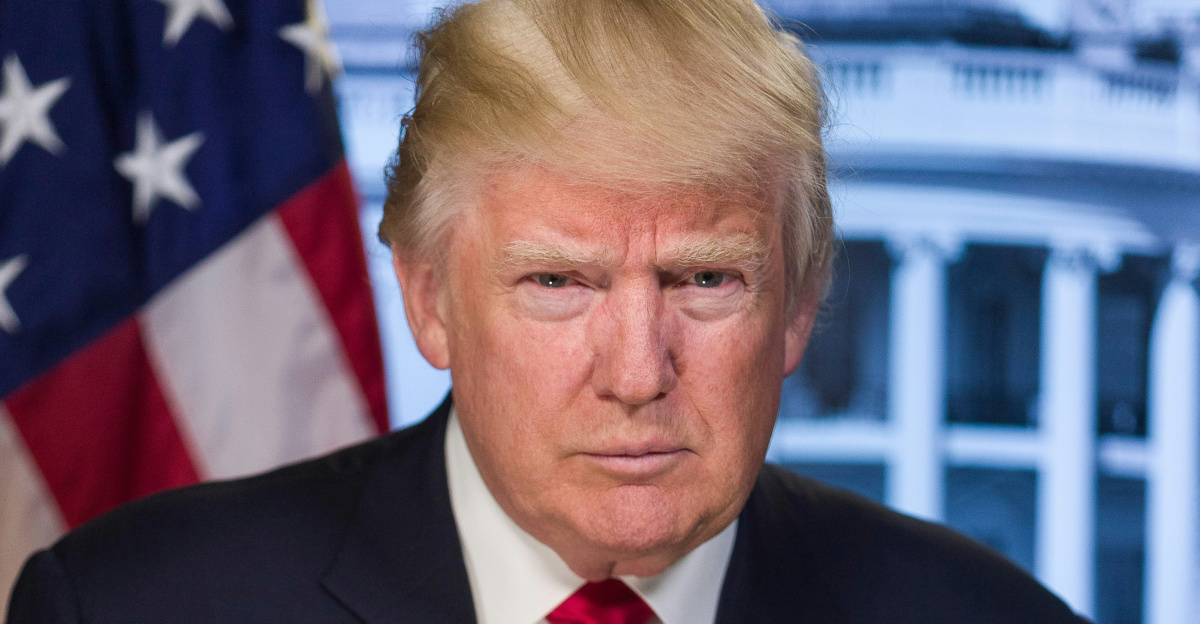
President Trump has approved U.S. intelligence support for Ukraine’s long-range missile strikes on Russian energy infrastructure, marking a first for his administration.
The administration is also considering Ukraine’s request for Tomahawk cruise missiles, but logistical challenges related to delivery systems and operational capabilities remain.
Nuclear Threats Intensify
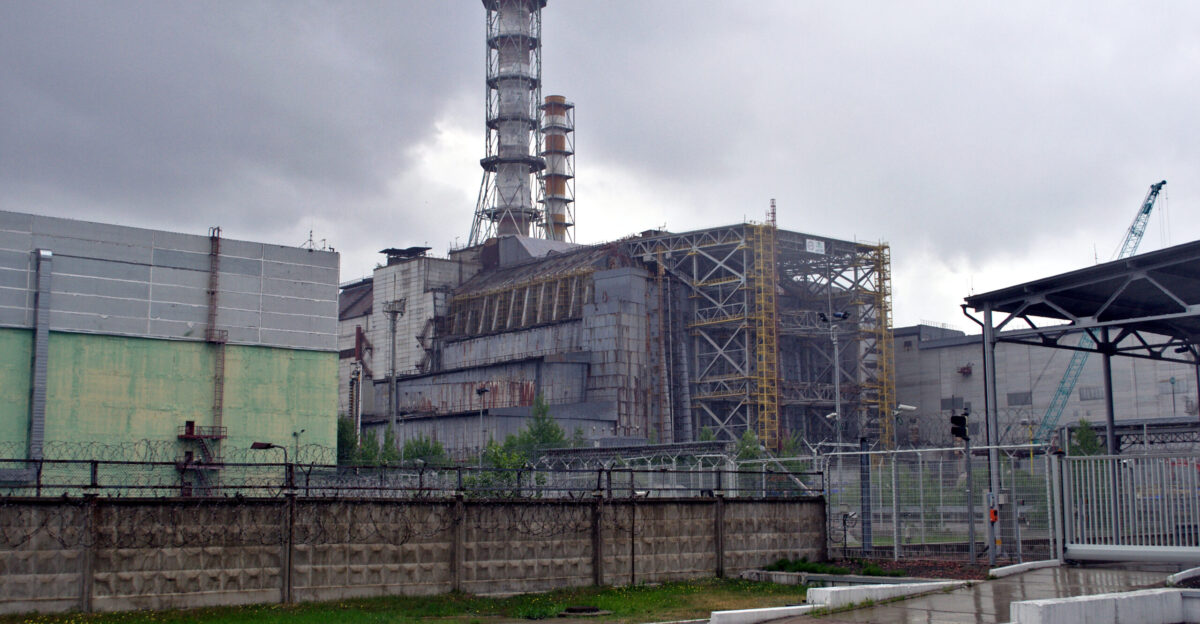
On October 1, 2025, Russia attacked a substation near Ukraine’s inactive Chernobyl nuclear plant with over 20 drones, causing a temporary power cut. Ukrainian officials restored power within hours.
Meanwhile, the Russian-occupied Zaporizhzhia nuclear plant has been without external power for eight days.
Europe’s $165 Billion Asset Plan

EU leaders are advancing a €140 billion ($165 billion) “Reparations Loan” for Ukraine, using frozen Russian assets as collateral. Ukraine would only repay the loan if Russia pays war reparations.
The EU currently holds about €210 billion in frozen Russian assets, with €185 billion located in Brussels.
Devastating Human Toll
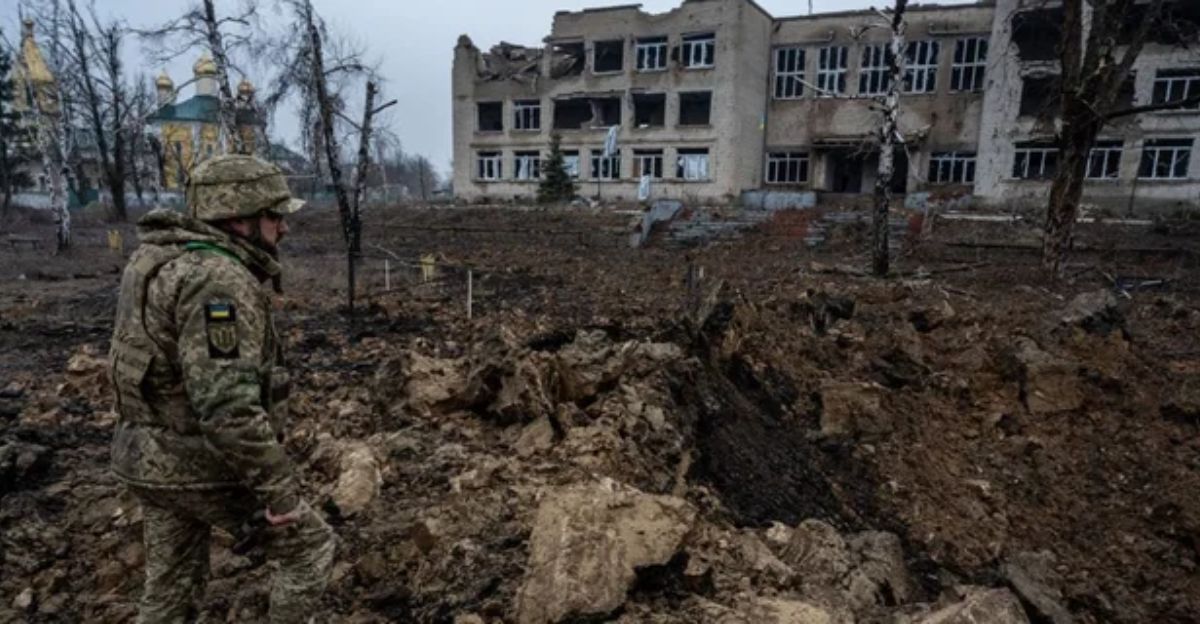
UN data reports that since February 2022, there have been 14,116 civilian deaths, including 733 children, and 36,481 injuries. July 2025 saw the highest casualties in three years, with 286 civilians killed and 1,388 injured.
Military losses are estimated at over 250,000 Russian and 60,000-100,000 Ukrainian deaths as the war enters its fourth year.
Russia’s Economic Collapse

Vance emphasized Russia’s dire situation: “The Russian economy is in shambles. The Russians are not gaining much on the battlefield.”
Russia’s national wealth fund has decreased by about 68%, from $113.5 billion in February 2022 to $36.4 billion by June 2025. GDP growth has slowed to 1.4%, and the May 2025 budget deficit was five times larger than the previous year’s.
Diplomatic Deadlock
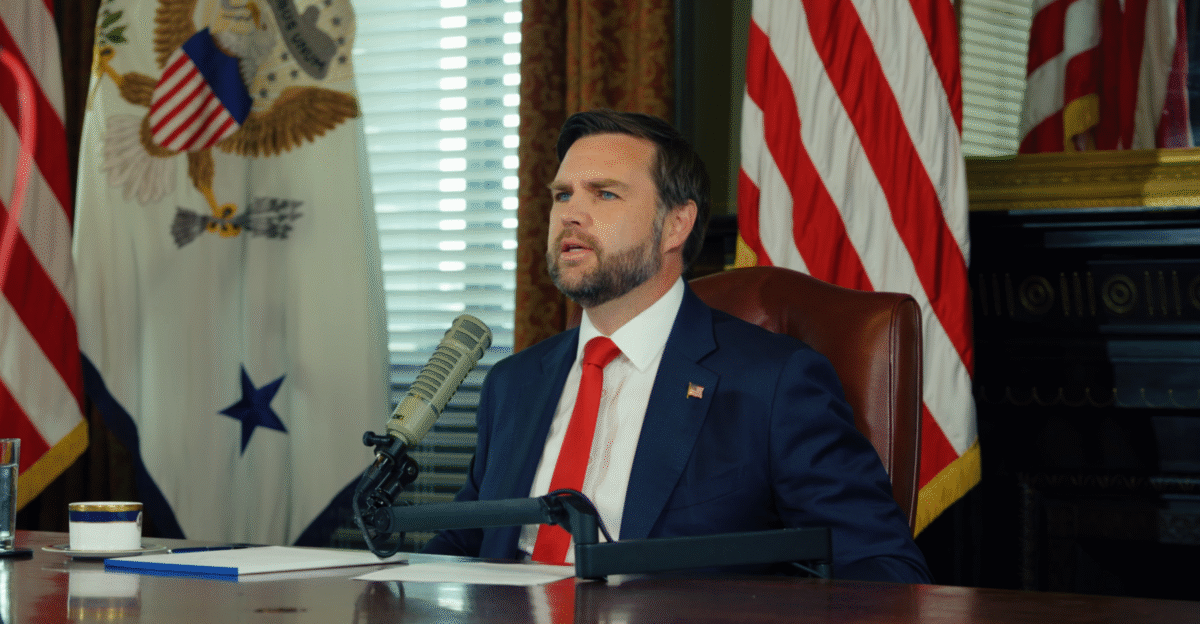
“The Russians have refused to sit down with any bilateral meetings with the Ukrainians,” Vance revealed.
Russian Deputy Foreign Minister Sergei Ryabkov indicated that third-round U.S.-Russia talks will occur “before autumn’s end,” but Moscow continues demanding its “security interests” be guaranteed before negotiating with Ukraine.
Ukraine’s F-16 Combat Operations
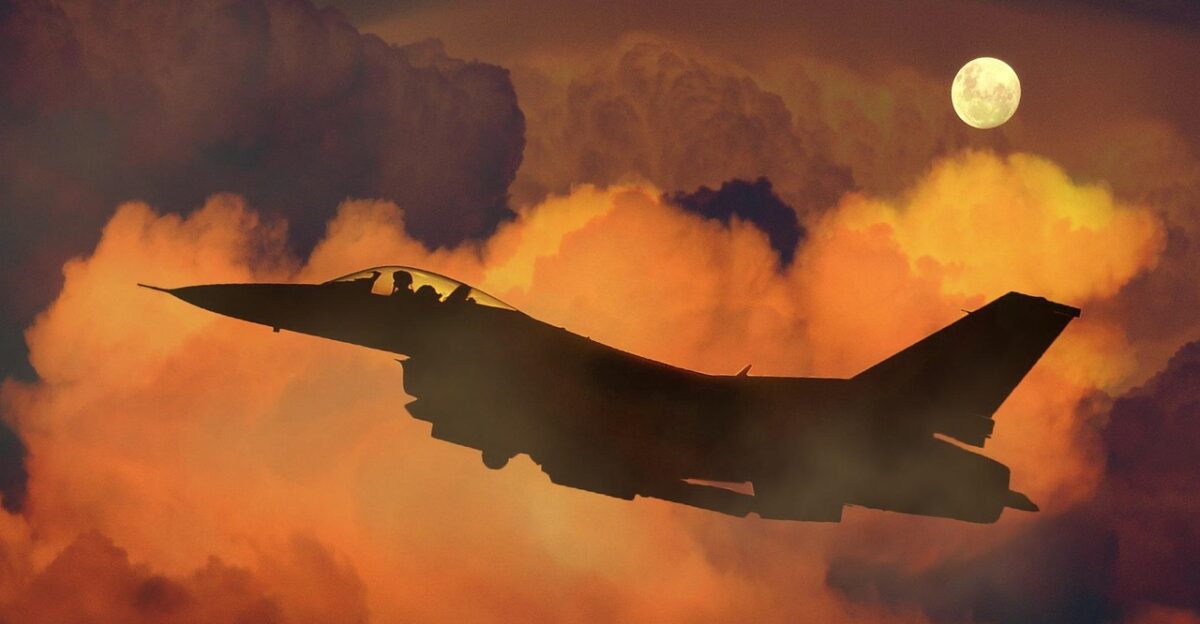
Ukraine’s F-16 fighters have outperformed Soviet-era aircraft in intercepting Russian cruise missiles and drones. Supplied by Denmark, the Netherlands, and Norway, these advanced jets are actively deployed in combat.
Mobile maintenance modules also allow the F-16s to operate from dispersed locations, reducing their vulnerability to Russian ballistic missile strikes.
Winter Energy War Intensifies
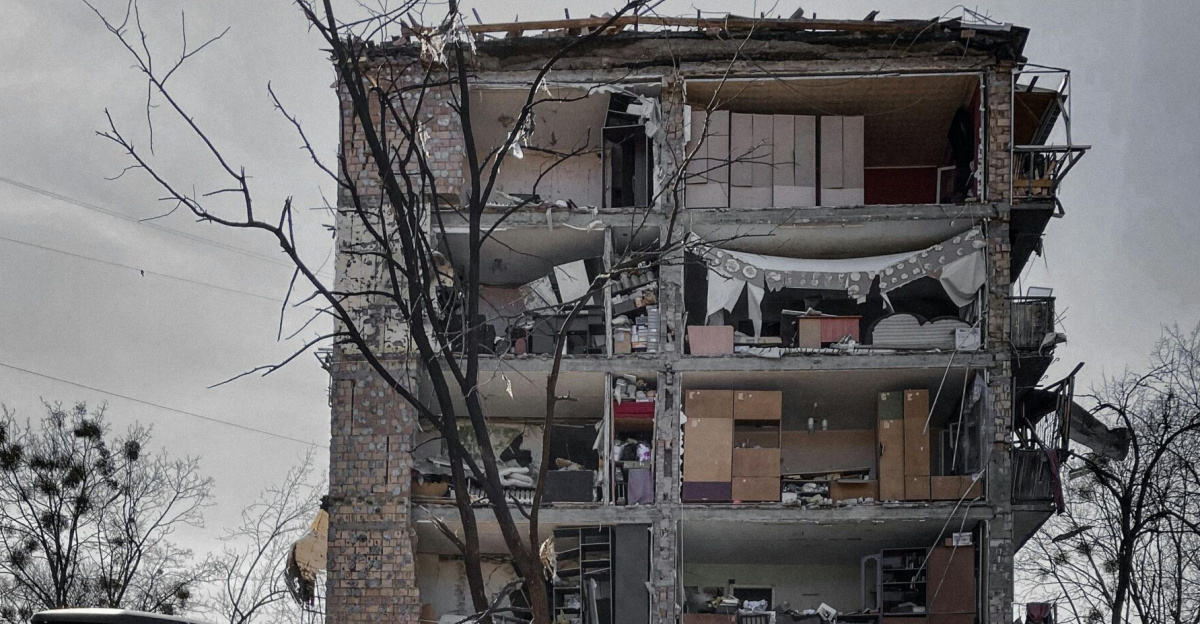
From November 2024 to January 2025, Russian forces executed five major missile and drone strikes on Ukraine’s energy infrastructure, targeting power plants across multiple oblasts.
These assaults led to rolling blackouts of 4 to 12 hours daily, prompting Ukraine to spend an additional $1 billion on gas for winter heating.
Substantial Global Military Aid
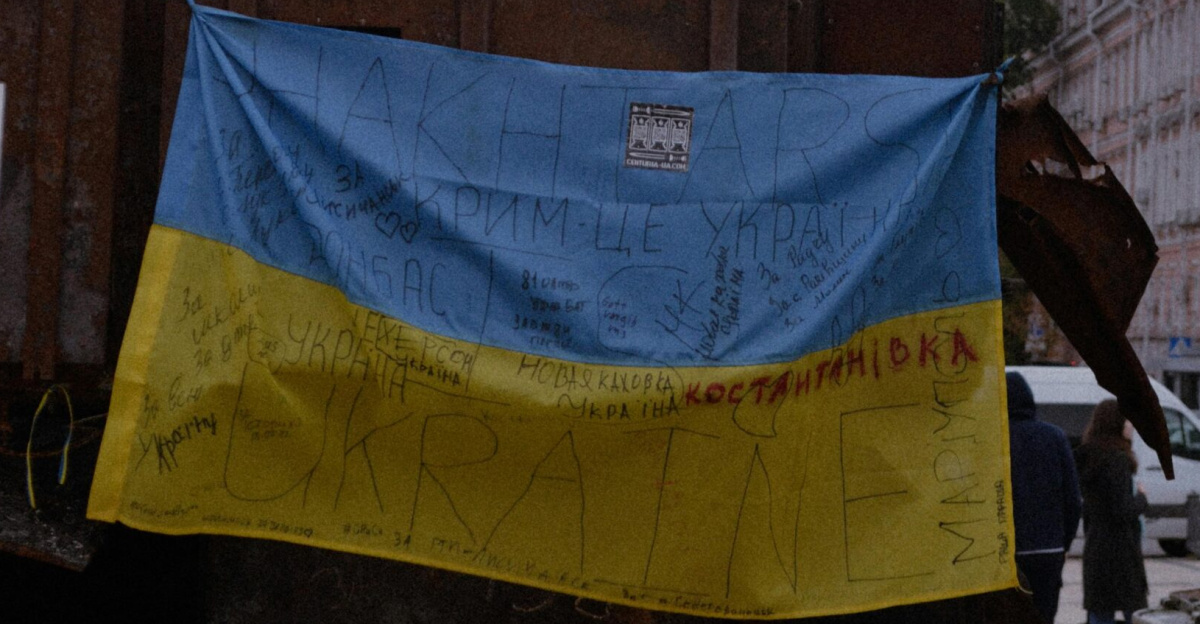
International donors have pledged over $300 billion in aid to Ukraine since the invasion, with significant military support from both European countries and the United States.
Notably, the U.S. has supplied about 20% of Ukraine’s military equipment, including vital and lethal weapons systems, according to defense analysts.
Putin’s Nuclear Leverage Strategy
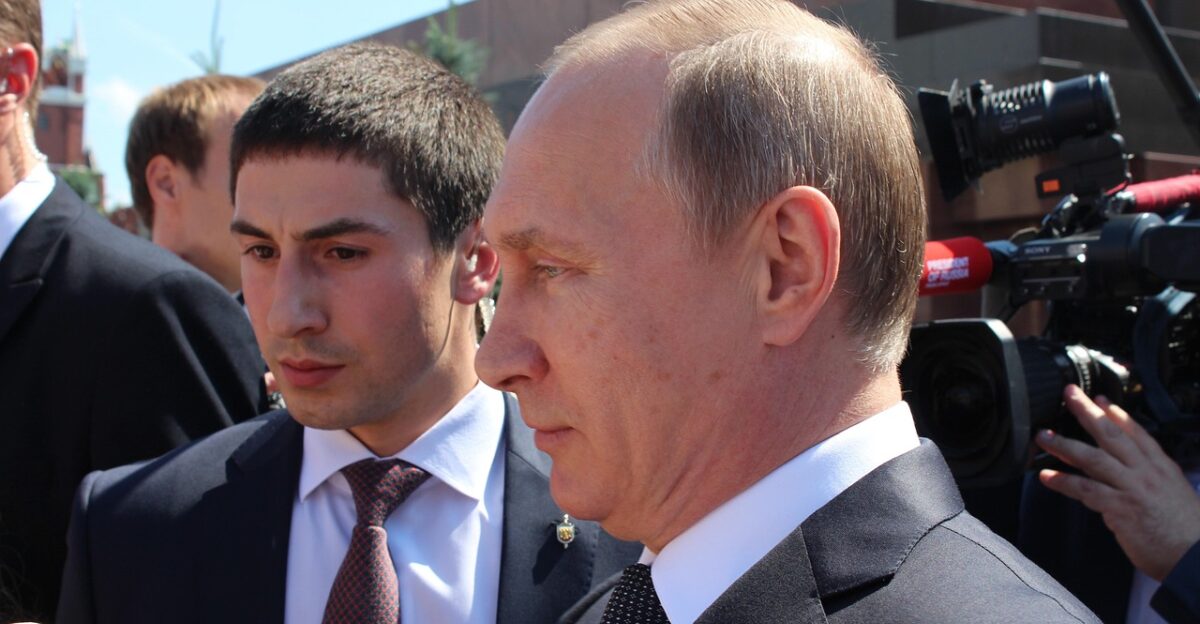
The Institute for the Study of War reports that the Kremlin uses “parallel nuclear threats and economic incentives” to pressure the United States into normalizing relations while simultaneously rejecting Ukrainian negotiations.
Putin recently proposed extending the New START Treaty for one year beyond its February 2026 expiration.
NATO’s Enhanced Defense Commitment
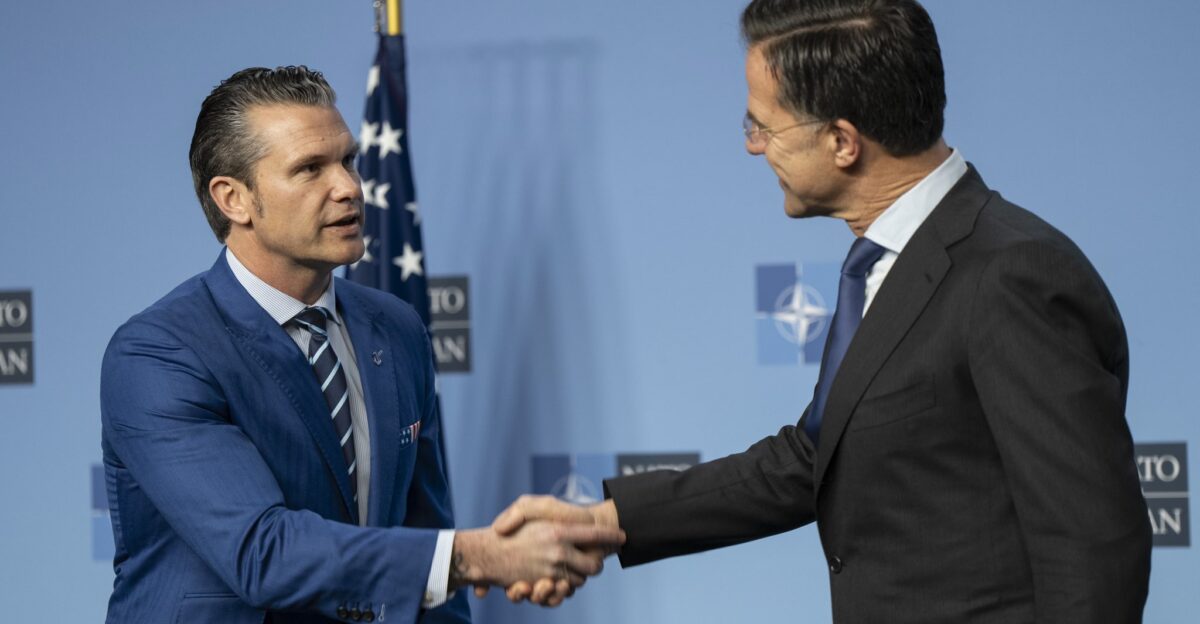
NATO Secretary-General Mark Rutte expanded the PURL weapons procurement program to $2.1 billion in just two months during his September 28 meeting with Zelenskyy.
The Trump administration is urging Europe to bear the “lion’s share” of Ukraine’s security, with Denmark alone committing €3 billion in additional military support.
Russian Shadow Fleet Operations
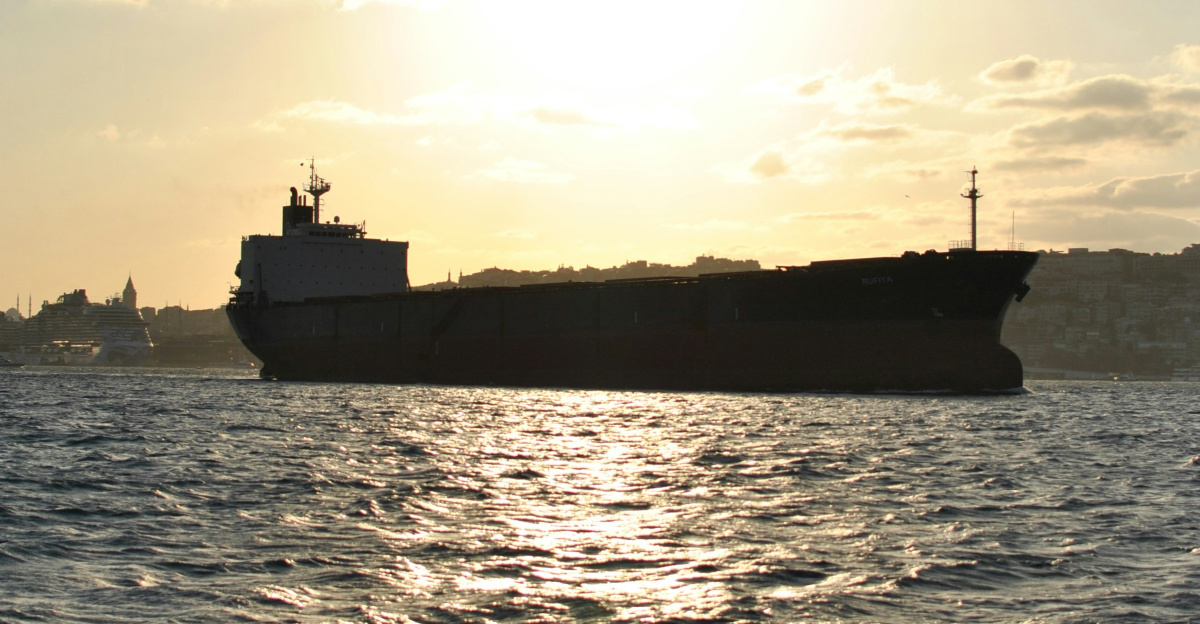
Norwegian authorities spotted unidentified drones near airports connected to Russian shadow fleet oil tankers operating in NATO airspace.
These incidents highlight Russia’s expanded hybrid warfare tactics beyond traditional military engagement, raising concerns about critical infrastructure security across Europe.
Intelligence Sharing Breakthrough

The Trump administration will share targeting intelligence to help Ukraine strike Russian oil refineries, pipelines, and power plants inside Russia.
This intelligence sharing aims to help Ukraine “deprive the Kremlin of oil revenue,” which is essential for sustaining its war effort, according to administration officials.
Ukraine’s Defensive Innovation
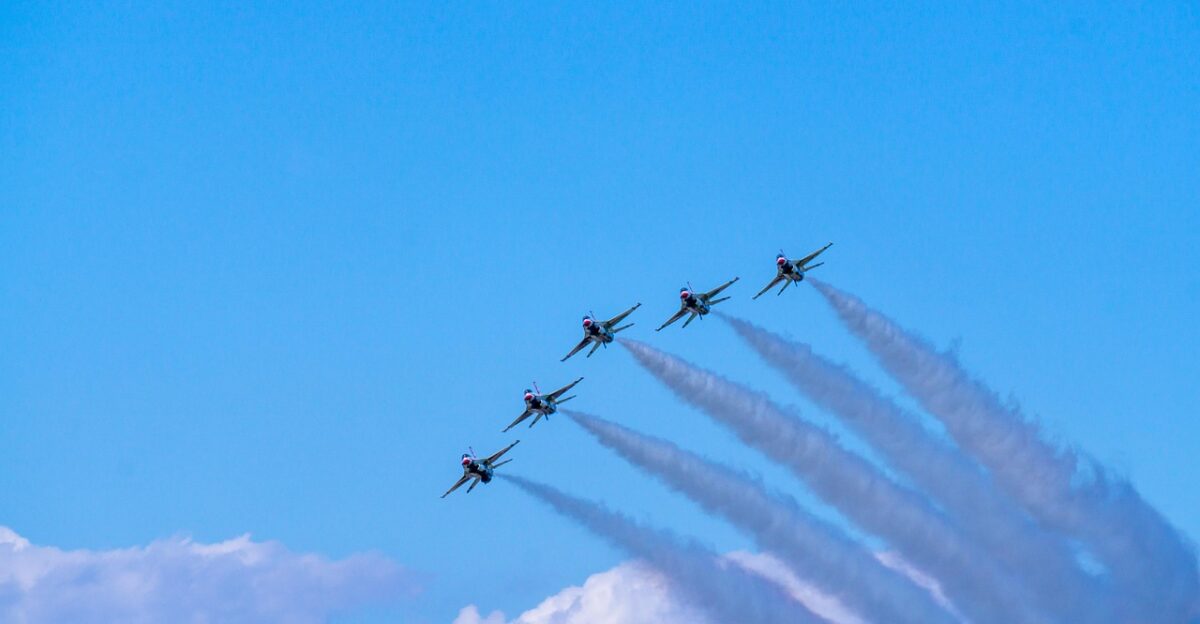
Ukrainian forces developed mobile F-16 maintenance modules to avoid Russian ballistic missile detection, enabling operations from civilian airstrips and remote airbase sections.
This innovation addresses the challenge of protecting advanced aircraft from rapid Russian targeting capabilities.
Winter Humanitarian Crisis

Ukraine’s Winter Response Plan (October 2025-March 2026) aims to protect 1.7 million vulnerable individuals from the cold weather through multisectoral aid, requiring $277.7 million in funding.
Russian attacks on energy infrastructure have damaged critical electricity infrastructure, with Ukraine facing potential blackouts during the coldest months.
Kremlin’s Retaliation Threats
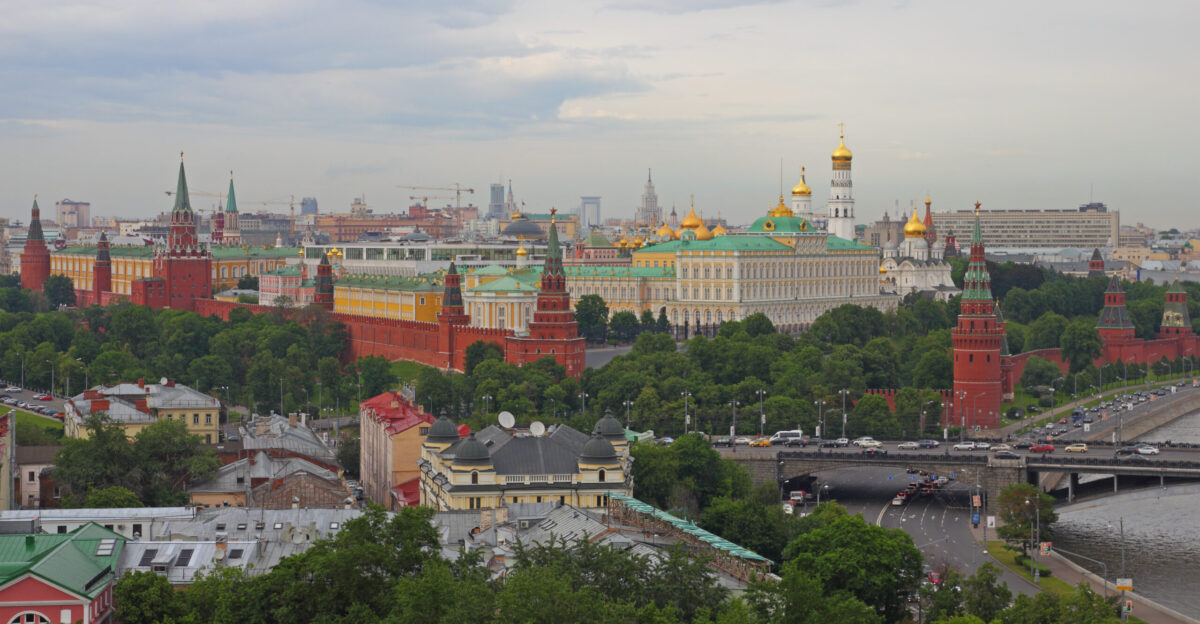
Russia threatens a “decisive response” to Western provocations regarding the utilization of frozen assets.
Kremlin spokesperson Dmitry Peskov has characterized similar asset seizure plans in previous statements as theft, warning that countries utilizing Russian assets will face consequences and calling such actions detrimental to Europe’s financial credibility.
Fourth-Year Military Reality
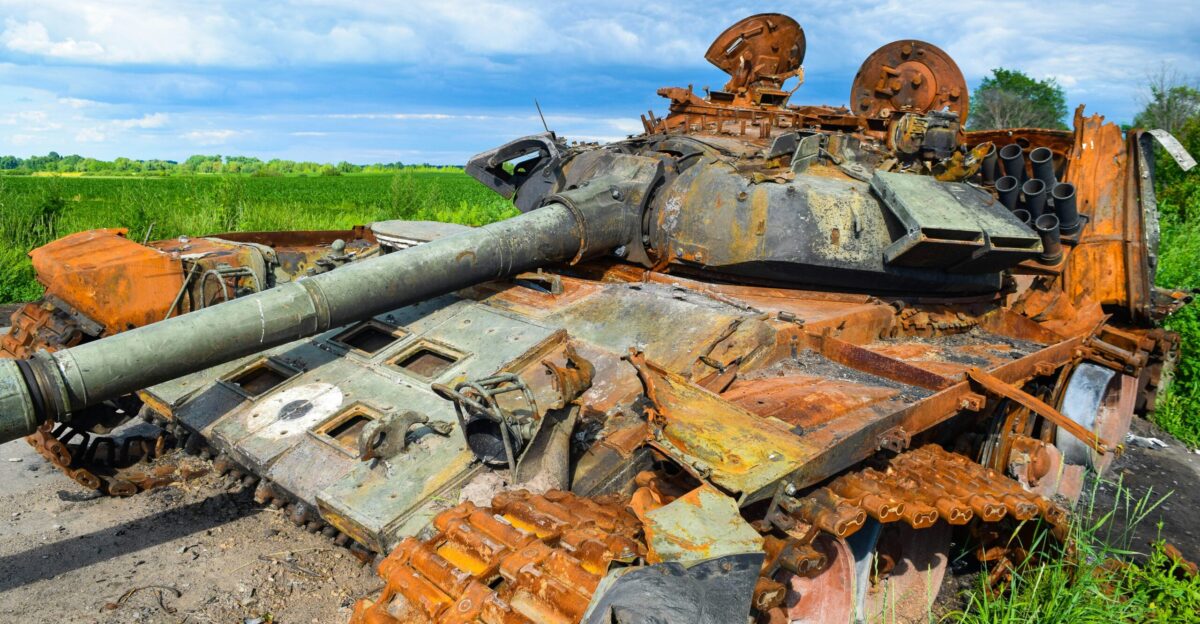
As the war enters its fourth year since Russia’s February 24, 2022, invasion, Ukrainian President Zelenskyy emphasizes that Russia doesn’t want to end the war.
Combined with Vance’s assessment that Russia has “very little to show” for massive casualties, the conflict appears locked in a devastating stalemate with no diplomatic breakthrough in sight.
Energy Infrastructure Campaign
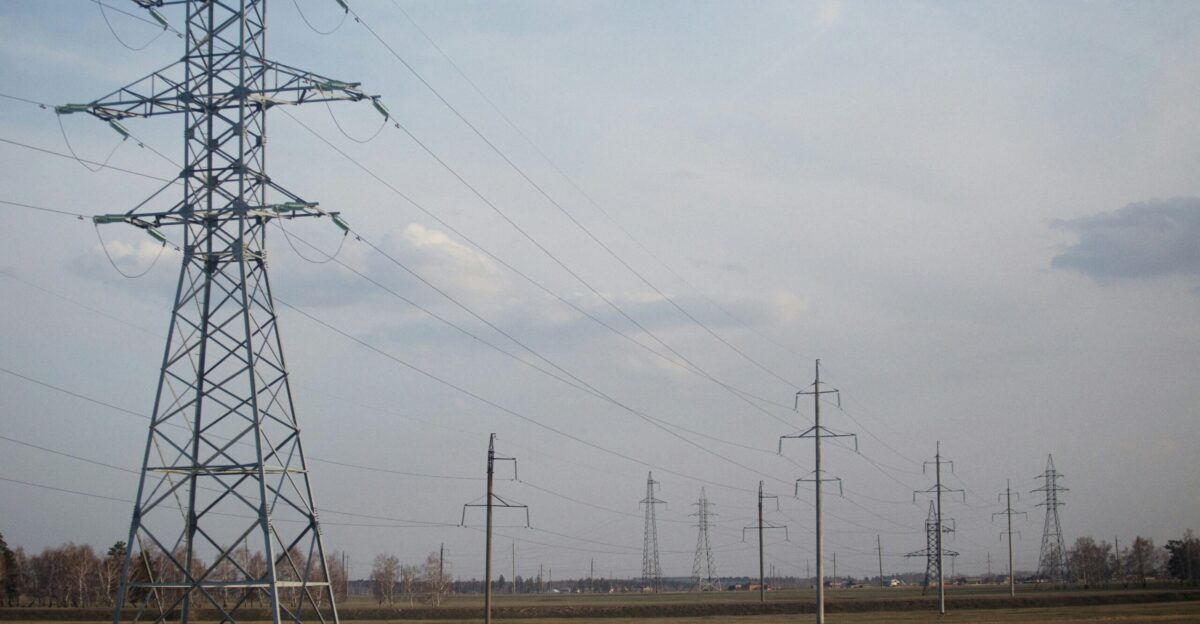
Russia has conducted approximately 2,900 attacks on Ukraine’s energy infrastructure since March 2025 as part of what analysts describe as a “deliberate policy of destroying Ukraine’s energy system.”
The strategy aims to weaponize winter conditions and force civilian evacuation while making Ukraine dependent on energy imports.
Global Security Stakes
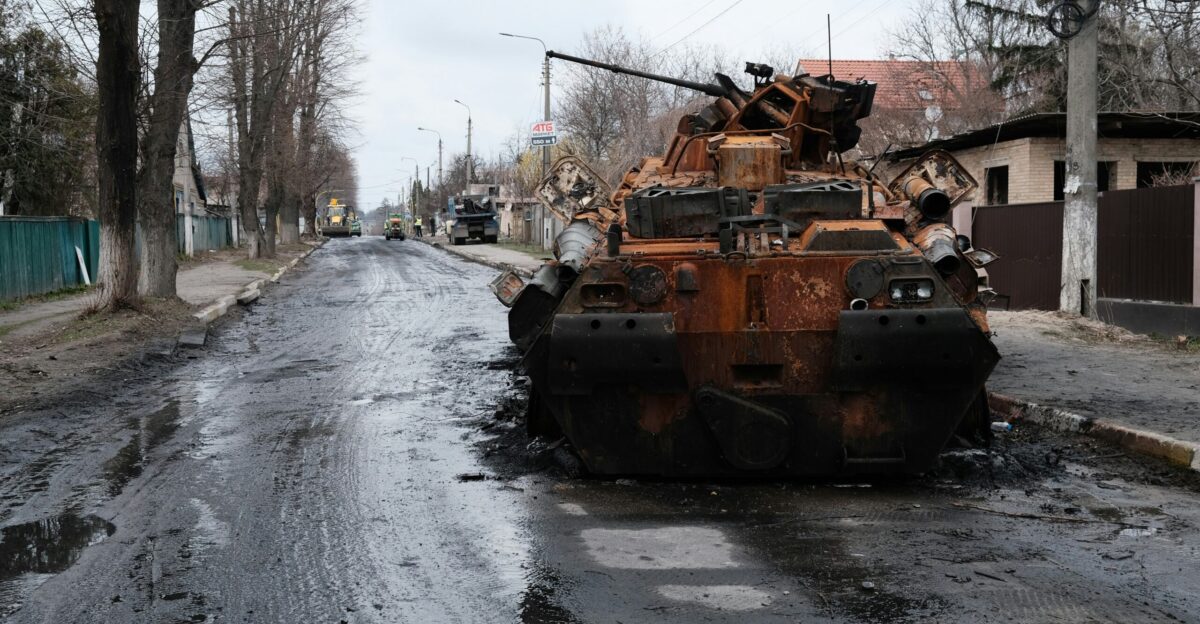
Vance’s call for Russia to “accept reality” occurs as Danish Prime Minister Mette Frederiksen warns that “Russia is waging a hybrid war on Europe” and describes the current period as “the most dangerous since World War II.”
The conflict’s outcome will have a profound impact on international law, territorial sovereignty, and the post-Cold War security architecture