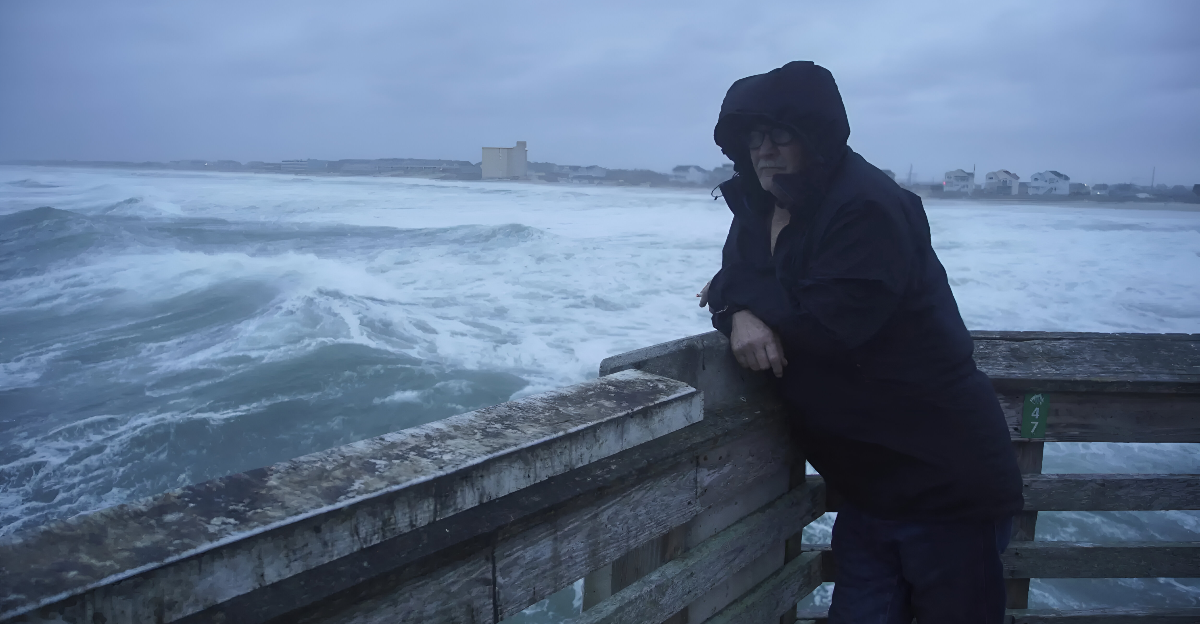
In late September 2025 the NWS issued its final Great Lakes beach hazard warning. The Cleveland office urged swimmers in Lake Erie (Lucas County, OH, and Ottawa County, MI) to stay out, citing “life-threatening waves and strong currents” driven by 20 mph winds.
The advisory covered roughly a quarter-million shoreline residents, highlighting a critical safety alert as warm-weather swimming ended.
2025: Seasonal Danger Flags
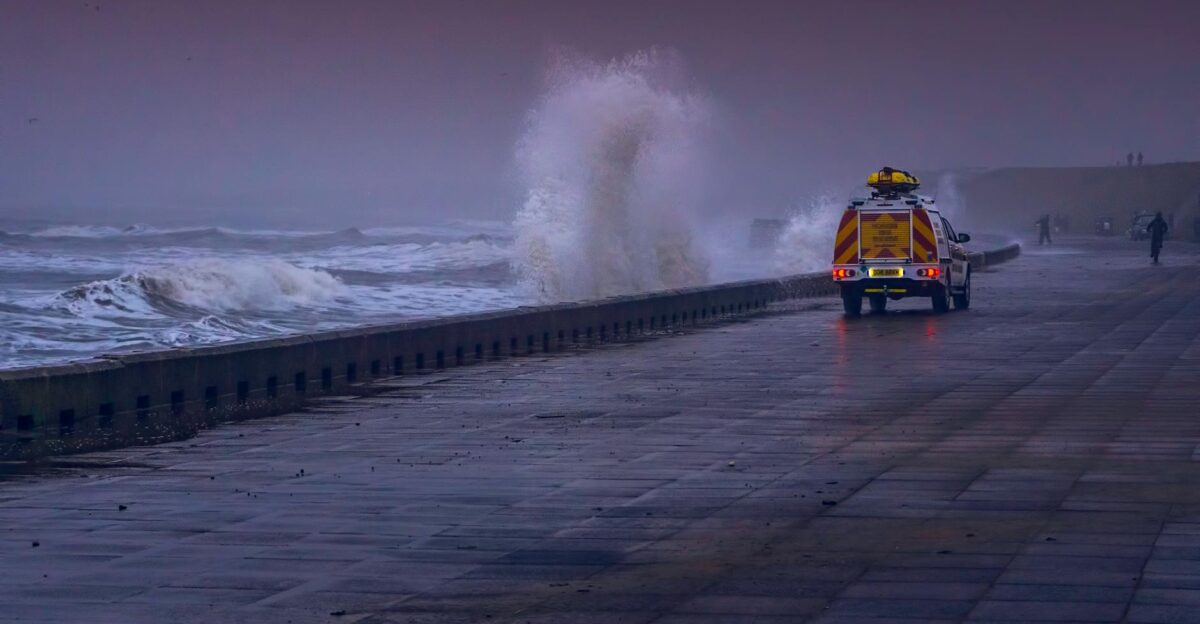
Throughout 2025, repeated beach hazard statements interrupted Great Lakes summers. For example, a July 17 alert ordered more than 13 million lakeshore residents to “stay out of the water”.
By mid-summer the Great Lakes Surf Rescue Project had reported 38 drownings in 2025, underlining how even early-season recreational swims carried life-threatening risks.
Drowning History

Deadly lake conditions have been historically underestimated. The Great Lakes Surf Rescue Project (GLSRP) tallied 1,406 drownings since 2010, averaging roughly 90 per year.
A 2021 study estimates that surf-related drownings in the region impose about a $105 million annual economic burden. Experts caution that even calm-appearing waters can hide powerful, ocean-like rip currents.
Lake Michigan Toll
Lake Michigan has emerged as the deadliest of the lakes. In 2025, roughly half of Great Lakes drownings (34 of 72) occurred along Michigan’s shore. Rip currents often form near piers and jetties, channeling powerful flows offshore.
One safety specialist notes these structures concentrate currents into narrow funnels, meaning even experienced swimmers can be exhausted or dragged out in minutes.
Final Advisory
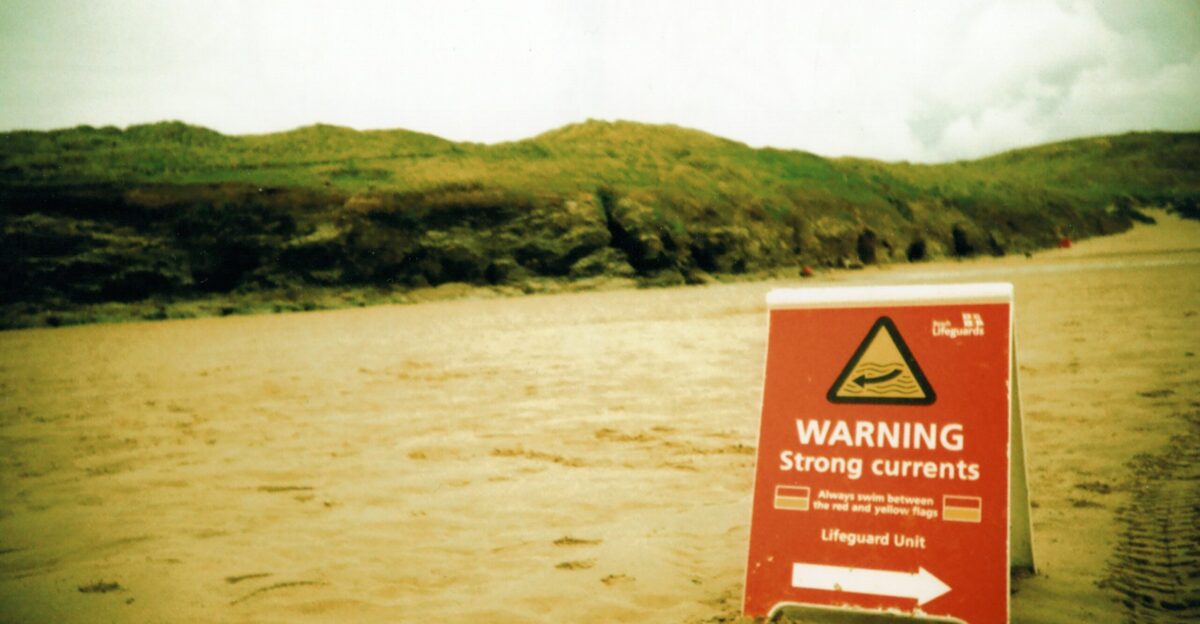
On October 1, 2025, NWS Cleveland issued the final beach hazards statement of the season. The advisory (Wed 3:32 AM–Thu 2:00 AM) covered Lucas (OH) and Ottawa (MI) Counties, forecasting 15–20 kt east winds and 4–6 ft waves.
These counties (populations ~423,000 and 308,000) include major Lake Erie beaches, so officials urged everyone to avoid the water entirely as fall conditions set in.
Communities Under Watch
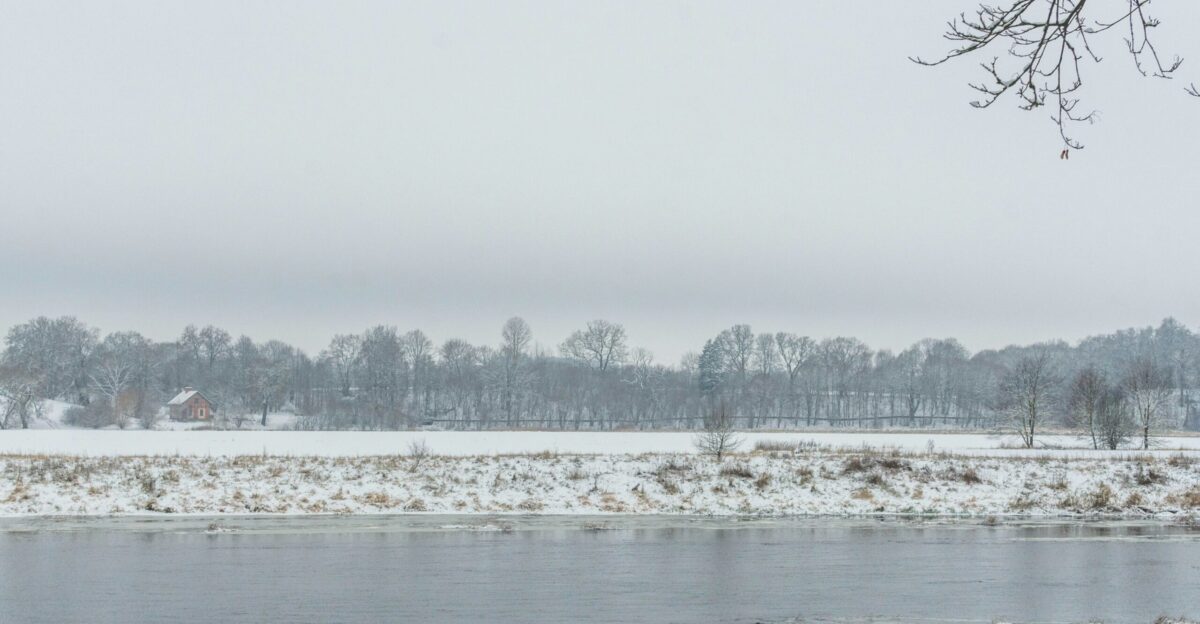
Lucas County, Ohio (pop. ~423,000) and Ottawa County, Michigan (~308,000) together have about 731,000 people. The advisory specifically targeted popular Lake Erie beaches, piers, and waterfront parks.
As water temperatures dipped into the low 60s°F, local agencies posted warning signs and even barred access to docks and piers during the hazard period, enforcing the swim ban to protect tourists and locals alike.
Shoreline Warnings
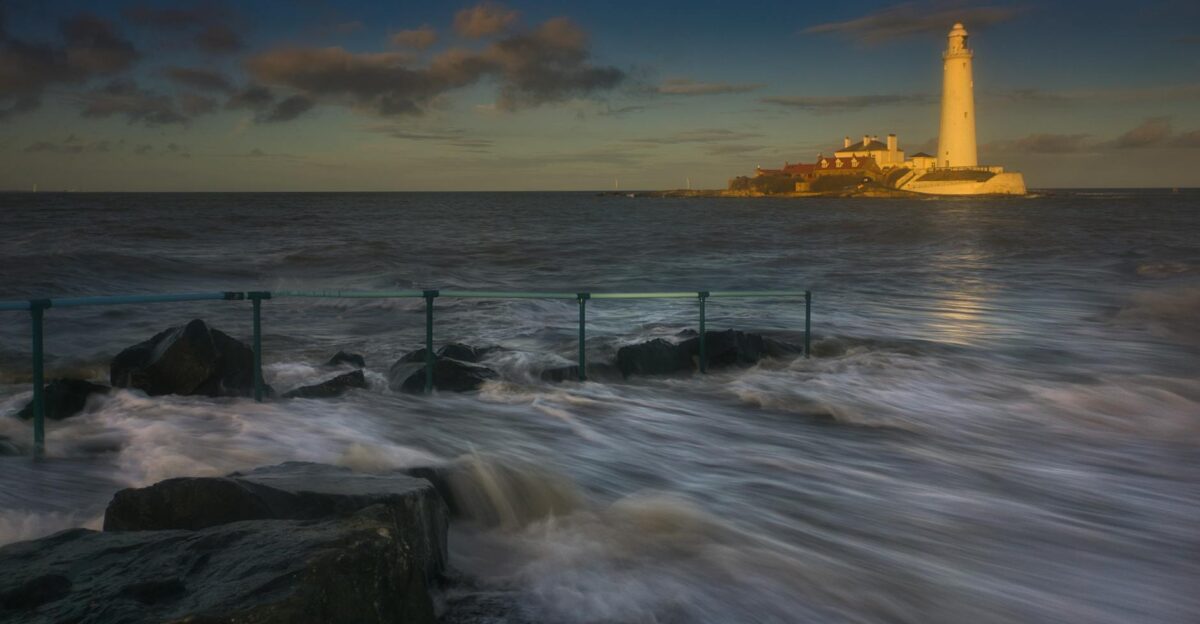
The NWS statement spelled out the danger: “Wind and wave action will cause currents on the lakeshore. Swimmers should not enter the water…”.
Meteorologist Jim Sullivan stressed this was “the final beach hazards statement for the season”. Officials reminded residents that plunging water temperatures give fall swimmers little margin for error — conditions unfamiliar to many late-season beachgoers.
Lake Erie Wave Mechanics
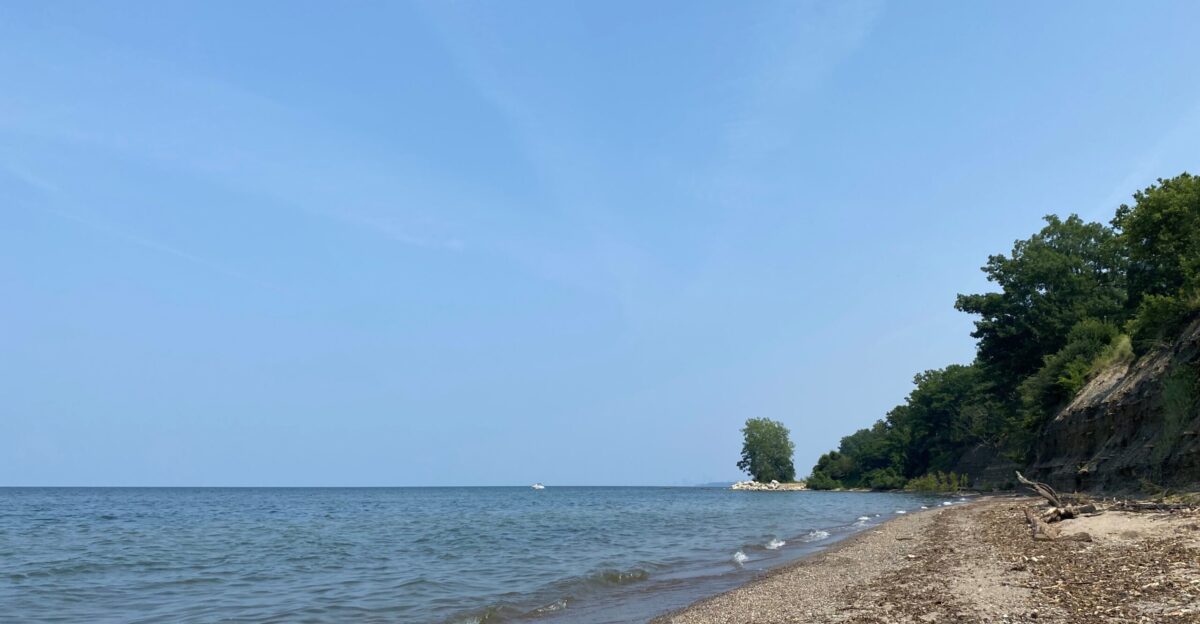
Lake Erie’s shallow western basin and long open fetch amplify wind-driven waves. Forecasters predicted 15–25 kt east winds (17–29 mph) overnight, driving 4–6 ft waves (with 8–9 ft peaks).
Sullivan noted even 20 mph winds can produce 4-foot waves on Erie. Such moderate winds can quickly turn the lake into a roiling “wave machine,” creating conditions dangerous to anyone in the water.
Closing Season
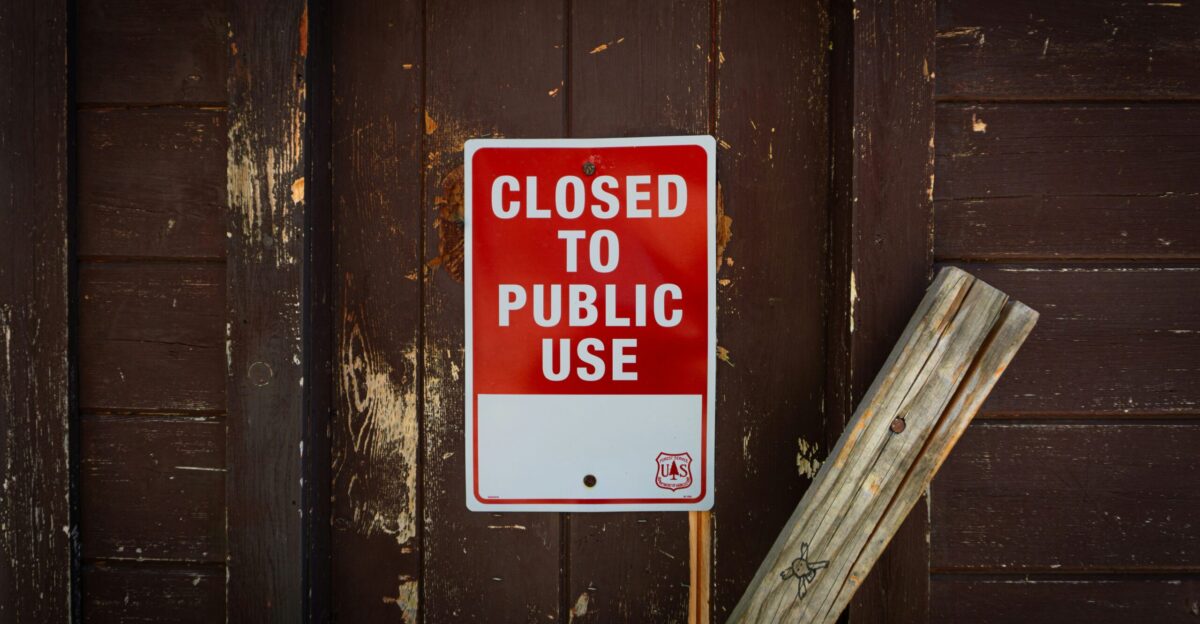
Most Great Lakes swim seasons officially end by mid-October. Sullivan explained, “The beaches usually close in October and the lake isn’t as warm”. Indeed, water temps fall from the 60–70°F range in early fall into the 50s by late October.
In 50°F water, hypothermia can incapacitate a swimmer in just 10–15 minutes, so accidental falls become life-threatening. This seasonal cooling is why formal lifeguard watch ends even if people linger at the beach.
Rip Currents
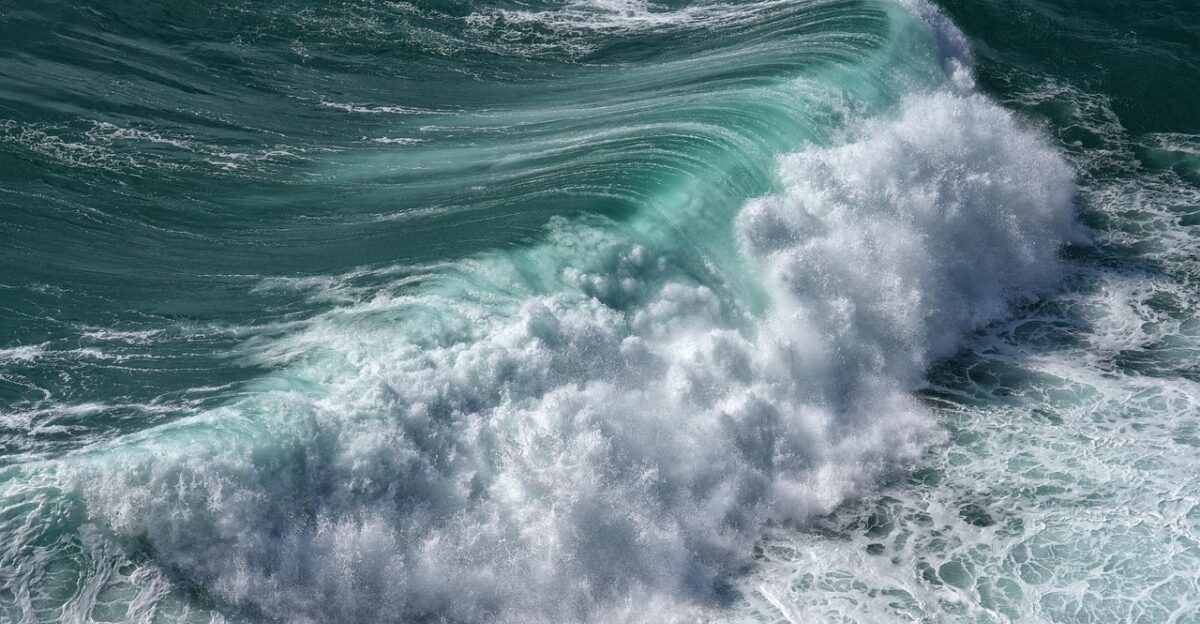
Rip currents are narrow, fast-moving channels that can pull swimmers far offshore. They can exceed Olympic sprint speeds. These flows often appear as deceptively calm strips or as foam/debris moving seaward. Safety experts warn: if caught in a rip, do not swim against it. Instead, stay calm and swim parallel to shore until you break free.
As one expert cautions, “that calm-looking area might actually be the most dangerous part of the lake”.
Safety Compliance
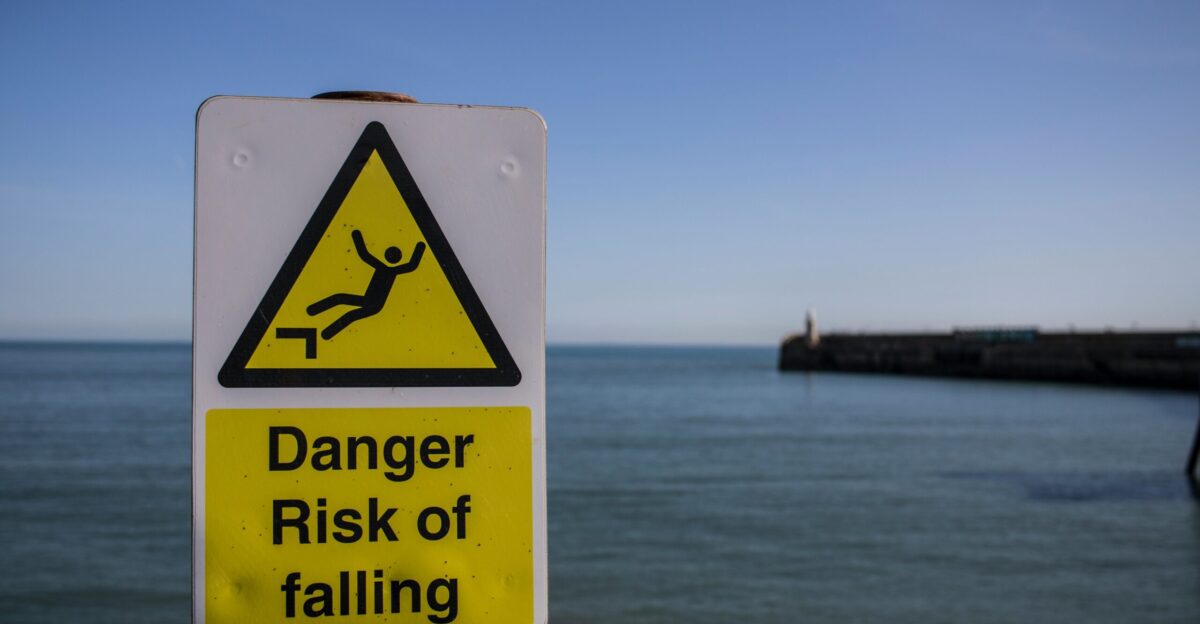
Warnings help only if people heed them. The U.S. Lifesaving Association notes a guarded beach drops drowning odds to about 1 in 18 million, but virtually no Great Lakes beaches have regular lifeguards today. By July 2, 2025, the GLSRP recorded 26 drownings (15 of them on Lake Michigan).
Ottawa County officials admit “lifeguarding a large…body such as Lake Michigan is extremely challenging”, placing the onus on swimmers to respect posted flags and advice.
Strapped Patrols
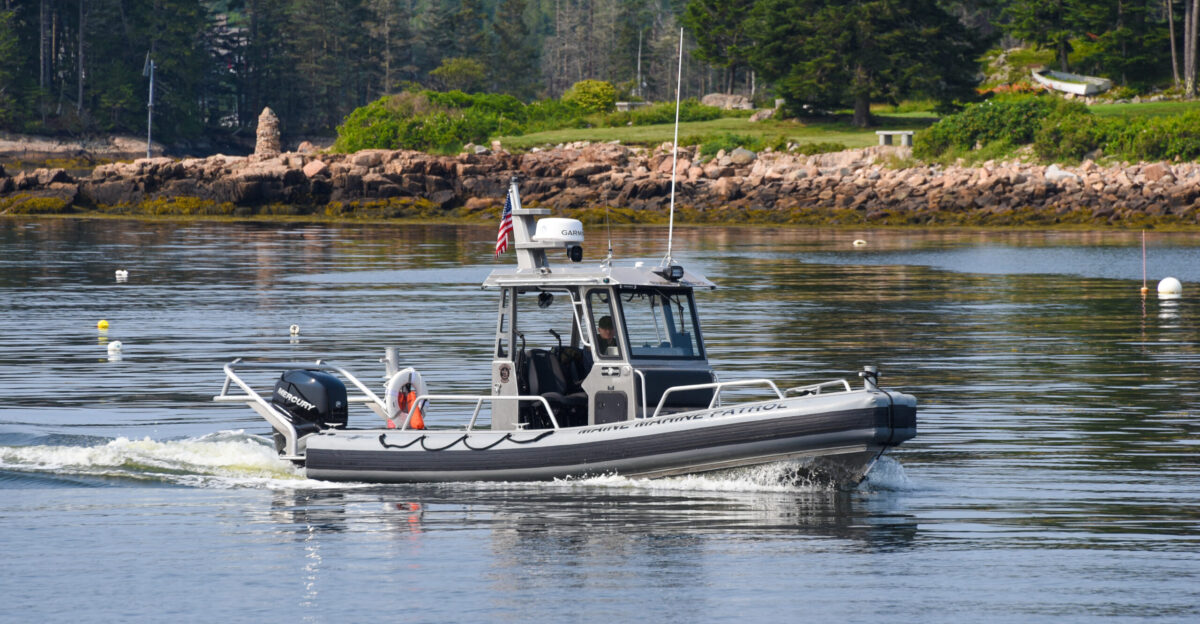
Budget cuts have limited on-water rescues. Some counties ran marine patrols on roughly half their usual funding this summer, stretching resources thin.
Yet drownings continue: GLSRP data show 72 Great Lakes drownings in 2025 by mid-September, on pace with recent years. With fewer boats on duty, any swimmer ignoring warnings risks not being spotted quickly—a serious concern when each minute matters.
Data-Driven Forecasting

NOAA now issues detailed daily beach forecasts for all five lakes. Its Great Lakes Beach Hazards portal provides an interactive map and “Know Your Risk” storymaps showing current advisories, wave heights, and wind conditions.
These tools give swimmers precise risk info for each lake. In practice, their benefit depends on the public actively checking forecasts before entering the water.
Expert Advice

Experts agree: if a beach hazard is posted, the safest action is to stay dry. NWS Duluth warned that “incoming waves in rapid succession can tire even an experienced swimmer quickly”.
If trapped in a current, lifeguards teach the mantra “flip, float, and follow.” Stay calm, backstroke or float to conserve energy, then swim parallel to shore until you escape.
More Storms Coming
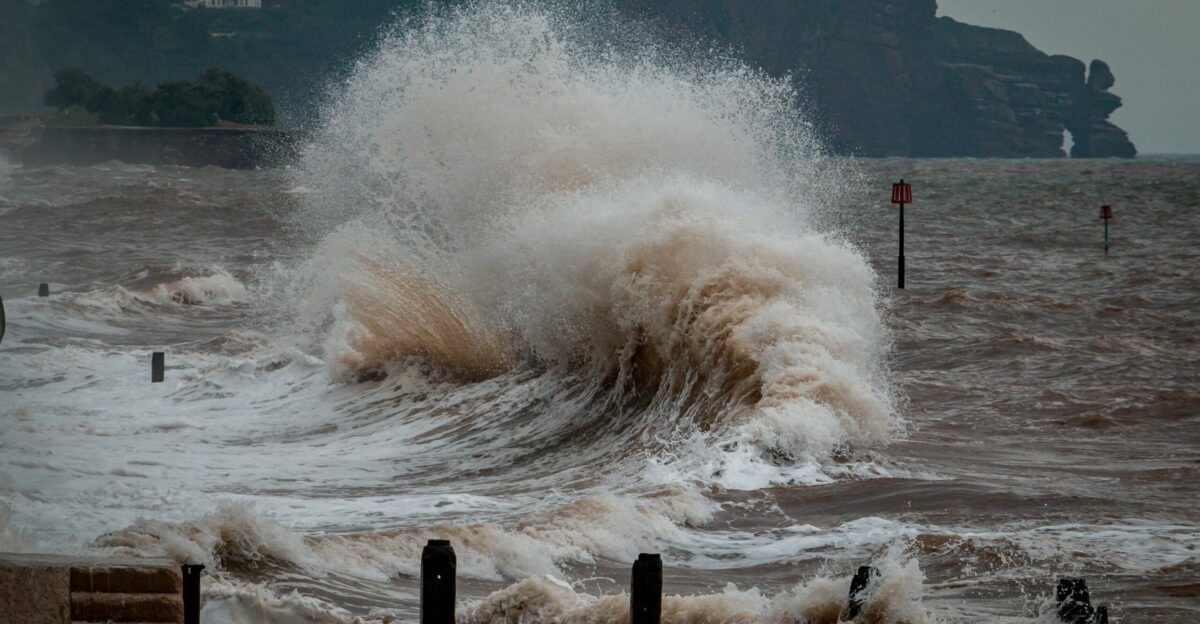
Climate trends suggest stronger storms will challenge the lakes. Researchers find more frequent extreme weather entering a new era. For lake safety, that implies repeat incidents of high winds and waves even outside mid-summer.
Officials must consider extending monitoring and education into fall. As patterns shift, the notion of a “season” becomes blurrier, demanding year-round awareness of surf and rip dangers.
Policy Debates

Persistent drownings have sparked policy discussions. Some advocates push for mandated lifeguards at popular beaches, or automated alert flags when conditions cross danger thresholds. Others propose enhanced warning signage, mobile apps or even periodic beach closures.
These proposals face a balance between public safety and recreational access. For example, New York has statewide flag protocols, and Great Lakes states are examining coordinated warning systems. The debate is ongoing on how to keep swimmers safe without shutting beaches entirely.
Liability and Law

Legal cases reinforce the power of warnings. A 2025 Michigan appeals court cleared South Haven of liability in a 2020 beach drowning after finding officials had posted standard hazard flags.
In general, courts hold that adequate warnings (signs, flags) shield cities and counties from negligence claims. However, property owners and local beach authorities now face pressure to post their own warnings after incidents.
Laws still largely leave the final responsibility to swimmers once hazards are visibly marked.
Beach Culture Changes

Water-safety education is improving among younger generations, and many kids now learn rip-current avoidance. Yet social media sometimes glamorizes risky watersports on rough lakes. Culturally, many Midwesterners still treat late summer swims as a rite of fall.
Convincing people that October gales cancel the fun will take time.
Advocates say shifting these ingrained habits requires sustained public education every year — there are no quick fixes when beach culture prizes last-blast swims.
Broader Reflection
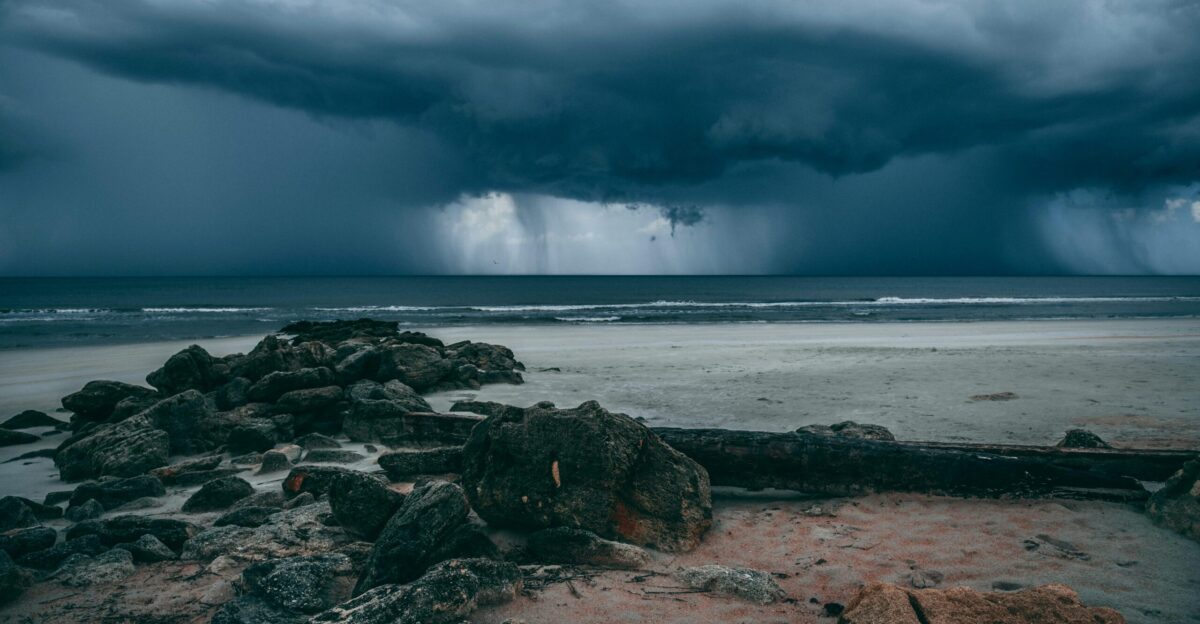
The October 2025 advisory was more than just a forecast—it was a reminder that the Great Lakes obey no calendar. Storms, waves, and rip currents will keep reshaping shorelines long after beach flags come down.
For communities, the challenge is balance: celebrating the lakes while respecting their danger. For individuals, the choice is simpler—heed the warnings, and live to enjoy the next summer.