
Over the past two years, Rite Aid has shuttered seventeen stores across York County, Pennsylvania, exacerbating fears around local prescription access. Residents drive longer distances and face increased medication costs as pharmacy options dwindle. “It’s a serious concern for vulnerable patients,” says Mary Timmons, a local healthcare advocate, highlighting the challenges faced by those who rely on accessible medications.
For many locals, the search for affordable prescriptions has become increasingly daunting, putting both convenience and health at risk. The steady decline of nearby pharmacy options raises urgent questions about the community’s well-being and future healthcare accessibility.
Worsening Pharmacy Deserts
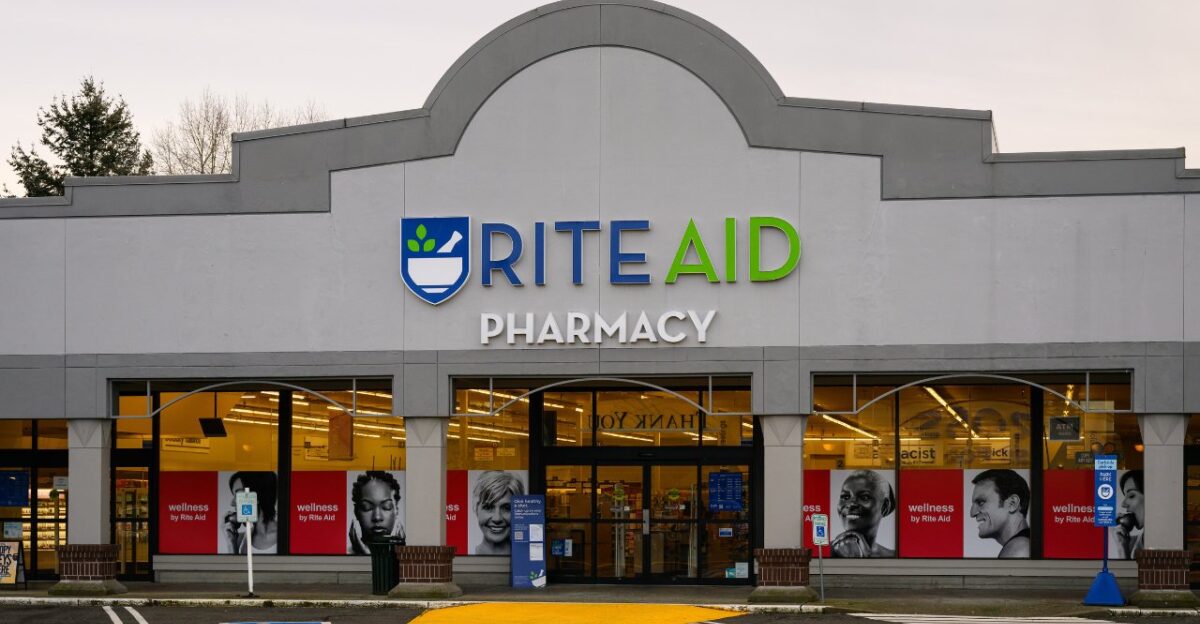
The phenomenon of pharmacy deserts in York is rapidly escalating. Over half of Pennsylvania’s nonmetropolitan counties now face significant pharmacy access challenges. The closures of both urban and rural pharmacies have forced thousands of residents to travel several miles to pick up routine prescriptions.
“I can’t always afford the gas to drive so far,” shares local farmer, Jake Morgan, underlining the burden these closures impose. The resulting gaps in pharmacy services jeopardize health outcomes for countless individuals, pushing essential healthcare services further out of their reach and raising alarming concerns about equity in health access.
A Historic Shift in Access

Pharmacy deserts are a relatively recent issue in Pennsylvania. Historically, major chains like Rite Aid, CVS, and Walgreens dominated the landscape, providing widespread medication access. However, anti-competitive practices combined with reimbursement struggles have led to a series of closures, with over 1,300 pharmacies in the U.S. shutting their doors in just five years.
“It feels like we’re losing a critical resource,” remarks Sarah, a long-time pharmacist, who has witnessed the rapid decline of pharmacy services firsthand. This disruption has fundamentally altered the retail health environment, resulting in significant challenges for communities and their healthcare needs.
The Growing Need for Services

In the wake of pharmacy closures, mounting pressures have emerged. With each shuttered store, more residents lose nearby options, forcing local health clinics to contend with a surge in patients unable to fulfill their prescriptions. “We’re seeing more patients who can’t afford their medications walk through our doors,” reports Dr. Ellen Swift, a family practitioner.
Lawmakers and health advocates are increasingly alarmed by the widening disparities in access, especially for disabled and low-income populations who face heightened barriers in obtaining routine medications. The crisis is clear: urgent action is needed to close the gaps in healthcare access.
A Nonprofit Solution Emerges
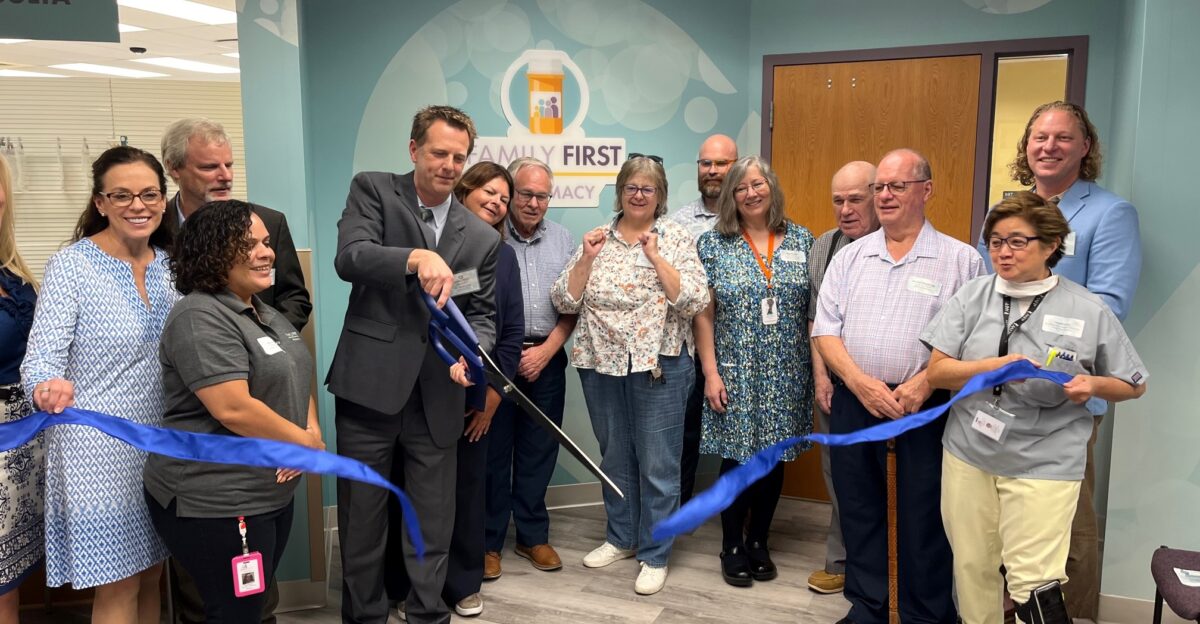
n response to this pressing challenge, Family First Health, a long-standing nonprofit, announced the upcoming launch of Family First Pharmacy in downtown York, slated for fall 2025. This new pharmacy aims to provide on-site, affordable medications integrated with primary care, directly targeting existing gaps in access and costs.
“This is a game-changer for our community,” shares Jane Holloway, a resident. By prioritizing affordable prescriptions, Family First Pharmacy seeks to empower residents with better access to necessary medications, aiming to provide a sustainable solution to the ongoing pharmacy crisis in the area.
Local Impact on Care Access
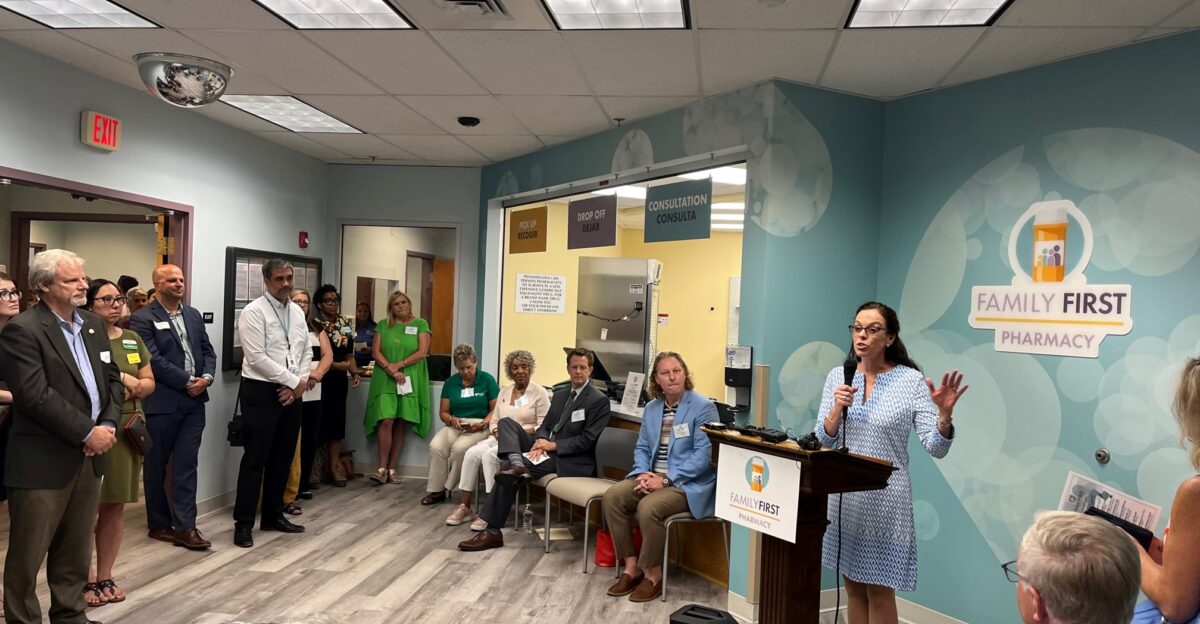
Family First Pharmacy envisions significantly reducing barriers to health services through its streamlined offerings. The pharmacy will accept all residents, regardless of insurance or income status, implementing a sliding-scale pricing model for uninsured and underinsured individuals. “Finally, I’ll be able to afford my medications,” says Tom, a retired veteran.
Health leaders are committed to eliminating cost obstacles and minimizing delays in care, striving to ensure that every resident can receive essential medications without financial worries. This local initiative represents a critical step toward transforming healthcare access for the community.
Championing Community Health

“Family First Pharmacy is a direct investment in community health,” asserts Dr. Jason Long, the lead pharmacist. He acknowledges that cost, coordination, and time are significant barriers preventing many from getting their medications. This new pharmacy aims to improve medication adherence by providing affordable prescriptions right on site.
“We want to make it as easy as possible for locals to stay healthy,” he emphasizes. The focus on community-driven health solutions is central to their mission, emphasizing that addressing these challenges can lead to better health outcomes and improved quality of life.
The Expanding Gap in Services
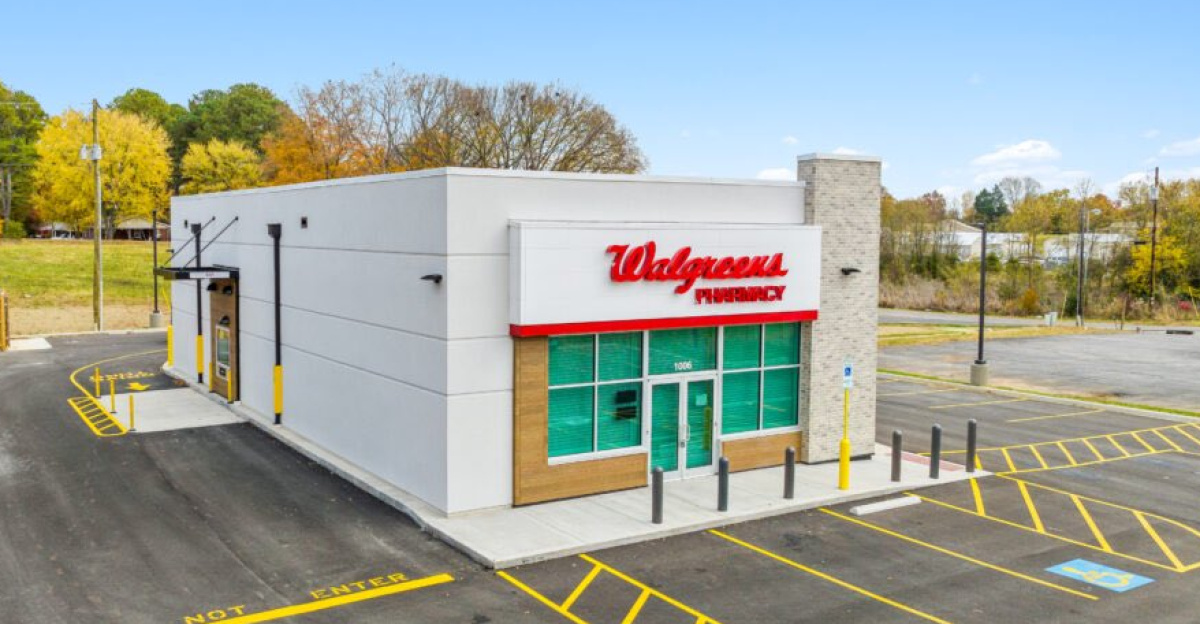
Despite the community’s hopes, competitors have struggled to fill the void left by closures. The bankruptcy of Rite Aid triggered a series of downsizing moves from CVS and Walgreens, further diminishing the number of pharmacies in the area. “It feels like there’s nowhere left to turn,” laments Lisa, a York resident.
Pharmacy deserts are widening, leaving millions nationwide without close access to essential medications. Community clinics, already strained, are battling to keep pace with increasing patient demand as local health needs continue to escalate, highlighting the urgent need for sustainable solutions.
The National Perspective

Nationwide, an alarming 48.4 million Americans live in pharmacy deserts. Recent statistics reveal that the average rural patient travels 36 miles round-trip for medications, while urban dwellers cover about 18 miles.
“It’s surreal to think about how far we have to go just for a prescription,” notes Michael, a young father whose commute affects his family’s health. Experts predict that without decisive interventions, the trend of declining access will continue, exacerbating existing health disparities and putting additional pressure on already vulnerable populations across the U.S.
A Sliding Scale for Accessibility

A sliding-scale model designed to make medications more affordable is at the heart of Family First Pharmacy’s approach. Prescriptions will be priced based on income, with discounts up to 100% for those in the lowest brackets. “It’s a breath of fresh air for someone like me struggling to make ends meet,” states Anna, a single mother.
With cash payment caps set at $15, this innovative pricing structure aims to ensure every patient at the clinic can access essential medicines without financial strain. This model represents a promising shift towards equitable care.
Facing Persistent Pressure

Internal reports from local health facilities indicate rising frustration among staff regarding medication non-adherence and frequent delays. As healthcare providers advocate for more on-site pharmacy options, they hope Family First Pharmacy’s model will help address these ongoing issues.
“We need to simplify the process for our patients,” urges Dr. Emily Carter, a local physician. By offering an integrated care experience, Family First Pharmacy aims to alleviate the pressures faced by healthcare providers and patients, ultimately fostering an environment where access to care is more efficient.
A Leadership Commitment to Equity

President and CEO Jenny Englerth has framed the pharmacy’s opening as part of the nonprofit’s broader commitment to equity in healthcare. “We’re putting patients first and delivering integrated, affordable care,” she states, reinforcing the leadership’s response to persistent community needs.
This initiative aims to enhance local health outcomes and cultivate trust among residents who have felt the impacts of pharmacy closures in recent years. “It’s about making sure no one is left behind,” she emphasizes, highlighting the organization’s intention to serve every community member.
A Strategic Comeback

Strategic planning has focused on reevaluating care delivery methods in developing Family First Pharmacy. Integrating primary, dental, and pharmaceutical services forms the foundation for Family First Health’s resurgence.
“We want our services to be a one-stop shop for the community,” shares Englerth. This integrated approach positions the new pharmacy as a linchpin for streamlined, community-driven health solutions. By addressing the diverse needs of residents holistically, Family First Pharmacy aims to create a healthier community overall, paving the way for future innovations in healthcare delivery.
Expert Perspectives on the Initiative

Healthcare experts generally applaud Family First Pharmacy’s sliding scale, though caution surrounds its sustainability. Given the rising demand, observers worry about maintaining funding and keeping prices low. “The intention is great, but we need to ensure that it’s achievable,” warns Dr. Lisa Martinez, a health policy analyst.
Ongoing monitoring and evaluation will be necessary to assess the real-world impact of this model as it seeks to redefine access to medications in York and potentially serve as a model for other distressed communities.
Patient Stories of Hope

As the anticipated pharmacy opening dates draw nearer, residents express optimism. “It’s a step in the right direction for so many of us,” says grandparent and frequent medicine user, Frank O’Reilly. Stories like his reflect the struggles faced by many who pharmacy closures have marginalized.
With hopes high, residents await the opening of Family First Pharmacy, eager to see how this new establishment will reshape their community’s access to health services and reinvigorate a sense of connection to local healthcare resources.
Community Engagement and Support

Family First Pharmacy is actively engaging the community to better understand its specific needs. Information sessions and open forums are being organized to foster discussion and gather feedback. “We want everyone to feel a part of this process,” emphasizes community outreach coordinator Sarah Greene.
By encouraging local input, Family First aims to align its services closely with residents’ actual health concerns. “Only then can we serve our community well,” she passionately states, reinforcing the organization’s dedication to collaboration and responsiveness.
Building Partnerships

Family First Pharmacy is working to build partnerships with other local healthcare providers and organizations to enhance its effectiveness. Collaborative initiatives will aim to streamline patient referrals and maximize resource sharing, creating a cohesive health network.
“Together, we can tackle the barriers our community faces,” notes Dr. Long. By fostering partnerships that bridge gaps in healthcare, Family First Pharmacy hopes to ensure comprehensive support for patients. Such collaboration is vital for creating a lasting impact on community health outcomes.
Training and Employment Opportunities

Family First Pharmacy is committed not only to patient care but also to local employment. By hiring from the community, the pharmacy aims to create jobs and provide training opportunities for residents. “Having jobs close to home can change lives,” shares local job seeker Carla, reflecting the hope instilled by the upcoming pharmacy opening.
Engaging local talent improves job prospects and strengthens community ties, facilitating an environment where residents feel invested in their health and the health of their neighbors.
Looking Towards the Future

As Family First Pharmacy prepares to open its doors, the community is at a pivotal moment. This initiative represents far more than just a new store; it symbolizes hope and the possibility of real change. While challenges remain, the collaborative efforts spearheaded by Family First Health could redefine healthcare accessibility in York.
“If this works, it could be a model for other towns facing the same issues,” suggests local council member Bill Richards. The future looks promising as residents rally around this transformative effort to restore essential pharmacy services.
Continuing the Conversation

The opening of Family First Pharmacy could initiate an essential dialogue about healthcare access in York and beyond. “We’re all in this together,” says Dr. Carter, expressing a sentiment that resonates within the community. As healthcare disparities increase nationwide, local leaders and advocates emphasize the importance of advocacy and engagement in driving meaningful change.
By sharing experiences and collaborating, communities can amplify their voices and ensure their health needs are prioritized. Together, they can work towards a future where accessible and affordable healthcare is a reality for everyone, turning the tide in the ongoing battle against pharmacy deserts.