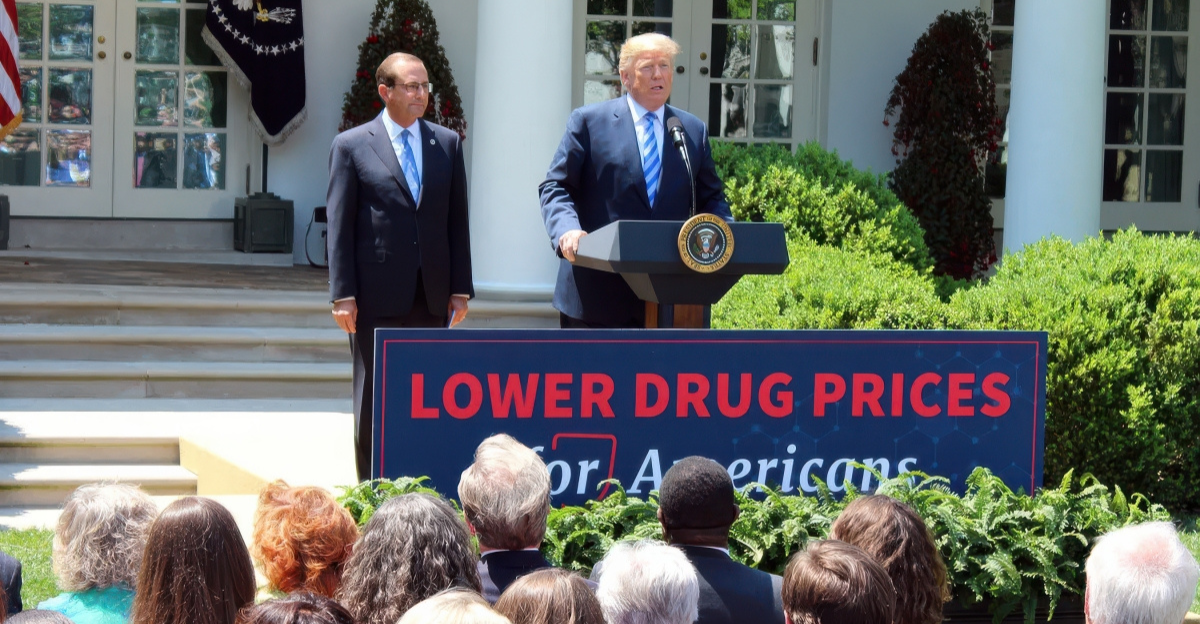
Americans pay far more for prescription drugs than any other peer nation. Reports show U.S. consumers pay about 2.78× what others pay, and pharma companies earn ~23% profit margins vs ~2.3% for distributors.
President Trump has unveiled a plan to force U.S. prices down to match global levels.
Americans’ Drug Spending Crisis
U.S. prescription spending is vast and rising. In 2022, Americans spent roughly $634 billion on medicines, far above other countries.
RAND analysts found U.S. prices for brand-name drugs average 4.22× those abroad. They also note that this price gap is getting worse over time. This disparity strains families and federal budgets.
Trump’s Most-Favored-Nation Order
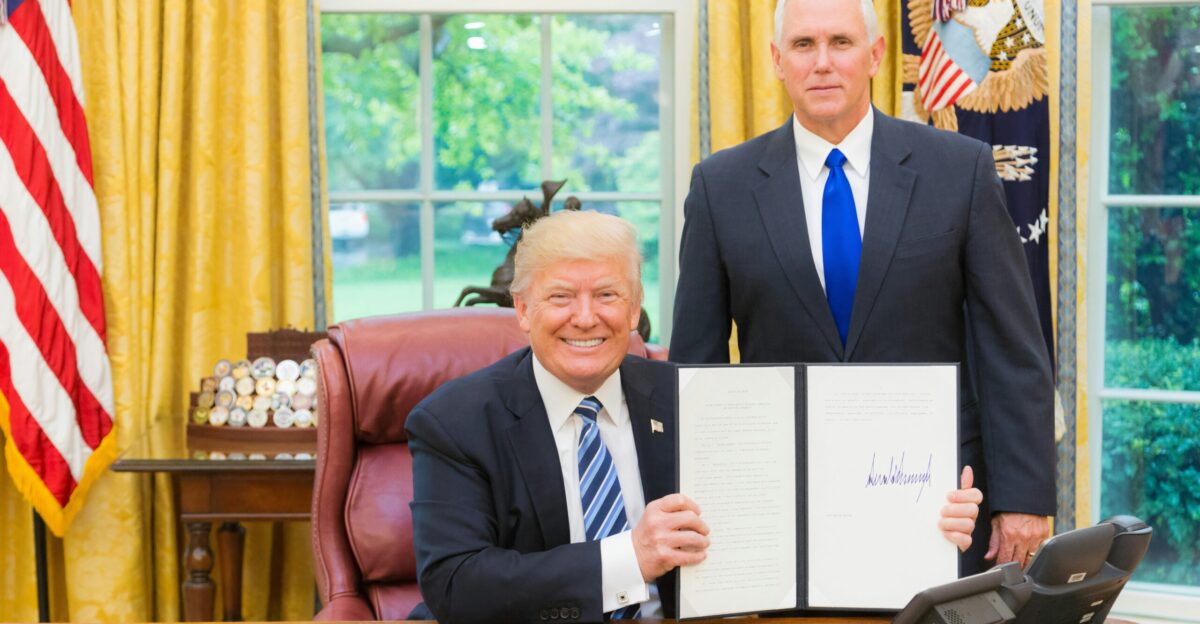
On May 12, 2025, Trump signed an executive order mandating that drug prices match the lowest paid in comparable countries. He said, “Everybody should equalize. Everybody should pay the same price” for U.S. medicines.
Companies had 30 days to propose new MFN price targets. Trump warned that failure to comply would trigger aggressive actions – including 100% import tariffs or new importation rules.
Tariff Ultimatum for Pharma CEOs
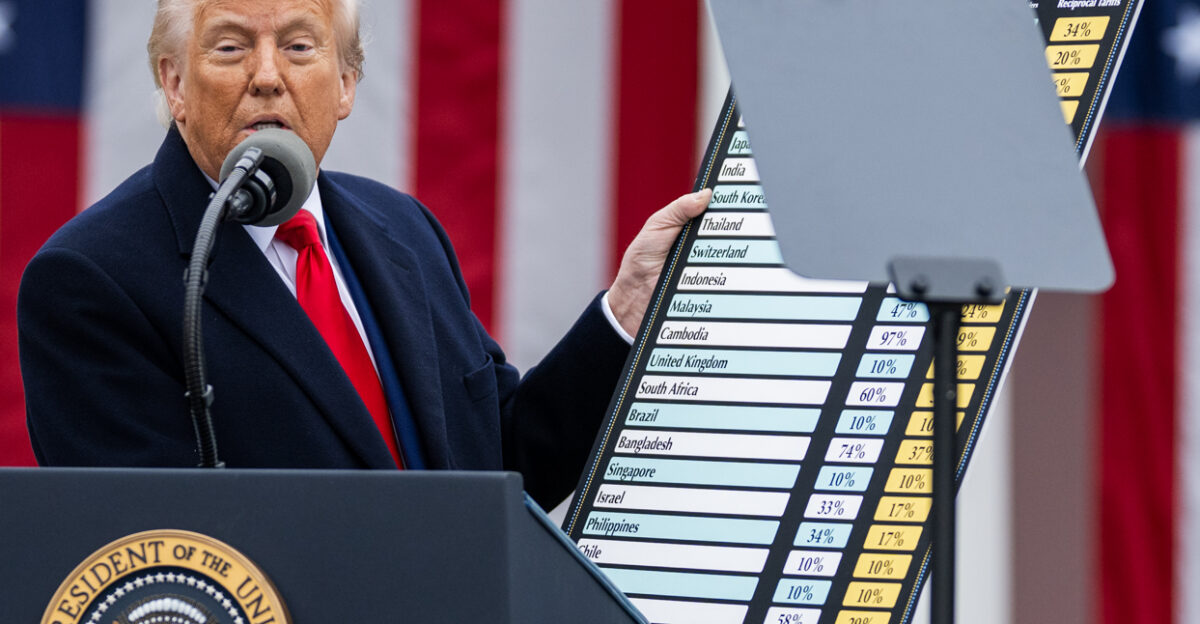
In July 2025, the administration sent letters to 17 major drugmakers demanding price commitments by Sept. 29. Trump announced that on Oct 1, branded drug imports from non-compliant firms would face a 100% tariff.
The message was stark: each company must either slash U.S. prices or see its products hit with massive new duties and regulatory penalties.
Pfizer Breaks Ranks
On Sept. 30, 2025, Trump announced a landmark deal with Pfizer. Pfizer agreed to cut its U.S. Medicaid prices to the same low levels it charges abroad.
The company said most of its medicines will be offered at “savings as high as 85% and on average 50%” on the new TrumpRx site. This deal is the first practical use of most-favored-nation pricing in U.S. pharma history.
Medicaid Gets International Prices
Pfizer extended these discounts to Medicaid, meaning the program will pay the lowest foreign price for its drugs.
That could generate enormous savings: Medicaid prescription spending jumped 72% from $30 billion (2017) to $51 billion (2023). Locking Medicaid into global prices could rescue billions in taxpayer costs and reduce strain on state budgets.
Patients React to Relief Promises
President Trump declared, “The United States is done subsidizing the health care of the rest of the world.” Indeed, studies find U.S. patients pay roughly 2.78× what patients in other countries pay for the same medicines.
Pfizer’s CEO, Albert Bourla, echoed this, saying American families had “carried the global burden of paying for innovation” and now would get relief.
Stock Surge and Factory Pledges

Investors cheered the Pfizer deal. Pfizer shares jumped about 6%, lifting other drug stocks. Competitors raced to dodge tariffs: Johnson & Johnson pledged $2 billion for new U.S. manufacturing, while Lilly, AstraZeneca, and Roche announced multibillion-dollar U.S. expansion plans.
These moves aim to comply with the tariff deadline by boosting domestic production.
Massive Domestic Investments

Pfizer committed $70 billion to U.S. research and plants under the deal. Other firms matched this push: GSK announced $30 billion for U.S. infrastructure, AstraZeneca $50 billion, and Roche $50 billion.
These announcements (plus Novartis’s $23 billion) total hundreds of billions in U.S. investment, reshaping America’s drug supply chain.
TrumpRx: Direct Access for Patients
The administration says its TrumpRx website (launching in 2026) will let Americans “go direct-to-consumer” and buy drugs at negotiated rates.
Patients will pay cash directly to manufacturers. But most people use insurance for medicines. ABC News notes many TrumpRx cash prices would exceed typical insured copays.
Experts Call It a Gimmick

Vanderbilt’s Stacie Dusetzina says the announcements “serve as good PR for the drug companies” but are “more of a gimmick,” helping only a small number.
KFF’s Drew Altman adds that since “most Americans buy drugs through their insurance plan… that would mainly help the uninsured”. Without changes to insurance, average patients see little direct benefit.
Tariffs as Leverage
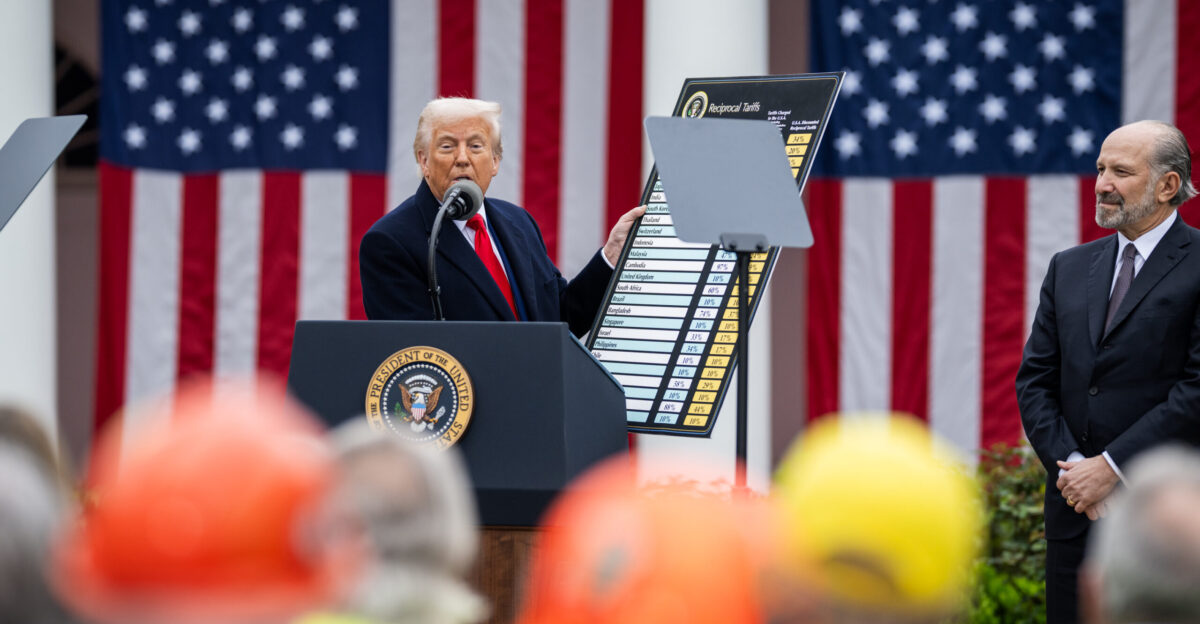
Pfizer got a 3-year tariff reprieve. All other makers face 100% import duties unless they open U.S. plants by Oct. 1.
This cut-and-carrot approach forces compliance: massive penalties loom unless firms accept Trump’s pricing terms. In effect, it uses trade policy to force drugmakers to change pricing behavior domestically.
Competitors Under Pressure

Trump signaled more drug deals were coming, and rivals raced to respond. The industry group PhRMA announced it will launch a discounted drug website in January 2026, mimicking TrumpRx. Executives at Lilly, Novartis, and others are reportedly negotiating similar MFN commitments to avoid tariffs.
The flurry of announcements suggests a cascade of price cuts may follow Pfizer’s lead.
Delay Before Relief

Experts warn patients won’t see cuts right away. New systems and approvals must be built first. As Al Jazeera reports, “U.S. consumers are not expected to start seeing lower prices under the Pfizer deal until 2026.”.
Americans will have to wait through complex regulatory steps for TrumpRx and MFN reporting before any savings appear.
Medicare Negotiations vs. TrumpRx

By contrast, Democrats point to Medicare’s new drug negotiation program. CMS analysis says that if 2023’s Medicare prices were in effect last year, it would have saved about $6 billion.
Trump’s Pfizer deal, Altman notes, applies only to “one company and one program”. The Inflation Reduction Act’s mandatory bargaining affects many drugs, whereas this is a narrow voluntary pact.
Political Implications
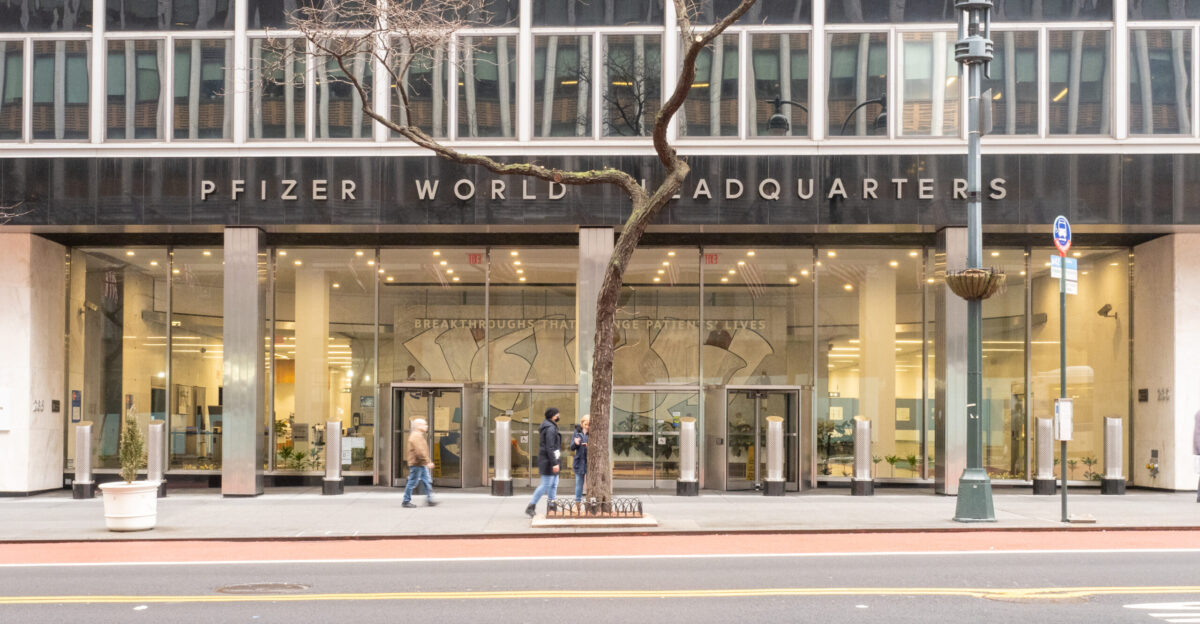
Politically, the Pfizer deal is a boon for Trump. It lets him tout a tough win on drug costs while forcing Democrats to explain why their law hasn’t delivered comparable cuts. The question becomes a partisan talking point: who is really delivering real savings for patients in the end?
Global Pricing Side Effects
Trump acknowledged that U.S. price cuts may force foreign drug costs higher — and he called that “fair”.
European officials are alarmed. Denmark’s industry minister warned the resulting uncertainty “is bad for the world”. If U.S. prices fall, companies may raise prices in other countries to recoup revenue, potentially straining allied healthcare budgets.
Legal Hurdles Ahead

Many experts say this policy tests the limits of presidential power. Several courts have already ruled that Trump exceeded his authority with sweeping tariffs, and the Supreme Court agreed to review those rulings.
The Constitution grants tariff power only to Congress, so legal scholars expect challenges. Although drugmakers haven’t sued yet, analysts predict high-stakes court battles over whether this executive price-fixing exceeds lawful authority.
Rewriting the Drug Supply Chain

If upheld, the Pfizer deal could reshape how Americans buy medicines. Trump said he wants to “cut out the middlemen” and enable direct sales to patients.
Analysts warn this will squeeze pharmacy benefit managers and insurers. For example, one Morningstar analyst notes PBMs might raise fees elsewhere to recover lost rebate income. Over time, more drugs may be sold off-formulary or via cash marketplaces, fundamentally altering pharmacies and plans.
A New Tariff-Backed Playbook

TrumpRx illustrates a new model: using trade policy to force domestic change. Reuters notes Trump often treats tariff threats as a “negotiation tool”. Here, he applied the same logic at home.
The precedent is clear: presidents can leverage import duties to push industries to change without new laws. If this approach spreads, it could alter the balance of power between federal policy and private pricing decisions.