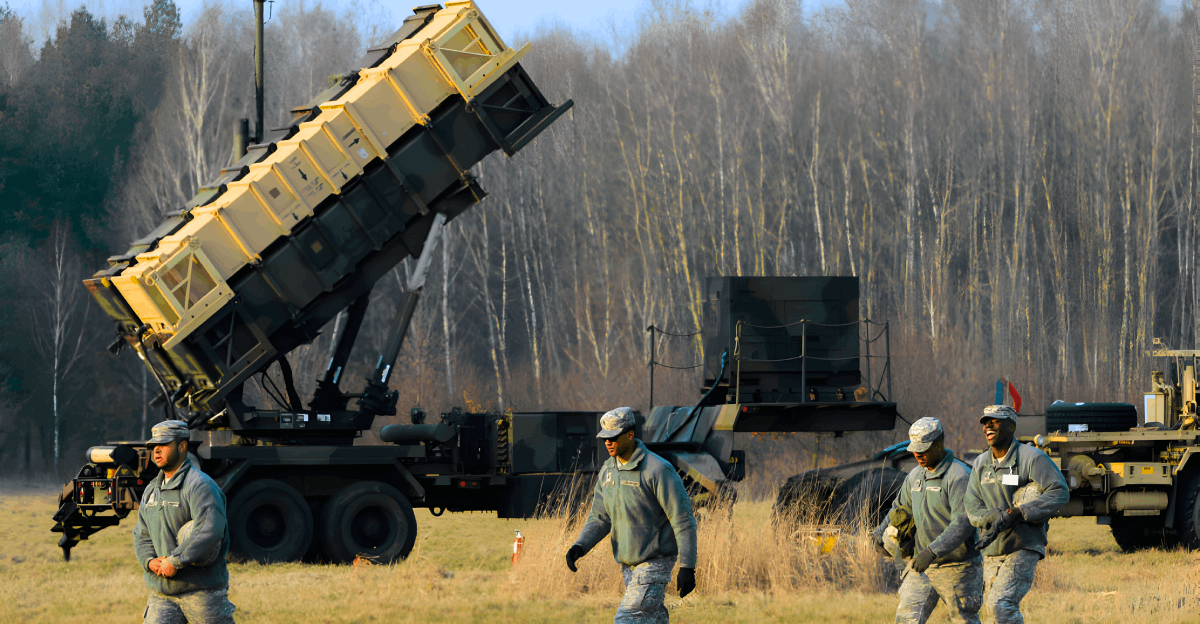
In the spring of 2025, as Ukraine’s war against Russia escalated, the United States unveiled the Golden Dome missile defense system. Promising layered protection from aerial threats and space-based surveillance capabilities, this initiative marked a pivotal moment, with analysts dubbing it “the most ambitious military tech leap since Star Wars.” This bold move aimed to bolster U.S. defense capabilities and provide critical intelligence support to NATO allies.
As one defense analyst remarked, “The Golden Dome signals a new level of commitment from the U.S., shifting the balance of power.” This innovation would soon reshape the conflict’s dynamics, with its satellite network providing real-time targeting data that would prove decisive in maritime operations.
Black Sea Fleet’s Setbacks
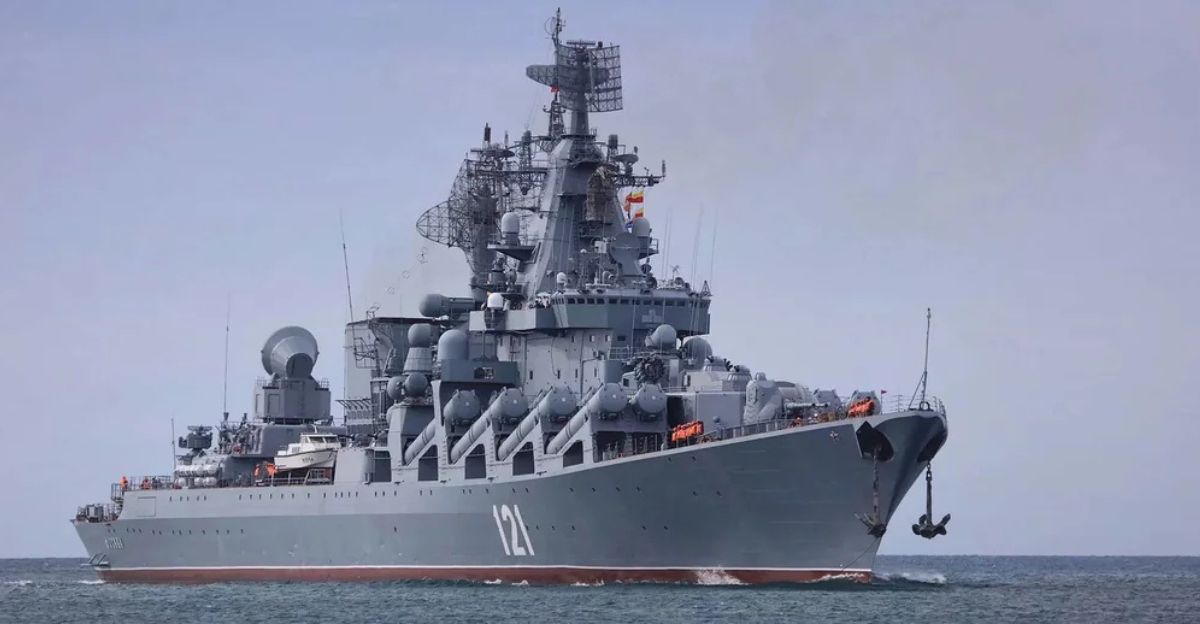
Russia’s Black Sea Fleet experienced profound setbacks as the Golden Dome’s satellite constellation became operational. Ukrainian drone attacks—guided by precision targeting intelligence from Golden Dome’s space-based surveillance network—claimed nearly 40% of Russian vessels, forcing a hurried relocation from Crimea. “We never anticipated such rapid deterioration of our naval capabilities,” a Russian naval officer admitted.
The losses reflected a profound shift in maritime power dynamics, with U.S. satellite intelligence enabling Ukrainian forces to identify and strike Russian warships with unprecedented accuracy. As the situation unfolded, Russian vessels became prime targets, severely hampering their ability to project force in an increasingly contentious region. This demonstrated the effectiveness of Ukraine’s innovative drone tactics combined with advanced space-based intelligence.
A Deflector’s Legacy

The Golden Dome system draws inspiration from formidable defensive frameworks like Israel’s Iron Dome and the Strategic Defense Initiative championed by President Reagan. In January 2025, President Trump issued an executive order that expedited funding for this ambitious multi-layered missile shield and satellite surveillance network.
One Pentagon spokesperson explained, “Our objective is to create an impenetrable barrier against evolving aerial threats while providing unmatched space domain awareness, ensuring the safety of our forces and allies.” This strategic initiative aimed to address rising anxieties about missile capabilities and the shifting landscape of modern warfare, positioning the U.S. as a leader in integrated defense technologies.
Urgency for Innovation

In response to Russia’s advances in hypersonic and cruise missile technologies, the U.S. escalated its defense investments. Trump’s administration allocated an initial $25 billion, targeting a total budget of $175 billion for the Golden Dome project. Under intense pressure, defense contractors were tasked with swiftly delivering results to counter evolving threats.
As a defense contractor remarked, “The race is on. We’re not just building systems; we’re safeguarding our future.” The urgency surrounding the Golden Dome underscored the critical nexus of technological advancement and national security, as both allies and adversaries braced for a new era in military technology.
The System Deployed
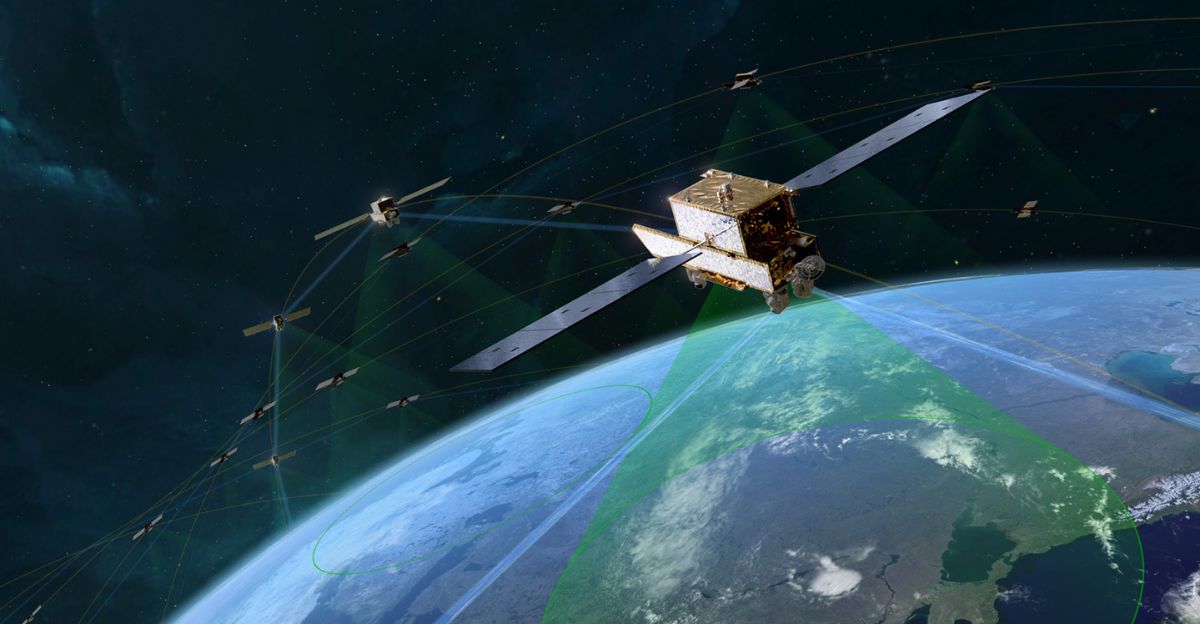
By May 2025, the U.S. commenced deploying detection satellites as part of the Golden Dome initiative, designed to provide continuous surveillance of both Russian and Chinese military operations. Meanwhile, Ukrainian forces—equipped with real-time targeting data from these satellites—had disabled or destroyed at least 24 Russian warships using Sea Baby and Magura V5 maritime drones, radically altering the power dynamics within the Black Sea.
“Our strategy has always been about adaptability, and the intelligence support from our partners has been invaluable,” a Ukrainian naval commander stated. This critical turning point highlighted the effectiveness of combining advanced space-based surveillance with unmanned maritime warfare, signaling a warning to adversaries about the evolving landscape of military capabilities.
Consequences in the Black Sea
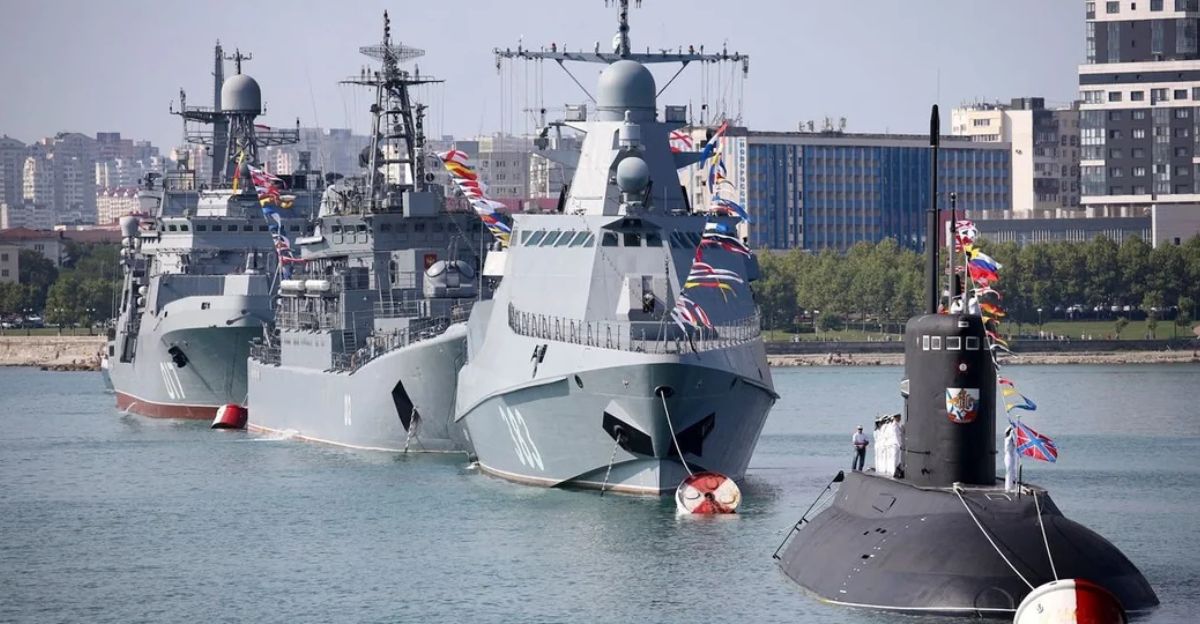
The severe losses incurred by the Black Sea Fleet forced Russia to abandon its strategic Sevastopol base, relocating vessels to Novorossiysk. This withdrawal exposed fresh vulnerabilities and significantly weakened Russia’s foothold in Crimea.
“Our maritime operations are no longer secure,” lamented a Russian sailor. Repeated Ukrainian drone and missile attacks—enabled by precise satellite intelligence—further compromised Russian operational integrity, illustrating a stark shift in maritime control within the region. The once formidable naval presence was on the defensive, as Ukrainian forces leveraging space-based targeting data dictated Russia’s naval strategy.
Human Impact on Troops
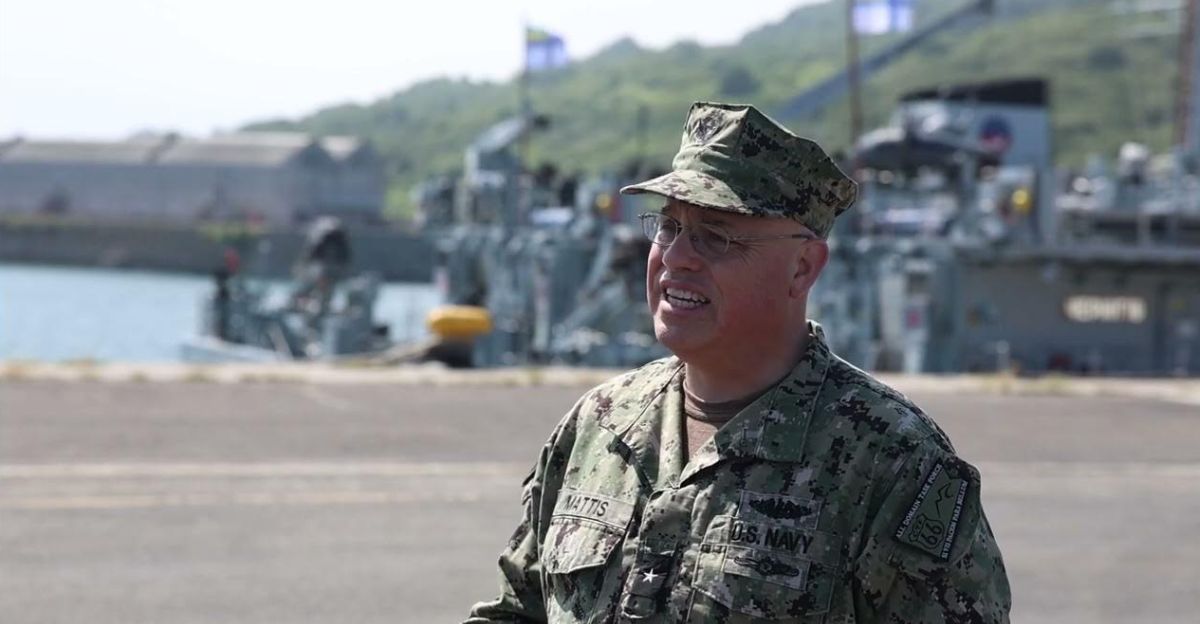
Rear Admiral Michael Mattis highlighted the dramatic transformations in Ukraine’s maritime tactics, noting that the destruction of 40% of Russia’s fleet had turned the Black Sea into a perilous “no-go zone” for Russian ships. “The combination of Ukrainian innovation and advanced satellite intelligence has fundamentally changed naval warfare,” he acknowledged, referencing the growing effectiveness of drone operations guided by real-time space-based surveillance.
Russian crews now faced continual drone threats while grappling with disrupted supply chains, fundamentally altering their operational posture. The human costs of these strategies resonated deeply on both sides, with each loss bearing significant emotional and tactical implications for the affected military personnel and their families.
Global Military Observations
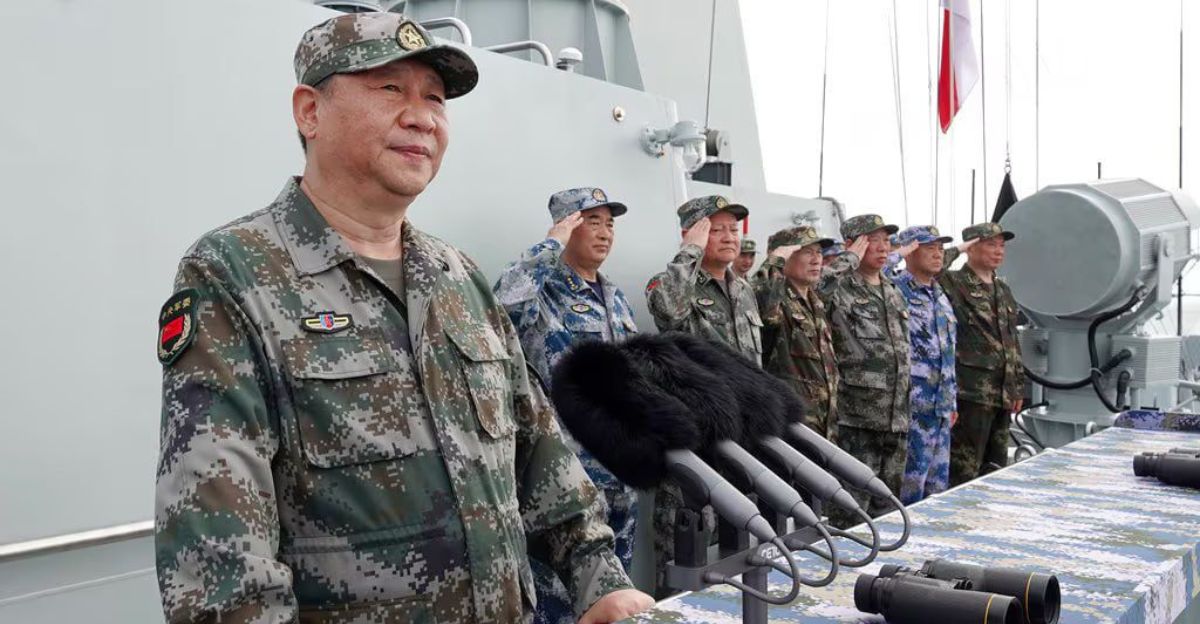
China keenly observed the rollout of the Golden Dome, prompting its military enhancements, including accelerated satellite deployments and research into advanced anti-missile defenses. “We cannot afford to lag in this new arms race,” a Chinese defense analyst stated. Meanwhile, NATO allies expressed concern about potential strategic isolation and pressed for access to U.S. satellite intelligence-sharing protocols.
This response illustrated the broader implications of the Golden Dome’s deployment, highlighting a collective urgency among global powers to bolster their space-based surveillance and defensive capabilities in light of evolving threats.
The Rising Arms Race
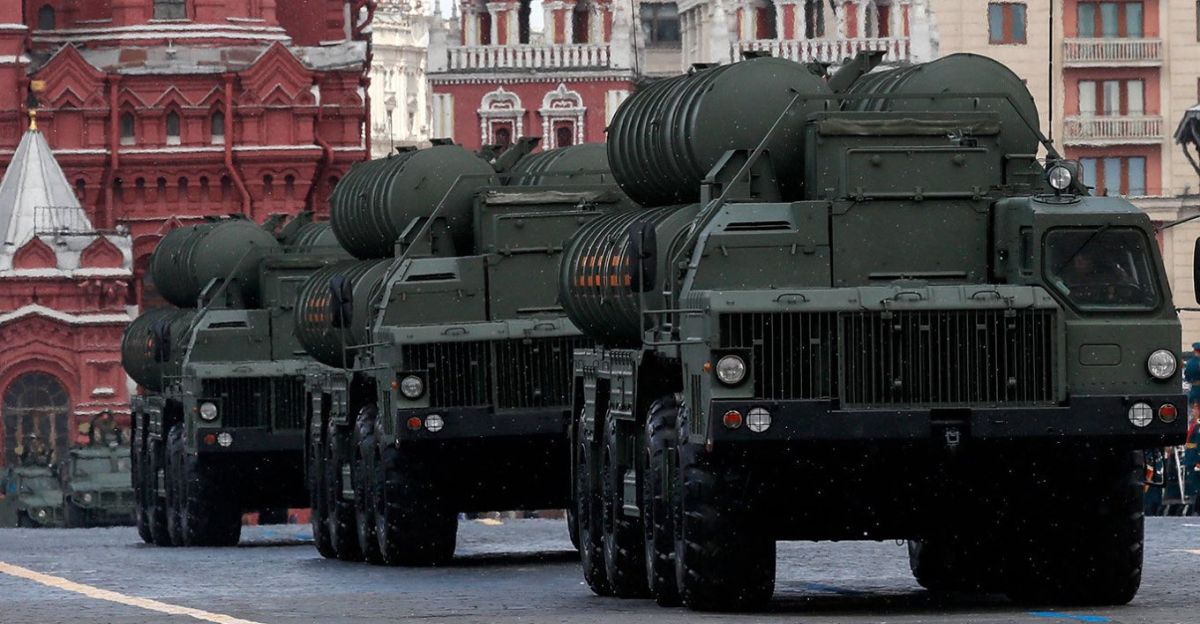
The announcement of the Golden Dome instigated a surge of international military spending. Russian defense expenditures soared to 6.3% of GDP, forcing economies to reassess their national security priorities. “We face an unprecedented challenge; we must keep up,” a Russian defense official remarked.
Global trade disruptions soon followed, causing commodity prices to spike and altering strategic sea routes. This arms race heightened competition among international powers, leading to new alliances and realignments as countries sought to enhance their military capabilities in preparation for a potentially volatile geopolitical landscape.
Space-Based Capabilities
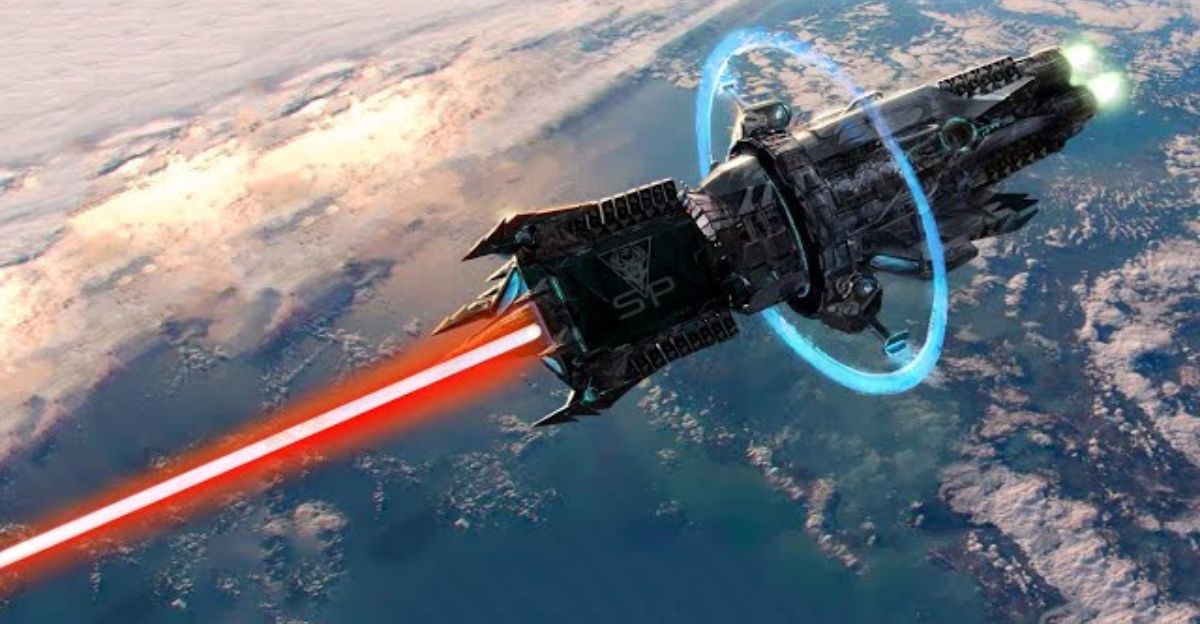
As of August 2025, Golden Dome’s satellite constellation provides continuous surveillance and targeting support to allied forces, while development continues on advanced interceptor systems and directed-energy weapons for future deployment. The operational satellite network has already proven decisive in enabling precision strikes against Russian naval assets.
“The satellite intelligence layer is operational and effective; the kinetic interceptor and laser components remain in advanced development,” commented a defense analyst. This recognition underscored the phased approach to Golden Dome, with surveillance capabilities already reshaping battlefield dynamics while next-generation weapon systems progress toward deployment.
Internal Challenges in Development
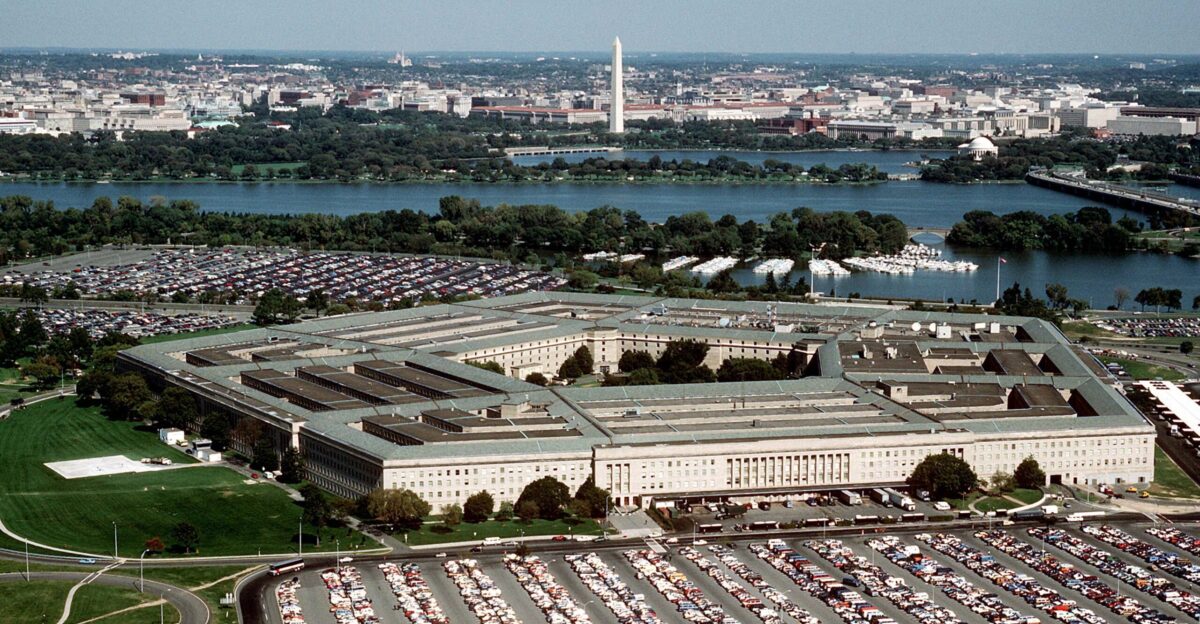
Insider reports from the Pentagon reflected ongoing work to integrate directed energy and laser weapon systems into the Golden Dome architecture. Command-and-control challenges and technology development timelines remain focus areas for full-scale deployment. “We’re pushing boundaries with the satellite network operational, while continuing to advance the interceptor and directed-energy components,” a senior military official indicated.
This phased approach balances immediate operational capability—the surveillance network—with longer-term development of advanced weapon systems, ensuring the Golden Dome delivers value while continuing to evolve.
Leadership Changes in Space Operations
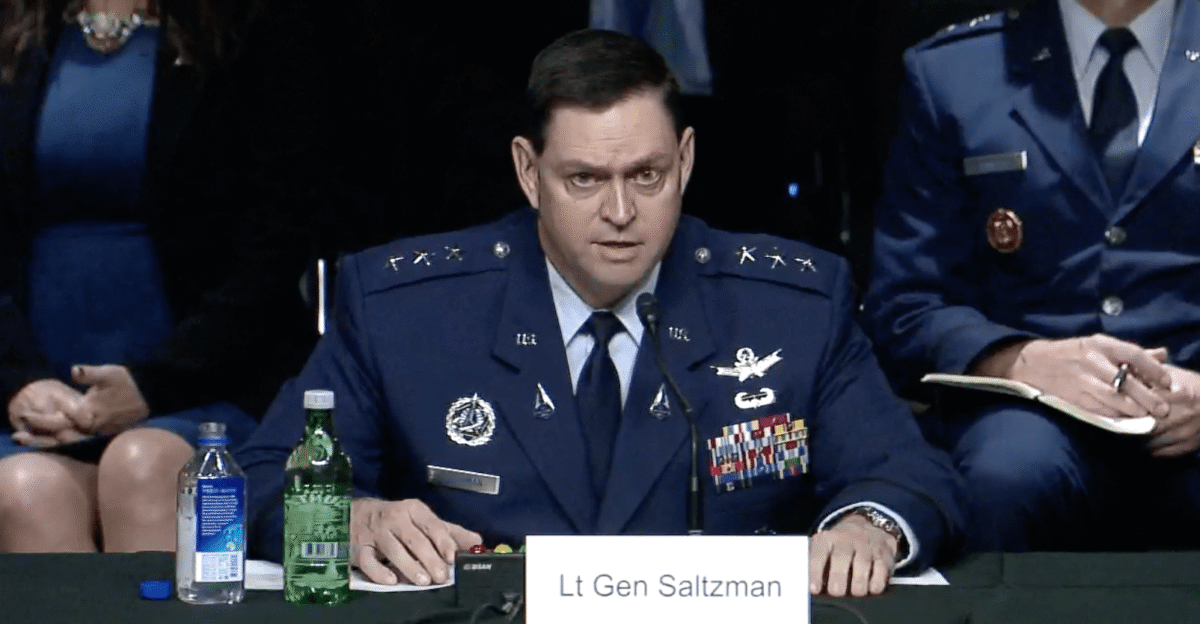
General B. Chance Saltzman, Chief of Space Operations, now spearheads the expansion of space domain awareness in the U.S. military, advocating for a “system of systems” approach to enhance capability integration. “Our goal is to unify our efforts and ensure no aspect of space security is overlooked,” he emphasized.
General Michael A. Guetlein oversees Golden Dome integration, working to ensure satellite intelligence feeds seamlessly to combat commanders. This structural transformation redefined roles within the U.S. Space Force and established a clearer pathway for coordinated defense strategy.
Strategic Countermeasures
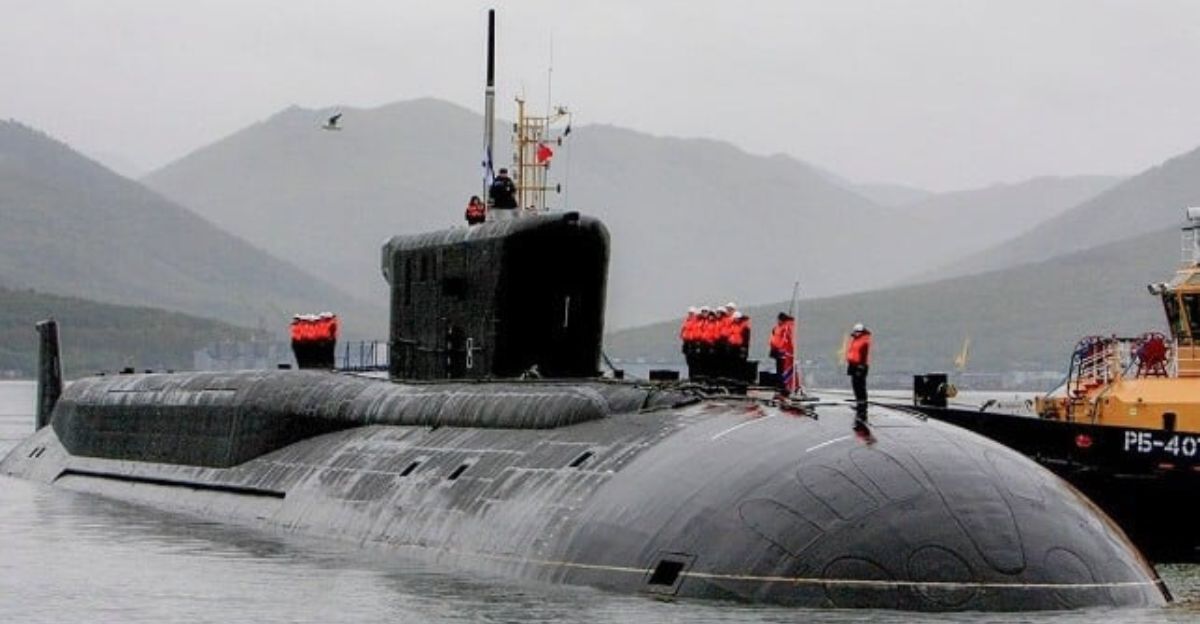
In response to setbacks, Russia accelerated investment in submarine capabilities and coastal defenses, seeking to counterbalance losses of surface warships. “Adapting our strategy is crucial for maintaining our deterrent posture,” a Russian defense strategist noted. While the Black Sea Fleet’s operational effectiveness diminished, these adaptations allowed for retaining limited missile-launch capabilities.
This strategic pivot highlighted the ongoing evolution in military competition, as each side continuously sought to fortify its position against increasingly sophisticated surveillance and strike capabilities.
Skepticism from Experts

A review by Congressional watchdogs acknowledged Golden Dome’s operational satellite network while noting realistic timelines for deploying effective space-based interceptors and directed-energy weapons. “The surveillance component is delivering results now; the interceptor layer requires continued investment and realistic expectations,” stated an analyst involved in defense oversight.
This balanced assessment reflected both optimism about current capabilities and appropriate caution about future development milestones, stressing the importance of phased evaluation in defense initiatives.
Future Implications for Missile Defense

As military powers race to implement next-generation missile defense systems, critical questions linger: Can any defense technology guarantee complete safety against modern threats? Experts urge decision-makers to consider the potential repercussions of escalating military capabilities.
“Each advancement could provoke unexpected responses,” warned a security analyst. As nations invest in their defensive infrastructures, they must remain vigilant of the strategic and political fallout that may arise from their technological arms buildup.
Political Ripple Effects

The promise of the Golden Dome has ignited intense debates in Congress over funding priorities. Lawmakers grapple with trade-offs between social welfare initiatives and defense budgets totaling $175 billion. “We need to assess how much we’re willing to invest in security capabilities that are already delivering intelligence value while continuing to develop,” urged a concerned senator.
This struggle reflects broader societal discussions about national priorities and the allocation of resources amidst rising global tensions.
International Maritime Aftershocks
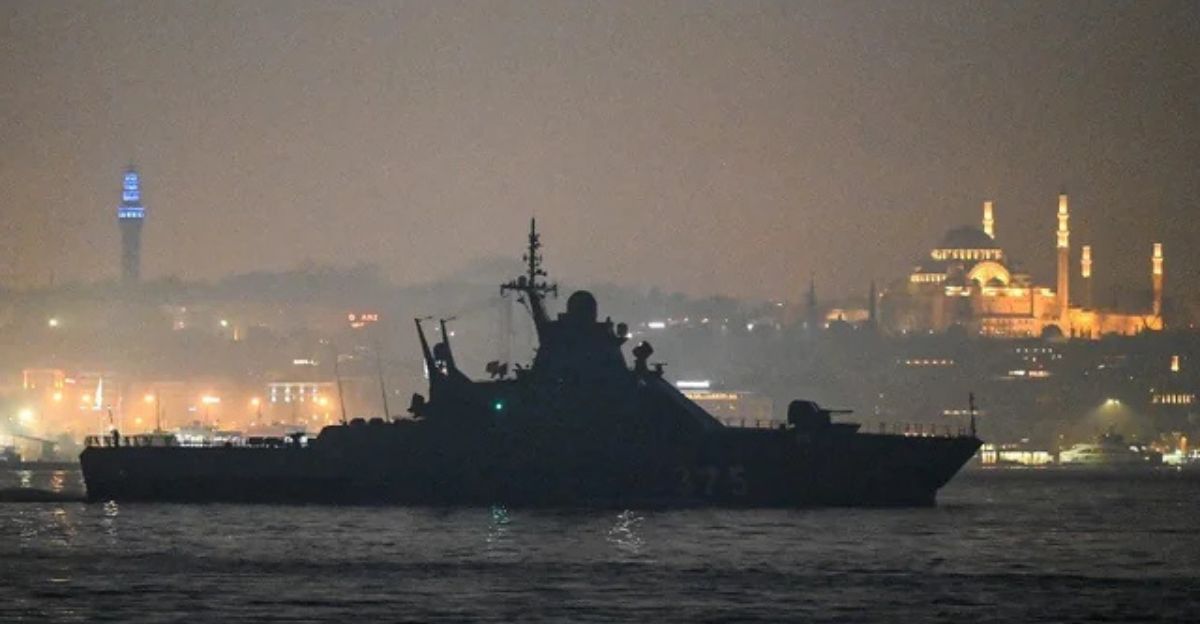
Russia’s diminished Black Sea presence has reverberated far beyond Ukraine, prompting significant shifts in maritime logistics and strategic deployments. Loss of access to key Syrian ports and disruptions in Mediterranean naval movements have weakened Russia’s operational capacity. “We’re entering uncharted waters,” remarked a maritime analyst.
This evolution complicates Russia’s military strategy and enhances its vulnerability to rivals seizing the opportunity to assert dominance in vital trade routes, necessitating comprehensive reassessment of geopolitical and military strategy.
Civilian Perspectives

The ramifications of the ongoing conflict resonate deeply with civilians, particularly in affected regions. A Ukrainian farmer stated, “Our fields are untouched, but we’re living in constant fear.” This sentiment underscores the human cost of military engagements, with agriculture and daily life facing new uncertainties amid air threats and territorial disputes.
Meanwhile, Russian civilians express frustration over their government’s handling of military commitments, fearing repercussions of increased military spending on social services. “We should count on our leadership to protect us, but what about our schools and hospitals?” questioned a concerned citizen in Moscow.
The New Era of Defense Technology
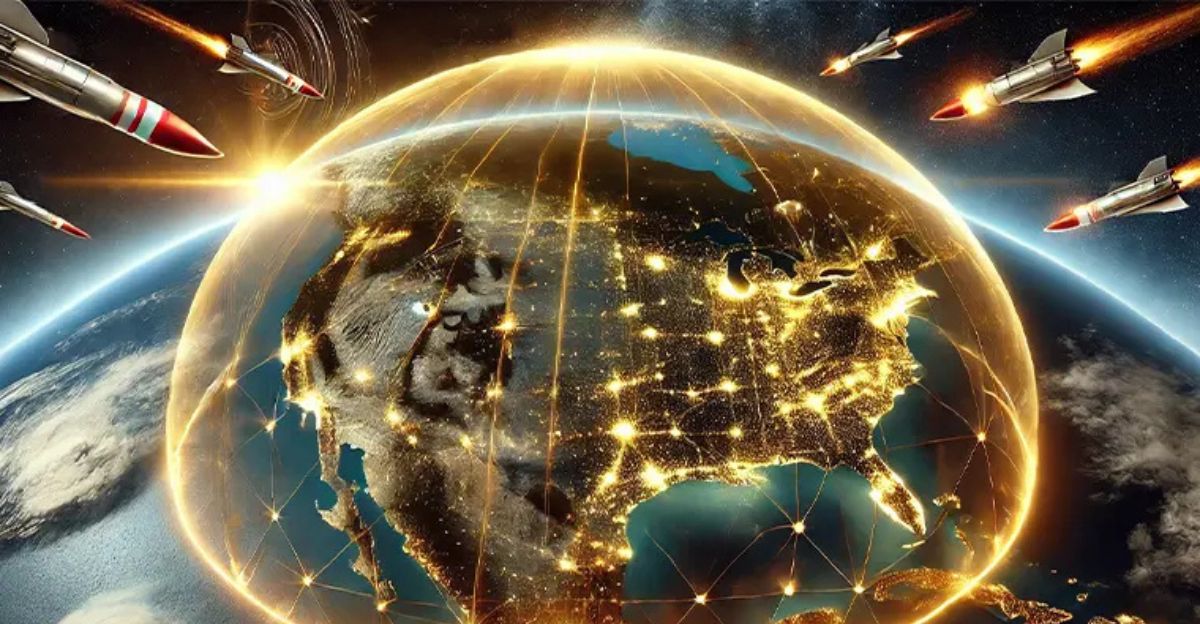
As the landscape of military technology evolves, the implications of initiatives like the Golden Dome extend far beyond the battlefield. Nations are racing to develop integrated space-surveillance and defense systems, and the quest for dominance intensifies. “We’re in a new arms race,” stated an expert in military technology, emphasizing the urgency of revolutionary advancements.
National strategies must respond to immediate threats and the broader implications of these transformations on international relations, alliances, and peace efforts.
Looking Ahead
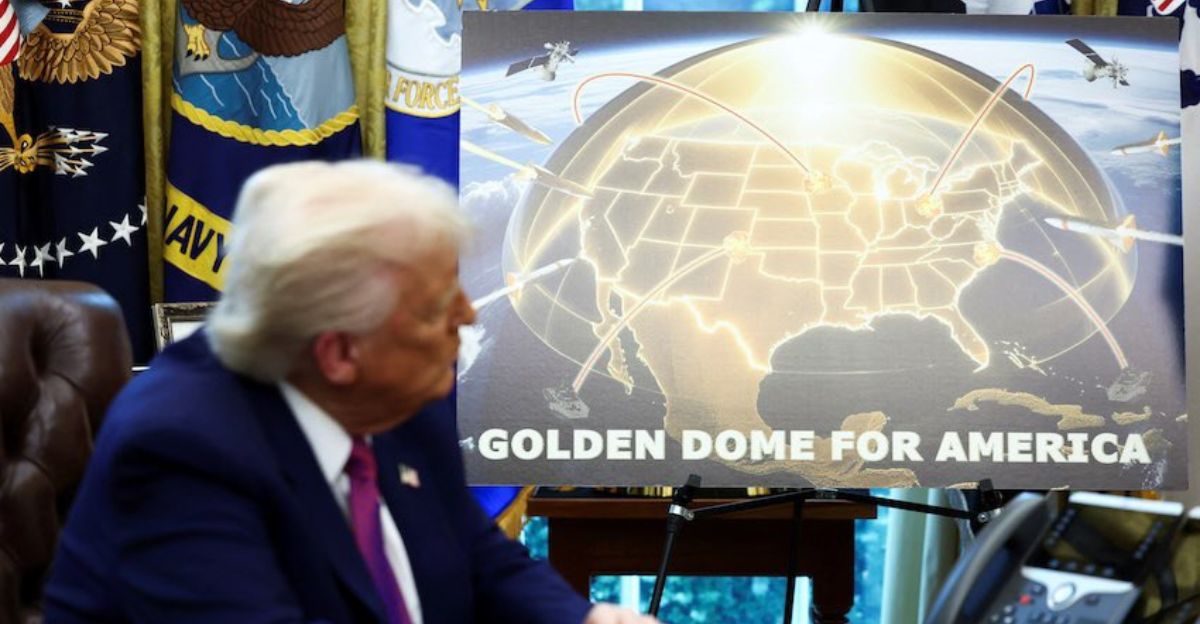
As stakeholders navigate the complexities introduced by the Golden Dome and its global ramifications, the international security landscape remains fluid and unpredictable. Leaders must balance advancing military technologies while fostering strategic dialogues, prioritizing peace and stability.
“We need to ensure that defense does not come at the cost of diplomacy,” a prominent international relations scholar cautioned. In an era marked by rapid technological advancements and geopolitical shifts, the potential for collaboration and conflict coexist, creating a critical juncture in shaping future security strategies and international cooperation.