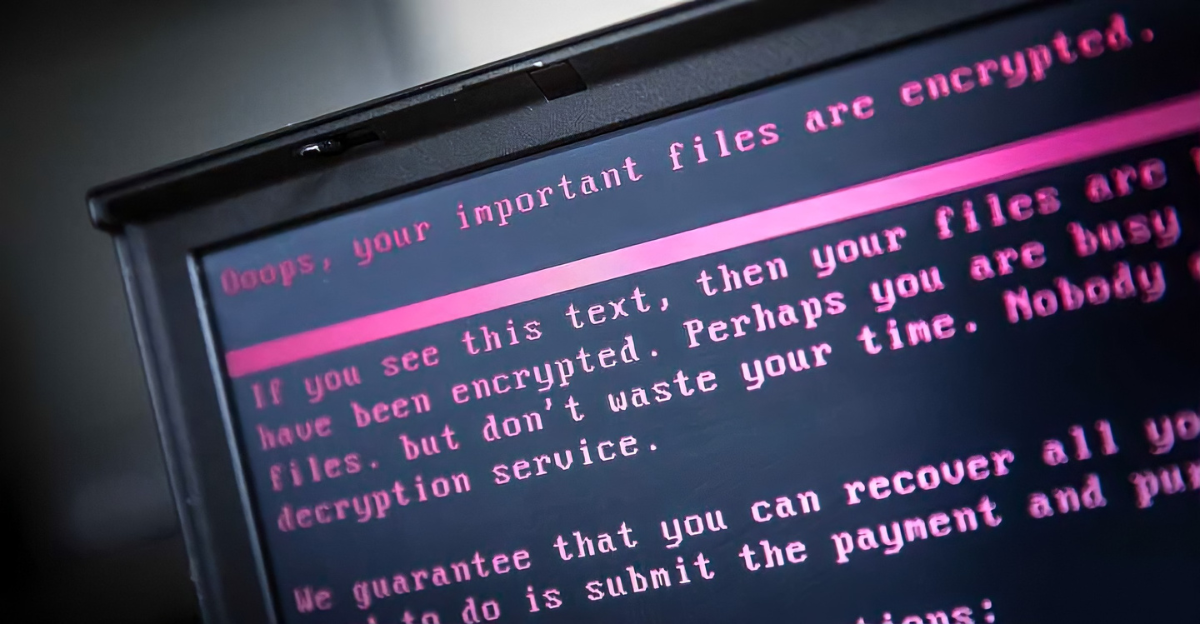
In May 2023, Dallas found itself at the center of a catastrophic ransomware attack that disrupted critical city systems overnight. Emergency services scrambled to respond as digital chaos ensued, leaving countless residents locked out of essential services. Local officials called it “unprecedented,” marking this incident as one of the most significant municipal cyberattacks in U.S. history.
The impact was immediate and severe, raising alarms about the cybersecurity vulnerabilities that cities across the nation faced. As one resident remarked, “It felt like a blackout, but for our entire city.”
Crisis Deepens
Hours after the attack, the city faced a rapid escalation of problems. Payroll systems for over 33,000 city workers ground to a halt, leading to chaotic delays in payments and record access. Residents suddenly found themselves cut off from basic services, compounding frustration and uncertainty.
Business losses spiraled as emergency protocols were enacted, unfolding the grim reality that Dallas was desperately unprepared for such a digital crisis. Business owner Kathy Miller shared her anguish: “We lost a week’s income overnight, and I was left wondering how to pay my employees.”
A Calculated Intrusion

Known as the ninth-largest city in the United States, Dallas became the target of the Royal ransomware group, which had gained notoriety for successfully incapacitating critical infrastructure across the country.
Cybercriminals had surveilled city systems for weeks before unleashing their attack, revealing a disturbing trend in municipal cybersecurity. Local IT specialist Jake Ortiz described the situation: “It’s not just a hack; it’s a wake-up call for everyone. If they can breach a city, what does it mean for everyday citizens?”
Evolving Threat Landscape
The attack on Dallas was not an isolated incident but part of a growing trend targeting regional governments. Both the Texas National Guard and FBI had to mobilize regularly to manage increasing cybersecurity breaches throughout Texas.
Experts voiced concerns over the rising threat levels, warning that cities everywhere were becoming prime targets for sophisticated cybercriminal organizations. As security analyst Lisa Torres pointed out, “This is the new normal. Cities need to understand their vulnerabilities and act decisively.”
$32 Million in Losses

By mid-May, the true costs of the attack began to emerge, with Dallas incurring direct economic losses estimated at over $32 million. These losses sprouted from lost business revenue, emergency overtime, and a multitude of unforeseen response costs, all occurring within the attack’s first week.
As city officials calculated the financial toll, local business owner James Liu lamented, “This is not just numbers; it’s livelihoods at stake. We need real protections against such disasters.”
Healthcare Crisis

The attack didn’t just impact city workers; hospitals faced immense repercussions as well. Ambulatory services were disrupted, surgeries were postponed, and emergency room wait times drastically increased because staff reverted to outdated paper charts due to IT outages.
Four local hospitals reported significant disruptions, causing adverse effects on patient care in Dallas. A nurse from one affected hospital shared, “We were overwhelmed. Patients deserved better, and we couldn’t give it to them in that moment.”
Human Toll

Beyond the statistics and financial loss, the attack profoundly affected everyday residents. People were unable to pay bills, access necessary permits, or schedule court dates. “It’s like the city disappeared,” said Dallas resident Mariana Perez, capturing the sentiment of many.
The uncertainty of payroll delays left city workers in limbo, exemplifying how cyberattacks ripple through the fabric of a community. This personal perspective added a human element to the chaos, making it clear that the impact ran deep.
Economic Fallout

In the aftermath, Dallas discovered a bitter truth about its cyber insurance coverage, which accounted for less than half of the projected losses. To bridge the financial gap, the city council approved emergency contracts worth nearly $8.5 million, exposing the inadequate safety nets in place.
Financial consultant Eric Landon remarked, “The city’s actions highlight a larger issue: many municipalities think they’re insured against these threats, but the reality is they need much more robust plans.”
National Alarm

The ransomware threat extended beyond Dallas, indicating a disturbing national trend. Groups like Royal and LockBit extracted approximately $1.5 billion globally in 2025 alone, reflecting a staggering 37% increase from the previous year.
Moreover, U.S. municipalities experienced five similar attacks within just six months, raising urgent calls for improved cybersecurity measures. Cybersecurity expert Ryan Simmons warned, “If we don’t address this now, it’s going to be cities feeling the impact tomorrow.”
Data Breach Impact

Compounding the economic losses was the massive data breach, where hackers exfiltrated 1.169 terabytes of sensitive information close to 1.2 million files. These included personal addresses, Social Security Numbers, police reports, and employee data from the city.
Dallas confirmed it was one of the largest breaches in U.S. history, raising grave concerns about privacy and security. Local resident Sarah Connor voiced her fears: “How can I trust my city when my personal information is out there for all to see?”
Erosion of Trust
As news of the attack spread, public sentiment soured. Surveys revealed that a staggering 62% of Dallas residents felt “at risk” from cybercrime, doubling the levels reported before the attack. Public trust in city leadership plummeted, with many demanding immediate action to bolster cybersecurity protections and independent oversight.
Community activist Thomas Reed emphasized, “We can’t just go back to business as usual. We need real change and accountability from our leaders.”
Leadership Under Fire

Facing mounting pressure from worried constituents, Mayor Valerie Jenkins reaffirmed her stance against paying ransoms. “We do not negotiate with cybercriminals. We will recover on our terms, not theirs,” she stated firmly.
However, this position did not shield city managers from scrutiny regarding their preparedness and response amid rising cyber threats. Local journalist Clara Holt remarked, “Leadership is tested in crises, and this one will be remembered.”
A Recovery Begins

In the wake of the attack, Dallas quickly shifted gears and ramped up its cybersecurity investments. Allocating approximately $8.5 million for recovery efforts, city officials also increased the IT security budget to 10%.
New systems for threat detection went online by June, aiming to fortify defenses against future attacks. A city IT director noted, “We’re learning from this incident. Every day is about building a stronger, more secure infrastructure.”
Skepticism Remains

Despite efforts to recover, cybersecurity experts cautioned that underlying issues still needed addressing. The city’s legacy systems, fragmented oversight, and significant training gaps were areas of concern. “There’s much more to do,” warned Dallas’ IT chief Brian Gardner following months of audits.
Reflection on the attack prompted discussions about sustainable long-term solutions, rather than temporary fixes, demonstrating the need for ongoing vigilance.
Recovery Timeline

As full digital recovery is projected to stretch over several months, city officials focused on restoring public trust while fortifying cyber defenses. The residual effects of the attack remained a pressing concern, with ransomware posing a significant threat to urban America.
“This will be a long journey back, but we’re committed,” said recovery coordinator Emily Rich, underlining the city’s determination to reclaim its operational integrity.
Legislative Response

In response to increasing cyber threats, both federal agencies and state lawmakers raced to advance new cybersecurity legislation. Several bills aimed to overhaul existing techniques used by municipalities across Texas and beyond.
Meanwhile, insurers hiked rates by up to 28% for cities lacking hardened defenses, showcasing the urgent need for regulatory and practical changes. Legislative aide Mark Jenkins stated, “We have to put the right policies in place to stem this tide.”
Global Context

Dallas is not alone in facing the barrage of cyberattacks, as global incidents reached historic highs. Cities in France, the UK, and other nations experienced similar challenges, with groups like LockBit leading the charge.
This underscored a broader transnational cybersecurity crisis demanding coordinated action and information sharing across borders. Cybersecurity analyst Michael Reeves noted, “This is no longer a localized issue it’s a global threat that requires vigilance everywhere.”
Legal Challenges

Following the massive data breach, identity theft lawsuits and class actions began to surface against the city, with predicted liabilities jumping to $100 million. Affected residents sought redress amid growing concerns about how their sensitive data had been mishandled, posing additional scrutiny on city officials’ management of cybersecurity protocols.
“We’re entitled to our privacy,” asserted attorney Lisa Tran, advocating for those impacted, highlighting the dual crisis of personal and public trust.
A Shift in Mindset

In the chaotic aftermath of the attack, Dallas residents began embracing “analog days,” preparing for potential future cyber threats. This cultural shift highlighted the need for greater resilience and community preparedness in the face of continuous digital threats.
Community organizer Andre Moore reflected, “We have to adapt. If this has taught us anything, it’s that we can’t take basic services for granted anymore.”
Looking Ahead

As the city of Dallas grapples with the lasting effects of the ransomware attack, officials are committed to fortifying cybersecurity measures for the future. With lessons learned driving new initiatives, the focus remains on restoring community trust while preparing for the constant threat of ransomware.
“We’ve faced darkness, but our resolve is stronger than ever,” declared Mayor Jenkins, emphasizing unity and vigilance in safeguarding the city against future attacks. The experience has reshaped how Dallas views its digital infrastructure, making it stronger for tomorrow.