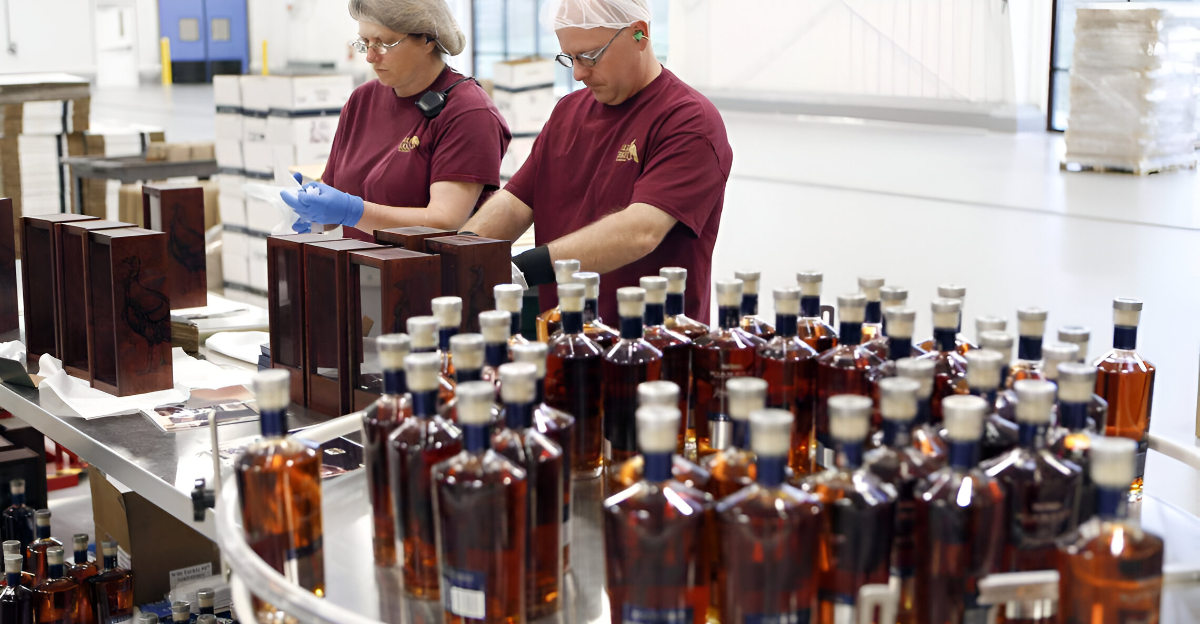
Diageo, one of the world’s largest alcohol companies, has paused whiskey production at two American distilleries as part of a sweeping $625 million cost-cutting plan. The British-based company, best known for Johnnie Walker, Guinness, and Smirnoff, confirmed operations have halted at its Balcones distillery in Texas and Cascade Hollow, home of George Dickel Tennessee Whiskey.
The decision highlights how even global giants are not immune to industry-wide pressures reshaping the market.
Seventeen Jobs Cut at Texas Balcones Facility
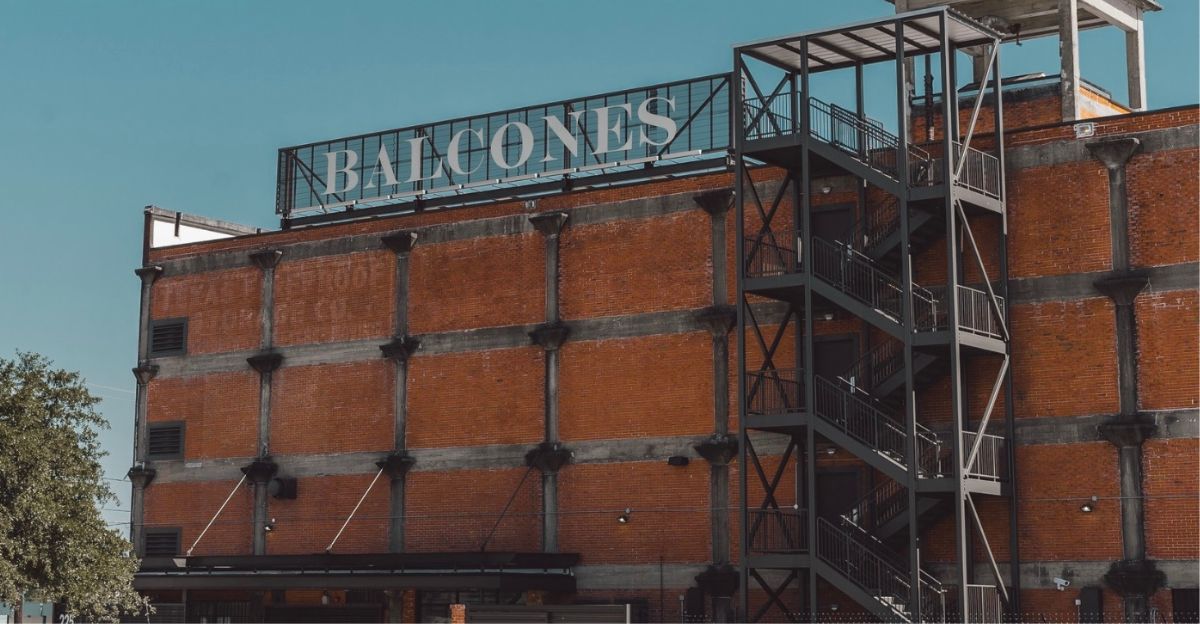
Distillation and barrel-filling stopped at the Balcones distillery in Waco in August, eliminating 17 jobs. Diageo acquired the site in 2022 to strengthen its American single malt portfolio, raising growth expectations in a niche but promising category.
The shutdown was hard on the small workforce. Local officials told the Waco Tribune-Herald that the move highlights the volatility of corporate takeovers in traditional industries.
George Dickel Production Paused Without Job Losses
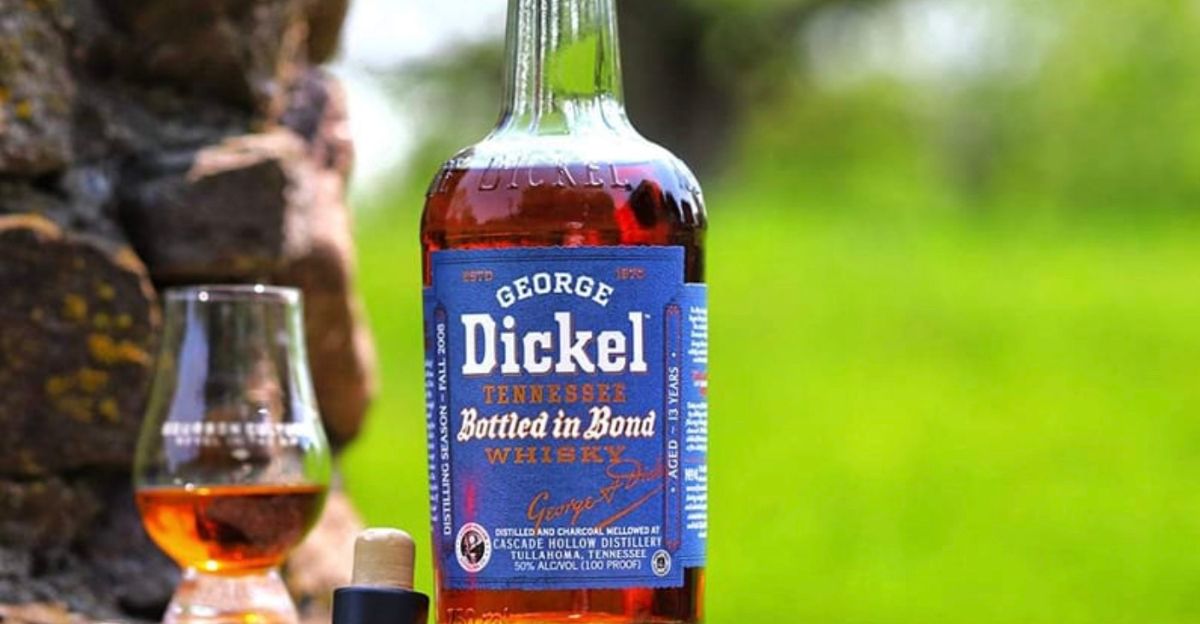
Operations also ceased at Cascade Hollow in Tullahoma, Tennessee, where George Dickel whiskey has been produced for generations. Unlike in Texas, no positions were cut, though the disruption touches one of the country’s most recognized labels.
Visitor centers in both states remain open, keeping tours and tastings alive. For small towns like Tullahoma, tourism isn’t just a side business—it’s a steady lifeline for restaurants, hotels, and local shops.
Company Says Moves Support Productivity Goals
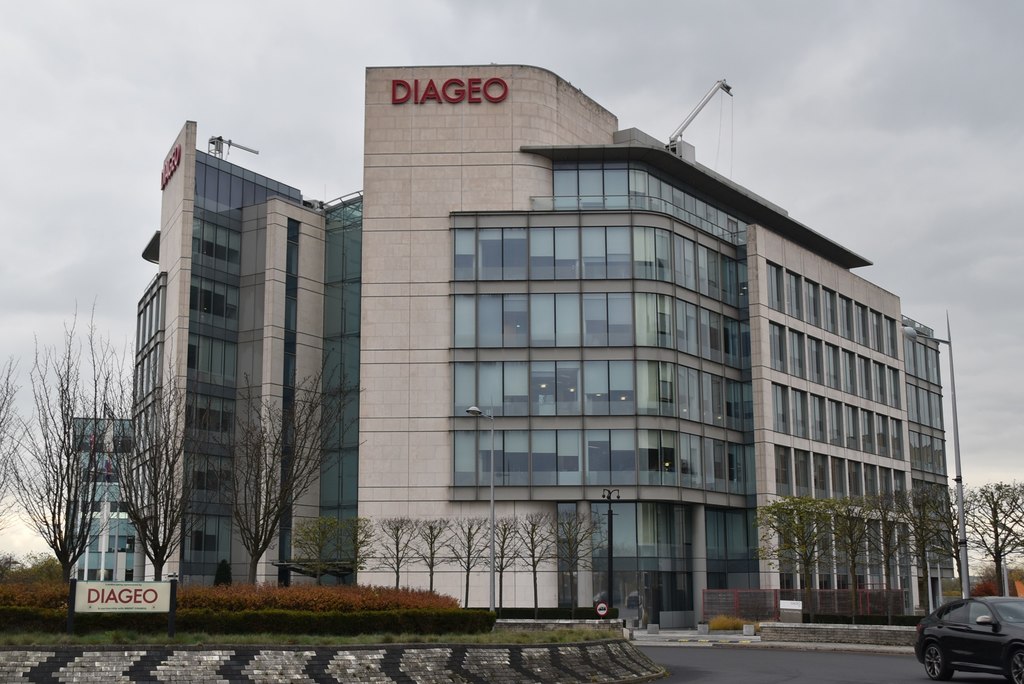
A Diageo North America spokesperson said the decision was linked to “efficiency and productivity goals,” explaining the company was “ahead of schedule with the volume we produce at the site,” according to CNBC.
Diageo aims to reduce excess inventory while streamlining operations by halting new barrel-filling. The pause will last until June 2026—an unusually long break reflecting how sharply demand has shifted in recent years.
Unprecedented Two-Year Production Freeze
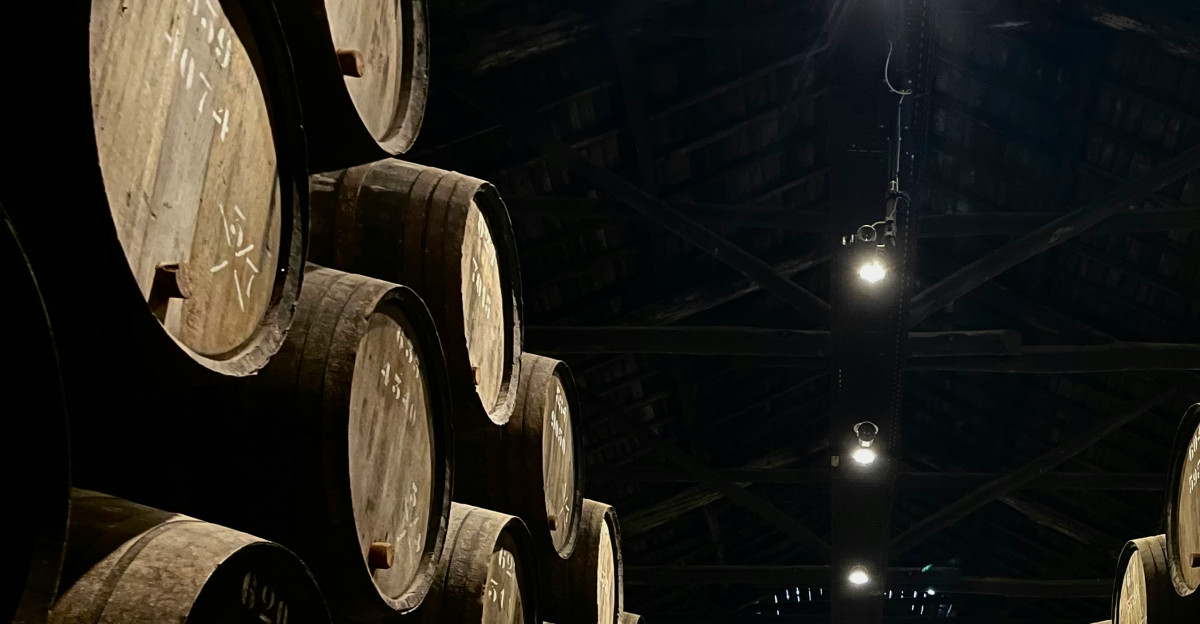
The nearly two-year hiatus is rare in modern whiskey history. Employees at affected plants will focus on training, maintenance, and strategic projects while waiting for production to resume in fiscal 2027.
The extended break highlights how cautious the industry has become after years of unchecked expansion. As one analyst told Bloomberg, “This isn’t just about saving money—it’s about protecting brands from flooding the market.”
Scottish Distillery Also Impacted by Cutbacks
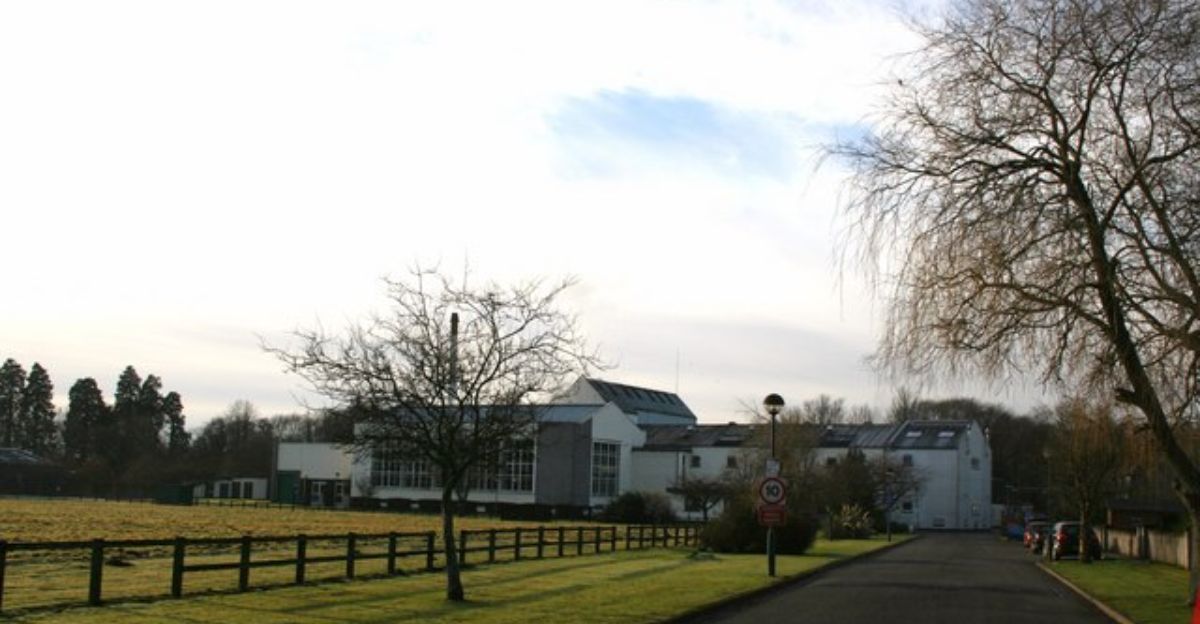
The restructuring has reached across the Atlantic. Diageo confirmed that its Teaninich distillery in the Scottish Highlands also paused production, making it the only Scottish site affected.
For Scotch enthusiasts, the decision stings, as Teaninich is a key supplier of malt used in blends like Johnnie Walker. The move shows how oversupply is forcing even heritage distilleries, with centuries of history, to throttle back output.
Part of $625 Million ‘Accelerate’ Program
These closures are part of Diageo’s “Accelerate” program, which raised cost-saving targets from $500 million to $625 million over three years. Reuters reported that interim CEO Nik Jhangiani told analysts the plan is about “driving better growth, prioritizing where we invest, and building stronger capabilities” rather than simply reducing headcount.
Still, the visual of shuttered warehouses and silent stills paints a different picture for workers and fans of the brands.
Distillery Closures Span Three Countries
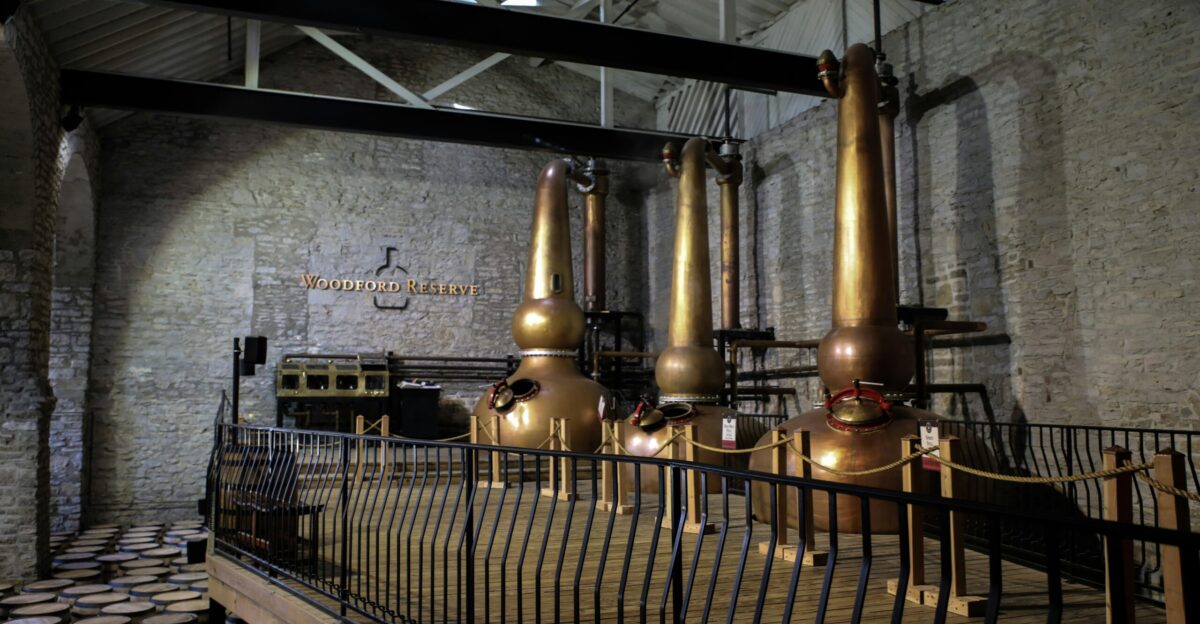
The Texas and Tennessee pauses follow a string of other closures. In Dublin, Diageo froze production at its Roe & Co distillery, while in Canada, it announced the shutdown of a Crown Royal bottling plant by early 2026. A carbon-neutral distillery in Lebanon, Kentucky, was also paused.
Together, these moves reveal a broad retrenchment that cuts across multiple continents, signaling the scale of global whiskey’s challenge.
Industry Grapples With Oversupply Crisis
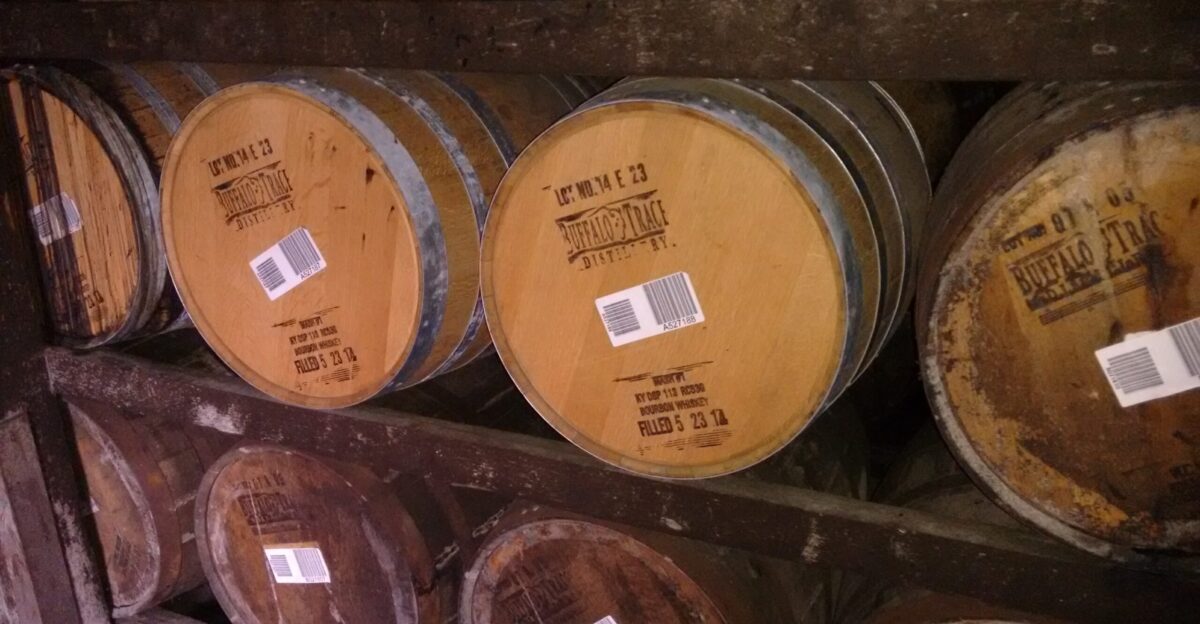
The whiskey sector is in the grip of an oversupply crisis. After years of pandemic-era expansion, warehouses are packed with barrels while consumer demand weakens. The Kentucky Distillers’ Association says the state alone holds 14.3 million barrels of aging whiskey—roughly two per resident.
As one industry consultant told NPR, “The boom years trained producers to keep building, but the drinkers simply aren’t there anymore.”
Kentucky’s $9 Billion Industry Feels Strain
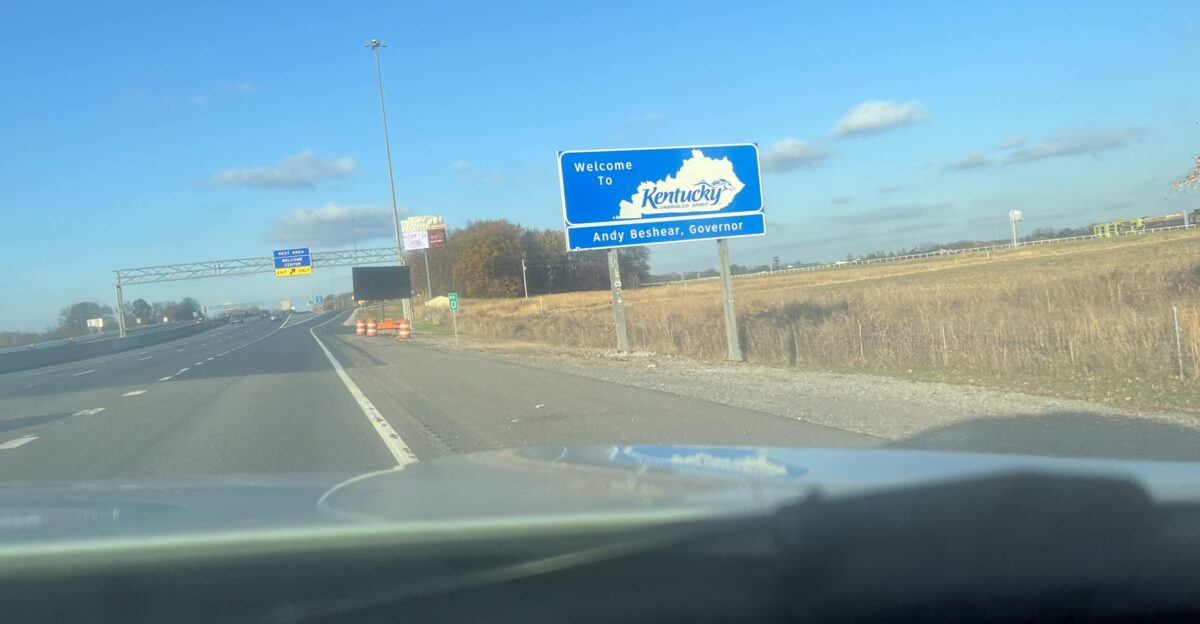
Kentucky’s bourbon sector, worth $9 billion annually and supporting over 23,000 jobs, faces mounting financial strain. Three major distilleries have filed for bankruptcy in just eight months.
Garrard County Distilling, a $250 million facility that opened in 2024, collapsed with $26 million in liabilities. LMD Holdings followed, owing $25 million to creditors. These failures highlight how quickly optimism can unravel when debt collides with weak sales.
Brown-Forman Cuts 700 Jobs Worldwide
Brown-Forman, the parent company of Jack Daniel’s, has also been forced to act. In September, it announced 12% workforce cuts—around 700 jobs globally—and the closure of its barrel-making plant to save $70–80 million annually.
According to The Wall Street Journal, whiskey sales fell in 2023 for the first time since 2002, breaking a two-decade streak of growth that once seemed unshakable.
Changing Habits Among Younger Drinkers

Much of the slowdown is tied to shifting habits among younger consumers. Research by Boston Consulting Group found Generation Z drinks 20% less alcohol than older cohorts. Instead, they are gravitating toward non-alcoholic spirits, functional beverages, and a lifestyle marketed around wellness.
“Sober curiosity” trends on TikTok have amplified the shift. For whiskey makers who built strategies on tradition, the cultural change is proving jarring.
Tariffs Hit Export Markets Hard
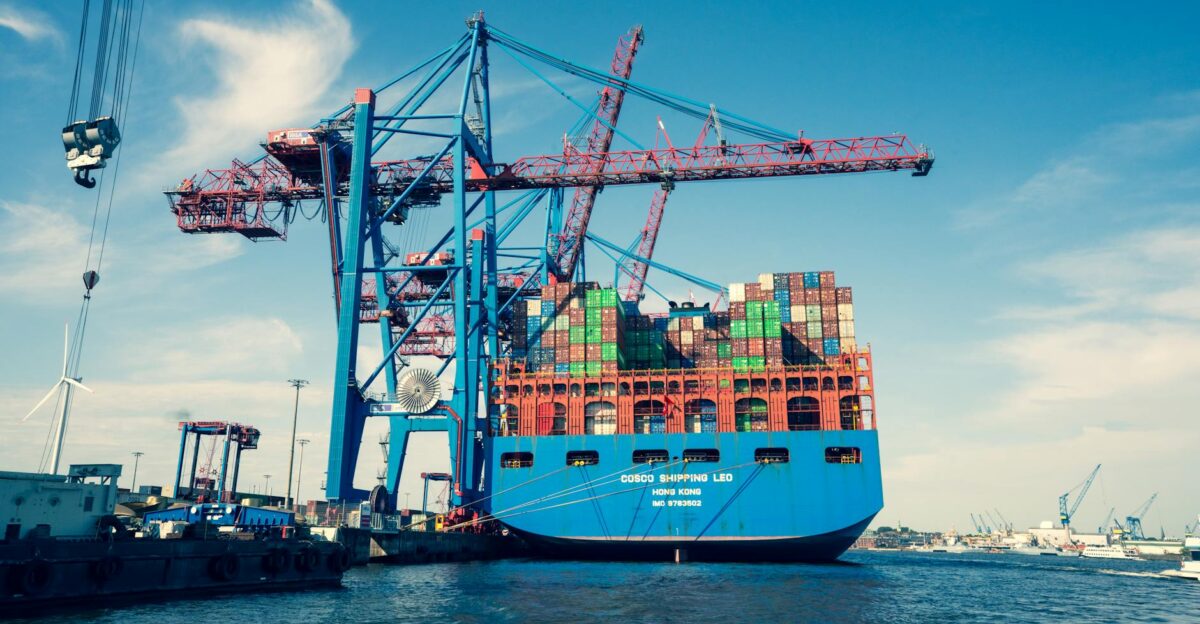
Trade wars have added further headwinds. In 2018, EU retaliatory tariffs of 25% to 50% slashed American whiskey exports by 37%, cutting $112 million in sales, according to the Kentucky Distillers’ Association. Although tariffs were later suspended, producers say the damage lingered as European distributors reduced orders.
Whiskey, once America’s fastest-growing export spirit, now faces more brutal battles abroad than at home.
Other Major Distillers Scale Back Too
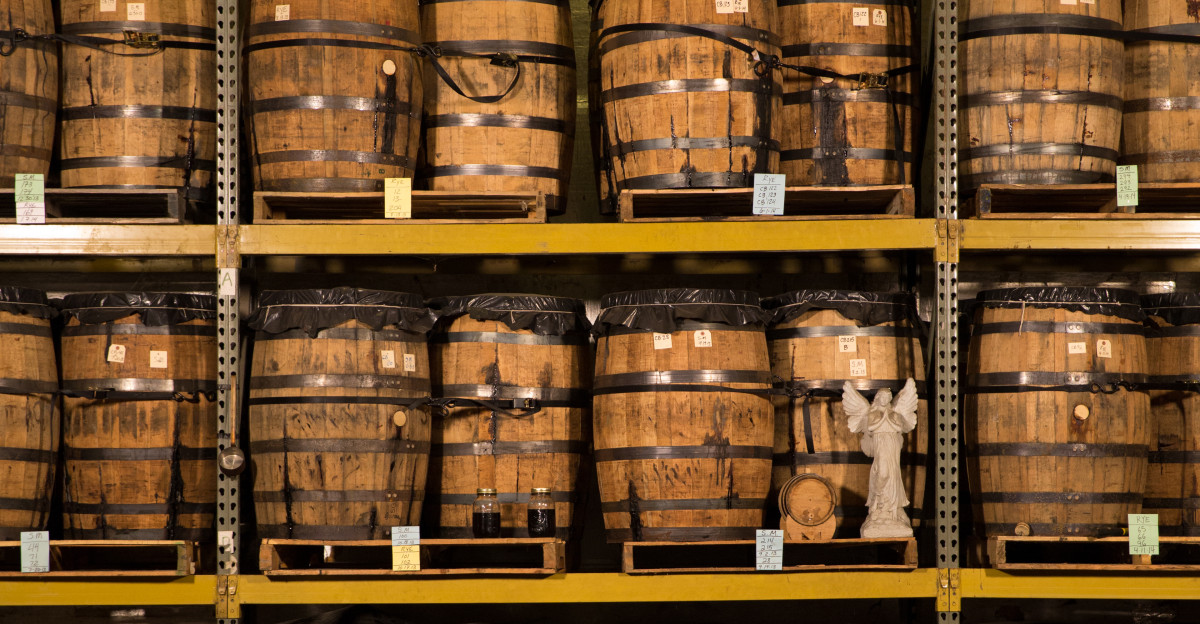
The industry-wide retreat extends beyond Diageo. Irish Distillers, a Pernod Ricard subsidiary, paused production at its Midleton facility for three months and idled multiple Irish whiskey plants. U.S.-based MGP Ingredients also confirmed it would scale back.
As The Spirits Business reported, executives across the sector increasingly talk about “right-sizing capacity,” a telling phrase that reflects the urgency to correct oversupply before losses deepen.
American Whiskey Sales Dip After Two Decades
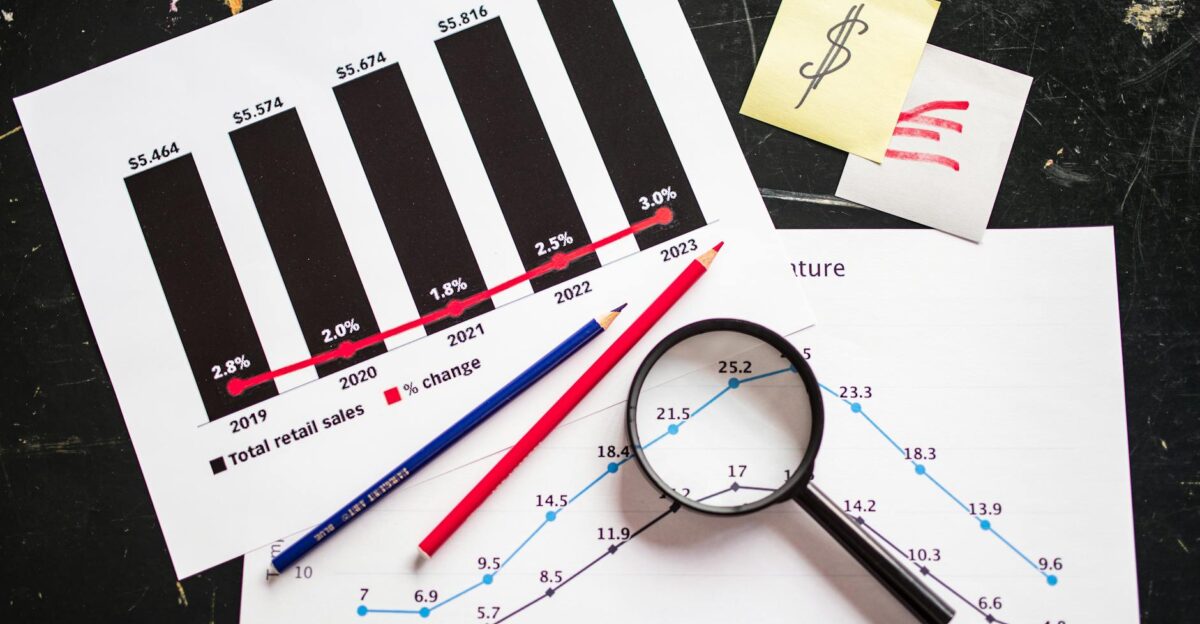
According to the Distilled Spirits Council, U.S. whiskey sales fell 1.2% in 2023, the first drop in over 20 years. Early 2024 data shows sharper declines.
The reversal comes after a decade of expansion that saw new distilleries open across Kentucky and Tennessee, promising growth and tourism. Now, many of those multimillion-dollar facilities sit idle, symbols of an industry that overreached.
Multiple Headwinds Weigh on Industry
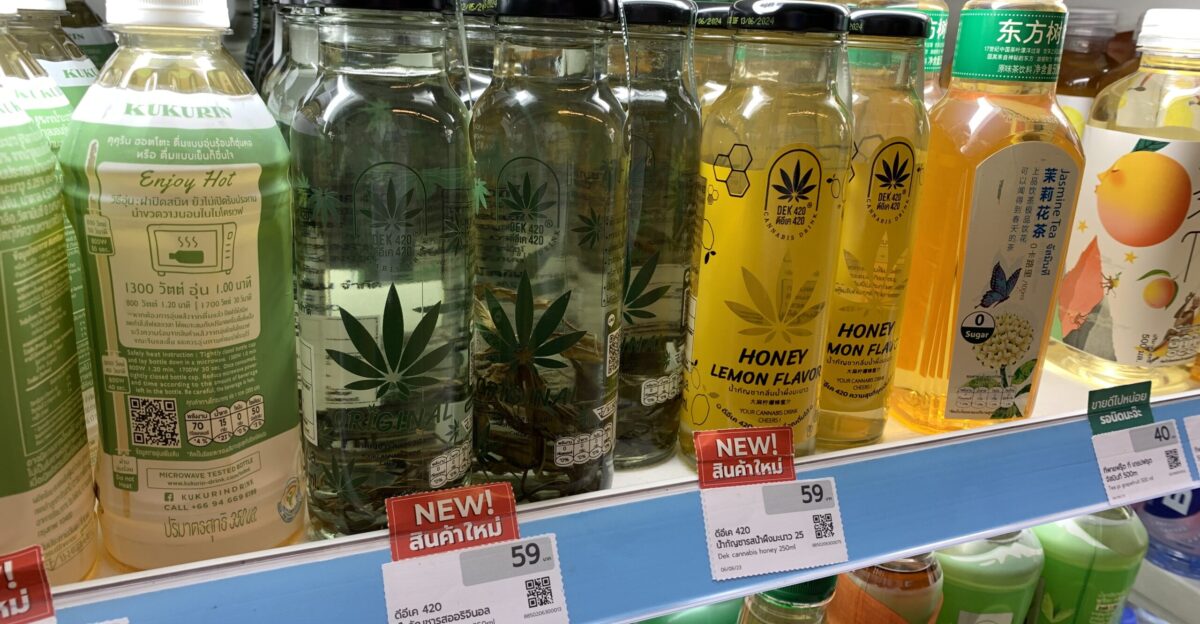
Producers face a convergence of pressures: oversupply, inflation, tariffs, shifting demographics, and competition from alternatives like cannabis drinks. Raw material costs, particularly wooden barrels and agave, have spiked.
One Louisville-based analyst told Courier Journal, “The whiskey industry isn’t dying—but the business model built during the boom years is cracking under the weight of too many barrels.”
Bankruptcies Reveal Depth of the Crisis
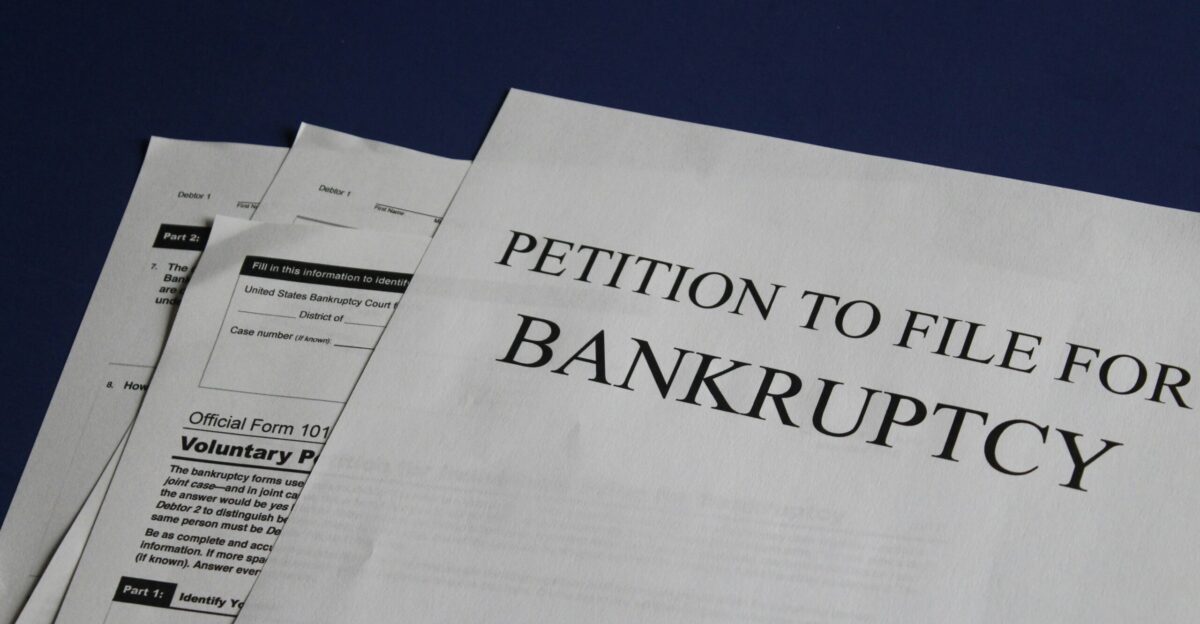
Bankruptcy filings underline how deep the crisis runs. Once touted as the largest independent distillery in Kentucky, Garrard County Distilling shut down within months of opening, citing construction disputes and unpaid taxes.
Stoli Group USA, which owns Kentucky Owl, also filed for bankruptcy, freezing expansion plans. Each collapse signals a corporate failure and the unraveling of local hopes tied to new jobs and investments.
Economic Ripple Effects Beyond Distilleries
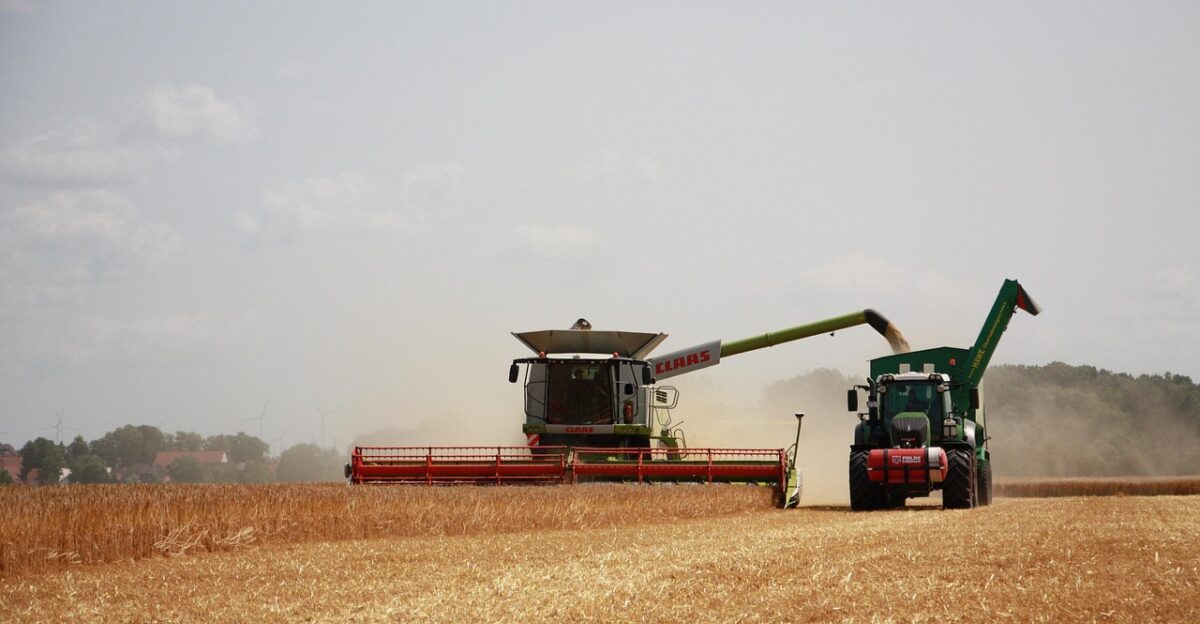
The slowdown is rippling outward. Kentucky farmers sold 21 million bushels of grain to distilleries in 2023, but future contracts are shrinking. Tourism, which drew 2.5 million visits to bourbon sites last year, could also decline.
For small towns where distilleries anchor both jobs and cultural identity, the pullback is more than an economic problem—it’s a blow to community pride and stability.
Industry Struggles to Rebalance Supply and Demand
Industry experts say today’s imbalance mirrors past whiskey cycles where producers overbuilt capacity. The challenge now is recalibrating output without sacrificing brand strength or alienating loyal consumers.
According to the Distilled Spirits Council, companies must carefully manage existing aged stock while preparing for slower, steadier growth. For distillers, the lesson is clear: chasing short-term booms can lead to long-term pain.
Future of Whiskey Market Still Uncertain

Analysts remain divided on when the industry will recover. Some believe demand could rebound as Gen Z consumers age into higher incomes and global economies stabilize. Others say permanent cultural shifts toward moderation may cap whiskey’s growth for good.
For now, Diageo and its rivals are cutting costs, slowing production, and bracing for what many call the industry’s most uncertain chapter in decades.