
In an unexpected turn for the U.S. pharmaceutical industry, a senior White House official addressed the media with stark warnings. “The U.S. pharmaceutical industry faces unprecedented headwinds,” they declared, igniting concerns among patients, executives, and stakeholders. The anticipation of significant changes has magnified the stakes, altering the landscape of American healthcare as we know it.
This tension resonates within healthcare circles, with leaders grappling to maintain a balance between fairness in drug pricing and the critical need for patient access. The industry stands on the edge of transformation, with decisions looming that could redefine the very fabric of patient care.
Rising Tensions

Amid these developments, it is clear that the pressures surrounding drug pricing have become more pronounced than ever. Patients now face rising costs, and healthcare professionals find themselves navigating a complex system that appears increasingly disconnected from their daily realities.
“We feel trapped between the need for fairness and the reality of access,” expressed a healthcare executive, emphasizing the deepening concerns that threaten to fracture the essential bond of trust between patients and providers. With uncertainty gnawing at the heart of the industry, clarity and stability in drug pricing seem like a distant hope rather than an imminent reality.
Eye-Opening Statistics

The situation has escalated to alarming heights; Morgan Stanley analysts reported that U.S. brand drug imports surged beyond $90 billion in 2024. This staggering figure represented nearly 25% of the domestic supply, raising significant red flags. Analysts warn that proposed tariffs could bring catastrophic disruptions, affecting access to medications for tens of millions.
Sarah Ko, an industry analyst, captured the essence of the human experience behind the data: “These aren’t just numbers; they represent real people who rely on these medications.” With everything hanging in the balance, the conversation now pivots to examine the critical intersection of pricing fairness and patient access.
The Global Dependence

Historically, the U.S. pharmaceutical market has heavily relied on foreign suppliers from regions like the EU, India, and Switzerland for essential medications. This reliance has been rocky, increasingly strained by ongoing trade tensions since 2022, primarily revolving around intellectual property and pricing policies.
An industry analyst pointed out, “These ongoing tensions create a precarious environment for patient care.” As threats of escalation between Washington and key trade partners loom, the pharmaceutical industry finds itself at a critical juncture, vulnerable to missteps that could jeopardize patient care and erode the foundation of the healthcare system.
Predatory Pricing Concerns

2024 saw mounting bipartisan pressure in Congress focused on “predatory pricing abroad,” a significant term as lawmakers grappled with an inflationary crisis. U.S. drugmakers battled inflation and patent expirations, all while calls for protective measures surged.
A pharmaceutical lobbyist aptly described the tumult as “a perfect storm.” Meanwhile, major healthcare organizations, such as the American Medical Association, have raised an alarm, citing “fragile drug access pipelines” that risk compromising patient care. The convergence of these competing forces signals an urgent need for comprehensive solutions, setting the stage for a pivotal confrontation between industry stakeholders and government.
The Shock Announcement
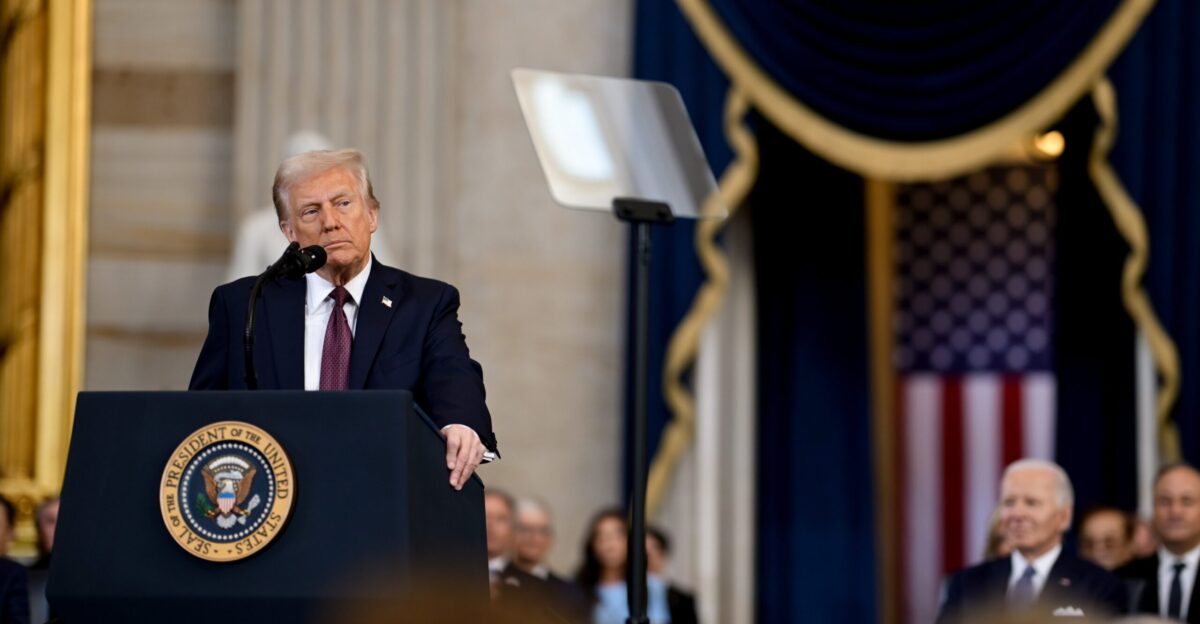
On September 28, 2025, the landscape shifted dramatically when President Trump made a jaw-dropping announcement: a 100% tariff on all imported brand-name pharmaceuticals, effective immediately. This revelation ignited shockwaves through global markets and took industry leaders by surprise. “This is a shot across the bow at unfair foreign price controls,” stated Commerce Secretary Rob Lighthizer.
The implications of such a dramatic policy change are profound, raising concerns among patients about skyrocketing medication costs and the potential for severe supply chain disruptions. With stakes rising, industry experts worry that access to vital medications could be crippled in the near term.
Immediate Consequences

As the new tariffs took effect, hospitals in major cities, including New York, Los Angeles, and Chicago, reported surges in medicine prices almost immediately. According to data from Premier Inc., healthcare systems, particularly those in the Northeast and Midwest, heavily rely on imported drugs for the treatment of oncology and rare diseases.
A Chicago hospital administrator lamented, “We’ve had to tell patients that some treatments will become unaffordable.” The pressure within these healthcare systems has become palpable, leaving providers scrambling amid limited inventories while the urgency of patient care hangs in the balance.
The Ripple Effect

The strain on hospitals became evident as healthcare professionals braced for challenges. “This move could devastate patient care,” warned Dr. Amanda Lee, an oncologist from Boston. Patients with chronic or rare conditions faced daunting uncertainties as soaring costs clouded their treatment options. With some hospitals already rationing select drugs, the burden on healthcare providers intensified.
“We’re in uncharted territory,” Dr. Lee added, illustrating the widespread anxiety felt among medical professionals and their patients. As stories of treatment denials surfaced, the emotional weight of the shift created ripples of panic among families and healthcare providers alike.
Rationing and Unease

The reality of rationing drugs began to unfold, leaving many patients in dismay. With critical medications in limited supply, the race to secure treatment became a daunting task for patients facing precarious conditions. Voices of concern echoed in waiting rooms and clinics as families expressed the gravity of their situations.
“How can we prepare for a future without the medications we rely on?” questioned one concerned parent. The emotional and psychological toll of this uncertainty cast a shadow on healthcare providers, who knew they were forced to operate with scarce resources in a world where every decision mattered.
A Call for Change

In the face of rising stakes and turmoil, the call for a reevaluation of healthcare policies grows stronger. As healthcare officials confront the fallout from tariffs, voices from all corners implore decision-makers to prioritize patient care. “We need a solution that balances fair pricing with access,” an advocate for patient rights stated passionately.
The need for comprehensive reform is loudly demanded, reflecting the urgent desire for a healthcare system that prioritizes human lives over economic gain. As the dialogue continues, the quest for viable solutions to stabilize both pricing and access becomes more critical than ever.
Voices from the Frontlines

In the middle of this upheaval, healthcare workers are on the front lines, witnessing firsthand the impact of policy shifts. Comments from a nurse reveal the emotional toll of rationing medications: “Every day, I have to explain to patients why they can’t have the treatment they need. It breaks my heart.” Their experiences highlight the profound connection between healthcare policies and human lives.
In an environment filled with uncertainty, stories from providers reflect the urgent need for responsive action. As these frontline voices share their struggles, they offer a personal lens into the broader national dialogue.
Advocacy and Awareness

Amid these struggles, advocacy groups rally, raising awareness about the impact of tariff-driven disruptions on vulnerable patient populations. “Without active engagement from stakeholders, patients will suffer the most,” warned a representative from a prominent nonprofit.
They emphasize the importance of maintaining open lines of communication between lawmakers and healthcare workers to foster an environment where patient care remains a top priority. As these advocates work tirelessly, their unified message resonates: urgent reform is essential to navigate the current crisis and ensure patients have adequate access to necessary medications in the future.
The Future of Pricing

Looking ahead, industry experts acknowledge the need for an evolved approach to drug pricing. Discussions are emerging around innovative models that could alleviate chronic cost issues while still ensuring fair compensation for drug manufacturers.
“We have to think outside the box,” suggested a health economist, pointing out that traditional pricing models may no longer suffice. By prioritizing a system that balances profitability with accessibility, there is hope for a more sustainable pharmaceutical framework, but significant political will will be necessary to drive this change.
Lessons from Abroad

As the U.S. grapples with its pharmaceutical dilemmas, lessons from other countries come into focus. In nations where price controls and universal healthcare are prevalent, access remains more consistent, often leading to improved patient outcomes.
An international health expert remarked, “The U.S. could learn something valuable from these systems.” With evidence suggesting positive correlations between pricing strategies and patient access, there is growing advocacy for exploring hybrid models tailored to the U.S. landscape that integrate successful elements from abroad.
Balancing Acts

The struggle to strike a balance between fair drug pricing and adequate patient access is intensifying. “In many ways, balancing these priorities requires creative thinking and collaboration across the board,” indicated a healthcare policy advisor.
The urgency to innovate amid pressures is more apparent than ever, with all eyes on Congress as discussions unfold. As various stakeholders work to craft a response that prioritizes patient needs while also addressing pharmaceutical industry challenges, the journey ahead is complex but necessary for a healthier future.
The Role of Technology

In a world where traditional methods face mounting pressure, technology emerges as a critical player in the pharmaceutical sector. From data analytics guiding pricing models to telehealth platforms enhancing access, digital solutions could play a pivotal role in reshaping patient care.
A tech entrepreneur in the healthcare field stated, “Technology empowers patients and providers alike to navigate this complexity more smoothly.” The integration of innovative technologies could streamline processes and enhance communication, ensuring that patient needs are met efficiently amidst shifting landscapes.
Collaboration is Key

The path to meaningful change hinges on collaboration among all stakeholders: lawmakers, industry leaders, healthcare providers, and patients.
A healthcare advocate summarizes this multifaceted approach: “Together, we can create solutions that ensure fairness in pricing without compromising access to medication.” Effective partnerships stand as the stepping stones necessary for reform, and as the importance of unified efforts becomes clear, conversations emphasizing collaboration are more vital than ever.
Preparing for a New Era

As we stand on the brink of change, the anticipation for what lies ahead is palpable. Decision-makers must approach these challenges with a commitment to protect public health while addressing industry concerns.
The voices of patients, providers, and advocates must guide policymakers, shaping a future where healthcare is both equitable and sustainable. “This is an opportunity to redefine what healthcare can look like in America,” a healthcare leader recently claimed, shining a light on the potential for innovation amidst adversity.
The Power of Community Engagement

Grassroots movements are mobilizing to empower patients and ensure their voices are heard in the policy-making process. “We need to show that patients are the priority, not profits,” a community leader passionately stated.
These movements hold the potential for substantial influence, reminding lawmakers that patient-centered care should remain paramount as they navigate complex discussions surrounding drug pricing reform. As communities unite to advocate for change, the momentum builds, amplifying calls for action that prioritize human needs above all else.
A Hopeful Future

In the aftermath of these challenges, a renewed call for a compassionate healthcare system echoes throughout the nation. The balancing act between pricing fairness and patient access will require unwavering determination and innovative thinking. The future of U.S. healthcare can be brighter if guided by patient advocacy, collaborative efforts, and technological advancements.
“Now is the time to take decisive action for a system that works for everyone,” summarized an optimistic healthcare reformer. With unwavering focus and collective hope, a more equitable system is within reach, reaffirming the value of every patient’s life.