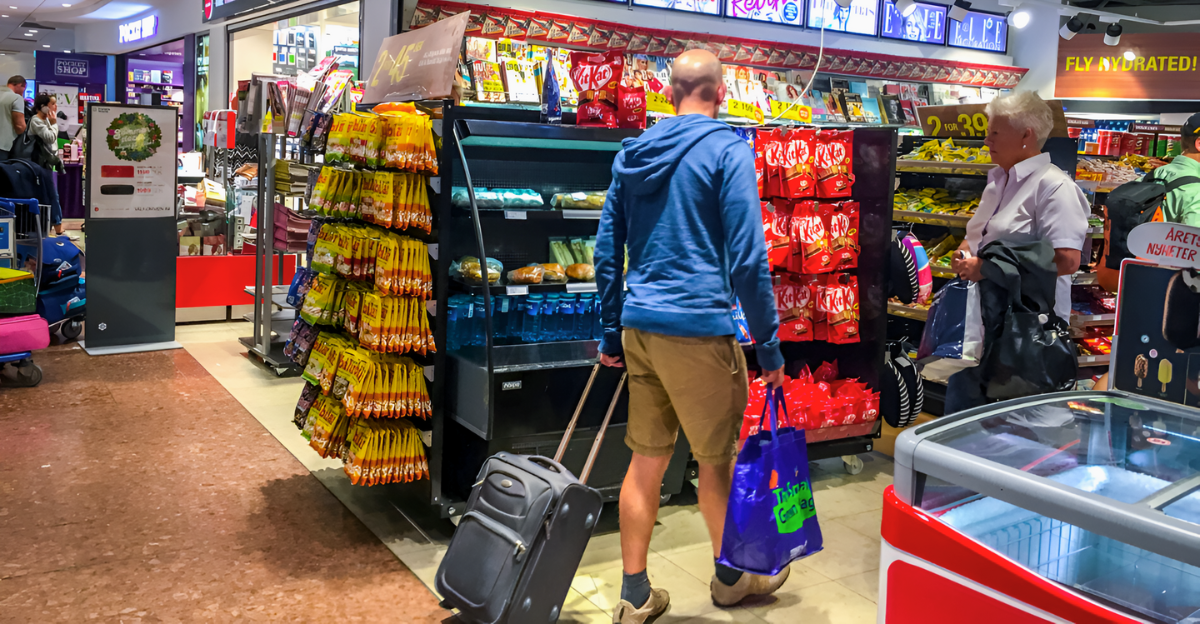
The TSA will tighten its liquids rule in 2025, more often including typical snacks. Foods like hummus, peanut butter, yogurt, and soft cheeses will be stopped if their containers exceed 3.4 ounces.
Many travelers say their snacks are getting taken at big airports. TSA’s guidance is simple: if a food can be spilled, sprayed, spread, pumped, or poured, it counts as a liquid and must follow the 3.4‑ounce limit.
Because of this tighter screening, many people lose the food they packed when they go through security.
Airport Pricing Reality
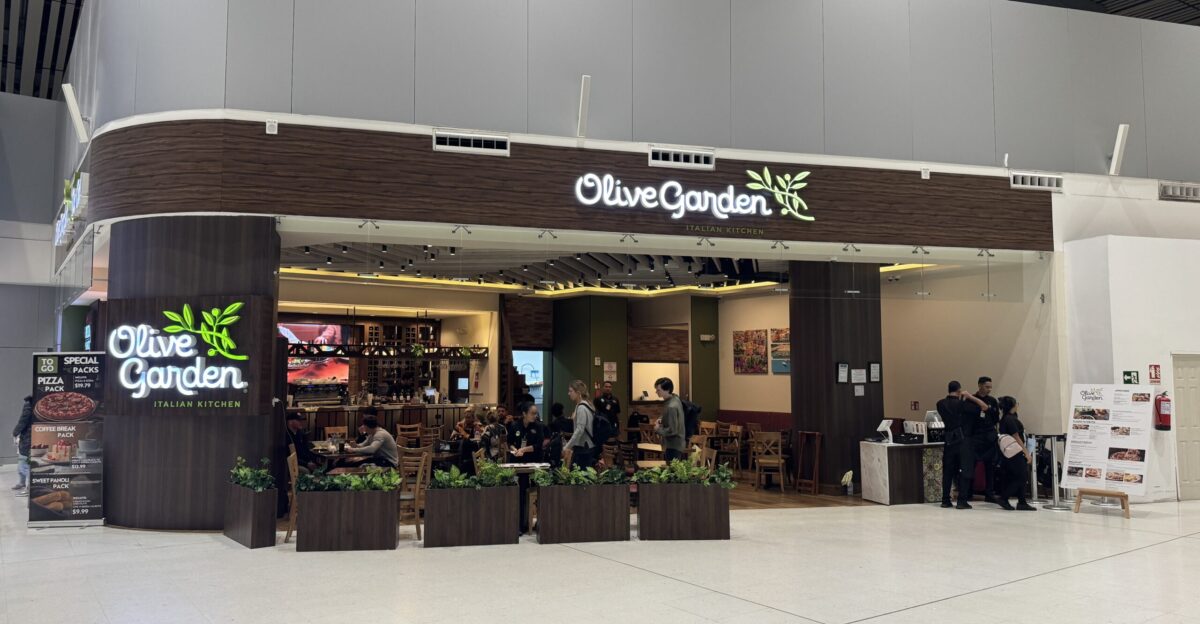
Airport restaurants usually price food about 10–15% higher than similar spots in town, but how strictly that cap is enforced varies by airport.
Some eye‑popping cases have popped up, like a nearly $28 beer at LaGuardia in the past and burgers around $29.50 at JFK. To rein things in, the Port Authority set a 10% markup limit and requires some lower‑priced options, but “street price” comparisons can be subjective, giving vendors wiggle room.
These higher prices aren’t about TSA rules; they mostly come from high operating costs inside airports and the lack of real competition past security.
The Liquid Rule Evolution
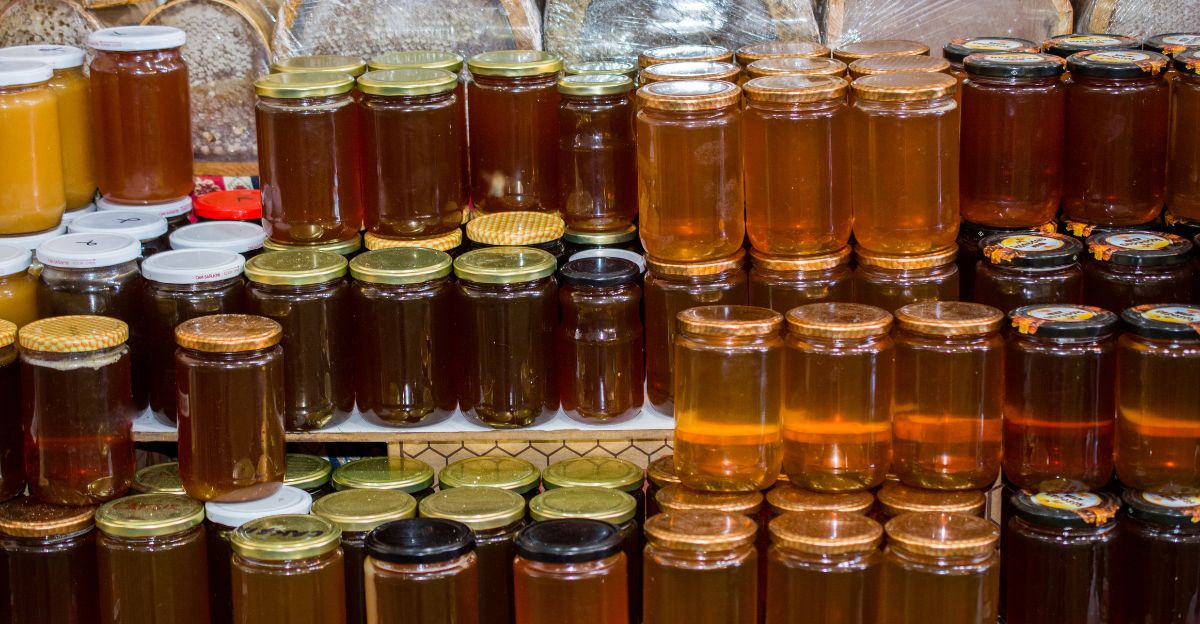
The TSA’s 3-1-1 rule of 2006 limits any liquid, gel, or spread in carry-ons to containers of 3.4 ounces (100 ml) or less. It applies to foods that can be spread or poured, like peanut butter, hummus, yogurt, cream cheese, jam, honey, and salsa.
In 2025, enforcement has been more consistent, and travelers have reported more of these items being taken at security, especially during the busy summer travel period. Many people get caught out because “travel-size” foods or tubs still exceed 3.4 ounces, even if they look small.
Enforcement Statistics
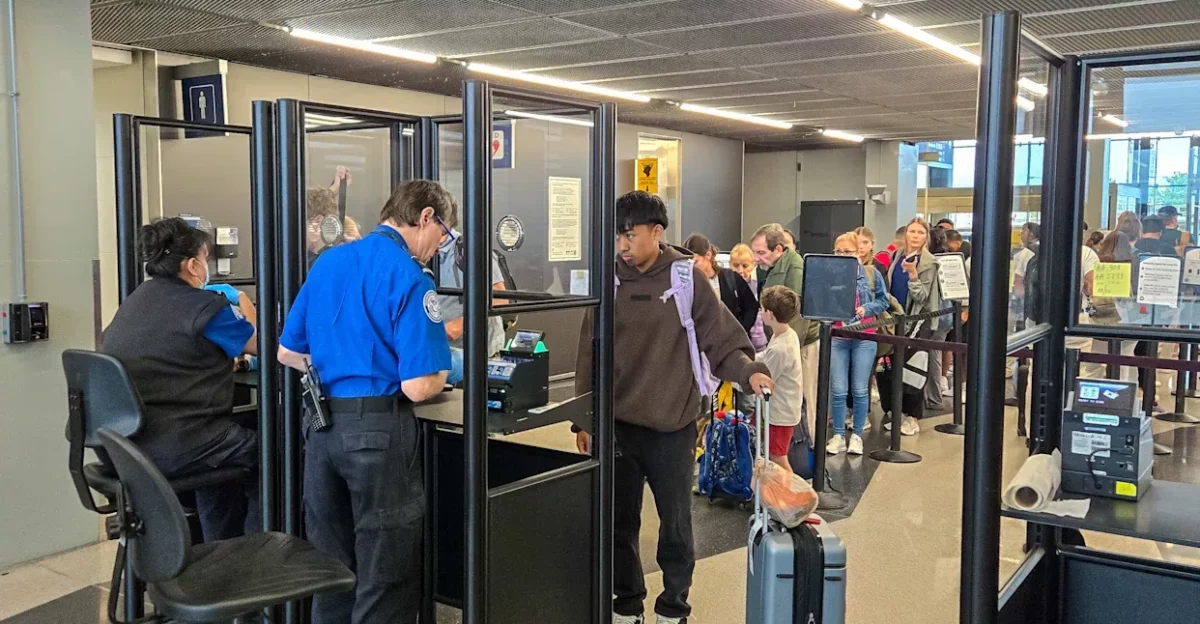
TSA officers are paying closer attention to food at checkpoints in 2025 and have updated training on how the liquids rule applies to spreadable items.
Viral videos of “TSA confiscations” show travelers often misunderstand what counts as a liquid or gel. Travel writers note longer lines when agents inspect items like peanut butter or yogurt more carefully.
Many travel advisors now suggest bringing only solid snacks or putting anything questionable in checked bags. TSA says more consistent enforcement both strengthens security and helps travelers learn what the rules allow.
Economic Impact
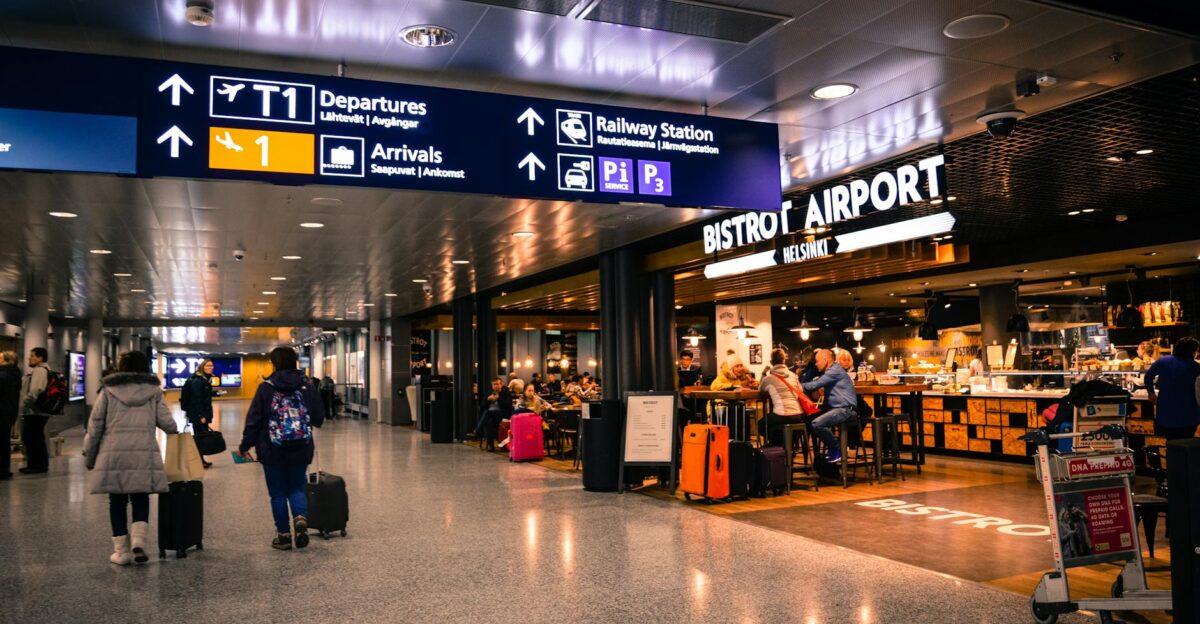
When snacks are taken at security, many passengers buy food inside the terminal instead. For large airports, concessions often make up roughly half of non-aeronautical revenue, and food and beverage is among the fastest-growing retail segments in airports.
Analysts point out that when travelers can’t bring outside food, vendors inside the secure area benefit because customers have fewer alternatives—an example of the “captive audience” effect.
While this linkage is economically plausible, industry sources typically refrain from directly attributing revenue gains to TSA enforcement changes.
Traveler Experiences
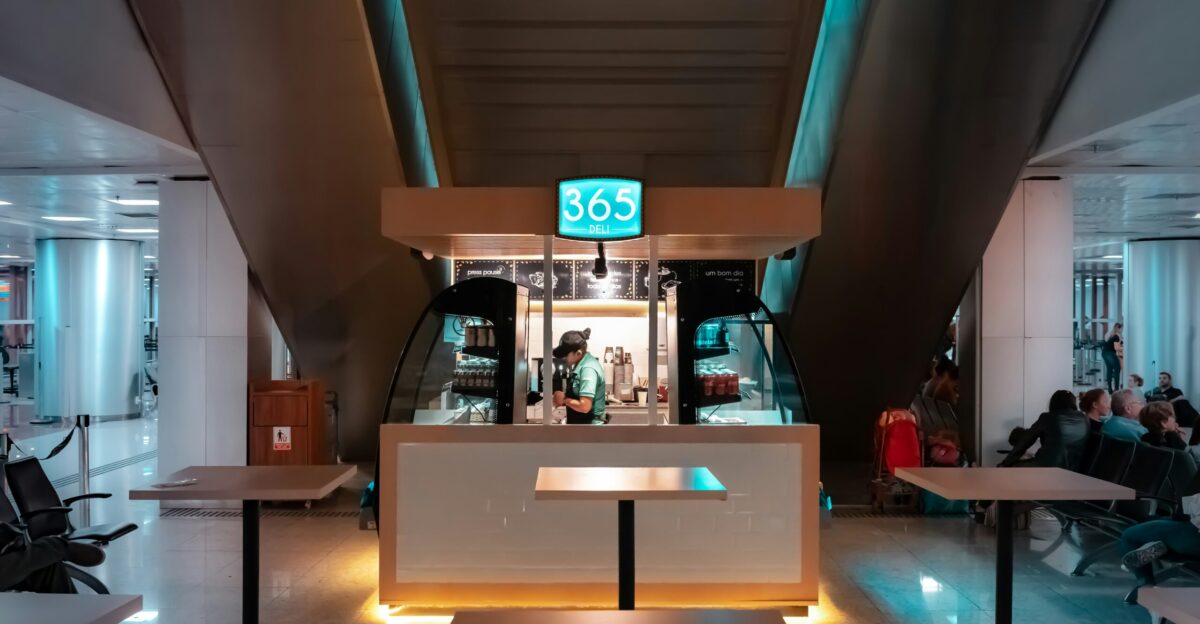
Travelers frequently post that they buy pricey meals in the terminal after security takes their snacks. Discussions on Reddit share workarounds, like freezing yogurt solid so it’s less likely to be flagged or sticking to dry, solid snacks.
Many travel bloggers advise planning an extra budget for airport food, especially for families or anyone with dietary needs. Some PreCheck users say screening can feel looser, but the liquids rule still applies.
The stories show how routine packing habits clash with tighter, more consistent screening.
Market Dynamics
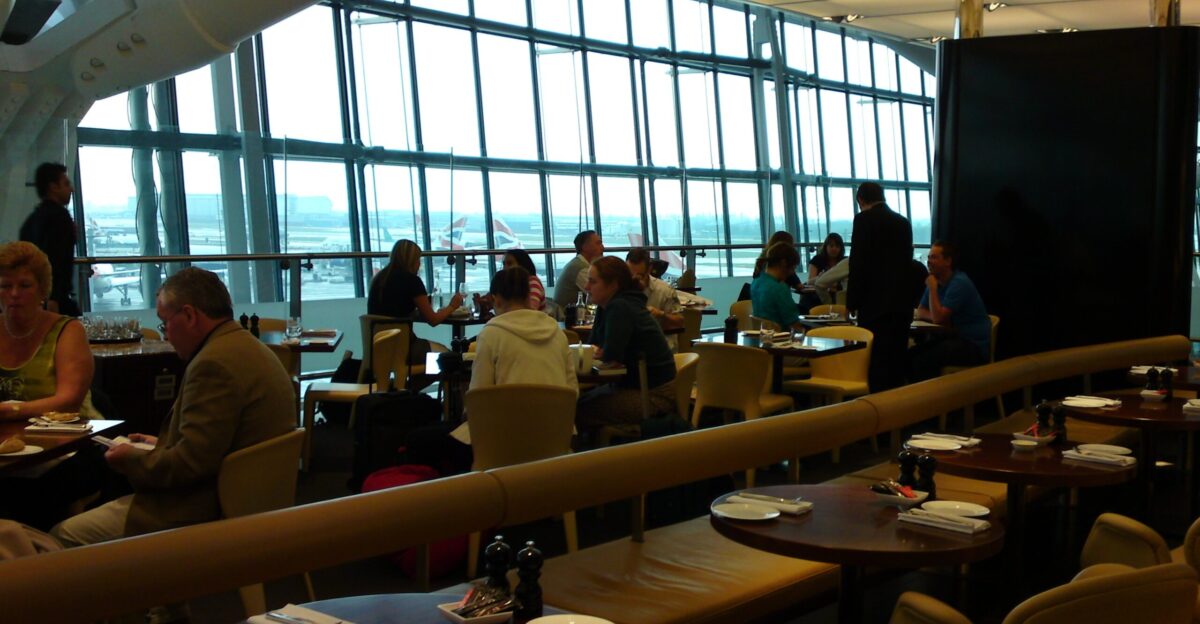
Once past security, airports are closed markets with few competing vendors. Embry‑Riddle’s Blaise Waguespack notes that operators “realize they have a captive audience” and set prices with that in mind. Unlike downtown areas where businesses compete, airport concessions feel little competitive pressure. Many contracts include percentage‑rent terms, which raise operating costs that get built into menu prices. These structural factors drive higher prices regardless of TSA rules, though limiting outside food options can intensify the effect by funneling more demand to on‑site vendors.
Industry Growth
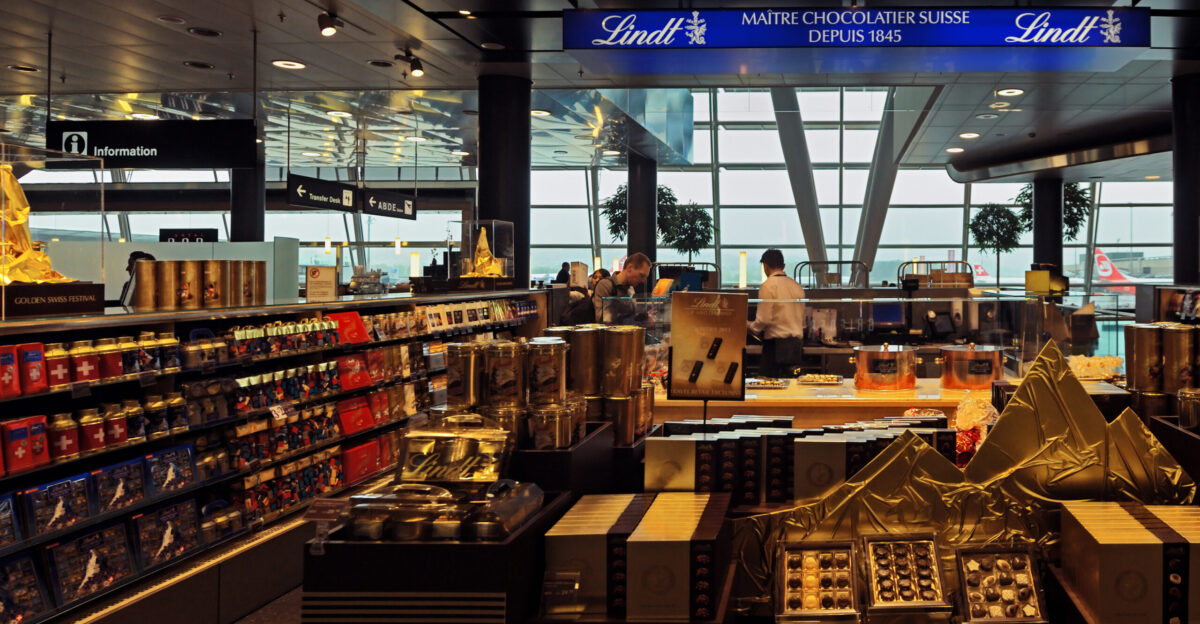
Airport shops and restaurants are big business. In 2023, global airport concession revenue was about $146 billion; food service was the fastest-growing part of that pie.
Analysts expect airport quick‑service restaurants alone to reach roughly $50 billion by 2031. Investors, including private equity, buy into airport operators because profits have been steady and growth looks strong.
Traffic helps, too: more passengers and longer waits mean more time to spend in terminals. Industry reports say food and drink sales keep rising due to changing traveler tastes and how airports are organizing dining around busy flight schedules.
Cost Factors
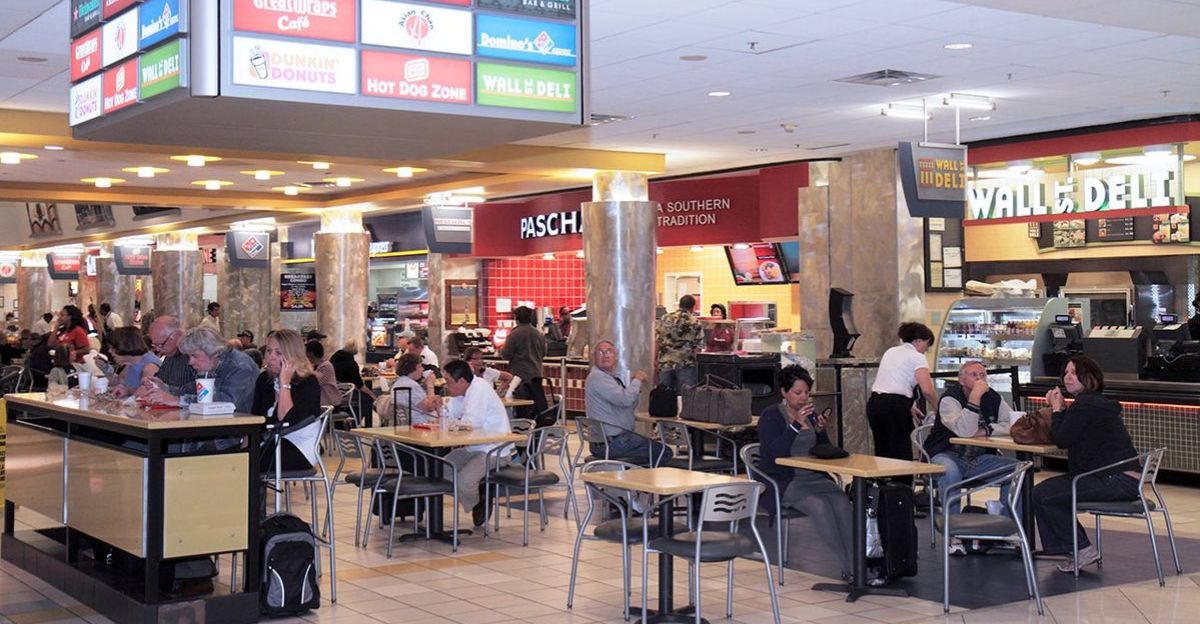
Airport food isn’t just marked up for profit; it’s expensive to run. Operators pay for staff security clearances, notable delivery routes into secure areas, and rent that often scales with sales.
The Atlantic reported that “the cost of running a business in the airport is high.” Add tighter supply chains, restricted operating windows, compliance requirements, and costs, and they stack up quickly.
Still, consumer advocates contend that while these are real expenses, they don’t fully explain why many items sell so far above typical prices at numerous airports.
Connection Points
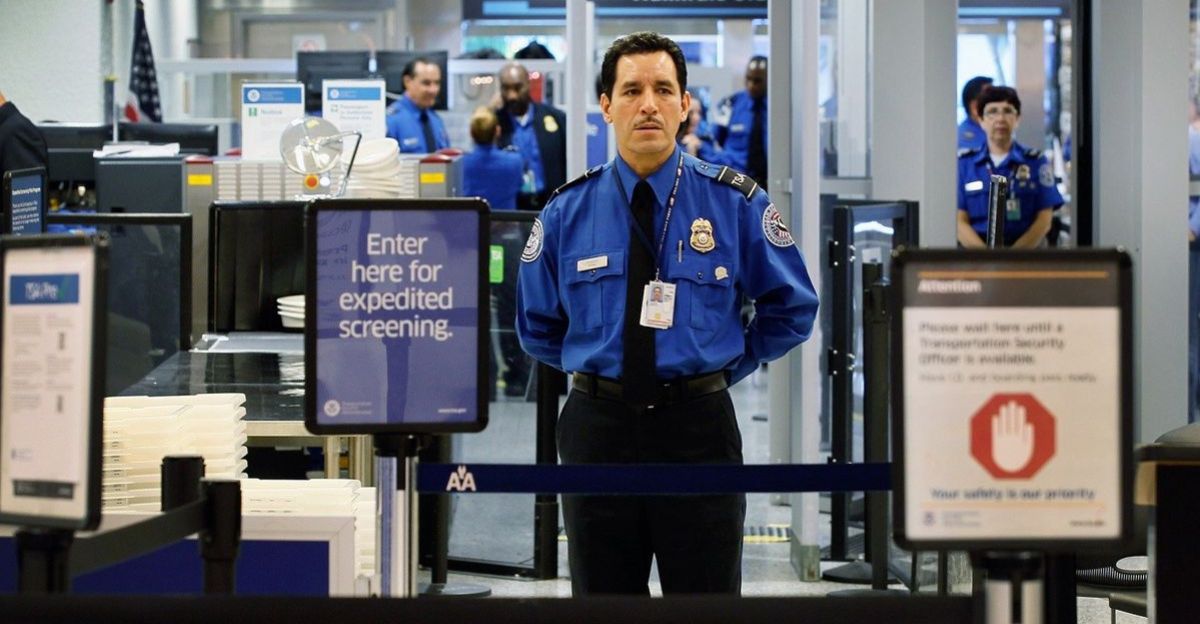
TSA and airport food vendors don’t set policy together, but their actions can overlap in how they affect what passengers eat.
When security enforces the liquids rule more strictly, travelers bring fewer outside snacks, making them more likely to buy food inside the terminal. Many airports are planning more dining space to handle that demand.
Economically, when outside options shrink, sales at on‑site vendors tend to rise—this is a typical market response, not proof of coordination. That general pattern holds whether or not any enforcement changes were made with vendors in mind.
Vendor Perspectives
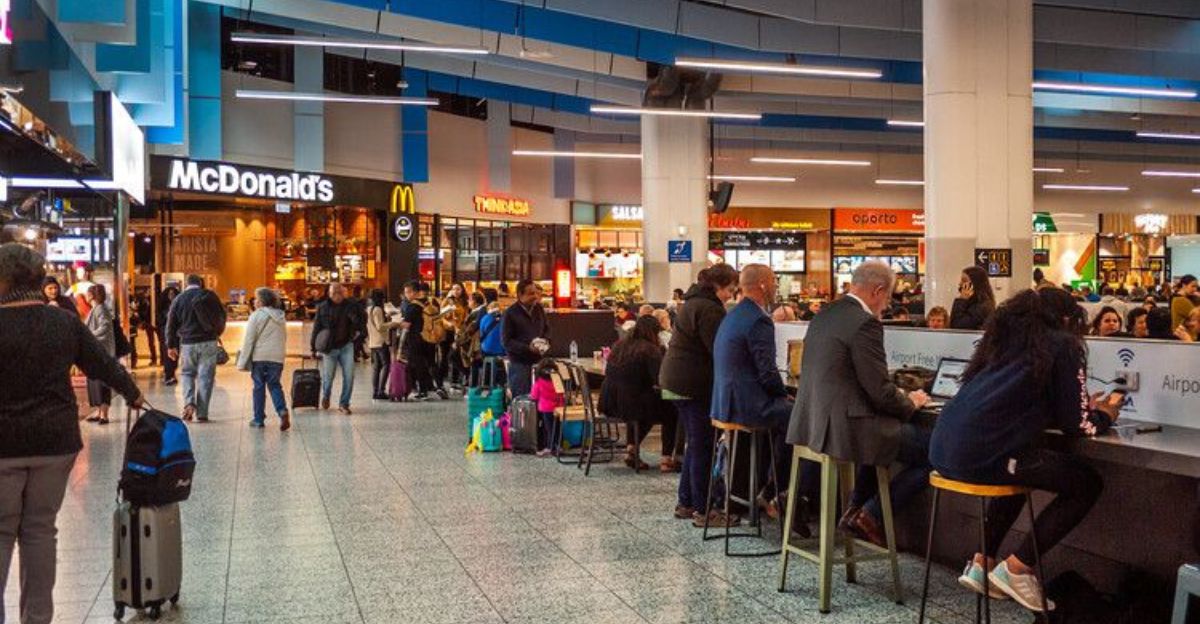
Airport food companies say their prices reflect real costs: staff security clearances, complex deliveries into secure areas, and rent that often takes a cut of sales.
Big players like HMS Host, OTG, and Hojeij Branded Foods run thousands of outlets and argue they provide essential services in a challenging environment. Industry voices add that succeeding in airports takes heavy investment and specialized know‑how.
Consumer advocates push back, asking whether today’s profit margins are fair or if vendors are taking advantage of a captive customer base with few alternatives once past security.
Policy Responses

Some airports have moved to protect travelers from high prices. Portland International Airport has enforced “street pricing” since the 1980s, and reports say sales there are “pretty significantly above the national average,” suggesting fair prices can still drive substantial revenue.
Salt Lake City International rolled out similar rules in 2022 and has reported positive results. The Port Authority’s 2022 policy guide also caps markups, requiring lower-priced options and proof of fair comparisons.
Still, these policies aren’t universal, and how strictly they’re enforced can vary significantly from one airport to another.
Traveler Adaptations
Savvy travelers are adapting to stricter screening and higher prices with a few practical tactics. Experts suggest packing only dry, solid snacks and freezing items like yogurt so they’re less likely to be treated as liquids, though the 3.4‑ounce limit still applies.
Many recommend budgeting for at‑airport meals and checking terminal dining options and prices ahead of time. Some TSA PreCheck users report smoother experiences, but official rules don’t change for PreCheck, so liquids and spreads still face the same limits.
These habits help passengers cope with current regulations, even if they don’t change the cost structure.
Regulatory Environment
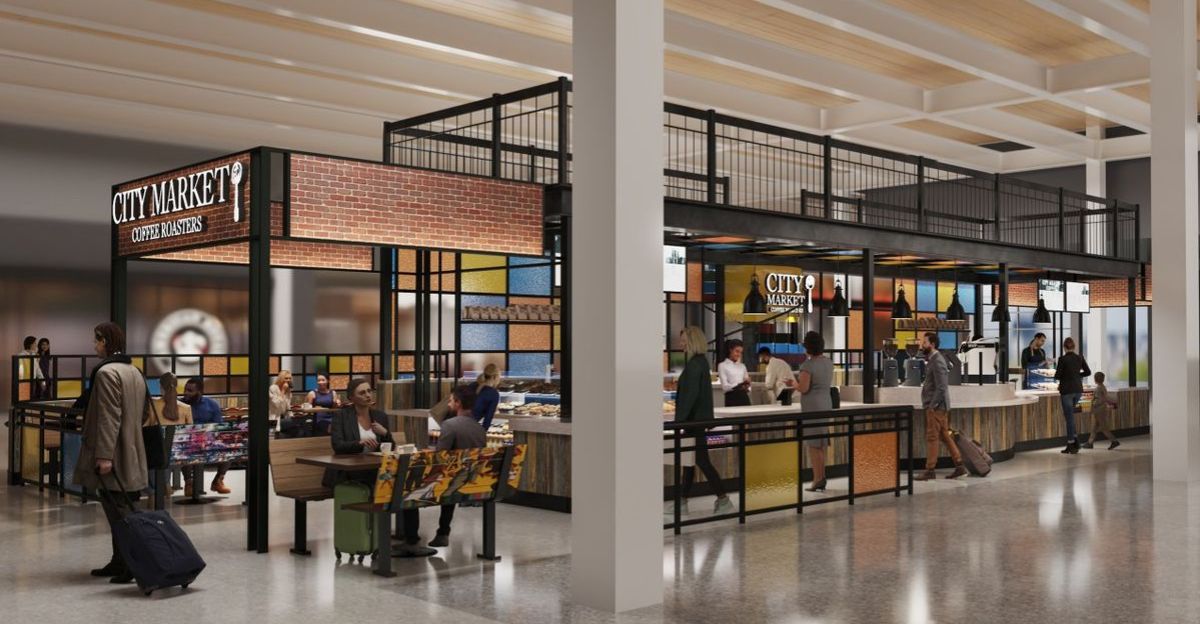
Federal control over airport restaurant charges is light; each authority sets most pricing rules. The U.S. Department of Transportation receives traveler complaints about high prices but has limited power to regulate concession pricing directly.
Consumer groups have lodged complaints with agencies about pricing at publicly funded airports, and members of Congress sometimes raise the issue in transportation hearings.
Still, the web of federal agencies, local airport authorities, and private concession operators makes any broad federal fix complicated and slow to implement.
Future Outlook

Homeland Security Secretary Kristi Noem has floated possible changes to TSA’s liquids rule, saying “the liquids, I’m questioning,” but no specifics or timeline have been set.
Any shift would likely depend on the broader deployment of CT scanners at checkpoints and would roll out gradually across airports. Analysts caution that structural factors drive airport food pricing patterns, so they may not change even if enforcement eases.
Concession operators are still adding dining capacity, signaling they expect steady demand, and meaningful policy updates remain uncertain given technical and operational hurdles.
Technology Solutions
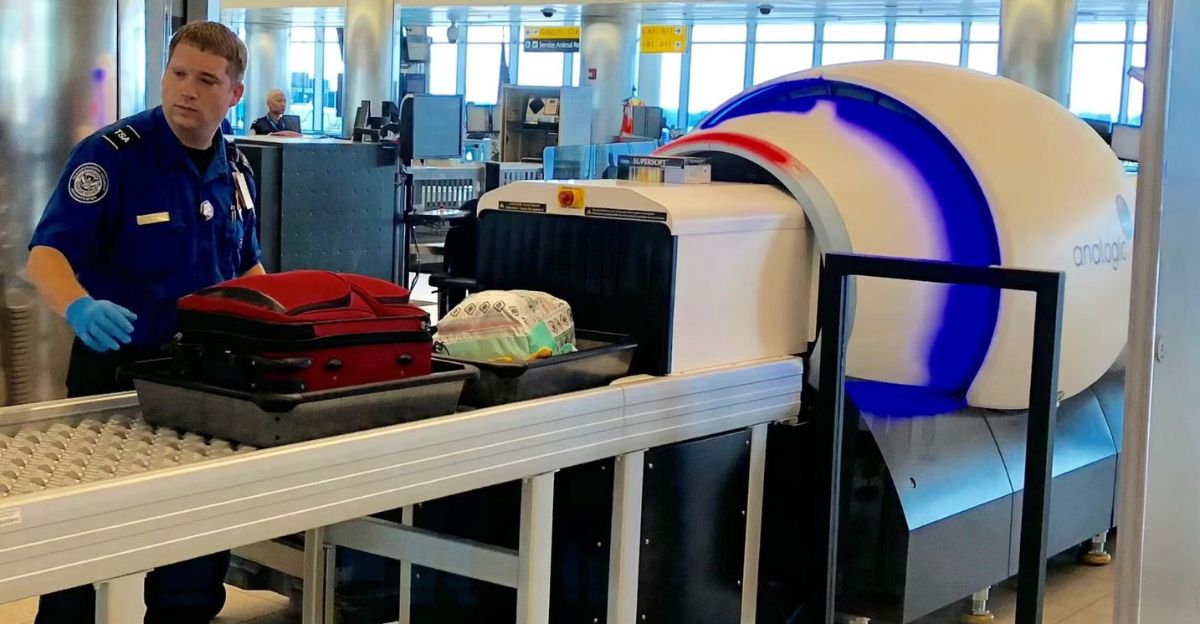
New checkpoint tech could let travelers carry larger containers without compromising security. Some overseas airports already use CT scanners that give security officers detailed 3D views of bags.
Expanding this across U.S. airports is costly and complex, with thousands of lanes to upgrade and staff to train. Experts think these tools can balance safety with convenience over time, but funding and priorities matter.
Given current budgets and the scale of the task, any U.S. rollout is likely to be incremental rather than quick, with mixed rules during a long transition.
International Comparisons
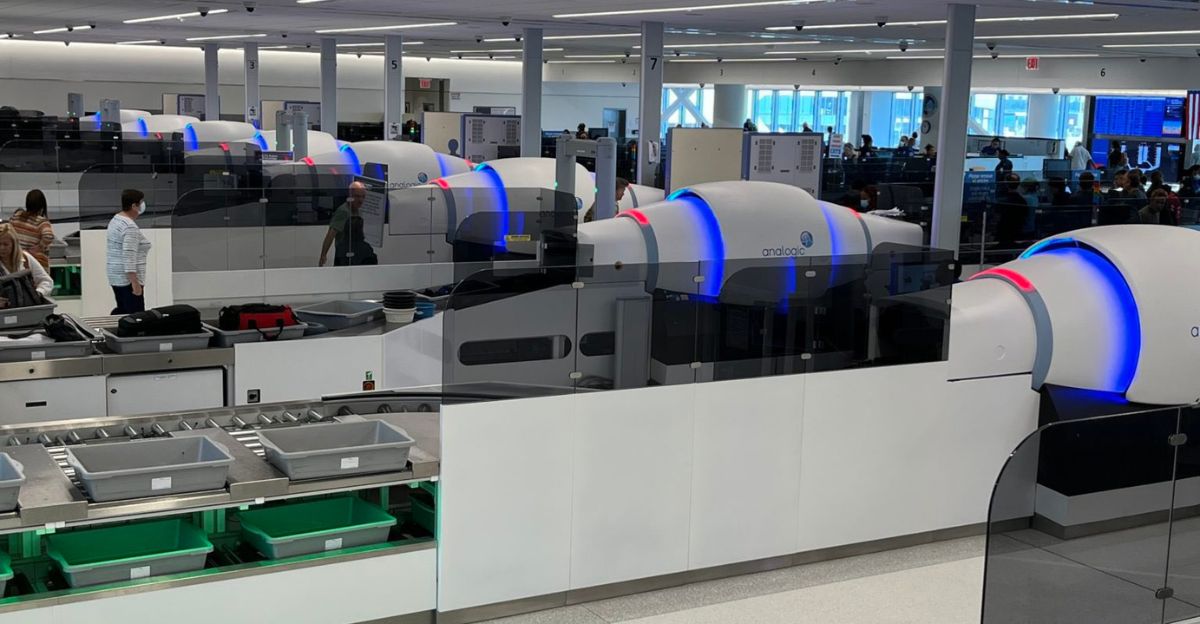
Countries handle liquid rules and airport food very differently. Some European airports that use advanced CT scanners let passengers carry larger liquid containers, easing the 100 ml limit in specific terminals.
In parts of Asia, concession pricing can be more competitive because airports use different revenue models that don’t rely as heavily on high vendor markups. A few international terminals even subsidize some food options to keep basics affordable.
These differences show that, depending on technology, funding, and policy choices, workable alternatives exist that balance security, traveler convenience, and fair pricing.
Consumer Awareness
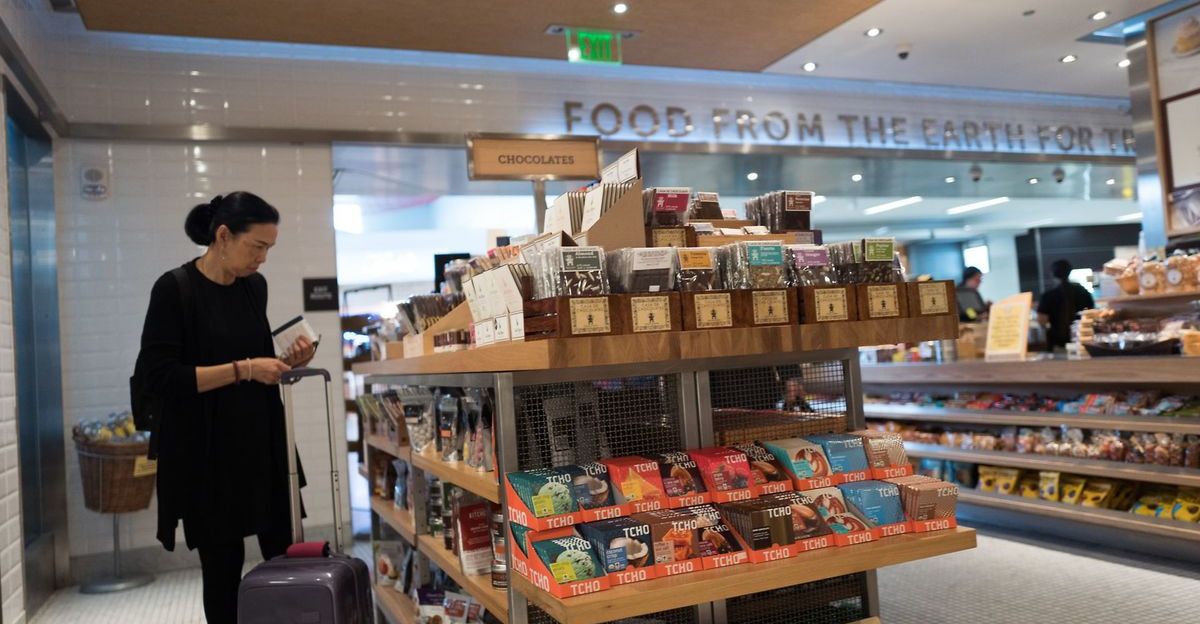
Social feeds contain posts about pricey airport food and stricter TSA checks on spreadable items. Hashtags like #AirportRipoff highlight eye‑catching receipts and menu boards, though some posts exaggerate or misstate rules.
Consumer groups and traveler advocates are pushing educational campaigns that explain fundamental cost drivers alongside concerns about inconsistent “street pricing” enforcement. Travel influencers now routinely share packing tips and terminal dining guides to avoid overspending.
As these conversations grow, airports and concessionaires face more pressure to explain pricing, publish clearer policies, and offer visibly affordable options.
Historical Context
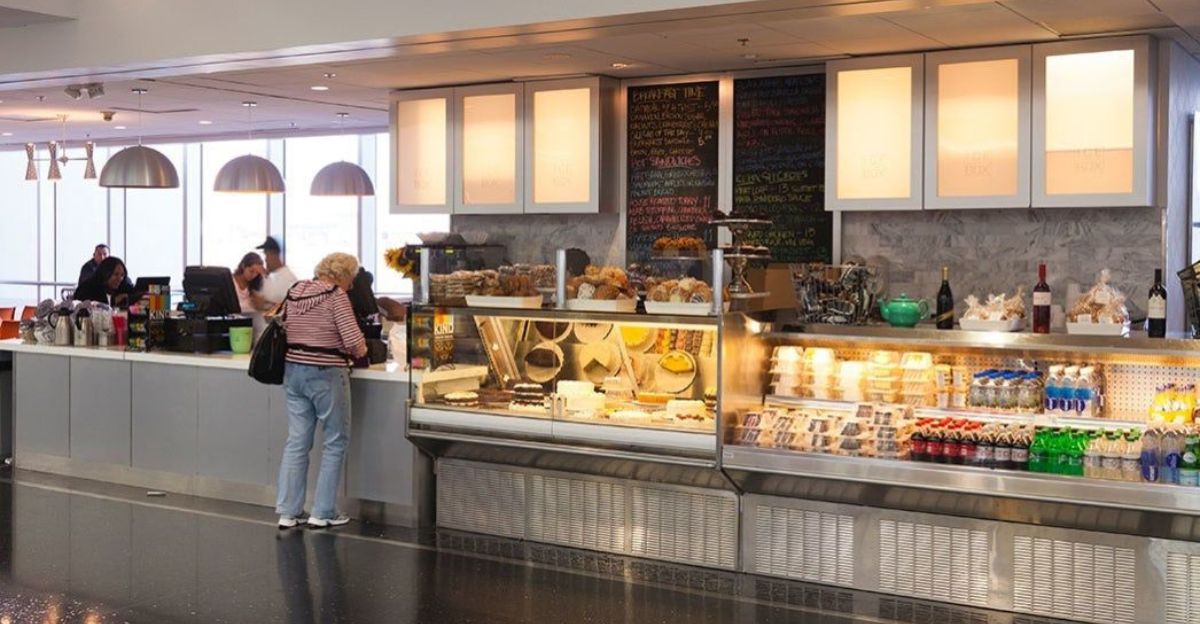
Airport food prices have drawn criticism for years, prompting occasional investigations and tweaks to local policies. After 9/11, tighter security added new costs and complexity for airport businesses, which operators cite when explaining higher menu prices.
Past flare‑ups usually centered on a single airport’s practices rather than an industry‑wide scheme, though concerns about “captive” customers persist. Consumer advocates have won some changes in specific airports.
Looking back, meaningful shifts tend to follow sustained public pressure or targeted regulatory action, rather than one‑off complaints or short media cycles.
Current Reality
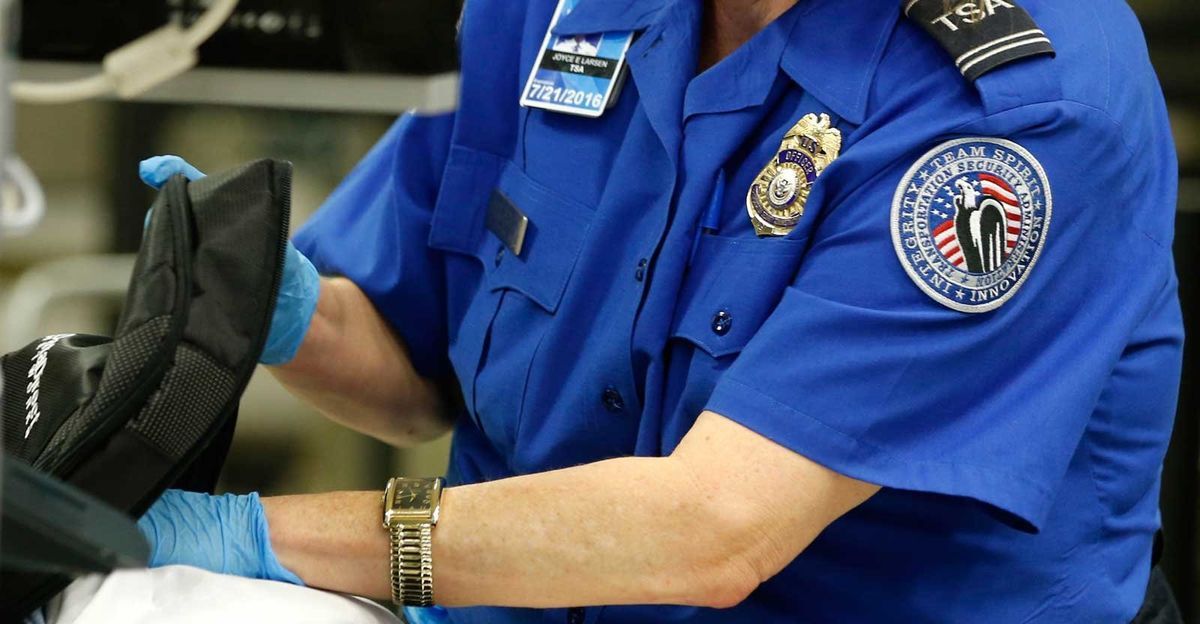
Tighter enforcement of TSA’s liquids rule has made it harder to bring low‑cost snacks through security, so more travelers buy food inside the terminal.
Airport prices were already shaped by high rents, logistics, and limited competition, and stricter screening magnifies those constraints by reducing outside options. The result is higher effective food costs for many passengers because they rely more on concessions with established markups.
Unless policy or pricing rules change, it is practical to plan for elevated meal costs when flying today and pack solid, dry snacks that meet the 3.4‑ounce rule to minimize surprises.